Zurich Travel Guide – Best Places to Visit in Switzerland
Zurich Travel Guide: Exploring Switzerland's Vibrant Metropolis
Welcome to Zurich, Switzerland's largest city and a captivating blend of history, modernity, stunning natural beauty, and unparalleled efficiency. Nestled at the northern end of Lake Zurich, surrounded by rolling hills and with the majestic Alps visible on clear days, Zurich offers visitors a unique European experience. From its charming Old Town with cobblestone streets and medieval guild houses to the bustling financial district and high-end shopping on Bahnhofstrasse, this city effortlessly combines a rich cultural heritage with a dynamic, cosmopolitan vibe. Whether you're an art enthusiast, a nature lover, a gourmet food seeker, or simply looking for a relaxing getaway, Zurich promises an unforgettable journey. Prepare to explore a city renowned for its quality of life, pristine environment, and a wealth of attractions that cater to every interest.
Best Time to Visit Zurich
Zurich, like much of Switzerland, experiences four distinct seasons, each offering a unique charm and set of activities. Your ideal time to visit will largely depend on your preferred weather and interests.
Spring (April-May)
Spring in Zurich is a delightful time when the city reawakens. Temperatures are mild, typically ranging from 8°C to 18°C (46°F to 64°F). The city's parks and gardens burst into bloom, and the air is fresh. There are fewer tourists compared to the peak summer months, making it an excellent time to explore attractions without the crowds. Lake Zurich begins to thaw, and boat tours often resume. While generally pleasant, spring weather can be unpredictable, with occasional rain showers, so packing layers and a waterproof jacket is advisable.
Summer (June-August)
Summer is Zurich's peak tourist season, and for good reason. The weather is warm and sunny, with temperatures averaging between 18°C and 25°C (64°F to 77°F), though heatwaves can push temperatures higher. The long daylight hours are perfect for enjoying outdoor activities, from swimming in Lake Zurich and the Limmat River to hiking Uetliberg Mountain and dining al fresco. The city comes alive with festivals, open-air concerts, and vibrant street life. Be prepared for larger crowds and higher prices for flights and accommodation during this period. Booking well in advance is highly recommended.
Autumn (September-October)
Autumn brings a stunning transformation to Zurich's landscape as the leaves change to brilliant shades of red, orange, and gold. The air becomes crisp, and temperatures cool to a comfortable 10°C to 18°C (50°F to 64°F). This is an excellent time for scenic walks, wine tasting in the surrounding vineyards, and enjoying the last of the milder days before winter sets in. Tourist numbers begin to decline, offering a more relaxed experience. Similar to spring, autumn can have some rainy days, but overall it's a beautiful and rewarding time to visit.
Winter (November-March)
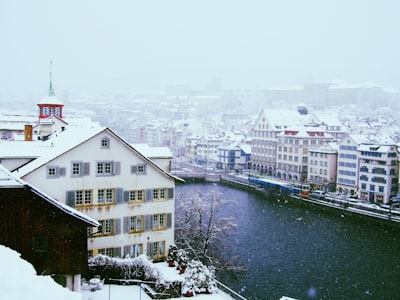
Winter transforms Zurich into a magical, often snow-dusted wonderland, particularly from December to February. Temperatures typically hover around -2°C to 5°C (28°F to 41°F). The highlight of the winter season is undoubtedly the enchanting Christmas markets, which open in late November and fill the city with festive cheer, warm glühwein, and intricate decorations. Nearby ski resorts are easily accessible for day trips, making Zurich a great base for winter sports enthusiasts. While the days are shorter and colder, the cozy cafes, museums, and indoor attractions provide ample entertainment. Pack warm clothing, including hats, gloves, and waterproof boots.
Top Attractions in Zurich
Zurich boasts an impressive array of attractions, blending historical landmarks with modern marvels and natural beauty.
Old Town (Altstadt)
The heart and soul of Zurich, the Altstadt is a maze of narrow, winding cobblestone streets, medieval buildings, and charming squares. Divided by the Limmat River, it's home to historic guild houses, quaint cafes, and boutique shops. Spend hours getting lost in its alleys, discovering hidden courtyards, and admiring the beautifully preserved architecture. The Limmatquai, running along the river, offers picturesque views and pleasant strolls.
Lake Zurich
A stunning centerpiece of the city, Lake Zurich is perfect for relaxation and recreation. Enjoy a leisurely boat cruise, rent a paddleboard or pedal boat, or simply relax on one of its many lakeside parks and beaches (known as "Badis" in summer). The promenade, Seepromenade, is ideal for walking, jogging, or cycling, offering breathtaking views of the lake and the distant Alps.
Grossmünster Church
One of Zurich's most iconic landmarks, the Grossmünster features distinctive twin Romanesque towers. Legend has it that Charlemagne founded the church, and it played a pivotal role in the Swiss-German Reformation led by Huldrych Zwingli. Climb the Karlsturm tower for panoramic views of the city, the lake, and the surrounding mountains.
Fraumünster Church
Located on the west bank of the Limmat, the Fraumünster Church is famous for its exquisite stained-glass windows created by Marc Chagall and Augusto Giacometti. Originally a convent for aristocratic women, its history dates back to 853 AD. The vibrant colors of the windows are a must-see, especially on a sunny day.
St. Peter Church
Zurich's oldest parish church, St. Peter Church, is recognizable by its impressive clock face, which is the largest in Europe, boasting a diameter of 8.7 meters. While its exterior is striking, the interior offers a serene retreat with beautiful baroque elements.
Bahnhofstrasse
Known as one of the world's most exclusive and expensive shopping streets, Bahnhofstrasse stretches from Zurich Hauptbahnhof (main train station) to Lake Zurich. Here you'll find an array of luxury brands, designer boutiques, watchmakers, and high-end department stores. Even if luxury shopping isn't your goal, a stroll down this elegant boulevard offers a glimpse into Zurich's sophisticated side.
Swiss National Museum (Landesmuseum Zurich)
Housed in a magnificent fairy-tale castle-like building near the main station, the Swiss National Museum offers a comprehensive journey through Swiss history and culture. Its vast collections include archaeological artifacts, traditional costumes, religious art, and historical furniture, providing deep insights into the country's past from prehistory to the present.
Kunsthaus Zurich
The Kunsthaus Zurich is one of Switzerland's most important art museums, featuring a significant collection of European art from the Middle Ages to contemporary works. Highlights include major pieces by Edvard Munch, a substantial collection of Impressionist and Post-Impressionist works (Monet, Van Gogh), and modern art from Picasso and Chagall, alongside prominent Swiss artists.
Uetliberg Mountain
Just a short train ride from the city center, Uetliberg is Zurich's "local mountain," offering spectacular panoramic views of the city, Lake Zurich, and the snow-capped Alps. It's a popular spot for hiking in summer and sledding in winter. There's an observation tower you can climb for even better vistas, and a restaurant at the top where you can enjoy a meal with a view.
Lindenhof Hill
This tranquil, elevated park in the heart of the Old Town offers stunning views over the Limmat River, Grossmünster, and the eastern part of Zurich. Historically, it was the site of a Roman fort and later a imperial palace. Today, it's a popular spot for locals and tourists alike to relax, play chess, and enjoy the serene atmosphere.
Zurich Zoo
One of Europe's best zoos, Zurich Zoo is renowned for its conservation efforts and naturalistic habitats. It features diverse ecosystems, including the Masoala Rainforest Hall, which mimics a rainforest environment, and the Mongolian Steppe, home to Bactrian camels. It's an educational and enjoyable experience for visitors of all ages.
How to Reach Zurich
Zurich is a major transportation hub, making it easily accessible from anywhere in the world.
By Air
Zurich Airport (ZRH), often hailed as one of the best airports globally, is Switzerland's largest international airport. It serves as a major hub for Swiss International Air Lines and offers direct connections to numerous cities across Europe, North America, Asia, and Africa.
- Getting to the City Center from ZRH: The airport is incredibly well-connected to Zurich Hauptbahnhof (HB), the main train station. Frequent S-Bahn (suburban train) services (S2 and S16) and regional trains run every few minutes, taking approximately 10-15 minutes to reach the city center. Tram Line 10 also connects the airport to the city, offering a scenic route though slightly longer.
By Train
Zurich Hauptbahnhof (HB) is one of Europe's busiest and most efficient train stations. Switzerland's excellent national rail network (SBB) connects Zurich to every major city and region within the country. International high-speed trains (ICE, TGV, Railjet, Eurocity) provide direct links from neighboring countries like Germany, France, Austria, and Italy, making train travel a comfortable and scenic option for European visitors.
By Car
Zurich is well-connected by a network of Swiss highways (Autobahn). However, driving within the city center can be challenging due to pedestrian zones, one-way streets, and limited, expensive parking. If you plan to travel extensively outside the city, a car might be useful, but for exploring Zurich itself, public transport is far more convenient. A vignette (toll sticker) is required for driving on Swiss highways.
By Bus
International bus services, such as FlixBus, operate routes to Zurich from various European cities. The main long-distance bus terminal is located near Zurich Hauptbahnhof, providing an affordable alternative to trains for budget-conscious travelers.
Local Food Guide: Savoring Zurich's Flavors
Zurich offers a delightful culinary scene, from traditional Swiss hearty fare to sophisticated international cuisine. Prepare to indulge in rich flavors and high-quality ingredients.
Must-Try Dishes
- Zürcher Geschnetzeltes: This is Zurich's signature dish, a creamy and savory delight consisting of sliced veal (sometimes pork) cooked in a mushroom cream sauce, often served with Rösti. It's a must-try for any visitor.
- Fondue: A quintessential Swiss experience. Melted cheese (typically Gruyère and Emmental) mixed with white wine, garlic, and sometimes a dash of kirsch. Dip pieces of bread, potatoes, or cornichons into the communal pot.
- Raclette: Another popular cheese dish, where a half-wheel of Raclette cheese is melted, and the warm, gooey cheese is scraped over boiled potatoes, pickles, and pickled onions.
- Rösti: A national dish of pan-fried grated potatoes, often served as a side dish to many Swiss meals. It can be crispy on the outside and soft on the inside, sometimes with bacon or cheese mixed in.
- Birchermüesli: Invented in Zurich by Dr. Maximilian Bircher-Benner, this healthy breakfast or snack consists of rolled oats, grated apple, nuts, condensed milk, and lemon juice.
- Luxemburgerli: The Swiss answer to the French macaron, these delicate, airy mini-macarons from the Confiserie Sprüngli are available in a delightful array of flavors. They are smaller and often creamier than traditional macarons.
- Swiss Chocolate: Switzerland is famous for its chocolate, and Zurich is no exception. Indulge in artisanal chocolates from local chocolatiers like Sprüngli, Läderach, and Teuscher, or popular brands like Lindt and Toblerone.
Where to Eat
- Traditional Swiss Restaurants: For an authentic experience, head to establishments like Zeughauskeller (a former armory, known for large portions and a lively atmosphere) or Zunfthaus zur Waag (a historic guild house offering refined Swiss cuisine). Many restaurants in the Old Town specialize in fondue and raclette.
- Cafes and Bakeries: Zurich has a thriving cafe culture. Confiserie Sprüngli on Paradeplatz is an institution, famous for its chocolates, pastries, and Luxemburgerli, perfect for a coffee break. Other charming bakeries offer fresh bread and croissants.
- Lunch Menus (Tagesmenu): To save money, look for "Tagesmenu" or "Mittagsmenu" (daily lunch specials) offered by many restaurants during weekdays. These usually include a main course and sometimes a starter or dessert, at a significantly lower price than dinner.
- International Cuisine: As a cosmopolitan city, Zurich boasts an incredible diversity of international restaurants, from Italian and Asian to Middle Eastern and American. You'll find options to suit every palate and budget.
- Supermarkets: For budget-friendly options, Migros and Coop supermarkets offer a wide range of ready-to-eat meals, sandwiches, salads, and fresh produce, perfect for picnics by the lake.
Navigating Zurich: Public Transport Guide
Zurich boasts one of the most efficient, integrated, and reliable public transportation systems in the world, managed by the Zürcher Verkehrsverbund (ZVV). It covers trams, buses, S-Bahn (suburban trains), and even boats.
Tickets and Passes
- Single Tickets: Valid for a specific zone and duration. Zurich city center is Zone 110 (formerly Zone 10).
- Day Tickets: Offer unlimited travel within selected zones for 24 hours.
- Multi-Day Passes: Available for 72 hours, 48 hours, or other durations, providing excellent value for longer stays.
- Zurich Card: This is highly recommended for tourists. It offers:
- Unlimited travel on all public transport (trams, buses, trains, boats, cable cars) in Zurich city and surrounding areas (Zones 110, 111, 121, 140, 150, 154, 155).
- Free admission to most of Zurich's museums.
- Discounts on other attractions and experiences.
- Available for 24 or 72 hours. Calculate if the combined cost of your planned attractions and transport exceeds the card's price.
- Swiss Travel Pass: If you plan extensive travel throughout Switzerland, the Swiss Travel Pass covers unlimited travel on trains, buses, and boats across the country, including public transport in over 90 towns and cities (like Zurich), and free entry to over 500 museums.
- Purchasing Tickets: Tickets can be bought from vending machines at all stops, ZVV customer service centers, or via the ZVV or SBB Mobile apps. Be sure to purchase and validate your ticket *before* boarding, as inspectors conduct frequent checks.
Key Modes of Transport
- Trams: The backbone of Zurich's urban transport. They are frequent, quiet, and cover most areas of the city center and its immediate surroundings. Trams are excellent for sightseeing as they offer good views.
- S-Bahn (Suburban Trains): Connect the city center with its suburbs, Zurich Airport, and further afield. They are fast and efficient for longer distances within the ZVV network.
- Buses: Supplement the tram network, reaching areas not served by trams and providing connections to smaller neighborhoods.
- Boats: Scenic boat services operate on Lake Zurich and the Limmat River, offering a unique perspective of the city and its beautiful surroundings. These are included in the ZVV network and the Zurich Card.
- Funiculars/Cable Cars: The Polybahn funicular offers a quick ride up to the ETH Zurich university campus, providing nice views. The Uetlibergbahn (S10 train) takes you to the top of Uetliberg.
Tips for Using Public Transport:
- Download the SBB Mobile app: It provides real-time schedules, platform information, and allows you to buy tickets directly.
- Plan your route: Google Maps or the ZVV website are excellent for planning journeys.
- Validate tickets: If you buy a ticket that isn't pre-validated (like a single ticket from a machine), remember to stamp it in a validator before boarding. Day passes and Zurich Cards typically don't need validation after the first use.
Travel Budget Tips for Zurich
Zurich consistently ranks among the most expensive cities in the world. However, with smart planning, you can enjoy its charm without completely breaking the bank.
- Stay Outside the City Center: Hotels slightly outside the main tourist zones (but still well-connected by public transport) can be significantly cheaper.
- Hostels and Guesthouses: Zurich has several well-regarded hostels (e.g., Oldtown Hostel Otter) that offer dorm beds and private rooms at more affordable rates.
- Airbnbs/Apartments: Consider an Airbnb or a serviced apartment, especially if traveling with a group or for a longer stay, as they often include kitchen facilities.
- Cook Your Own Meals: If your accommodation has a kitchen, utilize it! Supermarkets like Migros and Coop offer high-quality, fresh ingredients.
- Lunch Menus (Tagesmenu): As mentioned, eating out for lunch is much more economical than dinner. Look for "Mittagsmenu" for fixed-price daily specials.
- Picnics: Grab some bread, cheese, cold cuts, and fresh produce from a supermarket and enjoy a scenic picnic by Lake Zurich or in a park.
- Avoid Tourist Traps: Restaurants directly on Bahnhofstrasse or in the most prominent squares tend to be pricier. Explore side streets for better value.
- Tap Water: Switzerland has excellent, safe tap water. Carry a reusable water bottle and refill it frequently to avoid buying expensive bottled water.
- Zurich Card: If you plan to visit multiple museums and use public transport extensively, the Zurich Card can offer significant savings.
- Walk: Zurich's city center and Old Town are very walkable. Embrace walking to save on short transport fares and discover hidden gems.
- Day Passes: If you don't need museum entries, a 24-hour or 72-hour transport pass might be more cost-effective than single tickets.
- Attractions & Activities:
- Free Activities: Many of Zurich's best experiences are free: strolling through the Old Town, relaxing on Lindenhof Hill, enjoying the lake promenade, hiking Uetliberg (only train fare to get there), visiting the many fountains, and exploring the Botanical Garden.
- Museum Discounts: The Zurich Card covers most museums. Otherwise, look for combined tickets if visiting multiple attractions in one day.
- Free Walking Tours: Some companies offer free (tip-based) walking tours that provide an excellent introduction to the city's history and sights.
- Souvenirs: Avoid buying souvenirs from tourist shops on Bahnhofstrasse. Supermarkets often have more affordable and authentic Swiss chocolate and other local products.
- Duty-Free: If you're planning on purchasing high-value items, remember that non-EU residents can claim VAT refunds on purchases over a certain amount.
Hotels and Accommodation in Zurich
Zurich offers a wide range of accommodation options, from luxurious five-star hotels to cozy boutique guesthouses and budget-friendly hostels. Prices tend to be higher than in many other European cities, especially during peak season.
Luxury (CHF 400+ per night)
- Baur au Lac: A legendary grand hotel set in its own private park by Lake Zurich, offering impeccable service, exquisite dining, and opulent rooms.
- Widder Hotel: A unique design hotel in the Old Town, blending historic buildings with contemporary art and modern comforts. Each room is individually designed.
- Storchen Zurich: Nestled directly on the Limmat River in the heart of the Old Town, offering elegant rooms with stunning river views and a renowned rooftop bar.
Mid-Range (CHF 180-400 per night)
- Hotel Continental: Centrally located near the main station, offering comfortable rooms and excellent service, a good blend of convenience and quality.
- citizenM Zurich: A trendy, tech-savvy hotel near Bahnhofstrasse, known for its compact but smart rooms and vibrant communal spaces.
- Sorell Hotels: A Swiss chain with several properties across Zurich (e.g., Sorell Hotel St. Peter, Sorell Hotel Zürichberg), offering comfortable stays with a focus on design and local touches.
- Hotel City Zurich: A modern, well-located hotel just off Bahnhofstrasse, offering clean, contemporary rooms and good amenities.
Budget (CHF 50-180 per night)
- Oldtown Hostel Otter: A popular and highly-rated hostel located right in the heart of the Old Town, offering both dorms and private rooms.
- Youth Hostel Zurich: Modern and spacious, located a bit further from the center but easily accessible by tram, offering good facilities.
- Hotel Marta: A simple, no-frills hotel near the main station, providing clean and basic rooms for budget-conscious travelers.
- ibis Zurich City West: Part of the international chain, offering reliable, functional rooms at competitive prices, located in a vibrant emerging district.
Apartments and Airbnbs
For longer stays, families, or groups, renting an apartment through platforms like Airbnb or local agencies can be a cost-effective option, offering more space and kitchen facilities.
Areas to Stay
- Old Town (Altstadt): Ideal for first-time visitors who want to be immersed in history, close to major attractions, and enjoy a vibrant atmosphere. Can be pricier and sometimes noisy.
- Around Hauptbahnhof (Main Station): Excellent for convenience, with easy access to public transport, the airport, and many businesses. A good base for exploring the city and beyond.
- District 4 (Langstrasse): Known for its lively nightlife, diverse restaurants, and bohemian vibe. Offers more budget-friendly options and a different side of Zurich.
- Seefeld/Enge: Quieter, more residential districts along the lake, offering beautiful views and a more relaxed atmosphere. Generally upscale.
Safety Tips for a Worry-Free Zurich Trip
Zurich is consistently ranked among the safest cities in the world, with a very low crime rate. However, like any major urban center, it's always wise to practice general caution and awareness.
- General Awareness: While rare, petty crimes like pickpocketing can occur in crowded tourist areas (e.g., Bahnhofstrasse, main train station) or on crowded public transport. Keep an eye on your belongings, especially valuables.
- Nightlife: Zurich's nightlife districts (like Langstrasse) are generally safe, but it's always advisable to stick to well-lit, populated areas, especially if traveling alone at night. Keep an eye on your drinks and travel in groups if possible.
- Traffic: Trams and bicycles are prevalent and quiet. Always look both ways, pay attention to tram signals, and be mindful of bike lanes, especially when walking near railway tracks or busy streets.
- General Emergency Number: 112 (operates across Europe)
- Drinking Water: Tap water in Zurich is of excellent quality and perfectly safe to drink. There are numerous public fountains throughout the city where you can refill your water bottle for free.
- Hiking: If you plan to hike on Uetliberg or in the surrounding areas, wear appropriate footwear, carry water, and let someone know your route, especially for longer excursions.
- Valuables: While Zurich is safe, it's always best to leave expensive jewelry or large sums of cash in your hotel safe. Use ATMs inside banks or well-lit areas.
Enjoy your trip to Zurich with peace of mind, knowing that you're in one of the safest and most welcoming cities in the world!
Frequently Asked Questions about Zurich
Q: Do they speak English in Zurich?
A: Yes, English is widely spoken in Zurich, especially in tourist areas, hotels, restaurants, and by younger generations. While the official language is Swiss German, you'll have no trouble communicating in English.
Q: Is Zurich expensive?
A: Yes, Zurich is one of the most expensive cities globally. Costs for accommodation, dining out, and certain goods are high. However, there are many ways to manage your budget, as outlined in our Travel Budget Tips.
Q: How many days do I need to visit Zurich?
A: For a good overview of Zurich's main attractions, 2 to 3 full days are recommended. If you plan to take day trips to nearby mountains or other Swiss cities, extend your stay to 4-5 days.
Q: What is the local currency in Switzerland?
A: The local currency is the Swiss Franc (CHF). While some places might accept Euros, change will usually be given in CHF, and exchange rates might be unfavorable. It's best to use CHF or credit/debit cards.
Q: Can I drink tap water in Zurich?
A: Absolutely! Zurich's tap water is of exceptional quality and is safe and refreshing to drink directly from the tap or public fountains.
Q: Is the Zurich Card worth it?
A: The Zurich Card can be very cost-effective if you plan to use public transport frequently and visit several museums or attractions that offer discounts or free entry. It's best to calculate the individual costs of your planned activities and transport to see if the card provides savings for your specific itinerary.
Q: Is Zurich walkable?
A: Yes, Zurich's city center, particularly the Old Town, is very walkable. Many key attractions are within walking distance of each other. For longer distances or to reach the outskirts, the public transport system is excellent.
Q: Do I need a visa to visit Switzerland?
A: Switzerland is part of the Schengen Area. Visitors from many countries (e.g., EU, USA, Canada, Australia) do not need a visa for stays up to 90 days. Always check the latest visa requirements based on your nationality before traveling.
Q: What is the tipping etiquette in Zurich?
A: Tipping is not mandatory in Switzerland as service charges are included in prices. However, rounding up the bill or leaving a small tip (5-10% for excellent service) is appreciated in restaurants and cafes.