Sydney Travel Guide – Best Places to Visit in Australia
Sydney: Your Ultimate Guide to Australia's Harbour City
Welcome to Sydney, a city that effortlessly blends iconic landmarks, sun-kissed beaches, a thriving arts scene, and a vibrant culinary landscape. Nestled around one of the world's most beautiful natural harbours, Sydney is a city of superlatives – home to architectural marvels, stunning national parks right on its doorstep, and an energetic, multicultural pulse. Whether you're seeking adventure, relaxation, cultural immersion, or gastronomic delights, Sydney offers an unforgettable experience for every traveller. From scaling the Harbour Bridge to surfing at Bondi, exploring historic laneways, or enjoying world-class dining with panoramic views, this comprehensive guide will help you plan your perfect Sydney adventure.
Best Time to Visit Sydney
Sydney enjoys a temperate climate, making it an attractive destination year-round. However, the best time to visit often depends on your preferences for weather, crowd levels, and specific events.
Summer (December - February)
This is Sydney’s peak tourist season, characterized by warm to hot temperatures (averaging 26-30°C), sunny days, and long evenings. It's perfect for beach activities, outdoor dining, and enjoying the harbour. However, expect larger crowds, higher prices for flights and accommodation, and potentially humid conditions or occasional intense heatwaves. Iconic events like New Year's Eve fireworks and the Sydney Festival make it a lively time.
Autumn (March - May)
Widely considered one of the best times to visit, autumn offers pleasant, mild temperatures (averaging 20-25°C), lower humidity, and fewer crowds than summer. The weather is ideal for sightseeing, coastal walks, and exploring the city's parks. Prices for travel and accommodation begin to drop slightly, and the city maintains a vibrant atmosphere with events like Vivid Sydney (late May/early June).
Winter (June - August)
Sydney winters are mild and generally sunny, with average temperatures ranging from 12-18°C. While too cool for swimming, it's perfect for exploring museums, galleries, and enjoying cosy cafes and restaurants. Crowds are significantly smaller, making it a great time for budget-conscious travellers. Whale watching season kicks off, offering incredible opportunities to spot migrating humpbacks.
Spring (September - November)
Another fantastic time to visit, spring brings blooming jacaranda trees, rising temperatures (averaging 20-25°C), and increasing daylight hours. The city bursts back into outdoor life, with plenty of festivals and events. The weather is comfortable for all activities, and the crowds are not as intense as in summer. It’s an excellent shoulder season for those wanting pleasant weather without the peak season rush.
For the ideal balance of good weather and manageable crowds,
Autumn (March-May) and
Spring (September-November) are generally recommended as the best times to visit Sydney.
Top Attractions
Sydney boasts an impressive array of attractions, catering to all interests. Here are the must-see highlights:
The Sydney Opera House & Sydney Harbour Bridge
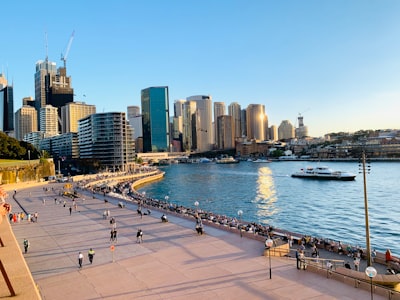
These two architectural masterpieces define Sydney's skyline. Take a guided tour of the Opera House to learn about its history and unique design, or simply enjoy a show. For the adventurous, climb the Sydney Harbour Bridge for unparalleled panoramic views of the city and its shimmering harbour. Both offer fantastic photo opportunities, especially at sunrise or sunset.
Bondi Beach & Coastal Walks
Australia's most famous beach, Bondi offers golden sands, excellent surf, and a vibrant atmosphere. Learn to surf, relax on the sand, or swim between the flags. Don't miss the stunning Bondi to Coogee coastal walk, a picturesque 6km trail offering breathtaking ocean views, rock pools, and other beautiful beaches like Tamarama and Bronte.
The Rocks
Step back in time in Sydney's oldest neighbourhood, The Rocks. This historic area, just a stone's throw from Circular Quay, is full of cobbled laneways, colonial architecture, charming pubs, and weekend markets selling crafts, food, and souvenirs. Explore the rich history through walking tours or visit the Museum of Sydney.
Darling Harbour
A bustling entertainment and dining precinct, Darling Harbour is perfect for families and those seeking lively experiences. It's home to SEA LIFE Sydney Aquarium, WILD LIFE Sydney Zoo, Madame Tussauds, and the Australian National Maritime Museum. Enjoy waterside dining, catch a ferry, or simply stroll along the promenade.
Royal Botanic Garden Sydney
Adjacent to the Sydney Opera House, this magnificent garden offers a tranquil escape from the urban hustle. Explore diverse plant collections, enjoy stunning harbour views, and relax amidst lush greenery. It’s free to enter and perfect for a leisurely stroll or a picnic.
Taronga Zoo Sydney
Located on the northern side of the harbour, Taronga Zoo is accessible by a scenic ferry ride from Circular Quay. Home to a vast collection of native Australian and exotic animals, the zoo also offers incredible views of the Sydney skyline and harbour. Don't miss the daily bird and seal shows.
Manly Beach
Another iconic beach easily reached by a 30-minute ferry ride from Circular Quay. Manly offers a more laid-back vibe than Bondi, with great surfing, swimming, and a lively Corso full of shops and cafes. The ferry journey itself is a beautiful harbour experience.
Art Gallery of New South Wales
One of Australia's leading art museums, featuring an extensive collection of Australian, European, Asian, and Indigenous art. It offers free general admission and is a wonderful place to spend a few hours appreciating diverse artistic expressions.
Blue Mountains National Park (Day Trip)
While not directly in Sydney, a day trip to the Blue Mountains is highly recommended. Just a 1.5-2 hour train ride away, this World Heritage-listed park offers dramatic landscapes, eucalyptus forests, stunning waterfalls, and the iconic Three Sisters rock formation. Enjoy scenic drives, bushwalking, and attractions like Scenic World.
How to Reach Sydney
Sydney is a major international gateway, making it easily accessible from around the globe.
By Air
Sydney Kingsford Smith Airport (SYD) is Australia's busiest airport, serving a vast network of international and domestic flights. Located about 8 kilometres south of the city centre, it's well-connected.
From Sydney Airport to the City:
- Airport Link Train: The fastest way, taking about 13 minutes to reach Circular Quay or Central Station. Trains run frequently, but fares are premium (around AUD 19-20).
- Bus: Public bus route 400 connects both domestic and international terminals to Bondi Junction and Burwood, offering a cheaper option if your destination is along its route.
- Shuttle Services: Several private shuttle companies offer door-to-door service at a lower cost than taxis, especially for solo travellers or small groups.
- Taxi/Rideshare: Readily available outside all terminals. A taxi to the CBD typically costs AUD 45-60, depending on traffic. Rideshare services like Uber and Didi also operate from designated pick-up zones.
- Car Rental: All major car rental companies have desks at the airport.
By Sea
Sydney is a popular port of call for cruise ships, with vessels docking at the Overseas Passenger Terminal in Circular Quay (next to the Opera House) or the White Bay Cruise Terminal.
By Land (within Australia)
- Train: NSW TrainLink operates intercity and interstate train services connecting Sydney to major cities like Melbourne, Brisbane, and Canberra.
- Bus: Various long-distance bus companies offer services to Sydney from across Australia.
- Car: Australia has an extensive road network, and driving to Sydney is feasible from other Australian states, though distances can be vast.
Local Food Guide
Sydney’s food scene is a vibrant melting pot, reflecting its multicultural population and access to incredible fresh produce and seafood.
Seafood Delights
Given its coastal location, fresh seafood is a must-try. Head to the Sydney Fish Market (the largest in the Southern Hemisphere) for a vast array of freshly caught fish, prawns, oysters, and more. Enjoy fish and chips by the water, or indulge in fine dining with stunning harbour views offering exquisite seafood dishes.
Café Culture & Brunch
Sydney takes its coffee seriously, and its café culture is legendary. Expect excellent barista-made coffee and innovative brunch menus featuring smashed avocado on sourdough, elaborate egg dishes, and healthy bowls. Popular brunch spots can be found in Surry Hills, Newtown, and Bondi.
Multicultural Flavours
Explore diverse cuisines reflecting Sydney's immigrant communities. Chinatown offers authentic Asian dishes, while areas like Leichhardt (Italian), Marrickville (Vietnamese), and Newtown (Middle Eastern, Thai) provide fantastic and often budget-friendly culinary adventures.
The Iconic Aussie Pie
A staple for any Australian, the meat pie is a savoury pastry filled with minced meat and gravy. Enjoy it from a local bakery or a pie shop – often with a dollop of tomato sauce.
Modern Australian Cuisine
Sydney is at the forefront of "Mod Oz" cuisine, which blends European cooking techniques with unique Australian ingredients and Asian influences. Expect creative dishes, locally sourced produce, and stunning presentation in the city's top restaurants. Dining precincts like The Rocks, Surry Hills, and Circular Quay offer a range of options from casual to fine dining.
Sweet Treats
Don't leave without trying a Tim Tam (a beloved chocolate biscuit) or a Lamington (a sponge cake coated in chocolate sauce and desiccated coconut). Gelato is also very popular, especially during warmer months.
Public Transport in Sydney
Sydney’s public transport system is efficient and well-integrated, making it easy to navigate the city without a car.
Opal Card: Your Travel Essential
The
Opal Card is Sydney's contactless smartcard for public transport. You can tap on and off trains, buses, ferries, and light rail services.
- Where to get it: Purchase and top up at train stations, convenience stores, and newsagents.
- Contactless Payment: You can also use a contactless debit/credit card or a mobile wallet (Apple Pay, Google Pay) directly on Opal readers, which will charge you the same fare as an adult Opal card.
- Fare Caps: The Opal system offers daily, weekly, and Sunday travel caps, meaning you won't pay more than a certain amount regardless of how much you travel. Sundays are particularly budget-friendly with a very low daily cap.
Trains
Sydney's extensive train network is excellent for travelling to and from the CBD, inner suburbs, and even regional areas. Major hubs include Central Station, Town Hall, and Circular Quay.
Buses
Buses cover routes not serviced by trains, reaching outer suburbs and providing convenient inner-city travel. They are slower than trains in peak hour but offer comprehensive coverage.
Ferries
Sydney's iconic ferries are not just a mode of transport but an attraction in themselves. They offer breathtaking views of the harbour, Opera House, and Harbour Bridge. Popular routes include Circular Quay to Manly, Taronga Zoo, or Darling Harbour.
Light Rail
The light rail network connects the CBD with popular areas like Darling Harbour, Surry Hills, and Randwick. It's a convenient option for shorter distances in these areas.
Walking
Sydney's city centre, The Rocks, and many coastal areas are very pedestrian-friendly. Walking is often the best way to explore and discover hidden gems, especially around Circular Quay and Darling Harbour.
Taxis & Rideshares
Taxis are readily available at ranks and can be hailed on the street. Rideshare services like Uber and Didi are also widely used and can be convenient, especially for late-night travel or specific destinations.
Travel Budget Tips
Sydney can be an expensive city, but with smart planning, you can enjoy it without breaking the bank.
Accommodation
- Hostels: Sydney has excellent hostels in prime locations like The Rocks and CBD, offering dormitory beds and some private rooms for budget travellers.
- Budget Hotels/Motels: Look for hotels slightly outside the absolute city centre (e.g., in Potts Point, Surry Hills, or areas along train lines) for better value.
- Airbnb/Vacation Rentals: Can be cost-effective for longer stays or groups, especially if you plan to self-cater.
- Shoulder Season: Travel during autumn or spring to potentially find better deals on accommodation and flights.
Food & Drink
- Cook Your Own Meals: If your accommodation has kitchen facilities, buying groceries from supermarkets (Coles, Woolworths Aldi) is much cheaper than eating out every meal.
- Packed Lunches: Prepare sandwiches or salads for your day trips and beach visits.
- Street Food & Food Courts: Explore Chinatown's bustling food stalls or shopping centre food courts for affordable and delicious meals.
- BYO Restaurants: Many smaller restaurants allow 'Bring Your Own' alcohol (BYO) for a small corkage fee, saving you on drink costs.
- Happy Hour Deals: Look out for happy hour specials at pubs and bars for cheaper drinks and sometimes snacks.
- Picnics: Grab some fresh produce and enjoy a picnic at the Royal Botanic Garden, Hyde Park, or any of Sydney’s beautiful beaches.
Attractions & Activities
- Free Attractions: Sydney offers plenty of free activities: explore the Royal Botanic Garden, walk across the Harbour Bridge, relax at Bondi Beach, stroll through The Rocks, visit the Art Gallery of NSW (general admission is free), and enjoy coastal walks.
- City Passes: Consider purchasing a Sydney Pass or iVenture Card if you plan to visit multiple paid attractions, as they can offer significant savings.
- Combined Tickets: Some attractions offer combined tickets (e.g., Aquarium and Wildlife Zoo) which are cheaper than buying individual tickets.
- Walking Tours: Many free walking tours operate on a tip-only basis, providing a great introduction to the city's history and landmarks.
Transport
- Opal Card & Fare Caps: Utilize the Opal card's daily and weekly caps, especially the cheap Sunday travel.
- Walk Everywhere: For central areas, walking is often the best and free way to get around.
- Avoid Peak Hour: If possible, travel outside peak times to avoid crowded services and sometimes slightly higher fares on certain routes.
Other Tips
- Free Wi-Fi: Many public spaces, cafes, and libraries offer free Wi-Fi.
- Stay Hydrated: Carry a reusable water bottle and refill it at public fountains to save on buying bottled water.
- Sun Protection: Sunscreen, hats, and sunglasses are essential. Buy them from supermarkets or pharmacies rather than tourist shops for better prices.
Hotels and Accommodation
Sydney offers a vast range of accommodation options to suit every budget and travel style. Your choice of neighbourhood can significantly impact your experience.
Luxury (AUD 350+ per night)
- Circular Quay & The Rocks: Offers unparalleled harbour views, proximity to the Opera House, Harbour Bridge, and fine dining. Home to iconic hotels like the Park Hyatt, Four Seasons, and Shangri-La.
- CBD (Central Business District): Close to shopping, theatres, and major transport hubs. Features high-end international hotel chains.
- Darling Harbour: Modern hotels with views of the harbour and easy access to entertainment precincts and convention centres.
Mid-Range (AUD 180 - 350 per night)
- Surry Hills: A trendy inner-city suburb known for its boutique hotels, vibrant dining scene, and proximity to Central Station. Great for those who appreciate a local, lively atmosphere.
- Potts Point & Elizabeth Bay: Elegant, leafy neighbourhoods with art deco buildings, good cafes, and easy access to the city. Offers a more residential feel.
- North Sydney: Across the Harbour Bridge, offering excellent CBD access via train and sometimes better value than the city centre, often with great views.
Budget (Under AUD 180 per night)
- Hostels (CBD, The Rocks, Bondi): Numerous hostels offer dormitory beds and sometimes private rooms. Popular choices include YHA Sydney Harbour, Wake Up! Sydney, and The Pacific House Bondi.
- Outer Suburbs (along train lines): Consider areas like Newtown, Glebe, or Parramatta. While further out, they offer cheaper hotel and Airbnb options with good public transport links into the city.
- Airbnb/Guesthouses: Can offer good value, especially for longer stays or if you prefer a self-catering option.
Family-Friendly Options
- Serviced Apartments: Ideal for families, offering more space, kitchen facilities, and separate bedrooms. Look for options in Darling Harbour, CBD, or self-catering apartments in coastal areas.
- Hotels with Pools: Many hotels, especially in the CBD and Darling Harbour, offer pools, which can be a great amenity for families.
When choosing accommodation, consider its proximity to public transport, your main points of interest, and whether you prefer a bustling city vibe or a quieter, more local experience.
Safety Tips for Travellers in Sydney
Sydney is a very safe city, but like any major urban centre, it’s wise to be aware of your surroundings and take standard precautions.
General Safety
- Vigilance: Be aware of your belongings, especially in crowded tourist areas, public transport, and markets, to prevent petty theft.
- Nightlife: If enjoying Sydney's nightlife, travel in groups, use reputable taxis or rideshares, and drink responsibly. Avoid walking alone in poorly lit areas late at night.
- Emergency Services: In an emergency, dial 000 for police, fire, or ambulance.
Sun Safety (Crucial in Australia)
- Slip, Slop, Slap: Always "Slip on a shirt, Slop on some sunscreen (SPF 30+), Slap on a hat." This mantra is vital.
- Seek Shade: Especially between 10 am and 3 pm when UV radiation is strongest.
- Stay Hydrated: Drink plenty of water, even on cloudy days.
- Sunglasses: Protect your eyes from UV rays.
Water Safety
- Swim Between the Flags: When at the beach, always swim between the red and yellow flags, which mark areas patrolled by lifeguards and indicate the safest swimming spots.
- Rip Currents: Learn to spot and escape rip currents. If caught in one, stay calm, float, and raise an arm for help. Don't fight the current; swim parallel to the shore until you're out of it.
- Marine Life: Be aware of jellyfish (especially during summer) and other marine creatures. If stung, seek advice from lifeguards.
Wildlife Awareness
- While rare in central Sydney, if exploring national parks or bushland, be aware of snakes and spiders. Stick to marked trails and wear appropriate footwear.
- Magpies can swoop during nesting season (August-October). If attacked, walk quickly away and avoid making eye contact.
Health & Medical
- Travel Insurance: Always have comprehensive travel insurance that covers medical emergencies.
- Pharmacies: Pharmacies are widely available for non-prescription medications and advice.
- Tap Water: Sydney's tap water is safe to drink.
By following these simple safety tips, you can ensure a safe and enjoyable trip to Sydney.
FAQ Section
Do I need a visa to visit Australia?
Yes, most non-Australian citizens need a visa to enter Australia. The type of visa depends on your nationality and purpose of visit. Many tourists can apply for an Electronic Travel Authority (ETA) or eVisitor visa online, which are quick and easy to obtain. Check the Australian Department of Home Affairs website for specific requirements.
What currency is used in Sydney?
The official currency is the Australian Dollar (AUD). Credit cards are widely accepted, and ATMs are readily available.
What is the official language?
The official language is English. While Sydney is a multicultural city with many languages spoken, English is universally used for communication.
Is tipping customary in Sydney?
Tipping is not generally expected or compulsory in Australia. While leaving a small tip (around 10%) for excellent service in restaurants or cafes is appreciated, it's entirely at your discretion and not a cultural obligation.
Is Sydney an expensive city to visit?
Yes, Sydney is considered one of the more expensive cities globally. Accommodation, dining, and some attractions can be costly. However, with careful budgeting and utilizing tips mentioned in this guide, you can still have a fantastic experience without overspending.
What is the best way to get around Sydney?
The public transport system (Opal card for trains, buses, ferries, light rail) is excellent and highly recommended. Walking is also a great way to explore central areas.
What about public holidays and school holidays?
Public holidays can mean closures for some businesses and increased public transport usage. School holidays (especially summer holidays in December-January) bring larger crowds and higher prices for accommodation and attractions. It’s wise to check these dates if you prefer to avoid peak periods.
Can I drink tap water in Sydney?
Yes, Sydney's tap water is safe and potable. It's encouraged to carry a reusable water bottle to stay hydrated and reduce plastic waste.
Conclusion
Sydney is a city that captivates and inspires, a place where urban sophistication meets raw natural beauty. With its iconic landmarks, stunning harbour, diverse culinary scene, and laid-back yet vibrant atmosphere, it offers an unparalleled travel experience. Immerse yourself in the local culture, explore its famous beaches, and discover the charm of its distinct neighbourhoods. Your Sydney adventure awaits!