Toronto Travel Guide – Best Places to Visit in Canada
Toronto: The Dynamic Metropolis of Canada
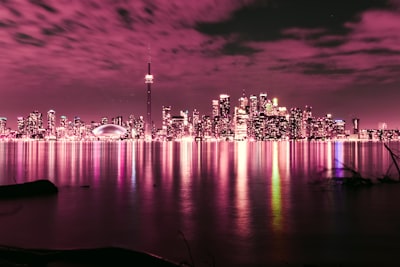
Welcome to Toronto, Canada's largest city and a vibrant mosaic of cultures, innovation, and natural beauty. Nestled on the northwestern shore of Lake Ontario, Toronto is a global hub for business, finance, arts, and culture, renowned for its iconic skyline, diverse neighbourhoods, and world-class attractions. From the towering CN Tower dominating the cityscape to the bustling markets and serene island escapes, Toronto offers an unforgettable experience for every type of traveler. Its streets hum with a dynamic energy, reflecting the more than 250 ethnicities that call this city home, making it one of the most multicultural places on Earth. Prepare to explore a city where every corner holds a new discovery, from historic districts to cutting-edge art scenes, and a culinary landscape as diverse as its population.
Best Time to Visit
Choosing the right time to visit Toronto largely depends on your interests and tolerance for crowds and weather. Each season offers a unique charm, dictating the activities and experiences available.
Summer (June to August)
Summer is arguably the most popular time to visit Toronto. The weather is warm and sunny, with average temperatures ranging from 20°C to 30°C (68°F to 86°F). This is peak festival season, with events like Pride Toronto, the Toronto Caribbean Carnival, and numerous outdoor concerts and food festivals filling the city with energy. All attractions are open, patios are bustling, and the Toronto Islands are a perfect escape. However, expect larger crowds and higher prices for flights and accommodation. Booking well in advance is highly recommended.
Fall (September to November)
Fall is a favourite for many due to its crisp air, comfortable temperatures (10°C to 20°C / 50°F to 68°F), and breathtaking autumn foliage. The city's parks, especially High Park and the Toronto Islands, transform into a kaleidoscope of reds, oranges, and yellows. The summer crowds begin to dissipate, offering a more relaxed atmosphere. Major events include the Toronto International Film Festival (TIFF) in September. This shoulder season offers a great balance of pleasant weather, fewer tourists, and potentially better deals on travel.
Spring (April to May)
Spring sees Toronto awaken from its winter slumber, with temperatures gradually rising from 5°C to 15°C (41°F to 59°F). The city starts to bloom, with cherry blossoms in High Park (usually late April to early May) being a major highlight. While the weather can be unpredictable, with some rain showers, it's a good time for budget-conscious travelers seeking milder temperatures before the summer rush. Attractions are fully open, and outdoor patios begin to reappear.
Winter (December to March)
Winter in Toronto is cold, with temperatures often below freezing (0°C to -10°C / 32°F to 14°F, often colder with wind chill), and snow is common. Despite the chill, the city embraces the season with festive markets, outdoor ice skating rinks (Nathan Phillips Square, Harbourfront Centre), and cozy indoor activities. The holiday season brings beautiful decorations and a special charm. This is the off-peak season, meaning fewer crowds and potentially lower prices, especially outside of the Christmas and New Year's period. If you don't mind the cold and enjoy winter sports or festive cheer, it can be a magical time to visit.
Top Attractions
Toronto boasts an impressive array of attractions that cater to all interests, from architectural marvels and world-class museums to vibrant markets and serene natural escapes.
Iconic Landmarks
- CN Tower: Standing at 553 meters, the CN Tower is an undisputed icon of Toronto's skyline. Ride the glass-fronted elevators to the observation decks for panoramic views of the city, Lake Ontario, and beyond. For the adventurous, try the EdgeWalk – a hands-free walk on the outside ledge of the main pod, 356 meters above the ground. The 360 Restaurant offers fine dining with a revolving view.
- Ripley's Aquarium of Canada: Located at the base of the CN Tower, this massive aquarium houses over 20,000 aquatic animals from around the world. Highlights include the Dangerous Lagoon, a moving walkway through a shark-filled tank, and the mesmerizing jellyfish exhibits. It's a fantastic destination for families and marine enthusiasts.
Cultural Hubs
- Royal Ontario Museum (ROM): Canada's largest museum, the ROM showcases art, culture, and natural history from around the world and across the ages. Its diverse collections range from dinosaur skeletons and ancient Egyptian artifacts to Canadian and Indigenous art. The building itself is an architectural marvel, with the crystal-shaped "Michael Lee-Chin Crystal" addition providing a striking contrast to the original historic structure.
- Art Gallery of Ontario (AGO): One of North America's largest art museums, the AGO boasts an impressive collection of over 120,000 works, spanning from the first century to the present day. Its strengths include Canadian art, European masterpieces, and a significant collection of photography and contemporary art. The building, redesigned by Toronto-born architect Frank Gehry, is a work of art in itself.
- Casa Loma: A majestic Gothic Revival style castle located in midtown Toronto. Built in the early 20th century by financier Sir Henry Pellatt, Casa Loma features elaborate gardens, secret passages, opulent rooms, and stunning views of the city. Explore its grand halls, climb its towers, and step back in time to an era of European elegance.
Vibrant Neighbourhoods & Markets
- Distillery District: A pedestrian-only village dedicated to arts, culture, and entertainment. Housed within charming Victorian-era industrial buildings, this historic district is filled with art galleries, unique boutiques, artisanal shops, cafes, and restaurants. It's especially enchanting during the Christmas Market season.
- Kensington Market: A bohemian and eclectic neighbourhood known for its vintage shops, independent boutiques, vibrant street art, diverse restaurants, and unique atmosphere. It’s a designated National Historic Site of Canada and offers a sensory overload of sights, sounds, and smells. Spend an afternoon exploring its narrow streets and discovering hidden gems.
- St. Lawrence Market: A historic public market that has been serving Toronto for over 200 years. It consists of three main buildings: the South Market (famous for its diverse food vendors, including the iconic peameal bacon sandwich), the North Market (home to a farmers' market on Saturdays), and St. Lawrence Hall. It's a must-visit for foodies and those looking for fresh local produce and gourmet treats.
Green Spaces & Islands
- Toronto Islands: Just a short ferry ride from downtown, the Toronto Islands offer a peaceful escape from the urban hustle. Comprising several small islands, they feature beautiful beaches (Hanlan's Point, Ward's Island, Centre Island Beach), sprawling parks, picnic areas, bike rentals, and Centreville Amusement Park for families. The unobstructed views of the Toronto skyline from the islands are unparalleled.
- High Park: Toronto's largest public park, offering a mix of recreational and natural features. It's famous for its cherry blossoms in spring, Grenadier Pond (where you can ice skate in winter), hiking trails, a small zoo, sports facilities, and playgrounds. It's a perfect spot for a leisurely stroll or an active afternoon.
Entertainment & Sports
- Rogers Centre: Home to the Toronto Blue Jays (MLB), this multi-purpose stadium is famous for its retractable roof. Catch a baseball game or attend a major concert or event.
- Scotiabank Arena: Located downtown, this arena is home to the Toronto Maple Leafs (NHL) and the Toronto Raptors (NBA). It also hosts a wide range of concerts and live entertainment throughout the year.
- Mirvish Productions: Toronto is a major theatre city, and Mirvish Productions brings world-class musicals, plays, and theatrical performances to several historic venues across downtown, including the Princess of Wales Theatre and the Royal Alexandra Theatre.
How to Reach
Toronto is a major North American transportation hub, making it easily accessible from around the world.
By Air
- Toronto Pearson International Airport (YYZ): Located in Mississauga, about 27 km northwest of downtown Toronto, YYZ is Canada's largest and busiest airport. It serves as a hub for Air Canada and WestJet, offering direct flights to hundreds of destinations worldwide.
- Getting to Downtown from YYZ: The most convenient option is the UP Express (Union Pearson Express) train, which runs every 15-30 minutes and takes only 25 minutes to reach Union Station in downtown Toronto. Taxis, ride-sharing services (Uber, Lyft), and public buses (TTC routes) are also available but can be slower due to traffic.
- Billy Bishop Toronto City Airport (YTZ): Located on the Toronto Islands, YTZ is a smaller regional airport primarily serving flights within Canada and to a few U.S. cities, operated by Porter Airlines and Air Canada Express. It's connected to the mainland by a short ferry ride (included with your ticket) or a pedestrian tunnel. Its proximity to downtown makes it a convenient option for shorter flights.
By Train
- VIA Rail Canada: Canada's national passenger rail service connects Toronto's Union Station to major cities across Canada, including Montreal, Ottawa, and Windsor.
- Amtrak: For travelers coming from the United States, Amtrak offers daily service from New York City (via Niagara Falls) to Union Station in Toronto.
By Bus
- Major bus companies like Greyhound Canada and Megabus operate extensive networks connecting Toronto to cities across Ontario, Quebec, and several U.S. states. The Toronto Coach Terminal (for Greyhound) and the new Union Station Bus Terminal (for Megabus and others) are located downtown.
By Car
- Toronto is easily accessible via major highways, including Highway 401 (connecting to Eastern and Western Canada) and the Queen Elizabeth Way (QEW, connecting to Niagara Falls and Buffalo, USA).
- For those driving from the U.S., several border crossings are within a few hours' drive. Be prepared for potential traffic congestion, especially during rush hour, and consider parking costs in downtown Toronto, which can be significant.
Local Food Guide
Toronto's culinary scene is a mirror of its multicultural population, offering an incredible array of global cuisines alongside Canadian classics. From street food to fine dining, your taste buds are in for a treat.
Must-Try Toronto Delicacies
- Poutine: While originating from Quebec, poutine is a Canadian staple and widely available in Toronto. This hearty dish consists of French fries topped with cheese curds and smothered in hot gravy. Many Toronto eateries offer gourmet variations with added meats, vegetables, or exotic sauces.
- Peameal Bacon Sandwich: A true Toronto icon, this sandwich features thick slices of lean, cured pork loin rolled in cornmeal, grilled, and served on a soft bun, often with mustard. The best place to try it is at Carousel Bakery in the St. Lawrence Market.
- BeaverTails: A popular Canadian pastry, BeaverTails are hand-stretched, flat, oval-shaped fried dough, topped with various sweet toppings like cinnamon sugar, Nutella, or fruit. A delicious treat, especially on a cold day.
- Butter Tarts: These small, sweet Canadian pastries consist of a buttery, flaky crust filled with a sweet, gooey filling made from butter, sugar, syrup, and egg. They can be plain, or include raisins, pecans, or walnuts.
- Nanaimo Bars: Hailing from British Columbia, these no-bake dessert bars are also popular across Canada. They feature a crumbly cookie base, a creamy custard filling, and a chocolate ganache topping.
Diverse Culinary Scene
- International Cuisines: Toronto's strength lies in its incredible diversity.
- Chinatown (Spadina Ave & Dundas St West): One of North America's largest Chinatowns, offering authentic Cantonese, Szechuan, and other regional Chinese dishes, dim sum, and bubble tea.
- Little Italy (College Street): Home to classic Italian restaurants, pizzerias, gelato shops, and lively patios.
- Greektown (Danforth Avenue): Known for its vibrant Greek restaurants, bakeries, and the annual Taste of the Danforth festival.
- Kensington Market: A melting pot of global flavours, with Mexican tacos, Jamaican patties, organic cafes, and vegan eateries.
- Little India (Gerrard Street East): Offers a fantastic selection of South Asian restaurants and shops.
- Koreatown (Bloor Street West): Experience Korean BBQ, bibimbap, and karaoke.
- Food Markets: Beyond St. Lawrence Market, explore Kensington Market for street food and eclectic treats, and the Distillery District for upscale artisanal snacks and drinks.
- Brunch Spots: Toronto has a thriving brunch culture, with countless cafes and restaurants offering creative and delicious breakfast and lunch options, especially on weekends. Queen West, Leslieville, and the Annex are great neighbourhoods to explore.
- Craft Breweries & Distilleries: Toronto's craft beer scene has exploded. The Distillery District has several unique bars and restaurants. Explore breweries in Liberty Village, the Junction, or along Sterling Road for local brews and cider.
Public Transport
Navigating Toronto is relatively easy thanks to its comprehensive public transportation system, primarily run by the Toronto Transit Commission (TTC).
Toronto Transit Commission (TTC)
The TTC operates the city's subway, streetcar, and bus network. It's an efficient way to get around the city.
- Subway: The backbone of the TTC, with four main lines that connect major areas and attractions. The Yonge-University (Line 1) and Bloor-Danforth (Line 2) lines are the most used.
- Streetcar: Predominantly operates along major east-west routes in downtown and surrounding areas (e.g., King Street, Queen Street, Spadina Avenue). Streetcars offer a unique way to see the city from street level.
- Bus: An extensive network of buses covers areas not serviced by the subway or streetcar.
- PRESTO Card: This reloadable smart card is the most convenient and cost-effective way to pay for transit in Toronto and across the Greater Toronto Area (GTA). You can purchase a PRESTO card at subway stations, Shoppers Drug Mart locations, or online, and load it with money or a monthly pass. Tap on and off for buses and streetcars, and tap upon entering subway stations.
- Single Fares: A single cash fare is $3.35 (exact change required if paying by cash on bus/streetcar). PRESTO fares are slightly cheaper. Transfers are valid for two hours, allowing you to switch between subway, streetcar, and bus within that time for a single fare.
- Day Pass/Weekly Pass: For intense sightseeing, a day pass or weekly pass (available on PRESTO) might be more economical.
- Accessibility: Most subway stations are now accessible, and newer buses and streetcars are wheelchair-friendly.
GO Transit
- Regional Commuter System: GO Transit operates regional commuter trains and buses, connecting Toronto (primarily from Union Station) to surrounding cities and suburbs within the Greater Toronto Area. It's ideal for day trips outside the city, such as to Niagara Falls (seasonal train service to Niagara Falls) or Hamilton. PRESTO cards are also used for GO Transit.
UP Express (Union Pearson Express)
- As mentioned, this dedicated rail line connects Toronto Pearson International Airport (YYZ) directly to Union Station in downtown Toronto in 25 minutes. It's efficient and reliable.
Ride-Sharing & Taxis
- Uber and Lyft: Both ride-sharing services are widely available in Toronto and offer convenient door-to-door transportation.
- Taxis: Traditional yellow taxis are plentiful, especially downtown and at major hotels.
Cycling & Walking
- Toronto is increasingly bike-friendly with dedicated lanes in many areas. Bike Share Toronto offers short-term rentals at numerous stations across the city.
- Downtown Toronto is very walkable, making it easy to explore many attractions on foot, especially in compact neighbourhoods like the Entertainment District, Financial District, and Harbourfront.
Travel Budget Tips
Toronto can be an expensive city, but with some smart planning, you can enjoy its offerings without breaking the bank.
Accommodation
- Book in Advance: Especially during peak season (summer) or major events (TIFF), book your accommodation months ahead for better prices.
- Consider Hostels: Toronto has several well-regarded hostels (e.g., HI Toronto, The Only Backpacker's Inn) offering dorm beds and private rooms at significantly lower prices.
- Look Outside Downtown: While downtown is convenient, staying slightly outside the core (e.g., in neighbourhoods like The Annex, Kensington Market, or Leslieville) can offer more affordable hotel or Airbnb options, often with good TTC access.
- Utilize Loyalty Programs: If you're a member of hotel loyalty programs, consider using points for free or discounted stays.
Food
- Cook Your Own Meals: If staying in an Airbnb or accommodation with a kitchen, buy groceries from local supermarkets (like Loblaws, No Frills) or fresh produce from St. Lawrence Market to prepare some of your meals.
- Ethnic Restaurants: Explore Toronto's diverse ethnic neighbourhoods (Chinatown, Kensington Market, Little India) for delicious, authentic, and often very affordable meals.
- Lunch Specials: Many restaurants offer more budget-friendly lunch menus compared to dinner.
- Street Food & Food Trucks: Keep an eye out for food trucks and street vendors, especially in areas like Nathan Phillips Square or near major attractions, for tasty and quick bites.
- Bring a Reusable Water Bottle: Toronto's tap water is safe to drink, saving you money on bottled water.
Attractions
- Free Attractions: Enjoy Toronto's numerous free attractions:
- Wander through Kensington Market, the Distillery District, or Graffiti Alley.
- Explore High Park or the Toronto Islands (ferry fee applies, but the island itself is free).
- Visit Nathan Phillips Square, Yonge-Dundas Square.
- Many museums, like the Art Gallery of Ontario (AGO), offer free admission on specific evenings (e.g., Wednesday evenings at the AGO).
- CityPASS: If you plan to visit several major attractions (CN Tower, Ripley's Aquarium, Casa Loma, ROM, Toronto Zoo/Ontario Science Centre), consider purchasing a Toronto CityPASS, which offers discounted bundled admission.
- Student/Senior Discounts: Always ask if student or senior discounts are available if applicable.
Transport
- Walk: Downtown Toronto is very walkable. Use your feet to explore nearby attractions.
- PRESTO Card: As mentioned, use a PRESTO card for the TTC to get the cheapest fares. Consider a day pass if you plan extensive travel within a single day.
- Avoid Taxis/Ride-Shares during Rush Hour: Prices surge during peak times, and traffic can make them slower than the subway.
Timing
- Shoulder Seasons: Traveling in spring (April-May) or fall (September-October) often means lower prices for flights and accommodation compared to the peak summer season, along with pleasant weather.
- Winter Deals: If you don't mind the cold, winter (excluding the holiday period) typically offers the best deals.
Hotels and Accommodation
Toronto offers a vast range of accommodation options to suit every budget and preference, from luxurious five-star hotels to cozy boutique inns and budget-friendly hostels.
Luxury (CAD $350+ per night)
- Fairmont Royal York: A historic landmark hotel directly across from Union Station, offering classic elegance and superb service.
- Ritz-Carlton, Toronto: Known for its impeccable service, luxurious rooms, and excellent spa, located in the Entertainment District.
- Shangri-La Hotel, Toronto: A sophisticated choice with stunning city views, an indoor pool, and acclaimed dining, also in the Entertainment District.
- Four Seasons Hotel Toronto: Located in upscale Yorkville, offering ultimate luxury, a beautiful spa, and renowned restaurants.
Mid-Range (CAD $180-$350 per night)
- Chelsea Hotel, Toronto: One of Canada's largest hotels, centrally located near Yonge-Dundas Square, offering family-friendly amenities including multiple pools.
- Delta Hotels by Marriott Toronto: Great location near Harbourfront and Union Station, offering modern rooms and good amenities.
- Hotel X Toronto by Library Hotel Collection: A newer, stylish option near Exhibition Place, offering luxury amenities with a modern twist and great views.
- The Anndore House, part of JdV by Hyatt: A boutique hotel near Yonge and Bloor, known for its unique design and trendy atmosphere.
Budget (CAD $50-$180 per night)
- HI Toronto Hostel: A popular, centrally located hostel offering dorms and private rooms, with a lively common area and organized activities.
- The Only Backpacker's Inn: Located in the vibrant Cabbagetown neighbourhood, offering a friendly atmosphere and good access to public transport.
- Alexandra Hotel: A no-frills, clean, and centrally located option offering basic rooms at a competitive price.
- Airbnb/Vacation Rentals: You can find a wide range of apartments and rooms for rent, often offering more space and kitchen facilities, particularly good for longer stays or groups. Look for options outside the immediate downtown core for better value.
Neighbourhoods to Consider Staying In
- Downtown Core/Financial District: Ideal for business travelers and those wanting to be close to major attractions like the CN Tower, Union Station, and the PATH system. Can be pricier.
- Entertainment District: Perfect for nightlife, theatre, sports events (Rogers Centre, Scotiabank Arena), and dining. Lively atmosphere.
- Yorkville: An upscale neighbourhood known for luxury boutiques, art galleries, fine dining, and sophisticated hotels.
- Queen West/Fashion District: Trendy and artistic, with boutique shops, indie music venues, and a vibrant arts scene. Good for a more bohemian and lively stay.
- Harbourfront: Offers scenic views of Lake Ontario, easy access to the Toronto Islands, and a more relaxed atmosphere while still being close to downtown.
- Midtown (Yonge & Bloor): A bustling commercial and residential area with good subway connections, slightly away from the immediate downtown hustle but still convenient.
Safety Tips
Toronto is widely considered one of the safest major cities in North America. However, like any large urban area, it's wise to practice general caution and awareness to ensure a smooth and enjoyable trip.
- General Awareness: Be aware of your surroundings, especially when walking alone at night. Stick to well-lit and populated streets.
- Valuables: Keep your valuables secure and out of sight. Avoid flashing large amounts of cash or expensive electronics. Pickpocketing can occur in crowded areas.
- Emergency Numbers: In case of emergency (police, fire, ambulance), dial 911.
- Public Transport: The TTC is generally safe, even at night. However, if you feel uncomfortable on a subway train or bus late at night, move to a more populated car or area, or exit at the next stop. Most subway stations have designated "Safe Waiting Areas" with surveillance and emergency call buttons.
- Walking Alone at Night: While generally safe, exercise caution when walking alone in less crowded areas or parks after dark. It's always best to walk with a companion or take a taxi/ride-share if you're unsure.
- Weather Preparedness: Toronto experiences significant seasonal changes.
- Winter: Dress in layers, wear warm, waterproof outerwear, gloves, hats, and sturdy boots. Sidewalks can be icy.
- Summer: Stay hydrated, use sunscreen, and seek shade during peak sun hours. Thunderstorms can occur.
- Scams: Be wary of common tourist scams, though they are not prevalent. If something feels too good to be true, it likely is.
- Drinking & Nightlife: Enjoy Toronto's vibrant nightlife responsibly. Never leave your drink unattended.
- Road Safety: When walking, always use designated crosswalks and obey pedestrian signals. Toronto traffic can be busy.
- Solo Travelers: Toronto is generally very safe and welcoming for solo travelers, including women. Follow the general safety tips above and trust your instincts.
Frequently Asked Questions (FAQ)
Q: Is Toronto an expensive city to visit?
A: Toronto can be relatively expensive, especially for accommodation and dining, comparable to major U.S. cities like New York or San Francisco. However, there are many ways to budget, such as utilizing public transport, eating at diverse ethnic restaurants, visiting free attractions, and booking accommodation in advance or outside the immediate downtown core.
Q: Do I need a visa to visit Canada?
A: This depends on your country of citizenship. Many visitors require an Electronic Travel Authorization (eTA) if arriving by air, or a visitor visa. U.S. citizens generally only need a valid passport. Always check the official Government of Canada website (IRCC) for the most up-to-date entry requirements before planning your trip.
Q: What is the currency in Toronto?
A: The currency in Toronto, and throughout Canada, is the Canadian Dollar (CAD). Credit cards (Visa, MasterCard, American Express) are widely accepted, and ATMs are readily available.
Q: Is tipping customary in Toronto restaurants and services?
A: Yes, tipping is customary and expected in Canada. For good service at restaurants, a tip of 15-20% of the bill before tax is standard. For other services like taxis, hairdressers, or delivery drivers, 10-15% is common.
Q: What's the best way to get around downtown Toronto?
A: Downtown Toronto is very walkable, and its compact nature makes it easy to explore many areas on foot. For longer distances, the TTC (subway, streetcar, bus) is efficient and recommended. A PRESTO card is the most convenient way to pay. Ride-sharing services (Uber, Lyft) and taxis are also readily available.
Q: Are there any good day trips from Toronto?
A: Absolutely! Popular day trips include:
- Niagara Falls: About 1.5 to 2 hours drive/bus from Toronto, home to the world-famous Horseshoe Falls. You can also visit Niagara-on-the-Lake for charming shops and wineries. GO Transit offers seasonal train service.
- Blue Mountain Resort: A popular four-season resort, about 2 hours northwest, offering skiing/snowboarding in winter and hiking, mountain biking, and village activities in summer.
- Muskoka Lakes: About 2 hours north, known for its beautiful cottage country, lakes, and fall colours.
Q: Is Toronto walkable?
A: Yes, Toronto is very walkable, especially within its various neighbourhoods and the downtown core. You can easily spend a day exploring areas like the Distillery District, Kensington Market, or the Entertainment District on foot. Many major attractions are within reasonable walking distance of each other.
Q: What language is spoken in Toronto?
A: English is the primary language spoken in Toronto. However, due to its multicultural population, you'll hear hundreds of languages spoken throughout the city. French is also an official language of Canada, but less commonly spoken in Toronto compared to Quebec.
***