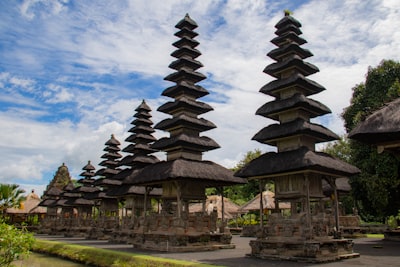
Bali Travel Guide – Best Places to Visit in Indonesia
Your Ultimate Travel Guide to Bali, Indonesia: Island of the Gods
Welcome to Bali, an Indonesian island paradise that consistently ranks among the world's top travel destinations. Known as the "Island of the Gods," Bali captivates visitors with its vibrant culture, stunning natural landscapes, spiritual retreats, and warm, hospitable people. From lush volcanic mountains and iconic rice paddies to pristine beaches and coral reefs, Bali offers an unparalleled array of experiences for every type of traveler. Whether you're seeking adventure, relaxation, cultural immersion, or spiritual awakening, Bali promises an unforgettable journey filled with beauty, serenity, and excitement.
This comprehensive guide will equip you with all the essential information needed to plan your dream vacation to Bali. We'll cover everything from the best time to visit and must-see attractions to navigating local transport, savoring Balinese cuisine, and ensuring a safe and enjoyable trip. Get ready to discover the magic that makes Bali so much more than just a destination – it's an experience for the soul.
Best Time to Visit Bali
Choosing the right time to visit Bali can significantly enhance your travel experience. Bali generally experiences two main seasons: the dry season and the wet (or rainy) season. Each has its own charm and considerations.
Dry Season (April to October)
The dry season is widely considered the best time to visit Bali. During these months, the weather is typically sunny with lower humidity, making it ideal for beach activities, surfing, hiking, and exploring the island's many outdoor attractions. Temperatures average around 28-30°C (82-86°F). July and August are peak tourist months, meaning higher prices for flights and accommodation, and more crowded attractions. If you prefer to avoid the crowds while still enjoying excellent weather, consider visiting in April, May, June, or September. These shoulder months offer pleasant conditions and slightly fewer tourists, often at more competitive prices.
Wet Season (November to March)
The wet season brings more humidity and frequent, though often short, tropical downpours. While it might sound unappealing, the wet season has its advantages. The island is at its greenest and most lush, offering stunning photo opportunities of rice paddies and jungles. Tourist numbers are generally lower, leading to better deals on accommodation and a more serene experience at popular sites. Rain usually falls in heavy bursts, often in the afternoon, leaving plenty of time for morning activities. The festive season around Christmas and New Year sees a surge in visitors despite being in the wet season. If you don't mind occasional rain, you can still have a fantastic trip during these months and enjoy a different, perhaps more authentic, side of Bali.
Ultimately, the "best" time depends on your preferences. For sun-seekers and outdoor adventurers, the dry season is ideal. For those seeking lush landscapes, fewer crowds, and potential cost savings, the wet season offers a unique charm.
Top Attractions in Bali
Bali is teeming with captivating sights and experiences. Here’s a curated list of must-visit attractions:
Ubud: The Cultural Heart
- Sacred Monkey Forest Sanctuary: A natural habitat home to hundreds of playful macaque monkeys, ancient temples, and lush jungle. It's an iconic spiritual and cultural complex.
- Tegalalang Rice Terrace: A stunning, UNESCO World Heritage-listed landscape of terraced rice paddies. Offers breathtaking views, swing experiences, and charming cafes.
- Goa Gajah (Elephant Cave): An ancient archaeological site featuring a cave temple with intricate carvings, believed to date back to the 9th century.
- Tirta Empul Temple: A revered Hindu water temple where Balinese Hindus go for ritual purification. Visitors can observe or even participate in the purification ceremony.
- Ubud Art Market: A bustling market where you can find beautiful silk scarves, handmade bags, statues, and many other Balinese handicrafts.
Coastal Wonders & Temples
- Tanah Lot Temple: One of Bali's most iconic sea temples, dramatically perched on a rock formation in the sea. Best visited at sunset for spectacular views.
- Uluwatu Temple: A majestic temple situated on a steep cliff overlooking the Indian Ocean. Famous for its stunning sunsets and the traditional Kecak fire dance performed nightly. Nearby beaches like Padang Padang and Suluban are popular for surfing.
- Seminyak & Kuta Beaches: Kuta is known for its lively atmosphere, surfing schools, and nightlife. Seminyak offers a more upscale experience with luxury resorts, trendy boutiques, and world-class restaurants.
- Canggu: A burgeoning hotspot popular with surfers, digital nomads, and wellness enthusiasts. Known for its laid-back vibe, vibrant cafes, beach clubs, and surf breaks.
Adventures & Natural Beauty
- Mount Batur Sunrise Trek: An exhilarating trek to the summit of an active volcano to witness a breathtaking sunrise over the clouds. Often includes a simple breakfast cooked by volcanic steam.
- Nusa Islands (Nusa Penida, Lembongan, Ceningan): A short boat ride from Bali, these islands offer dramatic cliffs, pristine beaches (like Kelingking Beach on Nusa Penida), incredible snorkeling, and diving opportunities.
- Bali Waterfalls: Explore hidden gems like Tegenungan Waterfall, Sekumpul Waterfall (often called the most beautiful), or Munduk Waterfall for refreshing swims and stunning natural scenery.
- Jatiluwih Rice Terraces: Another UNESCO World Heritage site, offering vast expanses of emerald-green rice paddies with a more expansive feel than Tegalalang.
How to Reach Bali
Reaching Bali is straightforward, as it's a major international travel hub.
By Air
The primary gateway to Bali is Ngurah Rai International Airport (DPS), located in Denpasar, the island's capital. This airport is well-connected with direct flights from major cities across Asia, Australia, and some European and Middle Eastern hubs. Many international airlines, including Garuda Indonesia, Singapore Airlines, Qatar Airways, Emirates, and various budget carriers, operate routes to DPS.
- Visa on Arrival (VOA): Many nationalities are eligible for a Visa on Arrival (VOA) for tourism purposes, valid for 30 days and extendable once for another 30 days. It's crucial to check the latest visa regulations for your specific nationality before travel, as policies can change.
- Airport Transfer: Upon arrival, you can easily find taxis, ride-hailing services (Grab/GoJek), or pre-booked private transfers to take you to your accommodation. Official airport taxis have fixed prices, while ride-hailing apps offer competitive fares.
By Sea
While most international visitors arrive by air, you can also reach Bali by sea from other Indonesian islands. Ferries connect Bali to Lombok and Java. These are generally used by local travelers or those embarking on longer island-hopping adventures within Indonesia.
Local Food Guide: Savoring Balinese Flavors
Balinese cuisine is a delightful fusion of fresh ingredients, aromatic spices, and ancient traditions. Eating your way through Bali is an adventure in itself, from humble 'warungs' (local eateries) to upscale restaurants.
Must-Try Balinese Dishes:
- Babi Guling (Suckling Pig): An iconic Balinese dish. A whole pig is slow-roasted over an open fire with a rich blend of spices until the skin is crispy and the meat is tender. Often served with rice, vegetables, and a spicy sambal.
- Nasi Goreng & Mie Goreng: Indonesia's national dishes. Nasi Goreng is fried rice, and Mie Goreng is fried noodles, both typically stir-fried with vegetables, egg, chicken or shrimp, and a sweet soy sauce (kecap manis).
- Sate Lilit: Minced seafood (fish or chicken) mixed with grated coconut, rich spices, and coconut milk, then wrapped around lemongrass stalks or bamboo skewers and grilled.
- Lawar: A traditional mix of finely chopped meat (or sometimes vegetables), grated coconut, green beans, and a rich blend of herbs and spices. Can be red (with fresh blood) or white (without blood).
- Betutu (Duck or Chicken): Duck or chicken seasoned with a complex mix of spices, wrapped in banana leaves, and then slow-cooked or baked for hours until incredibly tender and flavorful.
- Gado-Gado: A healthy and satisfying salad of steamed vegetables, boiled eggs, fried tofu and tempeh, and lontong (rice cake), all smothered in a rich, spicy peanut sauce.
- Pisang Goreng: Fried bananas, a popular sweet snack. Often served with palm sugar syrup or a sprinkle of grated cheese or chocolate.
Where to Eat:
- Warungs: For an authentic and budget-friendly experience, eat at local warungs. They offer delicious, freshly prepared food, often served buffet-style.
- Casual Cafes & Restaurants: Bali has an abundance of cafes, particularly in Ubud, Canggu, and Seminyak, offering a mix of Indonesian and international cuisine, often with vegetarian and vegan options.
- Fine Dining: In areas like Seminyak, Nusa Dua, and Ubud, you'll find world-class restaurants serving innovative cuisine, often with stunning views.
Drinks:
- Fresh Juices & Smoothies: Bali's tropical fruits make for incredible fresh juices and smoothies.
- Kopi Bali: Strong, aromatic Balinese coffee, often served unfiltered with the grounds at the bottom.
- Bintang: Indonesia's most popular local beer.
- Arak: A traditional Balinese distilled alcoholic beverage, often made from palm sap. Be cautious with arak as quality and safety can vary.
Public Transport in Bali
Bali's public transport system is not as developed as in many other tourist destinations, but there are several convenient ways to get around the island.
Ride-Hailing Apps (Grab & GoJek)
These are the most popular and convenient options for tourists. Both Grab and GoJek offer motorbike taxis (Ojek) and car services at competitive, fixed prices. They are readily available in most populated tourist areas (Ubud, Seminyak, Canggu, Kuta, Denpasar) and are a reliable way to get around. Be aware that some local taxi cooperatives in certain areas (e.g., specific parts of Ubud) might restrict ride-hailing services from picking up passengers directly.
Taxis
Bluebird taxis are considered the most reliable metered taxi service in Bali. Ensure the meter is used, or agree on a fare beforehand if there's no meter. Many other private taxis operate, but it's best to confirm the price before starting your journey to avoid overcharging.
Scooter/Motorbike Rental
Renting a scooter is a popular and cost-effective way to explore Bali, offering ultimate flexibility. Rentals typically cost around 50,000-70,000 IDR per day. However, it's essential to:
- Have an international driving permit endorsed for motorbikes.
- Wear a helmet (it's mandatory and for your safety).
- Be an experienced rider, as Bali's traffic can be chaotic and roads challenging.
- Check the scooter's condition and insurance before renting.
Private Drivers
For longer distances, day trips, or if you're traveling in a group, hiring a private car with a driver is an excellent option. Drivers can be hired for a full or half-day, and they often serve as knowledgeable local guides. Prices vary but typically range from 500,000-800,000 IDR for a full day (8-10 hours), depending on the itinerary and car size.
Shuttle Buses & Tour Operators
Perama Tour & Travel offers shuttle bus services connecting major tourist towns. Many hotels and local tour operators also arrange transport for excursions or airport transfers.
Bemo (Public Minibuses)
While Bemo are Bali's traditional form of public transport, they are primarily used by locals and can be confusing for tourists due to irregular routes and lack of fixed schedules. They are generally not recommended for tourist travel.
Travel Budget Tips for Bali
Bali can cater to all budgets, from backpackers to luxury travelers. Here’s how to make your rupiah stretch further:
- Accommodation:
- Budget: Hostels (dorm beds from $7-15), guesthouses/homestays (private rooms from $15-30). Look for options in areas like Ubud, Canggu, or local villages.
- Mid-Range: Boutique hotels and comfortable villas (from $50-150).
- Luxury: High-end resorts and private villas (from $200+).
- Food:
- Eat Local: Warungs offer delicious meals for as little as $2-5.
- Cook Your Own: If your accommodation has a kitchen, buying fresh produce from local markets can save money.
- Happy Hour Deals: Many restaurants and bars offer discounts on food and drinks during specific hours.
- Transportation:
- Scooter Rental: The most cost-effective way for solo travelers ($4-6/day).
- Ride-Hailing Apps: Grab/GoJek are affordable for short distances ($2-10).
- Group Travel: Split the cost of private drivers or taxis with fellow travelers.
- Activities:
- Free Attractions: Enjoy Bali's stunning beaches, explore rice paddies, or simply wander through local markets.
- Temple Entrance Fees: Most temples have a small entrance fee (around $1-3).
- Package Deals: For tours and activities, compare prices from different operators or book packages if they offer good value.
- Bargain (Politely): At markets and for unmetered services, polite bargaining is common and expected. Start at half the asking price and negotiate to a fair middle ground.
- Water: Buy large bottles of water (1.5L or 5L) from supermarkets rather than small bottles from convenience stores to save money and reduce plastic waste. Consider bringing a reusable water bottle and refilling where available.
Hotels and Accommodation in Bali
Bali offers an incredibly diverse range of accommodation options to suit every taste and budget, from bustling party zones to serene retreats.
Luxury Resorts & Villas
- Nusa Dua: Known for its exclusive, high-end resorts, pristine beaches, and world-class golf courses. Ideal for honeymooners and families seeking luxury and serenity.
- Seminyak: Offers stylish boutique hotels, private villas, and upscale resorts, often with private pools. Perfect for those who enjoy fine dining, designer shopping, and vibrant nightlife.
- Uluwatu: Home to cliff-top resorts and villas with breathtaking ocean views, especially popular with surfers and those seeking a more exclusive, romantic escape.
Boutique Hotels & Guesthouses
- Ubud: The cultural heart offers a plethora of charming boutique hotels, guesthouses, and homestays nestled amidst rice paddies or overlooking lush ravines. Ideal for culture seekers, yogis, and nature lovers.
- Canggu: A trendy area with a relaxed vibe, offering stylish boutique hotels, guesthouses, and villas that cater to surfers, digital nomads, and those seeking a bohemian atmosphere.
- Sanur: A quieter, more laid-back coastal town compared to Kuta or Seminyak, with family-friendly resorts, guesthouses, and a charming beachfront promenade.
Hostels & Budget Stays
- Kuta: Historically a backpacker hub, Kuta still offers numerous hostels and budget guesthouses, especially popular with young travelers seeking nightlife and surf lessons.
- Canggu & Ubud: Increasingly, these areas also offer well-regarded hostels with excellent facilities, often featuring pools, yoga classes, and social atmospheres.
- Homestays: Throughout Bali, staying in a local homestay offers a unique opportunity to experience Balinese hospitality and culture firsthand, often at very affordable rates.
When choosing accommodation, consider your interests: party and surf in Kuta/Canggu, relax and indulge in Seminyak/Nusa Dua, or immerse yourself in culture and nature in Ubud.
Safety Tips for Bali Travel
Bali is generally a safe destination for tourists, but like anywhere, it pays to be aware and take precautions.
- Traffic Safety: Be extremely cautious when crossing roads or driving a scooter. Traffic can be chaotic, and road rules are often loosely followed. Always wear a helmet if riding a scooter.
- Petty Theft: Be mindful of your belongings, especially in crowded tourist areas and on beaches. Use hotel safes for valuables, avoid flashing expensive items, and keep bags secure.
- Water Safety: Do not drink tap water. Stick to bottled water or filtered water. Be cautious with ice in drinks and food from street vendors, ensuring it's prepared hygienically. "Bali Belly" (traveler's diarrhea) is common, so carry anti-diarrhea medication.
- Sun Protection: The equatorial sun is strong. Use high-SPF sunscreen, wear a hat, and seek shade during peak hours (10 am – 3 pm). Stay hydrated.
- Swimming & Surfing: Pay attention to warning flags on beaches, especially for strong currents. If you're new to surfing, take lessons from reputable schools.
- Respect Local Culture: Bali is predominantly Hindu. Dress modestly when visiting temples (shoulders and knees covered). Always ask for permission before photographing people, especially during religious ceremonies. Do not step on offerings (canang sari) found on the ground.
- Scams: Be aware of potential scams, such as inflated prices at markets (bargain politely), dodgy money changers (use official ones), or overcharging for unmetered taxi rides.
- Mosquitoes: Dengue fever is present in Bali. Use insect repellent, especially during dawn and dusk, and consider staying in accommodations with mosquito nets or air conditioning.
- Drugs: Indonesia has extremely strict drug laws with severe penalties, including the death penalty. Do not engage with or carry any illegal substances.
- Health & Medical: Ensure you have comprehensive travel insurance. Know the location of the nearest clinic or hospital.
Frequently Asked Questions (FAQ) about Bali
Q1: Is Bali safe for solo female travelers?
A1: Yes, Bali is generally considered very safe for solo female travelers. Balinese people are known for their friendliness and hospitality. However, like any destination, it's wise to exercise common sense: avoid walking alone at night in poorly lit areas, be mindful of your drinks, and trust your instincts. Solo female travel groups and forums often rate Bali highly for safety.
Q2: What is the local currency, and can I use credit cards everywhere?
A2: The local currency is the Indonesian Rupiah (IDR). While major hotels, upscale restaurants, and larger shops accept credit cards (Visa, Mastercard), many warungs, smaller shops, and local markets operate on a cash-only basis. It's always a good idea to carry sufficient cash for daily expenses, especially when exploring less touristy areas. ATMs are widely available, but be cautious of card skimmers and use ATMs located inside banks or reputable establishments.
Q3: Do I need a visa to visit Bali?
A3: Visa requirements depend on your nationality. Many countries are eligible for a Visa on Arrival (VOA), which allows a stay of 30 days and can be extended once for another 30 days. Some nationalities are visa-exempt for short stays. It's crucial to check the most current Indonesian visa regulations from your country's embassy or consulate or the Indonesian immigration website before your trip, as policies can change.
Q4: What should I pack for a trip to Bali?
A4: Pack light, breathable clothing suitable for a tropical climate (cotton, linen). Essentials include swimwear, sandals/flip-flops, a wide-brimmed hat, sunglasses, high-SPF sunscreen, insect repellent, and a light rain jacket (especially during the wet season). For temple visits, bring clothing that covers your shoulders and knees, or be prepared to rent a sarong at the entrance. Comfortable walking shoes are good for exploring, and if you plan to trek, appropriate hiking footwear. Don't forget any personal medications and a universal travel adapter.
Q5: Is tap water safe to drink in Bali?
A5: No, tap water in Bali is generally not safe for direct consumption. Always drink bottled water or filtered water. Most hotels and villas provide complimentary bottled water or have refill stations. Be mindful of ice in drinks – reputable establishments use filtered water for ice, but it's best to be cautious at smaller eateries or street stalls.
Q6: What are some important cultural norms or etiquette to be aware of?
A6: Respect for local customs is highly appreciated. Key etiquette includes:
- Dress Modestly: Especially when visiting temples or sacred sites. Shoulders and knees should be covered.
- Use Your Right Hand: Use your right hand when giving or receiving something, as the left hand is considered unclean.
- Don't Touch Heads: The head is considered sacred; never touch someone's head.
- Don't Point with Your Feet: Feet are considered the lowest part of the body; avoid pointing your feet at people or sacred objects.
- Respect Offerings: Be mindful of 'canang sari' (small palm-leaf offerings) placed on the ground; step around them, not on them.
- Polite Bargaining: If shopping at markets, polite bargaining is acceptable and often expected.
Q7: How much does a trip to Bali typically cost?
A7: The cost of a Bali trip varies widely depending on your travel style.
- Budget Traveler: $30-50 per day (hostels/guesthouses, local food, scooter rental).
- Mid-Range Traveler: $70-150 per day (boutique hotels/villas, mix of local and mid-range restaurants, occasional private transport/tours).
- Luxury Traveler: $200+ per day (luxury resorts/villas, fine dining, private drivers, extensive tours).
Bali is more than just a destination; it’s an immersive experience that touches the senses and rejuvenates the spirit. With its captivating landscapes, rich cultural tapestry, and the genuine warmth of its people, Bali truly lives up to its reputation as the "Island of the Gods." Armed with this guide, you’re ready to embark on an incredible journey and create memories that will last a lifetime. Selamat Jalan!
Categories
Recent Blog
Best Places To Visit In Cairo (2026 Guide)
14-Jun-2026
Best Places To Visit In Las Vegas (2026 Guide)
13-Jun-2026
Tokyo Tourism Guide 2026 – Hotels, Food & Attractions
02-Jun-2026
Santiago Budget Travel Guide For First Time Travelers
28-May-2026
Vancouver Budget Travel Guide For First Time Travelers
24-May-2026
Las Vegas Itinerary Guide – Explore USA Like A Local
22-May-2026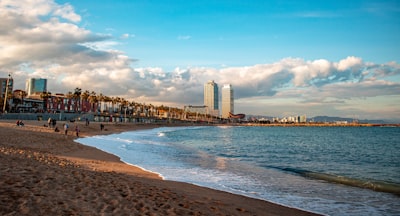
Barcelona Tourism Guide 2026 – Hotels, Food & Attractions
17-May-2026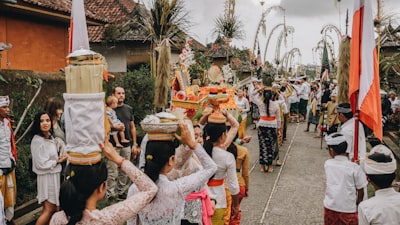
Bali Budget Travel Guide For First Time Travelers
15-May-2026
Las Vegas Travel Guide 2026 – Complete USA Travel Guide
14-May-2026
Mexico City Travel Guide 2026 – Complete Mexico Travel Guide
10-May-2026
Prague Visa Guide 2026 – Complete Czech Republic Travel Guide
10-May-2026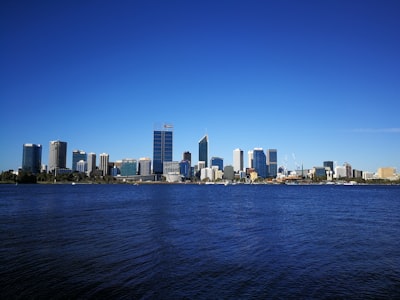
Perth Visa Guide 2026 – Complete Australia Travel Guide
09-May-2026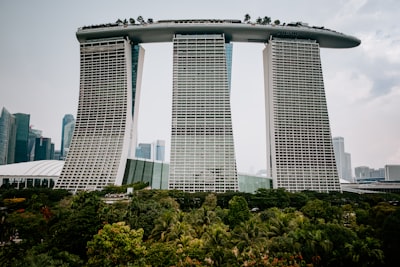
Singapore Travel Guide 2026 – Complete Singapore Travel Guide
06-May-2026
Vancouver Budget Travel Guide 2026 – Complete Canada Travel Guide
05-May-2026
Sydney Best Travel Destination 2026 – Complete Australia Travel Guide
03-May-2026Recent Destination

Paris Travel Guide – Best Places to Visit in France
21-Jun-2026
London Travel Guide – Best Places to Visit in United Kingdom
17-Jun-2026
Paris Travel Guide – Best Places to Visit in France
14-Jun-2026
Sydney Travel Guide – Best Places to Visit in Australia
13-Jun-2026
Cape Town Travel Guide – Best Places to Visit in South Africa
06-Jun-2026
Rome Travel Guide – Best Places to Visit in Italy
31-May-2026
Phuket Travel Guide – Best Places to Visit in Thailand
30-May-2026
Rio de Janeiro Travel Guide – Best Places to Visit in Brazil
24-May-2026
Toronto Travel Guide – Best Places to Visit in Canada
19-May-2026