

Metal Roofing Vs Shingle Roofing Which Is Better
Introduction: Picking the Right Lid for Your Home
Alright folks, let's talk about something that's literally over your head every single day: your roof. As a contractor who's been up and down more ladders than I care to count, I've seen it all. From leaky nightmares to beautiful, long-lasting crowns, the roof makes or breaks a house. And when it comes time for a new one, or even just thinking about an upgrade, one of the biggest head-scratchers for homeowners is this classic showdown: metal roofing vs. shingle roofing. Which is better?
It's not just a simple choice, believe me. It’s a big decision, one that impacts your wallet, your home's curb appeal, its energy efficiency, and your peace of mind for decades. You're not just picking a material; you're investing in protection, durability, and the future value of your most important asset. So, pull up a chair, grab a coffee, and let's dig into the nitty-gritty of asphalt shingles and metal roofs, so you can make a choice you’ll be happy with.
Why Your Roofing Choice Matters More Than You Think
Look, I get it. Roofing isn't exactly the most exciting topic for most folks. But trust me, as someone who’s seen the consequences of poor choices or deferred maintenance, this decision is monumental. Your roof isn't just a hat for your house; it's the primary shield against Mother Nature. Rain, snow, hail, scorching sun, high winds – your roof takes the brunt of it all. A good roof keeps your family dry, your possessions safe, and your energy bills reasonable. A bad one? Well, that's where the headaches, water damage, mold, and expensive repairs start.
Choosing between a metal roof and a shingle roof isn't just about the initial price tag. It's about long-term value, maintenance, aesthetics, and how it performs in your specific climate. Are you in an area with heavy snow? High winds? Intense heat? These factors play a huge role. Making an informed decision now can save you a whole lot of stress, money, and potential structural issues down the road. It’s an investment in your home’s health and your family’s comfort.
Common Homeowner Problems When Choosing a Roof
I hear the same concerns from homeowners all the time when they're faced with a roof replacement:
- "I don't know where to start!" The sheer number of options, materials, and contractors can be overwhelming.
- "Am I getting ripped off?" Fear of overpaying or getting low-quality work is a huge stressor.
- "What if I pick the wrong one?" The worry that the chosen roof won't last, will look bad, or won't perform as expected.
- "It's so expensive!" The sticker shock of a full roof replacement can be daunting, leading some to postpone necessary work.
- "Will it match my house?" Aesthetic concerns are real. You want your new roof to complement your home's style.
- "What about the noise?" Especially with metal roofs, folks worry about rain and hail sounding like a drum solo.
- "How long will it really last?" Everyone wants a roof they don't have to think about for a long, long time.
These are all valid frustrations, and they’re exactly why getting solid, expert advice is so important before you sign on the dotted line.
Key Factors Driving Your Roofing Choice: What Truly Matters?
When you're weighing metal against shingles, there are several big-picture items that should absolutely be at the top of your mind. These aren't just details; they're the foundations of a smart roofing decision.
1. Your Budget (Initial vs. Long-Term)
This is often the first thing people think about. Shingle roofs typically have a lower upfront cost. You're looking at a significantly smaller initial investment compared to most metal roofing systems. However, metal roofs generally last much longer. So, while you pay more upfront for metal, you might save money in the long run by not having to replace it as often. It's like buying a good pair of work boots – more expensive at first, but they outlast three cheap pairs.
2. Climate and Weather Conditions
Where do you live? Does it snow a lot? Get hammered by hail? Experience high winds or intense sun?
- Metal roofs excel in extreme weather. They shed snow easily, are highly resistant to hail (though impact can cause dents, which are usually cosmetic), and can withstand very high winds when properly installed. Their reflective properties can also reduce cooling costs in hot climates.
- Shingle roofs perform well in a variety of climates, but they are more susceptible to damage from extreme weather. High winds can lift and tear off shingles, hail can crack or bruise them, and constant sun exposure can accelerate granule loss and aging.
3. Aesthetics and Curb Appeal
Your roof covers a huge portion of your home's exterior, so its look matters.
- Shingles offer a traditional, classic look with a vast array of colors, styles, and textures. You can mimic wood shakes, slate, or tile with architectural shingles, providing a lot of design flexibility.
- Metal roofs have come a long way from just looking like barn roofs. You can get standing seam, corrugated, or even metal shingles designed to look like wood, slate, or clay tiles. They offer a sleek, modern, or even rustic look depending on the profile.
4. Longevity and Maintenance
How long do you want this roof to last, and how much effort are you willing to put into maintaining it?
- Metal roofs are champions of longevity, often lasting 40-70 years, sometimes even longer. They require minimal maintenance.
- Shingle roofs typically last 20-30 years for standard asphalt shingles, with architectural shingles pushing that to 30-50 years. They require more frequent inspections and potential repairs.
5. Energy Efficiency
Can your roof help lower your utility bills?
- Metal roofs, especially those with reflective coatings or lighter colors, can reflect solar radiant heat, significantly reducing cooling costs in summer.
- Shingle roofs absorb more heat, but some "cool roof" shingle options are available with reflective granules that can help. Proper attic ventilation is crucial for shingles to manage heat.
Critical Questions to Ask Before Deciding on a Roof Type
Before you even pick up the phone to call a contractor, you need to ask yourself some hard questions. This isn't about finding "warning signs" of a bad roof, but rather about arming yourself with the right information to make a solid choice between metal and shingles.
- What’s my true budget? Don't just think about the initial cost. Factor in potential repairs, energy savings, and the expected lifespan. Can you afford the higher upfront cost of metal for the long-term gain? Or is the lower initial cost of shingles more practical for your current situation?
- How long do I plan to live in this house? If you're selling in 5 years, a super-long-lasting metal roof might not give you the full return on investment. If this is your "forever home," the durability of metal could be a huge plus.
- What does my HOA or local building code say? Some neighborhoods have restrictions on roofing materials or colors. Always check before you get your heart set on something.
- What kind of warranties are available for each option? Manufacturer warranties on materials and contractor warranties on labor can vary wildly. Understand what's covered and for how long.
- What’s the resale value impact? A new roof, especially a durable one like metal, can be a huge selling point. But will the aesthetic appeal of a metal roof turn off potential buyers in your area, or will it be seen as an upgrade?
- Am I prepared for the installation process? Metal roof installations can be more specialized and potentially take a bit longer or be noisier. Shingle tear-offs and replacements are generally quicker.
Step-By-Step Solutions: How to Make Your Roofing Decision
Making a major home improvement decision like a roof replacement can feel like a marathon. Here's my practical, step-by-step guide to help you navigate the process:
Step 1: Self-Assessment and Research
Start with your home and your needs.
- Evaluate your existing roof: What's its condition? What kind of problems have you had? This might steer you towards a material that addresses those issues.
- Consider your goals: Is it purely about cost? Longevity? Energy efficiency? Aesthetics? Prioritize these.
- Basic research: Read up on different types of metal (standing seam, corrugated, metal shingle) and asphalt shingles (3-tab, architectural, luxury). Understand the general pros and cons of each.
Step 2: Define Your Budget Parameters
Get a realistic idea of what you can afford, both initially and over the long haul. Remember, a cheaper roof upfront might cost you more in repairs and replacements down the line. Don't forget to factor in potential energy savings for metal roofs.
Step 3: Get Multiple, Detailed Quotes
This is critical. Don't just get one bid. Contact at least three reputable local contractors.
- Request itemized quotes: Make sure they break down labor, materials, tear-off, disposal, permits, and any unexpected costs.
- Specify materials: Ask for quotes on both asphalt shingles (e.g., architectural) and your preferred metal roofing type (e.g., standing seam).
- Ask about warranties: Get details on both material and labor warranties in writing.
Step 4: Check References and Reviews
A good contractor will have plenty of satisfied customers.
- Ask for local references: Drive by homes they've roofed to see their work.
- Check online reviews: Google, Yelp, BBB, Angie's List – look for patterns in positive and negative feedback.
- Verify licenses and insurance: This protects you if something goes wrong.
Step 5: Ask All Your Questions (Don't Be Shy!)
Now's the time to grill your potential contractors. Ask about installation process, timeline, noise levels, maintenance, and anything else that's on your mind. A good contractor will patiently answer all your questions.
Step 6: Review and Compare
Lay out all your quotes side-by-side. Compare not just the bottom line, but the details: materials, warranties, timelines, and the professionalism of the contractor. Make your decision based on value, not just the lowest price.
Professional Contractor Advice: What I Tell My Clients
After years of climbing roofs and talking to homeowners, here's the straight talk I give my clients:
1. Don't Skimp on Installation: You can buy the best metal or shingle in the world, but if it's not installed correctly, it's just an expensive pile of materials. A quality installation is paramount. This means proper underlayment, flashing, ventilation, and attention to manufacturer specifications. I've seen too many roofs fail prematurely due to shortcuts taken during installation.
2. Ventilation is Your Roof's Best Friend: This is often overlooked. Proper attic ventilation is crucial for both shingle and metal roofs. It helps regulate attic temperature, extends the life of your roof, and prevents issues like ice dams in winter and excessive heat buildup in summer. It also makes your home more comfortable and energy-efficient. Your contractor should always discuss your attic ventilation.
3. Understand Your Warranty: I can't stress this enough. A warranty is only as good as the company backing it. Understand what's covered (materials, labor, both?), for how long, and what voids it. Some manufacturer warranties require specific installation procedures. Keep all your paperwork!
4. Local Climate is Key: I might recommend a certain type of metal roof in a hail-prone area that I wouldn't push as hard in a mild, sunny climate. Your local weather patterns should heavily influence your choice. For example, if you get heavy snow, a metal roof's ability to shed snow can be a huge advantage, preventing ice dams and structural stress.
5. Don't Just Look at the Roof: A good contractor will also inspect your gutters, fascia, soffits, and attic. These components work together with your roof, and issues with one can affect the others. It's about the whole system, not just the top layer.
Best Materials or Equipment for Each Roofing Type
Let's break down the main players for each category:
Asphalt Shingle Roofing Materials:
- 3-Tab Shingles: These are the most basic and economical. They're flat, thin, and have a uniform appearance. Good for tight budgets, but shorter lifespan (15-20 years) and less wind resistance.
- Architectural (Laminate) Shingles: Also known as dimensional shingles, these are thicker, heavier, and have a multi-layered, textured look that mimics wood shakes or natural slate. They offer better durability, wind resistance, and a longer lifespan (25-50 years). This is the most popular choice for new shingle roofs these days.
- Luxury (Designer) Shingles: The premium end of asphalt shingles. They are even thicker, heavier, and offer the most realistic replication of natural slate or cedar shakes, often with enhanced impact resistance. Lifespan can be 40-50+ years.
- Underlayment: Critical for all shingle roofs. Modern synthetic underlayments are far superior to old felt paper, offering better waterproofing and durability. Ice and water shield membranes are essential in valleys and along eaves in cold climates.
- Flashing: Metal flashing (galvanized steel, copper, aluminum) around chimneys, vents, and wall intersections is key to preventing leaks.
Metal Roofing Materials:
- Standing Seam Metal Roofing: This is the gold standard for residential metal roofing. Panels run vertically from eave to ridge, with raised seams that are crimped together. This conceals fasteners, making it extremely watertight and durable. Available in steel (galvanized, Galvalume), aluminum, and even copper or zinc. Lifespan 50-70+ years.
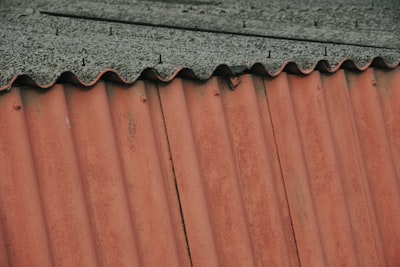
- Corrugated Metal Roofing: Characterized by its wavy or ribbed profile. More economical than standing seam and often used on agricultural buildings or as an accent. Fasteners are exposed, which can be a point of maintenance over time.
- Metal Shingles/Tiles: These are stamped metal panels designed to mimic the look of traditional asphalt shingles, wood shakes, slate, or clay tiles. They offer the aesthetic of traditional materials with the benefits of metal. Often made from steel or aluminum.
- Underlayment: Specific high-temperature synthetic underlayments are often recommended for metal roofs, especially in hot climates, to provide an extra layer of protection and thermal break.
- Fasteners: For exposed fastener systems, high-quality, self-sealing screws are essential. For standing seam, concealed clips are used.
- Coatings: Many metal roofs come with specialized paint finishes (like Kynar 500 or Hylar 5000) that resist fading, chalking, and corrosion, preserving their look for decades.
Benefits: Side-by-Side Comparison
Benefits of Metal Roofing:
- Exceptional Longevity: Can last 40-70 years or more, often outliving the home itself.
- Superior Durability: Highly resistant to fire, rot, insects, mildew, and extreme weather (high winds, heavy snow, hail).
- Energy Efficiency: Reflects solar radiant heat, significantly reducing cooling costs by up to 10-25%.
- Low Maintenance: Requires minimal upkeep once installed. No granules to shed, less prone to moss/algae.
- Environmentally Friendly: Often made from recycled content and 100% recyclable at the end of its life.
- Lightweight: Lighter than most other roofing materials, which can be beneficial for older structures.
- Curb Appeal: Offers a modern, sleek look or can mimic traditional styles with specialized panels.
Benefits of Shingle Roofing:
- Lower Upfront Cost: Generally the most affordable roofing option, making it accessible for many budgets.
- Easy Installation: Installation is straightforward and quicker than metal, meaning less labor cost.
- Wide Variety of Styles & Colors: An enormous range of aesthetic choices to match any home style.
- Easy Repairs: Individual shingles can often be replaced if damaged, making repairs simpler and less costly than metal in some cases.
- Common Availability: Materials and experienced installers are widely available.
- Sound Dampening: The granular surface and mass of shingles offer good sound absorption, reducing noise from rain or hail.
Common Mistakes to Avoid When Choosing Your Roof
I've seen homeowners stumble in a few predictable ways. Learn from their mistakes!
- Only Focusing on Initial Cost: This is a big one. A cheap roof might seem great now, but if it needs replacing in 15 years while a slightly more expensive one lasts 40, you've actually spent more money over time. Think total cost of ownership.
- Ignoring Your Climate: Putting a flimsy shingle roof in a high-wind, hail-prone area is asking for trouble. Likewise, picking a dark, heat-absorbing material in a scorching hot climate will drive up your AC bills.
- Not Vetting Your Contractor: I've seen too many homeowners hire the cheapest guy with a truck. Always check licenses, insurance, references, and online reviews. A bad installation can ruin even the best materials.
- Forgetting About Proper Ventilation: A new roof without adequate attic ventilation is like putting a lid on a boiling pot without a vent. It traps heat and moisture, leading to premature roof failure and potential indoor air quality issues.
- Skipping the Warranty Review: Don't just assume. Read the fine print on both the material and labor warranties. What voids them? What's the process for a claim?
- Making a Hasty Decision: A roof replacement is a big investment. Take your time, do your research, get multiple bids, and don't let anyone pressure you into a quick decision.
Maintenance Checklist: Keeping Your Roof in Top Shape
No matter which roof you pick, a little TLC goes a long way. Here’s a basic checklist:
For Shingle Roofs (Annual or Bi-Annual Check):
- Clean gutters and downspouts of debris. Clogged gutters can lead to water backing up under shingles.
- Inspect for cracked, curled, buckling, or missing shingles. Repair or replace immediately.
- Look for excessive granule loss, especially in valleys or near downspouts. This indicates aging.
- Check for moss, algae, or lichen growth. These can trap moisture and degrade shingles. Consider gentle cleaning or zinc strips.
- Inspect flashing around chimneys, vents, and skylights for signs of lifting or cracks.
- Ensure attic ventilation is clear and unobstructed. Check your attic for signs of leaks or moisture.
- Trim overhanging tree branches to prevent debris accumulation and scratching.
For Metal Roofs (Annual Check):
- Clean gutters and downspouts. Metal roofs shed water quickly, so clear gutters are crucial.
- Inspect fasteners (for exposed fastener systems) for tightness and rust. Replace or tighten as needed.
- Check seams and flashing for any signs of lifting, separation, or damage.
- Look for any dents or dings, especially after a storm. While often cosmetic, severe dents could affect drainage.
- Clear any accumulated leaves, pine needles, or debris, especially in valleys or behind chimneys.
- Inspect any sealant points around vents or pipes for cracking or degradation. Re-seal if necessary.
- Check for any signs of rust on the panels or fasteners. Address promptly.
Safety Tips: Working Around Your Roof
Alright, this is super important. Your roof is not a playground. Most roofing accidents happen to homeowners trying to DIY something they shouldn't. Here are some critical safety warnings:
- When in Doubt, Call a Pro: If you're not comfortable or experienced on a ladder or a roof, don't do it. Period. It's not worth a broken bone or worse.
- Ladder Safety First: Always use a sturdy, properly rated ladder. Make sure it's on level ground, extended at least 3 feet above the roofline, and secured. Have someone spot you.
- Watch for Power Lines: Before you even set up a ladder, look up. Overhead power lines are deadly. Maintain a safe distance.
- Wear Proper Footwear: Non-slip, soft-soled shoes are a must if you absolutely have to walk on a roof. Avoid slippery conditions (wet, icy, mossy roofs).
- Never Work Alone: Always have someone nearby who knows you're on the roof and can assist in an emergency.
- Weather Awareness: Don't work on a roof during high winds, rain, or when it's icy. Metal roofs can be especially slippery when wet or frosty.
- Inspect Before You Step: Look for soft spots or rotten sheathing before putting your full weight on any part of the roof.
Cost-Saving Tips for Your Roofing Project
No one wants to spend more than they have to. Here’s how to save some bucks without sacrificing quality:
- Get Multiple Bids: I said it before, I'll say it again. This is the single best way to ensure you're getting a fair price and understanding the market value for your project.
- Don't Automatically Choose the Cheapest: This isn't really a "cost-saving" tip in the traditional sense, but it saves you from future, much larger costs. A rock-bottom price often means shortcuts, inferior materials, or an inexperienced crew. You'll pay for it later.
- Consider Energy Efficiency: While metal roofs have a higher upfront cost, their energy-saving properties can lead to significant savings on your utility bills over decades. Factor this into your long-term budget.
- Perform Regular Maintenance: A well-maintained roof lasts longer. Addressing small issues (like a loose shingle or a clogged gutter) early prevents them from becoming major, expensive problems.
- Time Your Project Smartly: In some regions, roofing contractors might have slower periods (e.g., late fall or early spring) when they might be more willing to offer competitive pricing to keep crews busy.
- Ask About Financing Options: Many reputable contractors offer financing. This can make a higher-cost, longer-lasting roof (like metal) more manageable on your budget.
- Check for Tax Credits or Rebates: Some energy-efficient roofing materials, particularly "cool roof" metal options, might qualify for local or federal tax credits. Ask your contractor or check local energy efficiency programs.
When to Call Professionals: Don't DIY Everything!
While I encourage homeowners to be informed, there are definitely times when you absolutely need to step back and call in the experts:
- Any Major Damage or Leaks: If you have a significant leak, storm damage, or visible structural issues, don't try to patch it yourself. Water damage spreads fast.
- Full Roof Replacement: This is a massive job that requires specialized tools, knowledge, and a crew. It's not a DIY project for 99% of homeowners.
- Complex Repairs: If the repair involves flashing around a chimney, skylight, or a complex roof valley, it's best left to someone who knows how to properly seal and integrate these elements.
- Safety Concerns: If the roof is too steep, too high, or you're simply not comfortable working at heights, call a professional. Your safety is paramount.
- Insurance Claims: If your roof damage is due to a storm and involves an insurance claim, a professional contractor can help document the damage and work with your insurance adjuster.
- Warranty Protection: Many roofing material warranties are only valid if the roof is installed by a certified professional. DIY installation could void your warranty.
Frequently Asked Questions About Roofing Choices
Q1: Is a metal roof really noisy when it rains or hails?
A1: This is one of the most common concerns I hear! The truth is, modern metal roofs, especially standing seam systems installed over solid sheathing (like plywood or OSB) with proper underlayment, are generally no louder than a shingle roof. The extra layers of insulation and attic space between the roof and your living space significantly dampen the sound. You might hear a gentle patter, but it's rarely the "drum solo" effect people imagine, which is more common with single-layer corrugated metal over open rafters, like on a barn.
Q2: How much more expensive is a metal roof compared to shingles?
A2: Typically, a metal roof will have a higher upfront cost, often 2 to 3 times more than a standard asphalt shingle roof. For example, while asphalt shingles might range from $4 to $8 per square foot installed, a standing seam metal roof could be $10 to $18 per square foot or more, depending on the material, complexity, and region. However, when you factor in the much longer lifespan of metal (40-70 years vs. 20-30 years for shingles) and potential energy savings, the lifetime cost can often be comparable or even lower for metal.
Q3: Can a metal roof be installed over existing shingles?
A3: Yes, in many cases, it can! This is often called a "re-cover" or "overlay" and can save on tear-off and disposal costs. However, there are important considerations. The existing shingle roof must be in relatively good condition, without significant structural damage or multiple layers. It must also be able to support the added weight of the metal roof (though metal is surprisingly light). Always check local building codes, as some areas restrict how many layers of roofing can be on a structure. Your contractor will assess if your specific roof is a good candidate for this.
Q4: Which type of roof offers better resale value for my home?
A4: Both a new shingle roof and a new metal roof can significantly boost your home's resale value, as a fresh roof is a major selling point. A new architectural shingle roof is expected and appreciated. A new metal roof, however, often provides an even greater return on investment due to its exceptional longevity, durability, and energy efficiency. Buyers often see a metal roof as a premium upgrade that they won't have to worry about for decades, making it a strong differentiator in the