

Modern Kitchen Remodeling Ideas For Small Homes

Introduction: Turning Your Small Kitchen Dreams into a Big Reality
Hey there, fellow homeowner! John here, a contractor who's seen more kitchens than I've had hot dinners. And let me tell ya, if you've got a small kitchen, you're not alone. It's a common challenge, especially in older homes or apartments, and it can really get under your skin. You dream of that magazine-worthy kitchen, a place where you can cook, entertain, or just enjoy your morning coffee without feeling like you're playing Tetris with your appliances. But then you look at your cramped space, and those dreams feel a million miles away, right?
Well, I'm here to tell you something important: a small kitchen doesn't mean you have to sacrifice style, functionality, or that modern look you crave. With the right approach, a bit of clever design, and some expert planning, we can transform even the tiniest culinary corner into a highly efficient, beautiful, and yes, modern space. It's all about making smart choices that maximize every single inch. I've helped countless homeowners in similar spots, and I'm going to share some of my best tricks and tips with you today. Consider this your personal guide to a small kitchen remodel that feels anything but small!
Why This Problem Matters: More Than Just a Place to Cook
You might think, "It's just a kitchen, I can live with it." But trust me, your kitchen is the heart of your home. It's where memories are made, meals are shared, and sometimes, it's just where you unwind after a long day. When that space is small, outdated, or just plain dysfunctional, it impacts more than just your cooking habits. It affects your mood, your ability to entertain, and even how you feel about your entire home.
Imagine trying to host a holiday dinner in a kitchen where two people can barely stand without bumping elbows. Or picture yourself trying to bake with your kids, constantly searching for counter space, or having to put away ingredients because there's nowhere to chop vegetables. It's frustrating, it's limiting, and it can make you dread being in a space that should bring joy. A kitchen that doesn't work for you is a constant source of stress, not a haven. That's why tackling a small kitchen remodel isn't just about aesthetics; it's about improving your quality of life and making your home truly work for you.
Common Homeowner Problems in Small Kitchens
I've heard it all from homeowners, and these are the top complaints when it comes to small kitchens:
- Lack of Counter Space: This is probably the number one frustration. You've got your coffee maker, your toaster, maybe a small cutting board, and suddenly, there's nowhere to prep food. It forces you to get creative, often using dining tables or other surfaces, which isn't ideal.
- Insufficient Storage: Where do all the pots, pans, dishes, and groceries go? Cabinets are overflowing, items are stacked precariously, and finding anything becomes a treasure hunt. This often leads to clutter on the countertops, making the space feel even smaller.
- Outdated Look and Feel: Many small kitchens are stuck in a time warp. Old laminate countertops, dark wood cabinets, and dingy lighting can make the space feel gloomy and uninviting, definitely not "modern."
- Poor Layout: The "work triangle" (sink, stove, fridge) often gets ignored in small, older kitchens. You might find yourself walking across the entire kitchen just to get from the fridge to the sink, which is inefficient and annoying.
- Limited Natural Light: Small kitchens often have small windows, or sometimes no windows at all. This can make the space feel like a cave, regardless of how bright your paint color is.
- Feeling Claustrophobic: Just the sheer physical sensation of being in a tight, enclosed space can be a huge deterrent to spending time there. It feels cramped and restrictive.
Main Causes of Small Kitchen Frustrations
So, why do so many homes have these frustratingly small kitchens? A lot of it comes down to history and design choices:
- Older Home Design: Historically, kitchens were seen more as utilitarian spaces, tucked away from the main living areas. They weren't designed for entertaining or as a central hub, so they were often kept small.
- Limited Overall Square Footage: In many urban areas or starter homes, the overall footprint of the house is simply smaller, meaning every room, including the kitchen, gets less space.
- Inefficient Use of Vertical Space: Homeowners often forget about the potential above their heads. Tall cabinets that don't reach the ceiling, or open walls that could house shelving, are missed opportunities.
- Bulky Appliances: Standard-sized appliances can overwhelm a small kitchen, taking up valuable counter and floor space that could be used for other things.
- Poor Previous Renovations: Sometimes, well-intentioned DIY or budget renovations might have actually made the problem worse, adding bulky elements or ignoring smart space-saving solutions.
Warning Signs Your Small Kitchen Needs a Modern Makeover
How do you know it's time to stop just "living with it" and actually do something? Here are some clear warning signs:
- You Actively Avoid Cooking: If the thought of preparing a meal fills you with dread because of the cramped conditions, that's a big red flag.
- Countertops are Always Cluttered: No matter how often you clean, your counters are always piled high because there's nowhere else for things to go.
- You're Bumping Into Things (or People): Constantly navigating around open dishwasher doors, bumping elbows with family members, or tripping over a trash can indicates a serious space issue.
- Appliances Don't Fit Properly: Your fridge sticks out too far, or your dishwasher door hits the oven handle. This shows a fundamental design flaw.
- It Feels Dark and Dingy, Even on a Sunny Day: If your kitchen needs artificial light constantly, it's not just a mood killer, it's a sign of poor design.
- You're Embarrassed to Have Guests Over: If you find yourself apologizing for your kitchen or trying to keep guests out of it, it's definitely time for a change.
Step-By-Step Solutions for a Modern Small Kitchen Remodel
Alright, let's get into the good stuff – the practical ways we can transform your tiny kitchen into a modern marvel. Think of these as the building blocks for your new space.
1. Optimize Your Layout: Every Inch Counts
- Single-Wall Kitchen: If your space is really narrow, consider putting all your appliances and cabinetry on one wall. It creates a clean, linear look and maximizes floor space. You can then add a small, mobile island or a dining table opposite.
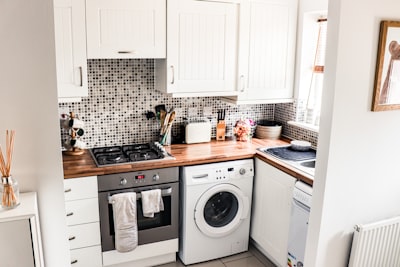
- Galley Kitchen: Two parallel walls with a walkway in between. This is incredibly efficient for cooking. Just make sure the walkway is wide enough (at least 36-42 inches) for comfortable movement.
- L-Shaped Kitchen: Utilizes two adjacent walls. This is great for creating a compact work triangle and can open up space for a small dining nook or a rolling island in the corner.
- U-Shaped Kitchen (Carefully): While typically for larger kitchens, a very compact U-shape can work if the "U" is tight. However, it can make the space feel enclosed if not done right. Consider open shelving on one wall to reduce bulk.
- Breaking Down Walls: Now, this is a big one. If it's structurally possible and your budget allows, opening up a wall to an adjacent living or dining area can be a game-changer. It instantly makes the kitchen feel larger, brighter, and more connected to the rest of the home. This requires a structural engineer and permits, so definitely call a pro for this.
2. Smart Cabinetry and Storage: Hidden Wonders
- Tall, Narrow Pantry Cabinets: Instead of bulky, wide pantries, opt for tall, shallow units that can be integrated into a wall. They offer tons of storage without taking up much floor space.
- Integrated Appliances: Dishwashers, refrigerators, and even microwaves can be hidden behind cabinet panels for a seamless, modern look. This reduces visual clutter and makes the kitchen feel bigger.
- Drawers, Not Doors: For lower cabinets, drawers are far more efficient than traditional shelves. Pull-out drawers mean you don't have to get on your hands and knees to find things in the back. Think deep drawers for pots and pans, and shallow ones for utensils.
- Open Shelving: While not for everyone, a section of open shelving can make a small kitchen feel more airy and less enclosed than solid upper cabinets. Use it for attractive dishes, glassware, or cookbooks. Just remember to keep it tidy!
- Toe-Kick Drawers: That little space under your lower cabinets? It can be used! Toe-kick drawers are perfect for storing flat items like baking sheets, platters, or even pet bowls.
- Corner Solutions: "Lazy Susan" turntables or pull-out corner units can make those awkward corner cabinets incredibly functional.
3. Appliance Selection: Think Compact and Multifunctional
- Counter-Depth Refrigerator: These fridges don't stick out as far as standard models, creating a cleaner line and more perceived space.
- Slimline Dishwasher: If you don't need a full-sized dishwasher, a 18-inch model can save valuable cabinet space.
- Microwave Drawers or Over-the-Range Microwaves: Get the microwave off the counter. A drawer model integrates beautifully into lower cabinetry, or an over-the-range unit combines two functions into one space.
- Induction Cooktops: These offer a sleek, flat surface that can even be used as extra counter space when not in use.
- Smaller Sinks: A single-basin sink can save space compared to a double. Look for models with integrated cutting boards or drying racks.
4. Lighting: Brighten and Expand
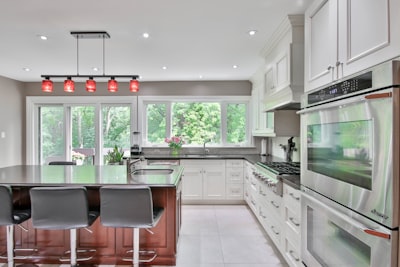
- Recessed Lighting: These lights are flush with the ceiling, providing excellent general illumination without taking up visual space.
- Under-Cabinet Lighting: Essential for task lighting on your countertops. It also adds a beautiful ambient glow and makes the space feel more open.
- Pendant Lights (Strategically): If you have a small peninsula or a compact island, a single, well-chosen pendant light can add style without overwhelming. Keep it proportionate to the space.
- Maximize Natural Light: If possible, enlarge existing windows. Keep window treatments minimal or non-existent to let as much light in as possible.
5. Color Palette and Finishes: The Illusion of Space
- Light Colors: White, off-white, light grays, and pastels reflect light, making a small kitchen feel larger and more open. Use them on cabinets, walls, and even flooring.
- High-Gloss Finishes: Lacquered cabinets or shiny backsplashes reflect light, adding depth and brightness.
- Monochromatic Schemes: Using similar tones throughout the kitchen (cabinets, counters, walls) reduces visual breaks, creating a seamless look that makes the space feel continuous and larger.
- Minimalist Hardware: Sleek, simple cabinet pulls or handle-less cabinet doors (push-to-open) contribute to a clean, modern aesthetic that doesn't add visual clutter.
Professional Contractor Advice: What I've Learned Over the Years
As a contractor, I've seen the good, the bad, and the ugly. Here's my honest advice:
- Plan, Plan, Plan: Before you lift a single hammer, have a detailed plan. This means professional drawings, material selections, and a clear understanding of the timeline and budget. Changes mid-project are expensive and cause delays.
- Permits are Your Friend: Don't skip them! Especially if you're moving plumbing, electrical, or walls. Permits ensure the work is done to code, keeps you safe, and protects your investment. Getting caught without one can lead to fines and having to tear out finished work.
- Hire the Right Pros: A good contractor for a small kitchen remodel isn't just about swinging a hammer; it's about problem-solving, creative design, and managing the entire process. Look for someone with experience in small spaces and a portfolio to prove it. Check references!
- Be Realistic About Your Budget: Remodeling always costs more and takes longer than you expect. Add a 15-20% contingency fund to your budget for unexpected issues (and trust me, there are always unexpected issues, especially in older homes).
- Consider the "Work Triangle" First: No matter how small the space, try to keep your sink, stove, and refrigerator in a practical arrangement. This makes the kitchen functional, even if it's compact.
- Think Long-Term: Don't just pick trendy colors. Choose finishes and materials that are durable, timeless, and will hold up to daily wear and tear. You don't want to be re-remodeling in five years.
Best Materials or Equipment for a Modern Small Kitchen
Choosing the right materials can make or break your small kitchen remodel, both aesthetically and functionally.
- Countertops:
- Quartz: Durable, non-porous (easy to clean), and available in a wide range of modern, light colors that mimic natural stone. It's an investment, but it lasts.
- Compact Laminate: A more budget-friendly option that's come a long way. Some modern laminates are thin, durable, and come in fantastic patterns and colors, including wood or stone looks.
- Butcher Block: Adds warmth and can be quite affordable. Needs regular maintenance (oiling) but looks fantastic in a modern-meets-natural design.
- Cabinetry:
- Flat-Panel (Slab) Doors: These are the epitome of modern design. Clean lines, no fussy details, perfect for a sleek look that doesn't add visual bulk.
- High-Gloss or Matte Finishes: Both work. High-gloss reflects light and feels spacious; matte can feel very sophisticated and contemporary.
- Custom vs. Semi-Custom: For small kitchens, sometimes custom or semi-custom cabinets are worth the extra cost because they can be precisely tailored to fit awkward spaces and maximize every inch.
- Flooring:
- Large Format Tiles: Believe it or not, large tiles with minimal grout lines can make a small floor area feel more expansive than tiny, busy tiles. Choose light colors.
- Luxury Vinyl Plank (LVP): Incredibly durable, waterproof, and comes in fantastic wood or stone looks. It's often warmer underfoot than tile and very easy to maintain.
- Hardwood: If you have hardwood elsewhere, continuing it into the kitchen creates a seamless flow, making the whole area feel larger.
- Fixtures:
- Sleek Faucets: Go for simple, single-handle faucets in modern finishes like brushed nickel, matte black, or polished chrome.
- LED Lighting: Energy-efficient, long-lasting, and provides excellent bright light. Use warm white for a cozier feel or cool white for a more contemporary look.
Benefits of a Modern Small Kitchen Remodel
Investing in your small kitchen pays off in so many ways:
- Increased Functionality: Everything has its place, cooking becomes a joy, and you'll find yourself actually wanting to spend time in there.
- Enhanced Aesthetics: Your kitchen will go from an eyesore to a showstopper. Modern design brings clean lines, fresh colors, and a sophisticated feel.
- Improved Home Value: Kitchen remodels consistently offer one of the best returns on investment for homeowners. A modern, functional kitchen is a huge selling point.
- More Perceived Space: Through smart design, light colors, and clever storage, your kitchen will feel much larger than its actual footprint.
- Better Flow and Connection: If you open up walls, your kitchen becomes an integral part of your living space, making your entire home feel more open and cohesive.
- Reduced Stress: No more fighting with overflowing cabinets or searching for a place to chop vegetables. A well-designed kitchen reduces daily frustrations.
Common Mistakes to Avoid in Small Kitchen Remodels
I've seen these errors too many times. Learn from them!
- Overcrowding the Space: Just because you *can* fit a massive fridge doesn't mean you *should*. Prioritize scale. Too many bulky appliances or upper cabinets will make the space feel smaller.
- Ignoring the Work Triangle: A beautiful kitchen that's not functional is still a problem. Plan for an efficient flow between your sink, stove, and refrigerator.
- Choosing Dark Colors: While a dark accent wall can be dramatic in a large room, dark colors on all walls and cabinets in a small kitchen will absorb light and make it feel like a cave.
- Too Much "Stuff": Resist the urge to fill every surface with decorative items. Clutter is the enemy of small spaces, especially in modern design. Keep it clean and minimal.
- Poor Lighting Planning: Relying on just one overhead light will create shadows and make the space feel dingy. Layer your lighting: general, task, and accent.
- DIYing Critical Systems (Electrical/Plumbing): Unless you are a licensed professional, leave these jobs to the experts. Mistakes can be dangerous, costly, and can void insurance.
- Not Considering Vertical Space: Failing to use cabinets that go all the way to the ceiling or ignoring wall space for shelving is a wasted opportunity in a small kitchen.
- Forgetting About Ventilation: A small kitchen needs good ventilation more than a large one. Make sure your range hood is properly sized and vented to the outside.
Maintenance Checklist for Your Modern Small Kitchen
Once your beautiful new kitchen is done, you'll want to keep it looking great. Here’s a simple checklist:
- Daily Wipes: Wipe down countertops, sink, and stovetop after every use to prevent stains and grime build-up.
- Weekly Deep Clean: Clean out the sink trap, wipe down cabinet fronts, clean appliance exteriors, and mop floors.
- Monthly Appliance Care:
- Clean your microwave inside and out.
- Wipe down the inside of your refrigerator, checking for expired items.
- Clean your dishwasher filter.
- Clean your range hood filters (many are dishwasher safe).
- Quarterly Checks:
- Check grout lines for any signs of cracking or mildew; re-seal if necessary.
- Inspect plumbing under the sink for leaks.
- Check cabinet hinges and drawer slides for smooth operation; tighten screws if loose.
- Annually:
- Deep clean oven.
- Clean behind refrigerator coils.
- Check smoke and carbon monoxide detectors.
Safety Tips During Your Kitchen Remodel
Safety is always priority number one on any job site, even if it's your own home. Here are some critical points:
- Disconnect Utilities: Before any demolition or work on plumbing or electrical, turn off the water to the kitchen and shut off the circuit breakers for the kitchen outlets and lighting. Label them clearly.
- Wear Personal Protective Equipment (PPE): Always wear safety glasses, gloves, and a dust mask, especially during demolition or when cutting materials. Steel-toed boots are a good idea too.
- Proper Ventilation: When cutting, sanding, or painting, ensure the area is well-ventilated to avoid inhaling dust or fumes.
- Tool Safety: Read the manual for any power tools you use. Keep cords clear, use appropriate blades, and never force a tool.
- Clear Pathways: Keep your work area clear of debris and obstructions to prevent trips and falls.
- Fire Safety: Have a fire extinguisher readily available. Be extra cautious with open flames or heat sources.
- Asbestos/Lead Paint: If your home was built before 1978, there's a chance of lead paint, and before the 1980s, asbestos could be present in certain materials (like old vinyl flooring or insulation). Get these tested by a professional before disturbing them. Improper removal is dangerous.
Cost-Saving Tips for Your Small Kitchen Remodel
Remodeling can be expensive, but there are smart ways to save without sacrificing quality:
- Prioritize Your Splurges: Decide what's most important to you – maybe it's high-end countertops, or a specific type of appliance. Budget for those, and then find savings elsewhere.
- Consider Refacing, Not Replacing, Cabinets: If your cabinet boxes are in good shape, sometimes you can just replace the doors and drawer fronts (refacing) and add new hardware. This can be significantly cheaper than all new custom cabinets.
- DIY Demolition (Carefully!): If you're comfortable and know what you're doing, you can save on labor costs by doing the demolition yourself. Just make sure utilities are off and you're not hitting any load-bearing walls.
- Shop Sales and Discounts: Keep an eye out for appliance sales, flooring closeouts, or cabinet promotions. Timing your purchases can save hundreds, if not thousands.
- Open Shelving vs. Upper Cabinets: A section of open shelving is often much cheaper than a full set of upper cabinets.
- Standard Sizes: While custom can be great, sticking to standard sizes for appliances and cabinet modules can often be more cost-effective.
- Smart Material Choices: As mentioned, compact laminate or butcher block countertops are cheaper than quartz. LVP flooring is cheaper than hardwood. These don't have to look cheap!
- Keep Your Layout: If you can avoid moving plumbing and electrical lines, you'll save a substantial amount on labor and materials.
When to Call Professionals for Your Small Kitchen Project
I get it, the DIY bug can bite hard. But some things are just best left to the pros. Here’s when you should definitely pick up the phone:
- Structural Changes: If you're planning to remove or alter a wall, especially if it's load-bearing, you absolutely need a structural engineer and a qualified contractor. This isn't just cosmetic; it affects the integrity of your home.
- Plumbing Relocation: Moving sinks, dishwashers, or fridges that require new water lines or drain pipes is a job for a licensed plumber. Incorrect plumbing can lead to leaks, water damage, and mold.
- Electrical Work: Installing new outlets, moving light fixtures, or upgrading your electrical panel requires a licensed electrician. Incorrect wiring is a serious fire hazard.
- Gas Line Work: If you're installing a gas range or moving a gas line, a certified gas technician is non-negotiable for safety reasons.
- Complex Cabinet Installation: While some basic cabinet installations can be DIY, complex designs, custom pieces, or difficult corners are often best handled by experienced installers to ensure a perfect fit and finish.
- Time Constraints: If you need the project done by a certain date and don't have unlimited time to learn new skills, a professional team can ensure efficiency.
- You Feel Overwhelmed: Remodeling can be stressful. If you're feeling out of your depth, or just want the peace of mind that comes with expert execution, hiring a general contractor to manage the whole process is a smart move.
Frequently Asked Questions About Small Kitchen Remodels
Question: Can I really put an island in a small kitchen?
Answer: While a traditional fixed island might be too bulky, you absolutely have options! Many homeowners opt for a mobile kitchen cart or a rolling island. These can provide extra prep space, storage, and even a small eating area, but can be moved out of the way when you need more floor space. Another great idea is a peninsula extension from an existing counter, which serves a similar purpose without needing a full island footprint. It's all about creative solutions to get that extra surface without blocking traffic flow.
Question: What's the best color scheme to make a small kitchen look bigger?
Answer: Hands down, light and bright colors are your best friend. Think whites, off-whites, light grays, and soft pastels. These colors reflect light, which visually expands the space. A monochromatic scheme, where your cabinets, walls, and even countertops are in similar light tones, creates a seamless look that reduces visual breaks and makes the room feel continuous and larger. Adding pops of color with accessories is fine, but keep the main elements light.
Question: How much does a modern small kitchen remodel typically cost?
Answer: This is the million-dollar question, and frankly, it varies wildly. A very basic refresh (paint, new hardware, maybe a new backsplash) could be a few thousand dollars. A mid-range remodel with new cabinets, countertops, and appliances might run anywhere from $15,000 to $35,000 or more. A high-end project, especially if you're moving walls or utilities, could easily exceed $50,000. Factors like material quality, labor costs in your area, and whether you're changing the layout significantly all play a big role. Always get multiple detailed quotes from reputable contractors.
Question: Are open shelves practical for a small kitchen?
Answer: They can be, but they come with a caveat. Open shelves definitely make a small kitchen feel more airy and less closed-off than solid upper cabinets, and they're great for displaying attractive dishes or glassware. However, they require discipline. Everything on them needs to be neat and tidy, and they can collect dust more easily than enclosed cabinets. If you're someone who likes a pristine, minimalist look and is willing to keep things organized, they're a fantastic modern solution. If not, they might add to visual clutter, which is the opposite of what we want in a small space.
Question: What are some good space-saving storage ideas besides basic cabinets?
Answer: Oh, I've got a whole bag of tricks for this! Beyond standard cabinets, consider deep drawers with dividers for pots and pans, pull-out pantry units that slide out entirely for easy access, toe-kick drawers at the base of your cabinets for flat items, and vertical storage solutions like pegboards or magnetic knife strips on walls. Don't forget about the inside of cabinet doors for spice racks or small organizers. Even a slim rolling cart can provide extra storage and a temporary countertop when needed.
Question: How long does a small kitchen remodel usually take?
Answer: A typical small kitchen remodel, from demolition to final touches, generally takes about 4-8 weeks. This timeframe can fluctuate based on a few things: the scope of work (are we moving walls or just swapping out cabinets?), the availability of materials (custom orders take longer), and how quickly inspections are completed. Unexpected issues, like discovering old plumbing problems or electrical hazards, can also add time. Good planning with your contractor can help keep things on schedule.
Question: Should I choose integrated appliances?
Answer: For a