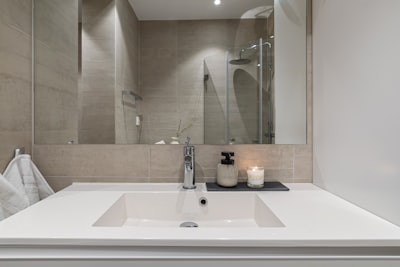


How To Choose The Right Bathroom Vanity
Introduction: Picking the Perfect Bathroom Vanity – It’s More Than Just a Pretty Face!
Alright folks, let’s talk bathroom vanities. Now, I know what some of you are thinking: “It’s just a cabinet with a sink, right?” Wrong! As a contractor who’s been knee-deep in more bathroom remodels than I care to count, I can tell you that choosing the right bathroom vanity is one of the most critical decisions you’ll make for that space. It’s not just about looks; it’s about function, durability, storage, and how it makes you feel every single morning when you walk into that room.
You see, a bathroom vanity is the workhorse of your bathroom. It’s where you start your day, where you get ready, where you store all those lotions and potions. A good vanity can transform a dull, cramped bathroom into a beautiful, organized oasis. A bad one? Well, that’s a daily dose of frustration, a constant reminder of a decision you wish you could take back. My goal here is to arm you with the knowledge and confidence to pick a vanity that you’ll love for years to come, one that truly fits your life and your home.
Why This Problem Matters: Your Bathroom Deserves Better Than "Good Enough"
Think about it: your bathroom is a high-traffic area. It’s a place of quiet reflection for some, a frantic morning rush zone for others, and sometimes, it’s the only room in the house where you can truly get five minutes to yourself. The vanity sits at the heart of all this. If you don't pick the right one, you're not just dealing with a mismatched piece of furniture; you're dealing with daily irritations.
From my perspective, a poorly chosen vanity can lead to a cascade of problems. Maybe it’s too big and makes the room feel cramped, or too small and offers zero storage. Perhaps the material isn't right for a wet environment, leading to warping or mold down the line. It can even impact your home's resale value, turning off potential buyers who see it as an immediate fix rather than a selling point. This isn't just about aesthetics; it's about investing in the functionality and longevity of one of your home's most essential spaces.
Common Homeowner Problems When Choosing a Bathroom Vanity
Oh, I’ve seen it all. Homeowners come to me with these glazed-over eyes, overwhelmed by the sheer number of options. Here are some of the most common headaches I encounter:
- The "Too Many Choices" Paralysis: Walk into any big box store or browse online, and you're hit with hundreds, if not thousands, of styles, sizes, colors, and configurations. It’s enough to make anyone throw their hands up and pick the first one that looks "okay."
- Misjudging Space: "It looked bigger in the showroom!" is a phrase I hear often. Folks forget to account for door swings, toilet clearance, or even just leaving enough elbow room.
- Budget Blowouts: They fall in love with a high-end, custom piece without realizing the cost of the vanity itself, plus the countertop, sink, faucet, and installation.
- Ignoring Plumbing: Some beautiful vanities just won't work with existing plumbing rough-ins without major, costly modifications. This is a big one that gets overlooked.
- Sacrificing Function for Form: A sleek, modern vanity with minimal storage might look great, but if you have a family of four, where are all those toothbrushes, hair products, and extra towels going to go?
- Material Meltdowns: Choosing a countertop or cabinet material that isn't suited for a wet, humid bathroom environment can lead to regrets down the road.
Main Factors Influencing Your Vanity Choice
When homeowners struggle to pick the right vanity, it usually boils down to not considering these core factors upfront. It's like trying to build a house without a blueprint:
- Lack of Proper Planning: The biggest culprit. Rushing into a decision without measuring, assessing needs, or setting a realistic budget.
- Underestimating the Bathroom's Purpose: Is it a busy family bathroom, a serene master retreat, or a small guest powder room? Each has different demands.
- Ignoring the Existing Layout: Many forget to consider where the water lines and drain are currently located. Moving these can add significant cost and complexity.
- Focusing Only on Aesthetics: While looks are important, ignoring practicality, durability, and storage capacity is a recipe for long-term unhappiness.
- Unfamiliarity with Materials: Not knowing the pros and cons of different cabinet woods, countertop surfaces, or sink types can lead to poor choices.
- Forgetting About Installation: Thinking the vanity is a stand-alone purchase, rather than part of a larger system that needs careful integration.
Warning Signs You Might Be Choosing the Wrong Vanity
Before you swipe that credit card or tell your contractor to "just order it," keep an eye out for these red flags:
- It Doesn't Fit Your Measurements (and you're trying to force it): If you have to say, "We can just make it work," or "It'll be a tight squeeze," STOP. A vanity that's too big will make your bathroom feel cramped and awkward. Too small, and it looks lost and provides inadequate storage.
- The Style Clashes with Everything Else: If your bathroom has a traditional feel, and you're eyeing a super modern, minimalist floating vanity, you might create a jarring disconnect. Unless you're doing a full gut remodel, try to complement your existing decor.
- It Offers Zero Practical Storage: If you're currently overflowing with toiletries and towels, a pedestal sink or a vanity with only one tiny drawer isn't going to solve your problems; it's going to create new ones.
- The Materials Feel Flimsy or Cheap: Give it a good knock. Open and close the drawers. If it wiggles, creaks, or feels like it's made of cardboard, walk away. Bathrooms are high-humidity zones; cheap materials won't last.
- It Requires Extensive Plumbing Rerouting: If the sales associate or your contractor says, "We'll have to move the drain and water lines quite a bit for this one," be prepared for added costs and potential headaches. Sometimes, a different vanity choice can save you hundreds, even thousands.
- Your Gut Feeling is Off: Seriously, trust your instincts. If something just doesn't feel right, or you're having second thoughts, take a pause. This is a significant investment.
Step-By-Step Solutions: Your Guide to Vanity Victory
Okay, let’s get down to business. Here’s my no-nonsense, step-by-step approach to picking a bathroom vanity that you’ll absolutely love:
Step 1: Measure Your Space Like a Pro (No, Really!)
- Width: Measure the wall space available from wall to wall, or from the wall to the nearest obstruction (like a toilet or shower). Subtract at least 6 inches from that measurement to ensure proper clearance around the vanity.
- Depth: Standard vanity depth is 21-24 inches. Measure from the wall out. Make sure it won't impede door swings or make the room feel too narrow. For smaller bathrooms, a "slimline" or "reduced depth" vanity (18 inches or less) can be a lifesaver.
- Height: Standard vanity height used to be around 32 inches. Modern "comfort height" vanities are typically 34-36 inches, similar to kitchen counters. Consider who will be using it – taller folks will appreciate the extra height.
- Clearance: Don't forget to account for toilet clearance (minimum 15 inches from center of toilet to vanity side), shower doors, and door swings.
- Plumbing Rough-In: Note where your existing water supply lines and drain pipe come out of the wall. This determines if you can use a wall-mounted, free-standing, or specific cabinet configuration.
Step 2: Define Your Needs – Who, What, Where, Why?
- Users: Is this a single-person vanity, a shared master bath vanity, or a kid's bathroom? This impacts sink count and storage needs.
- Storage: How much stuff do you have? Do you need drawers, open shelving, closed cabinets, or a mix? Think about everything you store in your current vanity and where it will go in the new one.
- Style: What's the overall aesthetic of your bathroom or home? Modern, traditional, farmhouse, transitional? Keep it consistent.
- Functionality: Do you need integrated power outlets inside drawers? A pull-out for a curling iron? Soft-close hinges?
Step 3: Choose Your Vanity Type
- Freestanding: Looks like a piece of furniture, often with legs. Easy to install, but may have less enclosed storage.
- Built-in/Cabinet Style: Sits flush against the wall, offering maximum storage.
- Floating/Wall-Mounted: Attached directly to the wall, leaving space underneath. Great for a modern look, easier to clean the floor, and can make a small bathroom feel larger. Requires solid wall blocking for support.
- Corner Vanity: Perfect for really small bathrooms or powder rooms where space is at an absolute premium.
- Pedestal Sink: Minimalist, no storage. Best for powder rooms where storage isn't a concern.
Step 4: Select Materials – Cabinets, Countertops, Sinks
- Cabinetry: Consider solid wood (durable but can be pricey), plywood (strong, moisture-resistant), MDF (affordable, smooth finish but less water-resistant), or particleboard (cheapest, least durable).
- Countertop: Quartz (durable, non-porous, wide range of colors), Granite (natural stone, unique patterns, requires sealing), Marble (luxurious, porous, prone to etching), Solid Surface (seamless, repairable), Laminate (budget-friendly, many patterns, less durable).
- Sink Type:
- Undermount: Sits below the counter, easy to clean, sleek look.
- Drop-in/Self-rimming: Sits on top of the counter with a visible rim. Easier to install.
- Vessel: Sits entirely on top of the counter, a dramatic statement piece. Requires a taller faucet.
- Integrated: Sink and countertop are one piece, often made of cultured marble or solid surface. Seamless and easy to clean.
Step 5: Don't Forget the Faucet!
Make sure your chosen faucet is compatible with the number of holes pre-drilled in your vanity top (single hole, centerset, widespread). And check the spout reach – you don't want water splashing everywhere because the faucet is too short or too tall for the sink.
Step 6: Set Your Budget (and stick to it!)
Vanities can range from a few hundred dollars to several thousand. Factor in the cost of the vanity cabinet, countertop, sink, faucet, and installation. Unexpected plumbing modifications can also add up, so have a contingency fund.
Professional Contractor Advice: Lessons from the Trenches
After years of installing, repairing, and sometimes even removing poorly chosen vanities, I’ve got a few insights that can save you a lot of grief:
- Always Oversize Your Measurements: Measure three times, then measure the vanity you're considering in the store. Bring a tape measure with you everywhere! I once had a client who swore her space was 48 inches. Turns out, it was 47.5 inches, and the 48-inch vanity wouldn't fit. A small difference can mean a huge problem.
- Think About the "Flow" of the Room: A vanity isn't just a static object. How will you move around it? Can you comfortably open drawers without hitting the toilet? Is there enough space to bend down and pick something up?
- Moisture is the Enemy: Bathrooms are wet places. Prioritize materials that can handle humidity and splashes. Particleboard might be cheap, but it swells and warps like crazy if it gets wet. Plywood or solid wood for the cabinet box, and a sealed countertop, are always better long-term investments.
- Don't Skimp on the Faucet: A cheap faucet will leak, corrode, and cause headaches. Invest in a quality brand with a good warranty. It’s the component you touch and use constantly.
- Consider Accessibility: If you or someone in your home has mobility issues, a floating vanity at an adjustable height, or one with open shelving for easy access, might be a better choice than a traditional cabinet-style vanity.
- "Rough-in" Matters: Seriously, check your plumbing. Some vanities have specific back cutouts for plumbing. If your existing pipes don't align, it's either a costly plumbing job or a different vanity. Take pictures of your current plumbing setup before you shop.
Best Materials or Equipment for Bathroom Vanities
When it comes to durability and longevity in a bathroom, certain materials just outperform others. Here's what I typically recommend:
For Vanity Cabinets:
- Plywood: My top recommendation. It's strong, stable, and much more resistant to moisture than MDF or particleboard. It holds screws well and won't sag.
- Solid Wood: Beautiful, durable, and can be refinished. However, it's susceptible to expansion and contraction with humidity changes, which can lead to cracks if not properly constructed and finished. Often, higher-end vanities use solid wood frames with plywood panels.
- MDF (Medium Density Fiberboard): Affordable and provides a very smooth finish for paint. It's fine for low-humidity areas, but if water gets in, it swells and delaminates easily. Look for moisture-resistant MDF if you go this route.
For Countertops:
- Quartz: Engineered stone that's incredibly durable, non-porous (no sealing needed!), stain-resistant, and comes in a huge variety of colors and patterns. Excellent choice for bathrooms.
- Granite: Natural stone, very hard, heat-resistant, and each slab is unique. Requires periodic sealing (every 1-3 years) to prevent staining.
- Solid Surface (e.g., Corian): Non-porous, seamless, and can be easily repaired if scratched. Integrated sinks are common with solid surface, creating a very clean look.
- Cultured Marble: A mix of marble dust and resin. Affordable, durable, and often comes with an integrated sink. Can scratch or dull over time.
For Sinks:
- Vitreous China/Porcelain: The classic choice. Durable, easy to clean, and resistant to stains and scratches. Most common for undermount, drop-in, and integrated sinks.
- Ceramic: Similar to porcelain, often with a slightly different glaze. Very hard-wearing.
- Solid Surface: As mentioned, great for integrated sinks for a seamless look.
Benefits of Choosing the Right Bathroom Vanity
When you nail this decision, the payoffs are huge:
- Enhanced Aesthetics: A well-chosen vanity becomes the focal point, tying the room together and boosting its visual appeal.
- Optimal Storage: Say goodbye to cluttered countertops! The right vanity provides ample, organized space for all your essentials.
- Improved Functionality: Everything is within reach, at the right height, and works smoothly. Your morning routine just got a whole lot easier.
- Increased Home Value: A beautiful, functional bathroom is a major selling point for any home.
- Durability and Longevity: Quality materials and proper installation mean your vanity will withstand daily use and humidity for years, saving you money on repairs or early replacement.
- Personalized Comfort: It truly feels like *your* space, designed to meet *your* specific needs and taste.
Common Mistakes to Avoid When Selecting a Bathroom Vanity
I see these all the time, and they're usually preventable:
- Not Measuring Accurately (or at all!): This is the number one blunder. Don't eyeball it. Measure the space, including height, width, and depth, and consider door swings and clearances.
- Ignoring Plumbing Locations: Assuming any vanity will work with your existing pipes. Moving plumbing is expensive and often unnecessary if you choose wisely.
- Underestimating Storage Needs: A sleek, minimalist design might look great, but if you have a family, you'll regret the lack of drawers and cabinets every single day.
- Choosing Materials Not Suited for Bathrooms: Using raw wood, laminate countertops not specifically rated for moisture, or particleboard in a high-humidity environment will lead to swelling, warping, and mold.
- Forgetting About the Faucet and Sink Compatibility: Not checking the number of holes needed for the faucet or ensuring the faucet spout reaches the basin correctly.
- Prioritizing Price Over Quality: Going for the cheapest option often means sacrificing durability, which leads to early replacement and more cost down the line. It's a false economy.
- Not Considering Installation: Some vanities are heavy and complex to install. If you're not experienced, factor in professional installation costs.
Maintenance Checklist for Your Bathroom Vanity
Once you’ve got that perfect vanity installed, a little TLC goes a long way to keep it looking great:
- Daily Wiping: Wipe down the countertop and sink after each use to prevent water spots, soap scum, and toothpaste residue.
- Regular Cleaning: Use a mild, non-abrasive cleaner for your countertop and sink. Avoid harsh chemicals that can damage finishes or sealants.
- Cabinet Care: Wipe down cabinet exteriors with a soft, damp cloth. For wood cabinets, use furniture polish or a wood cleaner as needed.
- Check for Leaks: Periodically open the cabinet doors and inspect under the sink for any signs of leaks or moisture. Address drips immediately to prevent water damage.
- Seal Countertops (if applicable): If you have natural stone (granite, marble), re-seal it every 1-3 years as recommended by the manufacturer to prevent staining.
- Hardware Check: Tighten any loose drawer pulls, cabinet handles, or hinges.
- Ventilation: Always use your bathroom fan during and after showers to reduce humidity, which helps protect your vanity from moisture damage.
Safety Tips During and After Installation
Safety first, always! Especially when you're dealing with heavy objects and plumbing:
- Shut Off Water: Before doing any plumbing work, always, always, ALWAYS shut off the main water supply to your bathroom, or even your whole house.
- Heavy Lifting: Vanities, especially with stone tops, are incredibly heavy. Get help lifting and positioning. Use proper lifting techniques to protect your back.
- Secure to Wall: Ensure your vanity is securely fastened to wall studs. This prevents tipping, especially if you have kids who might pull on drawers or stand on the open cabinet door.
- Electrical Safety: If you're dealing with any electrical outlets within the vanity, make sure the power is off at the breaker. When in doubt, call a licensed electrician.
- Eye Protection: When cutting or drilling, always wear safety glasses.
- Mind the Edges: Stone countertops can have sharp edges before installation. Handle with care.
Cost-Saving Tips for Your Bathroom Vanity Project
A beautiful bathroom doesn't have to break the bank. Here's how to save a few bucks without sacrificing quality:
- Shop Sales and Clearance: Keep an eye out for seasonal sales, holiday discounts, or clearance sections at home improvement stores. You can often find floor models or discontinued styles at a significant discount.
- Consider Stock Vanities: Custom vanities are gorgeous but expensive. Stock vanities come in standard sizes and styles and are much more affordable. Many can be dressed up with higher-end hardware or faucets.
- DIY Demolition: If you're comfortable, you can save on labor costs by safely removing your old vanity yourself. Just remember to shut off the water first!
- Choose Integrated Sink Tops: Vanity tops with integrated sinks (often cultured marble or solid surface) are typically more affordable than separate countertop slabs and undermount sinks.
- Laminate Countertops: While not as luxurious as stone, modern laminate countertops come in incredibly convincing patterns and are very budget-friendly. They're also durable enough for many bathrooms if properly cared for.
- Reuse Your Faucet (if possible): If your current faucet is still in good shape and matches your new vanity, reusing it can save you a chunk of change. Just ensure it's compatible with the new sink/countertop.
- Paint Existing Cabinets: If your vanity cabinets are structurally sound but just outdated, a fresh coat of paint and new hardware can give them a whole new look for a fraction of the cost of replacement.
When to Call Professionals: Don't Be a Hero, Be Smart!
While some DIY is great, there are times when calling in a professional contractor or plumber is just plain smart. Here's when:
- Complex Plumbing Rerouting: If your new vanity requires moving water supply lines or the drain pipe significantly, this is a job for a licensed plumber. Messing with plumbing can lead to leaks, water damage, and costly repairs.
- Structural Changes: If you're installing a heavy floating vanity that requires adding blocking inside the wall, or if you need to alter wall studs, a professional carpenter or contractor should handle it.
- Electrical Work: Any modifications to existing outlets, adding new ones, or installing new lighting associated with the vanity should be done by a licensed electrician.
- Heavy Countertops: Installing a large, heavy stone countertop (like granite or quartz) is best left to pros. They have the right tools, experience, and manpower to prevent damage to the countertop or injury to themselves.
- Lack of Experience or Confidence: If you're not comfortable with any part of the installation process, or if you simply don't have the time, it's always better to hire a professional. The peace of mind alone is worth it.
- Water Damage or Mold: If you discover significant water damage or mold behind your old vanity, a professional can assess the extent of the problem and ensure proper remediation before the new vanity goes in.
Frequently Asked Questions About Choosing a Bathroom Vanity
Q: What's the best material for a bathroom vanity cabinet?
A: From my experience, plywood is the most reliable choice for vanity cabinets. It's much more resistant to moisture and humidity than MDF or particleboard, which are prone to swelling and warping in a bathroom environment. Solid wood is also excellent but can be more expensive and might expand/contract slightly with humidity changes. If you're on a tighter budget, look for high-quality MDF that's specifically labeled as moisture-resistant, but know it's still a step down from plywood.
Q: How high should a bathroom vanity be?
A: This really depends on who's using it. The traditional height used to be around 30-32 inches, which is fine for kids' bathrooms or if you prefer a lower basin. However, most modern bathrooms, especially master and guest baths, are opting for "comfort height" vanities, which typically measure 34-36 inches from the floor to the top of the countertop. This height is similar to kitchen counters and is generally more comfortable for adults, reducing the need to bend over as much.
Q: Can I replace just the countertop on my existing vanity?
A: Absolutely, in many cases! If your existing vanity cabinet is still structurally sound, in good condition, and you like its style, replacing just the countertop, sink, and faucet can give your bathroom a huge facelift for less money than a full vanity replacement. You'll need to carefully measure your existing cabinet dimensions to ensure the new top fits perfectly. Just make sure the cabinet can support the weight of a new, heavier stone top if you're upgrading from laminate or cultured marble.
Q: What's the difference between an undermount and a drop-in sink?
A: An undermount sink is installed *below* the countertop, creating a seamless look and making it super easy to wipe crumbs and water directly into the basin. It requires a solid countertop material like stone or solid surface. A drop-in (or self-rimming) sink, on the other hand, drops into a cutout in the countertop, with its rim sitting *on top* of the counter. These are generally easier to install and can be used with a wider variety of countertop materials, including laminate. Undermount typically offers a cleaner, more modern aesthetic.
Q: How do I measure for a new bathroom vanity?
A: Start by measuring the total available width of the wall space. Then, subtract at least 6 inches for comfortable clearance, especially if it's next to a toilet or shower. Next, measure the depth from the wall out, making sure it won't impede door swings or traffic flow; standard depths are 21-24 inches, but smaller "slimline" options exist. Finally, consider the height – standard is 32 inches, comfort height is 34-36 inches. Don't forget to measure the location of your existing plumbing rough-in (water lines and drain) to ensure compatibility with your chosen vanity.
Q: Should I choose a single or double vanity?
A: This comes down to your space and needs. A double vanity (typically 60 inches or wider) is great for master bathrooms shared by two people, offering separate sinks and often more storage, which can prevent morning squabbles! However, it requires significant wall space. If your bathroom is smaller, or if it's primarily used by one person at a time, a single vanity (24-48 inches) is a more practical and space-saving choice. Sometimes, two smaller single vanities separated by a linen tower can give you the best of both worlds if you have the room.
Final Thoughts: Your Dream Bathroom Starts Here
Choosing the right bathroom vanity doesn’t have to be a nightmare. By taking the time to measure, assess your needs, understand your options, and avoid common pitfalls, you can select a piece that not only looks fantastic but also functions perfectly for your lifestyle. Remember, this isn't just a purchase; it's an investment in your home