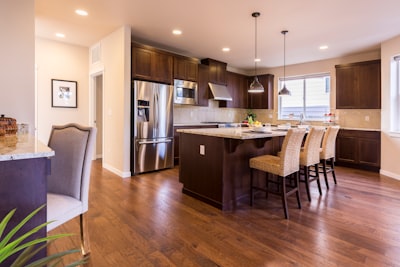


Open Concept Kitchen Remodeling Ideas
Introduction
Alright folks, let's talk kitchens. For years, the kitchen was often tucked away, a utilitarian space hidden from the main action of the home. But times have changed, haven't they? Today, the kitchen isn't just for cooking; it's the heart of the home, the command center, the gathering spot. And that's why more and more homeowners are looking at their closed-off kitchens and saying, "Enough is enough!" They're dreaming of an open concept kitchen, a space that truly connects with the rest of their lives.
As a contractor who's been doing this for a long time, I've seen the frustration in people's eyes when they talk about their cramped, isolated kitchens. They want to be part of the party, keep an eye on the kids, or just feel more connected to their family while prepping dinner. An open concept kitchen remodel isn't just about knocking down a wall; it's about transforming how you live in your home. It's a big project, no doubt, but the payoff? Absolutely worth it when done right. Let's dig into some open concept kitchen remodeling ideas and figure out how to make your dream kitchen a reality.
The Allure of an Open Concept Kitchen
You might be wondering, "Why all the fuss about an open concept kitchen?" Well, it's not just a trend; it's a fundamental shift in how we use our homes. Think about it: remember those holidays where someone was stuck in the kitchen, missing all the laughter and conversation in the living room? Or trying to cook dinner while your kids played in another room, yelling across the house to check on them?
The "problem" with traditional, closed-off kitchens isn't really a problem with the kitchen itself, but with the way it isolates people. Homeowners often feel a deep sense of disconnect. They want to be present, to engage, to host without feeling like they're working a separate shift. An open concept design solves this by blending the kitchen with the dining area, living room, or both. It creates a seamless flow, inviting light and conversation to spread throughout the main living spaces. It makes your home feel bigger, brighter, and way more welcoming. It's about creating a living space that truly reflects a modern, connected lifestyle.
Common Homeowner Problems with Traditional Kitchen Layouts
Before we tear down walls, let's talk about the pain points that drive people to an open concept. I hear these frustrations all the time:
- Feeling Isolated: "I always feel like I'm stuck in a box while everyone else is having fun." This is probably the number one complaint. You're cooking a meal, and your family or guests are in the next room, completely out of sight and earshot. It's a lonely feeling.
- Lack of Space for Entertaining: "When we have people over, everyone crowds into the tiny kitchen or avoids it entirely." Traditional kitchens often don't have enough room for guests to mingle comfortably, leading to bottlenecks and awkward social dynamics.
- Poor Natural Light: Many older kitchens were designed with small windows or were located on the darker side of the house. Walls further restrict the flow of light, making the space feel gloomy and uninviting.
- Dated, Segmented Layouts: Homes built decades ago often featured a strict division of rooms. This can feel incredibly restrictive today when people prefer flexible, multi-functional spaces.
- Difficulty Supervising Children: Parents often express concern about not being able to keep an eye on young kids playing in the living room or dining area while they're busy in the kitchen. An open layout offers peace of mind.
- Cluttered Countertops and Limited Storage: Small kitchens often lead to a constant battle with clutter, with appliances and dishes vying for every inch of counter space.
- Poor Traffic Flow: Narrow doorways and tight corners can make moving around the kitchen a real hassle, especially when multiple people are trying to use the space.
Main Drivers for an Open Concept Kitchen Design
So, what's really pushing homeowners towards these expansive kitchen transformations? It boils down to a few key desires:
- Modern Lifestyles: Our lives are less formal now. We want spaces that adapt to family dinners, homework sessions at the island, and casual get-togethers. The kitchen has become the social hub.
- Desire for More Natural Light: Sunlight just makes a home feel better. Removing walls allows light from multiple windows to penetrate deeper into the house, brightening up what might have been dark, interior spaces.
- Increased Home Value and Appeal: Open concept layouts are highly sought after by homebuyers. It's a modern amenity that significantly boosts a home's market value and makes it more attractive to potential buyers.
- Enhanced Family Interaction: Imagine cooking dinner while your kids do homework at the kitchen island, or chatting with your partner as they relax in the living room. An open layout fosters connection and conversation.
- Improved Entertaining Capabilities: Hosting becomes a breeze. Guests can flow freely between the kitchen, dining, and living areas, and you, the host, are always part of the action. No more feeling like the chef is a separate entity!
- Making a Small Home Feel Bigger: By eliminating physical barriers, even a modest home can feel significantly more spacious and airy. It's an optical illusion that works wonders.
Warning Signs Your Kitchen Needs an Open Concept Makeover
How do you know if an open concept kitchen is right for you? Look for these "red flags" in your current setup:
- You constantly feel isolated while cooking or prepping. If you find yourself shouting to communicate with family in another room, or worse, just giving up on conversation, it's a sign.
- Guests always gather *outside* your kitchen. If your kitchen is so cramped or closed off that people avoid it during parties, you're missing out on a huge social opportunity.
- Your kitchen feels dark and gloomy, even on a sunny day. If you rely on artificial light most of the time, natural light isn't doing its job.
- You regularly bump into people or appliances when moving around. Poor traffic flow is a major indicator of an inefficient and uncomfortable layout.
- You're embarrassed by your kitchen when guests come over. This is a big one. Your kitchen should be a source of pride, not embarrassment.
- You dream of seeing your kids play while you make dinner. That parental instinct to supervise easily is a strong driver.
- Your home feels chopped up and disconnected. If you walk from room to room feeling like you're entering entirely separate boxes, an open concept can unify your living space.
Step-By-Step Solutions: Planning Your Open Concept Kitchen Remodel
Alright, you're ready to take the plunge. This isn't a small weekend project, so let's break down the journey into manageable steps. As a contractor, I always tell my clients, "The more detailed the plan, the smoother the ride."
Phase 1: Dreaming, Planning, and Permits
- Define Your Vision & Needs: Sit down with everyone in your household. What do you *really* want? More counter space? A huge island? Better flow for entertaining? A quiet corner for coffee? Gather inspiration from magazines, Pinterest, and Houzz.
- Set a Realistic Budget: This is crucial. Open concept remodels can range widely. Be honest about what you can spend. Factor in not just materials, but labor, permits, and a contingency fund (always 10-15% for the unexpected).
- Hire a Team: For an open concept, you'll likely need an architect or designer, a structural engineer (this is non-negotiable if you're touching load-bearing walls!), and a general contractor. A good team makes all the difference.
- Structural Assessment: This is where the structural engineer comes in. They'll determine if the wall you want to remove is load-bearing. If it is, they'll design a solution (like a steel beam or laminated veneer lumber (LVL) beam) to support the structure above. This isn't a DIY job, folks.
- MEP (Mechanical, Electrical, Plumbing) Planning: When you remove a wall, you'll likely uncover existing electrical wiring, plumbing pipes, and possibly HVAC ducts. Your team will plan where to reroute these. This can be complex and expensive, so it needs careful consideration.
- Layout Design: With the wall gone, how will your new kitchen function? Think about the "kitchen work triangle" (sink, stove, refrigerator) and traffic flow. An island often becomes the focal point – what size and shape works best? Where will appliances go?
- Permits, Permits, Permits: Do NOT skip this. Removing walls, altering electrical/plumbing, or making structural changes almost always requires permits from your local municipality. Your contractor should handle this, but you should be aware of the process. Ignoring permits can lead to fines, stop-work orders, and major headaches down the road, especially when it comes time to sell your house.
Phase 2: Demolition and Rough-In
- Protection and Containment: Before demolition starts, your contractor will seal off the work area to minimize dust and protect the rest of your home. Trust me, dust gets everywhere.
- Safe Wall Removal: If it's a non-load-bearing wall, it's a simpler process. If it's load-bearing, temporary supports will be put in place before the wall comes down. This is precision work, not a sledgehammer free-for-all.
- Structural Beam Installation: If required, the new support beam will be installed. This needs to be done perfectly to ensure the integrity of your home.
- Rough-In Electrical, Plumbing, HVAC: New wiring for outlets, switches, and lighting, new plumbing lines for sinks and dishwashers, and any necessary HVAC ductwork will be run through the newly opened space.
- Subflooring and Patching: The area where the wall once stood will need to be patched and potentially reinforced to create a seamless subfloor for your new flooring.
Phase 3: Installation and Finishing Touches
- Cabinetry Installation: Once the rough-ins are done, your new cabinets go in. This sets the stage for the entire kitchen.
- Countertop Templating & Installation: After cabinets are in, countertops are templated and then installed. This is a critical step for aesthetics and functionality.
- Appliance Installation: Your new refrigerator, stove, dishwasher, microwave, and range hood are put into place and hooked up.
- Flooring Installation: Whether it's hardwood, tile, or LVP, the new flooring will be laid, ideally flowing seamlessly from the kitchen into the adjacent living areas. This consistency is key to an open concept feel.
- Lighting Fixtures: Recessed lighting, pendant lights over the island, and under-cabinet lighting are installed. Good lighting is paramount in an open concept space.
- Backsplash, Paint, and Trim: The final aesthetic touches that bring the whole space together.
- Final Walkthrough: With your contractor, inspect everything. Address any touch-ups or adjustments.
Professional Contractor Advice for Your Open Concept Remodel
Having done countless remodels, here are some nuggets of wisdom I always share with my clients:
- Don't Skimp on the Structural Engineer: I cannot stress this enough. A few hundred or a thousand dollars for an engineer's assessment and plans could save you tens of thousands in structural damage down the line, or worse, prevent a catastrophic failure.
- Think About Noise Transfer: When you open up a space, sound travels. If someone is watching TV in the living room and another person is running the dishwasher in the kitchen, you'll hear it. Consider quieter appliances and perhaps incorporate some soft furnishings (rugs, upholstered furniture) to absorb sound.
- Ventilation is CRUCIAL: With no wall to contain cooking odors, a powerful range hood is essential. You don't want the smell of last night's fish lingering in your living room for days. Make sure it's properly ducted to the outside.
- Lighting Design is Your Best Friend: An open concept needs layered lighting. You'll want ambient (general overhead), task (under-cabinet, pendants over island), and accent lighting (to highlight artwork or architectural features). It makes a huge difference in how the space feels.
- Seamless Flooring is Key: To truly achieve that expansive, flowing feel, try to use the same flooring material throughout the interconnected spaces. If you must change, ensure there's a natural transition point, like under an island.
- Budget for the Unexpected: I mentioned the contingency fund. Walls can hide old wiring, unexpected plumbing issues, or even mold. Be prepared for these surprises.
- Communication is Everything: Maintain an open line of communication with your contractor. Ask questions, voice concerns, and stay informed. A good contractor will welcome it.
Best Materials and Equipment for Open Concept Kitchen Remodels
Choosing the right materials can make or break your open concept kitchen. Here's what I often recommend:
- Countertops:
- Quartz: Durable, non-porous (stain-resistant), wide range of colors and patterns. Great for busy families.
- Granite: Natural stone, heat-resistant, unique patterns. Requires sealing but offers classic beauty.
- Large Islands: Often a centerpiece. Consider durable materials that can withstand heavy use and serve multiple functions (prep, dining, homework).
- Flooring:
- Hardwood: Timeless, warm, and can be refinished. Excellent for continuity into living spaces.
- Luxury Vinyl Plank (LVP) / Luxury Vinyl Tile (LVT): Highly durable, waterproof, comes in convincing wood or stone looks. A fantastic practical choice for kitchens.
- Large Format Tiles: Fewer grout lines for a cleaner, more expansive look.
- Cabinetry:
- Custom or Semi-Custom: Allows for maximizing storage and creating a cohesive look with built-ins or integrated appliances.
- Clean Lines: Shaker style or flat-panel cabinets tend to complement the modern, uncluttered feel of open concepts.
- Integrated Appliances: Dishwashers and refrigerators that blend seamlessly with cabinetry enhance the sleek look.
- Appliances:
- Quiet Dishwashers: A must-have in an open space where noise travels.
- Powerful Range Hoods: As discussed, essential for odor control. Look for models with high CFM (cubic feet per minute) ratings.
- Counter-Depth Refrigerators: These don't stick out as much, creating a more streamlined look.
- Lighting:
- Recessed LED Lighting: Provides excellent ambient light without visual clutter.
- Pendant Lights: Perfect for adding style and task lighting over an island or peninsula.
- Under-Cabinet Lighting: Illuminates task areas and adds a beautiful glow.
- Structural Components:
- Engineered Wood Beams (LVL, Glulam): Strong, stable, and often more cost-effective than steel for supporting large openings.
- Steel Beams: Sometimes necessary for very large spans or heavy loads, can be hidden or exposed for an industrial look.
Benefits of an Open Concept Kitchen
The reasons homeowners choose this path are clear, and the benefits are truly transformative:
- Increased Natural Light: Your home will feel brighter, airier, and more inviting, cutting down on the need for artificial lighting during the day.
- Enhanced Social Interaction: You're always part of the conversation, whether you're cooking, hosting, or just relaxing with family. No more feeling left out!
- Better Flow for Entertaining: Guests can move freely, mingle, and grab snacks without feeling confined. It turns your home into a true gathering space.
- Appears Larger and More Spacious: Removing walls visually expands your living area, making even a modest home feel grander.
- Higher Home Value: Open concept kitchens are a major selling point and a significant return on investment for homeowners. They're what buyers are looking for.
- Easier Supervision of Children: Parents love being able to keep an eye on kids playing in adjacent rooms while they prepare meals.
- Modern Aesthetic: It creates a contemporary, sophisticated look that many homeowners desire, updating the entire feel of the house.
- Flexible Layouts: The open space allows for more versatile furniture arrangements and adapts better to changing needs over time.
Common Mistakes to Avoid During Your Open Concept Remodel
Even with the best intentions, things can go wrong. Here are some common pitfalls I've seen homeowners stumble into:
- Ignoring Load-Bearing Walls: This is the biggest and most dangerous mistake. Never assume a wall isn't load-bearing. Always get a structural engineer's assessment. Trying to DIY this is asking for disaster.
- Underestimating MEP Costs: Rerouting plumbing, electrical, and HVAC lines can be expensive and complex. Don't gloss over these costs in your budget. It's often where the "unexpected" costs pile up.
- Poor Ventilation Planning: A weak range hood in an open kitchen will leave your entire home smelling like your last meal. Invest in a powerful, properly ducted system.
- Lack of Storage Solutions: With fewer walls, you lose cabinet space. If you don't plan for smart storage (pantry, island storage, thoughtful cabinetry), your beautiful open space will quickly become cluttered.
- Inconsistent Flooring: Using drastically different flooring materials for the kitchen and adjacent living areas can disrupt the seamless flow and make the space feel choppy, defeating the purpose of an open concept.
- Forgetting About Noise: While the visual benefits are great, remember that noise travels. Not planning for quieter appliances or sound-absorbing elements can lead to annoyance.
- DIYing Structural Work: Unless you are a licensed, experienced contractor and structural engineer yourself, do not attempt to remove load-bearing walls. This is a job for professionals.
- Not Budgeting for Contingencies: Every remodel, especially one involving structural changes, will have unforeseen issues. That 10-15% contingency fund is there for a reason.
- Skipping Permits: Again, a huge mistake. It can lead to fines, forced demolition, and issues when you sell your home. Always get the proper permits.
Maintenance Checklist for Your New Open Concept Kitchen
Once your beautiful new open concept kitchen is complete, a little regular maintenance will keep it looking fantastic:
- Daily Decluttering: This is paramount for an open space. Since your kitchen is always "on display," make it a habit to put things away after use. A clear counter makes a huge difference.
- Appliance Cleaning: Regularly wipe down your stove, refrigerator, and dishwasher. Pay special attention to your range hood filters, as they'll be working hard to keep odors out of your open living area.
- Countertop Care: Wipe spills immediately. Follow manufacturer recommendations for cleaning specific countertop materials (e.g., seal granite periodically).
- Flooring Maintenance: Sweep or vacuum regularly. Mop according to your flooring type. Address spills promptly, especially on hardwood or porous tiles.
- Ventilation System Check: Periodically check your range hood for proper function and clean or replace filters as needed.
- Cabinet Wipe-Downs: Wipe down cabinet fronts and hardware to remove grease and fingerprints.
- Light Fixture Cleaning: Dust and clean light fixtures, especially pendants over the island, to keep them sparkling.
- Check for Leaks: Periodically inspect under sinks and around appliances for any signs of leaks or moisture.
Safety Tips for Your Open Concept Kitchen Remodel and Beyond
Safety is always job number one. Here's what you need to keep in mind:
During the Remodel:
- Personal Protective Equipment (PPE): Always wear safety glasses, gloves, dust masks, and appropriate footwear during demolition and construction.
- Shut Off Utilities: Before any demolition begins, ensure all electrical, gas, and water lines to the work area are safely shut off.
- Structural Integrity: If removing a load-bearing wall, ensure temporary supports are properly installed and maintained throughout the process. This is where professional expertise is vital.
- Dust Control: Use plastic sheeting and zippered dust barriers to contain dust. Good ventilation and air purifiers can also help.
- Safe Tool Use: Follow all manufacturer instructions for power tools. Don't rush, and ensure you have a stable work surface.
- Clear Work Area: Keep the work area clear of debris and trip hazards.
For Your New Open Concept Kitchen:
- Fire Safety: Ensure you have working smoke detectors and carbon monoxide detectors, especially if you have gas appliances. Keep a fire extinguisher readily accessible.
- Child Safety: With an open space, children have more access. Consider child-proofing cabinets, sharp corners on islands, and keeping hazardous items out of reach.
- Proper Ventilation: A powerful range hood is not just for odors; it removes grease and airborne particles, contributing to healthier indoor air quality.
- Electrical Safety: Ensure all outlets are properly grounded and GFCI protected where required (near sinks). Avoid overloading circuits.
- Appliance Installation: Make sure all appliances, especially gas ones, are installed by qualified professionals to prevent leaks or other hazards.
Cost-Saving Tips for Your Open Concept Kitchen Remodel
Remodeling can be expensive, but there are ways to be smart with your money without sacrificing quality:
- Keep Plumbing and Electrical in Place: The biggest cost savings often come from minimizing relocation of existing plumbing and electrical lines. If your new layout can work around existing rough-ins, you'll save significantly on labor and materials.
- Consider Semi-Custom Cabinets: Fully custom cabinets are beautiful but pricey. Semi-custom options offer a wide range of styles, finishes, and configurations at a more budget-friendly cost.
- Shop for Sales and Discounts: Keep an eye out for sales events on appliances, countertops, and flooring. Timing your purchases can lead to substantial savings.
- DIY Non-Structural Elements (Carefully!): If you're handy, consider tackling tasks like painting, installing a simple backsplash, or demo of non-load-bearing elements yourself. Be honest about your skills, though – a poorly done DIY can cost more to fix.
- Strategic Material Choices: Maybe you splurge on a stunning quartz island but choose a more economical, yet still attractive, laminate for a less visible perimeter counter. Or opt for LVP flooring instead of high-end hardwood.
- Salvage What You Can: Can you reuse existing cabinets with new doors or a fresh coat of paint? Sometimes, a partial update can achieve a fresh look.
- Clear Communication with Your Contractor: Avoiding change orders is a major cost saver. Be clear about your vision from the start, and don't make significant design changes once work has begun.
- Consider an Open Shelf or Two: While not for everyone, a few open shelves instead of upper cabinets can save on cabinet costs and contribute to an airy feel.
When to Call Professionals for Your Open Concept Kitchen Project
I get it, the urge to save money or tackle a project yourself is strong. But with an open concept kitchen remodel, there are definite lines you shouldn't cross without professional help:
- Any Load-Bearing Wall Removal: This is the big one. If you even suspect a wall is load-bearing, you need a structural engineer and an experienced contractor. Your home's structural integrity is not something to gamble with.
- Major Electrical or Plumbing Relocation: Moving main electrical panels, adding new circuits, or rerouting water and gas lines should be done by licensed electricians and plumbers. Incorrect work can lead to fires, leaks, or dangerous gas issues.
- Permit Requirements: If your project requires permits (and an open concept remodel almost always does), you'll need professional plans and inspections. Trying to bypass this can lead to serious legal and safety repercussions.
- If You Feel Overwhelmed or Unsure: Remodeling can be incredibly stressful. If you're losing sleep over the complexity or scope of the project, it's time to bring in the pros.
- For Complex Design or Layout Issues: A good kitchen designer or architect can optimize your space in ways you might not imagine, creating a functional and beautiful layout that avoids common pitfalls.
- When Time is of the Essence: Professionals have the experience, tools, and crew to complete projects efficiently and on schedule.
Frequently Asked Questions About Open Concept Kitchen Remodeling
Q1: How much does an open concept kitchen remodel typically cost?
A: This is the million-dollar question, and frankly, it varies wildly. A basic open concept remodel that involves removing a non-load-bearing wall and updating finishes could start around $30,000-$50,000. However, if you're dealing with a load-bearing wall, extensive electrical and plumbing relocation, high-end materials, and a complete design overhaul, you could easily be looking at $75,000 to $150,000 or even