Prague Food Guide 2026 – Complete Czech Republic Travel Guide
The Ultimate Prague Food Guide: Savoring the Culinary Delights of the Czech Capital
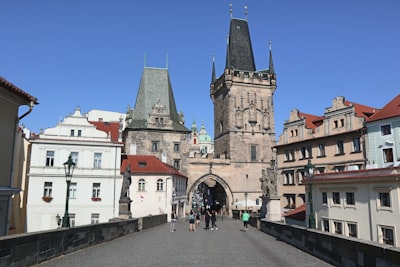
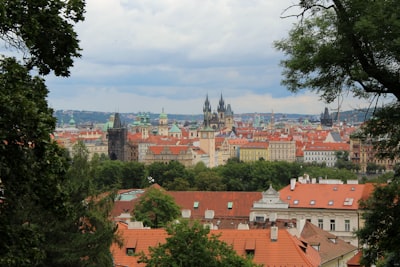
Prague, the enchanting capital of the Czech Republic, is renowned for its fairytale castles, historic bridges, and stunning architecture. While its visual splendor often steals the spotlight, the city harbors an equally captivating secret: a rich, hearty, and utterly delicious culinary scene that’s just waiting to be explored. Beyond the cobblestone streets and Gothic spires, Prague offers a gastronomic journey that reflects centuries of Bohemian tradition, Central European influences, and a burgeoning modern food movement.
For many first-time visitors, Czech cuisine might conjure images of heavy, meat-and-dumpling-laden dishes, and while these comforting classics are indeed a cornerstone, Prague's food landscape is far more diverse and exciting. From bustling traditional taverns serving generations-old recipes to sleek, contemporary restaurants pushing the boundaries of Czech gastronomy, and charming cafes offering sweet indulgences, there's a dish and a drink for every palate. This comprehensive Prague food guide is designed to help you navigate the city's culinary maze, discover authentic flavors, avoid tourist traps, and truly savor every bite and sip. Get ready to dive deep into the world of traditional Czech dishes, explore delightful desserts, understand the nation's profound beer culture, and uncover the best places to eat in this magnificent city. Your culinary adventure in Prague begins now!
The Heart of Czech Cuisine: Traditional Dishes You Must Try
Czech cuisine is a testament to comfort and flavor, born from a history of hearty peasant food designed to sustain through long, cold winters. While rich and often meat-centric, these dishes are incredibly satisfying, brimming with depth and character. When in Prague, embracing these traditional meals is an essential part of the cultural experience.
Iconic Main Courses
Prepare your taste buds for a parade of classics that define Czech cooking. Each dish tells a story of tradition, regional ingredients, and a love for robust flavors.
Svíčková na smetaně (Braised Beef with Cream Sauce)
Often hailed as the national dish, Svíčková is an absolute must-try. This elegant yet comforting dish features tender slices of slow-braised beef, typically sirloin, swimming in a velvety, rich cream sauce made from root vegetables (carrots, parsley root, celery) and a hint of bay leaf and allspice. It’s traditionally served with houskové knedlíky (bread dumplings), a dollop of cranberry sauce, and a slice of lemon garnished with whipped cream. The combination of savory beef, sweet-tangy cranberries, and the fluffy dumplings to soak up every drop of sauce is simply divine. It's a celebratory dish, often enjoyed on special occasions, but readily available in most traditional Czech restaurants.
Vepřo-knedlo-zelo (Roast Pork with Dumplings and Sauerkraut)
This tongue-twisting name translates to "pork-dumpling-cabbage" and perfectly describes another quintessential Czech meal. Vepřo-knedlo-zelo consists of succulent roast pork, often with a crispy skin, served alongside copious amounts of warm, tangy sauerkraut (pickled cabbage), and a mix of both houskové knedlíky (bread dumplings) and bramborové knedlíky (potato dumplings). The interplay of the tender pork, the sourness of the cabbage, and the absorbing power of the dumplings makes for an incredibly satisfying and fulfilling meal. It's a staple in virtually every traditional Czech pub and restaurant.
Guláš (Goulash)
While goulash is often associated with Hungary, the Czech version offers a distinct and equally delicious experience. Czech guláš is typically thicker, darker, and less spicy than its Hungarian counterpart, focusing on slow-cooked beef or pork in a rich, paprika-infused gravy, often thickened with flour or bread. It’s almost always served with fresh houskové knedlíky, making it a perfect dish to sop up every last bit of the savory sauce. You won't find vegetables like potatoes or carrots mixed into the stew itself as much as in other variations; the focus is purely on the tender meat and the deeply flavored sauce.
Řízek (Schnitzel)
The Czech řízek is a close cousin to the Austrian Wiener Schnitzel. It consists of a thin slice of meat (most commonly pork, but chicken or veal options are also available) pounded thin, breaded, and pan-fried until golden and crispy. While traditionally served with boiled or mashed potatoes, you'll often find it with a simple lemon wedge or a side salad. It’s a popular choice for those seeking a familiar yet authentic Central European comfort food.
Tradiční Bramboráky (Traditional Potato Pancakes)
These crispy, savory potato pancakes are a beloved Czech snack or side dish. Made from grated potatoes, flour, egg, garlic, and marjoram, they are fried until golden brown and irresistibly crunchy. While they can be enjoyed on their own as a street food item or starter, they also make a fantastic accompaniment to heavier meat dishes, cutting through the richness with their garlicky zest. Some variations include smoked meat or cheese within the pancake itself.
Kachna (Roast Duck)
Especially popular during festive seasons like Christmas and Easter, but available year-round in many establishments, roast duck is a true Czech delicacy. A whole duck is slow-roasted until its skin is perfectly crispy and the meat is fall-off-the-bone tender. It's typically served with red cabbage (often sweetened with apples or sugar) and a combination of bread and potato dumplings. The rich, succulent duck paired with the sweet and sour cabbage and the fluffy dumplings is a feast fit for royalty.
Soups and Starters
Don't overlook the appetizers and soups, as they offer a fantastic introduction to Czech flavors and often serve as comforting meals in themselves.
Česnečka (Garlic Soup)
Often touted as a traditional hangover cure, Česnečka is a potent and flavorful garlic soup. It's a clear broth brimming with crushed garlic, often spiced with marjoram, and typically served with croutons, a raw egg yolk dropped in just before serving (which cooks in the hot soup), and sometimes melted cheese or smoked pork. It's incredibly aromatic, warming, and packed with flavor, making it perfect for a chilly evening or just a robust start to your meal.
Kulajda (Dill Soup with Mushrooms and Egg)
For a unique and truly Czech soup experience, try Kulajda. This creamy, slightly sour soup features a distinctive dill flavor, often with mushrooms, potatoes, and a poached or boiled egg. The creaminess comes from sour cream or heavy cream, giving it a rich texture that is both comforting and refreshing. It's a surprisingly complex and delicious soup that showcases a different side of Czech culinary artistry.
Utopenec (Pickled Sausage)
A classic pub snack, Utopenec literally means "drowned man," referring to the sausages being "drowned" in a tangy vinegar marinade. These robust, often pork-based sausages are pickled with onions, peppers, and various spices, resulting in a firm texture and a wonderfully zesty flavor. They are typically served cold with a side of bread, perfect for nibbling alongside a cold Czech beer.
Nakládaný Hermelín (Pickled Hermelín Cheese)
Another quintessential pub delicacy, Nakládaný Hermelín features Hermelín cheese (a Czech camembert-style cheese) marinated in oil with garlic, chili peppers, and various herbs and spices. After a few days of marinating, the cheese develops a wonderfully soft, almost spreadable texture and absorbs the flavors of the marinade. It's served cold with fresh bread and, like Utopenec, is an ideal companion to a refreshing Czech lager.
Sweet Indulgences: Prague's Desserts and Pastries
No culinary journey through Prague would be complete without indulging in its delightful array of sweets. From street food sensations to elegant cakes, Czech desserts offer a comforting and often fruity conclusion to any meal.
Must-Try Sweets
Get ready to satisfy your sweet tooth with these traditional Czech treats.
Trdelník (Spit Cake)
You cannot walk through Prague's old town without encountering the enticing aroma of Trdelník. This iconic street food consists of sweet dough wrapped around a stick (trdlo), grilled over an open flame until golden brown, then coated in sugar and walnuts or cinnamon. While often seen as a tourist staple (its origins are debated, with some claiming it's not traditionally Czech but rather Transylvanian or Slovak), it remains an immensely popular and delicious treat. Modern variations often include a generous filling of Nutella, ice cream, or whipped cream, making for a truly indulgent experience. It's warm, soft on the inside, crispy on the outside, and a must-try for its unique texture and sweet flavor.
Palačinky (Czech Crepes)
Palačinky are the Czech answer to crepes, thin pancakes often served as a dessert. They can be filled with a variety of sweet ingredients such as fruit jams (apricot, plum, or strawberry are common), fresh fruit, sweetened cottage cheese, or even chocolate, and then rolled up and dusted with powdered sugar. Light, versatile, and always satisfying, they are a beloved dessert found in cafes and restaurants across Prague.
Ovocné Knedlíky (Fruit Dumplings)
While savory dumplings are a staple, sweet fruit dumplings are equally cherished in Czech cuisine. These soft, pillowy dumplings are made from a sweet dough (often potato or curd cheese based) and filled with fresh seasonal fruits like plums, apricots, strawberries, or blueberries. After boiling, they are typically served topped with melted butter, a sprinkle of powdered sugar, grated hard cottage cheese (tvaroh), or even cinnamon sugar. They are a delightful and unique dessert, especially refreshing during the warmer months when fresh fruit is abundant.
Medovník (Honey Cake)
Medovník is a rich, layered honey cake that is a firm favorite in Prague's cafes and bakeries. It consists of multiple thin layers of honey-flavored dough, interleaved with a luscious cream filling (often made with sweetened condensed milk and butter). The cake is usually topped with crushed walnuts or honey cake crumbs. Its deep honey flavor and moist, tender texture make it a truly decadent treat, perfect with a cup of coffee.
Koláče (Czech Pastries)
Koláče are traditional round, yeast-leavened pastries, often filled with various sweet ingredients. Popular fillings include sweetened tvaroh (cottage cheese), poppy seeds, fruit jams (plum, apricot), or fresh fruit. They can range from small, individual pastries to larger, celebratory cakes. You'll find them in bakeries (pekárna) and cafes throughout Prague, making for a perfect breakfast item or an afternoon snack.
Prague's Liquid Gold: Beer and Beyond
To truly understand Czech culture, one must embrace its profound relationship with beer. It's not just a beverage; it's a way of life, a national pride, and an integral part of social gatherings.
The Beer Culture
The Czech Republic boasts the highest per capita beer consumption in the world, and for good reason. Czech beer (pivo) is legendary, known for its quality, crispness, and affordability.
- Pilsner Urquell: The original Pilsner lager, brewed in Plzeň, is the gold standard of Czech beer. Its crisp, clean taste, balanced bitterness, and golden hue set the benchmark for lagers worldwide. You'll find it on tap almost everywhere.
- Other Popular Brands: Staropramen, Kozel, and Budweiser Budvar are other widely available and excellent Czech lagers. Many pubs will have their own local brews or a rotating selection.
- Dark Lagers (Tmavé Pivo): Don't shy away from dark lagers. They are often surprisingly smooth, with notes of caramel and roasted malt, less bitter than stouts, and wonderfully refreshing.
- Microbreweries: Prague's craft beer scene is thriving. Explore smaller pubs and dedicated microbreweries (like Pivovar U Medvidku or Lokal) for unique brews, seasonal offerings, and traditional unfiltered lagers.
- Ordering Beer: Simply ask for "jedno pivo, prosím" (one beer, please). Beers are typically served in half-liter (0.5L) glasses, so be prepared!
- Foam: Czechs value a good head (pěna) on their beer, as it protects the flavor. Don't be surprised by the generous amount of foam; it's part of the tradition.
Other Beverages
Beyond beer, the Czech Republic offers other interesting libations.
- Becherovka: A herbal liqueur from Karlovy Vary, often described as "Czech's 13th spring." It's sweet, spicy, and aromatic, often served as a digestif or mixed with tonic water for a "Beton" cocktail.
- Slivovice: A strong plum brandy, traditional in Moravia. It's a potent spirit, often homemade, and definitely for those who appreciate a fiery kick.
- Kofola: The Czech answer to Coca-Cola, Kofola is a unique soda with a distinct herbal and slightly licorice-like flavor. It's less sweet than its American counterparts and a nostalgic drink for many Czechs.
- Moravian Wine: While beer reigns supreme, the southern region of Moravia produces some excellent wines, particularly white varieties like Grüner Veltliner, Riesling, and Müller-Thurgau. You can find wine bars (vinotéka) in Prague offering a selection.
Where to Eat: Navigating Prague's Culinary Landscape
Prague offers a diverse range of dining experiences, from historic pubs to modern eateries. Knowing where to look will enhance your culinary adventure.
Traditional Czech Restaurants (Hospoda/Restaurace)
For an authentic taste of Czech cuisine, seek out a "hospoda" (pub) or a "restaurace" (restaurant) that caters to locals.
- Lokál Dlouhááá: A chain of popular Lokál restaurants known for their fresh, perfectly poured Pilsner Urquell and traditional Czech dishes made with high-quality, locally sourced ingredients. It's bustling, authentic, and offers a lively atmosphere.
- U Medvidku: A historic Prague institution, U Medvidku is not only a traditional pub and restaurant but also home to a microbrewery. Try their famous Oldgott lager or their X-Beer 33 (the strongest beer in the Czech Republic).
- U Pinkasů: Claiming to be the first pub in Prague to serve Pilsner Urquell, U Pinkasů offers classic Czech dishes in a historic setting, just a stone's throw from Wenceslas Square.
- Kolkovna Celnice: Another popular spot for classic Czech cuisine and beer, with several locations around the city. They offer a slightly more polished atmosphere than a traditional hospoda but retain authenticity.
Modern Czech & International Cuisine
Prague's culinary scene is evolving, with talented chefs reimagining traditional dishes and introducing international flavors.
- La Degustation Bohême Bourgeoise: For a truly upscale, fine-dining experience, this Michelin-starred restaurant offers a tasting menu that reinterprets 19th-century Czech recipes with modern techniques.
- Eska: Part of the Ambiente group (like Lokál), Eska is a more contemporary take on Czech cuisine, focusing on fermentation, local ingredients, and unique preparations. It also has a fantastic bakery.
- Field Restaurant: Another Michelin-starred gem, Field offers modern Czech cuisine with a focus on seasonal, local ingredients and minimalist presentation.
- Beyond Czech: Prague boasts an excellent array of international restaurants, from Italian and French to Asian and Middle Eastern, particularly in areas like Vinohrady, Karlín, and Holešovice.
Street Food & Markets
For quick bites, snacks, and a taste of local life, explore Prague's street food scene and markets.
- Trdelník Stalls: As mentioned, you'll find these everywhere, especially around major tourist attractions.
- Sausage Stands: Look for stands selling klobása (sausage) or párek v rohlíku (hot dog in a roll) for a simple, satisfying snack. These are particularly popular around Wenceslas Square and Old Town Square.
- Náplavka Farmers' Market (Rašínovo nábřeží): Held on Saturdays, this riverside market is vibrant, offering fresh produce, artisanal foods, street food vendors, and craft beer. It’s a fantastic place to sample local delicacies and soak in the atmosphere.
- Jiřího z Poděbrad Farmers' Market: Located in the Vinohrady district, this market (open several days a week) is a favorite among locals for its fresh produce, baked goods, and prepared foods.
- Christmas Markets: If visiting in winter, Prague's Christmas markets (Old Town Square, Wenceslas Square) transform into culinary wonderland, offering trdelník, klobása, mulled wine (svařené víno), and other festive treats.
Cafes and Bakeries
Prague has a rich cafe culture, offering perfect spots for breakfast, a coffee break, or an afternoon treat.
- Café Louvre: A historic Grand Cafe dating back to 1902, known for its elegant interiors, traditional Czech breakfast, pastries, and strong coffee. A must-visit for a glimpse into Prague's past.
- Grand Cafe Orient: The only Cubist cafe in the world, located in the House of the Black Madonna. It's a stunning architectural marvel and serves classic cafe fare.
- Artic Bakehouse: For modern, high-quality pastries and sourdough bread, this Icelandic-owned bakery has become a local favorite.
- Bakeshop Praha: A popular spot near Old Town Square for American-style baked goods, sandwiches, and coffee.
Essential Tips for Eating in Prague
To ensure a smooth and enjoyable culinary journey, keep these practical tips in mind.
- Reservations are Recommended: For popular restaurants, especially during peak season or on weekends, making a reservation in advance is highly advisable.
- Tipping Etiquette: A 10% tip is standard in restaurants and cafes if you're satisfied with the service. For excellent service, you can round up or give a bit more. For smaller bills, simply rounding up to the nearest convenient amount is common.
- Language: While many menus are in English (especially in tourist areas), learning a few basic Czech phrases can be appreciated. "Dobrý den" (good day), "Děkuji" (thank you), and "prosím" (please/you're welcome) go a long way.
- Spotting Tourist Traps: Restaurants directly on Old Town Square or Wenceslas Square tend to be more expensive and sometimes offer lower quality food aimed at tourists. Look for places a few streets away, those with handwritten menus, or where you see more locals. Menus with numerous pictures of dishes can also be a red flag.
- Patience with Service: Service in some traditional Czech establishments can be less effusive than what you might be accustomed to in other countries. Don't mistake it for rudeness; it's simply a different style.
- Cash vs. Card: Most restaurants and larger shops accept credit cards, but it's always good to have some Czech Koruna (CZK) on hand for smaller purchases, street food, or local markets.
- Dietary Restrictions: Traditional Czech cuisine is quite meat and gluten-heavy. While vegetarian and vegan options are becoming more common in modern restaurants and international eateries, finding extensive choices in very traditional pubs might be challenging. Always ask about ingredients if you have allergies or dietary needs.
- Portion Sizes: Czech meals are generally hearty and generous. Don't be afraid to share or start with a soup if you're not ravenously hungry.
Beyond the Plate: Prague's Culinary Experiences
Deepen your understanding and appreciation of Czech food and drink by engaging in immersive culinary activities.
- Cooking Classes: Several organizations in Prague offer hands-on cooking classes where you can learn to prepare traditional Czech dishes like Svíčková, Guláš, or dumplings. It's a fun and educational way to take a piece of Prague's culinary heritage home with you.
- Food Tours: Join a guided food tour to explore hidden culinary gems, sample a variety of local specialties, and learn about the history and culture behind the food from an expert local guide. These tours often take you off the beaten path and introduce you to flavors you might otherwise miss.
- Beer Tastings & Brewery Tours: With its rich beer culture, Prague is the perfect place for a beer tasting. Visit local breweries, learn about the brewing process, and sample different styles of Czech beer, from classic lagers to craft ales. Many pubs offer tasting flights allowing you to try several varieties.
FAQs About Prague's Food Scene
Here are some frequently asked questions to help you plan your delicious Prague adventure.
Is Prague expensive for food?
Compared to Western European capitals like Paris or London, Prague is generally very affordable for food and drink, especially if you eat at local pubs and traditional restaurants outside the main tourist areas. A hearty traditional meal can cost around 250-400 CZK (€10-€16), and a half-liter of beer can be as low as 50-80 CZK (€2-€3.50). Fine dining will naturally be more expensive but still offers excellent value.
What is a typical Czech breakfast?
A traditional Czech breakfast is often light, consisting of fresh pastries (such as koláče or rohlíky – crescent rolls), bread with butter and jam, cold cuts (ham, salami), cheese, and possibly boiled eggs. Coffee or tea is also common. Many cafes offer more substantial options like omelets or yogurt with granola.
Can I find vegetarian or vegan options in Prague?
While traditional Czech cuisine is meat-heavy, Prague has seen a significant increase in vegetarian and vegan-friendly restaurants and cafes, especially in trendy neighborhoods. Many modern restaurants will have dedicated vegetarian options, and you can always find salads, fried cheese (smažený sýr - lacto-vegetarian), or potato pancakes. Use apps like HappyCow to find dedicated vegetarian/vegan eateries.
Is tap water safe to drink in Prague?
Yes, tap water in Prague and throughout the Czech Republic is perfectly safe to drink and of high quality. There's no need to buy bottled water unless you prefer it.
What's the best time of year for a food trip to Prague?
Prague's food scene can be enjoyed year-round. Spring and summer offer fresh produce at farmers' markets and lighter, seasonal dishes. Autumn brings mushroom foraging and game. Winter is perfect for hearty, comforting stews, roast meats, and the festive treats of the Christmas markets. Each season offers a unique culinary charm.
What's "Czech fast food"?
Beyond international chains, Czech fast food typically refers to street food like klobása (sausages in a bun), párek v rohlíku (hot dogs), or smažený sýr (fried cheese) served in a bun. Open-faced sandwiches (chlebíčky) from a delicatessen are also popular for a quick bite.
Conclusion
Prague’s culinary landscape is as rich and multifaceted as its history and architecture. From the comforting embrace of a hearty Svíčková to the sweet allure of a Trdelník and the crisp refreshment of a perfectly poured Pilsner, every meal in the Czech capital is an opportunity to connect with the local culture and savor truly unique flavors. This guide has hopefully equipped you with the knowledge and confidence to explore Prague’s gastronomic offerings, encouraging you to step beyond the obvious and delve into the heart of Bohemian cuisine.
So, whether you’re seeking a traditional pub experience, a gourmet adventure, or simply a delicious pastry with your morning coffee, Prague promises a memorable feast for your senses. Don't just visit Prague; taste Prague. Let its culinary delights be an unforgettable part of your journey, leaving you with delicious memories long after you've returned home. Na zdraví (Cheers) and bon appétit!