Berlin Top Attractions 2026 – Complete Germany Travel Guide
Uncover Berlin's Best: A Comprehensive Guide to the Top Attractions in Germany's Capital
Berlin, a city that has risen from the ashes of a tumultuous past to become one of Europe's most dynamic and fascinating capitals, offers an unparalleled blend of history, culture, and avant-garde charm. From iconic landmarks that whisper tales of emperors and wars to world-class museums, vibrant street art, and a pulsating nightlife, Berlin truly has something for every traveler. If you're planning a trip to Germany's capital, navigating its vast array of sights can be overwhelming. Fear not, this ultimate guide will unveil the
top attractions in Berlin, ensuring you experience the very best this incredible city has to offer. Prepare to be captivated by Berlin's indomitable spirit and its endless treasures.
Whether you're a history buff eager to delve into its complex past, an art enthusiast seeking cutting-edge galleries, or simply looking to soak up the unique atmosphere of a truly global city, Berlin promises an unforgettable adventure. We’ll explore the must-see historical sites, delve into its cultural heart, wander through its green spaces, and discover its most lively neighborhoods. Get ready to put on your walking shoes and embark on an incredible journey through Berlin!
Iconic Historical Landmarks: Tracing Berlin's Tumultuous Past
Berlin's history is etched into its very foundations, with powerful monuments and memorials serving as poignant reminders of its journey through empires, wars, division, and reunification. Visiting these historical landmarks is an essential part of understanding the city's soul.
Brandenburg Gate (Brandenburger Tor)
No trip to Berlin is complete without standing before the magnificent Brandenburg Gate. This neoclassical triumph, built in the late 18th century, has witnessed centuries of pivotal moments in German and world history. From imperial processions to Nazi rallies, and later becoming a stark symbol of the divided city during the Cold War, the Gate has stood firm. When the Berlin Wall fell in 1989, it became the ultimate emblem of unity and peace.
Today, the Brandenburg Gate is a powerful symbol of German reunification and European integration. Stroll through its grand columns, imagine the historical figures who have passed beneath its Quadriga sculpture, and feel the weight of history that permeates this truly iconic Berlin landmark. It’s particularly beautiful at sunrise or sunset, offering fantastic photo opportunities.
Reichstag Building (Reichstagsgebäude)
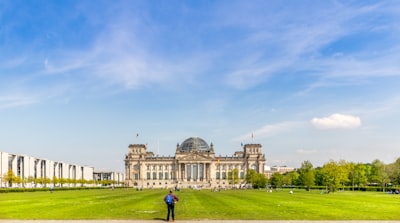
Just a short walk from the Brandenburg Gate stands the Reichstag Building, Germany's historic parliamentary seat. Its impressive architecture, crowned by a stunning glass dome, tells a story of both destruction and rebirth. Burned in 1933, heavily damaged during World War II, and later meticulously restored by architect Norman Foster in the 1990s, the Reichstag now symbolizes Germany's commitment to transparency and democracy.
A visit to the Reichstag is a must-do for its historical significance and the incredible panoramic views from its modern glass dome. Walking up the spiraling ramp inside the dome provides a unique perspective of the city and a symbolic look down into the Bundestag (parliament) plenary chamber.
Pro Tip: Access to the dome and rooftop terrace is free but requires advance online registration, often several weeks in advance, due to high demand and security checks. Don't miss this essential Berlin experience.
Memorial to the Murdered Jews of Europe (Holocaust Memorial)
One of Berlin's most profound and moving sites, the Memorial to the Murdered Jews of Europe, also known as the Holocaust Memorial, is a powerful tribute to the six million Jewish victims of the Holocaust. Designed by architect Peter Eisenman, it consists of 2,711 concrete slabs (stelae) of varying heights, arranged in a grid pattern over a vast undulating field.
Walking through the labyrinthine pathways between the stelae creates a sense of disorientation and unease, evoking the profound loss and fragmented nature of human life during the Holocaust. It's a place for quiet contemplation and remembrance. An underground Information Centre provides historical context, personal stories, and educational resources, deepening the understanding of the memorial's purpose. This sobering experience is an essential part of understanding Berlin's commitment to confronting its past.
Checkpoint Charlie
Checkpoint Charlie was the most famous border crossing point between East and West Berlin during the Cold War. Today, it remains a powerful symbol of the city's division and the ideological struggle between communism and democracy. While the original guardhouse is now in a museum, a replica stands on Friedrichstraße, complete with actors dressed as Allied soldiers, offering a glimpse into the tense atmosphere that once defined this spot.
Adjacent to Checkpoint Charlie is the Mauermuseum (Wall Museum), which documents the dramatic escape attempts made by East Germans, providing fascinating and often heart-wrenching insights into the lengths people went to for freedom. While some might find the area a bit touristy, its historical weight makes it a vital stop for understanding the Cold War era in Berlin.
Berlin Wall Memorial (Gedenkstätte Berliner Mauer)
For a truly authentic and educational experience of the Berlin Wall, head to the Berlin Wall Memorial on Bernauer Straße. This extensive outdoor exhibition preserves a significant original section of the Wall, complete with the death strip, watchtowers, and border fortifications, exactly as they were during the division. It offers the most comprehensive insight into the construction, daily life under the Wall, and the tragic consequences of Germany's division.
The memorial includes an open-air exhibition, a Chapel of Reconciliation, and a visitors' center with an observation tower, offering a bird's-eye view of the preserved section and informational displays. It’s a somber but incredibly important place that provides a deep understanding of the human stories behind the Wall.
East Side Gallery
The East Side Gallery is the longest open-air gallery in the world, stretching over a kilometer along the Spree River. It's a vibrant and poignant testament to freedom, painted directly onto a surviving section of the Berlin Wall. After the fall of the Wall, over 100 artists from around the globe transformed this concrete barrier into a canvas for political statements, expressions of hope, and vibrant artwork.
Iconic murals like Dmitri Vrubel's "My God, Help Me to Survive This Deadly Love" (the "Fraternal Kiss") and Thierry Noir's colorful cartoon heads are instantly recognizable. Walking along the East Side Gallery is a moving experience, blending art, history, and the spirit of a city reborn. It's a powerful reminder that walls can fall, and art can inspire.
World-Class Museums and Cultural Hubs: A Treasure Trove of Knowledge
Berlin boasts an incredible array of museums, covering everything from ancient civilizations to modern art, and specialized institutions dedicated to its unique history. Dive into Berlin's intellectual and artistic heart.
Museum Island (Museumsinsel)
Designated a UNESCO World Heritage site, Museum Island is an architectural marvel and a true cultural oasis in the heart of Berlin. This unique complex on an island in the Spree River houses five world-renowned museums, each a treasure trove of art, archaeology, and history. You could easily spend days here exploring!
The five museums are:
- Pergamon Museum: Famous for its monumental reconstructions like the Ishtar Gate of Babylon and the Pergamon Altar (currently partially closed for renovation, check their website for details).
- Altes Museum (Old Museum): Home to classical antiquities, including Greek and Roman art.
- Neues Museum (New Museum): Features the iconic bust of Nefertiti, along with Egyptian and prehistoric artifacts.
- Bode Museum: Houses Byzantine art, sculptures, coins, and medals.
- Alte Nationalgalerie (Old National Gallery): Showcases 19th-century European art, including Romantic, Impressionist, and early Modernist works.
Purchasing a Museum Island pass can be a cost-effective way to explore multiple institutions. Even if you only visit one or two, the sheer grandeur of the buildings themselves is worth the trip.
Jewish Museum Berlin (Jüdisches Museum Berlin)
The Jewish Museum Berlin is not only a significant institution documenting the history and culture of Jews in Germany, but also an architectural masterpiece designed by Daniel Libeskind. Its striking, deconstructivist design, with its angular corridors, empty voids, and unsettling spaces, is an integral part of the visitor experience, evoking the trauma and absence of the Holocaust.
The permanent exhibition covers over two millennia of German-Jewish history, from the Middle Ages to the present day, showcasing their contributions to German culture, traditions, and the devastating impact of the Holocaust. It's a thought-provoking and emotionally resonant museum that offers deep insights into a crucial aspect of German identity.
Topography of Terror (Topographie des Terrors)
Located on the former site of the Gestapo headquarters and SS command, the Topography of Terror documentation center is a chilling but essential visit for understanding the machinery of Nazi terror. This indoor and outdoor exhibition meticulously documents the crimes of the Third Reich, using photographs, documents, and audio recordings to illustrate the history of persecution, terror, and systematic extermination.
The exhibition features remnants of the original prison cells and a preserved section of the Berlin Wall, offering a stark reminder of the horrors that unfolded on this very ground. It’s a sobering and powerful experience that provides crucial historical context for understanding Germany's darkest chapter.
DDR Museum
For a lighter, yet equally insightful, historical experience, the DDR Museum offers an interactive and engaging look at daily life in communist East Germany (Deutsche Demokratische Republik - GDR). This museum moves beyond the political narratives to focus on the mundane and the unique aspects of socialist life.
Visitors can explore a recreated East German apartment, sit in an original Trabant car, peer into Stasi surveillance equipment, and learn about consumption, work, education, and leisure under the communist regime. It's a fantastic way to grasp the nuances of life behind the Iron Curtain, often with a touch of humor and nostalgia.
Palaces, Parks, and Green Spaces: Berlin's Serene Side
Beyond its urban hustle and historical intensity, Berlin offers numerous tranquil parks, elegant palaces, and refreshing green spaces, perfect for relaxation and escaping the city buzz.
Charlottenburg Palace (Schloss Charlottenburg)
Step back into the opulent world of Prussian royalty at Charlottenburg Palace, Berlin's largest and most magnificent palace. Built in the late 17th century, this baroque and rococo masterpiece was the beloved summer residence of Sophie Charlotte, the first Queen of Prussia.
Explore its lavishly decorated state rooms, the porcelain cabinet, and the elegant chapel. Don't miss the extensive and beautifully manicured palace gardens, which include a carp pond, formal French gardens, and a more natural English landscape garden. The small Belvedere teahouse, housing a collection of Royal Prussian porcelain, and the tranquil Mausoleum are also worth visiting within the grounds.
Tiergarten
Right in the heart of Berlin, stretching from the Brandenburg Gate to the Zoo, lies Tiergarten, the city's largest and most beloved urban park. Once a royal hunting ground, it's now a verdant oasis offering miles of walking and cycling paths, serene lakes, and expansive lawns perfect for picnics or lounging.
Key features within Tiergarten include the
Victory Column (Siegessäule), a towering monument commemorating Prussian military victories, offering panoramic views from its observation deck (for a small fee). The park also hosts various monuments, sculptures, and beer gardens, making it a wonderful place to relax, people-watch, and enjoy nature in the bustling capital.
Sanssouci Palace (Schloss Sanssouci) - Day Trip to Potsdam
While technically located just outside Berlin in the charming city of Potsdam, a visit to Sanssouci Palace is an absolute must if you have an extra day. This exquisite rococo palace was the summer retreat of Frederick the Great, King of Prussia, who envisioned it as a place "without a care" (sans souci in French).
The palace is renowned for its intimate scale, stunning terraced vineyards, and meticulously sculpted gardens, embodying the ideals of the Age of Enlightenment. Explore the lavish interiors, stroll through the vast park with its various follies, temples, and other palaces like the New Palace. Potsdam is easily accessible by S-Bahn (S7 line) from central Berlin, making it an ideal day trip to experience more of Prussia's royal heritage.
Vibrant Neighborhoods and Modern Marvels: Berlin's Contemporary Pulse
Berlin is a city of distinct neighborhoods, each with its own character, from futuristic urban landscapes to bohemian enclaves and charming historic courtyards.
Potsdamer Platz
Once a bustling square before WWII, then a desolate no-man's-land divided by the Berlin Wall, Potsdamer Platz has undergone an astonishing transformation into a glittering showcase of modern architecture and urban revitalization. It's a hub of entertainment, shopping, and business.
Here you'll find impressive skyscrapers, including the Kollhoff Tower with its Panoramapunkt observation deck offering stunning city views, the Sony Center with its iconic tent-like roof and diverse restaurants, and numerous cinemas and theaters. It's a striking example of Berlin's resilience and its forward-looking vision.
Alexanderplatz & TV Tower (Fernsehturm)
Alexanderplatz, often simply called "Alex," is a major public square and transport hub in the former East Berlin. While its communist-era architecture might not appeal to everyone, it remains a bustling center with shopping malls, department stores, and landmarks like the World Time Clock and the Fountain of Friendship between Peoples.
Dominating the skyline of Alexanderplatz is the
Berlin TV Tower (Fernsehturm), a colossal structure built by the GDR government in the 1960s. At 368 meters, it's the tallest structure in Germany and offers breathtaking 360-degree views of the entire city from its observation deck and revolving restaurant. Booking tickets in advance online is highly recommended to avoid long queues.
Kreuzberg
Known for its vibrant multicultural atmosphere, artistic scene, and rebellious spirit, Kreuzberg is one of Berlin's most exciting neighborhoods. Historically a working-class district, it became a focal point for alternative culture and immigrant communities, particularly Turkish.
Explore its eclectic mix of independent boutiques, vintage shops, record stores, and a fantastic array of international restaurants, particularly along Bergmannstraße and Oranienstraße. Kreuzberg truly comes alive at night with its countless bars and clubs, making it a fantastic area for experiencing Berlin's legendary nightlife and diverse culinary scene.
Prenzlauer Berg
In stark contrast to Kreuzberg's grittiness, Prenzlauer Berg (or "Prenzlberg") exudes a charming, bohemian, and family-friendly vibe. Characterized by beautifully restored pre-war apartment buildings, tree-lined streets, and numerous playgrounds, it's a popular residential area.
The neighborhood is brimming with stylish cafes, trendy boutiques, art galleries, and organic food stores. Kollwitzplatz and Helmholtzplatz are charming squares surrounded by restaurants and cafes, perfect for people-watching. Don't miss Mauerpark on Sundays for its famous flea market and open-air karaoke.
Hackesche Höfe
Located in the historic Scheunenviertel (Barn Quarter) of Mitte, Hackesche Höfe is a complex of beautifully restored interconnected courtyards, widely considered one of Berlin's finest examples of Art Nouveau architecture. This labyrinthine cluster of eight courtyards houses an enchanting mix of boutiques, art galleries, theaters, cafes, and restaurants.
It’s a delightful place to wander, discover unique gifts, enjoy a meal, or simply admire the architectural details. The neighboring Hackescher Markt area also offers a lively atmosphere with more shops and eateries.
Unique Berlin Experiences: Beyond the Typical Tourist Trail
To truly capture the essence of Berlin, venture beyond the major landmarks and immerse yourself in its distinctive local flavor.
Berlin's Culinary Scene: From Currywurst to Gourmet
Berlin offers a diverse and exciting food scene that caters to all tastes and budgets. You absolutely must try a
Currywurst, the iconic Berlin street food – a pork sausage smothered in a spiced ketchup sauce, usually served with fries. Stand at a traditional imbiss (snack stand) and savor this local favorite. Another quick and delicious option is the
Döner Kebab, perfected in Berlin by its large Turkish community.
Beyond these staples, Berlin boasts a thriving international food scene, from Vietnamese pho to Ethiopian stews, and a growing number of Michelin-starred restaurants. Explore food markets like Markthalle Neun in Kreuzberg for a gastronomic adventure.
Berlin's Nightlife: Clubs, Bars, and Underground Venues
Berlin is legendary for its nightlife, offering everything from edgy techno clubs open all weekend to cozy cocktail bars and traditional German pubs. While specific clubs might be elusive due to their underground nature, areas like Kreuzberg, Friedrichshain, and Prenzlauer Berg are packed with options.
Experience a typical Berlin "Späti" (late shop) for a cheap beer to drink on the street, or dive into a world-famous techno institution like Berghain (if you're lucky enough to get in). Regardless of your preference, Berlin promises an unforgettable night out.
Street Art & Graffiti Tours
Berlin is a canvas for street artists, and its walls tell stories of political protest, cultural expression, and raw creativity. While you can admire pieces independently, joining a guided street art tour can provide fascinating insights into the artists, techniques, and messages behind the vibrant murals and graffiti that adorn the city. Kreuzberg and Friedrichshain are particularly rich in street art.
Spree River Cruise
For a different perspective of Berlin's iconic landmarks, consider a leisurely Spree River cruise. These tours offer a relaxing way to see sights like the Reichstag, Museum Island, Berlin Cathedral, and the Oberbaumbrücke from the water, often with insightful commentary about the city's history and architecture. It's a great option for a break from walking, especially on a sunny day.
Practical Tips for Visiting Berlin
To make your trip to Berlin as smooth and enjoyable as possible, here are some essential practical tips:
Best Time to Visit
- Spring (April-May): Pleasant temperatures, blossoming parks, and fewer crowds than summer.
- Summer (June-August): Warm weather, vibrant outdoor life, festivals, and beer gardens, but also the busiest tourist season.
- Autumn (September-October): Mild temperatures, beautiful fall foliage, and cultural events.
- Winter (November-March): Cold but magical with Christmas markets, cozy cafes, and fewer tourists.
Getting Around
Berlin has an excellent and efficient public transportation system (BVG) comprising the U-Bahn (subway), S-Bahn (urban train), trams, and buses. It’s extensive, easy to navigate, and the best way to get around the city. Tickets can be purchased at machines in stations or on buses/trams (though often only cash for buses/trams). Validate your ticket before your journey!
Berlin WelcomeCard
Consider purchasing a Berlin WelcomeCard. It offers unlimited travel on public transport for a set period (e.g., 48, 72 hours, 4, 5, or 6 days) and provides discounts on entry to many major attractions, museums, and tours. It’s a great way to save money if you plan to do a lot of sightseeing.
Accommodation
Berlin offers a wide range of accommodation, from luxury hotels to boutique hostels and Airbnb apartments. Popular neighborhoods for tourists include Mitte (central, good for sights), Prenzlauer Berg (charming, family-friendly), Kreuzberg (vibrant, nightlife), and Friedrichshain (trendy, artistic).
Language
German is the official language, but English is widely spoken, especially in tourist areas, hotels, and among younger generations. Learning a few basic German phrases (e.g., "Hallo," "Danke," "Bitte," "Entschuldigung") will always be appreciated.
Currency
Germany uses the Euro (€). Credit and debit cards are widely accepted, but it's always good to carry some cash for smaller purchases, street food, or smaller cafes/bars.
Conclusion: Experience the Undeniable Allure of Berlin
Berlin is more than just a city; it’s an experience. It’s a place where history is palpable, where creativity flourishes, and where the echoes of the past meet the innovations of the future. From the solemn weight of the Brandenburg Gate to the vibrant art of the East Side Gallery, from the intellectual riches of Museum Island to the pulsing beats of its nightlife, Berlin demands to be explored with an open mind and a curious heart.
This comprehensive guide to the
top attractions in Berlin should provide you with an excellent framework for planning an unforgettable journey. Immerse yourself in its stories, marvel at its resilience, and allow yourself to be swept away by the unique energy of Germany's captivating capital. Start planning your adventure today – Berlin awaits!
Frequently Asked Questions (FAQ) about Visiting Berlin
### Q: How many days do you need to see Berlin's top attractions?
A: To experience the major historical landmarks, key museums, and get a feel for a few neighborhoods, we recommend a minimum of 3 to 4 full days. If you want to include a day trip (like Potsdam), delve deeper into museums, or experience the nightlife, 5 to 7 days would be ideal.
### Q: Is Berlin expensive for tourists?
A: Compared to other major Western European capitals like Paris or London, Berlin is generally more affordable. Accommodation and public transport are reasonably priced, and there are many free attractions (e.g., Brandenburg Gate, East Side Gallery, Holocaust Memorial). Dining out can range from very cheap (Currywurst, Döner) to upscale, offering options for various budgets.
### Q: What is Berlin most famous for?
A: Berlin is most famous for its rich and complex history, particularly its role in World War II and the Cold War (Berlin Wall, Brandenburg Gate). It's also renowned for its vibrant arts and culture scene, world-class museums, cutting-edge architecture, and legendary nightlife.
### Q: Is Berlin safe for tourists?
A: Yes, Berlin is generally a very safe city for tourists. Like any large city, it's wise to be aware of your surroundings, especially in crowded areas and at night, and take standard precautions against pickpocketing. Public transport is safe, even late at night.
### Q: Can you do Berlin on a budget?
A: Absolutely! Berlin is one of the best European capitals for budget travelers. Many major landmarks are free to visit. Public transport is efficient and affordable, and there are countless cheap eats (Currywurst, Döner). Look for free walking tours, consider staying in hostels, and take advantage of the city's parks and outdoor spaces for entertainment. The Berlin WelcomeCard can also help save on attractions and transport.