Colombo Travel Guide 2026 – Complete Sri Lanka Travel Guide
Colombo Travel Guide: Unveiling the Vibrant Heart of Sri Lanka
Welcome to Colombo, Sri Lanka's captivating capital, a city where ancient colonial charm seamlessly blends with a dynamic, modern metropolis. Often seen merely as a transit point to the island's famous beaches and tea plantations, Colombo is, in fact, a destination in its own right – a bustling hub offering a rich tapestry of history, culture, cuisine, and contemporary experiences. From its lively street markets and grand colonial buildings to serene temples and upscale shopping malls, Colombo offers a multifaceted adventure that promises to intrigue every traveler.
This comprehensive Colombo travel guide will take you on a journey through the city's hidden gems and iconic landmarks, helping you navigate its vibrant streets, savor its delectable flavors, and immerse yourself in its unique atmosphere. Whether you’re a history buff, a foodie, a shopaholic, or simply seeking an authentic cultural experience, Colombo beckons with open arms, ready to reveal the true essence of Sri Lanka.
Welcome to Colombo: Sri Lanka's Dynamic Capital
Colombo is more than just a city; it's a living narrative. Its strategic coastal location has shaped its history, making it a pivotal port city that attracted traders and colonizers from across the globe. The Portuguese, Dutch, and British each left an indelible mark, evident in the city's architecture, cuisine, and cultural nuances. Today, Colombo stands as a testament to this diverse past, transforming into a cosmopolitan center while proudly preserving its heritage.
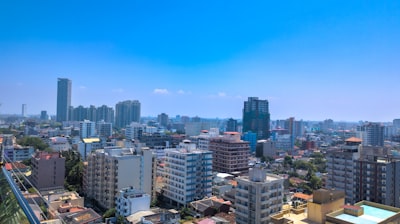
As the economic and cultural heart of Sri Lanka, Colombo pulses with energy. Its skyline is a mosaic of gleaming skyscrapers juxtaposed against charming colonial-era buildings. The streets teem with a lively mix of tuk-tuks, luxury cars, and pedestrians, creating a symphony of urban life. Yet, amidst the hustle and bustle, you'll find tranquil oases in its sprawling parks and ancient temples, offering moments of peace and reflection.
Visiting Colombo allows you to experience the authentic pulse of contemporary Sri Lanka. It's the perfect starting or ending point for any Sri Lankan adventure, offering a fascinating introduction to the country's diverse landscape and warm hospitality. Get ready to explore a city that constantly reinvents itself, promising a journey filled with discovery and delight.
Best Time to Visit Colombo
Choosing the right time to visit Colombo can significantly enhance your travel experience, as Sri Lanka's weather patterns are influenced by two distinct monsoon seasons.
The
best time to visit Colombo is generally during its dry season, which runs from
December to March. During these months, the city experiences plenty of sunshine, lower humidity, and minimal rainfall, making it ideal for sightseeing, exploring outdoor attractions, and enjoying the city's vibrant street life. The temperatures during this period average around 28-30°C (82-86°F), providing comfortable conditions for travelers. This also coincides with peak tourist season, so expect more crowds and slightly higher prices for accommodation and flights.
Another relatively good period to visit is from
June to September. While this is technically the monsoon season for the southwest of Sri Lanka (including Colombo), the rainfall is often in short, heavy bursts, typically in the afternoons, leaving plenty of dry periods for exploration. The humidity can be higher, but the temperatures remain warm. Traveling during this period might offer fewer crowds and potentially better deals on hotels.
The periods to generally avoid, if possible, are April-May and October-November, which are considered the inter-monsoon periods, often bringing higher chances of heavy, prolonged rain and strong winds, especially in October and November. However, even during these months, sunny spells are common, and the rain can bring a refreshing coolness to the tropical heat.
Ultimately, Colombo is a year-round destination, but for the most pleasant weather conditions, aim for December to March.
Getting to and Around Colombo
Navigating your way to and within Colombo is relatively straightforward, with several convenient options catering to different preferences and budgets.
Arrival: Bandaranaike International Airport (CMB)
Most international travelers will arrive at
Bandaranaike International Airport (CMB), located approximately 35 kilometers (22 miles) north of Colombo city center.
- Private Taxi/Ride-Hailing: The most convenient option. You can pre-book a taxi online, arrange one through your hotel, or find airport taxi counters upon arrival. Ride-hailing apps like Uber and PickMe (a popular local alternative) are also readily available and often cheaper. The journey to the city center typically takes 45-60 minutes, depending on traffic.
- Airport Express Bus: A more budget-friendly option. Air-conditioned express buses run frequently between the airport and the Colombo Fort Bus Station. The journey takes about an hour.
- Train: While there's no direct train line from the airport, you can take a local bus or tuk-tuk to the nearest train station (Katunayake South) and then catch a train to Colombo Fort station. This is the slowest but most authentic and cheapest option.
Getting Around Colombo
Once in Colombo, you'll find a variety of transport methods to explore the city:
- Tuk-Tuks: The ubiquitous three-wheeler auto-rickshaws are the most iconic and exciting way to get around Colombo. They are cheap, maneuverable in traffic, and offer an immersive experience. Always agree on a price before you start your journey, or better yet, use the meter. Many tuk-tuk drivers also use the PickMe app, which ensures fair pricing.
- Ride-Hailing Apps (Uber & PickMe): Both apps are incredibly popular and reliable in Colombo. They offer cars and tuk-tuks, providing transparent pricing and often a safer, more comfortable option, especially for longer distances or late-night travel.
- Buses: Colombo's public bus network is extensive and very cheap, but it can be chaotic, crowded, and challenging to navigate for tourists without local knowledge. They are best for adventurous budget travelers.
- Trains: Local trains connect different parts of Colombo and its suburbs. The coastal railway line offers scenic views, especially towards Mount Lavinia.
- Private Cars with Driver: For greater comfort and flexibility, especially for day trips or if you prefer a personal guide, hiring a private car with a driver for a day or half-day is a good option. Your hotel can usually arrange this.
- Walking: While central areas like Fort and Galle Face Green are walkable, Colombo's heat, humidity, and busy traffic mean that extensive walking might be tiring. Use a combination of walking and other transport for optimal exploration.
Travel Tip: Purchase a local SIM card upon arrival at the airport. Data packages are affordable and invaluable for using navigation apps, ride-hailing services, and staying connected.
Top Things to Do in Colombo: Must-Visit Attractions & Experiences
Colombo offers a treasure trove of experiences, from historical marvels to modern delights. Here's a curated list of must-visit attractions and activities to make your visit unforgettable.
Explore Historic Sites & Cultural Gems
Colombo's rich past is etched into its iconic landmarks, offering a fascinating glimpse into its colonial legacy and spiritual heritage.
- Galle Face Green: This expansive urban park and promenade stretches along the Indian Ocean, offering breathtaking sunset views. It's a popular spot for locals to relax, fly kites, and enjoy street food from vendors selling kottu, isso vade (prawn fritters), and other local delicacies. An evening stroll here is a quintessential Colombo experience.
- Gangaramaya Temple: One of Colombo's most important and eclectic Buddhist temples, Gangaramaya is a fascinating complex housing a museum, a library, and various artifacts. Its architecture blends Sri Lankan, Thai, Indian, and Chinese styles, and the temple offers insights into Buddhist practices and culture. Don't miss the Bodhi tree and the vast collection of Buddha statues.
- Seema Malakaya: Part of the Gangaramaya Temple complex, the Seema Malakaya is a serene floating temple designed by Geoffrey Bawa, Sri Lanka's renowned architect. Situated on Beira Lake, it’s a tranquil oasis perfect for quiet contemplation, offering stunning views of the surrounding city skyline, especially at dusk.
- Jami-Ul-Alfar Mosque (Red Mosque): Located in the bustling Pettah district, this striking mosque is an architectural masterpiece. Its distinctive red and white striped pattern and Indo-Saracenic design make it an unmissable landmark. While non-Muslims can view its exterior, check current policies for interior access and ensure modest dress.
- National Museum of Colombo: The largest museum in Sri Lanka, the National Museum houses a vast collection of artifacts that trace the island's rich history, from prehistoric times to the Kandyan kingdom. Exhibits include ancient regal ornaments, Kandyan crafts, and significant archaeological findings, providing a deep dive into Sri Lankan heritage.
- Independence Memorial Hall: Built to commemorate Sri Lanka's independence from British rule in 1948, this impressive monument stands at the head of a sprawling garden. Its design is inspired by the Audience Hall in Kandy. It's a popular spot for relaxation and often hosts national events.
- Dutch Hospital Shopping Precinct: Once a historic hospital dating back to the Dutch colonial era, this beautifully restored complex now houses a vibrant array of high-end restaurants, cafes, and boutiques. It's a charming place to dine, shop, and soak in the colonial atmosphere, especially in the evening.
- Pettah Market: A sensory explosion, Pettah Market is Colombo's sprawling open-air bazaar. Here, you'll find everything from fresh produce and spices to textiles, electronics, and jewelry. It's a chaotic yet captivating experience, offering a true glimpse into local life and the chance to haggle for bargains. Be prepared for crowds and a symphony of sounds and smells.
Indulge in Colombo's Culinary Delights
Colombo's food scene is a vibrant fusion of flavors, reflecting its diverse cultural influences. From street food to fine dining, your taste buds are in for a treat.
- Street Food Extravaganza: No visit to Colombo is complete without sampling its incredible street food. Head to Galle Face Green for its famous isso vade (prawn fritters), kottu roti (chopped flatbread stir-fried with vegetables, meat, and egg), and various short eats. Explore the lanes of Pettah for local snacks and fresh juices.
- Traditional Sri Lankan Cuisine: Dive into the heart of Sri Lankan flavors with a classic rice and curry. This staple dish features a generous serving of rice accompanied by several small bowls of curries – vegetable, fish, or meat – along with sambols and pappadams. Also try hoppers (appa), bowl-shaped pancakes, and string hoppers (indi appa), steamed rice noodle nests, usually served with curries for breakfast or dinner. For a hearty meal, try lamprais, a Dutch Burgher dish of rice and curries baked in a banana leaf.
- Fine Dining and International Flavors: Colombo boasts a growing number of upscale restaurants offering exquisite international cuisine, fusion dishes, and modern interpretations of Sri Lankan food. Many are located in five-star hotels or trendy precincts like the Dutch Hospital.
- Cafes and Brunch Spots: The city's cafe culture is thriving, with numerous stylish spots offering artisanal coffee, pastries, and Western-style brunches. They provide a perfect respite from the tropical heat.
- Tea Experiences: As the land of Ceylon Tea, Colombo offers opportunities to sample and purchase high-quality teas. Visit a specialized tea salon or shop to learn about different blends and find your perfect brew.
Shopping in Colombo: From Bargains to Boutiques
Colombo is a shopper's paradise, catering to every taste and budget, from bustling markets to modern malls.
- Pettah Market: As mentioned, Pettah is the place for bargain hunting. Explore its various sections dedicated to textiles, electronics, spices, fruits, and souvenirs. It's an authentic experience, but be prepared to haggle!
- High Street Boutiques & Department Stores: For fashion, local brands, and unique Sri Lankan products, visit stores like ODEL, House of Fashion, and Cotton Collection. They offer a good mix of contemporary clothing, accessories, and home decor.
- Modern Shopping Malls: Colombo is home to several impressive malls like Colombo City Centre and One Galle Face. These air-conditioned havens offer international brands, cinemas, food courts, and entertainment options, providing a stark contrast to the traditional markets.
- Souvenirs: Look out for Ceylon tea, spices, traditional masks, wooden carvings, batik fabrics, and exquisite Sri Lankan gems (ensure you buy from reputable dealers).
Experience Colombo's Vibrant Nightlife
When the sun sets, Colombo comes alive with a lively nightlife scene, offering options for every preference.
- Rooftop Bars: Enjoy panoramic city views and refreshing cocktails at one of Colombo's trendy rooftop bars, often found atop luxury hotels. They are perfect for sundowners and evening relaxation.
- Pubs and Clubs: The city has a good selection of pubs and nightclubs, especially around the Fort and Cinnamon Gardens areas, offering live music, DJs, and a lively atmosphere.
- Casinos: For those feeling lucky, Colombo has several casinos offering various gaming options.
Relax & Rejuvenate: Parks & Beaches
Escape the urban hustle and find serenity in Colombo's green spaces and nearby coastal stretches.
- Viharamahadevi Park: Colombo's oldest and largest park, featuring a large Buddha statue, a playground, and lush greenery. It's a peaceful spot for a leisurely stroll or a family picnic.
- Mount Lavinia Beach: Located just south of the city center, Mount Lavinia offers a sandy beach stretch perfect for a day trip. You can swim, sunbathe, enjoy fresh seafood at the beachfront restaurants, or simply watch the local fishermen. It’s easily accessible by train or tuk-tuk.
Where to Stay in Colombo: Accommodation Guide
Colombo offers a wide range of accommodation options to suit every budget and travel style, from luxurious five-star hotels to charming boutique guesthouses and budget-friendly hostels. Choosing the right neighborhood can significantly impact your experience.
- Galle Face & Fort: This area is ideal for first-time visitors seeking proximity to major attractions like Galle Face Green, the Dutch Hospital, and the historic Fort area. You'll find many luxury hotels here, offering stunning ocean views and top-notch amenities. It's well-connected and offers a mix of dining and shopping options.
- *Luxury:* Galle Face Hotel, Shangri-La Colombo, Cinnamon Grand Colombo
- *Mid-Range:* Fairway Colombo, Mandarina Colombo
- Cinnamon Gardens (Colombo 7): Known for its leafy streets, grand mansions, and diplomatic residences, this elegant neighborhood offers a more peaceful and upscale atmosphere. It's home to the National Museum, Independence Square, and Viharamahadevi Park. Accommodation here tends to be more boutique or high-end, with a focus on tranquility.
- *Luxury/Boutique:* Paradise Road Tintagel Colombo, The Residence by Uga Escapes
- *Mid-Range:* Jetwing Colombo Seven
- Kollupitiya (Colombo 3): A bustling commercial and residential area south of Fort, Kollupitiya is known for its shopping centers, restaurants, and lively vibe. It offers a good balance of accessibility and amenities, with a mix of hotel categories.
- *Mid-Range:* Renuka City Hotel, OZO Colombo
- *Budget:* Many guesthouses and smaller hotels
- Bambalapitiya (Colombo 4) & Wellawatte (Colombo 6): These southern suburbs are more residential but offer excellent value for money, especially for longer stays. They are well-connected by public transport and feature a variety of local eateries, shops, and budget-friendly guesthouses.
- *Budget/Mid-Range:* Many guesthouses and apartment rentals
- Mount Lavinia: If you prefer to be by the beach and slightly away from the city's intensity, Mount Lavinia is an excellent choice. It’s a popular weekend getaway spot for locals and tourists alike, offering beachfront hotels, seafood restaurants, and a relaxed atmosphere, yet still easily accessible to the city center.
- *Mid-Range:* Mount Lavinia Hotel
- *Budget:* Various guesthouses along the beach
Booking in advance, especially during the peak season (December to March), is highly recommended to secure your preferred accommodation.
Colombo Itinerary Suggestions
To help you plan your visit, here are a few suggested itineraries, from a quick city overview to a more in-depth exploration.
Colombo in 24 Hours: A Whirlwind Tour
If you only have one day in Colombo, focus on its iconic highlights.
- Morning (9:00 AM - 1:00 PM): Start with a visit to the Gangaramaya Temple and its serene Seema Malakaya floating temple. Afterwards, head to the National Museum of Colombo for a quick history lesson.
- Lunch (1:00 PM - 2:00 PM): Grab a quick local lunch at a cafe near the Cinnamon Gardens area or try a popular Sri Lankan rice and curry spot.
- Afternoon (2:00 PM - 5:00 PM): Explore the historic Fort district on foot, taking in the colonial architecture. Visit the Dutch Hospital Shopping Precinct for a bit of shopping and a coffee.
- Evening (5:00 PM onwards): Head to Galle Face Green to witness a spectacular sunset over the Indian Ocean. Indulge in some street food from the vendors, then enjoy dinner at one of the upscale restaurants along the promenade or back at the Dutch Hospital.
2-3 Days in Colombo: A Deeper Dive
With more time, you can delve deeper into Colombo's cultural fabric and vibrant markets.
Day 1: History & Culture
- Morning: Visit Gangaramaya Temple and Seema Malakaya. Then, explore the National Museum of Colombo and Independence Memorial Hall.
- Lunch: Enjoy lunch at a traditional Sri Lankan restaurant.
- Afternoon: Wander through the leafy streets of Cinnamon Gardens (Colombo 7), appreciating the architecture. Visit Viharamahadevi Park.
- Evening: Experience the sunset and street food at Galle Face Green, followed by dinner at a restaurant in the Dutch Hospital Precinct.
Day 2: Markets & Modernity
- Morning: Immerse yourself in the chaos and charm of Pettah Market. Don't miss the Jami-Ul-Alfar Mosque (Red Mosque).
- Lunch: Sample local delights within Pettah or head to a popular local eatery.
- Afternoon: Indulge in some retail therapy at ODEL or one of the modern malls like Colombo City Centre.
- Evening: Enjoy a fine dining experience or try a popular local spot for kottu roti. For nightlife, consider a rooftop bar for drinks.
Day 3 (Optional): Beach Escape or Special Interest
- Option 1 (Beach): Take a half-day trip to Mount Lavinia Beach. Relax on the sand, swim, and enjoy fresh seafood for lunch by the ocean.
- Option 2 (Arts & Crafts): Explore some of Colombo's art galleries, craft shops, or attend a cooking class to learn how to make Sri Lankan curries.
- Option 3 (Leisurely Exploration): Revisit a favorite spot, discover a new cafe, or enjoy a spa treatment.
Extended Stay: Day Trips from Colombo
If you have more time in Sri Lanka, Colombo makes an excellent base for exploring nearby attractions.
- Galle Fort: A UNESCO World Heritage Site, this historic fort town with its Dutch colonial architecture, charming cafes, and boutique shops is a must-visit. (Approximately 2-hour drive/train ride).
- Kandy: Nestled amidst hills, Kandy is home to the revered Temple of the Tooth Relic and the beautiful Royal Botanical Gardens. (Approximately 3-hour drive/train ride).
- Pinnawala Elephant Orphanage: Witness herds of elephants being cared for and bathed in the river. (Approximately 2.5-hour drive).
Essential Travel Tips for Colombo
To ensure a smooth and enjoyable trip to Colombo, keep these practical tips in mind:
- Visa Requirements: Most nationalities require an Electronic Travel Authorization (ETA) to enter Sri Lanka. Apply online in advance through the official government website.
- Currency: The local currency is the Sri Lankan Rupee (LKR). ATMs are widely available, and credit cards are accepted in most hotels, upscale restaurants, and large shops. It's always good to carry some small denominations of cash for street food, tuk-tuks, and smaller purchases.
- Safety and Scams: Colombo is generally a safe city for tourists. However, be aware of common scams like inflated tuk-tuk fares (always use the meter or apps like PickMe), touts at tourist sites, and pickpocketing in crowded areas like Pettah Market. Use common sense, keep valuables secure, and avoid walking alone late at night in unlit areas.
- Dress Code: Sri Lanka is a conservative country. When visiting temples or religious sites, dress modestly – shoulders and knees should be covered. It's also respectful to remove your shoes and hats before entering. For general sightseeing, light, breathable clothing (cotton, linen) is best due to the tropical climate.
- Language: The official languages are Sinhala and Tamil. English is widely spoken in tourist areas, hotels, and by many tuk-tuk drivers and shopkeepers. Learning a few basic Sinhala phrases like "Ayubowan" (hello/may you live long) and "Istuti" (thank you) will be appreciated.
- SIM Cards and Connectivity: Purchase a local SIM card (Dialog, Mobitel, Hutch, Airtel) at the airport upon arrival. Data plans are very affordable and essential for navigation, communication, and ride-hailing apps. Wi-Fi is available in most hotels and cafes.
- Health and Vaccinations: Consult your doctor about recommended vaccinations before traveling. Tap water is generally not safe to drink; stick to bottled water. Carry mosquito repellent, especially during dawn and dusk.
- Tipping Etiquette: Tipping is appreciated but not mandatory. In restaurants, a 10% service charge is often added to the bill; if not, you can tip 5-10%. For tuk-tuk drivers, round up the fare. For hotel staff, a small tip for good service is customary.
- Bargaining: Bargaining is common and expected in markets like Pettah. For other shops, prices are usually fixed.
- Electricity: Sri Lanka uses Type D and Type G power sockets. The standard voltage is 230V, and the frequency is 50Hz. Bring a universal adapter.
FAQ About Visiting Colombo
Here are answers to some frequently asked questions about traveling to Colombo:
Q: Is Colombo safe for tourists?
A: Yes, Colombo is generally safe for tourists. Like any major city, it's advisable to be aware of your surroundings, especially in crowded areas, and take precautions against petty theft. Using reputable transport services and avoiding walking alone in dimly lit areas at night is recommended.
Q: How many days do I need in Colombo?
A: A minimum of 1-2 full days is recommended to cover the main attractions. If you wish to explore at a more leisurely pace, delve deeper into specific interests (like food or shopping), or take a day trip, 3-4 days would be ideal.
Q: What is the best way to get around Colombo?
A: The most convenient ways are ride-hailing apps like PickMe and Uber (for both cars and tuk-tuks), which offer fair and transparent pricing. Traditional metered tuk-tuks are also widely available, but it's best to confirm the fare or insist on the meter beforehand.
Q: Is Colombo expensive?
A: Compared to Western cities, Colombo is relatively affordable. Accommodation ranges from budget hostels to luxury hotels. Food is very cheap if you stick to local eateries and street food, while fine dining can be comparable to international prices. Transport via tuk-tuks and buses is very inexpensive.
Q: What food should I try in Colombo?
A: Must-try foods include kottu roti, hoppers (appa), string hoppers (indi appa), Sri Lankan rice and curry, fish ambul thiyal (sour fish curry), and various short eats and street food from Galle Face Green.
Q: Can I drink tap water in Colombo?
A: It is generally not safe to drink tap water in Colombo. Stick to bottled water, which is widely available and inexpensive. Be cautious with ice in drinks as well.
Q: Is English spoken in Colombo?
A: Yes, English is widely spoken, especially in tourist areas, hotels, restaurants, and by many taxi and tuk-tuk drivers. You will generally have no problem communicating in English.
Q: What souvenirs should I buy in Colombo?
A: Popular souvenirs include Ceylon tea, local spices, traditional wooden masks, batik clothing and fabrics, handicrafts, and precious or semi-precious gems (purchased from certified dealers).
Q: What kind of power adapter do I need for Sri Lanka?
A: Sri Lanka primarily uses Type D (three round pins) and Type G (three rectangular pins) power sockets. The standard voltage is 230V at 50Hz. A universal travel adapter is recommended.
Conclusion: Your Unforgettable Colombo Adventure Awaits
Colombo is a city of contrasts and ceaseless energy, a place where history resonates through colonial facades and modern skyscrapers pierce the tropical sky. It's a culinary paradise where aromatic spices dance on your palate, a shopping haven offering everything from bustling bazaars to chic boutiques, and a cultural melting pot where ancient traditions thrive alongside contemporary art and music.
Far from being just a stopover, Colombo is a vibrant destination that captures the essence of Sri Lanka's past, present, and future. Whether you're savoring street food at Galle Face Green, marveling at the intricate details of Gangaramaya Temple, or haggling for treasures in Pettah Market, the city promises an enriching and unforgettable experience.
So, pack your bags, prepare to be captivated, and embark on an adventure to explore Colombo, the dynamic heart of Sri Lanka. Your journey into the Pearl of the Indian Ocean begins here!