info@24x7tt.com

blog-image

Venice Unveiled: Your Ultimate Guide to The Floating City's Canals & Charms

Venice Unveiled: Your Ultimate Guide to The Floating City's Canals & Charms

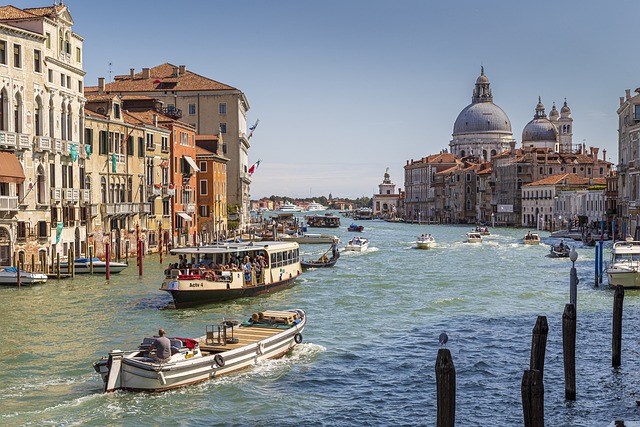
Venice, Italy's enchanting city, is an architectural marvel and a testament to human ingenuity, built not on land, but on a labyrinthine network of 118 small islands connected by over 400 bridges. This UNESCO World Heritage site, often hailed as "The Floating City," is a destination unlike any other on Earth. With its romantic gondola rides gliding through historic waterways, awe-inspiring Gothic and Renaissance architecture, and a history steeped in maritime power and artistic innovation, Venice truly is a dream destination that captures the heart of every visitor. From the moment you step off the train or boat, you're transported into a world devoid of cars, where the primary sounds are the lapping of water against ancient stone, the distant murmur of conversation, and the occasional call of a gondolier. Stroll through its narrow, winding *calli* (streets) and you'll stumble upon hidden *campi* (squares), vibrant markets, and breathtaking *palazzi* that seem to rise directly from the water. Whether you’re admiring the intricate facades of the Doge's Palace, getting lost in the maze of canals, or simply savoring an espresso in a bustling piazza, Venice offers a unique and unforgettable blend of art, culture, and timeless charm.

Exploring the Heart of Venice: Must-See Landmarks and Experiences

Venice’s allure lies in its ability to surprise and delight at every turn. While getting lost is often the best way to discover its hidden gems, certain iconic locations are essential for any first-time visitor.

St. Mark’s Basilica: A Jewel of Byzantine Architecture

Dominating the eastern end of Piazza San Marco, St. Mark's Basilica (Basilica Cattedrale Patriarcale di San Marco) is not just a church; it's a monumental symbol of Venetian wealth and power. Consecrated in 1094, this magnificent cathedral is a dazzling fusion of Byzantine, Romanesque, and Gothic styles, adorned with over 8,000 square meters of glittering gold mosaics depicting biblical scenes. Its five domes, elaborate marble incrustations, and the famous four bronze horses (replicas, the originals are inside) that overlook the square, make it an architectural masterpiece. Inside, the sheer scale and opulence are overwhelming, with every surface shimmering. Don’t miss the *Pala d'Oro*, an exquisite altarpiece of gold, enamel, and jewels, and the museum upstairs which offers a closer look at the mosaics and access to the Loggia dei Cavalli for stunning views of the piazza. To avoid long queues, especially in peak season, consider booking tickets online in advance and be mindful of the dress code (covered shoulders and knees).

The Rialto Bridge: A Grand Canal Icon

The Ponte di Rialto, or Rialto Bridge, is not only the oldest bridge to span the Grand Canal but also one of Venice’s most recognizable landmarks. Built between 1588 and 1591, this impressive stone arch bridge replaced earlier wooden structures and was once the economic heart of the city, connecting the districts of San Marco and San Polo. Its unique design features three walkways: two on the outer sides with balustrades offering picturesque views of the canal, and a central walk lined with small shops selling jewelry, souvenirs, and Venetian crafts. From its apex, you can capture breathtaking photos of the gondolas and vaporetto traffic bustling below, with the historic *palazzi* lining the canal creating a stunning backdrop. The area around the Rialto is always lively, with the Rialto Market nearby offering fresh produce and seafood, providing a glimpse into local Venetian life.

Gondola Ride: The Quintessential Venetian Experience

No visit to Venice is complete without a traditional gondola ride. These iconic, hand-crafted wooden boats, steered by skilled gondoliers in their distinctive striped shirts, offer an unparalleled perspective of the city. Gliding silently through the narrow, hidden canals and occasionally emerging onto the grandeur of the Grand Canal, you'll pass under charming bridges, past ancient *palazzi*, and through tranquil, residential areas. It's an intimate and romantic experience, offering a different pace and allowing you to appreciate the intricate details of the city's architecture and the unique watery ecosystem. Gondola rides have fixed tariffs set by the city – ensure you agree on the price and duration (typically 25-30 minutes) before embarking. While a splurge, it's an investment in a truly unforgettable Venetian memory. For a more budget-friendly taste of the gondola experience, consider a *traghetto* – a public gondola ferry that crosses the Grand Canal at various points for a small fee, offering a quick and authentic local commuter ride.

Doge’s Palace: A Masterpiece of Venetian Gothic

Adjacent to St. Mark's Basilica, the Doge's Palace (Palazzo Ducale) is an architectural masterpiece of Venetian Gothic design and a monument to the power of the former Republic of Venice. For centuries, it served as the residence of the Doge (the supreme authority of Venice), the seat of government, the palace of justice, and a prison. Its stunning pink and white marble façade, intricate loggias, and imposing size are truly captivating. Inside, you'll wander through grand council chambers adorned with masterpieces by Tintoretto and Veronese, the Doge's apartments, and the infamous prisons, connected by the Bridge of Sighs. Crossing this bridge, so named for the sighs of prisoners catching their last glimpse of beautiful Venice, is a poignant experience. For a deeper dive into the palace's secrets, consider booking the "Secret Itineraries" tour, which grants access to hidden rooms and passages.

Piazza San Marco: The Drawing Room of Europe

Napoleon Bonaparte famously called Piazza San Marco "the drawing room of Europe," and it remains the city's most famous and vibrant public square. Flanked by the majestic St. Mark's Basilica, the Doge's Palace, the Campanile (bell tower), and the stately Procuratie Vecchie and Nuove (which house historic cafes like Caffè Florian and Gran Caffè Quadri), the piazza is a grand open space that buzzes with activity. From here, you can ascend the Campanile for unparalleled panoramic views of Venice, its lagoon, and the distant Alps on a clear day. While enjoying a coffee or spritz at one of the historic cafes is a classic Venetian experience, be prepared for premium prices, especially when live orchestras are playing. The piazza is prone to *acqua alta* (high water) during certain times of the year, so check forecasts and embrace the raised walkways if you encounter it – it's part of the unique Venetian charm.

Beyond the Postcards: Deeper Dives and Local Flavors

To truly immerse yourself in Venice, venture beyond the major tourist hubs.

The Islands of Murano and Burano

A short vaporetti ride from Venice takes you to the enchanting islands of Murano and Burano. Murano is world-renowned for its exquisite glass-blowing tradition, dating back centuries. Visit a glass factory to witness a live demonstration of artisans transforming molten glass into delicate masterpieces. Burano, on the other hand, is famous for its vibrant, brightly colored houses and its intricate lace-making. The island is a photographer's dream, with its rainbow-hued canals and charming fishing boats. Both islands offer a delightful escape from the bustle of Venice proper and provide fascinating insights into distinct Venetian craftsmanship and culture.

Art & Culture: Gallerie dell'Accademia and Peggy Guggenheim Collection

For art lovers, Venice offers exceptional museums. The Gallerie dell'Accademia houses a superb collection of Venetian paintings from the 14th to 18th centuries, including masterpieces by artists like Giovanni Bellini, Titian, Tintoretto, and Veronese. It's an essential stop to understand the evolution of Venetian art. For modern art enthusiasts, the Peggy Guggenheim Collection, housed in the Palazzo Venier dei Leoni on the Grand Canal, is a must-see. This intimate museum showcases Peggy Guggenheim's personal collection of European and American modernism, featuring works by Picasso, Dalí, Miró, Pollock, and Kandinsky, among others.

Exploring the Sestieri (Districts)

Venice is divided into six *sestieri*, each with its own distinct character.
  • Cannaregio: The northernmost and most populous district, home to the historic Jewish Ghetto, bustling *fondamenta* (walkways) like the Fondamenta della Misericordia, and a more residential, local feel.
  • Castello: The largest *sestiere*, stretching east from St. Mark's, encompassing the Arsenale (historic shipyard), tranquil public gardens, and the Biennale Exhibition Grounds.
  • Dorsoduro: Home to the Gallerie dell'Accademia and the Peggy Guggenheim Collection, it's known for its artistic vibe, student population, and charming squares like Campo Santa Margherita.
  • San Polo: Centrally located, featuring the Rialto Bridge, the bustling Rialto Market, and beautiful churches like the Basilica dei Frari.
  • Santa Croce: Adjacent to San Polo, often considered the entry point to Venice, and home to Piazzale Roma and the Santa Lucia train station.
  • San Marco: The heart of tourist Venice, with St. Mark's Square, the Doge's Palace, and luxury shopping streets.
Take time to wander through at least a couple of these *sestieri* to experience the diverse facets of Venetian life.

Culinary Delights: Savoring Venetian Flavors

Venetian cuisine is a delightful experience, heavily influenced by its lagoon location and historical trade routes.
  • Cicchetti: Don't leave Venice without experiencing *cicchetti*, the Venetian equivalent of tapas. These small, savory snacks (think tiny sandwiches, fried seafood, meatballs, crostini) are perfect for a light lunch or an evening aperitivo. Head to a traditional *bacaro* (wine bar) in areas like Cannaregio or Dorsoduro for an authentic experience, paired with a glass of local wine or a refreshing Spritz.
  • Seafood: Given its watery surroundings, fresh seafood is a staple. Look for dishes like *sarde in saor* (marinated sardines with onions and pine nuts), *risotto al nero di seppia* (risotto with cuttlefish ink), and *fritto misto* (mixed fried seafood).
  • Spritz: The quintessential Venetian aperitif, a vibrant orange drink made with Aperol or Select (the original Venetian bitter), prosecco, and soda water, often garnished with an olive or an orange slice.

Practicalities for Your Venetian Adventure

Navigating Venice can seem daunting, but with a little preparation, it's an enjoyable experience.

Airport to City Transport Guide

Getting from Venice Marco Polo Airport (VCE) to the city center requires a multi-modal approach, as cars cannot enter Venice proper.
  • Alilaguna Ferry: The most scenic and direct option to many parts of Venice. Blue, Orange, and Red lines connect the airport dock (a 7-10 minute walk from the terminal) to various stops including St. Mark's Square, Rialto, and Fondamenta Nuove. Journey time ranges from 45 minutes to 1 hour 30 minutes, depending on the line and your destination. Tickets cost around €15-€27 (one-way/return).
  • ATVO Express Bus: A direct, non-stop bus service from the airport to Piazzale Roma (the bus terminal at the edge of Venice). The journey takes approximately 20-25 minutes. From Piazzale Roma, you'll need to walk or take a vaporetto to your accommodation. Tickets are around €10 (one-way).
  • ACTV Public Bus (Line 5 Aerobus): A cheaper public bus option that also goes to Piazzale Roma. It makes several stops, so it's slightly slower (around 30 minutes) than the ATVO express bus. Tickets are around €8 (one-way).
  • Water Taxi: The fastest and most luxurious, but also most expensive, option. Private water taxis take you directly from the airport dock to your hotel's private dock or the nearest public landing. Expect to pay €110-€150 or more, but it’s an unforgettable experience, especially for groups.

Public Transport Guide: Getting Around Venice

Forget cars and bicycles; Venice is a city of waterways and pedestrian paths.
  • Walking: This is by far the best way to experience Venice. Wear comfortable shoes and be prepared to get lost – it's part of the adventure! The city is surprisingly walkable, and you'll discover hidden gems not accessible by water.
  • Vaporetto (Water Bus): Venice's public transportation system consists of *vaporetti* operated by ACTV. These water buses run along the Grand Canal, around the main island, and connect to the outer islands like Murano and Burano.
  • Tickets: Single tickets are expensive (€9.50 for 75 minutes). If you plan to use the vaporetto frequently, purchasing a travel card (ACTV Tourist Travel Card) is highly recommended. Options include 24-hour (€25), 48-hour (€35), 72-hour (€45), and 7-day (€65) passes. These passes offer unlimited travel and pay for themselves quickly. Validate your ticket or pass before boarding by tapping it on the sensor at the pontoon.
  • Key Lines: Line 1 and 2 are the most popular along the Grand Canal (Line 1 is slower, making all stops; Line 2 is faster, making fewer stops). Line 12 goes to Murano and Burano.
  • Gondola: As mentioned, a traditional and romantic experience.
  • Traghetto: A gondola ferry service crossing the Grand Canal at various points where there are no bridges. A quick and cheap way to experience a gondola (around €2 per ride for tourists).

Budget Transport Tips

  • Walk everywhere possible: Not only is it free, but it's also the best way to soak in the atmosphere and discover hidden alleys and bridges.
  • Invest in a Vaporetto Pass: If you plan more than 3-4 vaporetto rides in a day, a 24-hour pass will likely save you money. For longer stays, consider the 48 or 72-hour options.
  • Consider a Venice Rolling Card: If you are between 6 and 29 years old, this card (€6) can be combined with discounted multi-day vaporetto passes.
  • Eat and drink standing up: Many *bacari* offer cheaper prices if you enjoy your *cicchetti* and spritz standing at the bar, rather than taking a table.

Best SIM Card for Tourists

Staying connected is crucial for navigation, research, and sharing your Venetian experiences.
  • Major Providers: Italy has several main mobile network operators: TIM, Vodafone, WindTre, and Iliad. All offer good coverage in Venice and surrounding areas.
  • Prepaid Tourist SIMs: Look for "tourist SIM" or "data plans for foreigners." These often come with a generous data allowance, some calls/SMS, and are valid for 30 days. Prices typically range from €20-€35 for a plan with 30-50GB of data.
  • Where to Buy:
  • Airport: Kiosks for TIM or Vodafone are available at Marco Polo Airport, though prices might be slightly higher.
  • City Center: Official stores for TIM, Vodafone, WindTre, and Iliad can be found in Venice (e.g., around Piazzale Roma, San Marco). This is often the best option for price and activation support.
  • Newsstands/Tobacco Shops (Tabaccherie): Some small shops may sell SIM cards, but the selection might be limited, and activation can be trickier without staff fluent in English.
  • eSIMs: For newer phones that support eSIM technology, consider purchasing an eSIM plan online before you travel. Providers like Airalo, Holafly, or GigSky offer various data packages for Italy, allowing you to activate digitally without swapping physical SIM cards. This can be very convenient.
  • Documents Needed: You will typically need your passport and sometimes your visa (if applicable) to register and activate an Italian SIM card.

Car Rental / Bike Rental Options

Let's be clear: car rental and bike rental are NOT options for getting around Venice itself. Venice is a pedestrian city with canals instead of roads. Cars are strictly prohibited, and cycling is not allowed on the narrow *calli* or bridges.
  • Car Rental for Day Trips: If you plan to explore the wider Veneto region (e.g., Verona, Padua, the Dolomites) after your stay in Venice, then renting a car is advisable. You would pick up the car at Venice Marco Polo Airport, Treviso Airport, or in Mestre (on the mainland). You would park it in a garage at Piazzale Roma or Tronchetto before entering Venice and then pick it up again when you leave. Parking in Venice (Piazzale Roma, Tronchetto) is expensive.
  • Bike Rental: Similarly, bike rental is only practical if you're staying on the mainland (Mestre) and wish to cycle around that area, or if you're exploring other parts of Italy. It serves no purpose for transportation within Venice's historic center.

Planning Your Stay: Accommodation, Best Time to Visit, and Tips

  • Accommodation: Venice offers a range of lodging, from luxury hotels to charming B&Bs and apartments. Prices vary greatly depending on location and season. Staying closer to Piazza San Marco or the Rialto Bridge offers convenience but higher prices. Consider Dorsoduro or Cannaregio for a more local feel, slightly quieter evenings, and often better value. Book well in advance, especially for peak season (Carnival, summer).
  • Best Time to Visit:
  • Spring (April-May) and Autumn (September-October): Generally considered the best times. The weather is pleasant, crowds are manageable, and temperatures are mild.
  • Summer (June-August): Hot, humid, and very crowded. Prices are at their peak.
  • Winter (November-March): Cooler temperatures, fewer crowds, and a magical, misty atmosphere. However, *acqua alta* (high water) is more common, and some attractions may have reduced hours. Carnival (February/March) is a major draw but brings huge crowds and high prices.
  • Tips for First-Timers:
  • Wear comfortable shoes: You'll be doing a lot of walking, often on uneven cobblestones and bridges.
  • Embrace getting lost: Some of Venice's most charming spots are found when you simply wander without a map.
  • Learn basic Italian phrases: A simple "Buongiorno" (good morning), "Grazie" (thank you), and "Scusi" (excuse me) goes a long way.
  • Respect local customs: Dress modestly when entering churches. Avoid loud conversations in residential areas late at night.
  • Stay hydrated: Especially in summer, carry a water bottle.
  • Beware of pickpockets: In crowded areas like Piazza San Marco or on busy vaporetti, keep an eye on your belongings.
Venice is more than just a destination; it's an experience that captivates the senses and lingers in the memory long after you've left its shores. From the grandiosity of its iconic landmarks to the quiet charm of its hidden alleys, every corner of this floating city tells a story. Prepare to be enchanted.

Frequently Asked Questions (FAQ)

Q: Is Venice expensive?

A: Venice can be expensive, especially for accommodation, dining in popular areas, and gondola rides. However, it's possible to visit on a budget by opting for *cicchetti* for meals, utilizing vaporetto passes, staying in less central areas, and walking extensively.

Q: How many days do I need in Venice?

A: For a first-time visitor, 2-3 full days are ideal to cover the main attractions and allow time for wandering. If you wish to visit the surrounding islands like Murano and Burano, or explore more deeply, 4-5 days would be more comfortable.

Q: Is it safe to drink tap water in Venice?

A: Yes, tap water in Venice is generally safe to drink. There are also numerous public fountains (*fontanelle*) where you can refill your water bottle.

Q: Do I need to book attractions in advance?

A: For major attractions like St. Mark's Basilica, Doge's Palace, and the Gallerie dell'Accademia, it is highly recommended to book tickets online in advance to save time and avoid long queues, especially during peak season.

Q: What is "acqua alta" and how does it affect tourists?

A: *Acqua alta* (high water) is a phenomenon where unusually high tides cause flooding, primarily in low-lying areas like Piazza San Marco. It mostly occurs in autumn and winter. The city provides raised walkways, and life generally continues. Check forecasts, wear waterproof shoes, and embrace it as a unique Venetian experience.

Q: Are there public restrooms in Venice?

A: Yes, there are public restrooms in Venice, though they usually require a small fee (€1.50). Many cafes and restaurants offer facilities for paying customers.

Q: Can I use euros in Venice?

A: Yes, Italy is part of the Eurozone, so the official currency is the Euro (€). Credit cards are widely accepted, but it's always good to carry some cash for small purchases or *traghetto* rides.

© 2026 24x7tt.com All Rights Reserved.