info@24x7tt.com

blog-image

Cairo Travel Guide: Unveiling Ancient Wonders & Modern Adventures in Egypt's Capital

Cairo Travel Guide: Unveiling Ancient Wonders & Modern Adventures in Egypt's Capital

Cairo, Egypt’s sprawling and energetic capital, is a city where millennia of history meet the pulsating rhythm of modern life. Often described as the "Mother of the World" (Umm al-Dunya), it's a place that assaults the senses in the most magnificent way – a symphony of sights, sounds, and smells that tells the story of one of civilization's most enduring cultures. From the timeless majesty of the Giza Pyramids piercing the desert sky to the labyrinthine alleys of bustling souks, Cairo offers an unparalleled journey through time. It's a city of contrasts: ancient monuments standing proudly beside towering skyscrapers, donkeys navigating narrow lanes while sleek cars whiz by on elevated highways, and the serene flow of the Nile contrasting with the city’s vibrant chaos. This comprehensive guide will equip you with everything you need to navigate Cairo, ensuring your adventure is as smooth as it is unforgettable.

Experience the Timeless Heart of Egypt: Top Locations & Moments

Cairo is a treasure trove of historical, cultural, and spiritual sites. Each corner turned reveals another layer of its rich tapestry, inviting explorers to delve deeper into its profound past.

1. The Pyramids of Giza & The Sphinx: Marvels of Ancient Engineering

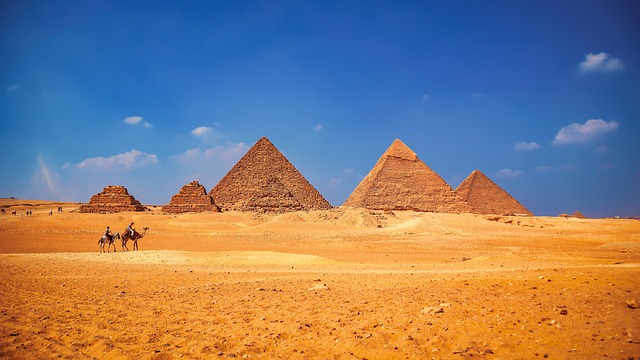
No visit to Cairo is complete without standing in awe before the last surviving wonder of the ancient world. The Pyramids of Giza – Khufu (the Great Pyramid), Khafre, and Menkaure – are monumental testaments to the ingenuity and ambition of ancient Egyptians. Guarding these colossal structures is the enigmatic Great Sphinx, a mythical creature with the body of a lion and the head of a human.
  • What to do: Take a camel or horse ride across the desert plateau for iconic photos, explore the interiors of the pyramids (ticket permitting), and visit the panoramic viewpoint for a stunning overview of all three. Don't miss the nightly Sound & Light Show, which dramatically illuminates the pyramids with historical narration.
  • Practical Tip: Arrive early to beat the crowds and the midday heat. Wear comfortable shoes as there's a lot of walking involved.

2. The Grand Egyptian Museum (GEM): A New Era of Discovery

While the Egyptian Museum in Tahrir Square has long been a cherished institution, the much-anticipated Grand Egyptian Museum (GEM), located near the Giza Pyramids, is poised to become the world's largest archaeological museum. Designed to house over 100,000 artifacts, including the complete Tutankhamun collection, GEM offers a state-of-the-art immersive experience into ancient Egyptian civilization.
  • What to see: Prepare to be mesmerized by Tutankhamun's glittering treasures, colossal statues, sarcophagi, and countless artifacts spanning millennia. The museum’s layout promises a chronological journey through Egypt’s history.
  • Practical Tip: Check the official opening status and ticketing information before your visit. Even if GEM isn't fully open, the older Egyptian Museum still holds an incredible collection worth exploring.

3. Nile River Cruise: The Lifeline of Egypt

The majestic Nile River is the pulsating artery of Egypt, and experiencing it from the water is an essential Cairo experience. Whether it's a leisurely afternoon sail or a romantic dinner cruise, the Nile offers a tranquil escape from the city's hustle.
  • What to do: Opt for a traditional felucca (sailboat) ride at sunset for a serene and authentic experience. Alternatively, enjoy a dinner cruise with live entertainment, including belly dancing and Sufi whirling (Tanoura) shows, offering stunning nighttime views of the city lights reflecting on the water.
  • Practical Tip: Bargain for felucca rides from the Corniche near Garden City or Maadi. For dinner cruises, book in advance, especially during peak season.

4. Khan El Khalili Bazaar: A Sensory Overload

Step into the vibrant heart of historic Cairo at Khan El Khalili, one of the Middle East's oldest and most famous bazaars. This sprawling market is a maze of narrow alleys brimming with stalls selling everything from intricate jewelry and fragrant spices to handmade crafts, leather goods, and souvenirs.
  • What to do: Get lost in the labyrinthine streets, practice your haggling skills, and soak in the electric atmosphere. Stop at El Fishawi, Cairo's oldest coffee house, for a traditional mint tea or shisha.
  • Practical Tip: Keep an eye on your belongings. Don't be afraid to bargain; it's expected! Explore beyond the main tourist sections for more authentic goods.

5. Islamic Cairo: A Journey Through History and Architecture

Designated a UNESCO World Heritage site, Islamic Cairo is a living museum of stunning mosques, historic schools (madrasas), and grand gates dating back to the city's foundation in the 10th century.
  • What to see:
  • Citadel of Salah al-Din: Perched on a hill, this medieval fortress offers panoramic views of Cairo and houses the exquisite Mosque of Muhammad Ali, with its distinctive alabaster exterior.
  • Mosque of Ibn Tulun: One of Cairo's oldest and largest mosques, known for its unique spiral minaret that visitors can climb.
  • Al-Azhar Mosque: Founded in 970 AD, it's one of the oldest universities in the world and a significant center of Islamic learning.
  • Bab Zuweila: One of the last remaining gates of the Fatimid-era city walls, offering stunning views from its twin minarets.
  • Practical Tip: Dress modestly when visiting mosques (shoulders and knees covered for both men and women; women should carry a headscarf). Remove shoes before entering prayer areas.

6. Coptic Cairo: A Cradle of Christianity

Explore one of the oldest Christian communities in the world in Coptic Cairo, a serene enclave within the bustling city walls. This historic district is home to ancient churches, synagogues, and the Coptic Museum.
  • What to see:
  • The Hanging Church (St. Virgin Mary's Church): Built atop the gates of a Roman fortress, it appears to "hang" above the ground.
  • Church of Saints Sergius and Bacchus: Believed to be built on the spot where the Holy Family rested during their flight to Egypt.
  • Ben Ezra Synagogue: According to local tradition, this is where baby Moses was found.
  • Coptic Museum: Houses a vast collection of Coptic art and artifacts.
  • Practical Tip: Coptic Cairo is relatively compact and walkable. It offers a fascinating contrast to the Islamic and Pharaonic sites.

7. Cairo Tower: Panoramic City Views

For breathtaking 360-degree views of the sprawling metropolis, head to the Cairo Tower on Gezira Island. Standing at 187 meters, it offers an unparalleled perspective of the Nile, the city, and even the Giza Pyramids on a clear day.
  • What to do: Ride the elevator to the observation deck. There's also a revolving restaurant if you fancy dining with a view.
  • Practical Tip: Visit at sunset to watch the city lights twinkle on as dusk settles, or during the day for clear photographic opportunities.

Navigating Cairo: Transport & Practicalities

Cairo is a vast city, and understanding its transport options is key to a smooth trip. While traffic can be legendary, various modes of transport cater to different budgets and preferences.

Airport to City Transport Guide

Cairo International Airport (CAI) is about 22 km northeast of the city center. Here are your options for getting to your accommodation:
  • Taxi: This is the most common option. Look for the official white taxis with meters, or the newer black/white ones. Always agree on a fare beforehand or ensure the meter is used. Fares typically range from EGP 150-250 depending on your destination and traffic.
  • Ride-Hailing Apps (Uber/Careem): Highly recommended for convenience and fixed pricing. Simply order a car through the app from the arrivals hall. This often offers a more comfortable and transparent experience than traditional taxis.
  • Airport Shuttle: Several companies offer shared or private shuttle services, which can be pre-booked online or arranged upon arrival.
  • Public Bus: The cheapest option, but not recommended for first-time visitors with luggage due to complexity and lack of direct routes to many tourist areas. Buses depart from Terminal 1 and serve various parts of the city.
  • Hotel Transfers: Many hotels offer airport pick-up services, often at a premium, but it provides peace of mind.

Public Transport Guide

  • Metro: Cairo's Metro is efficient, clean, and the fastest way to traverse the city, especially during peak traffic. It has three lines covering key areas.
  • Cost: Extremely cheap (EGP 5-10 depending on zones).
  • Pros: Avoids traffic, air-conditioned, women-only carriages available (first two carriages of each train).
  • Cons: Can be very crowded during rush hour, limited reach to certain tourist sites directly, information mostly in Arabic (though major stations have English signs).
  • Budget Tip: If your destination is near a Metro station, this is your most cost-effective option.
  • Public Buses: While abundant and very cheap, public buses can be confusing for tourists due to Arabic signage, lack of clear routes, and crowded conditions. Generally not recommended unless you are with a local guide.
  • Ride-Hailing Apps (Uber/Careem):
  • Cost: Affordable, more expensive than the metro but significantly cheaper than most tourist taxis.
  • Pros: Convenient, safe (driver tracking, rating system), transparent pricing, generally air-conditioned cars.
  • Cons: Subject to traffic delays.
  • Budget Tip: For distances not covered by the metro, Uber/Careem is the best balance of cost and convenience.

Car Rental / Bike Rental Options

  • Car Rental:
  • Pros: Freedom to explore at your own pace, especially for day trips outside Cairo.
  • Cons: Driving in Cairo is notoriously challenging due to aggressive driving styles, heavy traffic, and often unclear road signs. Parking can also be difficult and expensive. An International Driving Permit is usually required.
  • Recommendation: Generally NOT recommended for tourists within Cairo unless you are an experienced driver comfortable with chaotic conditions and possess excellent navigational skills. Hiring a private driver for day trips is often a less stressful and more practical alternative.
  • Bike Rental:
  • Pros: None for practical city travel.
  • Cons: Cairo's dense traffic, lack of dedicated bike lanes, and poor road conditions make cycling extremely dangerous for tourists.
  • Recommendation: Avoid cycling in the main city areas. Some hotels or parks might offer bikes for leisure within their premises, but not for navigating the city streets.

Best SIM Card for Tourists

Staying connected is crucial for navigation, ride-hailing, and keeping in touch.
  • Providers: The main mobile operators in Egypt are Vodafone, Orange, Etisalat, and WE. Vodafone and Orange generally have the best coverage and service.
  • Where to Buy: You can purchase SIM cards directly at the airport upon arrival (though prices might be slightly higher), or from official retail stores in shopping malls and major streets throughout the city.
  • What to Bring: You'll need your passport for registration.
  • Packages: Tourist SIM packages usually include a good amount of data, some local calls, and sometimes international minutes. Prices vary but expect to pay around EGP 200-400 for a decent data package (e.g., 20-40 GB).
  • Activation: The sales assistant will usually activate the SIM for you immediately.

Budget Transport Tips

  • Utilize the Metro: For routes served by the metro, it's the most economical and often fastest choice.
  • Ride-Hailing Apps: Use Uber or Careem for other journeys. Splitting the fare if you're traveling with companions makes it even more affordable than solo.
  • Walk: For exploring compact areas like Khan El Khalili or Coptic Cairo, walking is the best (and free!) way to soak in the atmosphere.
  • Negotiate Taxi Fares (If no Uber/Careem): If you must use a traditional taxi, always agree on the price *before* starting the journey to avoid disputes. You can often haggle down the initial quote.
  • Avoid Tourist Traps: Be wary of drivers who offer "special tours" or try to take you to specific shops. Stick to your planned itinerary.

Safety, Etiquette & General Tips

  • Dress Modestly: Especially when visiting religious sites, modest clothing is appreciated (shoulders and knees covered). For women, carrying a light scarf can be useful for covering your head when entering mosques.
  • Bargaining: It's a way of life in markets like Khan El Khalili. Enjoy the process but be polite and respectful.
  • Tipping (Baksheesh): Tipping is customary for almost all services, from restaurant staff to taxi drivers and bathroom attendants. Carry small denominations of Egyptian Pounds.
  • Stay Hydrated: Cairo can get very hot, especially outside of winter months. Drink plenty of bottled water.
  • Food Safety: Be adventurous with food, but exercise caution with street food. Opt for busy stalls with high turnover.
  • Photography: Always ask for permission before photographing people, especially women and children.
  • Personal Space: Cairo is a crowded city, so personal space can be limited, particularly on public transport.
  • Scams: Be aware of common tourist scams (e.g., overly friendly "guides" offering unsolicited help, fake tickets). A firm "no thank you" is usually sufficient.

When to Visit Cairo

The best time to visit Cairo is during the cooler months, from October to April. Temperatures are pleasant, making it ideal for sightseeing. Summers (May to September) can be scorching, with temperatures often exceeding 35-40°C (95-104°F), which can make outdoor exploration challenging.

FAQs About Visiting Cairo

Q1: Is Cairo safe for tourists?

A1: Cairo is generally safe for tourists, but like any large city, it's important to be aware of your surroundings, especially in crowded areas. Petty crime like pickpocketing can occur. Following common sense safety practices and respecting local customs will ensure a smooth trip.

Q2: What currency is used in Cairo, and can I use credit cards?

A2: The official currency is the Egyptian Pound (EGP). While major hotels and upscale restaurants accept credit cards, cash is preferred and often necessary for smaller purchases, markets, and local eateries. ATMs are widely available throughout the city.

Q3: Do I need a visa for Egypt?

A3: Most nationalities require a visa to enter Egypt. Many can obtain a visa on arrival at Cairo International Airport (currently $25 USD, cash only), or an e-Visa online before travel. Check the latest visa requirements for your specific nationality.

Q4: What should I wear as a female traveler in Cairo?

A4: While there's no strict dress code for tourists, modest attire is recommended to respect local culture and avoid unwanted attention. For women, this typically means covering shoulders and knees. Loose-fitting clothes made from breathable fabrics are ideal. A light scarf can be useful for covering your head when visiting mosques.

Q5: How many days do I need to see Cairo?

A5: To experience Cairo's main highlights without feeling rushed, a minimum of 3-5 full days is recommended. This allows you to explore the Giza Pyramids, the Grand Egyptian Museum, Islamic Cairo, Coptic Cairo, and enjoy a Nile experience at a comfortable pace.

Q6: Is tap water safe to drink in Cairo?

A6: It is generally not recommended to drink tap water in Cairo. Stick to bottled water, which is readily available everywhere. Be cautious with ice in drinks and avoid uncooked fruits and vegetables that may have been washed with tap water if you have a sensitive stomach. Cairo is more than just a city; it's an experience that will leave an indelible mark on your soul. From its ancient wonders to its modern vibrancy, it offers a journey unlike any other. Embrace the chaos, savor the history, and let the magic of Egypt's timeless capital unfold before you.

© 2026 24x7tt.com All Rights Reserved.