Tumpak Sewu Waterfall: East Java's Majestic 'Thousand Waterfalls' Adventure Guide
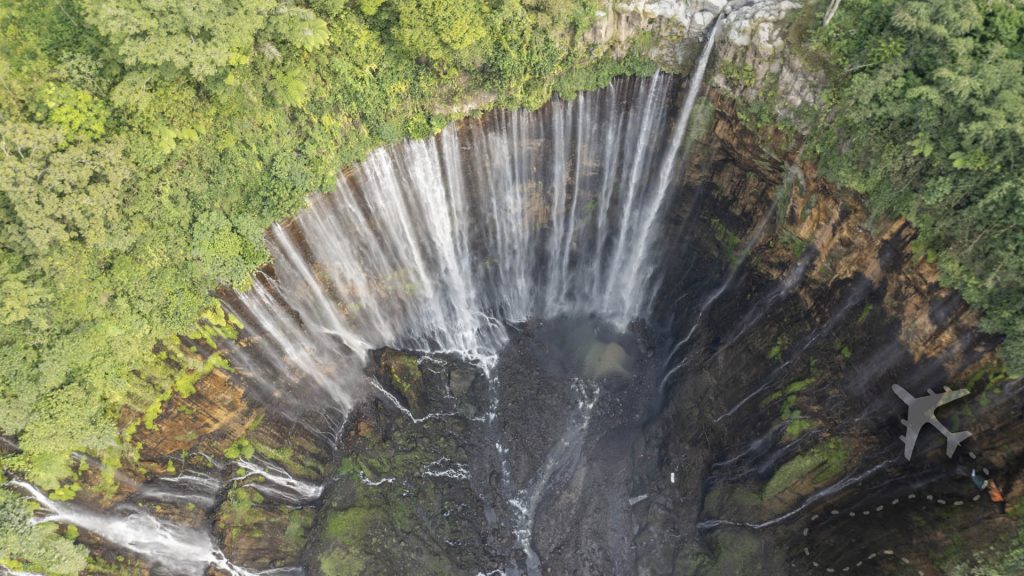
Hidden deep within the heart of East Java, Indonesia, lies Tumpak Sewu Waterfall – a true masterpiece of nature, aptly nicknamed "A Thousand Waterfalls" (though "sewu" translates to 'a thousand', it truly refers to the numerous streams). This cascading wonder is not just a destination; it's an immersive experience that will leave you breathless. With its dramatic, horseshoe-shaped curtain of water plummeting into a lush, jungle-clad abyss, Tumpak Sewu stands as one of Southeast Asia's most spectacular and photogenic natural attractions.
Imagine standing before a vast semi-circular wall of sheer rock, from which countless streams of water erupt and tumble down a staggering 120 meters (390 feet) into a verdant canyon below. The sight is both humbling and exhilarating, a symphony of mist, light, and thunderous sound. Unlike single-plunge waterfalls, Tumpak Sewu's unique characteristic lies in its multi-tiered flow, fed by the powerful Semeru volcano. This creates a mesmerizing veil-like effect that has captivated adventurers, photographers, and nature lovers from across the globe.
But Tumpak Sewu is more than just a pretty picture; it's an adventure. Reaching its base requires a moderate trek through challenging terrain, rewarding those who dare with an unparalleled, up-close encounter with its raw power and beauty. This comprehensive guide will equip you with everything you need to know to plan your unforgettable journey to Tumpak Sewu Waterfall, from practical transport tips to essential gear and beyond. Get ready to discover the magic of East Java's most iconic natural wonder.
Getting to Tumpak Sewu Waterfall: Your Journey to Paradise
Tumpak Sewu Waterfall is located in Pronojiwo District, Lumajang Regency, East Java. While it’s certainly off the beaten path, reaching it is part of the adventure. Most travelers use Surabaya (Juanda International Airport - SUB) or Malang (Abdul Rachman Saleh Airport - MLG) as their main entry points. From there, you'll embark on a scenic drive through rural landscapes, passing rice paddies, traditional villages, and volcanic vistas. The journey offers a glimpse into authentic Indonesian life even before you reach the falls.
Public Transport Guide
While not the most direct, public transport is a viable and budget-friendly option for reaching the vicinity of Tumpak Sewu. This typically involves a combination of trains and local buses or shared vans.
- Train to Malang: Take a train from Surabaya Gubeng or Pasar Turi Station to Malang Station (Malang Kota Baru). This is a comfortable and affordable journey, taking approximately 2-2.5 hours. Trains run frequently throughout the day.
- Bus/Minibus from Malang: From Malang, head to Arjosari Bus Terminal. Look for buses or shared minivans (often called "angkot" or "mikrolet") heading towards Lumajang. You'll need to specify that you want to be dropped off at the "Tumpak Sewu junction" or "Pronojiwo." This bus ride can take 2-3 hours, depending on traffic and stops. Be prepared for a potentially crowded and slower journey.
- Ojek/Motorcycle Taxi: From the drop-off point, you might need to hire an ojek (motorcycle taxi) for the final leg to the waterfall entrance, which is usually a short 15-20 minute ride. Negotiate the fare beforehand.
- Bus/Minibus: The most direct public transport from Malang involves taking a bus or minivan from Arjosari Bus Terminal directly towards Lumajang, specifically asking to be dropped near Tumpak Sewu in Pronojiwo.
- Shared Car/Van: You might find shared cars or vans (often arranged through guesthouses or local travel agencies) going in the direction of Tumpak Sewu, which can be a more comfortable albeit slightly more expensive option than public buses.
- From Lumajang: If you arrive in Lumajang by train or bus, you'll need to find local transport (ojek or shared car) to Pronojiwo/Tumpak Sewu, which is about 30-45 minutes away.
Remember that public transport schedules can be unpredictable, and journeys might take longer than expected. It's always a good idea to start early in the day.
Car Rental / Bike Rental Options
For ultimate flexibility and convenience, renting a car or motorbike is highly recommended, especially if you're comfortable driving in Indonesia.
- Pros: Comfort, space for luggage, air conditioning, ability to explore at your own pace, especially if traveling with a group.
- Cons: Can be more expensive, navigating Indonesian traffic and road conditions can be challenging, parking might be an issue in some areas, need an international driving permit.
- Where to rent: Available at major airports (Surabaya, Malang) or in city centers. Reputable companies like Avis, Hertz, or local providers offer options with or without a driver. Hiring a car with a local driver is a popular choice, as they know the roads and can act as an informal guide.
- Route: From Surabaya, the drive to Tumpak Sewu takes approximately 3.5-4 hours. From Malang, it's about 2-2.5 hours. The roads are generally in good condition, but expect winding sections and occasional potholes in rural areas.
- Bike Rental (Scooter/Motorbike):
- Pros: Cheapest option, ultimate freedom, great for solo travelers or couples, easier to navigate narrow roads and find parking. Offers a more immersive experience.
- Cons: Less comfortable for long journeys, exposed to elements, safety concerns on busy roads (always wear a helmet!), carrying luggage can be tricky.
- Where to rent: Widely available in tourist hubs like Malang or even Surabaya. Rental prices typically range from IDR 70,000 - 150,000 per day. Ensure the bike is in good condition and always check brakes, lights, and tires before setting off.
- Route: Same as car rental routes. Be aware of traffic, especially around towns, and ensure you have sufficient fuel before heading into more remote areas.
Airport to City Transport Guide
Regardless of whether you arrive at Surabaya's Juanda International Airport (SUB) or Malang's Abdul Rachman Saleh Airport (MLG), getting to the respective city center is straightforward.
- Juanda International Airport (SUB) to Surabaya City Center:
- Airport Taxi: Official airport taxis are readily available. Fares are usually fixed or metered. Expect to pay around IDR 100,000 - 150,000 to the city center, taking 30-60 minutes depending on traffic.
- Ride-hailing Apps (Gojek/Grab): These are very popular and often cheaper than traditional taxis. Simply download the app, set your destination, and a driver will pick you up. Prices vary but are typically IDR 80,000 - 120,000.
- DAMRI Airport Bus: A budget-friendly option, DAMRI buses connect the airport to various points in Surabaya, including Purabaya Bus Terminal (Bungurasih) and Surabaya Gubeng train station. Fares are around IDR 25,000 - 30,000.
- Private Shuttle/Car: Many hotels offer shuttle services, or you can pre-book a private car online for convenience.
- Abdul Rachman Saleh Airport (MLG) to Malang City Center:
- Airport Taxi: Similar to Surabaya, taxis are available outside the terminal. Expect fares around IDR 70,000 - 100,000 for a 20-30 minute ride.
- Ride-hailing Apps (Gojek/Grab): The most common and convenient option, offering competitive prices (IDR 50,000 - 80,000).
- Local Minibus (Angkot): For the most budget-conscious, you can walk a short distance outside the airport to catch a local angkot that passes by. This is the cheapest but least direct method.
Budget Transport Tips
Traveling to Tumpak Sewu on a budget is entirely possible with a bit of planning and an adventurous spirit.
1.
Embrace Public Transport: While slower, trains and local buses are significantly cheaper than private transfers. Be prepared for longer journeys and fewer amenities.
2.
Shared Rides: Look for shared minivans or negotiate with fellow travelers to split the cost of a private car or taxi, especially for the final leg to Tumpak Sewu. Many hostels and guesthouses in Malang can help arrange this.
3.
Ojek for Short Distances: For the last few kilometers to the waterfall entrance, an ojek is often the most cost-effective solution. Always agree on the price *before* you start the ride.
4.
Rent a Motorbike: If you're comfortable and licensed, renting a motorbike is the cheapest way to have independent transport for your entire trip, including the drive to Tumpak Sewu. Factor in fuel costs, which are relatively low in Indonesia.
5.
Pack Light: If relying on public transport, a backpack is much easier to manage than bulky suitcases.
6.
Book Accommodation Near Transport Hubs: Staying close to train stations or bus terminals in Surabaya or Malang can save you time and money on local transport when you're ready to head towards Tumpak Sewu.
The Tumpak Sewu Experience: An Adventure for the Senses
Visiting Tumpak Sewu is a two-part experience: the panoramic view from above and the challenging trek to the base of the falls. Both offer distinct perspectives and breathtaking moments.
Panoramic Views from Above
The first glimpse of Tumpak Sewu is usually from the viewpoint (known as Panorama Point or Goa Tetes Viewpoint), located on the cliff opposite the main falls. A short, easy walk from the entrance car park leads you to several platforms offering unobstructed vistas. From here, you’ll witness the full grandeur of the "Thousand Waterfalls" – a vast, verdant horseshoe canyon with water cascading from every angle. It's an awe-inspiring sight, especially in the morning light when the mist dances and rainbows sometimes appear. This viewpoint is accessible to everyone and provides incredible photo opportunities of the entire spectacle.
Descending into the Abyss
For the truly adventurous, the real magic happens at the base of the waterfall. The descent is not for the faint of heart and requires a good level of physical fitness and surefootedness. The trail is unpaved, often muddy, and involves navigating slippery bamboo ladders, ropes, and uneven rocky terrain.
- The Trail: The trek down typically takes 30-60 minutes, depending on your pace and the conditions. It winds its way through dense jungle, crossing small streams and steep descents.
- Safety: While challenging, the path is generally safe if you take your time and exercise caution. Local guides are often available (and highly recommended by some, though not strictly mandatory if you're confident), who can assist with navigating trickier sections.
- What to Wear: Good grip water shoes or sturdy sandals (Teva, Keen) are essential, as your feet will get wet and muddy. Avoid flip-flops. Lightweight, quick-drying clothing is also advisable.
Up Close with the Falls
Once you reach the base, you'll be enveloped by the thunderous roar and cooling mist of Tumpak Sewu. The sheer scale is overwhelming. You can walk right up to the base of many of the individual streams, feeling the spray on your skin and marveling at the intricate rock formations carved by centuries of water flow. This is a photographer's paradise, but be sure to protect your camera gear from the constant mist. There are also smaller, equally beautiful waterfalls nearby, such as Kapella Goa Tetes, which is often combined with a Tumpak Sewu visit and involves a short, additional trek. The feeling of standing at the bottom, dwarfed by nature's power, is truly unforgettable.
What to Bring for the Trek
- Water Shoes/Sturdy Sandals: Absolutely essential for navigating slippery rocks and water.
- Waterproof Bag/Dry Bag: To protect your phone, camera, and valuables from the constant spray and potential falls.
- Change of Clothes: You will get wet and muddy!
- Swimsuit (Optional): While you can't swim directly under the main falls due to safety, there are calmer pools nearby.
- Snacks and Water: The trek is strenuous, so stay hydrated and fueled.
- Small First-Aid Kit: Band-aids, antiseptic wipes for minor scrapes.
- Insect Repellent: For the jungle trek.
- Action Camera (GoPro): Ideal for capturing footage in wet conditions.
Beyond Tumpak Sewu: Exploring East Java
East Java is a treasure trove of natural wonders, and combining your Tumpak Sewu visit with other attractions will make for an even richer adventure.
- Mount Bromo: Arguably Indonesia's most famous volcano, Mount Bromo is a stunning active volcano located within the Bromo Tengger Semeru National Park. Many travelers combine a Tumpak Sewu trip with a sunrise trek to Bromo's viewpoint, followed by a walk across the "Sea of Sand" to its crater. This usually requires an overnight stay in Cemoro Lawang.
- Kapella Goa Tetes Waterfall: Often considered a sister waterfall to Tumpak Sewu, Goa Tetes is a multi-tiered waterfall with small caves and natural pools. It's located just a short, easier trek from the Tumpak Sewu entrance and is a refreshing stop after the main descent.
- Semeru National Park: Home to Mount Semeru, Java's highest peak, this national park offers challenging multi-day treks for experienced hikers.
- Malang City: A charming colonial city with a cooler climate, Malang offers Dutch colonial architecture, vibrant markets, and a relaxed atmosphere. It's a great base for exploring the surrounding natural beauty.
Practical Information for Your Trip
Best Time to Visit
The
dry season (May to October) is generally considered the best time to visit Tumpak Sewu. During these months, the weather is more predictable, the trails are less slippery, and the skies are clearer, offering better visibility for photos. The waterfall still flows powerfully thanks to the volcanic springs. The rainy season (November to April) can make the trek more challenging and dangerous due to heavy rainfall and slippery conditions, and views might be obscured by mist. Mornings are ideal for visiting, as the light is softer, and crowds are thinner. Aim to arrive shortly after opening to have the falls more to yourself.
Accommodation Near Tumpak Sewu
While there are no major hotels directly at Tumpak Sewu, several homestays and guesthouses are available in the nearby villages of Pronojiwo and Sidomulyo. These offer basic but comfortable accommodation, often with local charm and hospitality. Expect simple rooms, sometimes with shared bathrooms, but a friendly atmosphere. Alternatively, many visitors choose to stay in Malang, which offers a wider range of hotels, guesthouses, and restaurants, and then travel to Tumpak Sewu as a day trip. If combining with Mount Bromo, staying in Cemoro Lawang is necessary.
Food and Drink
Around the Tumpak Sewu entrance and in the nearby villages, you'll find small local eateries (warungs) serving traditional Indonesian dishes. Expect staples like Nasi Goreng (fried rice), Mie Goreng (fried noodles), Bakso (meatball soup), and various chicken or fish dishes. Prices are very affordable. Always drink bottled water. It's a good idea to bring some snacks and extra water for the trek, as options directly at the base of the falls are limited.
Safety Tips
- Trek Safely: Always exercise caution, especially during the descent. Hold onto ropes and railings, and take your time. If you're unsure, consider hiring a local guide.
- Stay Hydrated: The trek can be strenuous, especially in the tropical heat.
- Protect Valuables: Keep your belongings in a waterproof bag, especially your phone and camera.
- Respect Nature: Follow the "leave no trace" principle. Do not litter and respect the natural environment.
- Local Culture: Dress modestly when visiting villages (cover shoulders and knees, especially women), and always ask for permission before taking photos of locals.
- Health: Ensure you have adequate travel insurance.
- Sun Protection: Wear sunscreen and a hat, even on cloudy days.
Connectivity: Best SIM Card for Tourists
Staying connected in Indonesia is relatively easy and affordable. For tourists, purchasing a local SIM card upon arrival is highly recommended for navigation, communication, and accessing ride-hailing apps.
- Telkomsel (by far the widest coverage): Generally considered the best for signal strength, especially in more remote areas like Tumpak Sewu.
- Indosat Ooredoo: Good coverage in major cities and tourist areas, often offering competitive data packages.
- XL Axiata: Also offers good coverage and attractive data plans, particularly strong in urban centers.
- Airports: You can purchase SIM cards immediately upon arrival at Juanda (Surabaya) or Abdul Rachman Saleh (Malang) airports. Prices might be slightly higher than in official stores, but it's convenient.
- Official Stores: For the best rates and assistance, visit official Telkomsel, Indosat, or XL Axiata stores in major cities. They can help you register and activate your SIM.
- Convenience Stores: Mini-marts like Indomaret or Alfamart often sell SIM cards, but activation and package selection might be more limited.
- Online/eSIMs: Some providers or third-party platforms now offer eSIMs for Indonesia, allowing you to activate a plan digitally without a physical SIM card, which can be very convenient. Check if your phone supports eSIM technology.
- Registration: By Indonesian law, all SIM cards must be registered to an ID (your passport number). The vendor will assist you with this process.
- Data Packages: Most providers offer various data packages (quota-based or unlimited for a certain period). A common tourist package might include 10-25GB of data valid for 30 days, costing anywhere from IDR 50,000 - 150,000, depending on the provider and amount of data. For your trip to Tumpak Sewu, Telkomsel generally offers the most reliable signal, even if slightly pricier.
Responsible Tourism
When exploring the natural beauty of Tumpak Sewu, it's crucial to practice responsible tourism:
- Leave No Trace: Carry out everything you carry in. Do not litter, even biodegradable items.
- Stay on Marked Trails: This protects both your safety and the fragile ecosystem.
- Respect Local Culture: Be mindful of local customs and traditions. Support local businesses, guides, and homestays.
- Minimize Environmental Impact: Avoid single-use plastics where possible.
Conclusion: An Unforgettable East Java Adventure
Tumpak Sewu Waterfall is more than just a magnificent sight; it's an adventure that engages all your senses and leaves a lasting impression. From the panoramic views above to the misty embrace at its base, the journey to "A Thousand Waterfalls" is one that epitomizes the raw, untamed beauty of East Java. Whether you choose to navigate by public transport, rent your own wheels, or join a guided tour, the effort is unequivocally rewarded by an encounter with one of nature's most extraordinary spectacles. So pack your bags, lace up your water shoes, and prepare to be enchanted by the majestic cascades of Tumpak Sewu – an experience that truly belongs on every adventurer's bucket list.
Frequently Asked Questions (FAQ) about Tumpak Sewu Waterfall
How difficult is the trek to the base of Tumpak Sewu?
The trek to the base is moderately challenging. It involves steep descents, climbing down bamboo ladders, and navigating slippery, uneven terrain, including crossing shallow rivers. A good level of physical fitness and surefootedness is required. It's not recommended for those with mobility issues or very young children.
Do I need a guide for Tumpak Sewu?
While not strictly mandatory, hiring a local guide is highly recommended, especially if you're not an experienced hiker or if conditions are wet. Guides know the safest paths, can assist with challenging sections, and can enhance your experience with local insights. You can often find guides at the entrance.
What are the opening hours and entry fees for Tumpak Sewu?
Tumpak Sewu is generally open from early morning (around 6:00 AM) until late afternoon (around 5:00 PM). It's best to arrive as early as possible. The entry fee for the viewpoint and access to the trek usually costs around IDR 10,000 - 20,000 per person, plus a small parking fee if you come by vehicle. (Prices can change, so have some small Rupiah notes ready).
Can I swim at Tumpak Sewu Waterfall?
While you can get very close to the base and experience the spray, swimming directly under the main powerful cascades of Tumpak Sewu is not recommended and can be dangerous due to the sheer force of the water and slippery rocks. However, there are usually calmer pools in the vicinity or at nearby waterfalls like Goa Tetes where you can wade or take a dip.
Is Tumpak Sewu safe for children?
The panoramic viewpoint is safe and accessible for children. However, the trek down to the base of Tumpak Sewu is challenging and potentially dangerous for young children or those not accustomed to strenuous hiking. Parents should carefully assess their children's capabilities and consider alternatives if they are very young or lack trekking experience.
How much time should I allocate for visiting Tumpak Sewu?
If you only visit the panoramic viewpoint, you'll need about 30-60 minutes. If you plan to trek down to the base of the falls, you should allocate at least 2.5-4 hours for the entire experience (including the trek down, exploring the base, and the trek back up). If you also combine it with Goa Tetes, add another 1-2 hours. Many visitors plan it as a full half-day or day trip from Malang or Lumajang.