info@24x7tt.com

blog-image

Rishikesh: India's Spiritual & Adventure Hub – Your Ultimate Travel Guide

Rishikesh: India's Spiritual & Adventure Hub – Your Ultimate Travel Guide

Nestled gracefully in the majestic foothills of the Himalayas, where the sacred Ganges River descends from its mountainous origins, lies Rishikesh – a destination that transcends the ordinary. Hailed globally as the "Yoga Capital of the World," this vibrant city in Uttarakhand, India, is a unique tapestry woven with threads of deep spirituality, exhilarating adventure, and profound tranquility. It's a pilgrimage for the soul, a playground for the adventurous, and a sanctuary for those seeking a holistic retreat. More than just a travel destination, Rishikesh offers an immersive experience, inviting you to connect with ancient traditions, challenge your limits, and rediscover inner peace amidst breathtaking natural beauty. Whether you're a seasoned yogi, an adrenaline junkie, a spiritual seeker, or simply a curious traveler, Rishikesh promises an unforgettable journey of rejuvenation and discovery.

A Deep Dive into Rishikesh's Spiritual Heart

Rishikesh's very essence is steeped in spirituality. It's a place where the air hums with devotion, and the sound of temple bells blends with the flowing river. For centuries, sages and saints have meditated on its banks, drawn by its purifying energy and the mystical aura of the Himalayas.

The Sacred Ganges: A Lifeline of Faith

The Ganges River, revered as 'Ganga Ma' (Mother Ganges), is undeniably the beating heart of Rishikesh. Its pristine, turquoise waters, flowing with a gentle yet powerful current, are believed to cleanse sins and bestow moksha (liberation). Every evening, as dusk paints the sky, the Ghats (steps leading to the river) come alive with the mesmerizing Ganga Aarti ceremony, particularly at Parmarth Niketan. Hundreds gather, lamps are lit, prayers are chanted, and flower offerings are floated down the river, creating a spectacle of light, sound, and devotion that touches the deepest corners of the soul. Taking a holy dip in the Ganges is a profound experience for many, symbolizing purification and spiritual renewal.

Embracing Yoga and Meditation: Ashrams and Retreats

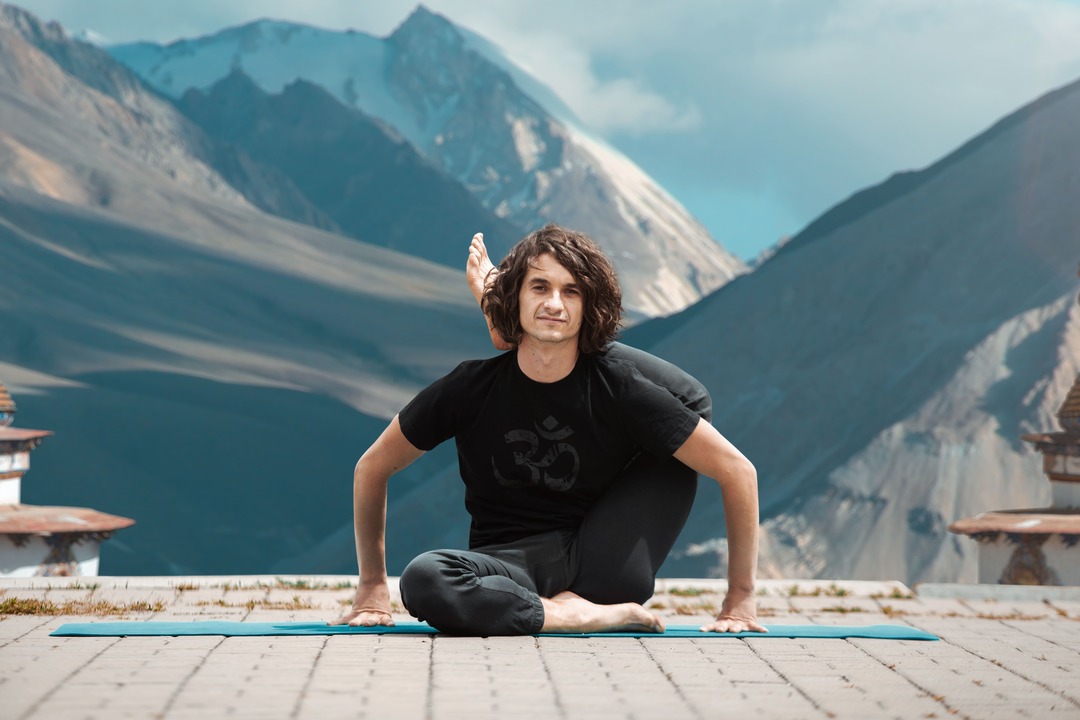
Rishikesh earned its prestigious title as the "Yoga Capital of the World" for good reason. It’s home to countless ashrams, yoga schools, and meditation centers that cater to practitioners of all levels, from beginners to advanced yogis. Many come here to delve deeper into ancient yogic sciences, complete teacher training courses, or simply to experience a disciplined, spiritual lifestyle.
  • Parmarth Niketan Ashram: One of the largest and most renowned ashrams, famous for its grand Ganga Aarti and its diverse yoga and meditation programs. It offers a structured environment for spiritual learning and community living.
  • Sivananda Ashram: Founded by Swami Sivananda, this ashram propagates a holistic approach to yoga, emphasizing selfless service, meditation, and a balanced lifestyle.
  • Maharishi Mahesh Yogi Ashram (The Beatles Ashram): Though largely abandoned, this historic ashram gained international fame when The Beatles stayed here in 1968, immersing themselves in Transcendental Meditation. Its unique domed meditation cells and vibrant graffiti art make it a fascinating visit for history buffs and fans alike.
  • Yoga Teacher Training: Numerous certified schools offer 200-hour, 300-hour, and 500-hour Yoga Teacher Training (YTT) courses, attracting students from across the globe seeking to deepen their practice and teach others.

Ayurvedic Wisdom: Holistic Healing

Beyond yoga, Rishikesh is also a hub for Ayurveda, the ancient Indian system of medicine. Many wellness centers and retreats offer authentic Ayurvedic treatments, consultations, and Panchakarma therapies designed to detoxify the body, balance the doshas (bio-energies), and promote overall well-being. These centers combine traditional practices with natural remedies, dietary advice, and lifestyle recommendations, offering a holistic path to health and vitality.

Adventure Awaits: Thrills in the Himalayan Foothills

While Rishikesh is synonymous with peace and spirituality, it’s also an undisputed paradise for adventure enthusiasts. The rugged terrain, the powerful Ganges, and the lush forests provide a perfect backdrop for a range of adrenaline-pumping activities.

White-Water Rafting: Conquering the Rapids

The stretch of the Ganges from Kaudiyala to Rishikesh is world-renowned for its white-water rafting opportunities. With rapids ranging from Grade I to Grade IV, there's an adventure suitable for every thrill-seeker, from families to experienced rafters. Popular stretches include Brahmpuri (9 km), Shivpuri (16 km), and Marine Drive (24 km), each offering varying levels of excitement and breathtaking scenery. The best time for rafting is typically from September to June, avoiding the monsoon season. Numerous certified operators ensure safety and provide professional guides and equipment.

Trekking and Hiking: Trails to Serenity

The hills surrounding Rishikesh are crisscrossed with picturesque trekking trails that lead to hidden waterfalls, ancient temples, and panoramic viewpoints.
  • Neer Garh Waterfall Trek: A relatively easy and popular trek leading to a refreshing natural waterfall where you can take a dip.
  • Kunjapuri Temple Trek: A more challenging trek, especially popular for sunrise views. Located atop a hill, Kunjapuri Temple offers a spectacular 360-degree vista of the snow-capped Himalayan peaks and the Ganges valley.
  • Valley of Flowers and Roopkund Lake: Rishikesh also serves as a gateway to more challenging treks in the higher Himalayas, such as the famous Valley of Flowers and the mysterious Roopkund Lake, for those seeking multi-day expeditions.

Bungee Jumping & Giant Swing: Adrenaline Rush

For the ultimate adrenaline fix, Rishikesh offers India’s highest bungee jumping platform. Operated by 'Jumpin Heights' at Mohan Chatti, this 83-meter jump from a cantilever platform over the Huel River is an exhilarating experience. They also offer a Giant Swing and a Flying Fox, providing safe yet incredibly thrilling adventures under the supervision of experts trained by New Zealand professionals.

Camping by the Riverside: Stargazing and Bonfires

Imagine falling asleep to the soothing sound of the Ganges and waking up to the chirping of birds amidst lush greenery. Riverside camping in Rishikesh is a popular activity, especially combined with rafting trips. Many camps offer comfortable tents, delicious meals, bonfires, and volleyball, providing a perfect blend of wilderness experience and comfort.

Exploring Rishikesh's Iconic Landmarks

Beyond the spiritual and adventurous activities, Rishikesh boasts several landmarks that are integral to its charm and history.

Laxman Jhula and Ram Jhula: Suspension Bridges with Stories

These two iconic suspension bridges span the mighty Ganges, connecting the two banks of Rishikesh.
  • Laxman Jhula: Believed to be built at the spot where Lakshman, Lord Rama’s brother, crossed the Ganges on a jute rope. The current iron bridge, constructed in 1929, offers spectacular views of the river, temples, and ashrams. Around it, you’ll find bustling markets selling religious artifacts, jewelry, and handicrafts.
  • Ram Jhula: A slightly newer bridge, constructed in 1980, connecting Sivananda Ashram with Swarg Ashram. It’s generally wider and allows two-way pedestrian traffic, offering equally stunning views and a lively atmosphere. Both bridges are essential for navigating Rishikesh and soaking in its unique vibe.

Trayambakeshwar Temple (Tera Manzil Mandir): A Multi-Storied Marvel

Located near Laxman Jhula, this towering 13-story temple is hard to miss. Each floor houses different deities, making it a unique architectural and spiritual experience. Ascending to the upper floors offers panoramic views of the surrounding landscape.

Swarg Ashram: A Spiritual Hamlet

This area, often considered the spiritual heart of Rishikesh, is a cluster of ashrams, temples, meditation centers, and small shops. It embodies the essence of a traditional Indian spiritual community, with a peaceful atmosphere ideal for contemplation and learning.

Culinary Delights: Vegetarian and Satvic Fare

Rishikesh is a holy city, and as such, it observes a strict vegetarian and alcohol-free policy. The food here is predominantly Satvic (pure, wholesome), focusing on fresh ingredients and healthy preparations.

Must-Try Dishes and Eateries

  • Chotiwala Restaurant: A Rishikesh institution near Ram Jhula, famous for its hearty Indian thalis and traditional sweets.
  • German Bakery: Scattered around Laxman Jhula and Ram Jhula areas, these bakeries offer a delightful range of fresh bread, cakes, pastries, and good coffee – a popular spot for international travelers.
  • Street Food: Don't miss out on local favorites like Aloo Tikki (potato patties), Pani Puri, Samosas, and freshly squeezed fruit juices.
  • Cafes with a View: Many cafes offer organic, healthy meals, often with stunning river views, perfect for relaxing after a day of exploration.

Practical Travel Guide for Rishikesh

Navigating a new city can be daunting, but with a few tips, getting around Rishikesh can be easy and affordable.

Best SIM Card for Tourists

For seamless communication and internet access in Rishikesh, it's highly recommended to purchase a local SIM card.
  • Major Providers: The most reliable networks are Jio, Airtel, and Vodafone Idea (Vi). All offer good 4G coverage in Rishikesh and surrounding areas.
  • Where to Buy: You can purchase SIM cards at authorized retailer stores in Rishikesh town. Look for official brand stores or multi-brand mobile shops.
  • Documents Required: You will need to provide:
  • Passport (original and photocopy)
  • Indian Visa (original and photocopy)
  • Passport-sized photograph (usually one)
  • Local Address Proof: While not always strictly required for tourists, providing your hotel address can help.
  • Activation: Activation can take anywhere from a few hours to 24 hours. Ensure you have activated roaming on your existing SIM or a temporary eSIM if you need immediate connectivity upon arrival.
  • Pre-paid Plans: Opt for pre-paid plans that offer data, calls, and SMS. Plans are usually very affordable and can be topped up easily.

Public Transport Guide

Rishikesh offers several budget-friendly public transport options to get around the city and to nearby attractions.
  • Shared Auto-Rickshaws (Vikram/Tuk-tuk): These are the most common and economical way to travel between different parts of Rishikesh (e.g., from Rishikesh town to Laxman Jhula or Ram Jhula). They operate on fixed routes, and you share the ride with other passengers. Fares are nominal, usually ranging from ₹10-₹30 for short distances.
  • Local Buses: For longer distances within Uttarakhand or to neighboring cities like Haridwar and Dehradun, local government and private buses are available from the main bus stand. They are very cheap but can be crowded.
  • Cycle Rickshaws: In flatter areas and for very short distances, cycle rickshaws are an eco-friendly and quaint way to travel. Always negotiate the fare beforehand.
  • Walking: Many parts of Rishikesh, especially around the bridges and ashrams, are best explored on foot. It allows you to soak in the atmosphere and discover hidden gems.

Car Rental / Bike Rental Options

For more flexibility and to explore beyond Rishikesh, rental options are available.
  • Car Rental: You can hire a car with a driver for full-day excursions or for point-to-point travel. This is ideal for visiting places like Mussoorie, Dehradun, or temples in the hills. Local travel agents and hotels can arrange this. Self-drive cars are less common for tourists in Rishikesh but can be rented from major cities like Delhi or Dehradun.
  • Bike Rental (Scooters/Motorcycles): Renting a scooter or motorcycle is a popular option for independent travelers. It offers great flexibility to explore at your own pace, especially for visiting nearby waterfalls or viewpoints.
  • Where to Rent: Several shops around Laxman Jhula and Tapovan offer bikes for daily rental.
  • Requirements: You will need a valid Indian or International Driving Permit (IDP) and often a photocopy of your passport/visa. Always check the bike's condition before renting and ensure helmets are provided.
  • Cost: Daily rentals typically range from ₹300-₹800, depending on the bike type and duration.

Airport to City Transport Guide

The nearest airport to Rishikesh is Jolly Grant Airport (DED) in Dehradun, approximately 20-25 km away.
  • Pre-paid Taxis: This is the most convenient option. As you exit the airport, you'll find a pre-paid taxi counter. State your destination (Rishikesh) and pay the fixed fare. This avoids bargaining and ensures a fair price. The ride takes about 45 minutes to an hour. Fares typically range from ₹1000-₹1500 depending on the taxi type.
  • Shared Cabs/Taxis: Outside the airport, you might find shared taxi services heading towards Rishikesh. These are cheaper but involve waiting for other passengers and might drop you at a central point from where you'll need local transport.
  • Local Buses: From the airport, you can take a local bus to Rishikesh city center. This is the cheapest option but can be less frequent and involves more transfers. You might need to take an auto-rickshaw from the airport to the nearest bus stop.
  • App-Based Taxis: While not as prevalent as in major metropolitan cities, some services like Ola/Uber might be available, though coverage can be spotty. It's best to rely on pre-paid taxis from the airport.

Budget Transport Tips

  • Walk Whenever Possible: Rishikesh is a great city for walking, especially around the main tourist areas. It's free, healthy, and allows for serendipitous discoveries.
  • Embrace Shared Autos: For mid-range distances, shared auto-rickshaws are your best friend. They are incredibly cheap and frequent. Don't be shy to hop in!
  • Negotiate Fares (for private autos/rickshaws): If hiring a private auto-rickshaw or cycle rickshaw, always agree on the fare before starting your journey to avoid any misunderstandings.
  • Plan Ahead: For airport transfers or longer excursions, booking a taxi in advance through your hotel or a reputable travel agent can sometimes secure a better deal or at least a hassle-free experience.
  • Consider Renting a Bike for a Day: If you plan to visit multiple spots outside the main walking areas, a rented bike can be more economical than hiring multiple auto-rickshaws throughout the day.

Best Time to Visit Rishikesh

The ideal time to visit Rishikesh is from September to November and February to May.
  • Autumn (Sept-Nov): Post-monsoon, the Ganges is full, the weather is pleasant and clear, and the greenery is vibrant. Perfect for both spiritual activities and adventure sports.
  • Spring (Feb-May): The weather is comfortable, neither too hot nor too cold, making it excellent for all activities. March sees the International Yoga Festival, a major draw.
  • Monsoon (June-August): While the landscape is lush, heavy rains can disrupt travel and adventure sports like rafting are often closed due to high water levels.
  • Winter (Dec-Jan): Can be quite chilly, especially in the mornings and evenings, but clear skies offer stunning views of the snow-capped Himalayas.

Accommodation Options

Rishikesh caters to all budgets and preferences:
  • Ashrams: For an immersive spiritual experience and budget-friendly stay, many ashrams offer simple accommodation, often including meals and yoga sessions.
  • Budget Guesthouses & Hostels: Numerous guesthouses and backpacker hostels provide clean, affordable rooms, especially in the Tapovan and Laxman Jhula areas.
  • Mid-Range Hotels: Comfortable hotels with modern amenities are available, offering a balance of comfort and value.
  • Luxury Resorts: For those seeking indulgence, a few high-end resorts offer luxurious stays with spa facilities and picturesque views.

Travel Tips and Etiquette

  • Dress Modestly: As a holy city, it's respectful to dress modestly, especially when visiting temples or ashrams. Shoulders and knees should be covered.
  • Respect Local Customs: Greet people with "Namaste," remove your shoes before entering temples or ashrams, and be mindful of photography rules.
  • Stay Hydrated: Carry a water bottle, especially during warmer months or when engaging in physical activities.
  • Be Mindful of Monkeys: Monkeys are common, especially around the bridges. Keep food out of sight and avoid direct eye contact.
  • Maintain Cleanliness: Help keep Rishikesh clean by properly disposing of your waste.

Conclusion

Rishikesh is more than just a dot on the map; it's a profound experience that leaves an indelible mark on every traveler. It's a place where ancient traditions blend seamlessly with modern adventure, where the quest for inner peace meets the thrill of the outdoors. From the soul-stirring Ganga Aarti to the exhilarating rapids of the Ganges, from the tranquil ashrams to the bustling marketplaces, Rishikesh offers a kaleidoscopic journey for the senses and the spirit. Come, breathe in the pure Himalayan air, dip your toes in the holy Ganges, and let the Yoga Capital of the World transform your mind, body, and soul.

Frequently Asked Questions (FAQ)

Q1: Is Rishikesh safe for solo female travelers?

A1: Yes, Rishikesh is generally considered very safe for solo female travelers. The city has a spiritual and tourist-friendly atmosphere. However, like any travel destination, it's wise to exercise general precautions: avoid walking alone in secluded areas at night, dress modestly, and be aware of your surroundings.

Q2: Is alcohol and non-vegetarian food allowed in Rishikesh?

A2: No, Rishikesh is a holy city with strict regulations. Alcohol and non-vegetarian food are officially banned within the municipal limits of Rishikesh. You will find only vegetarian and usually Satvic (pure, wholesome) food options.

Q3: How many days are sufficient to explore Rishikesh?

A3: To experience a good blend of spirituality, yoga, and adventure, 3 to 5 days are generally sufficient. This allows time for a rafting trip, visiting ashrams, attending Ganga Aarti, exploring the bridges, and perhaps a short trek. If you plan to do a yoga teacher training or a longer retreat, you would need several weeks.

Q4: What should I pack for a trip to Rishikesh?

A4: Pack comfortable, modest clothing suitable for the weather. Include light layers, especially for mornings and evenings. Sunscreen, a hat, insect repellent, comfortable walking shoes, flip-flops, a reusable water bottle, and a basic first-aid kit are essential. If you plan to visit during winter, bring warm jackets.

Q5: Do I need to book white-water rafting in advance?

A5: While you can often book rafting on the spot through various tour operators, it's advisable to book in advance, especially during peak season (October-November and March-April), to secure your preferred time slot and ensure a reputable operator.

Q6: Are there ATMs easily available in Rishikesh?

A6: Yes, there are several ATMs of major Indian banks (SBI, HDFC, ICICI, etc.) located in Rishikesh town and around the main tourist areas like Laxman Jhula and Tapovan. However, it's always good practice to carry some cash, especially for small purchases or local transport, as not all vendors accept cards.

Q7: Can I attend yoga classes without staying in an ashram?

A7: Absolutely! Many yoga schools and centers in Rishikesh offer drop-in classes, workshops, and short-term courses (e.g., a week-long yoga retreat) that don't require you to stay in an ashram. This is a great way to experience yoga without committing to a full ashram lifestyle.

© 2026 24x7tt.com All Rights Reserved.