Lima Tourism Guide 2026 – Hotels, Food & Attractions
Welcome to Lima: Your Ultimate Insider's Guide to Peru's Culinary Capital!
Alright, fellow adventurers, buckle up! You're about to dive deep into Lima, a city that often gets a reputation as just a stopover to Machu Picchu, but let me tell you, that's a *huge* mistake. Lima, for me, isn't just a city; it's a vibrant, chaotic, utterly delicious, and surprisingly beautiful beast that has truly captured my heart. Forget the sterile brochures and generic tours – I'm here to give you the real lowdown, the kind of advice you'd get from a friend who's lived here, eaten here, and navigated its charming craziness. We’re talking insider tips, local secrets, and how to truly experience Lima like a local, not just a tourist passing through. Ready? Let's go!
Best Time To Visit Lima
Let's talk weather. Lima is famous for its unique climate, often called the "Garden City" because of its persistent coastal fog, especially during its winter.
*
Summer (December to April): This is my favorite time to visit! The "garúa" (marine layer fog) lifts, giving way to blue skies and warm, sunny days. It’s perfect for strolling along the Malecon, hitting the beaches south of the city, or just enjoying outdoor cafes. Temperatures range from 20°C to 28°C (68°F to 82°F). Expect crowds, especially around Christmas and New Year.
*
Winter (May to November): Don't be fooled by the word "winter" – it's not freezing. However, Lima gets pretty overcast and humid during these months, often with that famous misty fog (garúa) that can make things feel a bit gloomy. Temperatures average 14°C to 20°C (57°F to 68°F). It's still a great time for sightseeing and food, as it's less crowded, but definitely pack layers and a light jacket.
My Personal Tip: If you want sunshine, aim for January-March. If you're focusing on museums and food and don't mind the grey skies, any time of year is fine, and you might find better deals outside of summer.
Visa Information
For most nationalities, including citizens of the US, Canada, EU, UK, Australia, and New Zealand, you
do not need a visa for tourist stays of up to 90 days. You'll typically get a stamp for 90-183 days upon arrival. Always double-check the latest requirements on the Peruvian Ministry of Foreign Affairs website or your country's embassy site before you travel, as rules can change. Make sure your passport is valid for at least six months beyond your intended departure date.
Airport Guide: Jorge Chávez International Airport (LIM)
Lima's airport, officially Jorge Chávez International Airport (LIM), is pretty modern and efficient, especially for South America. It's located in Callao, which is a separate district from the main tourist areas like Miraflores or Barranco, about 10-15 km (6-9 miles) away.
*
Layout: It's a single-terminal airport, which makes transfers relatively easy if you're flying domestically after an international arrival.
*
Facilities: You'll find a good selection of duty-free shops, restaurants (some open 24/7), cafes, ATMs, and currency exchange booths. WiFi is usually available for a limited free period, then paid.
*
Arrivals: After clearing immigration and customs, you'll enter a busy arrivals hall. This is where you'll encounter a swarm of taxi drivers trying to get your attention. My best advice? Head *past* them.
Airport To City Transport
This is a critical first step, and where many tourists make their first mistake.
*
Official Airport Taxis (Taxi Green / Taxi Directo): My top recommendation for safety and convenience. You'll find their counters *inside* the arrivals hall, past customs. You pay upfront, and they give you a voucher for a registered taxi. It’s more expensive, usually S/60-80 (about $16-22 USD) to Miraflores/Barranco, but it's safe and reliable.
*
Ride-Hailing Apps (Uber/Cabify/DiDi): These are my go-to for pretty much all my transport in Lima. Download them before you arrive. Once you have your SIM card (more on that below), you can call a car. The pick-up point for apps is usually a bit chaotic, often outside the main terminal area, so follow the app's instructions carefully. Fares are usually S/35-50 (about $9-14 USD). *Practical hack:* If you don't have a SIM yet, connect to the airport WiFi, call an Uber, and keep the app open to see its arrival.
*
Airport Express Lima Bus: This is a fantastic option if you're staying in Miraflores or San Isidro and on a budget. It's a comfortable shuttle service with WiFi that runs frequently between the airport and various stops in these districts. Cost is around S/20-25 ($5-7 USD) one way. Check their website for routes and schedules. *Tourist mistake:* Don't get on an unofficial "colectivo" (shared van) at the airport unless you're with a local and know exactly what you're doing. They're often overcrowded and can be unsafe.
My Personal Experience: I once tried to save a few soles by taking an unofficial taxi from outside the airport – big mistake. The driver tried to charge me double the agreed price halfway through the journey. Always stick to official options or ride-hailing apps!
Public Transport Guide
Navigating Lima's public transport can feel like an Olympic sport, but it's totally doable and a great way to experience the city's pulse.
*
Metropolitano: This is Lima's Bus Rapid Transit (BRT) system, and it's a lifesaver for getting around quickly, especially during rush hour. It runs on dedicated lanes, so it avoids traffic.
*
How to use it: You need to buy a pre-paid "Metropolitano" card (tarjeta) at any station for about S/5 and load it with credit. Fares are around S/2.50 per ride.
*
Major routes: It connects the Historic Center, Miraflores, Barranco, and other districts.
*
Pro Tip: Avoid during peak hours (7-9 AM, 6-8 PM) if you're claustrophobic. It gets *packed*.
*
Buses (Micros/Combis): These are the privately run, often brightly colored, small buses and vans that zip (sometimes crawl) around the city. They’re super cheap (S/1-3 per ride) but can be confusing with their elaborate route signs.
*
My advice: Unless you have a local guiding you or are feeling very adventurous, stick to the Metropolitano or ride-hailing apps for longer distances. They're often overcrowded, drivers are fast, and pickpocketing can be an issue.
*
Colectivos (Shared Taxis): These are regular cars that operate like shared taxis on fixed routes. They shout their destination out the window. If you're going a specific route, say, between Miraflores and Barranco, they can be efficient and cheap (S/3-5). Negotiate the price *before* you get in.
Local Travel Hack #1: Use Google Maps or Moovit app for public transport directions. They're surprisingly good for showing bus routes and Metropolitano stops.
SIM Card Guide
Getting a local SIM card is essential for navigation, ride-hailing apps, and staying connected.
*
Providers: The main ones are Claro, Entel, Bitel, and Movistar. I usually go with Claro or Entel; they have good coverage.
*
Where to buy: You can buy a SIM card at the airport (more expensive but convenient) or at official stores in shopping malls (Larcomar in Miraflores, Jockey Plaza) or stand-alone stores.
*
What you need: Your passport is required for registration.
*
Cost: A SIM card itself is cheap (S/5-10). Data packages vary, but you can usually get 5-10 GB for about S/30-50 ($8-14 USD) for a month, often with unlimited social media data.
*
My Recommendation: Pop into an Entel or Claro store in Miraflores (like the one in Parque Kennedy area). They'll set you up quickly.
Currency Exchange Tips
Peru's currency is the Sol (PEN).
*
ATMs: Widely available. Use ATMs inside banks (BCP, Interbank, BBVA) during opening hours for safety. Be aware of withdrawal fees (both from the local bank and your home bank). Max withdrawal limits are usually S/400-S/700 per transaction.
*
Money Exchange Houses (Casas de Cambio): These offer better rates than the airport. You'll find many reputable ones in Miraflores and the Historic Center. Always count your money before leaving the counter.
*
Street Exchangers (Cambistas): You'll see people on the street with vests saying "Cambio." While they often offer good rates, I strongly advise against using them due to the risk of counterfeit money or scams.
*
Credit Cards: Accepted in most hotels, upscale restaurants, and larger shops. Always ask if they charge a commission (sometimes 5%). Smaller eateries and markets are cash-only.
Local Travel Hack #2: Always carry small denominations of soles (S/10, S/20, S/50 notes) for taxis, street food, and smaller purchases. Breaking a S/100 note for a small purchase can be difficult.
Best Local Food (Beyond Ceviche & Lomo Saltado)
Lima is the *culinary capital* of South America for a reason. Yes, eat ceviche and lomo saltado, but please, dive deeper!
*
Aji de Gallina: A creamy, comforting dish made with shredded chicken in a yellow chili pepper and cheese sauce, usually served with rice and potatoes. Soul food!
*
Causa Rellena: Layered mashed yellow potatoes (with lime and aji amarillo) filled with tuna, chicken, or vegetables. Served cold, it's a refreshing appetizer.
*
Anticuchos de Corazón: Grilled beef heart skewers, marinated in vinegar and spices. Don't be scared – they're incredibly tender and flavorful. Look for them at street stalls in Barranco or Surquillo.
*
Papa a la Huancaína: Boiled potatoes covered in a creamy, slightly spicy cheese sauce made with aji amarillo, served with olives and a hard-boiled egg.
*
Rocoto Relleno: A spicy rocoto pepper stuffed with seasoned ground beef, vegetables, and often cheese, then baked. More common in Arequipa, but you can find good ones in Lima.
*
Arroz con Pollo: Chicken and rice, cooked with cilantro, beer, and aji amarillo, giving it a vibrant green color and delicious flavor.
*
Chifa: Peruvian-Chinese fusion. Some of the best Chinese food you'll ever have. Try "Arroz Chaufa" (Peruvian fried rice) or "Tallarín Saltado" (stir-fried noodles).
*
Emoliente: A traditional hot drink sold by street vendors, especially in the evenings. It's a mix of medicinal herbs, barley, and fruit. Warm, comforting, and great for digestion.
*
Inca Kola: Peru's national soft drink. It's bright yellow and tastes like liquid bubblegum. You have to try it at least once.
Where to Eat:
*
Mercado Surquillo N°1: An authentic local market where you can find incredible ceviche stalls (La Canta Rana is famous), fresh fruits, and local produce. It’s gritty, real, and delicious.
*
"Menu del Día" (Set Lunch Menu): Look for these signs at smaller, local restaurants during lunchtime. For S/10-25 ($3-7 USD), you get a soup, a main course, and often a drink. It's an unbeatable deal.
Hidden Gems In Lima (My Top 5!)
Forget the typical tourist trail for a moment. These are places where locals go, and you'll get a much more authentic feel for the city.
1.
Palomino Islands Tour (from Callao): Take a boat trip from Callao's harbor. You'll see thousands of seabirds, sea lions, and if you're lucky, even Humboldt penguins! You can even swim with the sea lions. It's an incredible escape from the city bustle. Most tours depart from La Punta in Callao.
2.
Museo Pedro de Osma (Barranco): Tucked away in a gorgeous Republican-era mansion in Barranco, this museum houses an impressive collection of Peruvian viceregal art (16th-19th centuries). It's far less crowded than the major museums and offers a serene experience.
3.
Barrio Chino (Chinatown): Located just a few blocks from Plaza Mayor, Lima's Chinatown is vibrant, bustling, and often overlooked. Explore the archways, specialty shops, and, of course, try some authentic Chifa. Go on a Sunday for the full experience.
4.
Parque de la Amistad (Santiago de Surco): This park features a beautiful Moorish arch, a traditional train that takes you around the park, and paddle boats. It's a popular spot for local families and couples, offering a peaceful, green escape. Great for a leisurely afternoon.
5.
Mercado N°1 de Surquillo: (Already mentioned under food, but it's such a gem!) This is not just for foodies; it's an experience. The vibrant chaos, the fresh produce, the friendly vendors – it's a sensory overload in the best way. Grab a fresh juice, try a `churro`, and watch local life unfold.
Places Tourists Usually Miss
*
Museo del Banco Central de Reserva del Perú: This free museum next to the Plaza de Armas houses an impressive collection of pre-Columbian artifacts, traditional art, and even Peruvian currency history. A surprisingly good museum with excellent curation.
*
El Olivar Park (San Isidro): A serene olive grove park, a National Monument, filled with centuries-old olive trees. It's a peaceful oasis perfect for a quiet stroll or reading a book. You'll see more locals walking their dogs or enjoying a moment of calm here than tourists.
*
A walk through Jesús María or Pueblo Libre: These residential neighborhoods offer a glimpse into everyday Lima life. Less flashy than Miraflores, they have charming parks, local eateries, and a relaxed vibe. Just wander and soak it in.
Tourist Scams To Avoid (And Practical Tourist Mistakes)
Lima is generally safe, but like any big city, you need to be aware.
1.
Fake Taxis: The biggest one. Never hail a taxi directly on the street, especially if it doesn't have official markings or a meter (which most don't use anyway). Use official airport taxis or ride-hailing apps.
2.
Pickpocketing/Bag Snatching: Especially in crowded areas (markets, Metropolitano, bus stops, tourist hotspots like Plaza de Armas). Keep your belongings secure, wear a cross-body bag, don't flash expensive electronics, and never put your phone in your back pocket. *Practical mistake:* Leaving your phone on a restaurant table – it can be swiped in an instant.
3.
"Lost Wallet" Distraction: A common tactic where someone "accidentally" drops money or a wallet near you to distract you while an accomplice pickpockets you. Just keep walking.
4.
Overcharging for tourists: Some taxi drivers or vendors might try to charge tourists more. Always agree on a price *before* getting in a taxi or making a purchase at a market. This is where learning basic Spanish phrases helps!
5.
Bad Exchange Rates on the Street: As mentioned, avoid street money changers. You risk counterfeit bills or being short-changed.
6.
Unsolicited "Help": At bus terminals or even near tourist sites, someone might offer to "help" you with your bags or directions, then demand money aggressively. Politely decline and be firm.
7.
Not Validating Metropolitano Card: A simple oversight, but you *must* tap your card both when entering and exiting the Metropolitano station. Otherwise, you could be fined or have issues exiting.
8.
Only Eating in Tourist Traps: Miraflores and Barranco have amazing restaurants, but limiting yourself to just the main squares means you'll miss out on the incredible local flavors and prices found just a few blocks away or in other districts.
9.
Ignoring Sun Protection: Even on cloudy days, the UV index in Lima can be high. *Practical mistake:* Forgetting sunscreen, sunglasses, and a hat. You'll burn!
10.
Not learning basic Spanish: While many in tourist areas speak some English, knowing basic phrases like "Hola," "Gracias," "Por favor," "Cuánto cuesta?" (How much?), "La cuenta, por favor" (The bill, please) will significantly enhance your experience and help avoid misunderstandings.
Safety Tips
*
Stay Aware: Always be conscious of your surroundings, especially in crowded areas.
*
Night Safety: Stick to well-lit, populated areas at night. Use ride-hailing apps for transportation after dark. Avoid walking alone late at night, especially through unfamiliar streets.
*
Valuables: Don't wear flashy jewelry or expensive watches. Keep your phone out of sight when not in use.
*
Copies of Documents: Keep digital and physical copies of your passport and visa separately from the originals.
*
Trust Your Gut: If a situation feels off, it probably is. Remove yourself.
Local Etiquette
*
Greetings: A simple "Hola" or "Buenos Días/Tardes/Noches" is always appreciated. A handshake is common. Women often greet each other with a light kiss on one cheek.
*
Personal Space: Peruvians tend to have less personal space than some Western cultures, especially in queues or crowded public transport. Don't be offended if someone stands closer than you're used to.
*
Tipping:
*
Restaurants: 10% is standard for good service in nicer restaurants. Some places might add a "servicio" charge, so check your bill.
*
Taxis: Not expected to tip.
*
Tour Guides: Around S/10-20 per person for a half-day tour, more for a full day.
*
Hotel Staff: S/2-5 for porters or housekeepers is a nice gesture.
*
Photography: Always ask permission before taking photos of people, especially children. Be respectful.
*
"No Gracias": Don't be afraid to firmly but politely say "No, gracias" if you're not interested in a purchase or service.
Best Instagram Spots
1.
Barranco Bridge of Sighs (Puente de los Suspiros): Iconic, romantic, and beautifully lit at night. The surrounding streets are also vibrant with murals.
2.
Miraflores Malecon: The clifftop promenade offers stunning panoramic views of the Pacific Ocean, especially at sunset. Include the Faro de la Marina (lighthouse) or Parque del Amor.
3.
Huaca Pucllana (Miraflores): An ancient pre-Incan pyramid right in the middle of modern Miraflores. Especially dramatic at sunrise or sunset, or lit up at night.
4.
Parque de la Reserva (Magic Water Circuit): While not truly "hidden," the illuminated fountains at night are pure magic and provide incredible photo opportunities.
5.
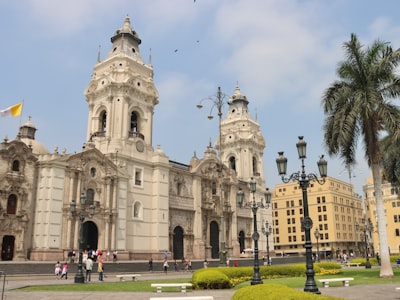
Plaza Mayor (Historic Center): The colonial architecture, the Archbishop's Palace, the Cathedral, and the changing of the guard are all picture-perfect.
6.
Street Art in Barranco: Wander the streets, especially around Bajada de Baños, and you'll find incredible murals and vibrant art.
Budget Travel Tips
Lima can be as cheap or as expensive as you make it.
*
Food:
*
Menu del Día: As mentioned, the best value for lunch.
*
Local Markets: Great for cheap, fresh fruit, juices, and street food.
*
Street Food: *Anticuchos*, *picarones* (sweet potato/pumpkin fritters with syrup), *empanadas* – delicious and budget-friendly. Just ensure it looks clean and popular.
*
Accommodation:
*
Hostels: Plenty of great options in Miraflores and Barranco (e.g., Pariwana Hostel, Selina).
*
Guesthouses/Airbnbs: Can be very affordable, especially if you're staying for a longer period.
*
Transport: Stick to Metropolitano or ride-hailing apps (Uber/Cabify) for best value. Walking is free!
*
Free Activities:
* Explore Parque Kennedy (Miraflores cats!).
* Stroll the Malecon.
* Visit the Historic Center (Plaza Mayor, Plaza San Martín).
* Enjoy the street art in Barranco.
* Walk through El Olivar Park.
Hotels & Accommodation
Choosing your neighborhood is key.
*
Miraflores: Most popular for tourists. Safe, lots of restaurants, cafes, shops, and direct access to the Malecon. Offers a range from luxury hotels to budget hostels. Good base for first-timers.
*
Barranco: The bohemian, artsy district. Full of charm, street art, independent cafes, bars, and live music. Great for those who prefer a more local, vibrant, and artistic vibe. Also very safe.
*
San Isidro: More upscale, quiet, and business-oriented. Known for its beautiful parks (like El Olivar) and high-end restaurants. Good for those seeking tranquility and luxury.
*
Historic Center (Centro Histórico): Great for history buffs. You'll be right in the action with colonial architecture and museums. However, it can feel a bit gritty at night, and fewer high-end hotel options directly in the main square. Some areas are better for day visits.
My Advice: For first-timers, Miraflores offers the most convenience. For a more authentic, artistic feel, Barranco is my personal favorite.
Bike Rental / Car Rental
*
Bike Rental: Yes, you can rent bikes in Miraflores and Barranco, especially along the Malecon. It’s a fantastic way to explore the coastal path. Look for rental shops near Parque Kennedy or along the Malecon. Prices are usually S/10-20 per hour.
*
Car Rental: I strongly advise against renting a car in Lima unless you have extensive experience driving in chaotic, high-traffic cities.
*
Traffic: Is horrendous. Seriously, prepare for long commutes.
*
Driving Style: Aggressive, often ignoring lanes and signals.
*
Parking: A nightmare.
*
Cost: Rental, gas, and parking will likely outweigh the convenience.
*
My Recommendation: Stick to ride-hailing apps or public transport. It will save you immense stress.
Best Cafes
Lima's cafe scene is booming!
*
Tostaduría Bisetti (Barranco): A classic, historic spot. Amazing coffee, great atmosphere.
*
Puku Puku Cafe (Various locations, including Miraflores & Barranco): Focuses on single-origin Peruvian beans, ethically sourced. Fantastic coffee, cozy vibes.
*
Café a Bistro (Miraflores): A bit more upscale, great for brunch or a nice coffee break.
*
La Bodega Verde (Barranco): Located in the Bajada de Baños, a charming spot with outdoor seating, perfect for a coffee or a light meal.
*
Colon Street (Miraflores): Has several great small, independent cafes that are perfect for a quiet morning coffee.
Best Nightlife Areas
Lima truly comes alive at night.
*
Barranco: My absolute favorite for nightlife. It’s got a bohemian, artsy vibe with live music venues, cool cocktail bars, and clubs that play a mix of Latin and international music.
*
Bars to check out: Ayahuasca Restobar (stunning setting in an old mansion), Juanito de Barranco (historic bar), El Piselli.
*
Miraflores: More commercial, with larger clubs, sports bars, and pubs, especially around Calle de las Pizzas. Good for dancing and a more mainstream party scene.
*
Bars to check out: Help! (club), La Emolientería (Peruvian-themed cocktails).
*
San Isidro: Some high-end lounges and cocktail bars, but generally more subdued than Barranco or Miraflores.
Shopping Guide
*
Larcomar (Miraflores): An upscale shopping mall built into the cliffs overlooking the Pacific. Great for international brands, a cinema, and restaurants with ocean views.
*
Mercado Inca (Miraflores): A large artisan market where you can find souvenirs, alpaca textiles (sweaters, scarves), jewelry, ceramics, and other handicrafts. Haggle politely!
*
Jockey Plaza (Santiago de Surco): One of Lima's largest malls, with a huge selection of international and local brands, department stores, and entertainment. Takes a bit of a journey to get to.
*
Avenida Larco (Miraflores): Full of shops, boutiques, and street vendors.
*
Gamarra (La Victoria): This is Lima's textile hub. It's an incredibly vast, chaotic, and fascinating market for clothes and fabrics at wholesale prices. *Warning:* It's very crowded and requires vigilance for safety, but if you love a true market experience, it's unique. Go with a local or be extremely cautious.
Internet & WiFi Availability
*
Hotels/Hostels: Almost all accommodation options offer free WiFi, usually reliable.
*
Cafes/Restaurants: Many cafes and restaurants offer free WiFi to customers. Just ask for the password ("¿La clave de WiFi, por favor?").
*
Public WiFi: Limited, but you might find it in some major parks (e.g., Parque Kennedy in Miraflores). It's generally not super reliable or secure for sensitive tasks.
*
SIM Card Data: With a local SIM, you'll have 4G/5G data coverage almost everywhere in Lima. This is my preferred way to stay connected.
Best Apps For Travelers
1.
Uber/Cabify/DiDi: Essential for safe and reliable transport. Download all three to compare prices.
2.
Google Maps: Indispensable for walking directions, public transport, and finding places. Download offline maps for areas you'll be exploring.
3.
WhatsApp: The primary communication app in Peru. Locals (guides, hotel staff, tour operators) will use it.
4.
Google Translate: Download the Spanish language pack for offline translation. The camera translation feature is a lifesaver for menus!
5.
Moovit: Excellent for navigating Lima's public transport system, including the Metropolitano and even local buses.
6.
Your Banking App: To monitor transactions and spot any unusual activity.
One Day Budget Estimate
This is highly variable, but here's a realistic breakdown for different styles.
| Category | Budget Traveler (USD) | Mid-Range Traveler (USD) | Luxury Traveler (USD) |
| :------------------- | :-------------------- | :----------------------- | :-------------------- |
|
Accommodation | $15-30 (hostel dorm) | $40-80 (private room/Airbnb) | $100-250+ (boutique/hotel) |
|
Food | $15-25 (menu del día, street food) | $30-60 (mid-range restaurants) | $70-150+ (fine dining, cocktails) |
|
Local Transport | $5 (Metropolitano, walking) | $10-20 (Uber/Cabify) | $20-40 (dedicated taxis/longer Uber rides) |
|
Activities/Tours | $0-15 (free walking tour, park entry) | $20-50 (museums, shorter tours) | $60-150+ (cooking class, special excursions) |
|
Miscellaneous | $5 | $10 | $20+ |
|
Total Daily Est. |
$40-80 |
$100-210 |
$270-610+ |
Note: This excludes major flight tickets and long-distance travel. Prices are approximate and subject to change.
Local Transportation Costs (Examples)
| Mode of Transport | Route Example | Estimated Cost (PEN) | Estimated Cost (USD) |
| :------------------- | :--------------------------- | :------------------- | :------------------- |
|
Metropolitano | Single ride | S/2.50 | $0.70 |
| | Card purchase (one-time) | S/5.00 | $1.40 |
|
Uber/Cabify | Miraflores to Barranco | S/8-12 | $2-3.50 |
| | Miraflores to Historic Center | S/15-25 | $4-7 |
| | Airport to Miraflores | S/35-50 | $9-14 |
|
Airport Express Bus | Airport to Miraflores (one way) | S/25.00 | $7.00 |
|
Colectivo | Miraflores to Barranco | S/3-5 | $0.80-1.40 |
FAQ Section
Q: Is Lima safe for solo female travelers?
A: Yes, generally. Stick to well-trafficked, tourist-friendly areas like Miraflores and Barranco, especially at night. Use ride-hailing apps, and be aware of your surroundings as you would in any big city.
Q: Do I need to speak Spanish?
A: Basic Spanish will greatly enhance your experience. In tourist areas, many people speak some English, but outside of those areas, it's less common. Even a few phrases go a long way.
Q: Can I drink the tap water?
A: No, it's generally not recommended. Stick to bottled water. Even for brushing teeth, I use bottled water if I have a sensitive stomach.
Q: What's the best way to get from Miraflores to the Historic Center?
A: The Metropolitano is the fastest and cheapest option. Take it from a station in Miraflores (e.g., Ricardo Palma, 28 de Julio) to Estación Central or Jirón de la Unión. Alternatively, an Uber/Cabify is convenient but subject to traffic.
Q: Are there any good day trips from Lima?
A: Absolutely! Consider a trip to the archaeological site of Pachacamac, the desert oasis of Huacachina (for sandboarding), or the Ballestas Islands (for wildlife). Many tour operators in Miraflores offer these trips.
Q: What should I pack?
A: Layers are key, especially in winter. A light jacket, comfortable walking shoes, sunscreen, a hat, and sunglasses are year-round essentials. For summer, lighter clothing is fine, but still bring a light jacket for evenings.
Q: How much time should I spend in Lima?
A: I'd say a minimum of 3 full days to scratch the surface, but 4-5 days allows you to really explore different neighborhoods, dive into the food scene, and perhaps take a short day trip.
There you have it, folks! My comprehensive, no-holds-barred guide to experiencing Lima like a true insider. This city is a gem, bursting with flavor, history, and vibrant culture. Don't just pass through; dive in and let Lima surprise you. ¡Buen viaje!
Related Travel Guides
About The Author
Devendra is a travel researcher and tourism content creator
sharing practical international travel guides,
budget travel tips,
visa information,
and destination insights for travelers worldwide.