Mexico City Travel Guide 2026 – Complete Mexico Travel Guide
Mexico City Travel Guide: Unveiling the Vibrant Soul of CDMX
Welcome to Mexico City, affectionately known as CDMX! This sprawling metropolis, a captivating blend of ancient history and cutting-edge modernity, pulsates with an energy unlike any other. From its pre-Hispanic roots and colonial grandeur to its world-class museums, innovative culinary scene, and lively street art, Mexico City offers an intoxicating experience for every traveler. Prepare to be immersed in a vibrant culture that delights the senses, challenges perceptions, and leaves an indelible mark on your soul. This comprehensive guide will equip you with all the practical information you need to navigate, explore, and fall in love with one of the world's most dynamic capital cities.
Why Mexico City Should Be Your Next Destination
Mexico City is a city of superlatives. It boasts more museums than any other city in the world (after London), is home to one of the largest public parks globally, and offers a culinary landscape that ranges from Michelin-starred dining to legendary street food. Its rich tapestry of history unfolds at every corner, from the ancient Aztec ruins of Templo Mayor juxtaposed against the colossal Metropolitan Cathedral, to the elegant Art Nouveau architecture of its European-inspired neighborhoods. Whether you're a history buff, a foodie, an art enthusiast, or simply seeking adventure, CDMX promises an unforgettable journey filled with color, flavor, and rhythm.
Getting There: Flights to Mexico City
Most international visitors arrive at Mexico City International Airport (MEX), officially known as Aeropuerto Internacional Benito Juárez. MEX is a major hub, offering direct flights from numerous cities across North and South America, Europe, and Asia. Both Terminal 1 and Terminal 2 handle international and domestic traffic, connected by an internal Aerotrén (air train) for passengers with connecting flights.
Best Time to Visit Mexico City
Mexico City enjoys a temperate climate due to its high altitude. The best time to visit is generally during the
dry season, from October to May.
- October to November: Pleasant temperatures, lush greenery from the rainy season, and festive atmosphere around Día de Muertos (Day of the Dead).
- December to February: Cooler, sunny days. Can be quite chilly in the mornings and evenings.
- March to May: Warmer and still dry, though temperatures can start to climb, especially in May. Spring break can bring more crowds.
- June to September: The rainy season. While typically characterized by afternoon showers rather than all-day downpours, rain can be heavy. However, this also means fewer tourists, lower prices, and vibrant green landscapes. Humidity is higher during this period.
Consider specific events like Día de Muertos (late October/early November), Vive Latino music festival (March), or Mexico City Marathon (August) when planning.
Navigating Mexico City: An Overview
Mexico City is vast, but its various neighborhoods have distinct personalities and are often quite walkable within themselves. Understanding its layout and efficient public transport system is key to a rewarding visit.
Airport to City Transport Guide
Arriving at Mexico City International Airport (MEX) can feel overwhelming, but several reliable and safe options exist to get you to your accommodation in the city.
Taxi Services from MEX Airport
This is often the most straightforward option, especially for first-time visitors or those with a lot of luggage.
- Authorized Airport Taxis: Do NOT hail a random taxi outside the terminal. Instead, look for official taxi kiosks *inside* the airport terminal, usually after baggage claim and customs. Companies like Sitio 300, Yellow Cab, and Excelencia are reputable. You pay upfront at the kiosk, stating your destination (neighborhood or hotel name), and receive a ticket with your fare. The fare is fixed based on zones, so there's no haggling. Present this ticket to the driver at the designated taxi stand outside. This is the safest taxi option.
- Cost: Expect to pay between M$250 – M$400 (Mexican Pesos) depending on your destination zone.
- Travel Time: 30-60 minutes, highly dependent on traffic.
Uber/Ride-Sharing from MEX Airport
Uber, DiDi, and Cabify are widely available and popular in Mexico City.
- Safety and Convenience: Generally very safe and convenient, often slightly cheaper than authorized airport taxis.
- Pick-up Points: Both terminals have designated pick-up zones for ride-sharing apps. In Terminal 1, it's usually Puerta (Gate) 4. In Terminal 2, it's typically Puerta 2 or a designated upper-level parking area. Follow the signs for "Aplicaciones" or "Servicios de Transporte Privado." It's crucial to confirm your driver's license plate number and vehicle model before getting in.
- Cost: Similar to authorized taxis, M$200 – M$350, fluctuating with demand and traffic.
- Travel Time: Same as taxis, 30-60 minutes.
Metro from MEX Airport
The cheapest way to get into the city, but requires a bit more effort and can be challenging with large luggage during peak hours.
- Line 5 (Yellow Line): The Terminal Aérea station is located just outside Terminal 1. If you arrive at Terminal 2, you'll need to take the Aerotrén (air train) to Terminal 1 first, or a free shuttle bus from Terminal 2 to Terminal 1.
- Using the Metro Card: You'll need to purchase a Metro Card (Tarjeta de Movilidad Integrada) from a ticket booth or vending machine, and then load it with credit. A single ride costs M$5.
- Connections: From Terminal Aérea, you can connect to other lines at stations like Pantitlán (a major transfer hub for lines 1, 9, A) or La Raza (Line 3).
- Suitability: Best for budget travelers with light luggage, comfortable with navigating public transport. Not recommended during rush hour (7-9 AM, 6-8 PM).
- Cost: M$5 per ride (plus the initial card cost of M$15-M$25).
- Travel Time: 45-90 minutes, depending on connections and destination.
Metrobus from MEX Airport
A comfortable and direct option, especially useful for reaching areas like the Historic Center (Centro Histórico) or Roma/Condesa.
- Line 4 (Orange Line): Has dedicated stops at both Terminal 1 and Terminal 2. Look for the "Metrobus" signs.
- Routes: There are two routes for Line 4 from the airport: one to the Centro Histórico and another to San Lázaro, with connections to the Metro and other Metrobus lines.
- Using the Metro Card: Like the Metro, you need a Metro Card. You can purchase and load it at vending machines at the Metrobus stops. A single ride from the airport costs M$30.
- Suitability: A good balance of cost, comfort, and directness, particularly if your destination is along Line 4.
- Travel Time: 40-70 minutes, depending on traffic and destination.
Shuttle Services
Several companies offer private or shared shuttle services from the airport. These can be pre-booked online.
- Private Shuttles: Offer direct, door-to-door service, ideal for groups or those desiring maximum comfort and convenience. More expensive than taxis/Uber.
- Shared Vans: A more budget-friendly option than private shuttles, where you share a van with other passengers heading in the same general direction.
- Cost: Varies widely by company and service type.
- Travel Time: Comparable to taxis, but shared vans may take longer due to multiple drop-offs.
Best SIM Card in Mexico for Tourists
Staying connected is crucial for navigation, communication, and sharing your adventures. Mexico offers excellent options for tourists to get a local SIM card or eSIM.
Major Providers: Telcel, AT&T, Movistar
- Telcel: The largest and most dominant provider in Mexico, offering the best coverage, especially outside of major cities. Their "Amigo Kit" prepaid plans are very popular for tourists. You can buy these at official Telcel stores, OXXO convenience stores, or even at kiosks in the airport.
- AT&T: Strong coverage, especially in urban areas, and often offers competitive plans. If you're coming from the US and have AT&T, your existing plan might include roaming in Mexico, so check first. Otherwise, local AT&T prepaid plans are readily available.
- Movistar: A good third option, often slightly cheaper than Telcel but with slightly less extensive coverage. Still very reliable in Mexico City and other major tourist destinations.
Where to Buy and What to Expect:
- Airport: You'll find kiosks for Telcel and sometimes AT&T or Movistar in the arrivals area of MEX. This is convenient but often slightly more expensive.
- OXXO Stores: These ubiquitous convenience stores are found on almost every block. You can buy a Telcel SIM card and credit here. The staff might not speak English, so have your desired plan written down.
- Official Stores: Visiting an official store (Telcel, AT&T, Movistar) guarantees assistance in setting up your card, and potentially English-speaking staff. They can help with plan activation and any questions. Bring your passport for registration.
- Cost: A SIM card itself usually costs M$50-M$100. Prepaid packages ("paquetes") usually range from M$150 to M$300 for 1GB-5GB of data valid for 15-30 days, often including unlimited calls/texts within Mexico and sometimes to the US/Canada.
eSIM Options for Mexico City
For newer phones that support eSIMs, this is an incredibly convenient option, allowing you to keep your home SIM active for calls/texts while using a local data plan.
- Providers: Companies like Airalo, Holafly, and Nomad offer eSIM plans specifically for Mexico.
- Convenience: Purchase and activate entirely online before you even land. No need to visit a store or swap physical SIMs.
- Dual SIM: Keep your original SIM card active, allowing you to receive calls/texts on your home number.
- Instant Connectivity: Land in Mexico City already connected.
- Data Only: Most tourist eSIMs are data-only, meaning no local phone number for calls or texts (you can still use WhatsApp or other VoIP apps).
- Cost: Can sometimes be slightly more expensive than a physical local SIM, depending on the plan.
- How to Use: Download the provider's app, choose a Mexico plan, purchase, and follow the instructions to install the eSIM profile on your phone.
Activation and Setup Tips
- Passport: Always bring your passport as it's required for SIM card registration in Mexico.
- Unlocked Phone: Ensure your phone is unlocked before traveling.
- Top-Ups: You can easily top up your prepaid plan at OXXO stores, supermarkets, or directly through the provider's app.
Public Transport in Mexico City
Mexico City boasts one of the most comprehensive and affordable public transportation networks in the world. Mastering it is key to exploring the city efficiently and experiencing local life.
Metro System (Subway)
The Mexico City Metro is the backbone of the city's public transport.
- Extensive Network: With 12 lines and over 195 stations, it covers most major tourist attractions and neighborhoods.
- Affordable: A single ride costs a mere M$5 (less than $0.30 USD), making it incredibly budget-friendly.
- How to Use: You need a Metro Card (Tarjeta de Movilidad Integrada), which can be purchased at any Metro station ticket booth or vending machine for M$15-M$25 and then loaded with credit. Tap your card at the turnstile to enter.
- Rush Hour: Avoid the Metro during peak commuting times (approximately 7-9 AM and 6-8 PM on weekdays) if possible, as it can be extremely crowded.
- Safety: Generally safe, but be mindful of pickpockets, especially in crowded trains and stations. Women-only cars are available at the front of trains during rush hour.
- Identification: Each station is identified by a unique icon in addition to its name, which is helpful for non-Spanish speakers.
Metrobus System (BRT)
The Metrobus is a Bus Rapid Transit system operating on dedicated lanes, making it faster than regular buses.
- Routes: There are 7 lines, covering important routes not served by the Metro or offering more direct surface travel. Line 4 is particularly useful for connecting the airport to the Historic Center.
- How to Use: Also requires the Metro Card. Fares are M$6 per ride (M$30 for airport route). Tap your card at the turnstile before boarding.
- Comfort: Generally more comfortable than the Metro, with air conditioning on some newer buses.
Trolleybus and RTP Buses
- Trolleybus: An older electric bus system, useful for certain routes but less central for tourists. Fares are M$4 and also require the Metro Card.
- RTP Buses (Red de Transporte de Pasajeros): The regular city bus network. These are slower, less organized, and have variable routes. Mostly used by locals. You can pay with your Metro Card or cash (exact change sometimes needed, M$6 fare). Generally, tourists stick to the Metro and Metrobus.
Tren Ligero (Light Rail)
A single light rail line that connects to the Metro system (Line 2 at Tasqueña station) and extends south to Xochimilco, famous for its colorful trajineras (gondola-like boats). Also requires the Metro Card (M$3 fare).
Cablebús (Cable Car)
A relatively new addition, the Cablebús system serves several hillside neighborhoods, primarily designed to connect residents to the wider public transport network.
- Tourist Appeal: Offers spectacular panoramic views of the city, especially Line 1 (Cuautepec to Indios Verdes) and Line 2 (Constitución de 1917 to Santa Marta). A unique way to see parts of the city you might not otherwise visit.
- How to Use: Requires the Metro Card (M$7 fare).
Car Rental / Bike Rental Options in Mexico City
While Mexico City has excellent public transport, some travelers consider renting a car or bike.
Car Rental: Is it Worth It?
- Freedom: Allows for spontaneous day trips outside the city (e.g., to Teotihuacan, Puebla).
- Comfort for Groups/Families: More comfortable for larger groups or families with lots of luggage.
- Traffic: Mexico City traffic is notoriously heavy and can be overwhelming.
- Parking: Finding parking can be difficult and expensive.
- Driving Style: Mexican drivers can be aggressive; navigating unfamiliar roads is challenging.
- Cost: Rental fees, insurance (often mandatory and expensive), fuel, and tolls add up.
- Hoy No Circula: A weekday driving restriction based on your license plate number, designed to reduce pollution. Rental cars are subject to this, meaning you might not be able to drive on certain days.
- Recommendation: For exploring Mexico City itself, car rental is generally not recommended for tourists due to traffic, parking, and efficient public transport. It's only worth considering if you plan extensive day trips outside the immediate metropolitan area.
- Reputable Agencies: If you do rent, stick to international brands like Hertz, Avis, Budget, Enterprise, usually available at the airport. Ensure you understand insurance policies fully.
Bike Rental (Beyond Ecobici)
- Ecobici (Bike Sharing): Mexico City's official bike-sharing program.
- How it works: Requires registration (online or at a service center, usually needing a credit card and photo ID). You pay for a subscription (daily, 3-day, 7-day, or annual). Bikes can be picked up and dropped off at hundreds of stations throughout the central neighborhoods (Roma, Condesa, Centro Histórico).
- Suitability: Excellent for short rides within a neighborhood or between adjacent areas. Max 45-minute rides without incurring extra fees.
- Private Bike Rental Shops: For longer rides, specific types of bikes (e.g., mountain bikes), or if you don't want to deal with Ecobici's subscription model, several independent shops offer hourly or daily rentals. Search for "renta de bicicletas Mexico City" to find local options.
- Safety: Be aware of traffic; some areas have dedicated bike lanes, but many do not. Always wear a helmet.
Budget Transport Tips
Maximizing your peso on transport can significantly lower your overall travel costs in CDMX.
1.
Embrace the Metro & Metrobus: These are your best friends for getting around cheaply and efficiently. Invest in a Metro Card immediately and load it with enough credit.
2.
Walk, Walk, Walk: Many neighborhoods like Roma, Condesa, and the Historic Center are incredibly walkable. Explore on foot to save money and discover hidden gems.
3.
Strategic Ride-Sharing: Use Uber/DiDi for longer distances, late nights, or when you're tired, but balance it with public transport. Check prices on different apps before booking.
4.
Avoid Taxis on the Street: While authorized sitio taxis are generally fine, regular street taxis can overcharge or take longer routes. Stick to app-based services or official airport/hotel taxis for safety and fair pricing.
5.
Consider Ecobici for Short Hops: If you're staying in a central neighborhood, an Ecobici subscription for a few days can be cheaper and more fun than multiple short rides on other transport.
Accommodation in Mexico City: Where to Stay
Choosing the right neighborhood can significantly impact your experience.
Popular Neighborhoods and Their Vibe
- Roma Norte & Condesa: Trendy, leafy, bohemian neighborhoods known for Art Deco architecture, independent boutiques, cafes, excellent restaurants, and vibrant nightlife. Popular with expats and young travelers.
- Polanco: Upscale and luxurious, with designer shops, high-end restaurants, and exclusive hotels. Home to the Museo Soumaya and a very polished vibe.
- Centro Histórico: The historic heart of the city, brimming with colonial architecture, ancient ruins, museums, and grand plazas. Ideal for history buffs, but can be very busy and less tranquil at night.
- Coyoacán: A charming, bohemian neighborhood to the south, famous for its colorful market, tranquil plazas, and Frida Kahlo's Casa Azul. Feels like a pueblo within the city.
- San Rafael & Cuauhtémoc: Emerging neighborhoods offering a mix of affordability and access to central attractions, with a growing number of cool cafes and eateries.
Budget, Mid-Range, Luxury Options
- Budget: Hostels are plentiful, especially in the Centro Histórico and Roma. Look for guesthouses and smaller hotels slightly outside the trendiest areas.
- Mid-Range: Boutique hotels, airbnbs, and well-regarded chain hotels can be found across Roma, Condesa, and near the Historic Center.
- Luxury: Polanco is the hub for 5-star hotels, but you'll also find luxury options in Roma Norte and some stunning boutique hotels in historic buildings.
Top Things to Do in Mexico City: A Curated Itinerary
Mexico City offers an embarrassment of riches. Here’s a selection of must-see attractions and experiences.
Historical & Cultural Landmarks
- Zócalo (Plaza de la Constitución): The beating heart of the city, one of the largest public squares in the world.
- Metropolitan Cathedral: A colossal and stunning Baroque cathedral, built over centuries on the ruins of the Aztec city.
- Palacio Nacional: The seat of Mexico's federal executive, famous for Diego Rivera's powerful murals depicting Mexican history.
- Templo Mayor: The excavated ruins of the main temple of the Aztec capital, Tenochtitlan, discovered accidentally in 1978. Visit the adjacent museum.
- Chapultepec Park: One of the largest urban parks globally, home to multiple museums, a zoo, a botanical garden, and the stunning Chapultepec Castle.
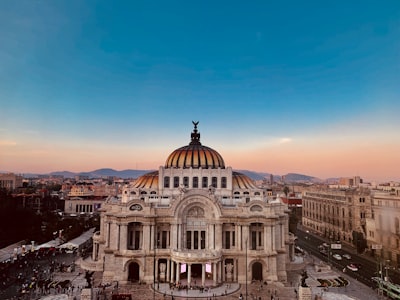
- Palacio de Bellas Artes: A magnificent architectural masterpiece, combining Art Nouveau, Art Deco, and Neoclassical styles. Houses murals by Rivera and Siqueiros, and hosts ballet and opera.
Museums Galore
- National Museum of Anthropology (Museo Nacional de Antropología): A world-class museum, essential for understanding Mexico's pre-Hispanic cultures. Spend at least half a day here.
- Museo Frida Kahlo (Casa Azul): The iconic blue house where Frida Kahlo was born, lived, and died. A pilgrimage site for art lovers. Book tickets well in advance!
- Museo Soumaya: Housed in an eye-catching, shimmering silver building in Polanco, boasting an impressive collection of European and Mexican art, including Rodin sculptures.
Culinary Adventures
- Street Food: A non-negotiable experience. Sample tacos al pastor, suadero, carnitas, tortas, esquites (corn salad), elotes (grilled corn), and tamales from street vendors. Look for long lines of locals – a good sign!
- Mercado de San Juan: Famous for exotic meats (deer, lion, crocodile, insects) and gourmet ingredients.
- Mercado de la Ciudadela: The place to go for artisan crafts, textiles, pottery, and souvenirs.
- Mercado de Coyoacán: A lively local market with food stalls, fresh produce, and crafts.
- Fine Dining: Mexico City is a culinary capital with several restaurants on the World's 50 Best list (Pujol, Quintonil).
- Cooking Classes: A fantastic way to delve deeper into Mexican cuisine.
Exploring Unique Neighborhoods
- Coyoacán: Wander its cobblestone streets, visit the main plaza (Jardín Centenario & Plaza Hidalgo), enjoy a churro, and explore the Casa Azul.
- San Ángel: A picturesque colonial neighborhood south of Coyoacán, famous for its Saturday Bazar Sábado (art market) and beautiful houses.
- Xochimilco: Board a colorful trajinera for a leisurely boat ride through ancient canals, accompanied by mariachis and floating food vendors. A unique, festive experience.
Beyond the City: Day Trips
- Teotihuacan Pyramids: An absolute must-do. Explore the ancient city, climb the Pyramids of the Sun and Moon, and walk the Avenue of the Dead. Easily accessible by bus from Autobuses del Norte station.
- Puebla: A beautiful colonial city known for its Talavera pottery and delicious mole poblano. A bit further but a rewarding trip.
Mexico City Food Guide: A Culinary Journey
Mexico City is a food lover's paradise.
- Tacos: The quintessential Mexican street food. Don't miss *tacos al pastor* (spit-roasted pork), *suadero* (confit beef), *carnitas* (fried pork), and *barbacoa* (slow-cooked lamb).
- Antojitos: "Little cravings" like *quesadillas* (often without cheese, specify *con queso*), *sopes* (thick tortillas with toppings), *tlacoyos* (oval masa tortillas), *gorditas* (stuffed fried masa), and *pambazos* (dipped and fried sandwiches).
- Drinks: Try *agua frescas* (fruit-infused waters), *horchata* (rice milk), *licuados* (fruit smoothies), *café de olla* (spiced coffee), and of course, *mezcal* or *tequila*. *Pulque*, an ancient fermented agave drink, is also worth a try for the adventurous.
- Breakfast: *Chilaquiles* (fried tortilla pieces with salsa, cheese, and cream) and *huevos rancheros* are staples.
Safety in Mexico City: Practical Advice
Mexico City has a reputation for being unsafe, but like any large city, awareness and common sense go a long way.
- General Awareness: Be aware of your surroundings, especially in crowded areas. Avoid flashing expensive jewelry or electronics.
- Pickpocketing: Common in crowded public transport and tourist areas. Keep valuables secure in an anti-theft bag or front pockets.
- Taxis/Ride-Sharing: Only use authorized airport taxis or ride-sharing apps (Uber, DiDi, Cabify). Avoid hailing random taxis on the street.
- Nightlife: Stick to well-lit, populated areas at night. Consider taking ride-sharing directly to and from venues.
- "No dar papaya": A local saying meaning "don't give papaya" or "don't make yourself an easy target." This encapsulates the need for vigilance.
- Altitude Sickness: Mexico City is at 2,240 meters (7,350 feet) above sea level. Take it easy on your first day, stay hydrated, and avoid heavy alcohol consumption.
- Water: DO NOT drink tap water. Use bottled water for drinking and brushing teeth.
- Emergency Numbers: Dial 911 for all emergencies (police, ambulance, fire).
Essential Spanish Phrases for Travelers
Even a few basic phrases can greatly enhance your experience.
- Hola/Buenos días/Buenas tardes/Buenas noches: Hello/Good morning/Good afternoon/Good night
- Permiso/Con permiso: Excuse me (to get past someone)
- Disculpa/Perdón: Excuse me/Sorry (to apologize or get attention)
- ¿Cuánto cuesta?: How much does it cost?
- La cuenta, por favor: The bill, please
- ¿Dónde está...?: Where is...?
- No entiendo: I don't understand
- ¿Habla inglés?: Do you speak English?
Mexico City Travel Tips: Before You Go
- Currency: Mexican Peso (MXN). ATMs are widely available, but inform your bank of your travel plans.
- Tipping: Customary for good service. 10-15% in restaurants, M$10-M$20 for bellhops/baggers, small change for street performers.
- Adapters: Mexico uses Type A and B sockets (two flat parallel pins or two flat parallel pins and a grounding pin), 127V, 60Hz. If you're from North America, you likely won't need an adapter.
- Altitude: Drink plenty of water and avoid strenuous activity on your first day. Alcohol can hit harder.
- Footwear: Bring comfortable walking shoes! You'll be doing a lot of exploring.
- Layers: The weather can change quickly from cool mornings to warm afternoons. Dress in layers.
- Sun Protection: Even on cloudy days, the high altitude means the sun is strong. Use sunscreen, wear a hat, and sunglasses.
FAQ: Your Mexico City Questions Answered
Is Mexico City safe for tourists?
Yes, generally Mexico City is safe for tourists, especially in the main tourist areas like Roma, Condesa, Polanco, and the Historic Center. Like any large metropolis, it has its challenges, but violent crime against tourists is rare. Be vigilant, use reputable transportation (Uber/DiDi/authorized taxis), don't flash valuables, and be aware of your surroundings, especially at night. Petty crime like pickpocketing can occur in crowded areas.
How many days do you need in Mexico City?
To experience the main highlights, a minimum of
4-5 full days is recommended. This allows you to explore the Historic Center, a couple of museums, a trendy neighborhood, and take a day trip to Teotihuacan. For a more relaxed pace and to delve deeper into various neighborhoods, food, and culture,
7-10 days would be ideal.
Can you drink tap water in Mexico City?
No, absolutely not. Tap water in Mexico City is generally not safe for drinking. Always stick to bottled water for drinking and brushing your teeth. Restaurants and hotels typically use purified water for cooking and ice.
What's the best way to get around Mexico City?
The
Metro and Metrobus systems are the most efficient and budget-friendly ways to navigate the city. For longer distances, late-night travel, or when you need convenience,
ride-sharing apps like Uber, DiDi, or Cabify are excellent and reasonably priced alternatives. Walking is also a great option for exploring within neighborhoods.
Do I need to speak Spanish in Mexico City?
While many people in tourist-heavy areas (hotels, popular restaurants, museums) will speak some English, knowing basic Spanish phrases will significantly enhance your experience. It helps with ordering food, asking for directions, and generally interacting with locals, who appreciate the effort. Use a translation app if needed.
Is Mexico City expensive?
Compared to many major global cities, Mexico City is relatively affordable, offering great value for money. Accommodation ranges from budget hostels to luxury hotels. Public transport is incredibly cheap. Street food is very inexpensive, and even mid-range restaurants are budget-friendly. Fine dining can be pricey, but still often less than in comparable cities elsewhere. Your budget will depend on your travel style, but it's possible to have a fantastic trip on a moderate budget.
What should I pack for Mexico City?
- Comfortable Walking Shoes: Essential for exploring.
- Layers: Temperatures can vary throughout the day.
- Rain Gear (during rainy season): A light jacket or umbrella.
- Sun Protection: Sunscreen, hat, sunglasses (due to high altitude).
- Small Daypack: For essentials, water, and souvenirs.
- Portable Power Bank: For your phone.
- Basic First-Aid: Including remedies for upset stomach or altitude sickness.
- Copies of Important Documents: Passport, visa, etc.
Mexico City is more than just a destination; it's an experience that awakens the senses and nourishes the soul. With its ancient roots, colonial charm, and vibrant modern pulse, CDMX promises an adventure like no other. Armed with this guide, you're ready to explore its bustling markets, savor its exquisite cuisine, immerse yourself in its rich history, and dance to its infectious rhythm. ¡Buen viaje!