Perth Visa Guide 2026 – Complete Australia Travel Guide
Perth, Australia: Your Ultimate Visa & Travel Guide to the Sunniest Capital
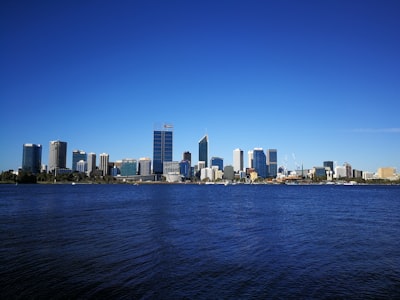
Perth, the vibrant capital of Western Australia, gleams on the banks of the Swan River, embodying a unique blend of sophisticated urban charm and stunning natural beauty. Renowned for its sun-drenched beaches, pristine parks, burgeoning culinary scene, and laid-back atmosphere, Perth offers an unforgettable experience for every type of traveler. From exploring the lush expanse of Kings Park to encountering the adorable quokkas of Rottnest Island, your Perth adventure promises relaxation, discovery, and exhilaration.
This comprehensive guide is your indispensable companion for planning a seamless trip to Perth. We'll navigate the often-tricky waters of Australian visa requirements, equip you with essential pre-trip planning tips, and provide practical, detailed advice on getting around, staying connected, and making the most of your visit – all designed to ensure your focus remains on enjoying Australia's sunniest capital.
Navigating Australian Visas for Your Perth Adventure
Understanding Australia's visa requirements is the first and most critical step in planning your trip to Perth. Australia has a strict visa policy, meaning almost all non-citizens need a valid visa to enter the country, regardless of their purpose of stay or duration.
Do I Need a Visa to Visit Australia?
Yes, with very few exceptions, all foreign nationals require a visa to enter Australia. This applies even if you are just transiting through an Australian airport for a short period. The type of visa you need will depend on your nationality, the purpose of your visit (tourism, business, study, work), and the length of your intended stay. For the vast majority of tourists heading to Perth, a short-stay tourist visa will be appropriate.
Popular Tourist Visa Options for Australia
For those planning a holiday or visiting friends and family in Perth, there are typically three main tourist visa options:
- eVisitor (subclass 651): This visa is available to passport holders from a wide range of European countries. It's a free visa that allows multiple visits to Australia for up to 3 months at a time within a 12-month period. Applications are made online through the Australian Department of Home Affairs website and are generally processed quickly. It's ideal for short holidays.
- Electronic Travel Authority (ETA) (subclass 601): Passport holders from certain eligible countries, including the United States, Canada, Japan, Singapore, and South Korea, can apply for an ETA. This visa also allows multiple visits for up to 3 months at a time within a 12-month period. There is typically a small service charge for the online application, which can be completed via the official ETA app or through an authorized travel agent. Processing is usually very fast, often instant.
- Visitor Visa (subclass 600): If you are not eligible for an eVisitor or ETA, or if you wish to stay for longer than 3 months (up to 6 or 12 months), you will likely need to apply for a Visitor Visa. This visa is available to all nationalities, but it involves a more comprehensive application process, including fees, and can take longer to process. It may also require providing more detailed documentation about your travel plans, financial situation, and ties to your home country.
Always ensure you apply for the correct visa type that matches the purpose and duration of your visit.
Key Requirements for Australian Tourist Visas
While specific requirements can vary slightly between visa types, common criteria for all Australian tourist visas include:
- Valid Passport: Your passport must be valid for at least six months beyond your intended stay in Australia.
- Good Health: You may need to undergo a health examination if requested by the Department of Home Affairs, especially for longer stays or if you're from a country with certain health risks.
- Good Character: You must have a clean criminal record. You may be asked to provide police certificates.
- Genuine Visitor Status: You must genuinely intend to visit Australia for tourism, recreational activities, or to visit family/friends, and not for purposes such as working or studying (unless specifically permitted by your visa type). You might need to provide evidence of strong ties to your home country (e.g., employment, property ownership) to demonstrate your intent to return.
- Sufficient Funds: You must demonstrate that you have adequate funds to support yourself during your stay in Australia without working illegally.
- No Outstanding Debts to the Australian Government: Any prior debts must be settled.
- Not an Overstayer: You must not have a history of overstaying previous Australian visas.
How to Apply for an Australian Tourist Visa
The application process for eVisitor and ETA visas is relatively straightforward and primarily online. For the Visitor Visa (subclass 600), the process is more involved:
1.
Create an ImmiAccount: For most online visa applications (especially the Visitor Visa), you'll need to create an ImmiAccount on the Department of Home Affairs website. This is your portal to apply, manage, and track your visa application.
2.
Gather Documents: Collect all necessary documents. This may include scanned copies of your passport, a recent passport-sized photograph, bank statements, proof of employment or studies, travel itinerary, flight bookings, accommodation reservations, and an invitation letter if visiting family/friends.
3.
Complete the Application Form: Fill out the online application form carefully and accurately. Any errors or omissions can lead to delays or refusal.
4.
Pay the Application Fee: If applicable, pay the visa application fee online using a credit or debit card.
5.
Submit and Wait: Once submitted, you will receive an acknowledgement. Visa processing times vary significantly depending on the visa type, the completeness of your application, and the volume of applications. It's crucial to apply well in advance of your planned travel date.
6.
Receive Your Visa Grant Notification: If your visa is granted, you will receive an email notification. It's advisable to print this out and carry it with you when you travel, although your visa is electronically linked to your passport.
Visa Application Tips and Common Pitfalls
- Apply Early: Don't leave your visa application to the last minute. Processing times can be unpredictable.
- Be Honest and Accurate: Provide truthful and complete information. Misrepresentation can lead to visa refusal or cancellation.
- Double-Check All Details: Ensure your passport number, name, and date of birth exactly match your passport.
- Provide Sufficient Evidence: The onus is on you to prove that you meet the visa requirements. Err on the side of providing more supporting documents rather than fewer.
- Understand Visa Conditions: Once granted, read your visa conditions carefully. These will specify the period of validity, length of stay, and whether you can work or study. Breaching visa conditions can have serious consequences.
- Do Not Overstay: Overstaying your visa can lead to immediate detention, deportation, and a ban from re-entering Australia for several years.
Beyond the Visa: Essential Pre-Trip Planning for Perth
With your visa sorted, it's time to fine-tune the rest of your Perth adventure. A little planning goes a long way in ensuring a smooth and enjoyable trip.
Best Time to Visit Perth
Perth boasts a Mediterranean climate, characterized by hot, dry summers and mild, wet winters.
- Spring (September - November): Widely considered the best time to visit. The weather is warm and pleasant (20-28°C), wildflowers are in bloom, and outdoor activities are at their peak. It's perfect for exploring Kings Park, the Swan Valley, and enjoying the beaches before the intense summer heat.
- Autumn (March - May): Another excellent period, offering warm days (20-28°C) and cooler evenings. The summer crowds have dispersed, making it ideal for leisurely exploration and outdoor dining.
- Summer (December - February): Hot and dry, with average temperatures often exceeding 30-35°C, sometimes reaching 40°C. This is peak beach season, popular for water sports and enjoying the coastal lifestyle. Be prepared for strong sun and plan activities for early mornings or evenings.
- Winter (June - August): Mild with more rainfall, but still plenty of sunny days. Temperatures average 10-20°C. It's a great time for cultural activities, indoor attractions, and whale watching (July-November). The rain is generally not continuous.
Currency and Budgeting
- Currency: The official currency is the Australian Dollar (AUD).
- Payment Methods: Credit and debit cards (Visa, Mastercard, American Express) are widely accepted everywhere, even for small transactions. Contactless payment (tap-and-go) is extremely common. ATMs are readily available. While some cash is useful for small purchases or local markets, you can often get by with just cards.
- Budgeting: Perth can be an expensive city, though careful planning can help.
- Accommodation: Hostels from AUD$30-60/night; mid-range hotels AUD$120-250/night; luxury hotels AUD$250+.
- Food: Casual meal AUD$15-25; restaurant meal AUD$30-60; coffee AUD$4.50-6; local beer AUD$10-14.
- Activities: Many natural attractions (beaches, Kings Park) are free. Entry fees for attractions like Rottnest Island ferry (AUD$70-120), Caversham Wildlife Park (AUD$30), tours (AUD$50-200+).
- Transport: Public transport is relatively affordable, especially with a SmartRider. Car rental can add up, especially with fuel.
Health and Safety
- Travel Insurance: Absolutely essential. Comprehensive travel insurance covering medical emergencies, trip cancellations, lost luggage, and personal liability is highly recommended. Australian healthcare can be very expensive for non-residents.
- Sun Protection: The Australian sun is incredibly strong. Always use broad-spectrum sunscreen (SPF 30+ or higher), wear a wide-brimmed hat, sunglasses, and protective clothing. Seek shade, especially between 10 am and 4 pm.
- Water: Tap water in Perth is safe to drink. Stay hydrated, especially in summer.
- Emergency Services: Dial 000 for police, fire, or ambulance in an emergency.
- Wildlife: While generally safe, be aware of natural wildlife. Follow advice regarding snakes and spiders if you venture into bushland. Always maintain a safe distance from wild animals.
Power Adapters
Australia uses Type I power outlets, which have two flat pins in a V-shape and often a third central earthing pin. The standard voltage is 230V with a frequency of 50Hz. You will need a travel adapter for your electronic devices if they use a different plug type, and potentially a voltage converter if your devices are not dual voltage.
Getting Around Perth: Your Transport Hub
Perth is a sprawling city, but its public transport network and various rental options make navigating it a breeze. Knowing your options will save you time and money.
Best SIM Card in Australia for Tourists
Staying connected is crucial for navigation, bookings, and sharing your adventures. Australia has three main mobile network providers: Telstra, Optus, and Vodafone. All offer prepaid plans suitable for tourists.
- Telstra: Known for having the widest and most reliable network coverage, especially important if you plan on venturing outside major cities or into regional areas of Western Australia. Their prepaid plans can be slightly more expensive but offer excellent value for coverage.
- Optus: A strong competitor to Telstra, Optus offers excellent coverage in urban and regional centres, including Perth and its surrounding areas. Their prepaid plans are often very competitive, providing good data allowances and international calls. Many tourists find Optus to be a good balance of cost and coverage.
- Vodafone: Offers good coverage in metropolitan areas and along major highways. While its network may not be as extensive as Telstra's in very remote locations, it's perfectly adequate for exploring Perth and popular tourist spots. Vodafone often has attractive deals, particularly for data.
Where to Buy:
- Perth Airport: Kiosks for Telstra, Optus, and Vodafone are available in the arrivals halls of both international (T1) and domestic (T3/T4) terminals. This is the most convenient option for immediate connectivity.
- Official Stores: Visit any Telstra, Optus, or Vodafone retail store in shopping centres or the CBD for expert advice and setup.
- Supermarkets/Convenience Stores: Major supermarkets like Coles and Woolworths, as well as convenience stores, sell SIM starter kits for all major providers. You'll then need to activate it online or by phone, often requiring a passport for ID verification.
Recommendations:
- For maximum coverage (e.g., if driving long distances outside Perth): Telstra.
- For a good balance of coverage and value in urban/popular areas: Optus.
- For budget-friendly options and city use: Vodafone.
Most prepaid tourist SIM cards come with generous data allowances (e.g., 20GB-60GB for 28 days), unlimited national calls and texts, and often some international call credit. Activation typically requires your passport details.
Public Transport in Perth
Perth's public transport system, operated by
Transperth, is efficient and comprehensive, covering buses, trains, and ferries. It's an excellent way to get around the city and its surrounding suburbs.
- SmartRider Card: This is your essential companion for public transport. Purchasing a SmartRider card (available at train stations, Transperth InfoCenters, and selected retail outlets) and topping it up will give you a significant discount (around 10-20%) on fares compared to cash tickets. You simply tap on when you board/enter a station and tap off when you alight/exit.
- Where to Buy/Top Up: Major train stations, Transperth InfoCenters (e.g., at Perth Underground, Elizabeth Quay), or online.
- Free Transit Zone (FTZ): A fantastic feature for tourists, the Perth CBD operates a Free Transit Zone. All bus and train services within the city centre are free of charge. This includes the popular CAT (Central Area Transit) buses (Red, Blue, Yellow, Green routes), which crisscross the city, connecting major attractions, shopping areas, and transport hubs. You don't need a SmartRider to use the CAT buses; just hop on and off.
- Trains: Perth's train network is modern and efficient, connecting the city centre to major suburbs and destinations like Fremantle and the airport. Lines include Joondalup, Fremantle, Midland, Armadale, Thornlie, and Airport.
- Buses: An extensive bus network covers areas not served by trains, reaching almost every suburb.
- Ferries: Transperth operates a ferry service across the Swan River between Elizabeth Quay and South Perth, offering scenic views of the city skyline.
- Fares and Zones: Perth's public transport operates on a zone system. Your fare is determined by the number of zones you travel through. You can use the Transperth website or app to plan your journey and calculate fares.
- Timetables and Apps: The Transperth app is highly recommended for real-time journey planning, checking timetables, and service updates. Google Maps also integrates Transperth data effectively. Services generally run from early morning until late at night, with reduced frequency on weekends and public holidays.
Car Rental / Bike Rental Options in Perth
For flexibility and exploring beyond the immediate city, renting a car or a bike can be an excellent choice.
- Major Companies: All major international car rental brands have a presence in Perth, including Hertz, Avis, Europcar, Budget, Thrifty, and Enterprise. They have counters at Perth Airport and various city locations.
- Local Companies: Smaller local rental companies can sometimes offer competitive rates, but always check reviews and terms carefully.
- Requirements: You typically need a valid driver's license (from your home country, printed in English or accompanied by an International Driving Permit (IDP) or certified English translation), a credit card in the driver's name, and usually must be over 21 (some companies may have a surcharge for drivers under 25).
- Benefits: A rental car provides the ultimate freedom to explore Western Australia's stunning regions, such as the Swan Valley wineries, Margaret River, the Pinnacles Desert, or the beautiful coastline stretching north and south of Perth.
- Driving in Australia: Australians drive on the left-hand side of the road. Speed limits are strictly enforced. Pay attention to road signs, especially in rural areas where wildlife can be a hazard.
- Explore on Two Wheels: Perth is a very bike-friendly city with numerous dedicated cycling paths, especially along the Swan River, the coastline, and through Kings Park.
- Where to Rent: You can find bike rental shops in the Perth CBD, at Elizabeth Quay, in Fremantle, and near popular cycling routes. Many offer a range of bikes, from standard cruisers to mountain bikes and electric bikes (e-bikes).
- E-Bikes: E-bikes are an excellent option for covering more ground with less effort, perfect for exploring longer routes like the riverside paths or Rottnest Island.
- Rottnest Island: Renting a bike is the primary way to explore Rottnest Island, with several rental outlets available upon arrival. Book in advance during peak season.
- Safety: Helmets are legally mandatory for all cyclists in Australia. Always wear one! Obey road rules and be aware of pedestrians.
Airport to City Transport Guide (Perth Airport - PER)
Perth Airport (PER) is located approximately 12-17 km east of the Perth CBD, depending on the terminal. Getting to and from the city is straightforward with several reliable options.
- Airport Train (Airport Line): The Easiest Option!
- Route: The new Airport Line directly connects Perth Airport to the city's train network.
- Stations: Perth Airport has three train stations: Airport Central Station (serving Terminals T1 and T2 via a walk/bus), Redcliffe Station (for T3 and T4 via a short walk/bus), and Bayswater Station (connection to Midland line).
- Journey: Trains run frequently to Perth Central Station and Perth Underground, taking approximately 18-25 minutes.
- Cost: A single adult fare using a SmartRider is around AUD$4-5, making it the most cost-effective and fastest option.
- Operating Hours: Trains run from early morning until late at night, 7 days a week.
- Route 380 (T1/T2 to Perth Esplanade Busport): This route serves Terminal 1 (International) and Terminal 2, connecting directly to Perth Esplanade Busport in the city centre. It takes approximately 40-50 minutes, depending on traffic.
- Route 40 (T3/T4 to Perth Esplanade Busport): This route serves Terminals 3 and 4 (primarily domestic) and also connects to Perth Esplanade Busport. Journey time is similar to Route 380.
- Cost: Standard Transperth fares apply. Use a SmartRider for discounts.
- Note: While available, the train is now significantly faster and more direct for most city destinations.
- Taxi/Rideshare (Uber, Ola, DiDi):
- Convenience: Taxis and rideshare services offer door-to-door convenience, especially if you have a lot of luggage or are traveling in a group.
- Cost: Expect to pay AUD$35-50 for a trip to the CBD, depending on traffic and terminal. Surge pricing can apply to rideshares during peak times.
- Pick-up Points: Dedicated pick-up zones are clearly signposted at all terminals.
- Shared Ride Shuttles: Several companies offer shared-ride shuttle services, which can be pre-booked. These are generally cheaper than a taxi for solo travelers but take longer as they make multiple stops.
- Private Transfers: Private car services can be pre-arranged for a more luxurious and direct transfer.
- All major car rental companies have desks at Perth Airport, typically within or very close to the terminals. This is ideal if you plan to drive extensively from the moment you arrive.
Budget Transport Tips in Perth
Navigating Perth doesn't have to break the bank. Here are some tips to keep your transport costs down:
- Invest in a SmartRider: This is the single best way to save on public transport fares. The initial card cost is quickly offset by the discounted fares, especially if you plan to use buses and trains frequently.
- Utilise the Free Transit Zone (FTZ): For exploring the Perth CBD, the free CAT buses are your best friend. They circulate frequently and cover all major city attractions, shopping areas, and the Elizabeth Quay precinct. You can also walk many parts of the CBD.
- Walk and Cycle: Perth is a beautiful city for walking and cycling, especially along the Swan River, through Kings Park, and along the coastal paths. Many key attractions are within walking distance of each other in the CBD.
- Consider Multi-Day/Family Passes (Check Transperth): While not always heavily advertised, inquire at Transperth InfoCenters if any special passes or multi-day tickets might suit your itinerary and offer savings over individual SmartRider fares.
- Off-Peak Travel: While not always yielding direct fare savings on Transperth (unless specific promotional offers are active), travelling outside peak hours means less crowded services and a more comfortable journey.
- Carpool for Day Trips: If renting a car for day trips, sharing the cost of rental and fuel with travel companions significantly reduces individual expenses.
- E-Scooters: For short-to-medium distances in the city, shared e-scooters (like Lime or Neuron) are available. They can be a fun and relatively affordable way to get around specific areas, just remember to ride responsibly and legally.
Unforgettable Experiences in Perth
Perth is brimming with attractions and activities that cater to all interests. Here’s a taste of what awaits you.
City Highlights
- Kings Park and Botanic Garden: One of the world's largest inner-city parks, offering stunning panoramic views of the city skyline and Swan River. Enjoy walking trails, botanical displays, playgrounds, and picnic spots. Don't miss the elevated Federation Walkway.
- Elizabeth Quay: A vibrant waterfront precinct connecting the city to the Swan River. Features include cafes, restaurants, public art, a playground, and ferry access to South Perth.
- Perth Mint: Step back in time and witness a gold pour, learn about WA's gold rush history, and even handle a solid gold bar.
- The Bell Tower: Home to the historic bells of Saint Martin-in-the-Fields, this unique architectural landmark offers impressive city views and the chance to ring the bells.
- London Court: A charming Tudor-style arcade built in 1937, famous for its quaint architecture and clock features.
Beach Bliss
Perth boasts some of Australia's most spectacular city beaches.
- Cottesloe Beach: Iconic for its golden sand, crystal-clear water, and famous Norfolk pines. Perfect for swimming, snorkeling, and watching the sunset.
- Scarborough Beach: A lively beachside precinct with a vibrant foreshore, restaurants, cafes, a skate park, and a public swimming pool. Popular for surfing.
- City Beach: A pristine and quieter option, ideal for families, with excellent facilities and a relaxed atmosphere.
Island Paradise
- Rottnest Island (Wadjemup): Just a short ferry ride from Fremantle or Perth, this car-free island paradise is a must-visit. Rent a bike, swim in secluded bays, snorkel in turquoise waters, and, of course, snap a selfie with the adorable quokka – a small marsupial native to the island. Book your ferry and bike rental in advance, especially during peak season.
Food & Drink Scene
- Fremantle Markets: A historic market offering a sensory feast of fresh produce, gourmet food, artisan crafts, and live entertainment. Open Friday to Sunday.
- Swan Valley: Western Australia's oldest wine region, just 30 minutes from the CBD. Enjoy wine tasting, craft breweries, distilleries, chocolate factories, and local produce.
- Northbridge: Perth's multicultural hub for dining and nightlife, offering an eclectic mix of restaurants, bars, and entertainment venues.
- Coastal Dining: Enjoy fresh seafood and stunning ocean views at the many restaurants and cafes along the Perth coastline.
Nature & Wildlife
- Caversham Wildlife Park: Get up close with Australia's native animals – hand-feed kangaroos, cuddle a koala, and watch farm shows. Located in Whiteman Park.
- Perth Zoo: Home to a diverse range of Australian and exotic animals, with a strong focus on conservation.
- Penguin Island (Rockingham): Take a short ferry to this nature reserve to see wild penguins, pelicans, and sea lions. Best visited between September and early June.
Day Trips from Perth
- Fremantle: A historic port city with a bohemian vibe. Explore the Fremantle Prison (a UNESCO World Heritage site), browse the markets, visit the Maritime Museum, and soak in the vibrant street art and cafe culture.
- Swan Valley: As mentioned, perfect for a day of indulgence in food and wine.
- Mandurah: Head south for dolphin cruises, crabbing, and beautiful waterways.
- The Pinnacles Desert (Nambung National Park): A unique natural landscape north of Perth, featuring thousands of limestone formations rising from yellow sand dunes. Best visited as part of a longer road trip or guided tour.
Where to Stay: Accommodation Options in Perth
Perth offers a wide array of accommodation options to suit every budget and travel style.
Budget-Friendly
- Hostels: Primarily found in Northbridge and Fremantle, offering dormitory beds and private rooms. Popular choices include The Old Fire Station Hostel and Spinners Hostel.
- Backpacker Lodges: Often provide basic amenities and a social atmosphere, ideal for solo travelers or those on a tight budget.
Mid-Range Comfort
- Hotels in CBD: Numerous 3-4 star hotels provide comfortable stays with good access to city attractions and public transport. Look for options around Elizabeth Quay, St Georges Terrace, or Hay Street.
- Serviced Apartments: Ideal for longer stays or families, offering kitchen facilities and more space.
- Fremantle: Offers a charming alternative, with boutique hotels and guesthouses in a more relaxed, historic setting.
Luxury Stays
- Upscale Hotels: Indulge in 5-star hotels offering exquisite dining, spa services, and stunning river or city views. The Ritz-Carlton, Crown Towers, and COMO The Treasury are top contenders.
- Boutique Hotels: Unique and stylish accommodations offering personalised service and distinctive design, often found in heritage buildings.
Unique Stays
- Airbnb/Holiday Rentals: A great option for experiencing local life, especially in suburbs like Cottesloe or South Perth, or for larger groups.
Handy Tips for a Smooth Perth Visit
A few extra tips can enhance your experience and keep you safe.
Sun Safety
Always remember "Slip, Slop, Slap, Seek, Slide":
- Slop on sunscreen (SPF 30+ or higher).
- Slide on sunglasses. The UV index can be extreme, even on cloudy days.
Tipping Culture
Tipping is not customary or expected in Australia, unlike in some other countries. Service charges are usually included in prices. However, if you receive exceptional service, a small tip (e.g., rounding up the bill, 10% for a fantastic meal) is always appreciated by staff but entirely at your discretion.
Emergency Services
For any emergency (police, fire, ambulance), dial
000 from any phone. This call is free.
Shopping Hours
General shopping hours are usually 9 am - 5 pm on weekdays, with late-night shopping often on Thursdays (until 9 pm). Weekend hours vary, with Sunday shopping usually from 11 am - 5 pm in the CBD and major shopping centres.
Water
Tap water in Perth is perfectly safe and delicious to drink. Carry a reusable water bottle to refill and stay hydrated.
Frequently Asked Questions About Visiting Perth
Here are answers to some common questions travelers have about Perth.
Q: Is Perth expensive for tourists?
A: Perth can be on the pricier side compared to Southeast Asian destinations, but it's comparable to other major Australian cities like Sydney or Melbourne. Accommodation, dining out, and alcohol can be expensive. However, many attractions like Kings Park and the beaches are free, and public transport is reasonable, especially with a SmartRider. Budget-conscious travelers can save by cooking some meals, utilizing free city transport, and choosing budget accommodation.
Q: How many days do I need in Perth?
A: To experience the main highlights of Perth and its immediate surrounds, a minimum of 3-5 full days is recommended. This allows for exploring the CBD, Kings Park, a beach day, and a day trip to Fremantle or Rottnest Island. If you wish to explore further (e.g., Swan Valley, longer coastal drives, Margaret River), extend your stay to 7-10 days.
Q: Can I use my foreign driving license in Perth?
A: Yes, if your valid overseas driver's license is printed in English, you can generally use it to drive in Western Australia for up to 3 months (or until your visa expires, whichever is shorter). If your license is not in English, you must carry an International Driving Permit (IDP) or a certified English translation along with your original license. Always carry your physical license and IDP (if applicable) when driving.
Q: What are the public transport hours in Perth?
A: Transperth services typically run from early morning (around 5:00-6:00 AM) until late at night (around 11:30 PM - 1:00 AM, depending on the line/route). Frequencies are higher during peak hours (morning and afternoon weekdays) and lower on weekends and public holidays. The Transperth app is the best way to check real-time schedules.
Q: Is Perth safe for solo travelers?
A: Absolutely. Perth is a very safe city, even for solo travelers. Like any major city, exercise common sense – be aware of your surroundings at night, don't leave valuables unattended, and stick to well-lit areas. Public transport is safe, and locals are generally friendly and helpful.
Q: What should I pack for Perth?
A: Regardless of the season, essentials include:
- Sun protection: Sunscreen, hat, sunglasses.
- Comfortable walking shoes: For exploring parks and city streets.
- Swimwear: If you plan on hitting the beaches.
- Light clothing: Breathable fabrics for warmer months.
- Layers: A light jacket or sweater is good for evenings, even in summer, and essential for cooler seasons.
- Reusable water bottle: For hydration and reducing waste.
Q: Do I need cash in Perth?
A: While having a small amount of cash can be useful for very small purchases or local markets, Perth is largely a cashless society. Credit and debit cards are accepted almost everywhere, and contactless payment is extremely common. You can easily get by using only cards.
Your Perth Adventure Awaits!
From the intricate details of visa applications to the exhilarating ride on a Rottnest Island ferry, this guide has aimed to equip you with all the practical knowledge needed for an unforgettable journey to Perth. This vibrant city, with its stunning landscapes, thriving culture, and welcoming atmosphere, is more than just a destination – it's an experience waiting to unfold. With careful planning, you can navigate its charms effortlessly, immersing yourself in everything from sun-kissed beaches to world-class wineries. So pack your bags, secure your visa, and prepare to discover the magic of Perth, Australia. Your adventure under the Western Australian sun beckons!