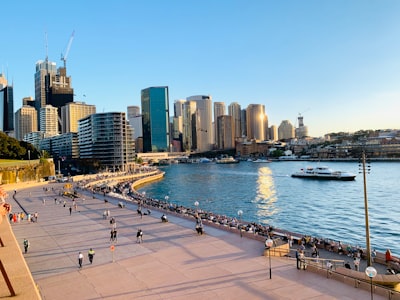
Singapore Travel Guide 2026 – Complete Singapore Travel Guide
Your Ultimate Singapore Travel Guide: Unlocking the Lion City's Wonders
Singapore, often hailed as a "City in a Garden," is a dazzling metropolis that effortlessly blends futuristic skyscrapers with lush green spaces, diverse cultures, and a culinary scene that will tantalize every palate. This island nation, a beacon of efficiency and innovation in Southeast Asia, offers an unparalleled travel experience, whether you're a solo adventurer, a couple seeking romance, or a family on vacation. From iconic architectural marvels to vibrant cultural enclaves and world-class attractions, Singapore promises an unforgettable journey.
This comprehensive travel guide is designed to equip you with all the practical knowledge you need to navigate Singapore like a pro, ensuring a smooth, enjoyable, and budget-savvy trip. We’ll delve into everything from getting around to staying connected, where to eat, what to see, and how to make the most of your time in this magnificent Lion City.
Getting to Singapore: Gateway Through Changi Airport
Most international visitors arrive in Singapore via the world-renowned Changi Airport (SIN). Consistently ranked as one of the best airports globally, Changi is an attraction in itself, boasting stunning gardens, entertainment options, and seamless connectivity.
Airport to City Transport Guide
Once you land at Changi, getting to your accommodation in the city center is straightforward, thanks to Singapore's excellent transport infrastructure. You have several efficient options:
1. MRT (Mass Rapid Transit) – The Economical Choice
The MRT is Singapore’s highly efficient and air-conditioned subway system, offering the most cost-effective way to reach the city.
- Route: From Changi Airport, take the East-West Line (Green Line). You'll typically need to transfer at Tanah Merah station to a train heading towards Joo Koon or Tuas Link, which will take you into the city.
- Travel Time: Approximately 40-60 minutes, depending on your destination.
- Cost: Around S$2.00 - S$2.50 for a single journey using an EZ-Link card or contactless credit/debit card.
- Operating Hours: Trains run from approximately 5:30 AM to midnight daily.
- Tip: This is the cheapest option, but if you have a lot of luggage, it can be a bit cumbersome during peak hours.
2. Airport Shuttle Service – Convenient and Direct
For a direct, hassle-free ride to most hotels and downtown locations, consider the Airport Shuttle.
- Service: This 24-hour service operates mini-buses that will drop you directly at your hotel door (or nearest designated stop).
- Booking: You can book at the Ground Transport Desks located in the Arrival Halls of all terminals.
- Travel Time: Varies greatly depending on traffic and the number of stops, typically 30-60 minutes.
- Cost: Approximately S$10 per adult, S$7 per child.
- Tip: A good balance between cost and convenience, especially if you're arriving late or have moderate luggage.
3. Taxis & Ride-sharing Services – Comfort and Speed
For door-to-door convenience and speed, taxis and ride-sharing apps are excellent choices.
- Taxis: Available 24/7 at designated taxi stands outside the Arrival Halls. Singaporean taxis are clean, metered, and drivers are generally reliable.
- Cost: Expect to pay S$20-S$40, depending on traffic, time of day (surcharges apply for late-night, peak hours, and ERP charges), and your destination. A typical ride to the city center costs around S$25-S$35.
- Travel Time: 20-30 minutes.
- Ride-sharing (Grab, Gojek): Download the Grab or Gojek apps (Grab is more dominant in Singapore) before you arrive. You can book a ride directly from your phone.
- Cost: Often slightly cheaper than taxis, especially during non-peak hours, but subject to dynamic pricing.
- Travel Time: Similar to taxis.
- Tip: Ideal if you're traveling with a group, have heavy luggage, or prioritize comfort and speed.
4. Private Airport Transfer – Luxury and Peace of Mind
For the ultimate in convenience and a premium experience, pre-arrange a private airport transfer.
- Service: A driver will meet you at the arrival hall with a name sign and take you directly to your accommodation in a comfortable vehicle.
- Booking: Can be booked through your hotel, travel agencies, or online platforms.
- Cost: Typically S$50 and upwards, depending on the vehicle type.
- Tip: Best for those seeking a luxurious, stress-free start to their trip, or for corporate travelers.
Best Time to Visit Singapore
Singapore has a tropical rainforest climate, meaning it's generally hot and humid year-round, with temperatures averaging around 25-31°C (77-88°F). Rain showers are common but usually brief.
- Peak Season (December to June): This period generally sees slightly cooler temperatures and less rainfall. It coincides with major holidays like Christmas, New Year, and Chinese New Year, meaning higher prices and larger crowds.
- Shoulder Season (July to November): While still warm, this period might experience more rain, especially from September to November. However, it’s also when major sales (like the Great Singapore Sale) and festivals occur, offering good value and unique experiences without the peak season crowds.
- Our Recommendation: Any time is a good time to visit Singapore, as most attractions are indoors or have good shelter. However, if you prefer slightly less humidity and don't mind the crowds, the December to June window is popular. For better deals and fewer tourists, consider the shoulder months.
Visa & Entry Requirements
Singapore has a relatively liberal visa policy, but it's crucial to check the specific requirements based on your nationality well in advance of your trip. Most Western passport holders can enter Singapore visa-free for stays ranging from 14 to 90 days. Always ensure your passport is valid for at least six months beyond your intended stay. For the most up-to-date information, consult the official website of the Immigration & Checkpoints Authority (ICA) of Singapore.
Best SIM Card in Singapore for Tourists
Staying connected in Singapore is easy and affordable, allowing you to navigate, share your experiences, and keep in touch. Buying a local SIM card is highly recommended.
Major Mobile Operators:
Singapore has three main mobile operators:
1.
Singtel: The largest provider, offering excellent coverage and a variety of tourist-friendly plans.
2.
StarHub: Another strong contender with competitive plans and good network reliability.
3.
M1: The third major player, also offering good options for visitors.
Types of Tourist SIM Cards:
All three operators offer dedicated "Tourist SIM cards" or "Prepaid Tourist SIMs" that are tailored for short-term visitors. These typically include a generous data allowance, local talk time, and sometimes international calls/SMS.
- Data Allowance: Usually ranges from 10GB to 100GB or even unlimited data for varying validity periods (e.g., 7 days, 10 days, 14 days, 30 days).
- Local Calls/SMS: Ample allowances are usually included.
- International Calls/SMS: Some plans offer a small credit for international communication.
- Validity: Common options are 7, 10, 14, or 30 days.
Where to Buy a Tourist SIM Card:
1.
Changi Airport (Recommended): This is the easiest and most convenient place to purchase a SIM.
- Departure/Arrival Halls: Look for kiosks or counters of Singtel, StarHub, or M1.
- 7-Eleven / Cheers Convenience Stores: Many convenience stores within the airport and throughout the city sell SIM cards.
- Money Changers: Some money changers at the airport also sell SIM cards.
2.
City Stores:
- Operator Retail Stores: Visit official Singtel, StarHub, or M1 outlets in major shopping malls.
- 7-Eleven / Cheers Convenience Stores: Widely available across the island.
3.
Online (e-SIM):
- For supported phones, consider an e-SIM from providers like Airalo, Nomad, or the local operators themselves (though local operator e-SIMs might require activation in-store initially). This allows you to activate your plan before you even land.
What You'll Need to Purchase:
You will need your
passport for registration, as required by Singaporean law. The staff will help you activate the SIM card.
Estimated Costs:
- A 7-day SIM with ample data (e.g., 10GB-30GB) typically costs around S$12-S$15.
- A 12-day to 15-day SIM with more data (e.g., 100GB or unlimited) can range from S$20-S$30.
Tip for Savvy Travelers:
- Compare Plans: Briefly check the current offers from all three providers at the airport. They often have competitive promotions.
- Data Needs: Estimate your data usage. If you rely heavily on Google Maps, social media, and streaming, opt for a higher data allowance.
- Hotspot: Most tourist SIMs allow tethering, so you can share your data with travel companions.
- WhatsApp/Messaging Apps: Download these before you arrive to communicate easily with locals and family back home.
Getting Around Singapore: A Masterclass in Efficiency
Singapore's public transportation system is renowned for its efficiency, cleanliness, and extensive coverage, making it incredibly easy to navigate the city without a private car.
Public Transport in Singapore
Singapore's public transport primarily consists of the MRT (Mass Rapid Transit) train network and public buses. Both are integrated and offer excellent connectivity.
1. MRT (Mass Rapid Transit) – The Backbone of Public Transport
The MRT is undoubtedly the fastest and most convenient way to get around Singapore. It's fully air-conditioned, clean, safe, and covers most major attractions and neighborhoods.
- Lines: Singapore’s MRT network comprises several lines, each color-coded:
- Circle Line (Orange/Yellow)
- Thomson-East Coast Line (Brown)
- Operating Hours: Generally from 5:30 AM to midnight daily, with extended hours on public holidays and eves of public holidays.
- Fares: Fares are distance-based and very affordable, typically ranging from S$0.92 to S$2.50 for most journeys within the city.
Payment Options for MRT and Buses:
- EZ-Link Card: This is a reloadable contactless smart card used for public transport. You can purchase one at MRT stations, convenience stores (7-Eleven, Cheers), or larger post offices.
- Cost: S$10 (S$5 for the non-refundable card cost, S$5 stored value). You can top up in increments.
- Benefits: Offers slightly cheaper fares than single-trip tickets and the convenience of tap-and-go.
- Singapore Tourist Pass (STP): An excellent option for visitors planning extensive use of public transport.
- Benefits: Offers unlimited travel on MRT, LRT, and basic bus services for a chosen duration.
- 1-day Pass: S$10 (plus S$10 refundable deposit)
- 2-day Pass: S$16 (plus S$10 refundable deposit)
- 3-day Pass: S$22 (plus S$10 refundable deposit)
- Where to Buy: TransitLink Ticket Offices at select MRT stations (e.g., Changi Airport, Orchard, Chinatown, Bugis, VivoCity).
- Tip: Calculate if it's cost-effective for your itinerary. If you're doing 4-5 rides per day, it's usually worth it.
- Contactless Credit/Debit Cards (SimplyGo): Most international Visa, Mastercard, and American Express contactless credit/debit cards are accepted directly on MRT gates and bus readers.
- Benefits: No need to buy a separate card; just tap your existing card.
- Tip: Check with your bank about foreign transaction fees, as these might add up.
- Single-Trip Tickets (Standard Ticket): You can purchase single-trip tickets from general ticket machines at MRT stations. These are slightly more expensive than EZ-Link or SimplyGo options.
2. Public Buses – Connecting Every Corner
Singapore’s bus network is comprehensive, reaching areas not covered by the MRT and offering a scenic way to see the city. Buses are also air-conditioned and comfortable.
- Routes: Extensive routes cover the entire island. Use Google Maps or the official MyTransport.SG app to plan your bus journeys.
- Payment: Use your EZ-Link card, Singapore Tourist Pass, or contactless credit/debit card (SimplyGo) by tapping when you board and tapping again when you alight. Cash payment is possible but requires exact change and is more cumbersome.
- Tip: Buses are great for short distances and experiencing local life. They can be slower than the MRT due to traffic, especially during peak hours.
Car Rental / Bike Rental options in Singapore
While public transport is excellent, there might be specific situations where you consider car or bike rental.
1. Car Rental in Singapore
- Rarely for Tourists: For most tourists focusing on city attractions, car rental is generally *not* recommended. Singapore's public transport is superior for city navigation.
- Specific Needs: If you plan to explore very remote areas (which are few), frequently transport bulky items, or have very specific mobility needs, it might be an option.
- Cross-Border Trips: If you plan a day trip into Malaysia (Johor Bahru), a rental car *might* be useful, but check rental company policies and cross-border fees carefully.
- Providers: Major international rental companies operate in Singapore, including Hertz, Avis, Budget, Europcar, and local companies like BlueSG (electric car sharing).
- Left-Hand Traffic: Singapore drives on the left.
- Electronic Road Pricing (ERP): Many roads, especially in the city center, have electronic gantries that charge a fee during peak hours. Rental cars will have an In-vehicle Unit (IU) to manage this, and charges will be added to your bill.
- Parking: Parking can be expensive and sometimes scarce in popular areas.
- Traffic: Roads are generally well-maintained but traffic can be heavy during peak hours.
- Cost: Rental costs can be high, starting from S$80-S$150 per day for a basic car, plus fuel, parking, and ERP charges.
- Requirements: Valid international driving permit (IDP) along with your domestic license, and a credit card.
- Tip: Before committing, seriously weigh the costs (rental, fuel, parking, ERP, insurance) against the convenience and affordability of public transport and ride-sharing. For most, it's an unnecessary expense and hassle.
2. Bike Rental Options in Singapore (Bicycles & Scooters)
- Purpose: Primarily for leisure and exploring parks, park connectors, or specific districts rather than commuting across the city. Singapore is very walkable, but cycling can be a fun way to see certain areas.
- Bike-sharing apps: SG Bike, Anywheel are common. Download the app, locate a bike, unlock it, and pay per minute/hour. Rates are very affordable.
- Rental Shops: Available at popular cycling spots like East Coast Park, Pulau Ubin, and around Gardens by the Bay.
- Popular Areas for Cycling: East Coast Park, Coney Island, Pulau Ubin, Marina Bay Sands area.
- Electric Scooters (e-scooters):
- Regulations: Rules for e-scooters are very strict in Singapore. They are generally *not allowed* on footpaths and are restricted to specific cycling paths. For tourists, it's generally not a practical or recommended mode of transport for getting around. Stick to bicycles if you want a two-wheeled experience.
Taxis & Ride-Sharing
- Taxis: Readily available and can be flagged down on the street (except in specific areas like bus stops or taxi stands). You can also book via apps like ComfortDelGro.
- Surcharges: Be aware of surcharges for peak hours, late nights, booking fees, ERP, and airport pick-ups/drop-offs.
- Ride-sharing (Grab, Gojek): Uber has left Southeast Asia, and Grab is the dominant ride-sharing app. Gojek is also available. Download these apps for convenient booking and upfront fare estimates.
- Tip: These are excellent for late-night travel after MRT services stop, or when you're tired and want direct transport.
Budget Transport Tips
- Embrace the MRT & Buses: This is your number one budget-friendly strategy. Invest in an EZ-Link card or a Singapore Tourist Pass.
- Walk, Walk, Walk: Singapore is incredibly pedestrian-friendly. Many attractions, especially within precincts like Marina Bay, Chinatown, or Kampong Glam, are within easy walking distance of each other or an MRT station. Walking allows you to soak in the atmosphere and save money.
- Avoid Taxis/Ride-Shares During Peak Hours: Dynamic pricing on ride-sharing apps and surcharges on taxis mean prices surge during rush hour (approx. 7 AM-9:30 AM and 5 PM-8 PM on weekdays) and late nights. Plan your travel accordingly.
- Utilize Free Shuttle Buses: Some hotels and attractions (e.g., Resorts World Sentosa) offer complimentary shuttle services from specific MRT stations or city locations. Check their websites.
- Plan Your Route: Use Google Maps or MyTransport.SG to plan your public transport routes effectively, minimizing transfers and ensuring you choose the most efficient option.
Top Attractions & Things to Do in Singapore
Singapore boasts an impressive array of attractions, catering to all interests. Here’s a curated list of must-visit spots:
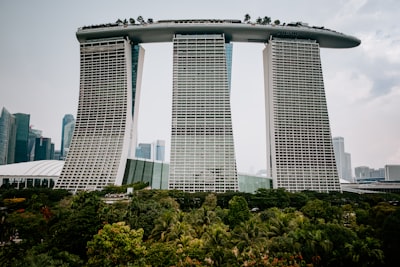
1. Marina Bay Sands & SkyPark
An architectural marvel, Marina Bay Sands is an integrated resort featuring a luxury hotel, convention center, shopping mall, casino, and the iconic SkyPark.
- SkyPark Observation Deck: Offers breathtaking panoramic views of the city skyline, Gardens by the Bay, and the Singapore Strait. A must-do, especially at sunset.
- ArtScience Museum: Housed in a lotus-inspired building, it features innovative exhibitions blending art, science, culture, and technology.
- The Shoppes at Marina Bay Sands: High-end shopping and dining.
- Spectra – A Light & Water Show: A captivating free outdoor show performed nightly over the Marina Bay waterfront.
2. Gardens by the Bay
Adjacent to Marina Bay Sands, this futuristic park is a horticultural masterpiece.
- Supertree Grove: Iconic vertical gardens that light up spectacularly at night during the Garden Rhapsody show. You can walk the OCBC Skyway between some of the Supertrees.
- Cloud Forest: A mist-filled conservatory featuring a 35-meter-tall indoor waterfall and diverse plant life from tropical highlands.
- Flower Dome: The world's largest glass greenhouse, showcasing flowers and plants from Mediterranean and semi-arid regions.
- Admission: Supertree Grove (free), OCBC Skyway, Cloud Forest, and Flower Dome (paid entry).
3. Sentosa Island – The State of Fun
A resort island packed with theme parks, beaches, and attractions, accessible via monorail, cable car, or a scenic boardwalk.
- Universal Studios Singapore: A premier theme park with rides and shows based on popular movies.
- S.E.A. Aquarium: One of the world's largest aquariums, home to over 100,000 marine animals.
- Palawan, Siloso, and Tanjong Beaches: Relax on the artificial beaches, enjoy water sports, or visit the Southernmost Point of Continental Asia.
- Adventure Cove Waterpark: Thrilling water slides and interaction with marine life.
- Crane Dance & Wings of Time: Nightly shows (check schedules) at Resorts World Sentosa and Siloso Beach, respectively.
4. Chinatown
A vibrant historical district showcasing Singapore's Chinese heritage.
- Buddha Tooth Relic Temple and Museum: A stunning temple housing what is believed to be a tooth relic of Buddha.
- Sri Mariamman Temple: Singapore's oldest Hindu temple.
- Maxwell Food Centre: A legendary hawker center renowned for its Hainanese Chicken Rice (Tian Tian!).
- Pagoda Street, Smith Street, Trengganu Street: Explore traditional shophouses, street markets, and find souvenirs.
5. Little India
Immerse yourself in the sights, sounds, and smells of India in this colorful precinct.
- Sri Veeramakaliamman Temple: A beautiful Hindu temple dedicated to the goddess Kali.
- Mustafa Centre: A massive 24-hour department store selling everything imaginable, from electronics to groceries and jewelry.
- Tekka Centre: A multi-faceted complex with a wet market, hawker center, and Indian apparel stalls.
- Serangoon Road: Browse spice shops, flower garland makers, and traditional Indian clothing.
6. Kampong Glam (Arab Street)
Singapore's Malay-Arab quarter, brimming with history, culture, and trendy boutiques.
- Sultan Mosque (Masjid Sultan): A majestic mosque with a golden dome, the focal point of the district.
- Haji Lane: A narrow, colorful street lined with independent fashion boutiques, quirky cafes, and vibrant street art.
- Bussorah Street: Enjoy Middle Eastern cuisine, shisha cafes, and explore carpet shops.
7. Orchard Road
Singapore's premier shopping street, a dazzling stretch of high-end malls, boutiques, and department stores. Even if you're not a shopper, it's worth a stroll to experience the energy.
8. Singapore Zoo, Night Safari & River Wonders
Located in the Mandai Wildlife Reserve, these award-winning parks offer unique wildlife encounters.
- Singapore Zoo: Known for its "open concept" enclosures, providing naturalistic habitats for animals.
- Night Safari: The world's first nocturnal zoo, offering tram and walking trails to see animals active at night.
- River Wonders (formerly River Safari): Focuses on riverine habitats from around the world, featuring giant pandas Kai Kai and Jia Jia.
9. ArtScience Museum & National Gallery Singapore
- ArtScience Museum: (Mentioned above, but reiterate its importance for culture buffs).
- National Gallery Singapore: Housed in beautifully restored colonial buildings, this museum features the world's largest public collection of Singaporean and Southeast Asian modern art.
10. Hawker Centers – A Culinary Adventure
Singapore's hawker centers are a UNESCO-recognized cultural phenomenon and a must-experience for any food lover. They offer an incredible variety of delicious and affordable local dishes.
- Must-visit Hawker Centers: Lau Pa Sat, Maxwell Food Centre, Old Airport Road Food Centre, Tiong Bahru Market, Amoy Street Food Centre.
Where to Stay in Singapore
Singapore offers a wide range of accommodation options, from luxurious resorts to budget-friendly hostels. Choosing the right neighborhood depends on your budget and interests.
- Marina Bay / City Hall: (Luxury/Mid-range) Iconic views, close to major attractions (Marina Bay Sands, Gardens by the Bay, National Gallery). Perfect for first-timers and those seeking convenience and spectacle.
- Orchard Road: (Luxury/Mid-range) Best for shopping enthusiasts and those who enjoy a bustling, upscale environment. Excellent transport links.
- Chinatown / Clarke Quay / Boat Quay: (Mid-range/Budget) Vibrant nightlife, cultural immersion, good food options. Clarke Quay is known for its bars and restaurants. Chinatown offers a mix of boutique hotels and hostels.
- Kampong Glam / Little India: (Budget/Mid-range) Cultural enclaves with charming boutique hotels and guesthouses. Great for experiencing different facets of Singaporean culture and finding unique food.
- Sentosa Island: (Luxury/Mid-range) Ideal for families and those prioritizing theme parks, beaches, and resort amenities. A bit isolated from the main city.
- Bugis / Bras Basah: (Mid-range/Budget) A dynamic area offering good shopping, cultural sites, and a mix of accommodations. Close to Kampong Glam and a major MRT interchange.
Foodie Paradise: What to Eat in Singapore
Singapore is a culinary melting pot, a true paradise for food lovers. Eating is a national pastime, and you'll find everything from Michelin-starred fine dining to incredible street food at hawker centers.
- Hainanese Chicken Rice: Singapore’s national dish. Poached chicken, fragrant rice cooked in chicken broth, with chili and ginger sauces. (Tian Tian Hainanese Chicken Rice at Maxwell Food Centre is famous).
- Chilli Crab: Whole crab stir-fried in a savory, sweet, and spicy tomato-based sauce, often served with mantou (fried buns) for dipping.
- Laksa: A rich, spicy coconut milk-based noodle soup with vermicelli, prawns, fish cake, and cockles. (Katong Laksa is a popular variant).
- Satay: Skewered and grilled meat (chicken, beef, mutton) served with a sweet and spicy peanut sauce. Best enjoyed at Lau Pa Sat.
- Char Kway Teow: Flat rice noodles stir-fried with dark soy sauce, cockles, Chinese sausage, eggs, and bean sprouts.
- Roti Prata: An Indian flatbread, crispy on the outside, soft on the inside, served with curry.
- Kaya Toast & Soft-Boiled Eggs: A classic Singaporean breakfast – toast with coconut jam and butter, served with half-boiled eggs and strong coffee (kopi) or tea (teh).
- Rojak: A fruit and vegetable salad tossed in a sticky, sweet, and spicy prawn paste dressing.
- Durian: The "king of fruits." Known for its pungent smell and creamy texture. An acquired taste, but a must-try for the adventurous!
Dining Tip: Don't be afraid to try different hawker stalls. Look for queues – a long line usually indicates good food!
Safety & Local Etiquette
Singapore is one of the safest cities in the world, with low crime rates. However, it's always wise to be aware of your surroundings.
- Laws: Singapore has strict laws and penalties.
- Littering: Fines for littering are steep.
- Chewing Gum: Importing and selling chewing gum is illegal (medical exceptions apply). Don't bring it in.
- Smoking: Restricted to designated areas. Vaping is illegal.
- Drugs: Severe penalties, including the death penalty, for drug trafficking.
- Tipping: Tipping is not customary in Singapore as a service charge (10%) is often added to restaurant bills. You don't need to tip taxi drivers or hawker stall owners.
- Dress Code: Generally casual for tourists, but modest dress is appreciated when visiting religious sites (shoulders and knees covered).
- Public Decorum: Avoid loud conversations on public transport. Queuing is expected.
- Tap Water: Tap water is safe to drink.
- Language: English is one of the four official languages and widely spoken, making communication easy.
Practical Tips for Your Singapore Trip
- Currency: Singapore Dollar (SGD). Credit cards are widely accepted, but it's good to have some cash for hawker centers and small shops.
- Electricity: Type G plug (three rectangular pins), 230V, 50Hz.
- Grab/Gojek: For ride-sharing.
- Google Maps: Essential for navigation (public transport and walking).
- MyTransport.SG: Official app for MRT and bus information.
- Weather apps: To check for rain.
- Best Time to Book: Book flights and accommodation well in advance, especially during peak seasons or major events.
- Stay Hydrated: The humidity can be intense. Drink plenty of water.
- Sun Protection: Wear sunscreen, a hat, and sunglasses, even on cloudy days.
FAQ: Your Singapore Travel Questions Answered
Q: Is Singapore an expensive city to visit?
A: Singapore can be perceived as expensive, especially compared to other Southeast Asian countries. Accommodation and alcohol can be pricey. However, public transport is cheap, and delicious food at hawker centers is incredibly affordable, allowing you to manage your budget effectively.
Q: How many days do I need to visit Singapore?
A: A minimum of 3-4 full days allows you to cover the main highlights (Marina Bay, Gardens by the Bay, Sentosa, a couple of cultural districts). For a more relaxed trip with deeper exploration, 5-7 days is ideal.
Q: Do I need a visa for Singapore?
A: It depends on your nationality. Many countries enjoy visa-free entry for short stays. Always check the official Immigration & Checkpoints Authority (ICA) website for the latest requirements specific to your passport.
Q: What's the best currency to use in Singapore?
A: The official currency is the Singapore Dollar (SGD). Credit cards are widely accepted, but it's good to have some cash for smaller purchases, hawker centers, and local markets.
Q: Is tap water safe to drink in Singapore?
A: Yes, tap water in Singapore is potable and safe to drink directly from the tap. Carrying a reusable water bottle is recommended.
Q: What are the typical opening hours for attractions and shops?
A: Most shopping malls open around 10 AM and close around 9 PM or 10 PM. Attractions generally open between 9 AM and 10 AM and close between 6 PM and 10 PM, with some having later hours (e.g., Night Safari, Spectra show). Hawker centers often open early and close late, with some operating 24/7.
Q: What should I pack for a trip to Singapore?
A: Pack light, breathable clothing (cotton, linen) due to the tropical climate. Include comfortable walking shoes, swimwear, and a light cardigan or shawl for air-conditioned indoors. Don't forget sunscreen, insect repellent, and an umbrella or light raincoat for sudden downpours.
Q: Can I use my credit card everywhere?
A: Almost all major establishments, hotels, restaurants, and larger shops accept credit cards. However, for hawker centers, street food stalls, and some smaller local shops, cash is still preferred or sometimes the only option.
Q: Is Singapore safe for solo female travelers?
A: Absolutely. Singapore is widely considered one of the safest cities in the world, with extremely low crime rates, even at night. Solo female travelers can explore with confidence.
Conclusion
Singapore is a dynamic, multifaceted city that constantly reinvents itself, offering a captivating blend of tradition and innovation. With its world-class infrastructure, diverse culture, mouth-watering cuisine, and stunning attractions, it truly lives up to its reputation as a premier travel destination. By following this practical guide, you’re well-equipped to navigate the Lion City efficiently, delve into its rich experiences, and create memories that will last a lifetime. So pack your bags, prepare for an adventure, and get ready to be charmed by the unique magic of Singapore!