Sydney Best Travel Destination 2026 – Complete Australia Travel Guide
Sydney: Your Ultimate Guide to Australia's Iconic Harbour City
Welcome to Sydney, Australia's dazzling jewel, where sun-kissed beaches meet a vibrant urban landscape, and iconic landmarks stand proudly against a backdrop of breathtaking natural beauty. As one of the world's most dynamic and picturesque cities, Sydney offers an unparalleled travel experience, captivating visitors with its unique blend of adventure, culture, and relaxation. From the architectural marvel of the Sydney Opera House to the golden sands of Bondi Beach, every corner of this harbour city promises discovery and delight.
This comprehensive guide is designed to be your essential companion for planning an unforgettable trip to Sydney. We’ll dive deep into why Sydney is consistently ranked as a top travel destination, explore its must-see attractions, unravel its diverse culinary scene, and provide practical, in-depth advice on everything from transportation and accommodation to staying connected with the best SIM card options. Get ready to explore the best of Sydney and discover why it truly is the ultimate Australian adventure.
Why Sydney is the Best Travel Destination in Australia
Sydney’s allure is undeniable, drawing millions of visitors each year with its magnetic charm and a seemingly endless array of attractions. It's not just a city; it's an experience that embodies the vibrant spirit of Australia.
Iconic Landmarks and Breathtaking Views
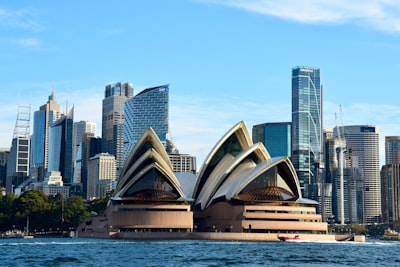
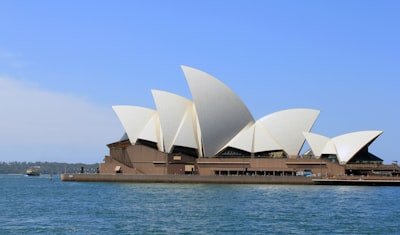
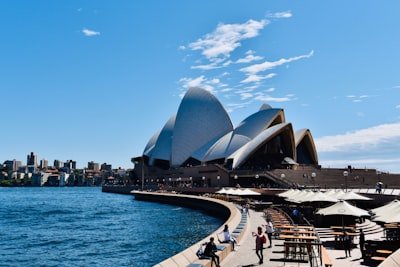
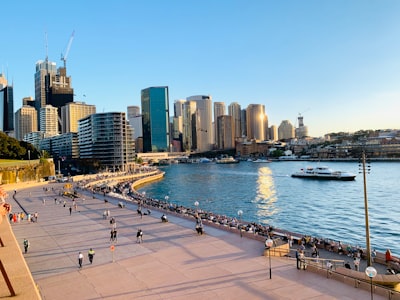
Sydney is instantly recognisable worldwide thanks to its majestic Sydney Opera House and the monumental Sydney Harbour Bridge. These architectural masterpieces are more than just photo opportunities; they are symbols of Australian ingenuity and offer incredible experiences, from world-class performances to exhilarating bridge climbs. The panoramic views of the harbour, particularly at sunrise or sunset, are simply unforgettable, cementing Sydney's status as a city of visual splendour.
World-Class Beaches and Coastal Adventures
Boasting over 100 beaches, Sydney offers a coastal lifestyle that few other major cities can rival. From the legendary waves of Bondi Beach, a mecca for surfers and sunbathers, to the tranquil shores of Manly, accessible by a scenic ferry ride, there’s a beach for every mood. Beyond swimming and surfing, Sydney’s dramatic coastline is perfect for scenic walks, like the famous Bondi to Coogee Coastal Walk, revealing hidden coves, stunning cliffs, and vibrant ocean pools along the way.
Vibrant Culture and Culinary Delights
Sydney is a melting pot of cultures, reflected in its diverse neighbourhoods, bustling markets, and an extraordinary food scene. From sophisticated fine dining establishments offering innovative Australian cuisine to casual cafes, bustling food trucks, and authentic international eateries, the city caters to every palate and budget. The arts thrive here too, with numerous galleries, theatres, and live music venues presenting a rich cultural tapestry.
Lush Green Spaces and Wildlife Encounters
Amidst the urban bustle, Sydney is remarkably green. The Royal Botanic Garden offers a peaceful oasis, while Centennial Park provides vast open spaces for recreation. For wildlife enthusiasts, Taronga Zoo Sydney offers close encounters with native Australian animals and global species, all set against a stunning harbour backdrop. Even within the city limits, you might spot lorikeets, cockatoos, and other fascinating birds.
Thrilling Events and Festivals
Sydney's calendar is packed with exciting events year-round. From the spectacular New Year's Eve fireworks over the Harbour to the vibrant Mardi Gras parade, the Vivid Sydney light festival, and various sporting events, there's always something happening. These events inject an electric energy into the city, offering unique cultural experiences for visitors.
Must-Do Experiences and Attractions in Sydney
To truly grasp the essence of Sydney, here's a curated list of experiences that should top every traveler's itinerary.
Sydney Opera House and Harbour Bridge Climb
No visit to Sydney is complete without marveling at the Sydney Opera House. Take a guided tour to learn about its history and architecture, or better yet, catch a world-class performance. For the adventurous, the Sydney Harbour Bridge Climb offers an exhilarating experience with unparalleled 360-degree views of the city, harbour, and beyond. There are various climb options available, from dawn to dusk.
Bondi Beach and Coastal Walks
Immerse yourself in Australia's iconic beach culture at Bondi. Take a surf lesson, relax on the sand, or enjoy a meal at one of the many trendy cafes. The Bondi to Coogee Coastal Walk is a must-do, a 6km picturesque trail that winds past stunning beaches, cliffs, and ocean pools, offering spectacular views every step of the way.
Taronga Zoo Sydney
Located on the shores of Sydney Harbour, Taronga Zoo offers an incredible opportunity to get up close with native Australian wildlife, including koalas, kangaroos, and platypuses, as well as exotic animals from around the world. The ferry ride to the zoo from Circular Quay offers fantastic views of the Opera House and Harbour Bridge.
The Rocks Historic Area
Step back in time in The Rocks, Sydney’s oldest neighbourhood. Wander through cobblestone laneways, explore historic pubs, browse weekend markets, and uncover the stories of early European settlement. It's a charming area perfect for a leisurely stroll, offering a glimpse into Sydney's colonial past.
Darling Harbour Attractions
Darling Harbour is a bustling precinct packed with entertainment. Here you'll find SEA LIFE Sydney Aquarium, Wildlife Sydney Zoo, and Madame Tussauds Sydney. It’s also home to numerous restaurants, bars, and event venues, making it a lively hub day and night.
Royal Botanic Garden Sydney
Adjacent to the Opera House, these magnificent gardens are a tranquil escape from the city hustle. Explore diverse plant collections, enjoy a picnic, or simply relax with stunning views of the harbour and skyline. Entry is free, making it a perfect budget-friendly activity.
Art Gallery of New South Wales
One of Australia's leading art museums, the Art Gallery of NSW houses an impressive collection of Australian, European, Asian, and contemporary art, including a significant collection of Aboriginal and Torres Strait Islander art. General admission is free.
Day Trips from Sydney
Extend your Sydney adventure with exciting day trips:
- Blue Mountains: A UNESCO World Heritage site known for its dramatic scenery, eucalyptus forests, waterfalls, and the iconic Three Sisters rock formation.
- Hunter Valley: Australia's oldest wine region, perfect for wine tasting tours and gourmet food experiences.
- Port Stephens: Famous for its pristine beaches, sand dunes, and dolphin and whale watching opportunities (seasonal).
Planning Your Sydney Adventure: Practical Information
Getting your trip details sorted will ensure a smooth and enjoyable experience.
Best Time to Visit Sydney
Sydney enjoys a temperate climate, making it a great year-round destination.
- Spring (September-November): Pleasant temperatures, blossoming gardens, and fewer crowds than summer. Ideal for outdoor activities.
- Summer (December-February): Warm and sunny, perfect for beaches and outdoor events, but also peak tourist season with higher prices and larger crowds. Humidity can be high.
- Autumn (March-May): Mild temperatures, less humidity, and vibrant autumn colours. A fantastic time for exploring.
- Winter (June-August): Cooler, but generally sunny and dry. Excellent for cultural events, whale watching, and exploring the city without the heat or crowds.
Accommodation Options
Sydney offers a vast range of accommodation to suit every budget and preference:
- Luxury: Five-star hotels around Circular Quay, The Rocks, and Darling Harbour offer premium services and stunning views (e.g., Park Hyatt, Shangri-La, Four Seasons).
- Mid-Range: Numerous hotels in areas like the CBD, Surry Hills, and Potts Point provide comfortable stays with good amenities.
- Budget: Hostels are plentiful, particularly in areas like Kings Cross, Central, and Bondi. Airbnb and serviced apartments are also popular choices for longer stays or groups. Booking in advance, especially during peak season, is highly recommended.
Best SIM Card in Australia for Tourists
Staying connected is crucial for navigation, keeping in touch, and sharing your travel experiences. Australia has excellent mobile network coverage, particularly in urban areas like Sydney.
Major Providers:
The three main mobile network operators in Australia are
Telstra,
Optus, and
Vodafone.
- Telstra: Offers the widest coverage, especially important if you plan to travel to regional or remote areas outside of Sydney. It's generally considered the premium network, often at a slightly higher price point.
- Optus: Provides excellent coverage in major cities and popular tourist areas, with competitive data plans. A good balance between coverage and cost for most tourists.
- Vodafone: Often the most budget-friendly option, with strong coverage within Sydney and other major cities. Coverage outside metropolitan areas can be less extensive than Telstra or Optus.
Prepaid SIM Cards:
For tourists, a prepaid SIM card is the most convenient and cost-effective option. You pay upfront for a set amount of data, calls, and texts, usually valid for 28-30 days.
Where to Buy a SIM Card:
- At Sydney Airport (SYD): All three major providers have stores or vending machines in the arrivals halls of both international and domestic terminals. This is the most convenient option for immediate connectivity.
- Retail Stores: You can find Telstra, Optus, and Vodafone stores throughout Sydney's CBD and major shopping centers. Staff can assist with activation.
- Supermarkets/Convenience Stores: Woolworths, Coles, and smaller convenience stores like 7-Eleven often stock prepaid SIM card starter kits from these providers, as well as MVNOs (Mobile Virtual Network Operators) like Boost Mobile (uses Telstra network) or Amaysim (uses Optus network), which can offer even better value. You'll typically need to activate these online or via phone.
eSIM Options:
Many newer smartphones support eSIMs, which allow you to activate a mobile plan digitally without a physical SIM card. This is incredibly convenient as you can purchase and activate your plan before even arriving in Australia. Providers like Airalo, Holafly, and Nomad offer various data-only eSIM plans for Australia. Check your phone's compatibility beforehand.
Recommendations for Tourists:
- For best coverage nationwide: Telstra (or Boost Mobile using Telstra's network).
- For good balance of price and coverage in Sydney and major cities: Optus.
- For budget-conscious travelers primarily staying in Sydney: Vodafone or an MVNO like Amaysim.
- For ultimate convenience (if your phone supports it): An eSIM purchased online before arrival.
Remember to bring your passport for SIM card registration, as it's a legal requirement in Australia.
Public Transport in Sydney
Sydney boasts an extensive and efficient public transport network, making it easy and affordable to explore the city and its surrounding areas without a car.
Opal Card Explained
The
Opal Card is Sydney's electronic ticketing system for trains, buses, ferries, and light rail. It's highly recommended for tourists.
- How to Get It: You can purchase an Opal Card at convenience stores (like 7-Eleven), newsagents, supermarkets (Woolworths, Coles), and some train stations. You can also tap on with a contactless credit/debit card or a linked device (like a smartphone or smartwatch) directly, which functions just like an Opal card.
- How to Use It: Simply tap on at the start of your journey and tap off at the end. The system automatically calculates the fare based on distance travelled.
- Daily and Weekly Travel Caps: Once you reach a certain spending limit in a day or week, any further travel is free.
- Sunday Cap: Sundays have a very low daily cap, making it an excellent day for extensive exploration using public transport.
- Off-Peak Fares: Fares are cheaper outside of peak hours (weekdays 6:30-9:00 AM and 3:30-6:30 PM).
- Transfer Discount: Get a discount when transferring between different modes of transport within a specified time.
Types of Transport
- Trains: The Sydney Trains network is extensive, connecting the CBD to suburbs and beyond. It's fast and efficient for longer distances.
- Buses: Comprehensive bus services cover areas not reached by trains, including many beach suburbs and inner-city routes.
- Ferries: A quintessential Sydney experience! Ferries offer spectacular views of the harbour and connect Circular Quay to various destinations like Manly, Taronga Zoo, and Parramatta. They are both a mode of transport and a scenic tour.
- Light Rail: Two main lines service the CBD, Surry Hills, Randwick, and Dulwich Hill, offering convenient access to key attractions and shopping precincts.
Key Routes/Areas Served
- Circular Quay: Hub for ferries, close to the Opera House, The Rocks, and Royal Botanic Garden.
- Central Station: Major transport hub for trains, buses, and light rail, connecting to regional services.
- Town Hall/Wynyard: Central CBD stations for trains and buses, close to shopping and Darling Harbour.
- Bondi Junction: Connects by train to the city, then a short bus ride to Bondi Beach.
- Manly: Accessible by a scenic ferry from Circular Quay.
Tips for Using Public Transport
- Download the Trip Planner app (NSW Transport) for real-time information, routes, and fare estimates.
- Avoid peak hours if possible to save money and avoid crowds.
- Always tap on and tap off to ensure you're charged the correct fare.
- Plan your ferry trips around sunset for breathtaking views of the harbour.
Car Rental / Bike Rental Options in Sydney
While public transport is excellent, sometimes a car or bike offers more flexibility for specific excursions.
Car Rental
- Major Agencies: All major international car rental companies operate in Sydney, including Avis, Budget, Enterprise, Europcar, Hertz, and Thrifty. Local companies also offer competitive rates.
- Where to Rent: You can pick up cars at Sydney Airport (all terminals) or various city locations (e.g., near Central Station, Darling Harbour).
- Side of the Road: Australians drive on the left-hand side of the road.
- Traffic: Sydney traffic can be heavy, especially during peak hours, and navigating the CBD can be challenging due to one-way streets and complex intersections.
- Parking: Parking in the CBD is expensive and often limited. Consider parking further out and using public transport into the city. Many attractions offer paid parking.
- Tolls: Sydney has a comprehensive toll road network. Rental cars often come with an electronic tag (e-tag), and tolls are charged to your credit card by the rental company. Be aware of the additional fees for this service.
- Licence: Ensure you have an international driving permit (IDP) along with your valid overseas driver’s license if it’s not in English.
- When to Consider Car Rental: Primarily for day trips outside the immediate Sydney area (e.g., Blue Mountains, Hunter Valley, Port Stephens) where public transport options are less direct or flexible.
Bike Rental
- Where to Rent: Several bike rental shops are available in central Sydney and popular areas like Bondi and Manly. You can also find bike-sharing schemes (though less prevalent than in other major cities).
- Centennial Park: Flat, well-maintained paths perfect for leisurely rides.
- Sydney Olympic Park: Extensive network of cycling paths.
- Bondi to Coogee Coastal Walk (partial): Some sections are bike-friendly, but check specific rules.
- Manly to Shelley Beach: A pleasant ride along the beachfront.
- Safety: Always wear a helmet (mandatory by law in Australia), use lights if riding at dusk/night, and be aware of traffic and pedestrians. Sydney's hilly terrain and traffic can be challenging for inexperienced urban cyclists.
Airport to City Transport Guide
Sydney Airport (SYD) is located approximately 8-10 km south of the city centre. Here’s how to get to your accommodation efficiently.
- Convenience: This is the fastest and most popular option. Trains run frequently (every 10 minutes or so) from both international (T1) and domestic (T2 & T3) terminals directly to major city stations like Central, Town Hall, Wynyard, and Circular Quay.
- Time: The journey to Central Station takes about 13 minutes, and to Circular Quay about 20 minutes.
- Cost: It's more expensive than regular train fares due to an airport station access fee (around AUD 16-19 extra per person, depending on destination). You can use your Opal Card or contactless credit/debit card.
- Recommendation: Ideal for solo travellers or small groups with minimal luggage, wanting a quick and direct route.
- Convenience: Several private shuttle companies (e.g., Sydney Super Shuttle, Airport Connect) offer shared-ride services, dropping you off directly at your hotel.
- Time: Can take longer than the train, as it makes multiple stops to drop off other passengers. Expect 30-60 minutes, depending on traffic and drop-off order.
- Cost: Typically cheaper than a taxi, especially for solo travellers, costing around AUD 20-30 per person. Booking in advance is often required.
- Recommendation: Good for budget-conscious travellers with heavier luggage who prefer a direct hotel drop-off.
- Taxis / Rideshares (Uber, Ola, Didi):
- Convenience: Door-to-door service, ideal for groups or those with lots of luggage. Taxi ranks are clearly marked at each terminal. Rideshare pick-up points are designated.
- Time: Journey time to the CBD is usually 20-30 minutes, but can be significantly longer during peak hour traffic.
- Cost: The most expensive option. A taxi to the CBD will cost approximately AUD 45-65, plus potential tolls. Rideshares can sometimes be slightly cheaper but are subject to surge pricing.
- Recommendation: Best for groups (3-4 people) who can split the fare, or for those prioritizing speed and directness regardless of cost.
- Convenience: A more budget-friendly option, but less direct. Route 400 (now replaced by 420) connects the domestic and international terminals to Bondi Junction and Burwood, where you can then transfer to a train or another bus to reach your final destination.
- Time: Significantly longer due to transfers and local stops.
- Cost: Standard Opal Card fares apply, avoiding the airport station access fee.
- Recommendation: For extreme budget travellers who don't mind a longer journey with transfers. Less practical with heavy luggage.
Budget Transport Tips
Exploring Sydney doesn't have to break the bank, especially when it comes to getting around.
- Walk, Walk, Walk: Sydney's city centre is very walkable. Many key attractions like the Opera House, The Rocks, Royal Botanic Garden, and Darling Harbour are within walking distance of each other. Embracing walking not only saves money but also allows you to discover hidden gems and soak in the city's atmosphere.
- Maximise Your Opal Card's Benefits:
- Daily and Weekly Caps: Keep track of your spending. Once you hit the daily cap (around AUD 17.80 for adults, less for children/concessions) or weekly cap (around AUD 50), all subsequent travel for that period is free. Plan your busiest travel days accordingly.
- Sunday Travel Cap: Sundays offer significantly reduced fares, with a daily cap of just AUD 8.90 (adults). This is the perfect day to embark on longer trips, such as a ferry to Manly or a train trip to the Blue Mountains (within the Opal network), without incurring high costs.
- Off-Peak Fares: Whenever possible, travel outside peak hours (weekdays 6:30-9:00 AM and 3:30-6:30 PM) to benefit from cheaper fares on trains, buses, and light rail.
- Utilise Ferries as Scenic Tours: Instead of paying for a dedicated harbour cruise, use your Opal Card on regular ferry services. The ferry from Circular Quay to Manly is a popular choice, offering stunning views of the Opera House, Harbour Bridge, and city skyline at a fraction of the cost of a tourist cruise.
- Combine Transport Types Smartly: Sydney’s integrated transport system means you get a transfer discount when switching modes of transport within 60 minutes. Plan your journeys to take advantage of this. For example, a bus ride to a train station and then a train journey counts as one continuous journey for pricing purposes.
- Consider Rental Bikes for Short Distances: If you're comfortable cycling and planning to explore a specific flat area like Centennial Park or along a beach promenade, renting a bike for a few hours can be a fun and relatively inexpensive way to cover ground.
- Avoid Airport Link Trains for Extreme Budget: While convenient, the airport station access fee significantly inflates the cost. If budget is paramount, consider the public bus Route 420 from the airport to a train station outside the airport zone (e.g., Mascot, Green Square) and then continue by train into the city using standard Opal fares. This involves an extra transfer but avoids the surcharge.
Sydney's Culinary Scene: A Foodie's Paradise
Sydney's dining landscape is as diverse and exciting as its population, promising a gastronomic journey for every taste and budget.
Fine Dining with a View
For an unforgettable experience, indulge in fine dining at restaurants offering spectacular harbour views. Quay and Aria are renowned for their innovative Australian cuisine and unparalleled vistas of the Opera House and Harbour Bridge. For a unique revolving experience, 360 Bar and Dining atop Sydney Tower provides panoramic city views.
Casual Eats and Food Markets
Sydney excels at casual dining. Explore the vibrant eateries in Surry Hills, Newtown, and Glebe for international flavours, trendy cafes, and pubs offering modern Australian fare. Don't miss the city's food markets, such as Carriageworks Farmers Market (Saturdays) or Paddy's Markets (Chinatown), for fresh produce, gourmet treats, and street food.
Coffee Culture and Brunch Spots
Sydney takes its coffee seriously. You'll find an abundance of specialty coffee shops on almost every corner, particularly in the inner-city suburbs. Brunch is a beloved ritual, with countless cafes offering creative and delicious breakfast and lunch menus, from smashed avocado to elaborate smoothie bowls.
International Flavours
Reflecting its multiculturalism, Sydney boasts authentic international cuisine. Explore Chinatown for delectable dim sum and traditional Chinese dishes, Cabramatta for Vietnamese pho, Leichhardt for Italian, and Enmore Road for a diverse range of Middle Eastern and other global delights.
Shopping and Entertainment
From high-end fashion to live music, Sydney offers a diverse range of shopping and entertainment options.
Major Shopping Districts
- Pitt Street Mall: The heart of Sydney's CBD shopping, featuring major department stores (Myer, David Jones) and international flagships.
- The Strand Arcade and Queen Victoria Building (QVB): Beautiful heritage buildings housing boutique shops, luxury brands, and unique Australian designers.
- Bondi Junction and Chatswood: Large suburban shopping centres offering a wide array of retail options.
- Paddy's Markets: For bargain hunters, souvenirs, and a lively market experience.
Nightlife and Live Music
Sydney comes alive at night. Enjoy cocktails at rooftop bars with stunning views (e.g., O Bar & Dining, Opera Bar), explore the vibrant pub scene in The Rocks and Newtown, or catch live music at iconic venues like the Enmore Theatre or smaller, intimate pubs. Darling Harbour and Circular Quay also offer numerous options for evening entertainment.
FAQs about Visiting Sydney
Here are answers to some common questions for first-time visitors to Sydney.
Is Sydney expensive?
Sydney is generally considered one of the more expensive cities in the world. Accommodation, fine dining, and specific activities like the Harbour Bridge Climb can be costly. However, there are many ways to enjoy Sydney on a budget, including free attractions (Botanic Garden, beaches, walks), using public transport effectively, and seeking out casual eateries.
How many days do I need in Sydney?
To experience the main highlights, a minimum of 3-5 full days is recommended. This allows you to cover the iconic landmarks, a beach visit, and some cultural exploration. If you plan to include day trips to the Blue Mountains or Hunter Valley, extend your stay to 7-10 days.
What's the best way to get around Sydney?
Public transport (trains, buses, ferries, light rail) using an Opal Card or contactless payment is the best way to navigate Sydney. It's efficient, extensive, and offers scenic routes, especially the ferries. Walking is also excellent for exploring the city centre.
Do I need a visa for Australia?
Yes, all non-Australian citizens require a valid visa to enter Australia. The most common visa for tourists is the Electronic Travel Authority (ETA) or the eVisitor visa, depending on your nationality. Apply well in advance of your trip.
What's the currency in Australia?
The currency is the Australian Dollar (AUD). Credit cards are widely accepted, but it's useful to carry some cash for smaller purchases or markets.
Is Sydney safe for tourists?
Sydney is a very safe city for tourists. However, like any major urban area, it's wise to be aware of your surroundings, especially at night, and take standard precautions to protect your belongings. Emergency services can be reached by dialling 000.
What should I pack for Sydney?
Pack layers, as temperatures can vary. Comfortable walking shoes are essential. Bring swimwear, sunscreen, a hat, and sunglasses for beach days. A light jacket is useful even in summer for evenings or air-conditioned spaces. If visiting in winter, a warmer coat will be needed.
Can I drink tap water in Sydney?
Yes, tap water in Sydney is safe and of excellent quality. Bring a reusable water bottle to refill and stay hydrated.
Conclusion
Sydney truly earns its reputation as one of the world's best travel destinations. From its iconic landmarks and stunning natural harbour to its vibrant cultural scene and world-class culinary offerings, the city provides an endless array of experiences for every type of traveler. With this comprehensive guide, you're now equipped with all the practical information needed to navigate its public transport, choose the best SIM card, explore its hidden gems, and make the most of your budget. So pack your bags, prepare for adventure, and get ready to be captivated by the unparalleled charm and excitement of Sydney, Australia's magnificent Harbour City!