Las Vegas Travel Guide 2026 – Complete USA Travel Guide
Your Ultimate Las Vegas Travel Guide: Unforgettable Experiences & Practical Tips
Welcome to Las Vegas, the Entertainment Capital of the World! A shimmering oasis in the Mojave Desert, Las Vegas is a destination unlike any other, renowned for its vibrant nightlife, world-class entertainment, exquisite dining, and thrilling casinos. Whether you’re planning a wild weekend with friends, a romantic getaway, or even a family vacation (yes, it’s possible!), this comprehensive Las Vegas travel guide is your go-to resource for making the most of your trip. We'll delve into everything from the iconic attractions and hidden gems to essential practicalities like transportation, connectivity, and budgeting, ensuring you’re fully prepared for an unforgettable Las Vegas adventure.
Why Visit Las Vegas? More Than Just Gambling!
Las Vegas has masterfully cultivated an image of extravagance and endless possibilities. While its dazzling casinos are undoubtedly a major draw, the city offers an astonishing array of experiences that cater to every interest. Imagine catching a Cirque du Soleil show that defies gravity, dining at a Michelin-starred restaurant helmed by a celebrity chef, or unwinding by a sprawling resort pool under the desert sun. Beyond the glitz, you can explore fascinating museums, indulge in retail therapy at luxury boutiques, or even embark on breathtaking day trips to natural wonders like the Grand Canyon. Las Vegas isn't just a place to visit; it's a sensory experience, an adult playground, and a cultural melting pot all rolled into one.
Top Things to Do in Las Vegas: Beyond the Bright Lights
Las Vegas boasts an incredible roster of attractions, ensuring there's never a dull moment. From iconic landmarks to unique local experiences, here's a breakdown of what not to miss:
The Iconic Las Vegas Strip: A Walk Through Wonderland
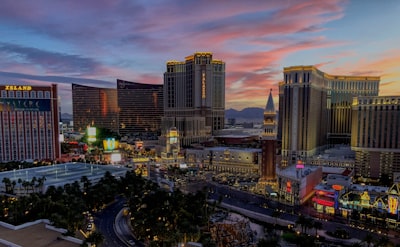
The heart of Las Vegas is undoubtedly the Strip, a 4.2-mile stretch of Las Vegas Boulevard South lined with some of the world's most famous hotels and casinos, each a destination in itself.
- The Bellagio Fountains: A mesmerizing aquatic show set to music, performing regularly throughout the day and evening. It's free and a must-see.
- The Venetian Resort: Experience a taste of Italy with its Grand Canal Shoppes, complete with gondola rides (singing gondoliers included!), St. Mark's Square, and stunning architecture.
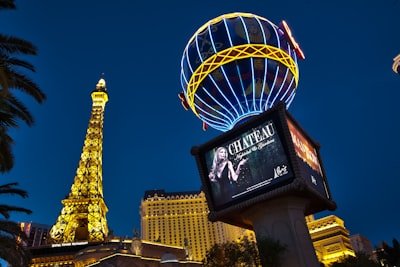
- Paris Las Vegas: Ascend the Eiffel Tower Viewing Deck for panoramic views of the Strip, or simply enjoy the Parisian ambiance and delectable French cuisine.
- Caesars Palace: Step back in time to ancient Rome with its opulent Forum Shops, incredible restaurants, and the legendary Colosseum theater.
- The Volcano at The Mirage: Another fantastic free show, this fiery spectacle erupts nightly, sending plumes of fire and smoke into the desert sky.
- High Roller Observation Wheel: Located at The LINQ Promenade, this isn't just a Ferris wheel; it's the world's tallest observation wheel, offering unparalleled 360-degree views of the Strip and beyond, especially breathtaking at sunset or night.
World-Class Shows & Entertainment: Something for Everyone
Las Vegas is synonymous with spectacular entertainment.
- Cirque du Soleil: With multiple resident shows like "O" (Bellagio), "Mystere" (Treasure Island), and "KA" (MGM Grand), Cirque du Soleil offers awe-inspiring acrobatics, stunning visuals, and captivating storytelling.
- Magic Shows: Witness grand illusions and close-up magic from legendary performers like Penn & Teller or dynamic new acts.
- Concerts & Residencies: Top musical artists from every genre frequently hold residencies in Vegas, offering intimate concert experiences. Check schedules for upcoming performances.
- Comedy Clubs: Laugh out loud at stand-up comedy venues featuring both famous comedians and rising stars.
- Broadway Productions: Many touring Broadway shows make stops in Las Vegas, providing a dose of classic theatrical magic.
Culinary Delights: A Food Lover's Paradise
From lavish buffets to Michelin-starred dining, Las Vegas caters to every palate and budget.
- Celebrity Chef Restaurants: Indulge in culinary masterpieces from global icons like Gordon Ramsay, Wolfgang Puck, Joël Robuchon, and many more.
- Grand Buffets: Experience the ultimate all-you-can-eat extravagance at famous buffets like the Bacchanal Buffet (Caesars Palace) or Wicked Spoon (Cosmopolitan), offering a dizzying array of international cuisines.
- Hidden Gems: Explore off-Strip eateries for authentic international flavors, from delicious Vietnamese pho to vibrant Mexican cuisine.
Beyond the Strip: Explore Downtown & Natural Wonders
Don't limit yourself to the Strip; Las Vegas offers exciting attractions off the main boulevard.
- Fremont Street Experience: Head downtown for a completely different vibe. This pedestrian mall features the Viva Vision canopy, a massive LED screen with dazzling light and sound shows, live music stages, ziplining, and a more classic Vegas feel.
- The Mob Museum: Dive into the fascinating, and sometimes dark, history of organized crime in America and its impact on Las Vegas. Engaging exhibits and artifacts make this a highly recommended visit.
- The Neon Museum: A dazzling "boneyard" of iconic neon signs from old casinos and businesses, beautifully preserved and lit up at night. It's a photographer's dream and a nostalgic trip through Vegas history.
- Area15: An immersive art and entertainment complex featuring unique experiences like Meow Wolf's Omega Mart, virtual reality attractions, art installations, and a variety of bars and eateries.
Day Trips from Las Vegas: Escape to Nature
Las Vegas's proximity to incredible natural wonders makes it an ideal base for day excursions.
- Grand Canyon National Park: The most popular day trip, offering breathtaking vistas. Options include bus tours, helicopter tours for a bird's-eye view, or self-driving (South Rim is further but more majestic; West Rim is closer and home to the Skywalk).
- Hoover Dam: An engineering marvel offering guided tours of the dam and powerplant, providing insight into its construction and importance.
- Red Rock Canyon National Conservation Area: Just a short drive from the Strip, this natural haven offers stunning red rock formations, scenic drives, hiking trails for all levels, and rock climbing.
- Valley of Fire State Park: Nevada's oldest state park, known for its vibrant Aztec sandstone outcrops that appear to be on fire when reflecting the sun's rays. Great for hiking and photography.
Planning Your Las Vegas Trip
Best Time to Visit Las Vegas
The desert climate means hot summers and mild winters.
- Spring (March-May) & Fall (September-November): These are generally considered the best times to visit, with pleasant temperatures (70s-80s °F / 20s-30s °C) ideal for exploring and enjoying pool time.
- Summer (June-August): Expect extreme heat, often exceeding 100°F (38°C). While hotel pools offer relief, outdoor activities can be challenging. Prices for flights and hotels might be lower, though.
- Winter (December-February): Cooler temperatures (40s-60s °F / 4-15°C) are comfortable for walking the Strip, but pool weather is unlikely. Holiday periods can be very crowded and expensive.
Typical Budget for a Las Vegas Trip
Las Vegas can be as expensive or as budget-friendly as you make it.
- Accommodation: $50-$100 (budget off-Strip), $150-$300 (mid-range Strip resort), $300+ (luxury Strip resort). Remember to factor in resort fees ($30-$50+ per night), which are almost universally applied.
- Food: $50-$100 (budget/casual dining), $100-$200 (mid-range with a few nice meals), $200+ (fine dining experiences).
- Entertainment: Tickets for shows can range from $50 for smaller productions to $200+ for Cirque du Soleil or top-tier concerts. Factor in gambling money if you plan to play.
- Transportation: Varies greatly depending on your chosen method (see dedicated sections below).
A realistic mid-range budget for a 3-night trip could be $800-$1500 per person, excluding flights, for a comfortable experience with some nice meals and a show.
Accommodation Options
From sprawling resorts to boutique hotels, Las Vegas has it all.
- On-Strip Resorts: Offer proximity to attractions, elaborate pools, multiple dining options, and a vibrant atmosphere. Examples: Bellagio, Venetian, Aria, Cosmopolitan, Caesars Palace, MGM Grand.
- Off-Strip Hotels: Often more affordable, providing a quieter escape while still being a short ride from the action. Examples: Rio, Palms, Gold Coast.
- Downtown Las Vegas: Offers a different, often more "classic" Vegas experience with hotels like Circa, Golden Nugget, and The D, usually at a lower price point than the Strip.
- Airbnb/Vacation Rentals: Can be a good option for groups or those seeking kitchen facilities, though they require more planning for transportation to the Strip.
Packing Essentials
What to bring to make your Las Vegas trip comfortable and stylish.
- Comfortable Walking Shoes: You'll be doing a lot of walking, especially on the Strip.
- Dressy Outfits: Many restaurants, clubs, and shows have dress codes (smart casual to cocktail attire).
- Swimwear: For hotel pools, especially during warmer months.
- Sunscreen, Hat, Sunglasses: The desert sun is intense year-round.
- Light Jacket/Sweater: Evenings can be cool, and casino interiors are often heavily air-conditioned.
- Hydration: A reusable water bottle is a good idea.
- Portable Charger: For keeping your phone charged while navigating and taking photos.
Getting Around Las Vegas: Your Practical Transport Guide
Navigating Las Vegas efficiently is key to a stress-free trip. The city offers a variety of transport options, each with its pros and cons.
Public Transport in Las Vegas (RTC Buses & Monorail)
Las Vegas has a surprisingly robust public transport system managed by the RTC (Regional Transportation Commission of Southern Nevada) for getting around the Strip and downtown.
- The Deuce on the Strip (RTC Bus):
- Route: This iconic double-decker bus runs 24/7 along the Strip, stopping at almost every major resort, from the Mandalay Bay in the south to the Fremont Street Experience downtown.
- Frequency: Buses typically arrive every 15-20 minutes during the day and every 20-30 minutes at night.
- Passes can be purchased onboard (exact cash required), at ticket vending machines (TVMs) at many Deuce stops, or via the RTC Transit Watch app.
- Pros: Very frequent, covers the entire Strip and Downtown, relatively inexpensive for multi-day passes.
- Cons: Can be slow due to frequent stops and Strip traffic, especially during peak hours.
- SDX (Strip & Downtown Express RTC Bus):
- Route: The SDX runs a more express route along the Strip and to downtown, with fewer stops than The Deuce. It operates from roughly 9 AM to midnight.
- Fares: Uses the same pass system as The Deuce (2-hour, 24-hour, 3-day).
- Pros: Faster than The Deuce due to fewer stops, comfortable, and good for quicker transit between distant points on the Strip and Downtown.
- Cons: Less frequent stops might require more walking to your exact destination; doesn't run 24/7.
- Route: The Monorail runs on the east side of the Strip, connecting seven stations from MGM Grand to SAHARA Las Vegas. It doesn't extend to the airport or Fremont Street.
- Stations: MGM Grand, Bally's/Paris, Flamingo/Caesars Palace, Harrah's/The LINQ, Las Vegas Convention Center, Westgate Las Vegas, SAHARA Las Vegas.
- Operating Hours: Generally 7 AM to midnight (weekdays), 7 AM to 2 AM (weekends).
- Multi-day passes available up to 7 days.
- Pros: Fast, avoids Strip traffic, great views, convenient for hopping between resorts on the east side of the Strip.
- Cons: Doesn't cover the entire Strip (especially the west side), stations are often set back from the Strip, requiring a walk through casinos to reach. Can be expensive for single rides.
- Several resorts offer free trams to connect their properties:
- Mandalay Bay-Luxor-Excalibur Tram (connects the south end resorts)
- Park MGM-Aria-Bellagio Tram (connects these central Strip resorts)
- Mirage-Treasure Island Tram (connects two adjacent properties)
- Pros: Free, convenient for specific resort clusters.
- Cons: Limited routes, not a comprehensive transport solution.
- Downtown Loop (Free Shuttle):
- Route: A free shuttle service connecting popular stops in Downtown Las Vegas, including Fremont Street Experience, the Arts District, Mob Museum, and more.
- Operating Hours: Typically 11 AM to 6 PM, 7 days a week.
- Pros: Free, excellent for exploring Downtown.
- Cons: Only covers Downtown, limited hours.
Car Rental / Bike Rental options in Las Vegas
- Agencies: All major car rental companies (Hertz, Avis, Enterprise, Budget, National, Alamo) have desks at Harry Reid International Airport (LAS) and often at larger Strip resorts.
- Pros: Essential for day trips to the Grand Canyon, Hoover Dam, Red Rock Canyon, or exploring off-Strip attractions at your own pace. Offers ultimate flexibility.
- Parking Fees: Most Strip resorts charge daily parking fees (self-parking can be $15-$30/day; valet is more). This can add up quickly.
- Traffic: Strip traffic can be notoriously slow, especially during peak times.
- Navigation: Navigating busy resort garages can be confusing.
- Tips: Book in advance for better rates. Compare prices online. Consider if you truly need a car for your entire trip, or just for specific day trips.
- Options: While not a primary mode of transport on the busy Strip, bike rentals are available for recreational use, especially for exploring areas like Red Rock Canyon or the Lake Mead National Recreation Area. In some specific downtown areas, you might find bike-sharing programs like RTC Bike Share which mostly serves the Downtown/Arts District.
- Pros: Great for exercise, exploring scenic routes away from traffic.
- Cons: The Strip is not bike-friendly due to heavy traffic and pedestrian congestion. Safety can be a concern on main roads. Limited infrastructure for dedicated bike lanes.
Airport to City Transport Guide (Harry Reid International Airport - LAS)
Getting from Harry Reid International Airport (LAS) to your hotel on the Strip or Downtown is straightforward with several options.
- Taxi/Rideshare (Uber/Lyft):
- Pick-up: Designated pick-up areas are clearly marked at Terminal 1 (Level 2M of the parking garage) and Terminal 3 (Valet level).
- Taxi to the Strip (mid-point): $25-$40, plus tip.
- Rideshare to the Strip: Often slightly cheaper than taxis, $20-$35, depending on demand and service level (e.g., UberX vs. Uber Black).
- To Downtown: Taxis and rideshares will be a bit more, roughly $35-$50.
- Pros: Convenient, direct, relatively fast.
- Cons: Can be expensive, especially for solo travelers. Be aware of "long hauling" in taxis (taking a longer route than necessary); always advise your driver to "take the tunnel" (I-215 and then exit to the Strip) if going to the south/central Strip, or directly to your hotel if going to the north Strip.
- Companies: Bell Trans, Showtime Tours, and others offer shared-ride shuttle services.
- Pick-up: Shuttles usually pick up on Level 1 (Ground Transportation) outside baggage claim.
- Cost: Around $15-$20 per person for a round trip to most Strip hotels.
- Pros: More economical for solo travelers or small groups than a taxi/rideshare. No need to worry about navigation.
- Cons: Can make multiple stops, leading to longer travel times. You might have to wait for the shuttle to fill up.
- Route 108 (Paradise) & Route 109 (Maryland Parkway): These routes connect the airport to various points, including some parts of the Strip (though not directly to every hotel) and Downtown.
- Pick-up: Route 108 and 109 bus stops are located on Level 1 (Ground Transportation) outside Terminal 1 and Terminal 3.
- Cost: $6 for a 2-hour pass, $8 for a 24-hour pass.
- Pros: The most budget-friendly option.
- Cons: Requires transfers and walking to reach many Strip hotels. Can be inconvenient with luggage. Slower travel time.
- Options: Numerous companies offer luxury transport. Can range from sedans to stretch limos.
- Cost: Significantly more expensive, starting from $60-$100+ for a sedan.
- Pros: Luxurious, private, and direct. Great for special occasions or larger groups.
Budget Transport Tips in Las Vegas
Saving money on transportation allows more funds for entertainment and dining!
1.
Walk Whenever Possible: The Strip looks deceivingly walkable on a map. While distances between adjacent resorts are manageable, walking from one end of the Strip to the other is a marathon. However, walk between closely located resorts to save on short rides.
2.
Utilize Free Trams: Take advantage of the free resort trams (Mandalay Bay-Luxor-Excalibur, Park MGM-Aria-Bellagio, Mirage-Treasure Island) to cover sections of the Strip.
3.
RTC Multi-Day Passes: If you plan on using the Deuce or SDX more than twice in 24 hours, the 24-hour ($8) or 3-day ($20) passes are excellent value.
4.
Monorail Multi-Day Passes: If your itinerary focuses on the east side of the Strip and you'll be using the Monorail frequently, a 2-day ($23) or 3-day ($29) pass is worthwhile.
5.
Shuttle from Airport: For solo travelers or couples, the shared-ride shuttle from the airport is usually more cost-effective than a taxi or rideshare.
6.
Walk Downtown: Once you're in Downtown Las Vegas, most attractions (Fremont Street, Mob Museum, Arts District) are within walking distance or accessible via the free Downtown Loop shuttle.
7.
Consider Rideshare for Groups: For 3-4 people, splitting an Uber/Lyft for short distances on the Strip can sometimes be comparable to or even cheaper than individual bus/monorail tickets, and definitely faster.
8.
Avoid Taxis for Short Hops: Taxis can quickly become expensive, especially with potential "long hauling" issues. Use them for airport transfers or longer, direct trips where convenience is paramount.
Staying Connected: Best SIM Card in USA for Tourists
Having reliable internet access is crucial for navigation, booking, staying in touch, and sharing your Las Vegas experiences. Here's what tourists visiting the USA need to know about getting a SIM card.
Understanding Your Options: Physical SIM vs. eSIM
- Physical SIM Card: The traditional plastic card inserted into your phone. Widely available.
- eSIM (Embedded SIM): A digital SIM that allows you to activate a cellular plan without a physical card. Many newer phones support eSIM.
- Pros of eSIM: Easy to activate remotely (often before you even arrive), no need to swap physical cards, can switch between multiple plans, good for dual SIM users.
- Cons of eSIM: Not all phones support it, requires an internet connection for initial setup.
Major US Carriers & Tourist-Friendly Plans
The three main mobile carriers in the USA are Verizon, AT&T, and T-Mobile. Each offers prepaid options suitable for tourists.
1.
T-Mobile:
- Coverage: Generally good in urban areas like Las Vegas and across most of the US. Known for good 5G coverage.
- Tourist Plan (Discontinued but similar prepaid options exist): T-Mobile used to offer a specific "Tourist Plan" that was very popular. While that exact plan might be gone, they still have excellent Prepaid Plans starting around $15-$20 for basic data/talk/text, and more robust plans around $40-$50 for unlimited data.
- Pros: Often the most affordable with good data allowances.
- Cons: Coverage can be spottier in very rural or remote areas compared to Verizon.
2.
AT&T:
- Coverage: Excellent, very broad coverage across the US, including many rural areas.
- Prepaid Plans: Similar to T-Mobile, AT&T offers a range of prepaid plans. Expect to pay around $30-$50 for plans with decent data.
- Pros: Very reliable coverage, good for those planning day trips outside major cities.
- Cons: Can be slightly more expensive than T-Mobile for comparable data.
3.
Verizon:
- Coverage: Widely considered to have the best overall coverage, especially in rural areas.
- Prepaid Plans: Verizon also has prepaid options, but they are often the most expensive among the three for comparable data, starting around $35-$40 for limited data.
- Pros: Best coverage, reliable data speeds.
- Cons: Most expensive, sometimes limited device compatibility for non-Verizon phones (though less of an issue now).
Mobile Virtual Network Operators (MVNOs)
MVNOs use the networks of the major carriers but offer more competitive prices. They are excellent budget options for tourists.
- Mint Mobile: Uses T-Mobile's network. Requires buying plans in bulk (e.g., 3-month packages), which can be very cost-effective if your trip is longer. Data plans from $15/month for 5GB.
- Cricket Wireless: Uses AT&T's network. Offers straightforward prepaid plans, often with data limits. Plans start around $30-$40.
- Boost Mobile: Uses T-Mobile's or AT&T's network depending on location/plan. Budget-friendly options.
- Lycamobile: Uses T-Mobile's network. Good for international calls and basic data needs.
- Google Fi: Uses T-Mobile, Sprint (now T-Mobile), and US Cellular networks. Pay-per-use data or unlimited plans. Good if you travel frequently to different countries.
Where to Buy a SIM Card
1.
Online Before You Travel:
- eSIM Providers: Airalo, Holafly, Nomad, Gigsky are popular choices for eSIMs. You can purchase and activate them before you even leave home. This is often the most convenient option.
- Physical SIMs: Some MVNOs (like Mint Mobile) or even major carriers allow you to order a physical SIM online and have it shipped to your home country or a US address.
2.
At Harry Reid International Airport (LAS): Limited options, usually vending machines or small kiosks with marked-up prices. Not recommended as your primary option.
3.
Carrier Stores: Visit an official T-Mobile, AT&T, or Verizon store in Las Vegas. Staff can help with activation and choosing a plan. There are stores off the Strip or in shopping centers.
4.
Walmart, Target, Best Buy, Supermarkets: These big-box stores often sell prepaid SIM card kits for various carriers and MVNOs. You'll then need to activate it online or by phone.
Recommendation for Tourists
- For ultimate convenience and immediate connectivity: An eSIM from a provider like Airalo (using T-Mobile or AT&T network) is often the best choice. Purchase and activate it before you leave home.
- For physical SIM users with good coverage/price balance: A T-Mobile prepaid SIM purchased at a T-Mobile store or from an MVNO like Mint Mobile (if your trip length aligns with their plans) offers a great balance for most tourists in Las Vegas and urban areas.
- For extensive travel outside major cities: An AT&T or Verizon prepaid SIM might offer superior coverage in very remote areas, but check their pricing.
What to Look For:
- Data Allowance: How much high-speed data do you need? (Navigation, social media, streaming).
- Validity Period: Does it cover your entire trip duration?
- Talk & Text: Are unlimited domestic calls and texts included? (Often standard with prepaid plans).
- Cost: Compare prices for similar data and validity across different providers.
- Compatibility: Ensure your phone is unlocked and supports the necessary bands for US carriers.
Dining in Las Vegas: From Gourmet to Grab-and-Go
Las Vegas is a foodie's paradise, offering an overwhelming choice of culinary experiences.
From High-End to Casual Eateries
- Celebrity Chef Restaurants: Indulge in an unforgettable meal at establishments like Joël Robuchon (MGM Grand, 3 Michelin stars), Guy Fieri's Vegas Kitchen & Bar (The LINQ), or any of Gordon Ramsay's various restaurants (Hell's Kitchen, Steak, Burger). Reservations are highly recommended and can be booked weeks or months in advance.
- World-Class Buffets: The quintessential Vegas experience! Don't miss the Bacchanal Buffet at Caesars Palace or Wicked Spoon at Cosmopolitan for an epic spread of global cuisines. Go for brunch or dinner for the best selection.
- Food Courts & Casual Dining: Every major resort has extensive food courts and casual dining options, perfect for a quick, affordable bite. The LINQ Promenade and Block 16 Urban Eatery at Cosmopolitan offer great variety.
- Happy Hours: Many restaurants and bars offer fantastic happy hour specials on drinks and appetizers, a great way to sample high-end fare at a fraction of the cost. Look for signs or check resort websites.
Saving on Food
- Buffet Deals: Look for 2-for-1 coupons or discounted passes (sometimes found online or through loyalty programs).
- Food Courts: A reliable budget option for lunch and dinner.
- Grocery Stores: Head to a local supermarket (e.g., Albertsons, Vons, Walmart) for snacks, drinks, and breakfast items to keep in your hotel room (if it has a fridge).
- Drink Specials: Take advantage of happy hours or find casinos that offer free drinks while you gamble (remember to tip your cocktail server!).
Safety Tips for Las Vegas
While Las Vegas is generally safe for tourists, it's wise to be aware of your surroundings.
- Stay Hydrated: The desert climate is very dry. Drink plenty of water, especially if consuming alcohol.
- Gambling Responsibly: Set a budget and stick to it. Don't chase losses.
- Drink Responsibly: Pace yourself, and never accept drinks from strangers.
- Protect Valuables: Keep an eye on your belongings, especially in crowded areas. Use the hotel safe for passports and extra cash.
- Stick to Well-Lit Areas: Especially at night, stay on the Strip, in casinos, or in well-populated areas. Avoid walking alone in dimly lit or deserted streets off the main tourist paths.
- Be Wary of Timeshare Pitches: You might be approached on the Strip by people offering "free show tickets" or "discounted meals" in exchange for attending a timeshare presentation. Be firm but polite in declining if you're not interested.
Las Vegas Beyond the Glitz: Arts, Culture & Outdoors
Beyond the neon, Las Vegas has a growing cultural scene and easy access to stunning nature.
- Arts District (DTLV): Explore the 18b Arts District downtown with its art galleries, vintage shops, breweries, and monthly "First Friday" street fair.
- Museums: Besides The Mob Museum and The Neon Museum, consider the Marjorie Barrick Museum of Art (UNLV) or the Bellagio Gallery of Fine Art.
- Outdoor Activities: Take advantage of the natural beauty surrounding Vegas. Hike at Red Rock Canyon, go boating or kayaking on Lake Mead, or explore the geological wonders of Valley of Fire State Park.
FAQ About Visiting Las Vegas
Is Las Vegas safe for tourists?
Generally, yes. The Strip and major tourist areas are well-patrolled and designed for visitor safety. However, like any major city, exercise common sense: be aware of your surroundings, protect your valuables, and avoid walking alone in poorly lit areas late at night. Drink responsibly.
How much money do I need for a trip to Vegas?
This varies wildly. You can do Vegas on a budget (think $100-$200/day excluding accommodation) by eating at food courts, using public transport, and enjoying free attractions. A mid-range trip with some nice meals, a show, and moderate gambling might be $300-$500/day. Luxury experiences can easily exceed $1000+/day. Remember to factor in resort fees ($30-$50+ per night) for most Strip hotels.
What's the legal drinking and gambling age in Las Vegas?
The legal age for both drinking alcohol and gambling in Las Vegas (and throughout the USA) is 21 years old. IDs are strictly checked.
Do I need a car in Las Vegas?
Not necessarily. If your trip is focused solely on the Strip and Downtown, you can rely on walking, free trams, the Monorail, and RTC buses (Deuce/SDX), supplemented by taxis or rideshares for specific trips. A car is highly recommended if you plan on taking day trips outside the city (Grand Canyon, Hoover Dam, Red Rock Canyon).
What are the tipping customs in Las Vegas?
Tipping is customary and expected for most service industry workers in the USA.
- Restaurant Servers: 15-20% of the bill (20% for excellent service).
- Bartenders: $1-$2 per drink, or 15-20% of the total bill.
- Housekeeping: $2-$5 per night (leave on the pillow or nightstand).
- Taxi/Rideshare Drivers: 15-20% of the fare.
- Cocktail Servers in Casinos: $1-$2 per drink (even if it's "free" while gambling).
Can I visit Las Vegas with kids?
Yes! While Las Vegas has a reputation as an adult playground, many resorts offer family-friendly attractions like elaborate pools with lazy rivers, aquariums, arcades, and specific shows suitable for all ages. Top picks for families include Excalibur (medieval theme), Mandalay Bay (Shark Reef Aquarium, wave pool), and Circus Circus (Adventuredome theme park, free circus acts). Many attractions beyond the Strip, like Red Rock Canyon or the Mob Museum (with parental discretion), can also be enjoyed by families.
What is a resort fee?
A resort fee is a mandatory daily charge added by most hotels in Las Vegas, usually ranging from $30 to $50+ per night, on top of the room rate and taxes. It typically covers amenities like Wi-Fi, fitness center access, local calls, and sometimes shuttle services or bottled water. It's a non-negotiable part of your room cost, so always factor it into your budget when booking.
Conclusion: Your Unforgettable Las Vegas Adventure Awaits!
Las Vegas is a city of dreams, a place where the extraordinary is ordinary, and every corner promises a new discovery. From the unparalleled glamour of the Strip and the historic charm of Downtown to the breathtaking natural beauty just a short drive away, this vibrant desert oasis truly offers something for everyone. With this detailed travel guide, you're now equipped with the knowledge to navigate its bustling streets, savor its culinary delights, connect seamlessly, and immerse yourself in all the unforgettable experiences Las Vegas has to offer. So pack your bags, prepare for adventure, and get ready to create memories that will last a lifetime in the dazzling heart of Nevada!