info@24x7tt.com

blog-image

Jaisalmer: An Ultimate Travel Guide to India's Golden City in the Thar Desert

Jaisalmer: An Ultimate Travel Guide to India's Golden City in the Thar Desert

Nestled deep within the vast expanse of the Thar Desert, Jaisalmer emerges like a mirage – a city bathed in the warm, ethereal glow of golden sandstone. Known affectionately as the "Golden City" (Sonali Nagri), Jaisalmer captivates visitors with its unique blend of ancient history, vibrant culture, and breathtaking desert landscapes. Its iconic fort, ancient havelis, bustling bazaars, and the promise of unforgettable desert safaris make it a quintessential Rajasthani experience.

This comprehensive guide will take you through everything you need to know to plan an incredible journey to Jaisalmer, from exploring its architectural marvels to navigating local transport and making the most of your budget.

Discovering the Golden City's Wonders

Jaisalmer's charm lies in its timeless appeal, where every sandstone brick seems to whisper tales of valor, royalty, and desert resilience. The city itself is an open-air museum, inviting exploration at every turn.

Jaisalmer Fort: A Living Marvel

Dominating the city skyline, the Jaisalmer Fort stands proudly atop Trikuta Hill, a colossal edifice that appears to rise organically from the desert sands. Built in 1156 AD by Rajput Rawal Jaisal, it is one of the largest fully preserved fortified cities in the world and, remarkably, one of the very few "living forts" globally. Unlike most forts that are now museums, Jaisalmer Fort still houses a significant portion of the city's population – roughly one-quarter of its residents live within its ancient walls.

    • Architecture and Design: The fort's massive yellow sandstone walls, which shimmer like gold under the sun, earned Jaisalmer its moniker. Its intricate carvings, bastions, and narrow, winding lanes create a labyrinthine charm. There are four grand gateways – Akhaiya Gate, Ganesh Pol, Suraj Pol, and Hawa Pol – each a masterpiece in itself.
    • Inside the Fort: Wander through the fort's ancient alleys, and you'll discover a vibrant community thriving amidst history.
      • Maharawal's Palace: The former residence of the Maharawal of Jaisalmer, this palace offers a glimpse into royal life with its beautiful balconies, intricate jharokhas, and magnificent architecture.
      • Jain Temples: A cluster of seven exquisitely carved Jain temples dating back to the 12th to 15th centuries are located within the fort complex. Dedicated to various Tirthankaras, these temples are a testament to the unparalleled craftsmanship of the era, adorned with delicate sculptures and elaborate designs. The Parasnath Temple is particularly notable for its splendid gateway.
      • Laxminath Temple: Dedicated to the deities Lakshmi and Vishnu, this temple is also a significant religious site within the fort.
      • Viewpoints: Ascend to one of the many viewpoints or cafes perched on the ramparts for panoramic vistas of the sprawling Golden City below and the endless desert stretching into the horizon.

The Grand Havelis: Architectural Poetry in Stone

Outside the fort walls, Jaisalmer boasts an array of magnificent havelis – elaborate mansions built by wealthy merchants (Rajput traders) in the 18th and 19th centuries. These structures are renowned for their incredibly intricate facades, carved from the same golden sandstone, showcasing the region's rich artistic heritage.

    • Patwon ki Haveli: This is arguably the most famous and largest haveli in Jaisalmer. It's not one haveli but a cluster of five distinct havelis, built by Guman Chand Patwa, a wealthy Jaisalmer merchant. Each of the five sections has its own unique character, yet together they form a stunning ensemble. The detailing on the jharokhas (balconies), arches, and gateways is simply breathtaking, making it a photographer's delight. One of the havelis is now a museum, offering insights into the lifestyle of its former occupants.
    • Salim Singh ki Haveli: With its unique peacock-shaped roof and distinct architecture, Salim Singh ki Haveli stands out. Built by Salim Singh, the then prime minister of Jaisalmer, in the early 19th century, it features 38 balconies, each with a distinctive design. Its upper storey is said to have been supported by wooden brackets sculpted in the shape of peacocks.
    • Nathmal ki Haveli: This haveli is unique because it was built by two architect brothers, Hathi and Lulu, who started carving its two sides simultaneously, resulting in a fascinatingly asymmetrical yet harmonious structure. The intricate carvings of horses, elephants, and other elements are a testament to their individual artistic styles.

Mystical Gadisar Lake

Just outside the city walls lies Gadisar Lake, an artificial reservoir built by Rawal Jaisal in the 14th century to serve as the primary water source for the arid city. Today, it’s a tranquil oasis surrounded by beautiful temples, shrines, and ghats. You can enjoy a peaceful boat ride, feed the catfish, or simply soak in the serene atmosphere, especially during sunrise or sunset when the golden light bathes the surroundings.

Cultural Immersion at the Bustling Markets (Bazaars)

Jaisalmer's markets are a kaleidoscope of colors, sounds, and aromas, offering a vibrant glimpse into local life. Wander through Sadar Bazaar, Bhatia Bazaar, and Sonaron ka Baas to find unique souvenirs and experience the local hustle and bustle.

    • What to Buy:
      • Textiles and Fabrics: Exquisite tie-dye (bandhani), embroidered fabrics, mirror work, and traditional Rajasthani attire.
      • Leather Goods: Famous for camel leather bags, shoes (jutis), wallets, and belts.
      • Handicrafts: Wooden carvings, antique silver jewelry, stone artifacts, puppets, and miniature paintings.
      • Spices: Aromatic Rajasthani spices that add a distinct flavor to local cuisine.
    • Bargaining Tips: Haggling is an expected part of shopping in Indian markets. Start by offering about 50% of the quoted price and negotiate your way to a fair deal.

Desert Adventures: The Mesmerizing Sands

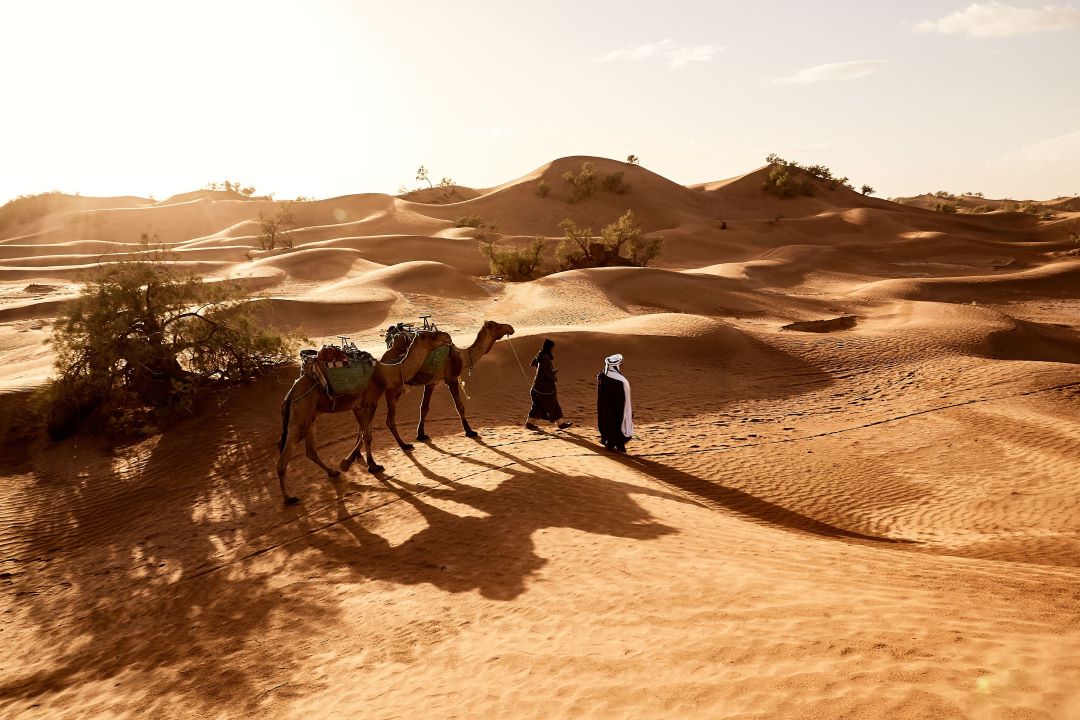
No trip to Jaisalmer is complete without venturing into the vast, undulating dunes of the Thar Desert. The desert offers a raw, untouched beauty that is both humbling and exhilarating.

    • Camel Safari: The quintessential Jaisalmer experience.
      • Types of Safaris: You can opt for short sunset rides, half-day trips, or even overnight safaris. Overnight safaris offer a truly immersive experience, including a traditional Rajasthani dinner under the stars, folk music, and sleeping on charpoys (traditional cots) under the open desert sky.
      • Sam Sand Dunes: Located about 42 km from Jaisalmer, these are the most popular and picturesque dunes, offering vast stretches of golden sand.
      • Khuri Sand Dunes: A more tranquil and less crowded alternative, about 50 km from Jaisalmer, offering a more authentic village experience.
      • What to Expect: Ride through the mesmerizing dunes, witness a spectacular desert sunset that paints the sky in fiery hues, and experience the quietude of the desert.
    • Dune Bashing & Quad Biking: For adrenaline seekers, many operators at Sam Sand Dunes offer jeep safaris (dune bashing) and quad biking, providing a thrilling ride over the sandy terrain.

Kuldhara Village: The Ghost Village

Just 18 km from Jaisalmer, Kuldhara is an abandoned village with a hauntingly fascinating history. Once a prosperous village inhabited by Paliwal Brahmins, it was mysteriously deserted overnight in 1825. Legend has it that the villagers fled to avoid the tyranny of the local Diwan (minister), Salim Singh, and cursed the village so that no one could ever settle there again. Exploring its crumbling homes and silent streets offers a unique, eerie glimpse into the past.

Planning Your Jaisalmer Adventure

Best Time to Visit

The ideal time to visit Jaisalmer is during the winter months, from October to March. The weather is pleasant and cool, making it perfect for sightseeing and desert activities. Summers (April to June) are extremely hot, with temperatures soaring, making outdoor activities uncomfortable. The monsoon season (July to September) brings some relief but can still be humid, and desert activities might be affected.

How to Reach Jaisalmer

    • By Air:
      • Jaisalmer Airport (JSA): The city has its own domestic airport. It is well-connected to major Indian cities like Delhi, Mumbai, and Jaipur by direct flights.
      • Jodhpur Airport (JDH): Alternatively, you can fly to Jodhpur, which is a major airport with more frequent connections, and then take a taxi, bus, or train to Jaisalmer (approximately 5-6 hours drive).
    • By Rail: Jaisalmer Railway Station (JSM) is well-connected to major cities across India, including Delhi, Jodhpur, Jaipur, and Kolkata. There are overnight trains available, which can be a comfortable and budget-friendly option.
    • By Road: Jaisalmer is accessible by national highways. You can take government-run RSRTC (Rajasthan State Road Transport Corporation) buses or private buses from cities like Jodhpur, Jaipur, Udaipur, and Delhi. Taxis and private cars can also be hired for a comfortable journey.

Airport to City Transport Guide

    • From Jaisalmer Airport (JSA):
      • Pre-paid Taxis: The most convenient option. You'll find pre-paid taxi counters at the airport. A ride to the city center usually takes about 20-30 minutes.
      • App-based Cabs: While not as prevalent as in larger cities, you might find some local taxi apps or services. It's best to confirm availability beforehand.
      • Auto-rickshaws: You might find auto-rickshaws waiting outside the airport, but they may not be officially regulated for airport transfers. Negotiate the fare before starting your journey.
    • From Jodhpur Airport (JDH):
      • If you fly into Jodhpur, you'll need to arrange onward transport to Jaisalmer. Options include:
        • Train: Take an auto-rickshaw or taxi to Jodhpur Railway Station and catch a train to Jaisalmer.
        • Bus: Head to the main bus stand in Jodhpur for state-run or private buses to Jaisalmer.
        • Private Taxi: Hire a private taxi directly from Jodhpur Airport to Jaisalmer. This is the most comfortable but also the most expensive option.

Accommodation Options

Jaisalmer offers a wide range of accommodation, from luxurious heritage hotels housed in restored havelis to comfortable guesthouses and budget-friendly hostels. Many hotels within the fort offer a unique historical stay experience.

Practicalities for Your Jaisalmer Adventure

Best SIM Card for Tourists

Staying connected in Jaisalmer is relatively easy. India has several major telecom providers offering affordable prepaid SIM cards for tourists.

    • Major Providers: Airtel, Jio, Vodafone Idea (Vi), and BSNL are the primary network operators. Airtel and Jio generally offer the best coverage and fastest data speeds, even in some desert areas.
    • Where to Buy:
      • Airport: You might find SIM card kiosks at major international airports (like Delhi or Jaipur) upon arrival. Jaisalmer Airport might have limited options.
      • Local Shops: Best place to buy is from authorized telecom stores or mobile shops in Jaisalmer city. Look for stores with official branding.
    • Documents Required: You will typically need:
      • Passport: Original and a photocopy.
      • Visa: A valid Indian visa.
      • Passport-sized photograph: Usually one or two.
      • Local Address Proof: Your hotel booking confirmation is often accepted.
    • Activation: SIM cards are usually activated within a few hours to 24 hours after purchase and document verification.
    • Prepaid Plans: Look for "tourist plans" or general prepaid plans offering daily data, unlimited local/STD calls, and sometimes international calls, valid for 28 days or longer.

Getting Around Jaisalmer

Navigating Jaisalmer is part of the experience. The city center and fort are best explored on foot, allowing you to discover hidden alleys and intricate carvings. For longer distances, various transport options are available.

Public Transport Guide

    • Auto-rickshaws: These three-wheeled vehicles are the most common mode of transport for short to medium distances within the city and to nearby attractions like Gadisar Lake. Always negotiate the fare before starting your journey, or ensure the driver uses a meter (though meters are rarely used for tourists).
    • Shared Jeeps/Taxis: For trips to destinations further out, such as Sam Sand Dunes or Kuldhara Village, shared jeeps or taxis are a popular option. They depart from designated points in the city once they are full. This is a cost-effective way to reach popular desert locations.
    • City Buses: While there are local city buses, they are not frequently used by tourists as auto-rickshaws provide more direct and convenient routes to tourist spots.

Car Rental / Bike Rental Options

    • Car Rental with Driver: For comfort and flexibility, hiring a car with a local driver is an excellent option, especially for day trips to the desert (Sam/Khuri) or Kuldhara. Drivers often double as local guides, sharing insights about the region. You can arrange this through your hotel or local tour operators.
    • Self-Drive Car Rental: While less common for foreign tourists due to local driving conditions and traffic rules, self-drive car rental services are available from major cities like Jodhpur or Jaipur. It is advisable only for experienced drivers comfortable with Indian roads.
    • Bike/Scooter Rental: For independent exploration of the city and surrounding areas (short distances), you can rent bikes or scooters from various shops in Jaisalmer. This offers flexibility but requires caution on the roads. Ensure you have a valid international driving permit and wear a helmet. Prices vary depending on the duration and type of vehicle.

Budget Transport Tips

    • Walk, Walk, Walk: The Jaisalmer Fort and the immediate areas around it are best explored on foot. This is free, allows for serendipitous discoveries, and is the most immersive way to experience the city's charm.
    • Bargain for Auto-rickshaws: Always negotiate fares before getting into an auto-rickshaw. Ask your hotel for approximate fares to common destinations to avoid overpaying.
    • Share Rides: If you're traveling solo or as a couple, consider joining other tourists to share the cost of a taxi or jeep to places like the Sam Sand Dunes or Kuldhara. Many guesthouses can help you find fellow travelers.
    • Overnight Trains/Buses: For inter-city travel, overnight trains (sleeper class) or comfortable sleeper buses can save on accommodation costs for a night.
    • Avoid Peak Season Surcharges: Travel during the shoulder seasons (early October, late March) to potentially find better deals on transport and accommodation.

Responsible Tourism

As you enjoy the beauty of Jaisalmer, remember to practice responsible tourism:

    • Respect Local Culture: Dress modestly, especially when visiting religious sites. Ask for permission before photographing people.
    • Leave No Trace: Dispose of your waste properly, especially in the desert. Avoid littering and help preserve the pristine environment.
    • Support Local Businesses: Buy from local artisans, dine at family-run restaurants, and engage with local guides to contribute directly to the community.

What to Eat in Jaisalmer

Rajasthani cuisine is known for its rich flavors and ability to thrive in arid conditions. Don't miss these local delights:

    • Dal Bati Churma: A quintessential Rajasthani thali featuring baked wheat balls (bati) served with a lentil curry (dal) and a sweet crumbled wheat dish (churma).
    • Ker Sangri: A traditional desert vegetable dish made from dried berries (ker) and beans (sangri), simmered in aromatic spices.
    • Gatte ki Sabzi: Chickpea flour dumplings cooked in a spicy yogurt-based gravy.
    • Laal Maas: A fiery red meat curry (typically lamb) cooked with a blend of potent Rajasthani spices.
    • Mirchi Bada: A spicy street food snack made from green chilies stuffed with a potato mixture and deep-fried.
    • Sweet Delicacies: Malpua, Ghewar, and other traditional sweets are a must-try.

Safety Tips

    • Stay Hydrated: The desert climate can be dehydrating. Drink plenty of water, even in winter.
    • Sun Protection: Carry sunscreen, a hat, and sunglasses, especially during desert excursions.
    • Be Aware of Your Surroundings: While Jaisalmer is generally safe, always be mindful of your belongings in crowded areas.
    • Bargain Respectfully: When shopping or hiring transport, always bargain, but do so respectfully and with a smile.
    • Trust Your Instincts: If a situation feels uncomfortable, politely decline and move on.

Jaisalmer is more than just a destination; it's an experience that transports you to a bygone era of desert royalty and vibrant traditions. From the magnificent fort to the endless golden dunes, every corner of the Golden City promises a journey filled with wonder, history, and unforgettable memories. Prepare to be enchanted by its golden glow and the warm hospitality of its people.

Frequently Asked Questions (FAQ) about Jaisalmer

Q1: Is Jaisalmer Fort safe to stay in?

Yes, Jaisalmer Fort is very safe to stay in. It is a living fort, and many guesthouses, restaurants, and shops operate within its walls. The narrow lanes are bustling with locals and tourists, especially during the day and early evening. However, like any tourist area, it's wise to be aware of your surroundings and keep your valuables secure.

Q2: How many days are enough for Jaisalmer?

Typically, 2 to 3 full days are sufficient to experience the main attractions of Jaisalmer. This allows you to explore the Jaisalmer Fort, Havelis, Gadisar Lake, and enjoy a camel safari in the desert. If you wish to explore more offbeat locations or have a more relaxed pace, you might extend your stay to 4 days.

Q3: What should I wear for a camel safari?

For a camel safari, wear comfortable, loose-fitting clothing that covers your arms and legs to protect from the sun and sand. Opt for breathable fabrics like cotton. A hat, sunglasses, and a scarf or bandana to cover your face from dust are highly recommended. Closed-toe shoes are preferable over sandals. During winter evenings, carry a light jacket or shawl as temperatures drop significantly in the desert.

Q4: Is Jaisalmer an expensive city to visit?

Jaisalmer can be visited on various budgets. Accommodation ranges from luxury heritage hotels to very affordable guesthouses and hostels. Food is generally inexpensive, especially if you eat at local eateries. Transport costs can be managed by using shared options or walking. Desert safaris are the main expense, but there are options for different budgets. Overall, it's considered a moderately priced tourist destination in India.

Q5: Can I book a desert safari on arrival?

Yes, you can easily book a desert safari on arrival in Jaisalmer. Many hotels, guesthouses, and local tour operators offer various safari packages (half-day, sunset, overnight) directly. It's advisable to compare a few options and negotiate prices to get the best deal. Booking in advance, especially during peak season, is recommended if you have specific requirements or want to secure a popular option.

Q6: What is the best way to travel from Jodhpur to Jaisalmer?

The best ways to travel from Jodhpur to Jaisalmer are by train or by road. Trains are a comfortable and often budget-friendly option, with direct connections available. By road, you can take a state-run RSRTC bus, a private bus, or hire a private taxi, which offers more flexibility and comfort but is more expensive. The journey takes approximately 5-6 hours by road.

Q7: Are there ATMs available in Jaisalmer?

Yes, Jaisalmer has several ATMs available from various banks throughout the city, including within the fort area and in the main market. However, it's always a good idea to carry some cash, especially for smaller purchases, local transport, and in case an ATM is out of service or cash.

© 2026 24x7tt.com All Rights Reserved.