Rome Travel Guide – Best Places to Visit in Italy
Welcome to Rome: The Eternal City Awaits
Rome, a city steeped in millennia of history, art, and culture, stands as a living testament to human ambition and creativity. Known affectionately as "The Eternal City," Rome effortlessly blends its ancient past with a vibrant modern rhythm, offering visitors an unparalleled journey through time. From the awe-inspiring grandeur of the Colosseum to the spiritual heart of the Vatican, and the charming labyrinthine streets of Trastevere, Rome captivates the soul with its rich tapestry of experiences. Every corner turned reveals a new marvel – a Baroque fountain, a Renaissance palace, an ancient ruin, or a bustling piazza filled with the aroma of freshly brewed coffee and authentic Italian cuisine. This comprehensive guide is designed to help you navigate Rome's treasures, offering insights into its best attractions, local flavors, practical tips, and much more, ensuring your Roman holiday is nothing short of extraordinary. Prepare to walk in the footsteps of emperors, artists, and saints, and discover why Rome truly is a city like no other.
Best Time to Visit Rome
Choosing the right time to visit Rome can significantly enhance your experience. The city experiences distinct seasons, each offering its own charm and challenges.
Spring (April-May)
Spring is arguably the most ideal time to visit Rome. The weather is pleasantly mild, with temperatures ranging from 15°C to 25°C (59°F to 77°F), making it perfect for sightseeing on foot. The city's parks and gardens burst into bloom, and the longer daylight hours allow for extended exploration. While crowds begin to pick up, especially around Easter and public holidays, they are generally manageable compared to peak summer. Prices for flights and accommodation are moderate but tend to rise as May approaches.
Autumn (September-October)
Another excellent period, autumn in Rome offers comfortable temperatures, typically between 18°C and 28°C (64°F to 82°F), and a delightful golden light that bathes the ancient architecture. The summer heat has subsided, and the initial rush of post-summer tourism often tapers off by late October. This season is perfect for enjoying outdoor dining and exploring without the intense heat or the biggest crowds. Towards late October, rain showers can become more frequent, so packing a light umbrella is advisable.
Summer (June-August)
Summer in Rome is characterized by hot temperatures, often exceeding 30°C (86°F), and intense sunshine. This is the peak tourist season, meaning attractions are extremely crowded, and prices for flights and accommodation are at their highest. While the city buzzes with energy, the heat can make extensive sightseeing tiring. If visiting in summer, plan indoor activities for midday, stay hydrated, and book everything well in advance. Many locals leave the city for August holidays, with some smaller shops and restaurants closing.
Winter (November-March)
Winter brings cooler temperatures, ranging from 5°C to 15°C (41°F to 59°F), and fewer crowds, making it a good option for budget travelers or those who prefer a more tranquil experience. While it can be chilly and damp, heavy snowfall is rare. December offers festive Christmas markets and decorations, particularly around the Vatican. January and February are the quietest months. Some outdoor attractions might have reduced hours, but indoor sites like museums and churches are comfortable and less crowded.
Top Attractions: Unveiling Rome's Grandeur
Rome is a treasure chest of historical and cultural gems. Here are the must-see attractions that define the Eternal City:
The Colosseum & Roman Forum/Palatine Hill
No visit to Rome is complete without witnessing the iconic Colosseum. This ancient amphitheater, a marvel of Roman engineering, once hosted gladiatorial contests and public spectacles. Adjacent to it lies the Roman Forum, the heart of ancient Rome, where temples, basilicas, and vibrant public life once thrived. Overlooking the Forum, the Palatine Hill offers breathtaking panoramic views of the ruins and Circus Maximus, believed to be the birthplace of Rome. It's highly recommended to purchase a combined ticket online in advance to skip the notoriously long queues, potentially opting for a guided tour to truly grasp the historical significance of these sites. Allocate at least half a day to fully explore this area.
Vatican City (St. Peter's Basilica, Vatican Museums, Sistine Chapel)
The smallest independent state in the world, Vatican City is a spiritual and artistic powerhouse. St. Peter's Basilica, a colossal masterpiece of Renaissance architecture, is home to Michelangelo's Pietà and offers incredible views from its dome. The Vatican Museums house one of the world's most extensive art collections, culminating in the breathtaking Sistine Chapel, adorned with Michelangelo's famous frescoes, including "The Creation of Adam." Due to strict security and immense popularity, booking tickets online weeks in advance is essential. Remember to dress modestly (shoulders and knees covered) when visiting religious sites.
Trevi Fountain (Fontana di Trevi)
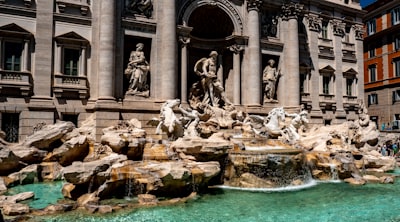
An extravagant Baroque masterpiece, the Trevi Fountain is a dazzling spectacle of water and stone. Legend has it that tossing a coin over your shoulder into the fountain guarantees your return to Rome. A second coin promises new romance, and a third ensures marriage. While it's beautiful at any time, an early morning or late-night visit offers a more intimate experience, free from the throngs of daytime tourists, allowing you to truly appreciate its intricate details and the soothing sound of rushing water.
The Pantheon
A former Roman temple, now a church, the Pantheon is one of the best-preserved ancient Roman buildings. Its colossal unreinforced concrete dome, with its central oculus open to the sky, is an architectural marvel that has inspired builders for centuries. Entry is free, allowing visitors to step inside and contemplate its enduring grandeur and the ingenuity of Roman engineering. Its perfect proportions and impressive scale continue to captivate all who enter.
Spanish Steps (Scalinata di Trinità dei Monti)
Connecting Piazza di Spagna with the Trinità dei Monti church, the Spanish Steps are a grand staircase of 135 steps, popular for people-watching and a beloved meeting point. Surrounded by high-end boutiques on Via Condotti, it's a fashionable area perfect for a leisurely stroll. While sitting on the steps is no longer permitted to preserve their condition, the atmosphere remains vibrant.
Borghese Gallery and Museum
Housed in the former Villa Borghese Pinciana, this museum boasts an unparalleled collection of sculptures by Bernini (including "Apollo and Daphne" and "The Rape of Proserpina") and paintings by Caravaggio, Raphael, and Titian. Entry is strictly by timed reservation, and tickets must be booked well in advance, often weeks ahead, as visitor numbers are capped. Afterward, explore the extensive and beautiful Borghese Gardens, perfect for a relaxing walk or a picnic.
Castel Sant'Angelo
Originally Emperor Hadrian's mausoleum, this cylindrical fortress has served as a papal residence, prison, and now a museum. Located on the banks of the Tiber River, it offers a fascinating journey through Rome's history and boasts stunning panoramic views of the city, especially St. Peter's Basilica.
Piazza Navona
One of Rome's most beautiful Baroque squares, Piazza Navona is home to Bernini's spectacular Fountain of Four Rivers (Fontana dei Quattro Fiumi). The elongated shape of the piazza follows the outline of the ancient Domitian's stadium. It’s a lively hub for street artists, performers, and outdoor cafes, perfect for enjoying an aperitivo and soaking in the Roman atmosphere.
Trastevere
Cross the Tiber River into Trastevere, a charming, bohemian district with narrow cobblestone streets, ivy-clad buildings, and a vibrant nightlife. By day, explore its artisan shops and hidden churches like Santa Maria in Trastevere. By night, it transforms into a bustling hub of traditional trattorias, bars, and gelato shops, offering a quintessential Roman dining experience away from the major tourist crowds.
How to Reach Rome
Reaching Rome is straightforward, with excellent connections by air, rail, and road.
By Air
Rome is served by two main international airports:
- Leonardo da Vinci–Fiumicino Airport (FCO): This is Rome's primary international airport, located about 30 km (19 miles) southwest of the city center.
- Leonardo Express: The fastest and most convenient way to reach Roma Termini (Rome's central train station) is via the Leonardo Express train. It departs every 15-30 minutes and takes about 32 minutes.
- FL1 Regional Train: This train connects Fiumicino to other major stations like Roma Trastevere, Ostiense, and Tiburtina, but not Termini. It's a good option if your accommodation is near these stations.
- SIT Bus Shuttle/Terravision/Tam Bus: Several bus companies offer affordable services to Roma Termini. Travel time is usually 45-60 minutes, depending on traffic.
- Taxi: Official white taxis are available outside the terminals. There's a fixed fare for journeys between FCO and Rome city center (within the Aurelian Walls), typically around €50-€60.
- Ciampino–G. B. Pastine Airport (CIA): Primarily serves budget airlines and is located closer to the city center (about 15 km/9 miles southeast).
- Bus Services: Several bus companies (Terravision, SIT Bus Shuttle, Atral) provide direct connections to Roma Termini, taking about 40 minutes.
- Taxi: Fixed fare to Rome city center (within the Aurelian Walls) is usually around €30-€40.
By Train
Roma Termini is Rome's main railway station and a major transportation hub, connecting the city to all major Italian cities (Milan, Florence, Venice, Naples) and several European destinations via high-speed trains. It's well-connected to the metro and bus network, making it an ideal arrival point if you're traveling from elsewhere in Italy or Europe. Other important stations include Tiburtina and Ostiense.
By Bus
Long-distance bus services connect Rome with various Italian and European cities. The main bus terminal is generally near Tiburtina station. While often cheaper, bus journeys are usually slower than trains.
By Car
While it's possible to drive to Rome, bringing a car into the city center is generally not recommended due to ZTLs (Limited Traffic Zones), which restrict access for non-residents during certain hours, and expensive, scarce parking. Public transport is efficient and covers most major attractions.
Local Food Guide: A Culinary Journey Through Roman Flavors
Roman cuisine is a celebration of simple, fresh ingredients and rich, hearty flavors. Prepare your taste buds for an unforgettable culinary adventure.
Roman Pasta Classics
- Cacio e Pepe: A deceptively simple yet utterly delicious dish made with Pecorino Romano cheese, black pepper, and pasta water, creating a creamy, peppery sauce.
- Amatriciana: A robust tomato-based sauce with guanciale (cured pork jowl), Pecorino Romano, and sometimes onion.
- Carbonara: The true Roman Carbonara uses guanciale, eggs (yolks primarily), Pecorino Romano, and black pepper – no cream!
- Gricia: Often called "white Amatriciana," it's Amatriciana without the tomato, featuring guanciale, Pecorino Romano, and black pepper.
These four pasta dishes are the cornerstones of Roman first courses and can be found on almost every authentic trattoria menu.
Pizza Romana
Distinct from Neapolitan pizza, Roman pizza features a thinner, crispier crust. It's often served "al taglio" (by the slice) for a quick, delicious snack or a casual meal, offering a variety of toppings. Look for "pizza bianca" (plain focaccia-like bread) which is also a Roman specialty.
Supplì
A beloved Roman street food, supplì are fried rice balls typically filled with tomato sauce, rice, and a piece of mozzarella. When pulled apart, the cheese creates a string, hence their name, which means "surprise" or "telephone cord" in Roman dialect. A must-try snack!
Artichokes (Carciofi)
Rome has a deep love affair with artichokes, especially in spring.
- Carciofi alla Romana: Artichokes braised whole with herbs like mentuccia (Roman mint) and garlic until tender.
- Carciofi alla Giudia: Jewish-style artichokes, deep-fried until crispy and golden brown, resembling a crunchy flower.
Saltimbocca alla Romana
A classic Roman second course, this dish consists of veal cutlets topped with prosciutto and sage, then pan-fried in white wine and butter. The name literally means "jumps in the mouth," indicating its deliciousness.
Gelato
Beyond ice cream, artisanal Italian gelato is creamier, denser, and made with natural ingredients. Look for gelaterias displaying their gelato in covered metal containers rather than towering, brightly colored mounds, which often signal artificial flavors and stabilizers. Try classic flavors like pistachio, hazelnut (nocciola), stracciatella, and various fruit sorbets.
Coffee Culture
Coffee in Rome is a ritual. Order an espresso at the bar for a quick, cheap pick-me-up. Cappuccinos are traditionally for breakfast only, often with a cornetto (croissant). Don't ask for a latte; you'll get a glass of milk!
Where to Eat
- Trattorias & Osterias: Family-run, traditional, and often more casual than restaurants, offering authentic Roman dishes. Look for ones tucked away from major tourist sites.
- Pizzerias: Many offer both dine-in and al taglio options.
- Mercato Testaccio / Campo de' Fiori: Excellent for fresh produce, cheeses, cured meats, and affordable street food.
Drinking
Enjoy an "aperitivo" before dinner – a pre-meal drink accompanied by small snacks. Spritz (Aperol or Campari) and Negroni are popular choices. House wine (vino della casa) is usually good and affordable.
Public Transport in Rome
Navigating Rome is relatively easy thanks to its public transport network, though walking remains the best way to soak in the city's atmosphere.
Metro (Subway)
Rome's metro system has three lines (A, B, and C) and is efficient for reaching major attractions.
- Line A (Orange): Connects with Vatican City (Ottaviano station), Spanish Steps (Spagna), and Barberini Palace (Barberini).
- Line B (Blue): Serves the Colosseum/Roman Forum (Colosseo) and Termini station.
- Line C (Green): Still expanding, less useful for main tourist sites currently.
The metro is generally fast, but carriages can get crowded during peak hours.
Buses and Trams
An extensive network of ATAC buses and a few tram lines cover areas not reached by the metro. Buses are useful for shorter distances or reaching specific neighborhoods like Trastevere. Be aware of traffic, which can cause delays, and validate your ticket immediately upon boarding.
Tickets
Tickets for all public transport (metro, buses, trams, some regional trains) are integrated and can be purchased at metro stations, tabacchi (tobacco shops), newsstands, and vending machines.
- BIT (Biglietto Integrato a Tempo): A single-use ticket valid for 100 minutes from validation, allowing one metro ride and unlimited bus/tram rides.
- 24/48/72-hour passes: Unlimited travel for the specified duration.
- CIS (Carta Integrata Settimanale): A weekly pass.
Always validate your ticket upon entering a metro station or boarding a bus/tram to avoid fines.
Taxis
Official Roman taxis are white, have a "TAXI" sign on top, and use meters. You can find them at designated stands throughout the city, at train stations, or call one. Avoid unofficial taxis or drivers offering rides without a meter, as they are likely to overcharge. Fixed fares apply for airport transfers.
Walking
Central Rome is best explored on foot. Many major attractions are within walking distance of each other, allowing you to discover hidden gems and soak in the city's ambiance at your own pace. Wear comfortable shoes!
Hop-on Hop-off Buses
Several companies offer open-top hop-on hop-off bus tours, providing a convenient way to see major sights with commentary. While not part of the public transport network, they are a popular tourist option.
Travel Budget Tips
Rome can be expensive, but with smart planning, you can enjoy the Eternal City on a reasonable budget.
Accommodation
- Book in Advance: Especially for peak season, securing accommodation early can lead to better deals.
- Consider Location: Areas slightly outside the hyper-central tourist core (e.g., San Giovanni, Prati, Testaccio, some parts of Esquilino) often offer better value while still being well-connected by public transport.
- Guesthouses/B&Bs: Often cheaper than hotels and provide a more local, personalized experience.
- Hostels: For budget solo travelers or groups, hostels offer dorms and sometimes private rooms at lower prices.
Food & Drink
- Eat Like a Local: Avoid restaurants directly next to major attractions; they are often overpriced and tourist-oriented. Venture a few blocks away into quieter streets for better quality and prices.
- Lunch Deals: Many trattorias offer fixed-price lunch menus (menu fisso) which are more affordable than dinner.
- Street Food: Pizza al taglio, supplì, and panini are delicious and budget-friendly options for lunch or snacks.
- Markets: Visit local markets like Campo de' Fiori or Mercato Testaccio for fresh produce, cheeses, and prepared foods.
- Coffee at the Bar: Drink your espresso standing at the bar (al banco) for the cheapest price (€1-€1.50). Sitting down can double or triple the cost.
- Grocery Stores: Buy snacks, drinks, and ingredients for simple meals to save money.
Attractions
- Combo Tickets & Passes: Purchase combined tickets (e.g., Colosseum/Roman Forum/Palatine Hill) or city passes like the Roma Pass (includes public transport and some free/discounted entry) if they align with your itinerary.
- Free Museums: On the first Sunday of every month, many state museums and archaeological sites offer free entry. Check specific sites for details.
- Free Sights: Many of Rome's most famous attractions are free to visit (Pantheon, Trevi Fountain, Spanish Steps, countless churches, strolls through piazzas).
- Student/Youth Discounts: Always ask if student or youth discounts are available if applicable.
Transport
- Walk Everywhere: Rome is incredibly walkable, especially the historic center. This is the best way to save money and discover hidden gems.
- Multi-Day Passes: If you plan to use public transport frequently, a 24/48/72-hour or weekly pass is more cost-effective than individual tickets.
Shopping
- Souvenirs: Avoid buying souvenirs at stalls directly outside major attractions. Look for smaller shops in less touristy areas or markets for better prices and more unique items.
- Duty-Free: If eligible, remember to claim tax refunds on eligible purchases.
Hotels and Accommodation
Rome offers a vast range of accommodation options to suit every budget and preference, from luxurious hotels to charming guesthouses and budget-friendly hostels.
Luxury (5-star hotels)
For an opulent experience, look for hotels near the Spanish Steps, Via Veneto, or within the historic center. These areas boast prestigious properties with exceptional service, fine dining, and often rooftop terraces with stunning views. Expect prices upwards of €300-400 per night.
Mid-Range (3-4 star hotels, boutique hotels)
These options provide a balance of comfort, amenities, and value.
- Prati: Located across the Tiber from the historic center, Prati is a refined residential and business district, quieter than central Rome but well-connected to the Vatican and metro.
- Monti: A trendy, bohemian neighborhood close to the Colosseum and Roman Forum, featuring boutique hotels, chic bars, and independent shops.
- Campo de' Fiori/Piazza Navona: Lively areas in the historic center, offering a vibrant atmosphere but can be more expensive and noisy.
- Trastevere: Charming, picturesque, and full of character, perfect for those who want to experience Rome's authentic nightlife and dining scene, though hotels here can be boutique and slightly pricier.
Prices typically range from €100-€300 per night.
Budget-Friendly (Budget hotels, B&Bs, Guesthouses, Hostels)
- Termini Station Area: While often bustling and sometimes noisy, this area is incredibly convenient for public transport (metro, buses, trains to airports) and offers numerous budget hotels, B&Bs, and hostels. It's a good base for travelers prioritizing connectivity. Be mindful of your surroundings, especially at night.
- San Lorenzo / Esquilino: These neighborhoods, near Termini, offer more affordable options, popular with students and providing a multicultural vibe with diverse restaurants.
- B&Bs and Guesthouses: Found throughout the city, these offer a more intimate stay, often in renovated historic buildings, and can be excellent value.
Prices can start from €30-€80 for hostels/guesthouses and €80-€150 for budget hotels.
Apartments/Villas
For longer stays, families, or groups, renting an apartment can be a cost-effective and comfortable option, offering more space and the ability to cook your own meals. Websites like Airbnb and Booking.com list many options.
Booking Tips
- Book Early: Especially for peak season (spring, autumn, summer), booking months in advance is crucial for the best selection and prices.
- Check Reviews: Always read recent reviews for cleanliness, location accuracy, and service quality.
- Location vs. Price: Decide if you prefer being in the heart of the action (potentially louder and more expensive) or a quieter, well-connected neighborhood slightly further out.
- Amenities: Consider what amenities are important (Wi-Fi, air conditioning, breakfast, elevator). Air conditioning is a must if visiting in summer.
Safety Tips for Travelers in Rome
Rome is generally a safe city for tourists, but like any major European capital, it has its share of petty crime, particularly pickpocketing. Being aware and taking precautions will ensure a smooth trip.
Pickpockets
- Be Vigilant: Pickpockets are prevalent in crowded tourist areas (Colosseum, Vatican, Trevi Fountain, Spanish Steps), on busy metro lines (especially Line A), and on crowded buses (particularly numbers 64 and 40, which serve popular routes).
- Secure Valuables: Keep wallets in front pockets, use money belts, or anti-theft bags. Don't carry all your cash and cards in one place.
- Bags: Keep your bag closed and in front of you, not slung casually behind. Be especially careful at restaurant tables where bags left on chairs can be easy targets.
Scams
- "Gladiators": Near the Colosseum, costumed "gladiators" may approach you for photos, then demand exorbitant fees. Agree on a price beforehand or politely decline.
- Bracelet/Rose Sellers: Individuals might try to give you a "free" bracelet or rose, then demand payment. Politely refuse and keep walking.
- Overpriced Taxis: Only use official white taxis with meters. Confirm the fixed fare for airport transfers or ensure the meter is running. Avoid unsolicited drivers offering rides.
- "Found" Rings: Someone might "find" a gold ring near you and claim it's yours, then try to sell it to you. Ignore them.
General Safety
- Emergency Numbers: Dial 112 for all emergencies (police, ambulance, fire).
- Valuables: Don't flash large amounts of cash or expensive jewelry. Use hotel safes for passports and extra cash. Carry photocopies of important documents.
- Nighttime: Stick to well-lit, populated areas, especially when walking alone. Avoid dimly lit alleys.
- ATM Use: Use ATMs during daylight hours, preferably inside banks or well-lit areas. Be aware of your surroundings.
- Driving: It's generally not recommended for tourists to drive in Rome due to aggressive traffic, ZTLs, and difficult parking.
- Health: Stay hydrated, especially in summer. Wear comfortable shoes as you'll be doing a lot of walking. Be aware of uneven cobblestone streets.
- Restaurants: Check prices on the menu before ordering, especially for specials or items not listed. Some restaurants add a "coperto" (cover charge) or service charge, which should be indicated on the menu.
FAQ Section
Q: Is Rome expensive?
A: Rome can range from moderately expensive to very expensive, depending on your choices. Accommodation, dining at tourist hotspots, and luxury shopping can be costly. However, with budget tips like eating street food, using public transport, and enjoying free attractions, you can have a memorable trip without breaking the bank.
Q: How many days do I need in Rome?
A: To see the main highlights without rushing, a minimum of 3-4 full days is recommended. This allows you to cover the Colosseum/Forum, Vatican, and major piazzas. For a more relaxed trip with time for specific interests (museums, specific neighborhoods, day trips), 5-7 days would be ideal.
Q: Do I need to learn Italian to visit Rome?
A: While English is widely spoken in tourist areas, hotels, and major restaurants, learning a few basic Italian phrases (hello, thank you, please, excuse me, where is...) will greatly enhance your experience and is always appreciated by locals.
Q: What's the dress code for the Vatican and other churches?
A: Yes, there is a strict dress code. Shoulders and knees must be covered for both men and women when entering St. Peter's Basilica, the Vatican Museums (including the Sistine Chapel), and most other churches. Failure to comply may result in denied entry.
Q: Is tap water safe to drink in Rome?
A: Absolutely! Rome's tap water is safe and delicious to drink. You'll also find numerous public fountains (nasoni) throughout the city where you can refill your water bottle for free.
Q: Can I use credit cards everywhere?
A: Major credit cards (Visa, Mastercard) are widely accepted in hotels, larger restaurants, and shops. However, smaller trattorias, cafes, gelato shops, and street vendors may prefer or only accept cash. It's always a good idea to carry some euros for small purchases.
Q: Is Rome walkable?
A: Yes, Rome's historic center is incredibly walkable, and walking is often the best way to explore and discover its charming streets and hidden gems. Be prepared for uneven cobblestones and wear comfortable shoes.
Q: What is the best way to get from Fiumicino Airport (FCO) to the city center?
A: The Leonardo Express train is the fastest option, taking 32 minutes directly to Roma Termini. SIT Bus Shuttle and Terravision also offer more affordable bus services to Termini. Taxis have a fixed rate to the city center within the Aurelian Walls.
Q: Should I buy the Roma Pass?
A: The Roma Pass can be cost-effective if you plan to visit several major paid attractions and use public transport extensively. Calculate the cost of individual tickets for the sites you want to see versus the pass price to determine if it's worthwhile for your itinerary.