Phuket Travel Guide – Best Places to Visit in Thailand
Phuket: Thailand's Pearl of the Andaman
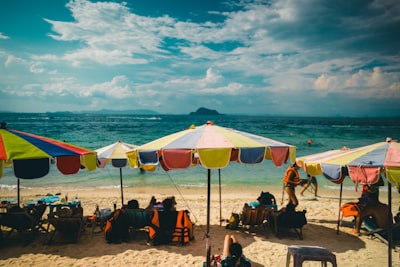
Phuket, Thailand’s largest island, is a mesmerising destination renowned for its stunning beaches, vibrant nightlife, rich culture, and delicious cuisine. Nestled in the Andaman Sea, this tropical paradise offers a diverse range of experiences, from tranquil bays and verdant rainforests to bustling markets and ancient temples. Whether you're seeking adventure, relaxation, or cultural immersion, Phuket promises an unforgettable escape. Its unique blend of natural beauty and modern amenities makes it a compelling choice for millions of travellers worldwide, providing both the quintessential Thai island experience and a sophisticated tourist infrastructure. From the iconic limestone karsts of Phang Nga Bay to the bustling streets of Patong, Phuket truly offers a slice of paradise for every kind of visitor.
Best Time to Visit
Choosing the right time to visit Phuket can significantly enhance your travel experience, as the island experiences distinct weather patterns.
High Season (November to February)
This is generally considered the best time to visit Phuket. The weather is typically dry, sunny, and relatively cool, with average temperatures ranging from 24°C to 32°C. Humidity is lower, and the seas are calm, making it ideal for swimming, sunbathing, and water sports like snorkelling and diving. However, this period coincides with peak tourist season, meaning higher prices for flights and accommodation, and more crowded attractions. If you plan to visit during Christmas or New Year, book well in advance.
Shoulder Season (March to May & September to October)
The period from March to May marks the hot season, with temperatures often soaring above 35°C and high humidity. While sunny days are plentiful, there's an increased chance of short, intense afternoon showers. The seas remain generally calm. This can be a good time for budget travellers as prices start to drop, and crowds thin out slightly before the full monsoon.
September and October fall into the monsoon transition period. While still part of the rainy season, the downpours are often sporadic, lasting for an hour or two before giving way to sunshine. This period offers lush green landscapes and fewer tourists, making it suitable for those who don't mind occasional rain and seek better deals. The sea can be rougher, particularly on the west coast, so monitor beach safety flags.
Low Season / Rainy Season (June to August)
Known as the green season, this period sees more frequent and heavier rainfall, though it’s rare for it to rain all day. Temperatures are still warm, around 28-30°C, but humidity is high. The west coast beaches can experience strong rip currents, making swimming unsafe at times. However, the island is at its most verdant, waterfalls are in full flow, and you can enjoy significant discounts on hotels and tours. It’s an excellent time for those interested in jungle treks, exploring the interior, or simply relaxing by a resort pool while enjoying the dramatic tropical storms. The east coast beaches are generally calmer during this time.
Top Attractions
Phuket boasts an array of attractions that cater to every interest, from pristine beaches to cultural landmarks and thrilling adventures.
Pristine Beaches
Phuket's coastline is dotted with world-class beaches.
- Patong Beach: The most famous and bustling beach, known for its vibrant nightlife, water sports, and extensive shopping and dining options. Ideal for those who love activity and excitement.
- Kata Beach: A family-friendly beach with soft sands, clear waters, and good surfing conditions during the monsoon season. It offers a more relaxed vibe than Patong.
- Karon Beach: Phuket's second-longest beach, offering a beautiful stretch of sand, excellent swimming, and a range of resorts and restaurants. Known for its "squeaky" sand.
- Nai Harn Beach: A quieter, picturesque beach popular with locals and expats, perfect for swimming and sunbathing in a more serene setting.
- Freedom Beach: A stunning secluded beach, accessible primarily by longtail boat, offering crystal-clear waters and powdery white sand, perfect for a peaceful escape.
Cultural and Spiritual Landmarks
- Big Buddha (Phra Phutta Mingmongkol Akenakkiri): A 45-meter-tall white marble statue sitting atop Nakkerd Hills, offering panoramic 360-degree views of Phuket. It’s a revered religious site and a must-visit for its breathtaking vistas.
- Wat Chalong: Phuket's most important and largest Buddhist temple, adorned with intricate artwork and statues. It’s a peaceful place to observe local worship and learn about Thai Buddhist traditions.
- Phuket Old Town: A charming district filled with colourful Sino-Portuguese shophouses, ornate mansions, quaint cafes, and street art. Explore its narrow streets, boutique shops, and historical architecture, especially captivating during Sunday Walking Street Market.
Island Hopping and Natural Wonders
- Phi Phi Islands: A world-famous archipelago, accessible via a day trip ferry or speedboat. Maya Bay, Pileh Lagoon, and Monkey Beach are highlights, offering stunning limestone cliffs and emerald waters perfect for snorkelling and swimming.
- James Bond Island (Koh Tapu): Part of Phang Nga Bay, this iconic limestone stack shot to fame in "The Man with the Golden Gun." Boat tours typically include sea kayaking through caves and lagoons.
- Promthep Cape: Located at the southernmost point of Phuket, it offers some of the most spectacular sunset views on the island. A popular spot for photographers and romantics.
Wildlife and Entertainment
- Phuket Elephant Sanctuary: An ethical sanctuary where rescued elephants can live out their lives in peace. Visitors can observe these magnificent creatures in their natural habitat, learn about their stories, and support their welfare.
- Simon Cabaret: A dazzling ladyboy show featuring extravagant costumes, elaborate sets, and professional performers. It's a family-friendly cultural entertainment experience.
- Phuket FantaSea: A cultural theme park offering an elaborate stage show combining Thai mythology, acrobatics, and special effects, along with a large buffet restaurant and carnival-style games.
Markets and Local Life
- Phuket Weekend Market (Naka Market): A bustling night market near Phuket Town, selling everything from street food and fresh produce to clothing, electronics, and souvenirs. A great place to experience local life and bargain for goods.
- Chillva Market: A trendy night market known for its bohemian vibe, container stalls, live music, and diverse food options.
How to Reach
Reaching Phuket is relatively straightforward, thanks to its international airport and well-connected transport links.
By Air
Phuket International Airport (HKT) is the primary gateway to the island and Thailand's second-busiest airport.
- International Flights: HKT receives direct flights from major cities across Asia, Australia, Europe, and the Middle East. Airlines like Qatar Airways, Emirates, Scoot, AirAsia, and Thai Airways operate regular services.
- Domestic Flights: Frequent domestic flights connect Phuket to Bangkok (Suvarnabhumi BKK and Don Mueang DMK airports), Chiang Mai, Samui, Krabi, and other Thai cities. Flight duration from Bangkok is approximately 1 hour 20 minutes.
- Airport Transfers: From the airport, you can reach your accommodation via airport bus (cheapest), metered taxi, pre-booked private transfer, or minivan service. Ride-hailing apps like Grab are also available.
By Bus
- From Bangkok: Overnight buses depart regularly from Bangkok's Southern Bus Terminal (Sai Tai Mai) to Phuket. The journey takes 12-15 hours, with options for VIP and standard buses. It's a cost-effective way to travel, though long.
- From Other Provinces: Buses also connect Phuket with various other provinces in Southern Thailand, such as Krabi, Surat Thani, and Hat Yai.
By Train + Bus
While Phuket doesn't have a direct train line, you can take an overnight train from Bangkok to Surat Thani. From Surat Thani train station or town centre, regular bus or minivan services are available to Phuket, which takes approximately 3-4 hours. This combination offers a more scenic and comfortable journey than a direct bus for some.
By Ferry/Boat
- From Nearby Islands: Ferries and speedboats frequently connect Phuket with popular nearby islands like Phi Phi Islands, Krabi (Railay, Ao Nang), Koh Lanta, and Koh Lipe. Services typically operate from Rassada Pier (Phuket Town) or Chalong Pier, with specific services often linked to specific destinations.
- Arrival from Krabi: Minivans and buses from Krabi also connect directly to Phuket, often including a ferry portion if coming from Railay or Ao Nang.
Local Food Guide
Phuket’s culinary scene is a vibrant tapestry of traditional Thai flavours, southern Thai specialties, and a unique blend of Chinese and Malay influences. Eating in Phuket is an adventure in itself, with options ranging from bustling street food stalls to upscale beachfront restaurants.
Must-Try Thai Dishes
- Pad Thai: The quintessential Thai stir-fried noodle dish, often with shrimp or chicken, tofu, peanuts, and lime.
- Tom Yum Goong: A spicy and sour shrimp soup, fragrant with lemongrass, galangal, kaffir lime leaves, and chilli.
- Green Curry (Gaeng Keow Wan): A rich and creamy curry made with green chillies, coconut milk, bamboo shoots, and your choice of meat.
- Massaman Curry: A milder, slightly sweet, and rich curry with a Persian influence, typically made with beef or chicken, potatoes, and peanuts.
- Som Tum (Papaya Salad): A refreshing and spicy salad made with shredded green papaya, chillies, lime, fish sauce, and peanuts.
- Khao Pad: Simple yet delicious Thai fried rice, customizable with various meats and vegetables.
Unique Phuket Specialties
Phuket has its own distinct culinary identity, influenced by its Hokkien Chinese heritage.
- Mee Hokkien: Thick yellow Hokkien noodles stir-fried with seafood, pork, and sometimes a rich gravy. A hearty and flavourful dish.
- Lo Ba: A local delicacy featuring deep-fried pork offal (intestines, liver, lungs) served with a sweet and spicy dipping sauce, often found at market stalls.
- Oh Tao: A unique oyster omelette made with small oysters, taro root, eggs, and flour, fried until crispy and served with a spicy sauce. It’s a textural and flavourful experience.
- Dim Sum: Popular for breakfast, many Phuket Town restaurants offer a wide array of steamed and fried dim sum dishes.
- Gaeng Poo Bai Cha Plu (Crab Curry with Betel Leaves): A rich and fragrant southern Thai curry, typically served with khanom jeen (fermented rice noodles).
Where to Eat
- Street Food Stalls: The best place to experience authentic and affordable Thai food. Look for stalls with long queues, as that's usually a sign of quality. Markets like Phuket Weekend Market, Chillva Market, and Malin Plaza offer vast arrays of options.
- Local Restaurants (Raan Ahaan Thai): Small, often family-run eateries that offer traditional dishes at very reasonable prices. Don't be deterred by simple decor; the food is often outstanding.
- Fine Dining: Phuket also boasts numerous upscale restaurants, many beachfront or cliffside, offering exquisite Thai and international cuisine with stunning views.
- Cooking Classes: Consider taking a Thai cooking class to learn the secrets of local cuisine and recreate your favourite dishes at home. Many resorts and independent schools offer these.
Tips for Foodies
- Spice Levels: Thai food can be very spicy. If you're sensitive, ask for "mai pet" (not spicy) or "pet nit noy" (a little spicy).
- Hygiene: Look for stalls where food is cooked fresh, ingredients look vibrant, and locals are eating.
- Try Everything: Be adventurous! Some of the best dishes are those you've never heard of.
- Fruits: Don't miss out on fresh tropical fruits like mangoes, durian, rambutan, mangosteen, and dragon fruit.
Public Transport
Navigating Phuket can be an adventure in itself, with a variety of transport options ranging from traditional to modern.
Tuk-Tuks
The iconic open-sided, usually red, four-wheeled vehicles are ubiquitous.
- Pros: Convenient for short distances, especially in tourist areas like Patong. They are readily available and can take you directly to your destination.
- Cons: They are notoriously overpriced compared to other options, and drivers rarely use meters. You must negotiate the fare *before* getting in. Fares can be as high as 200-300 THB for a short ride.
- Tip: Always haggle! Start at half the quoted price.
Songthaews (Baht Buses)
These are blue, open-air buses that operate on fixed routes between Phuket Town and various beaches (Patong, Karon, Kata, Rawai).
- Pros: The cheapest form of public transport, with fares typically 30-50 THB per person. They offer a local experience.
- Cons: They follow set routes, so you might need to walk a bit from the drop-off point to your exact destination. They are slower and don't operate late into the night.
- Tip: Look for the destination written on the front of the bus. They are easy to spot in Phuket Town.
Motorbike Taxis
Identified by their brightly coloured vests, these riders offer quick trips, especially through traffic.
- Pros: Fast and efficient for solo travellers covering short to medium distances.
- Cons: Less safe than other options, especially if you're unfamiliar with local traffic. Always wear a helmet (often provided). Fares need to be negotiated.
- Tip: Only for confident riders. Confirm the price beforehand.
Grab (Ride-Hailing App)
Grab is Southeast Asia's equivalent of Uber and operates widely in Phuket.
- Pros: Convenient, transparent pricing (fixed fare shown in-app), and easy to use. Offers car and motorbike options. Eliminates the need for haggling.
- Cons: Can be more expensive than Songthaews for longer distances, especially during peak times. Availability can sometimes be an issue in very remote areas.
- Tip: Download the app before you arrive and link your payment method.
Car and Scooter Rental
- Scooter/Motorbike Rental: A popular option for exploring the island independently. Prices are typically 200-300 THB per day.
- Pros: Freedom to explore at your own pace, access to secluded spots.
- Cons: Traffic can be chaotic and dangerous, especially for inexperienced riders. Accidents involving tourists are common. Ensure you have appropriate insurance and an international driving permit. Always wear a helmet.
- Car Rental: Available from the airport and major tourist areas.
- Pros: Comfort, air-conditioning, ideal for families or groups.
- Cons: Traffic, parking can be challenging in busy areas, and navigation can be tricky.
- Tip: Always check the vehicle thoroughly for existing damage before renting and take photos.
Airport Bus
A dedicated airport bus service runs between Phuket International Airport and Phuket Town, with several stops along the way.
- Pros: Very affordable (around 100 THB).
- Cons: Limited stops, slower than taxis, and may not take you directly to your accommodation.
Travel Budget Tips
Phuket can be enjoyed on various budgets, but smart planning can help you save significantly without compromising on experience.
Accommodation
- Budget (Under 800 THB/night): Look for hostels (dorm beds starting from 200-400 THB), guesthouses, or budget hotels outside the main tourist hotspots like Patong. Areas like Phuket Town, Rawai, or local villages often offer better value.
- Mid-Range (800-3000 THB/night): Many comfortable 3-4 star hotels and boutique guesthouses fall into this category. Book slightly off-season or in advance for better deals.
- Luxury (3000+ THB/night): Phuket has an abundance of stunning resorts and villas. Look for promotions or travel during the shoulder season to get luxury at a slightly reduced rate.
Food
- Street Food is Your Best Friend: Eating at local markets (e.g., Weekend Market, Chillva Market, Banzaan Market) and street stalls is not only delicious but incredibly cheap. A full meal can cost as little as 50-100 THB.
- Local Eateries: Avoid tourist traps along Patong Beach Road. Venture a few streets back or head to Phuket Town for more authentic and affordable restaurants.
- Self-Catering (Partially): If your accommodation has a kitchen, buying some snacks, fruits, and drinks from local supermarkets (Tesco Lotus, Big C) can save money.
Transport
- Use Songthaews/Baht Buses: For travel between Phuket Town and major beaches, these are the most economical option.
- Grab App: For convenience without the haggle, Grab offers fixed prices. Consider GrabShare for even cheaper rides if available.
- Rent a Scooter (with caution): If you're an experienced rider and confident with chaotic traffic, renting a scooter (200-300 THB/day) can be cost-effective for exploring. Factor in petrol.
- Walk: Explore areas like Phuket Old Town or a specific beach on foot.
Activities & Tours
- Free Attractions: Enjoy the many beautiful beaches for free, hike to viewpoints (e.g., Big Buddha, Promthep Cape), explore Phuket Old Town, and visit temples (small donation appreciated).
- Group Tours: When booking island hopping or other tours, opt for group tours over private charters to save money. Haggle with tour operators in person.
- Book in Advance (Sometimes): For popular tours, booking online a few days ahead might secure better prices than last-minute walk-ins.
- Avoid Tourist Traps: Be wary of gem scams, overly pushy touts for tailor shops, and overpriced souvenir stalls near major attractions.
Other Tips
- Haggle (Politly): Bargaining is customary in markets and with tuk-tuk drivers. Always do so with a smile.
- Hydrate Smart: Buy large bottles of water from supermarkets instead of small ones from tourist shops.
- Local SIM Card: Purchase a local SIM card (available at the airport or convenience stores) for affordable data and calls, useful for navigation and Grab.
- Travel Off-Season/Shoulder Season: You can find significantly reduced prices on accommodation and some activities during these times.
- Limit Alcohol: Imported alcohol can be expensive in Thailand. Local beers (Chang, Singha, Leo) are cheaper, but continuous drinking can quickly blow your budget.
- ATM Fees: Be aware of foreign transaction fees from your bank and the 220 THB ATM fee charged by Thai banks for international withdrawals. Withdraw larger amounts less frequently.
Hotels and Accommodation
Phuket offers an incredible diversity of accommodation, catering to every budget and style, from humble guesthouses to ultra-luxury resorts. Your choice will largely depend on your budget and the kind of experience you're seeking.
Areas to Stay
- Patong Beach: Best for those seeking lively nightlife, extensive dining, shopping, and easy access to water sports. It's the most developed and bustling area, popular with younger travellers and party-goers. Offers everything from budget hostels to mid-range hotels.
- Karon Beach & Kata Beach: Excellent for families, couples, and those looking for a slightly more relaxed atmosphere than Patong, but still with plenty of amenities. Both offer beautiful beaches, good restaurants, and a range of accommodation from budget bungalows to upscale resorts. Kata is slightly smaller and more walkable.
- Nai Harn Beach & Rawai Beach: Located in the south, these areas offer a more local, laid-back vibe. Nai Harn is known for its beautiful, uncrowded beach, while Rawai is famous for its seafood market and longtail boat departures to nearby islands. Ideal for those seeking peace and quiet, often attracting expats. Accommodation here ranges from charming guesthouses to boutique resorts.
- Phuket Old Town: Perfect for cultural enthusiasts and foodies. Staying here provides easy access to historical architecture, art galleries, local eateries, and the vibrant Sunday Walking Street Market. Accommodation options include boutique hotels, heritage guesthouses, and hostels. It's not a beach-centric area, but offers a unique charm.
- Kamala Beach & Surin Beach: These areas cater to a more upscale clientele, with luxurious resorts, beachfront villas, and high-end dining. Kamala offers a good balance of luxury and local charm, while Surin is known for its exclusive feel and beautiful, often quiet, beach.
- Bang Tao Beach: Home to the Laguna Phuket complex, offering a cluster of luxury resorts, golf courses, and fine dining. It’s a vast, beautiful beach suitable for those seeking a resort-style holiday with all amenities close at hand.
- Mai Khao Beach: Located near the airport in the north, this is Phuket's longest beach, part of a national park. It's very quiet and undeveloped, ideal for those seeking ultimate seclusion and luxury resorts away from the crowds.
Types of Accommodation
- Hostels: Abundant in Patong and Phuket Town, offering dorm beds for budget travellers and social interaction. Many offer private rooms too.
- Guesthouses & Budget Hotels: Found all over the island, providing basic but clean rooms, often family-run, with a more personal touch. Great for mid-range budgets.
- Mid-Range Hotels: A vast category offering amenities like swimming pools, restaurants, and comfortable rooms, often located a short walk from the beach.
- Luxury Resorts & Villas: Phuket excels in this category, with world-renowned hotel chains and independent boutique resorts offering stunning views, private pools, spas, and exceptional service.
- Apartments & Condos: Good for longer stays or families, offering more space and sometimes kitchen facilities. Available via platforms like Airbnb or local rental agencies.
Booking Tips
- Book in Advance: Especially during high season (November-February) and major holidays, popular hotels fill up quickly.
- Use Booking Platforms: Websites like Booking.com, Agoda, Expedia, and Airbnb offer a wide selection and competitive prices. Check reviews carefully.
- Consider Direct Booking: Sometimes, contacting hotels directly can yield special offers or packages not available elsewhere.
- Check Inclusions: Verify if breakfast, airport transfers, or specific amenities (like Wi-Fi, pool access) are included in the price.
Safety Tips
Phuket is generally a safe destination for tourists, but like any popular travel spot, it's wise to be aware of potential risks and take precautions.
General Awareness & Valuables
- Petty Crime: Be mindful of pickpocketing and bag snatching, especially in crowded areas like markets, Patong's Bangla Road, and bus terminals. Keep valuables secure and out of sight.
- Scams: Be wary of common scams:
- Jet Ski Scams: Renting jet skis can lead to exorbitant damage claims upon return. Thoroughly inspect and photograph the jet ski before use.
- Gem Scams: Avoid unsolicited offers to visit gem factories or shops; these often involve high-pressure sales for overpriced, low-quality items.
- Taxi/Tuk-tuk Overcharging: Always negotiate the fare *before* starting your journey or use Grab for transparent pricing.
- Valuables in Room: Use hotel safes for passports, large sums of cash, and expensive electronics.
Traffic and Roads
- Motorbike Safety: If you rent a scooter, ensure you have an international driving permit, wear a helmet (it's legally required), and have comprehensive travel insurance that covers motorbike accidents. Traffic can be chaotic, and accidents are frequent. Be extra cautious, especially at night and in rainy conditions.
- Pedestrian Safety: Sidewalks can be uneven or non-existent. Watch your step and be aware of traffic, even when walking.
Water Safety
- Swimming: Pay attention to beach flags. Red flags indicate dangerous swimming conditions (strong currents, marine life). Swim within designated areas.
- Boat Tours: Choose reputable tour operators with good safety records and appropriate insurance. Ensure life jackets are provided and worn.
- Rip Currents: Be aware of rip currents, especially during the monsoon season on west coast beaches. If caught in one, swim parallel to the shore, not against it.
Health and Hygiene
- Food and Water: Stick to bottled water. Be cautious with street food; choose busy stalls where food is cooked fresh. Wash hands frequently.
- Sun Protection: The tropical sun is intense. Use high SPF sunscreen, wear hats, sunglasses, and seek shade during peak hours (10 am – 4 pm). Stay hydrated.
- Mosquitoes: Dengue fever is present. Use insect repellent, especially during dawn and dusk.
- Medical Facilities: Phuket has several international-standard hospitals (e.g., Bangkok Hospital Phuket, Phuket International Hospital) but they can be expensive. Ensure you have comprehensive travel insurance.
Local Laws and Culture
- Respect Monarchy: It is illegal and severely punishable to insult the Thai monarchy.
- Respect Religion: Dress modestly when visiting temples (cover shoulders and knees). Remove shoes before entering temple buildings or private homes.
- Drugs: Thailand has strict anti-drug laws with severe penalties.
- Prostitution: While present in tourist areas, prostitution is illegal and carries risks.
- Alcohol: Drink responsibly. The legal drinking age is 20. Public drinking after midnight or in certain areas can be restricted.
- Don't Touch Heads: The head is considered sacred. Don't touch someone's head, even children.
- Don't Point with Feet: The feet are considered the lowest and dirtiest part of the body. Avoid pointing your feet at people, statues, or religious objects.
Emergency Contacts
- Tourist Police: 1155 (English-speaking operators)
- Ambulance/Medical Emergency: 1669
FAQ Section
Q1: Do I need a visa to visit Phuket, Thailand?
A1: Visa requirements vary by nationality. Many countries are granted a 30-day visa exemption upon arrival when entering by air (or 15 days if entering by land). For longer stays or certain nationalities, a visa must be obtained in advance from a Thai embassy or consulate. Always check the latest requirements for your nationality with the Thai Ministry of Foreign Affairs or your local embassy before travel.
Q2: Is Phuket safe for solo female travellers?
A2: Generally, Phuket is considered safe for solo female travellers. However, exercising common sense and caution is advisable, similar to any travel destination. Avoid walking alone at night in poorly lit areas, be mindful of your drinks, and trust your instincts. Dress respectfully when visiting temples or less touristy areas. Using reputable transport like Grab is recommended.
Q3: What is the local currency, and can I use credit cards?
A3: The local currency is the Thai Baht (THB). While major hotels, large restaurants, and shopping malls accept credit cards, many smaller local eateries, street food stalls, and markets operate on a cash-only basis. ATMs are widely available, but be aware of the 220 THB foreign transaction fee charged by Thai banks per withdrawal, in addition to any fees from your home bank.
Q4: What is the dress code in Phuket?
A4: For general sightseeing and beach activities, casual resort wear is perfectly acceptable. However, when visiting temples or other religious sites, it’s important to dress modestly: cover your shoulders and knees. It’s also respectful to remove your shoes before entering temples and some homes.
Q5: Is English widely spoken in Phuket?
A5: In tourist areas like Patong, Karon, and Kata, and at hotels, restaurants, and tour agencies, you’ll find that English is widely spoken, especially by staff interacting with tourists. In more local areas or among older generations, English proficiency might be limited. Learning a few basic Thai phrases (e.g., "Sawasdee krap/ka" for hello, "Khop Khun krap/ka" for thank you) will be appreciated.
Q6: What about connectivity? Should I buy a local SIM card?
A6: Yes, buying a local SIM card is highly recommended. It's inexpensive (starting from around 200-300 THB for data packages) and provides reliable internet access, which is crucial for navigation, booking Grab taxis, and staying connected. You can purchase SIM cards at the airport or at any convenience store (7-Eleven, Family Mart) by showing your passport.
Q7: What is the tipping culture in Phuket?
A7: Tipping is not mandatory in Thailand, but it is appreciated for good service, especially in tourist-focused establishments. For restaurants, a 10% tip is common if a service charge isn't already included. For taxi/tuk-tuk drivers, you can round up the fare. For hotel staff (porters, housekeepers), 20-50 THB is a polite gesture.
Q8: How many days are ideal for a Phuket trip?
A8: To experience a good mix of beaches, culture, and island hopping, a minimum of 5-7 days is recommended. This allows enough time to relax on the beaches, explore Phuket Old Town, visit the Big Buddha, and take at least one day trip to destinations like the Phi Phi Islands or Phang Nga Bay without feeling rushed. For a more relaxed pace or to explore more deeply, 10 days would be even better.
Conclusion
Phuket, with its captivating blend of natural splendour, rich cultural heritage, and modern amenities, truly lives up to its reputation as the "Pearl of the Andaman." From the vibrant energy of Patong to the serene beauty of its quieter beaches, the spiritual solace of its temples, and the culinary delights of its local cuisine, the island offers a kaleidoscope of experiences. Armed with this guide, you’re ready to embark on an unforgettable journey, whether you seek adventure, relaxation, or a deeper connection with Thai culture. Phuket awaits to charm and inspire you.