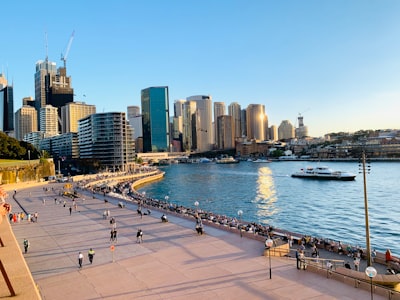
Toronto Travel Guide – Best Places to Visit in Canada
Discover Toronto: Your Ultimate Travel Guide to Canada's Dynamic Metropolis
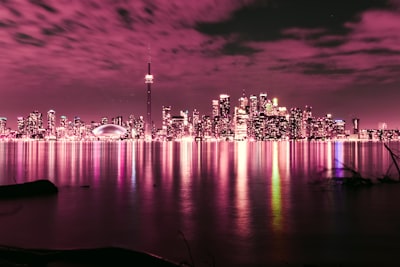
Welcome to Toronto, a city that pulsates with an undeniable energy, an exquisite blend of cultures, and a skyline that pierces the clouds. As Canada's largest city and the capital of Ontario, Toronto is a global hub for business, finance, arts, and innovation, yet it remains remarkably welcoming and easy to navigate for visitors. From its iconic landmarks and world-class museums to its bustling food markets and serene urban green spaces, Toronto offers an endless array of experiences for every type of traveler. This comprehensive guide will equip you with all the information you need to plan an unforgettable journey to this vibrant Canadian jewel, ensuring you make the most of your time in a city that truly has something for everyone. Get ready to explore a city where every street corner tells a story, and every neighbourhood offers a unique adventure.
Best Time to Visit Toronto
Choosing the right time to visit Toronto can significantly impact your experience, as each season offers distinct advantages and charms.
Summer (June to August)
Summer is arguably the most popular time to visit Toronto, and for good reason. The city comes alive with festivals, street patios buzz with activity, and the weather is generally warm and sunny, with average temperatures ranging from 20°C to 30°C (68°F to 86°F). This is the ideal time for enjoying outdoor attractions like the Toronto Islands, High Park, and lakeside activities. However, it's also peak tourist season, meaning larger crowds, higher accommodation prices, and busier attractions. Booking flights and hotels well in advance is highly recommended. Expect numerous outdoor concerts, food festivals, and cultural celebrations.
Fall (September to November)
Fall is a favourite for many locals and visitors alike, offering a perfect balance of pleasant weather and fewer crowds than summer. Temperatures are comfortably mild, typically between 10°C and 20°C (50°F to 68°F) in September and October, gradually cooling down as November approaches. The city's parks and surrounding areas transform into a breathtaking tapestry of red, orange, and gold foliage, making it a picturesque time for strolls and photography. Festivals like Nuit Blanche and the Toronto International Film Festival (TIFF) add to the cultural vibrancy. Prices for accommodation usually start to drop from their summer highs.
Winter (December to February)
Toronto winters are cold and snowy, with temperatures often dropping below freezing, ranging from -10°C to 0°C (14°F to 32°F), and occasionally dipping much lower with wind chill. While it might seem daunting, winter offers its own unique charm. The city is beautifully decorated for the holidays, outdoor ice skating rinks open, and attractions like the Distillery District Christmas Market draw crowds. For those who embrace the cold, it's a great time for indoor activities, enjoying cozy cafes, and potentially finding lower prices on flights and hotels. The PATH underground walkway becomes an invaluable asset for navigating downtown without braving the elements.
Spring (March to May)
Spring in Toronto is a season of transition, as the city thaws and bursts into bloom. Temperatures gradually rise from 0°C to 15°C (32°F to 59°F), though early spring can still be quite chilly and wet. Late April and May are particularly beautiful, with cherry blossoms blooming in High Park and other green spaces, and parks beginning to green. Crowds are generally thinner than in summer, making it a good time for budget-conscious travelers and those who prefer a more relaxed pace. The weather can be unpredictable, so packing layers is essential.
Recommended Best Time: For the best balance of pleasant weather, fewer crowds, and vibrant activities,
late spring (May-early June) or
early fall (September-early October) are often considered the ideal times to visit Toronto.
Top Attractions
Toronto boasts an impressive array of attractions, catering to diverse interests from towering skyscrapers to historic markets and world-class museums.
CN Tower
An undisputed icon of Toronto, the CN Tower stands at 553 meters (1,815 feet) tall. Take a high-speed elevator to the LookOut Level for breathtaking panoramic views of the city, Lake Ontario, and on a clear day, even Niagara Falls. Daredevils can test their limits on the Glass Floor or experience the thrilling EdgeWalk, where you walk hands-free on the outside ledge of the tower.
Ripley's Aquarium of Canada
Located at the base of the CN Tower, Ripley's Aquarium is home to over 20,000 aquatic animals from around the world. Its moving sidewalk through the Dangerous Lagoon offers an immersive experience surrounded by sharks, sea turtles, and various fish species. It's a fantastic attraction for families and marine life enthusiasts.
Royal Ontario Museum (ROM)
Canada's largest museum of art, culture, and natural history, the ROM houses an extraordinary collection of over 13 million artifacts and specimens. Its diverse galleries cover everything from dinosaurs and ancient civilizations to Canadian art and natural history, making it an enriching experience for all ages. The striking Crystal entrance adds a modern architectural marvel to its historic facade.
Art Gallery of Ontario (AGO)
One of North America's largest art museums, the AGO features an impressive collection spanning from the first century to the present day. Highlights include a vast collection of Canadian art, European masterpieces, African and Oceanic art, and modern and contemporary works. Its stunning Frank Gehry-designed architecture is a work of art in itself.
The Distillery Historic District
Step back in time in this charming pedestrian-only village. Housed within Victorian-era industrial buildings, the Distillery District is now a vibrant hub of unique boutiques, art galleries, artisan shops, cafes, and award-winning restaurants. It's a fantastic spot for a leisurely stroll, people-watching, and enjoying a meal in a historic setting. Seasonal markets and festivals are frequent occurrences here.
St. Lawrence Market
A true culinary landmark, the St. Lawrence Market has been serving Toronto since 1803. It's home to three main buildings: the South Market (famous for its diverse food vendors, bakeries, and delis, including the iconic peameal bacon sandwich), the North Market (host to a farmers' market on Saturdays), and St. Lawrence Hall. It's a must-visit for foodies and those looking to sample local delicacies.
Toronto Islands
A short and scenic ferry ride across Lake Ontario brings you to the tranquil Toronto Islands. This car-free oasis offers stunning views of the city skyline, beautiful beaches (including Hanlan's Point, a clothing-optional beach), bike rentals, picnic spots, and Centreville Amusement Park, perfect for families. It’s an ideal escape from the urban hustle.
Casa Loma
Experience the grandeur of a bygone era at Casa Loma, Toronto's majestic gothic revival castle. Built by Sir Henry Pellatt, a prominent Canadian financier, it features ornate suites, secret passages, stately gardens, and an impressive library. Explore its towers, stables, and learn about its fascinating history.
Kensington Market
A truly eclectic and bohemian neighbourhood, Kensington Market is a designated National Historic Site. It's a vibrant mosaic of vintage clothing stores, independent boutiques, art spaces, unique eateries, and fresh produce stalls. Wandering through its colourful streets, adorned with street art and murals, offers a distinct counter-culture vibe.
High Park
Toronto's largest public park, High Park spans 161 hectares (400 acres) and offers a wealth of recreational opportunities. It features walking trails, sports facilities, a beautiful waterfront, a zoo, and is famous for its stunning cherry blossoms in late April/early May. It’s a perfect urban escape for nature lovers.
How to Reach Toronto
Toronto is a major North American transportation hub, making it easily accessible from domestic and international destinations.
By Air
Toronto Pearson International Airport (YYZ): Located approximately 27 km (17 miles) northwest of downtown, Pearson is Canada's busiest airport and the primary gateway for international and transcontinental flights.
- Getting to Downtown: The UP Express train offers the fastest way to downtown Union Station, taking just 25 minutes with departures every 15 minutes. Taxis, ride-sharing services (Uber, Lyft), and public transit (TTC buses connecting to subway lines) are also available.
Billy Bishop Toronto City Airport (YTZ): Situated on the Toronto Islands, just a short ferry ride or pedestrian tunnel walk from downtown, YTZ primarily serves regional flights (e.g., from Eastern Canada and US cities like New York and Chicago). It offers incredible convenience for business travelers and those staying downtown.
By Train
VIA Rail Canada: Toronto's Union Station is a major hub for VIA Rail, Canada's national passenger rail service. You can reach Toronto by train from Montreal, Ottawa, Windsor, and other Canadian cities.
Amtrak: From the United States, Amtrak operates a daily service connecting New York City to Toronto via Niagara Falls, Ontario.
By Bus
Numerous intercity bus services, including Greyhound and Coach Canada, connect Toronto to various cities across Ontario, Quebec, and the northeastern United States. The main bus terminal in downtown Toronto is the Toronto Coach Terminal, though some services now use Union Station Bus Terminal.
By Car
Toronto is well-connected by major highways (401, QEW, Gardiner Expressway). Driving can offer flexibility, but be prepared for city traffic, especially during rush hour, and consider parking costs, which can be significant downtown.
Local Food Guide
Toronto's culinary scene is as diverse as its population, offering a world of flavours within a single city. From quintessential Canadian treats to international gastronomic delights, your taste buds are in for a treat.
The Peameal Bacon Sandwich
A true Toronto icon, this simple yet delicious sandwich features thick slices of lean, cured, unsmoked back bacon (rolled in cornmeal) served on a fresh bun, often with mustard. The best place to try it is at Carousel Bakery within the St. Lawrence Market. It's a must-try breakfast or lunch item.
Poutine
While originating in Quebec, poutine is a beloved Canadian staple readily available across Toronto. This comforting dish consists of French fries topped with cheese curds and smothered in hot gravy. Many restaurants offer gourmet variations with added ingredients like pulled pork, smoked meat, or vegetables.
Multicultural Cuisine
Toronto's strength lies in its incredible ethnic diversity, reflected in its food scene. Explore distinct culinary neighbourhoods:
- Chinatown: Authentic dim sum, Szechuan, Cantonese, and other regional Chinese cuisines.
- Little Italy (College Street): Classic Italian trattorias, pasta, pizza, and gelato.
- Greektown (Danforth Avenue): Delicious souvlaki, gyros, moussaka, and baklava.
- Koreatown (Bloor Street West): Korean BBQ, bibimbap, kimchi, and street food.
- Little India (Gerrard Street East): Aromatic curries, tandoori dishes, and Indian sweets.
- Ethiopian/Eritrean (Danforth Ave/Bloor St W): Savour rich stews served with injera bread.
Beyond these, you'll find exceptional Thai, Vietnamese, Japanese, Mexican, Caribbean, and Middle Eastern restaurants throughout the city.
Fine Dining and Upscale Experiences
Toronto boasts a thriving fine dining scene, with many award-winning restaurants pushing culinary boundaries. Areas like Yorkville, the Financial District, and King West are home to establishments offering innovative tasting menus, exquisite wine lists, and sophisticated ambiance. Reservations are highly recommended for these experiences.
Craft Beer and Breweries
The craft beer scene in Toronto has exploded in recent years. Explore numerous local breweries and brewpubs across the city, particularly in areas like the Junction, Riverside, and Liberty Village. Many offer taprooms for tasting flights and tours.
Food Markets and Street Food
Beyond St. Lawrence Market, explore Kensington Market for a more eclectic mix of international street food, bakeries, and cafes. During warmer months, various food trucks can be found across the city, serving up everything from gourmet grilled cheese to global fusion dishes.
Brunch Culture
Toronto takes brunch seriously. Weekends see many cafes and restaurants bustling with locals enjoying creative egg dishes, pancakes, waffles, and delicious coffee.
Public Transport
Navigating Toronto is made easy by its comprehensive public transit system, the Toronto Transit Commission (TTC).
TTC (Toronto Transit Commission)
The TTC operates subways, streetcars, and buses, covering almost every corner of the city.
- Subway: The quickest way to travel long distances, with four main lines. Line 1 (Yonge-University) runs north-south in a U-shape, and Line 2 (Bloor-Danforth) runs east-west.
- Streetcars: Primarily operate on major east-west routes downtown (e.g., King Street, Queen Street, Spadina Avenue), offering a scenic way to experience the city at street level.
- Buses: Fill in the gaps where subways and streetcars don't reach, extending service to residential areas and connecting to transit hubs.
- Fares: A single cash fare is $3.35 CAD. However, it's more economical and convenient to purchase a Presto Card. This reloadable smart card can be used on all TTC services, as well as GO Transit and other Greater Toronto Area (GTA) transit systems. You can purchase and load Presto cards at subway stations, Shoppers Drug Mart locations, or online.
GO Transit
For travel outside of downtown Toronto to the Greater Toronto Area (GTA) and beyond (e.g., to destinations like Niagara Falls or Hamilton), GO Transit operates an extensive network of regional trains and buses. Services typically run from Union Station in downtown Toronto. The Presto card is also valid on GO Transit.
Walking and Cycling
Many of Toronto's downtown neighbourhoods are highly walkable, allowing you to explore attractions like the Distillery District, Kensington Market, and the Entertainment District on foot. The city also has an expanding network of bike lanes. Bike share Toronto offers convenient bike rentals for short trips.
Ride-sharing and Taxis
Uber and Lyft operate widely in Toronto, providing convenient on-demand transportation. Traditional taxi services are also readily available, especially in busy areas and outside major hotels.
Travel Budget Tips
Toronto can be an expensive city, but with smart planning, you can enjoy its offerings without breaking the bank.
Accommodation
- Book in Advance: Especially during peak season (summer, major festivals), booking well in advance can secure better rates.
- Consider Location: Hotels in the downtown core, Yorkville, and the Financial District are generally more expensive. Look for options slightly outside the immediate downtown area (e.g., North York, Etobicoke, or along subway lines) which offer good value and easy transit access.
- Hostels and Guesthouses: For budget travelers, hostels offer dormitory-style beds and private rooms at significantly lower prices.
- Airbnb/Vacation Rentals: Can be a good option for longer stays or groups, offering kitchen facilities to save on food costs.
Food
- Self-Catering: If your accommodation has a kitchen, buy groceries from local supermarkets and prepare some of your meals.
- St. Lawrence Market & Kensington Market: Great places to find delicious and affordable food, from international street eats to fresh produce.
- Lunch Deals: Many restaurants offer more affordable lunch specials than dinner.
- Ethnic Neighbourhoods: Eating in Chinatown, Koreatown, or Little India often provides excellent food at lower prices than mainstream tourist areas.
- Street Food: Look for food trucks and kiosks, especially during festivals.
Attractions
- Free Activities: Toronto offers many free attractions:
- Stroll through Kensington Market, the Distillery District, High Park, and Queen's Park.
- Walk along the Harbourfront and take in views of Lake Ontario.
- Explore public art installations and vibrant street art.
- Many public events and festivals throughout the year are free to attend.
- The Art Gallery of Ontario (AGO) offers free admission on Wednesday evenings.
- CityPASS: If you plan to visit multiple major attractions (CN Tower, Ripley's Aquarium, ROM, Casa Loma, Toronto Zoo or Ontario Science Centre), a Toronto CityPASS can save you up to 35-40% on admission.
- Museum Discounts: Check museum websites for specific free days, student discounts, or special promotions.
Transportation
- Presto Card: As mentioned, use a Presto Card for public transit to save on individual cash fares.
- Walk: Explore walkable neighbourhoods on foot to save on transit costs and discover hidden gems.
- Bike Share Toronto: An affordable option for short-distance travel, with stations across the city.
Currency
The currency used in Canada is the
Canadian Dollar (CAD). It's advisable to check current exchange rates before your trip. Most establishments accept major credit cards, and ATMs are widely available. Tipping is customary in restaurants (15-20%), for taxi drivers, and in personal service industries.
Hotels and Accommodation
Toronto offers a wide range of accommodation options to suit every budget and preference, from luxurious five-star hotels to cozy boutique stays and budget-friendly hostels.
Luxury Hotels
- Yorkville: This upscale neighbourhood is home to Toronto's most luxurious hotels, including The Hazelton Hotel, Four Seasons Hotel Toronto, and The Ritz-Carlton. Expect impeccable service, gourmet dining, and spa facilities.
- Financial District/Downtown Core: Options like Shangri-La Toronto, St. Regis Toronto, and Fairmont Royal York offer prime locations, sophisticated amenities, and often stunning city views, catering to both business and leisure travelers.
Mid-Range Hotels
- Entertainment District/King West: This vibrant area is perfect for those who want to be in the heart of the action. Hotels like the Delta Hotels by Marriott Toronto, Hyatt Regency Toronto, and Hotel Le Germain Toronto offer comfortable stays within walking distance of theatres, restaurants, and nightlife.
- Downtown East/Harbourfront: Areas around Yonge Street and the waterfront, such as the Radisson Blu Downtown Toronto or Novotel Toronto Centre, offer good value with easy access to attractions and transit.
Budget Accommodation
- Hostels: Toronto has several well-regarded hostels, including The Only Backpacker's Inn and HI Toronto Hostel, offering dormitory beds and some private rooms. They're great for solo travelers looking to meet others.
- Areas Outside Downtown: Consider hotels in neighbourhoods like North York, Etobicoke, or along the major subway lines (e.g., along the Yonge-University line). These often provide more affordable rates with good connectivity to downtown attractions.
- Airbnb/Vacation Rentals: Renting an apartment or room through platforms like Airbnb can be cost-effective, especially for longer stays or groups, and provides a local living experience.
Boutique Hotels and Unique Stays
For those seeking something a bit different, Toronto has several charming boutique hotels. The Drake Hotel and The Gladstone House (in West Queen West) are known for their art-filled rooms and vibrant cultural scenes.
Booking Advice: It is highly recommended to book your accommodation well in advance, especially if you plan to visit during the peak summer months or during major events like TIFF or Caribana, when prices can soar and availability becomes limited.
Safety Tips
Toronto is widely considered one of the safest major cities in North America. However, like any large urban center, it's always wise to exercise caution and be aware of your surroundings.
- General Awareness: Be mindful of your personal belongings, especially in crowded tourist areas, on public transit, and in bars or clubs. Pickpocketing can occur, though it is not widespread.
- Emergency Services: The emergency number for police, fire, and ambulance services in Canada is 911.
- Walking Alone: Most areas of downtown Toronto are safe to walk alone, even at night, particularly well-lit and busy streets. However, it's always prudent to be more cautious in less populated areas or late at night.
- Public Transport: TTC subways, streetcars, and buses are generally very safe. Stations are usually well-lit, and there's a strong security presence. Be aware during off-peak hours on quieter routes.
- Weather Preparedness: Toronto experiences extreme weather conditions.
- Summer: High humidity and heat can lead to heatstroke. Stay hydrated and seek air-conditioned spaces.
- Winter: Severe cold and heavy snowfall are common. Dress in layers, wear warm, waterproof footwear, and be aware of icy conditions.
- Scams: While rare, be wary of common tourist scams, such as individuals asking for money with elaborate stories or aggressive panhandlers. It's best to politely decline and move on.
- Road Safety: When walking, always use designated crosswalks and obey traffic signals. Toronto drivers can be fast-paced, so be vigilant.
- Alcohol Consumption: The legal drinking age in Ontario is 19. Open containers of alcohol are not permitted in public places.
By following these common-sense precautions, you can enjoy a safe and worry-free visit to Toronto.
FAQ Section
Q1: Do I need a visa to visit Toronto/Canada?
A1: This depends on your country of citizenship. Many countries (including the US, EU countries, Australia, New Zealand) do not require a visa but may require an Electronic Travel Authorization (eTA) if arriving by air. Always check the official Government of Canada website for the most up-to-date visa requirements for your nationality before planning your trip.
Q2: What is the best way to get around Toronto?
A2: For exploring downtown and surrounding neighbourhoods, the TTC (subway, streetcar, bus) is the most efficient and cost-effective option. Consider purchasing a Presto Card. Walking is excellent for specific neighbourhoods, and Bike Share Toronto is available. Ride-sharing apps (Uber, Lyft) and taxis are also widely available.
Q3: Is Toronto an expensive city to visit?
A3: Toronto can be relatively expensive, especially for accommodation and dining in popular areas. However, with careful planning (e.g., using public transit, finding budget accommodation, utilizing free attractions, and eating at local markets or ethnic restaurants), it's possible to manage your budget effectively.
Q4: How many days should I spend in Toronto?
A4: To experience the main attractions and get a good feel for the city, a minimum of 3-4 full days is recommended. If you plan to take day trips (e.g., to Niagara Falls) or explore more neighbourhoods, consider 5-7 days or more.
Q5: What language is spoken in Toronto?
A5: English is the predominant language spoken in Toronto. Due to its multicultural nature, you'll hear hundreds of languages spoken, but English is universally understood. Canada is officially bilingual, so French is also an official language, though less commonly spoken in Toronto than in Quebec.
Q6: Is tipping customary in Toronto?
A6: Yes, tipping is customary and expected in service industries in Toronto, similar to the rest of North America. For good service in restaurants, 15-20% of the bill is standard. It's also common to tip taxi drivers (10-15%), bartenders, and service providers (e.g., hairdressers).
Q7: What kind of weather should I expect?
A7: Toronto experiences four distinct seasons. Summers (June-August) are warm and humid; falls (September-November) are mild with beautiful foliage; winters (December-February) are cold and snowy; and springs (March-May) are cool to mild with blooming flowers. Pack accordingly for the season of your visit, and always check the forecast closer to your travel date.
Q8: Can I use US dollars in Toronto?
A8: While some major tourist shops and attractions might accept US dollars, it's generally best to use Canadian dollars (CAD) for most transactions. You'll likely receive a less favourable exchange rate when paying in USD, and change will almost always be given in CAD. It's better to exchange currency or use credit/debit cards.