Budapest Travel Guide – Best Places to Visit in Hungary
Budapest: The Pearl of the Danube – Your Ultimate Travel Guide
Welcome to Budapest, the enchanting capital of Hungary, a city where rich history, stunning architecture, and vibrant culture converge to create an unforgettable experience. Often hailed as the "Pearl of the Danube," Budapest effortlessly blends its imperial past with a dynamic modern pulse. From the grand elegance of its thermal baths to the lively energy of its ruin bars, the city offers something for every traveler. Whether you're seeking cultural immersion, culinary delights, historical insights, or simply a relaxing getaway, Budapest promises to captivate your senses and leave you yearning for more. This comprehensive guide will equip you with all the essential information to plan your perfect trip to this magnificent European jewel.
Best Time to Visit
Choosing the right time to visit Budapest can significantly enhance your travel experience, as each season offers a unique charm and array of activities.
Spring (April-May)
Spring is arguably one of the best times to visit Budapest. The weather is pleasantly mild, with temperatures ranging from 15°C to 20°C, making it ideal for exploring the city on foot. The parks and gardens bloom with vibrant colors, and outdoor cafes begin to fill up. There are fewer crowds than in summer, allowing for a more relaxed sightseeing experience. Various cultural festivals and outdoor markets also kick off during this period.
Summer (June-August)
Summer is Budapest's peak tourist season, characterized by warm to hot weather (often exceeding 30°C) and a lively atmosphere. The city truly comes alive with outdoor concerts, river cruises, and festivals like the Sziget Festival in August. While the energy is infectious and the nightlife vibrant, expect larger crowds at popular attractions and higher prices for accommodation. It's the perfect time for enjoying the Danube riverside, outdoor dining, and evening strolls.
Autumn (September-October)
As summer fades, autumn brings another beautiful period to Budapest. The weather remains pleasant, typically ranging from 10°C to 20°C, and the city's trees transform into a beautiful tapestry of autumnal hues. Crowds start to thin out, offering a more peaceful experience while still enjoying comfortable temperatures. Autumn is also harvest season, meaning plenty of wine and gastronomic festivals, making it ideal for foodies.
Winter (November-March)
Winter in Budapest is cold, with temperatures often dropping below freezing and occasional snowfall, but it also has a magical charm. The city's famous thermal baths become an even more inviting sanctuary, and the Christmas markets (late November to December) are among Europe's finest, filled with festive lights, traditional crafts, and mulled wine. Ice skating rinks open up, and while it's colder, the winter ambiance, especially around the holidays, is truly special. Accommodation prices can be lower, except during the Christmas and New Year period.
Recommendation: For a balance of good weather, manageable crowds, and pleasant outdoor activities, Spring (late April to May) or early Autumn (September to early October) are generally considered the sweet spot for visiting Budapest.
Top Attractions
Budapest is brimming with iconic landmarks and hidden gems that tell stories of its rich past and vibrant present. Here’s a rundown of must-visit sites:
Buda Castle District
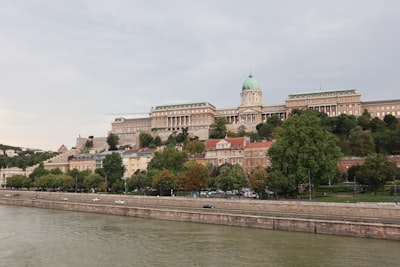
Perched atop Castle Hill, this UNESCO World Heritage site is a historical wonderland. Explore the sprawling
Buda Castle, which houses the Hungarian National Gallery and the Budapest History Museum. Don't miss the stunning
Matthias Church, known for its colorful tiled roof and intricate interior. Adjacent to it is the fairytale-like
Fisherman's Bastion, offering panoramic views of the Danube, Parliament, and Pest side.
Hungarian Parliament Building
An architectural masterpiece, the Parliament Building is one of Europe's oldest legislative buildings and a symbol of Hungary. Its Neo-Gothic design is breathtaking, especially when illuminated at night. Guided tours are available and highly recommended to admire its opulent interiors, including the Holy Crown of Hungary.
Széchenyi Chain Bridge
Connecting Buda and Pest, the Chain Bridge was the first permanent bridge across the Danube in Hungary. Adorned with stone lions, it’s an iconic symbol of the city. A walk across it offers fantastic views, especially at sunset.
St. Stephen's Basilica
This magnificent Roman Catholic basilica is Budapest's largest church and a truly grand sight. Climb to the dome for breathtaking 360-degree views of the city. Inside, admire the stunning architecture, intricate mosaics, and the mummified right hand of St. Stephen, Hungary's first king.
Thermal Baths
Budapest is the "City of Spas," boasting numerous thermal baths fed by natural hot springs.
- Széchenyi Thermal Bath: The largest and most famous, featuring grand Baroque architecture and 18 indoor and outdoor pools. It’s a quintessential Budapest experience.
- Gellért Thermal Bath: Housed within the luxurious Art Nouveau Gellért Hotel, known for its beautiful mosaic tiles and stained glass windows.
- Rudas Thermal Bath: A historic Turkish bath from the Ottoman era, offering traditional thermal pools and a modern wellness section with a rooftop jacuzzi overlooking the Danube.
Andrássy Avenue & Opera House
A UNESCO World Heritage site, Andrássy Avenue is Budapest's most elegant boulevard, lined with neo-Renaissance mansions, high-end boutiques, and museums. It leads to the magnificent
Hungarian State Opera House, a lavish architectural gem that hosts world-class performances. Further along the avenue is the sobering
House of Terror Museum, a powerful exhibition detailing Hungary's fascist and communist regimes.
Heroes' Square (Hősök Tere)
One of the major squares in Budapest, Heroes' Square features iconic statues of the leaders of the seven Magyar tribes who founded Hungary and other important historical figures. Flanked by the
Museum of Fine Arts and the
Műcsarnok (Hall of Art), it’s a grand and impressive sight.
Vajdahunyad Castle
Nestled in City Park, this unique castle complex showcases various architectural styles from different periods of Hungary's history, from Romanesque to Gothic and Baroque. It's particularly charming in autumn and winter.
Dohány Street Synagogue
Europe's largest synagogue and the second largest in the world, the Dohány Street Synagogue is a stunning example of Moorish Revival architecture. It’s a vital center of Jewish culture and history, housing a museum and a memorial to Holocaust victims.
Margaret Island (Margit-sziget)
A serene green oasis in the middle of the Danube, Margaret Island is perfect for relaxation and recreation. Enjoy the musical fountain, Japanese garden, rose garden, cycling paths, and even a small zoo. It's a popular spot for locals and tourists alike.
Great Market Hall (Nagy Vásárcsarnok)
Budapest's largest and oldest indoor market, the Great Market Hall is a feast for the senses. On the ground floor, you'll find fresh produce, meats, and spices. The upper floor is dedicated to Hungarian souvenirs, handicrafts, and bustling food stalls serving traditional dishes.
Ruin Bars
A unique Budapest phenomenon, ruin bars are vibrant, quirky pubs set up in abandoned buildings, courtyards, and derelict spaces of the old Jewish Quarter.
Szimpla Kert is the most famous and a must-visit for its eclectic decor, lively atmosphere, and diverse crowd.
How to Reach
Budapest is well-connected and easily accessible from various parts of Europe and the world.
By Air
The primary gateway is
Ferenc Liszt International Airport (BUD), located about 16 km southeast of the city center.
- Airport to City Center:
- Bus 100E: Express bus service operating between the airport and Deák Ferenc tér in the city center. It’s direct and affordable.
- Bus 200E + Metro: Take bus 200E to Kőbánya-Kispest metro station, then transfer to Metro line M3 (blue line) into the city. Cheaper but takes longer.
- MiniBUD Shuttle: A shared-ride shuttle service that takes you directly to your accommodation. Book in advance.
- Taxi: Official Főtaxi cabs are available outside the terminal. Ensure the meter is used. Ride-sharing apps like Bolt are also popular.
By Train
Budapest is a major railway hub in Central Europe. International trains arrive at one of three main stations:
- Keleti Pályaudvar (Eastern Railway Station): The largest and most historically significant, serving most international routes (e.g., from Vienna, Prague, Berlin). Well-connected to the metro (M2 and M4 lines).
- Nyugati Pályaudvar (Western Railway Station): Primarily serves domestic routes and some international trains. Also on the M3 metro line.
- Déli Pályaudvar (Southern Railway Station): Serves domestic routes and some international connections to Croatia and Slovenia. On the M2 metro line.
By Bus
International bus services like FlixBus and Eurolines connect Budapest to many European cities. The main bus terminal is
Népliget Bus Station, accessible by the M3 metro line.
By Car
While possible to drive to Budapest, it’s not recommended for exploring the city itself due to parking difficulties and efficient public transport. If you plan to explore the wider region of Hungary, renting a car might be suitable.
Local Food Guide
Hungarian cuisine is hearty, flavorful, and deeply comforting, heavily relying on paprika, onions, and sour cream. Prepare your taste buds for a delicious journey!
Must-Try Dishes
- Goulash (Gulyás): More than just a stew, authentic Hungarian goulash is a rich, soupy dish with tender beef, potatoes, carrots, and plenty of paprika. It's a national treasure.
- Lángos: A quintessential Hungarian street food. This deep-fried flatbread is typically topped with sour cream, grated cheese, and garlic oil. Deliciously indulgent!
- Chicken Paprikash (Csirkepaprikás): Tender chicken pieces simmered in a creamy, rich paprika sauce, usually served with nokedli (small egg dumplings).
- Fisherman's Soup (Halászlé): A fiery red fish soup, typically made with various freshwater fish (carp, catfish) and generous amounts of hot paprika. Each region has its own variation.
- Stuffed Cabbage (Töltött Káposzta): Cabbage leaves filled with a mixture of minced pork, rice, and spices, simmered in a tomato-paprika sauce and often topped with sour cream.
- Debrecener Sausage: A pair of slightly spicy, smoked pork sausages, often grilled or fried and served with mustard.
- Túrós Csusza: A savory pasta dish made with cottage cheese, crispy bacon bits, and often a dollop of sour cream. Surprisingly addictive.
- Foie Gras (Libamáj): Hungary is famous for its high-quality foie gras, often served pan-seared or as a pâté.
Sweet Treats & Desserts
- Chimney Cake (Kürtőskalács): A sweet, spiral-shaped pastry baked over an open fire, then coated in sugar and various toppings like cinnamon, walnuts, or cocoa. A delightful street food snack.
- Dobos Torta: A classic Hungarian layer cake with chocolate buttercream and a hard caramel top.
- Esterházy Torta: An elegant layer cake made with almond meringue and a rich cognac or vanilla buttercream.
- Palacsinta: Thin Hungarian crepes, served with various fillings like jam, sweet cottage cheese, or ground walnuts.
Drinks
- Tokaji Wine: From the Tokaj wine region, this sweet dessert wine is world-renowned. Dry Tokaji wines are also excellent.
- Unicum: A distinctive Hungarian herbal liquor, consumed as a digestif. It has a strong, bitter taste.
- Pálinka: A traditional Hungarian fruit brandy, available in various fruit flavors (plum, apricot, pear, cherry). Potent and often homemade.
- Fröccs: A refreshing spritzer made with Hungarian wine and sparkling water, perfect for summer.
Dining Experiences
- Traditional Restaurants (Éttermek): Look for local eateries away from the main tourist streets for authentic flavors and better prices.
- Great Market Hall: Fantastic for trying various local foods from the stalls upstairs.
- Street Food: Lángos stands, chimney cake vendors, and sausage carts are plentiful.
- Ruin Bars: Many ruin bars also serve delicious pub food and snacks, alongside their wide selection of drinks.
- Napi Menü (Daily Menu): Look for lunch deals, often available on weekdays, offering a fixed-price two or three-course meal at excellent value.
Public Transport
Budapest boasts an excellent, efficient, and extensive public transport network, making it easy to navigate the city. Operated by BKK (Budapest Transport Centre), it includes metro, trams, buses, and trolleybuses.
Metro
Budapest's metro system is one of the oldest in the world (Line M1, the 'Yellow Line', dates back to 1896). It has four lines:
- M1 (Yellow Line): Connects Vörösmarty tér to Mexikói út, passing through Andrássy Avenue and City Park.
- M2 (Red Line): Runs between Déli pályaudvar (Buda) and Örs vezér tere (Pest), crossing the Danube and stopping at Keleti pályaudvar and Kossuth Lajos tér (Parliament).
- M3 (Blue Line): The longest line, connecting Kőbánya-Kispest to Újpest-központ, serving the airport bus (200E) connection and Népliget bus station.
- M4 (Green Line): The newest line, connecting Keleti pályaudvar and Kelenföld vasútállomás (Buda).
Trams
Trams are an iconic part of Budapest's transport system.
Tram 2 is particularly famous for its scenic route along the Danube on the Pest side, offering stunning views of Buda Castle, the Parliament, and other landmarks. Other trams connect various parts of the city efficiently.
Buses & Trolleybuses
An extensive network of buses and trolleybuses covers areas not reached by the metro or tram, including uphill routes in Buda. Night buses operate after metro and tram services cease.
Tickets and Passes
- Single Tickets (Vonaljegy): Valid for one uninterrupted journey on any line. You must validate your ticket before boarding or immediately after entering the metro station.
- Transfer Tickets (Átszállójegy): Valid for a journey with one transfer.
- Travel Cards: More cost-effective for tourists:
- 24-hour travel card (24 órás jegy)
- 72-hour travel card (72 órás jegy)
- 7-day travel card (Heti jegy)
- Budapest Card: Offers unlimited public transport, free entry to some museums, and discounts on various attractions, tours, and restaurants. Available for 24, 48, 72, 96, or 120 hours.
Where to Buy Tickets
Tickets and passes can be purchased from metro stations (at ticket offices or vending machines), larger tram and bus stops, newsstands (trafik), and the BKK mobile app. Always validate your ticket to avoid fines.
Travel Budget Tips
Budapest is generally more affordable than Western European capitals, but savvy planning can stretch your budget further without compromising on experience.
Accommodation
- Book in advance: Especially during peak season (summer, Christmas markets), prices can increase significantly.
- Consider hostels: Budapest has many high-quality hostels with private rooms available, ideal for solo travelers or small groups on a budget.
- Apartments/Airbnb: A great option for longer stays or groups, often including kitchen facilities for self-catering.
- Location: Staying slightly outside the absolute city center (District VII, VIII, IX) can offer better value, with good public transport links.
Food and Drink
- Eat like a local: Seek out "napi menü" (daily lunch menus) at local restaurants for excellent value.
- Great Market Hall: A fantastic place for cheap and authentic eats, as well as groceries for self-catering.
- Street Food: Lángos, chimney cake, and sausage stands offer delicious and inexpensive meals.
- Supermarkets: Buy snacks, drinks, and breakfast items from stores like Spar, Lidl, or Aldi.
- Avoid tourist traps: Restaurants directly on main tourist squares often charge higher prices for lower quality.
Attractions and Activities
- Budapest Card: If you plan to visit multiple museums and use public transport extensively, this card can save you money.
- Free Walking Tours: Many companies offer free (tip-based) walking tours that provide a great introduction to the city's history and sights.
- Outdoor Sights: Many of Budapest’s most iconic sights (Chain Bridge, Heroes' Square, Fisherman's Bastion exterior) are free to admire.
- Museum Pass: If you're a museum buff, check if a pass is available for the museums you wish to visit.
Transport
- Public Transport Passes: Always buy a 24/72-hour or weekly pass if you plan on using public transport more than a couple of times a day. Single tickets add up quickly.
- Walk: Budapest is a very walkable city, especially the Pest side. Enjoy strolling along the Danube or exploring charming streets on foot.
Nightlife
- Ruin Bars: While popular, drinks can be pricier than local pubs. Look for happy hour deals.
- Local Pubs: Venture slightly away from the main ruin bar area for more affordable drinks.
- Pre-drinks: Consider buying drinks from supermarkets to enjoy before heading out.
Currency and Payments
- Hungarian Forint (HUF): The local currency. While some tourist places might accept Euros, it's always better to pay in HUF for a fair exchange rate.
- ATMs: Widely available. Use ATMs from reputable banks to avoid excessive fees.
- Credit/Debit Cards: Widely accepted in most establishments. It's always good to have some cash for smaller purchases or markets.
Hotels and Accommodation
Budapest offers a diverse range of accommodation options to suit every budget and preference, from luxurious five-star hotels to cozy boutique guesthouses and lively hostels. The city's districts offer distinct atmospheres, so choose wisely based on your interests.
Popular Districts for Accommodation
- District V (Belváros-Lipótváros): The true city center of Pest, home to Parliament, St. Stephen's Basilica, and the Chain Bridge. Ideal for first-time visitors who want to be close to major attractions, high-end shopping, and fine dining. Accommodation here tends to be more upscale and expensive.
- District VII (Erzsébetváros - Jewish Quarter): The heart of Budapest's nightlife, famous for its ruin bars, vibrant street art, and eclectic restaurants. Great for those seeking a lively atmosphere, cultural immersion, and a mix of boutique hotels and budget-friendly hostels.
- District VI (Terézváros): Home to Andrássy Avenue, the Opera House, and many theaters. This district offers elegant hotels, cultural attractions, and good connections to public transport. It's a sophisticated choice, often quieter than District VII but still central.
- District I (Várkerület - Buda Castle District): Located on the Buda side, this historic district offers a quieter, more romantic experience with stunning views. Accommodation often includes luxury hotels with unique charm. Ideal for history lovers and those who appreciate serene surroundings.
- District IX (Ferencváros): An up-and-coming district, known for its mix of historical architecture and modern developments, including the MÜPA Budapest (Palace of Arts). Offers a slightly more local feel, with good value accommodation and a growing number of trendy cafes and restaurants.
Types of Accommodation
- Luxury Hotels: Grand hotels like the Four Seasons Hotel Gresham Palace, Hotel Gellért, and The Ritz-Carlton offer unparalleled service, amenities, and often historic architecture.
- Boutique Hotels: Smaller, stylish hotels offering unique designs and personalized service, often found in refurbished historic buildings.
- Mid-Range Hotels: Plenty of comfortable and well-located options that provide excellent value for money.
- Hostels: Budapest has a thriving hostel scene, with options ranging from lively party hostels in the Jewish Quarter to quieter, more design-focused hostels. Ideal for budget travelers and solo adventurers.
- Apartments/Airbnb: A popular choice for those seeking more space, privacy, and kitchen facilities. Great for families or longer stays.
Booking Tips
- Book early: Especially if traveling during peak season or major events, popular accommodations fill up quickly.
- Read reviews: Check recent reviews on booking platforms to get an idea of the hotel's cleanliness, service, and location.
- Consider public transport: Ensure your chosen accommodation has easy access to metro, tram, or bus stops, even if it's not in the absolute center.
Safety Tips
Budapest is generally a safe city for tourists, but like any major European capital, it's wise to be aware of your surroundings and take common precautions.
- Petty Crime: Pickpocketing is the most common crime, especially in crowded tourist areas (e.g., Váci Street, Great Market Hall, Chain Bridge), on busy public transport (metro lines, trams), and around major attractions.
- Keep valuables (wallets, phones) in a secure, zipped bag close to your body or in front pockets.
- Avoid displaying large amounts of cash or expensive jewelry.
- Be cautious of distractions or groups of people trying to approach you.
- Taxi Scams: Unofficial taxis can overcharge significantly.
- Always use official taxi companies like Főtaxi or Bolt (the local equivalent of Uber).
- Insist on the meter being used.
- Agree on a fare beforehand if possible, but meters are standard.
- Nightlife Safety: Budapest's nightlife is vibrant but drink responsibly.
- Keep an eye on your drink and don't accept drinks from strangers.
- Travel in groups or pairs, especially late at night.
- Use reputable taxis or public transport. Avoid walking alone in dimly lit areas.
- Be aware of inflated prices in some tourist-focused bars. Always check the menu for prices before ordering.
- Tourist Traps: Be wary of people approaching you with "special offers" or trying to sell you things on the street.
- Public Transport Fines: Ensure you validate your ticket or pass when using public transport. Inspectors conduct checks, and hefty fines can be issued for non-validated tickets.
- Health: Tap water in Budapest is safe to drink. Be mindful of sun exposure in summer. Pack any necessary prescription medications.
- Lost or Stolen Items: Report any theft to the local police as soon as possible to obtain a police report for insurance purposes.
By being mindful and taking sensible precautions, you can enjoy all that Budapest has to offer without incident.
FAQ Section
Is Budapest an expensive city to visit?
Compared to Western European capitals, Budapest is relatively affordable. You can find good value for accommodation, food, and transport, especially if you eat at local eateries and use public transport passes.
Do people speak English in Budapest?
Yes, in most tourist areas, hotels, restaurants, and shops, you will find people who speak English. Older generations might have less English proficiency, but younger people generally speak it well. Learning a few basic Hungarian phrases (e.g., "hello," "thank you") is always appreciated.
What is the local currency?
The local currency is the Hungarian Forint (HUF). While some tourist-oriented places might accept Euros, it's always best to pay in HUF to avoid unfavorable exchange rates. Credit and debit cards are widely accepted.
How many days do I need to explore Budapest?
A minimum of 3 to 5 full days is recommended to comfortably see the main attractions, experience the thermal baths, enjoy the local cuisine, and soak in the city's atmosphere. If you want to take day trips or explore at a more leisurely pace, 6-7 days would be ideal.
Is it safe to drink tap water in Budapest?
Yes, tap water in Budapest is perfectly safe to drink and of good quality. You can refill your water bottle to save money and reduce plastic waste.
What are the best thermal baths to visit?
The most popular and iconic thermal baths are Széchenyi Thermal Bath (the largest and most famous outdoor/indoor complex), Gellért Thermal Bath (known for its stunning Art Nouveau architecture), and Rudas Thermal Bath (a historic Turkish bath with a modern wellness section).
What's the best way to get around Budapest?
Budapest has an excellent public transport system (metro, trams, buses). Buying a 24-hour, 72-hour, or Budapest Card is the most cost-effective way to get around. The city center is also very walkable, especially the Pest side.
Can I use Euros in Budapest?
While some tourist shops, hotels, or restaurants might accept Euros, it's not the official currency, and you'll often get a poor exchange rate. It's always better to convert your money to Hungarian Forints or use a credit/debit card.
What is the tipping culture in Budapest?
In restaurants, a 10-15% tip is customary if a service charge hasn't already been added to your bill. For taxi drivers, rounding up to the nearest convenient amount or adding 10% is common. For bar staff, you can round up or leave a small amount of change.
What's a "ruin bar"?
Ruin bars are unique pubs set up in dilapidated, abandoned buildings, courtyards, and vacant lots, primarily in the Jewish Quarter. They are known for their eclectic, quirky decor, vibrant atmosphere, and often host live music and various events. Szimpla Kert is the most famous example.