Bora Bora Travel Guide – Best Places to Visit in French Polynesia
Bora Bora: The Pearl of the Pacific
Nestled in the heart of French Polynesia, Bora Bora is an island that needs no introduction. Often dubbed the "Pearl of the Pacific," it's a name synonymous with unparalleled luxury, breathtaking natural beauty, and the ultimate romantic escape. Imagine an emerald volcanic peak, Mount Otemanu, rising majestically from the center of an island, encircled by a tapestry of turquoise, sapphire, and jade lagoons so vibrant they almost defy belief. This lagoon, protected by a barrier reef, is home to an abundance of marine life, making it a diver's and snorkeler's paradise.
Bora Bora is not just a destination; it's an experience. It's where the iconic overwater bungalow originated, offering guests direct access to the warm, crystal-clear waters, stunning panoramic views, and an unparalleled sense of privacy. From adventurous lagoon excursions to relaxing spa treatments and exquisite culinary journeys, Bora Bora promises a truly unforgettable vacation. This guide aims to provide you with all the essential information to plan your dream trip to this South Pacific gem.
Best Time to Visit
Choosing the right time to visit Bora Bora can significantly impact your experience, from weather conditions to crowd levels and pricing.
Dry Season (High Season): May to October
This is widely considered the best time to visit Bora Bora. The weather is generally sunny, dry, and less humid, with comfortable temperatures averaging around 27°C (80°F). The sky is usually clear, offering pristine views of Mount Otemanu and the vibrant lagoon.
- Pros: Ideal weather for all outdoor activities, especially snorkeling, diving, and sunbathing. Lower humidity makes for a more comfortable experience.
- Cons: This is the peak tourist season, meaning higher prices for flights and accommodation. Resorts are often fully booked, so advance reservations are crucial.
- Events: July often features the Heiva I Tahiti festival, celebrating Polynesian culture with traditional music, dance, and sports, though the main festivities are in Tahiti.
Wet Season (Low Season): November to April
The wet season is characterized by warmer temperatures, higher humidity, and more frequent, though often short, rain showers. Temperatures average around 30°C (86°F). While it's called the "wet season," it doesn't rain all day, every day; you can still expect plenty of sunshine.
- Pros: Significantly lower prices for flights and resorts, fewer crowds, and a more lush, green landscape. Excellent visibility for diving due to calm waters.
- Cons: Higher chance of rain, increased humidity, and a slight risk of tropical storms (though rare).
- Events: The holiday season (December-January) can see a small spike in tourism despite being in the wet season.
Shoulder Season: April/May and October/November
These months offer a good balance, bridging the gap between the dry and wet seasons. You might experience a mix of both weather patterns – good sunshine with occasional rain – but with fewer crowds and slightly better prices than the high season. It's often an excellent compromise for those looking for good weather without the peak season crowds and costs.
Top Attractions
Bora Bora's allure lies primarily in its breathtaking lagoon and the activities it offers. However, there's more to explore beyond the water.
Mount Otemanu
The majestic centerpiece of Bora Bora, Mount Otemanu is an ancient volcanic peak that dominates the island's skyline. While the summit itself is not accessible for hiking due to crumbling rock, you can enjoy stunning views from various lookout points around the island. Many safari tours offer scenic drives around its base, providing excellent photo opportunities and insights into the island's lush interior.
Matira Beach
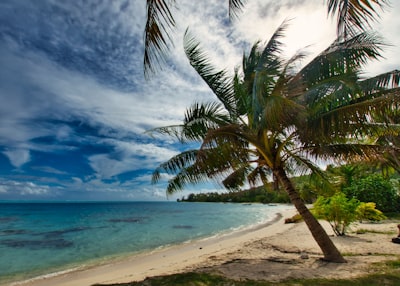
Widely regarded as one of the most beautiful public beaches in the world, Matira Beach is a pristine stretch of white sand located on the southern tip of the main island. Its calm, shallow, turquoise waters are perfect for swimming, wading, and relaxing. Unlike many resort beaches, Matira is open to everyone and offers stunning sunsets. You'll find a few local snack bars and shops nearby.
Lagoon Tours & Water Activities
The vibrant lagoon is the heart of Bora Bora's appeal.
- Snorkeling and Diving: Explore the famous Coral Gardens, the Aquarium, or the Manta Ray Channel. The clear waters offer incredible visibility for spotting colorful fish, rays, reef sharks, and vibrant coral. Many dive centers cater to all experience levels, from beginner dives to advanced certifications.
- Shark and Ray Feeding Tours: A thrilling and popular activity where you can safely interact with blacktip reef sharks and stingrays in their natural habitat, often followed by snorkeling in other parts of the lagoon.
- Jet Skiing: Circle the entire island on a jet ski for an exhilarating way to see Bora Bora from a different perspective.
- Paddleboarding and Kayaking: Most resorts offer complimentary kayaks and paddleboards, allowing you to peacefully explore the shallow waters around your overwater bungalow or resort.
- Glass-Bottom Boat Tours: For those who prefer to stay dry, these tours offer a window into the underwater world.
- Parasailing and Helictoper Tours: For breathtaking aerial views of the entire island, lagoon, and surrounding motus.
Tupuna Safari (4x4 Tours)
Venture into Bora Bora's rugged interior on a guided 4x4 safari. These tours take you off-road to discover panoramic viewpoints, historical sites (like old WWII canons), and lush tropical vegetation. It's a great way to learn about the island's history, culture, and botany from local guides.
Bora Bora Turtle Centre
Located at Le Meridien Bora Bora (now Le Bora Bora by Pearl Resorts), this sanctuary is dedicated to the protection and rehabilitation of sea turtles. Visitors can learn about these magnificent creatures and observe them in a natural lagoon environment.
Deep Sea Fishing
For fishing enthusiasts, deep-sea excursions offer the chance to catch pelagic species like tuna, mahi-mahi, marlin, and barracuda in the deeper waters beyond the reef.
How to Reach
Reaching Bora Bora is part of the adventure, involving international and domestic flights, followed by a scenic boat transfer.
International Flights to Tahiti (PPT)
The journey to French Polynesia typically begins with an international flight to Faa'a International Airport (PPT) in Papeete, Tahiti, the largest and most populous island. Major airlines from North America, Europe, Asia, and other Pacific islands fly into PPT. Popular routes include Los Angeles (LAX), San Francisco (SFO), Honolulu (HNL), and Auckland (AKL).
Domestic Flights to Bora Bora (BOB)
From Tahiti (PPT), you'll take a domestic flight on Air Tahiti to Bora Bora Airport (BOB), located on its own small motu (islet) to the north of the main island. This flight is approximately 50 minutes and offers incredible aerial views of the various atolls and lagoons along the way, often described as one of the most scenic flights in the world.
Airport Transfer to Resorts
Upon arrival at Bora Bora Airport (BOB), there are no taxis or roads connecting to the resorts on the main island or other motus.
- Resort Transfers: Most luxury resorts operate their own private boat transfers directly from the airport motu to their properties. This is usually pre-arranged and part of your accommodation package or an additional charge. Look for your resort's representative at the airport.
- Public Ferry & Taxis: If your accommodation is on the main island and does not offer a private transfer, you can take a free public shuttle boat from the airport to Vaitape, Bora Bora's main village. From Vaitape, you can then take a taxi to your hotel or guesthouse.
Entry Requirements
Ensure your passport is valid for at least six months beyond your intended departure date. Visa requirements depend on your nationality. Most tourists from the US, Canada, EU countries, Australia, and New Zealand do not require a visa for stays up to 90 days, but it's essential to check the latest regulations with the French Consulate or embassy in your home country well in advance of your trip.
Local Food Guide
Bora Bora's culinary scene is a delightful fusion of French sophistication and fresh Polynesian ingredients, with a strong emphasis on seafood and tropical fruits.
Key Ingredients & Influences
- Seafood: Tuna, mahi-mahi, marlin, snapper, and other reef fish are staples, often prepared grilled, raw, or baked.
- Coconut Milk: A fundamental ingredient, used in savory dishes, sauces, and desserts.
- Tropical Fruits: Mango, papaya, pineapple, banana, passion fruit, and star fruit are abundant and deliciously fresh.
- Root Vegetables: Taro, breadfruit (*uru*), and sweet potatoes are common accompaniments.
- Vanilla: French Polynesia is renowned for its vanilla, used in both sweet and savory dishes.
- French Influence: Expect exquisite pastries, baguettes, and fine dining techniques.
- Chinese & Italian Influence: You'll also find some Chinese-inspired dishes and pizza parlors, especially in Vaitape.
Must-Try Dishes
- Poisson Cru (Raw Fish): The national dish of French Polynesia and an absolute must-try. Fresh raw tuna or other white fish is marinated in lime juice and mixed with diced vegetables (cucumber, tomato, onion) and generously finished with fresh coconut milk. It's refreshing and bursting with flavor.
- Maa Tinito: A hearty, Chinese-inspired dish featuring pork, red beans, Chinese cabbage, and noodles. A comforting and flavorful option.
- Poe: A sweet, thick pudding made from mashed banana, papaya, or pumpkin, baked in an oven and then drenched in coconut milk. A delightful dessert.
- Fafaru: An acquired taste for the adventurous eater. Fafaru is fermented fish often served with coconut milk. Its pungent aroma is distinctive.
- Chow Mein / Chop Suey: You'll find excellent versions of these Chinese staples, adapted with local ingredients.
- Fresh Fruits: Indulge in the abundant, ripe tropical fruits available everywhere.
Dining Experiences
- Resort Restaurants: Most luxury resorts offer a range of dining options, from casual poolside cafes to exquisite fine dining establishments. Expect international cuisine, themed buffets (often with Polynesian shows), and romantic private dinners. Prices here are generally high.
- Roulottes (Food Trucks): For a more authentic and affordable dining experience, head to Vaitape. The "roulottes" are mobile food trucks that serve up delicious and generous portions of local dishes, grilled fish, crepes, and Chinese food at much lower prices than the resorts. They typically operate in the evenings.
- Local Restaurants: Vaitape and other parts of the main island have a few independent restaurants offering a mix of Polynesian, French, and international cuisine. Places like Bloody Mary's are famous for their fresh seafood and casual ambiance.
- Tamaara'a (Traditional Feast): Some resorts or cultural centers offer a traditional Polynesian feast, often accompanied by live music and dance performances (like the captivating fire dance). Food is often cooked in an underground oven called an *ahima'a*.
Public Transport
Public transportation in Bora Bora is minimal compared to larger, more developed destinations. The island relies heavily on private transfers, taxis, and self-rental options.
Resort Shuttles and Boats
For guests staying on the motus (islets) or in resorts that are not directly accessible by road, boat transfers are the primary mode of transport.
- Resort-operated boats: Most luxury resorts offer regular boat shuttle services between their motu property and Vaitape (the main village) on the main island, often for a fee. This is essential for accessing restaurants, shops, and activities on the main island.
- Airport Transfers: As mentioned, boat transfers are necessary from Bora Bora Airport (BOB) to your resort.
Taxis
Taxis are available on the main island, primarily in Vaitape. They can be found near the ferry dock or hailed.
- Cost: Taxis are quite expensive in Bora Bora, even for short distances. It's advisable to negotiate the fare beforehand or ask your hotel to arrange one.
- Availability: While available, they are not as numerous as in a city, so pre-booking for specific times is recommended.
Rental Cars and Scooters
For exploring the main island at your own pace, renting a car or scooter is a popular option.
- Rental Locations: Rentals are available in Vaitape.
- Roads: The main island has a single paved road that circles the island (approx. 32 km or 20 miles). It's a scenic drive with various viewpoints and small villages.
- Scooters: A fun and efficient way to navigate the island, but drive cautiously as roads can be narrow.
- Bicycles: Some resorts offer complimentary bicycles, or you can rent them in Vaitape. The flat coastal road is pleasant for cycling, especially in the cooler parts of the day.
Walking
For very short distances within Vaitape or around your resort, walking is an option. However, given the island's size and the heat, it's not practical for covering significant distances.
Summary: Do not expect a comprehensive public bus system. Your main modes of transport will be resort boats, pre-arranged taxis, or self-rented vehicles. Factor transport costs into your budget, especially if you plan to venture off your resort frequently.
Travel Budget Tips
Bora Bora is renowned as a luxury destination, and while it can be expensive, there are ways to manage your budget without compromising too much on the experience.
Accommodation
- Low/Shoulder Season Travel: Visiting during the wet or shoulder season significantly reduces accommodation prices.
- Mix of Accommodations: Consider splitting your stay. Spend a few nights in a luxurious overwater bungalow for the iconic experience, then switch to a more affordable guesthouse or a mid-range hotel on the main island for the remainder of your trip.
- Guesthouses (Pensions): On the main island, local pensions offer a more authentic, budget-friendly experience. They might not have the same amenities as luxury resorts but often include breakfast and offer a personal touch.
- Look for Packages: Many resorts offer all-inclusive or half-board packages that can save money on food and activities.
Food and Drink
- Eat at Roulottes: As mentioned, the food trucks in Vaitape offer delicious and substantial meals at a fraction of resort prices.
- Visit Local Supermarkets: Stock up on snacks, drinks (including alcoholic beverages like local beer Hinano), and basic groceries at the main supermarket (Chin Lee or Magasin Tiare) in Vaitape. Eating breakfast in your room (if facilities allow) or packing a picnic for lunch can save a lot.
- Bring Your Own Alcohol: Duty-free alcohol from the airport can significantly cut down drink expenses, as resort bar prices are very high.
- Choose Resorts with Breakfast Included: This can save you a substantial amount, as breakfast buffets at luxury resorts are typically expensive.
- Limit Fine Dining: While worth experiencing, limit your fine dining experiences to one or two special occasions.
Activities
- Prioritize Free Activities: Matira Beach is free and offers beautiful swimming and sunbathing. Kayaking and paddleboarding are often complimentary at resorts.
- Book Multi-Activity Tours: Sometimes, booking a package that includes several activities (e.g., snorkeling, ray feeding, and a picnic lunch) can be more cost-effective than booking them individually.
- Group Tours vs. Private: Group tours are almost always cheaper than private excursions.
- DIY Main Island Exploration: Renting a scooter or bicycle to explore the main island's scenic road is a relatively inexpensive way to spend a day.
Flights and Transfers
- Book Flights in Advance: Especially for international flights to Tahiti, booking several months ahead can yield better prices. Look for sales.
- Consider Flight & Hotel Bundles: Sometimes travel agencies offer packages that combine flights and hotels, which can be cheaper than booking separately.
- Check Transfer Costs: Be aware of the resort transfer costs from Bora Bora Airport, as these can be significant. Some budget-conscious travelers opt for main-island accommodations accessible by the free public ferry to Vaitape.
Water and Sun Protection
- Reusable Water Bottle: Bring one and refill it where possible. Some resorts offer purified water stations. Bottled water can add up quickly.
- Sunscreen and Insect Repellent: Buy these before you arrive; they are much more expensive in Bora Bora.
Souvenirs
- Local Markets: Shop at local markets in Vaitape for authentic and often more affordable souvenirs like black pearls (though still an investment), pareos, wood carvings, and vanilla products.
Hotels and Accommodation
Bora Bora is renowned for its luxurious accommodations, particularly the iconic overwater bungalows. However, options exist across various price points.
Luxury Resorts (Overwater Bungalows)
These resorts offer the quintessential Bora Bora experience, with bungalows perched above the turquoise lagoon, often featuring glass floor panels, private decks, direct lagoon access, and impeccable service.
- Four Seasons Resort Bora Bora: Often ranked among the world's best, known for its stunning views of Mount Otemanu, spacious bungalows, and exceptional service.
- The St. Regis Bora Bora Resort: Home to some of the largest overwater bungalows, offering butler service, exquisite dining, and a serene ambiance.
- Conrad Bora Bora Nui: Features a beautiful white-sand beach, a range of luxurious bungalows (including some with private infinity pools), and a stunning hilltop spa.
- Le Bora Bora by Pearl Resorts (formerly Le Meridien Bora Bora): Offers a mix of overwater and beach bungalows, known for its beautiful views and the Turtle Centre.
- InterContinental Bora Bora Resort & Thalasso Spa: Famous for its unique deep-sea water thalassotherapy spa and environmentally friendly cooling system.
- Key Features: Private plunge pools, outdoor showers, personal butler service, fine dining, complimentary water sports, spa facilities.
- Price Range: Very expensive, often starting from $1,000-$2,000+ per night.
Mid-Range Options
These hotels offer comfortable stays with good amenities, often still with beautiful views, but at a more accessible price point than the ultra-luxury resorts.
- Maitai Polynesia Bora Bora: Located on the main island near Matira Beach, offering both garden, beach, and overwater bungalows. A great value option with beautiful views.
- Sofitel Bora Bora Private Island (now part of The Brando): Offers a blend of luxury and intimate escape, accessible by a short boat ride from the main island. Features exclusive overwater and hillside bungalows with breathtaking views.
- Key Features: Comfortable rooms, often with some lagoon views, restaurants, access to beaches, and some water sports.
- Price Range: $300-$800 per night.
Budget-Friendly Guesthouses (Pensions)
Mainly located on the main island, these provide a more local and authentic experience. While they don't offer overwater bungalows, they are perfect for travelers seeking affordability and a chance to interact with local culture.
- Pension Alice & Raphael: A highly-rated guesthouse offering comfortable rooms, friendly hosts, and a relaxed atmosphere.
- Sunset Hill Lodge: Provides bungalows with kitchenettes and beautiful views, ideal for self-catering.
- Bora Bora Beach Resort & Spa (formerly InterContinental Le Moana Resort): A good option on the main island, sometimes offering competitive rates for its beach and garden bungalows.
- Key Features: Simple, clean rooms, often with kitchenettes, personal service from owners, proximity to local shops and restaurants.
- Price Range: $100-$300 per night.
Booking Tips:
- Book well in advance, especially if traveling during the high season or for specific resorts.
- Consider travel packages that include flights, transfers, and accommodation.
- Always check what is included in the room rate (breakfast, activities, transfers).
Safety Tips
Bora Bora is an extremely safe destination, known for its friendly locals and very low crime rate. However, like any travel destination, it's wise to be aware of a few general safety precautions.
General Safety
- Crime: Petty crime (like bag snatching) is rare but can occur. Always keep valuables secure, preferably in a hotel safe, and avoid leaving belongings unattended on beaches or in rental vehicles.
- Locals: Polynesians are generally warm, welcoming, and helpful. A basic "Ia Ora na" (hello) and "Mauruuru" (thank you) in Tahitian will be appreciated.
Sun Protection
- High UV Index: The sun in Bora Bora is incredibly strong. Always use high-SPF, reef-safe sunscreen (reapply frequently), wear a wide-brimmed hat, sunglasses, and consider a rash guard for swimming and snorkeling.
- Stay Hydrated: Drink plenty of water throughout the day to prevent dehydration, especially when engaging in outdoor activities.
Water Safety
- Marine Life: While the lagoon is teeming with life, most marine creatures are harmless. However, be mindful of sea urchins (wear reef shoes), stonefish (rare but highly venomous, don't step on rocks or coral), and lionfish. Do not touch or provoke marine animals.
- Currents: The lagoon is generally calm, but strong currents can exist near reef passages, especially on diving or snorkeling excursions outside the main lagoon. Always heed local advice and guide instructions.
- Boat Safety: When on boat tours or transfers, listen to your captain and crew, and ensure you know where life jackets are stored.
Mosquitoes and Insects
- Mosquitoes: Mosquitoes are present, especially around dusk and dawn, and can carry diseases like Dengue fever and Zika virus (though outbreaks are rare). Use insect repellent, wear long sleeves and pants in the evenings, and ensure your accommodation has screens or a mosquito net if advised.
- Sand Flies: Can be found on some beaches. Insect repellent helps.
Road Safety (if renting a vehicle)
- Driving Conditions: Roads on the main island are generally well-maintained but can be narrow. Drive cautiously, especially if renting a scooter, and be aware of pedestrians and other vehicles.
Natural Disasters
- Tropical Storms: While rare, French Polynesia is located in a tropical zone, and tropical storms or cyclones can occur, primarily during the wet season (November to April). Stay informed about weather forecasts and follow any instructions from local authorities or your resort staff.
FAQ Section
Q1: Is Bora Bora very expensive?
A: Yes, Bora Bora is generally considered a luxury destination and can be very expensive, especially for accommodation in overwater bungalows, fine dining, and activities. However, budget-friendly options like guesthouses and local food trucks are available on the main island to help manage costs.
Q2: Do I need a visa to visit Bora Bora?
A: Visa requirements depend on your nationality. Many countries, including the US, Canada, EU member states, Australia, and New Zealand, do not require a visa for tourist stays up to 90 days. Always check the latest requirements with the French Consulate or Embassy in your country before traveling.
Q3: What currency is used in Bora Bora?
A: The official currency is the CFP Franc (XPF or F CFP). While credit cards are widely accepted at resorts and larger establishments, it's good to have some local currency for smaller shops, markets, and roulottes.
Q4: Is English widely spoken?
A: In tourist areas, resorts, and tour operators, English is widely spoken. The official languages are French and Tahitian. Learning a few basic Tahitian phrases like "Ia Ora na" (hello) and "Mauruuru" (thank you) is appreciated.
Q5: How many days should I spend in Bora Bora?
A: Most travelers find 5-7 days sufficient to experience the best of Bora Bora, including relaxing, enjoying water activities, and exploring the island. If you plan to visit other islands in French Polynesia (like Tahiti or Moorea), you might allocate fewer days to Bora Bora.
Q6: Can I drink tap water in Bora Bora?
A: While tap water at many luxury resorts is treated and generally safe to drink, it's often recommended to stick to bottled water for peace of mind, especially if you have a sensitive stomach. Some resorts offer filtered water stations.
Q7: Is Bora Bora suitable for families with children?
A: Yes, many resorts cater to families with amenities like kids' clubs, dedicated pools, and family-friendly activities. The calm lagoon waters are generally safe for children to swim and snorkel.
Q8: What should I pack for a trip to Bora Bora?
A: Pack light, breathable clothing (swimwear, shorts, t-shirts, sundresses), a hat, sunglasses, plenty of high-SPF reef-safe sunscreen, insect repellent, reef shoes (for protection against coral and sea urchins), light rain gear (if traveling in the wet season), a camera, and basic first-aid supplies. An adapter for European-style plugs (Type C/E) might be needed.