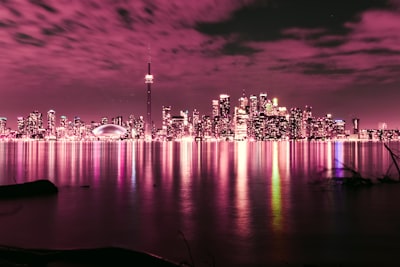
Buenos Aires Travel Guide – Best Places to Visit in Argentina
Buenos Aires Travel Guide: Explore the Vibrant Heart of Argentina
Buenos Aires, often dubbed the "Paris of South America," is a city that pulsates with an intoxicating blend of European elegance and Latin American passion. From its grand boulevards and ornate architecture to its world-renowned tango halls and sizzling parrillas, Argentina's capital offers an unforgettable experience for every traveler. It's a city of diverse neighborhoods, each with its own distinct personality, inviting visitors to wander, explore, and immerse themselves in its rich history, vibrant arts scene, and fervent culture. Get ready to discover a metropolis where the past and present dance a captivating tango, leaving you enchanted by its charm and energy.
Best Time to Visit Buenos Aires
The best time to visit Buenos Aires largely depends on your preferences for weather and crowd levels, but generally, spring and autumn offer the most pleasant conditions.
Spring (September to November)
This is arguably the most ideal time to visit. The weather is mild and pleasant, with average temperatures ranging from 18°C to 25°C (64°F to 77°F). The city's parks and gardens are in full bloom, making it a beautiful time for outdoor exploration and photography. There are fewer tourists than in the peak summer months, and you can enjoy events like the International Film Festival. It’s perfect for strolling through Recoleta, enjoying outdoor cafes, and attending cultural festivals without the intense heat or cold.
Autumn (March to May)
Similar to spring, autumn in Buenos Aires offers comfortable temperatures, typically between 15°C and 22°C (59°F to 72°F). The foliage turns golden and crimson, adding a picturesque charm to the city's tree-lined streets and parks. The summer crowds have dissipated, making popular attractions less busy. This season is excellent for walking tours, enjoying evening tango shows, and savoring local cuisine in a relaxed atmosphere. Rain can be a bit more frequent than in spring, but usually in short bursts.
Summer (December to February)
Summer in Buenos Aires is hot and humid, with temperatures often soaring above 30°C (86°F) and occasional thunderstorms. Many locals head out of the city for their holidays, which means some shops and restaurants might have reduced hours, particularly in January. However, this also means fewer local crowds in certain areas. It's a vibrant time for nightlife and outdoor activities, and you can experience the city's festive atmosphere leading up to Christmas and New Year. If you don't mind the heat, you'll find plenty to do, but be prepared for intense sun and humidity.
Winter (June to August)
Winter in Buenos Aires is generally mild compared to European or North American winters, with average temperatures around 10°C to 15°C (50°F to 59°F). While it can be chilly, especially in the evenings, heavy snow is extremely rare. This season is less crowded with tourists, and you can often find good deals on flights and accommodation. It's an excellent time for indoor activities like visiting museums, enjoying a cozy tango show, or indulging in hearty Argentine stews (locro) and red wine. Just pack layers, as indoor heating might not be as robust as you're used to.
Overall, for the best balance of weather and fewer crowds, aim for spring or autumn.
Top Attractions
Buenos Aires boasts an incredible array of attractions that cater to all interests, from history buffs and art lovers to foodies and tango enthusiasts.
Recoleta Cemetery
More than just a burial ground, Recoleta Cemetery is an architectural marvel and a poignant historical site. This elaborate city of the dead features thousands of ornate mausoleums, grand statues, and impressive crypts belonging to Argentina's most influential figures, including presidents, military heroes, and famous artists. The most visited tomb is that of Eva Perón (Evita), a cultural icon. Wander through its labyrinthine alleys, marveling at the detailed artistry and somber beauty, and discover stories etched in stone. Free guided tours are often available, providing fascinating insights into the lives of its eternal residents.
Teatro Colón
Ranked among the top five opera houses in the world, the Teatro Colón is a masterpiece of design and acoustics. Inaugurated in 1908, its majestic Renaissance-style architecture, lavish interiors, and perfect acoustics make it a must-visit. You can take a guided tour to explore its opulent main hall, grand foyer, and backstage areas, learning about its history and the legendary performances held within its walls. Attending an opera, ballet, or classical concert here is a truly unforgettable experience, offering a glimpse into Buenos Aires' high culture.
La Boca (Caminito)
Step into a vibrant kaleidoscope of color in La Boca, one of Buenos Aires' most iconic and picturesque neighborhoods. Caminito, a pedestrian street museum, is famous for its brightly painted zinc houses, which tell the story of the barrio's immigrant past. Here, street artists display their works, tango dancers perform in the open air, and artisans sell souvenirs. While visually captivating and full of energy, it's important to stick to the main tourist areas during the day, as some surrounding parts of La Boca can be less safe. Embrace the lively atmosphere, but remain vigilant.
San Telmo Market (Feria de San Telmo)
Every Sunday, the historic cobblestone streets of San Telmo come alive with the Feria de San Telmo, a sprawling antique market and cultural fair. Browse hundreds of stalls selling everything from antique furniture and vintage clothes to handmade crafts and unique souvenirs. The market is also a feast for the senses, with street performers, live tango demonstrations, musicians, and food vendors creating an electrifying atmosphere. Even if you're not shopping, it's a fantastic place to soak up the local culture, enjoy a coffee, and watch the world go by.
Palermo
As Buenos Aires' largest and trendiest barrio, Palermo is a district of diverse sub-neighborhoods, each with its own charm.
- Palermo Soho is known for its bohemian vibe, boutique shops, art galleries, lively bars, and excellent restaurants. It’s perfect for a leisurely stroll, people-watching, and enjoying an evening out.
- Palermo Hollywood is the city's media and entertainment hub, bustling with TV and radio studios, production houses, and a fantastic culinary scene.
- Bosques de Palermo (Palermo Woods) offers a vast green oasis with rose gardens, lakes where you can rent paddle boats, and tree-lined pathways ideal for walking, jogging, or cycling. Don't miss the beautiful Rosedal (Rose Garden).
- MALBA (Latin American Art Museum of Buenos Aires) houses an impressive collection of modern and contemporary Latin American art, featuring works by Frida Kahlo, Diego Rivera, and Tarsila do Amaral.
Puerto Madero
A testament to urban revitalization, Puerto Madero is Buenos Aires' modern waterfront district, built on reclaimed docklands. It's characterized by sleek skyscrapers, upscale restaurants, and chic apartments housed in converted red-brick warehouses. The iconic Puente de la Mujer (Woman's Bridge), a pedestrian swing bridge designed by Santiago Calatrava, is a striking architectural highlight. Enjoy a leisurely walk along the promenade, dine at one of the many waterfront eateries, or visit the historic ships docked in the port, such as the Sarmiento and Uruguay frigates.
Floralis Genérica
Located in Plaza de las Naciones Unidas, the Floralis Genérica is an impressive and interactive metallic sculpture of a giant flower. Gifted to the city by Argentine architect Eduardo Catalano, this magnificent stainless steel and aluminum structure stands 23 meters (75 feet) tall. Its petals open with the sunrise and close at sunset, mimicking a real flower, and glowing red at night. It's a popular spot for photos and a symbol of Buenos Aires' blend of nature and innovation.
Museo Nacional de Bellas Artes (National Museum of Fine Arts)
For art enthusiasts, this free museum offers an extensive collection of Argentine and international art, spanning from medieval times to the 20th century. You'll find works by European masters like Goya, Rodin, Monet, and Van Gogh, alongside significant pieces by renowned Argentine artists such as Antonio Berni and Xul Solar. It's a fantastic opportunity to appreciate fine art without breaking the bank and immerse yourself in the country's rich artistic heritage.
How to Reach Buenos Aires
Reaching Buenos Aires is straightforward, primarily via air, with good connections from around the world.
By Air
- Ezeiza International Airport (EZE): Officially Ministro Pistarini International Airport, EZE is the main gateway for international flights. It's located about 30-45 km (19-28 miles) southwest of the city center.
- Getting to the City from EZE:
- Taxi/Remise: Taxis are readily available outside the terminals. It's recommended to use official 'Taxi Ezeiza' or 'Remises Manuel Tienda León' services found at kiosks inside the airport to avoid unregulated drivers. A remise is a private car service, often slightly more expensive but generally safer and more comfortable.
- Manuel Tienda León Bus: This company offers comfortable coach services directly to their terminal in Retiro (near downtown), with connections to Aeroparque (AEP) and taxi services from Retiro to your final destination. It's a reliable and cost-effective option.
- Public Bus (Colectivo): Bus route 8 operates 24/7 between EZE and the city center (La Boca, Congress, Plaza de Mayo). It's the cheapest option but takes significantly longer (1.5-2 hours) and requires a SUBE card (see Public Transport section). Not recommended if you have a lot of luggage or are arriving late at night.
- Ride-sharing Apps: Uber and Cabify operate in Buenos Aires and can be used from EZE, though local regulations can sometimes cause friction with traditional taxi drivers. Arrange pick-ups carefully.
- Aeroparque Jorge Newbery (AEP): This airport primarily handles domestic flights and some regional flights to neighboring countries (e.g., Uruguay, Chile, Brazil). It's much closer to the city center, located in Palermo, making transfers quicker and cheaper.
- Getting to the City from AEP: Taxis, remises, public buses (several routes connecting to different parts of the city), and ride-sharing apps are all readily available.
By Land (Bus)
If you're traveling from neighboring countries like Uruguay (via ferry to Colonia del Sacramento, then bus), Chile, Brazil, or within Argentina, long-distance buses are a common mode of transport. Buenos Aires' main bus terminal is
Retiro Bus Terminal (Terminal de Ómnibus de Retiro), located just north of the city center. From Retiro, you can easily connect to the city's public transport network (Subte, colectivos) or take a taxi/ride-share to your accommodation. Buses are generally comfortable, with different classes of service (semi-cama, cama, suite).
Local Food Guide
Argentine cuisine is a hearty and flavorful experience, deeply influenced by European immigration, particularly from Italy and Spain. Prepare your taste buds for a culinary adventure!
Must-Try Dishes
- Asado (Argentine BBQ): This is more than just food; it's a social ritual. An *asado* features various cuts of beef (ribs, flank, sirloin), chorizo (pork sausage), morcilla (blood sausage), and often provoleta (grilled provolone cheese), all expertly grilled over an open flame or embers (parrilla). Find it at a traditional *parrilla* restaurant.
- Empanadas: These delicious, savory pastries are a staple snack or appetizer. Fillings vary by region, but common ones include beef (ground or diced, sometimes with olives and egg), chicken, ham and cheese, or vegetables. They can be baked or fried.
- Choripán: A simple yet iconic street food, *choripán* is a grilled chorizo sausage served in a crusty bread roll, typically topped with *chimichurri* (a vibrant sauce of parsley, garlic, oregano, and olive oil) or *salsa criolla* (onion, tomato, and bell pepper sauce).
- Milanesa: Argentina's version of schnitzel, a *milanesa* is a thin cut of beef or chicken, breaded and fried. It's often served plain, *a caballo* (with a fried egg on top), or *napolitana* (topped with tomato sauce, ham, and cheese).
- Provoleta: A fantastic appetizer, *provoleta* is a thick slice of provolone cheese grilled until bubbly and slightly crusty on the outside, soft and melted inside. Often seasoned with oregano and red pepper flakes, it's perfect for scooping up with bread.
- Locro: A hearty, thick stew traditionally consumed in winter, especially on national holidays. It's made with corn, beans, potatoes, various cuts of meat (beef, pork), and vegetables, served with a spicy red pepper sauce called *quiquirimichi*.
Sweet Treats
- Dulce de Leche: A national obsession! This creamy, caramelized milk spread is used in countless ways: filling pastries, topping ice cream, spreading on toast, or simply eaten by the spoonful.
- Alfajores: These iconic cookies consist of two soft, shortbread-like cookies joined together with a generous dollop of *dulce de leche*, often coated in chocolate or powdered sugar.
- Helado (Ice Cream): Influenced by Italian immigrants, Argentine *helado* is incredibly rich and creamy. Numerous *heladerías* offer a vast array of flavors, with *dulce de leche* variations being perennial favorites.
Drinks
- Malbec Wine: Argentina is world-renowned for its Malbec, a robust, fruity red wine. Enjoy a glass (or bottle!) with your *asado*.
- Fernet con Coca: A popular and potent cocktail, especially among younger Argentines, mixing the bitter Italian herbal liqueur Fernet-Branca with Coca-Cola. It's an acquired taste but a cultural experience.
- Mate: The national infusion, *mate* is a caffeinated herbal tea steeped in a gourd and sipped through a metal straw (bombilla). It's a social ritual often shared among friends. While not typically ordered in restaurants, you'll see locals carrying their *mate* kits everywhere. Try it if offered by a local!
- Coffee: Buenos Aires has a strong café culture. Enjoy a classic *café con leche* (coffee with milk) with a medialuna (croissant) at a historic *café notable*.
Public Transport in Buenos Aires
Buenos Aires boasts an extensive and efficient public transport system that is incredibly affordable, making it easy to navigate the city.
SUBE Card: Your Essential Travel Pass
The most important thing to know about public transport in Buenos Aires is the
SUBE card (Sistema Único de Boleto Electrónico). This reloadable smart card is mandatory for paying fares on the Subte (subway), colectivos (buses), and local trains. Cash is not accepted on public transport.
- Where to Buy: You can purchase a SUBE card at Subte stations, lottery kiosks (*kioscos*), post offices, and some newsstands. Look for the SUBE sign. It costs a small, one-time fee.
- How to Load: You can load money onto your SUBE card at the same places you buy it, as well as at many ATMs, self-service machines in Subte stations, and online (though you'll need to validate online reloads at a SUBE terminal).
- One Card for Multiple People: A single SUBE card can be used for multiple passengers traveling together, simply tap it multiple times for each person.
Subte (Subway/Underground)
The Buenos Aires Subte is South America's oldest subway system and an excellent way to cover longer distances quickly, avoiding street traffic.
- Lines: There are six lines (A, B, C, D, E, H), each color-coded, covering most major tourist areas and connecting key neighborhoods.
- Hours: Generally operates from early morning (around 5:30 AM) until late evening (around 10:30 PM-11 PM), with reduced hours on weekends.
- Tips: During peak hours, it can get very crowded. Stations are typically clean and well-maintained, and many feature interesting artwork.
Colectivos (Buses)
The city's bus network is incredibly comprehensive, with hundreds of lines covering virtually every corner of Buenos Aires and operating 24/7.
- Routes: Each bus stop lists the routes that pass through it and their main destinations. Google Maps is invaluable for navigating bus routes – simply enter your destination and select the bus option.
- How to Board: Signal the bus to stop. When you board, tell the driver your destination (or simply the street intersection you're aiming for), and they will input the fare into the SUBE reader. Tap your card.
- Tips: Buses can be fast but also subject to traffic. Keep an eye on your belongings, especially during crowded times.
Trains
Local trains connect Buenos Aires to its surrounding suburbs. While tourists might use them less frequently, they can be useful for day trips to places like Tigre. They also require a SUBE card.
Taxis and Ride-Sharing Apps
- Taxis: Black and yellow taxis are abundant. It's generally recommended to use "Radio Taxis" (identified by a company logo on the door and a roof light) or call for one, rather than hailing just any taxi, especially at night. Always ensure the meter is running.
- Remises: These are private car services that operate on a fixed fare. You typically book them in advance or at a specific office.
- Ride-Sharing Apps: Uber and Cabify operate in Buenos Aires and are popular alternatives to traditional taxis. They can offer competitive pricing and the convenience of knowing the fare beforehand.
Travel Budget Tips
Buenos Aires can be an affordable destination, especially if you plan wisely and take advantage of local pricing nuances.
- Currency Exchange (The Blue Dollar Effect): Argentina has a parallel exchange rate for foreign currency, known as the "Dólar Blue." This unofficial rate is often significantly more favorable than the official bank rate.
- How to access it: The easiest and safest way for tourists is often through services like Western Union. Send money to yourself from your home country, and you can pick up Argentine pesos at Western Union branches in Buenos Aires at a rate close to the blue dollar. You might also find unofficial money changers (*arbolitos*) in central areas like Florida Street, but exercise caution.
- Impact: Using the blue dollar rate can effectively cut your costs by a significant percentage, making everything from meals to accommodation much cheaper. Always check current rates online before you go.
- Hostels: Abundant and high-quality hostels are available, particularly in neighborhoods like San Telmo, Palermo, and Microcentro.
- Airbnb/Apartments: Renting an apartment, especially for longer stays or groups, can be very cost-effective.
- Budget Hotels: Look for small *hosterías* or 2-3 star hotels outside of the most prime tourist zones.
- Menú del Día: Many restaurants offer a "menú del día" (menu of the day) or "cubierto" for lunch, which is a fixed-price meal (often including a main course, drink, and sometimes dessert) that provides excellent value.
- Eat at Parrillas: While an *asado* can be a splurge, many *parrillas* offer affordable cuts or *choripán* and *empanadas*.
- Street Food: Enjoy inexpensive but delicious options like *choripán* or *panchos* (hot dogs).
- Cook Your Own: If staying in an apartment with a kitchen, buy fresh produce and groceries from local markets and supermarkets to save money.
- Happy Hour: Many bars offer *happy hour* deals on drinks, especially wine and beer.
- SUBE Card: Maximize your use of the SUBE card for cheap bus and Subte rides.
- Walk: Buenos Aires is a very walkable city. Explore neighborhoods on foot and save on transport costs while discovering hidden gems.
- Attractions & Entertainment:
- Free Museums/Attractions: Many museums offer free entry (e.g., Museo Nacional de Bellas Artes) or have free days/hours. Parks, plazas, and the Recoleta Cemetery are free to visit.
- Free Walking Tours: Join a free walking tour (tip the guide!) to get an overview of the city and its history.
- Tango: While dinner-and-show tango experiences can be pricey, you can find free tango in parks (e.g., Barrancas de Belgrano) or watch dancers at milongas (tango dance halls) for a small entry fee.
- Culture: Check local listings for free concerts, art exhibitions, and cultural events.
Hotels and Accommodation
Buenos Aires offers a wide range of accommodation options to suit every budget and style, from luxurious five-star hotels to cozy hostels and private apartments. The key is choosing the right neighborhood that matches your travel preferences.
Neighborhoods for Accommodation
- Palermo: This is arguably the most popular neighborhood for tourists.
- Palermo Soho: Trendy, bohemian, and lively, with boutique hotels, chic Airbnbs, and hostels. Great for nightlife, dining, and boutique shopping.
- Palermo Hollywood: More residential but still packed with excellent restaurants, bars, and media production houses. A bit quieter than Soho but with great options.
- Palermo Chico/Barrio Parque: Upscale, elegant, and residential, with grand mansions and luxury hotels. Very safe and beautiful.
- Best For: Travelers seeking trendy vibes, excellent food, nightlife, and a youthful atmosphere.
- Recoleta: Known as the "Paris of South America" area, Recoleta is elegant, upscale, and boasts stunning architecture, grand avenues, and numerous luxury hotels.
- Highlights: Recoleta Cemetery, Museo Nacional de Bellas Artes, high-end shopping.
- Best For: Those seeking luxury, classic elegance, sophisticated dining, and a very safe, pleasant environment. Good for families and couples.
- San Telmo: Buenos Aires' oldest neighborhood, brimming with history, cobblestone streets, and a bohemian atmosphere.
- Highlights: Famous Sunday antique market, tango performances, historic cafés. More hostels and budget-friendly options alongside charming boutique hotels.
- Best For: Culture lovers, those interested in history, tango, and a more bohemian, artsy vibe. Can be a bit quieter on weekdays, but comes alive on weekends.
- Microcentro (Downtown): The city's bustling financial and commercial heart, close to major landmarks like Plaza de Mayo, Obelisco, and Teatro Colón.
- Highlights: Central location, excellent transport links, many business hotels. Can be very busy during the day, quieter at night.
- Best For: Business travelers, those who want to be central to all major attractions and have easy access to public transport. Can be less charming than other neighborhoods.
- Puerto Madero: Modern, sleek, and upscale waterfront district.
- Highlights: High-rise apartments, luxury hotels, excellent dining with waterfront views, safe and clean.
- Best For: Travelers seeking modern amenities, luxury, and a contemporary feel.
- Belgrano: A residential, affluent neighborhood north of Palermo. Offers a more local experience, with tree-lined streets, a beautiful Chinatown, and good transport connections.
- Best For: Travelers looking for a quieter, more authentic local experience, possibly for longer stays, and good value apartment rentals.
Types of Accommodation
- Luxury Hotels: Found mainly in Recoleta, Palermo Chico, and Puerto Madero. Expect international chains and high-end amenities.
- Boutique Hotels: Charming and unique, offering personalized service. Abundant in Palermo and San Telmo.
- Mid-Range Hotels: Plentiful across all neighborhoods, offering comfortable stays with various amenities.
- Hostels: Buenos Aires has a thriving hostel scene, perfect for budget travelers and backpackers, often with private rooms available. Look for them in San Telmo, Palermo, and Microcentro.
- Apartment Rentals (Airbnb/Booking.com): A very popular option, providing more space, a kitchen, and a local experience. Excellent for families, groups, or longer stays, and often more budget-friendly, especially when leveraging the "blue dollar" exchange rate.
Book in advance, especially during peak seasons (spring and autumn) and around major holidays.
Safety Tips
Buenos Aires is generally a safe city for tourists, but like any large metropolis, it has its share of petty crime. Being aware and taking precautions will help ensure a safe and enjoyable trip.
- Pickpocketing and Bag Snatching:
- Be Vigilant: In crowded areas like the Subte, bus stations, popular markets (San Telmo), and tourist hotspots, pickpocketing is common.
- Secure Belongings: Keep your wallet in a front pocket, use a cross-body bag that is difficult to snatch, and keep bags zipped. Avoid leaving phones or wallets on café tables.
- Moped Thieves: Be particularly aware of bag snatchers on mopeds, especially on busy streets. Keep your bag on the side away from the street or wear it securely across your body.
- Use Reputable Services: If hailing a taxi, opt for a "Radio Taxi" (with a company logo and roof light). Better yet, use ride-sharing apps like Uber or Cabify, or book a remis through your hotel or a trusted service, especially at night.
- Avoid Unofficial Taxis: Do not accept rides from unmarked cars or drivers who approach you offering a ride, particularly at airports.
- Ensure Meter is On: Always ensure the driver turns on the meter at the start of the journey.
- Stick to Well-Lit Areas: In general, well-trafficked and well-lit areas in popular neighborhoods (Palermo, Recoleta, Puerto Madero) are safe at night.
- Avoid Walking Alone: If possible, avoid walking alone in less familiar areas at night. Use taxis or ride-shares.
- Be Aware of Your Surroundings: Don't walk with your phone out or visible valuables.
- Stay in Tourist Zone: While colorful and vibrant, the area immediately surrounding Caminito in La Boca can quickly transition into less safe areas. Stick to the well-defined tourist section during daylight hours.
- Avoid After Dark: It is highly recommended to avoid visiting La Boca after dark.
- Use ATMs in Banks/Well-Lit Areas: Try to use ATMs located inside banks during business hours or in well-lit, busy areas.
- Be Aware of Skimmers: Check the card slot for any signs of tampering.
- Be Discretionary with Cash: Due to the "blue dollar" phenomenon, you might be carrying more cash. Be discreet and store it securely.
- Don't Flash Valuables: Avoid displaying expensive jewelry, cameras, or large amounts of cash.
- Dress Appropriately: While Buenos Aires is fashionable, avoid looking overtly like a tourist if possible, especially in less affluent areas.
- Beware of Scams: Be wary of distractions or people trying to "help" you with your luggage or belongings, as these can be tactics for pickpocketing.
- Emergency Numbers: Know the local emergency numbers (Police: 911).
- Language Barrier: Learning a few basic Spanish phrases can be helpful in sticky situations.
By being mindful and taking sensible precautions, you can enjoy Buenos Aires' vibrant culture and stunning beauty safely.
Frequently Asked Questions (FAQ)
Is Buenos Aires safe for tourists?
Yes, generally Buenos Aires is safe for tourists, especially in major tourist areas. However, like any large city, petty crime (pickpocketing, bag snatching) can occur, particularly in crowded places. Be aware of your surroundings, secure your belongings, and follow the safety tips mentioned above.
Do I need to speak Spanish to visit Buenos Aires?
While many people in tourist-heavy areas speak some English, knowing basic Spanish phrases will significantly enhance your experience and make interactions easier with locals, bus drivers, and in smaller shops/restaurants. Google Translate can also be a helpful tool.
What currency should I use, and how should I exchange money?
The local currency is the Argentine Peso (ARS). It's highly recommended to exchange money at the "Dólar Blue" (unofficial) rate, which offers a much better value than the official rate. The safest and most convenient way for tourists to access this rate is by sending money to yourself via Western Union and picking up pesos at their branches. You can also use credit cards, but you will get the official rate, making things more expensive.
Is tipping customary in Buenos Aires?
Yes, tipping is customary. For good service in restaurants, a tip of 10% is standard. For tango shows, tour guides, and hotel staff, a small tip is also appreciated. Taxi drivers typically do not expect a tip, but rounding up the fare is common.
What's the best way to get around Buenos Aires?
The most efficient and affordable ways to get around are the Subte (subway) and colectivos (buses), both requiring a reloadable SUBE card. Taxis and ride-sharing apps (Uber, Cabify) are also widely available and convenient, especially at night. Buenos Aires is also very walkable, and exploring on foot is a great way to discover the city.
Can I drink tap water in Buenos Aires?
Yes, tap water in Buenos Aires is generally considered safe to drink. However, some visitors with sensitive stomachs may prefer bottled water.
What are the major cultural experiences not to miss?
Beyond the famous attractions, definitely experience a tango show (or a milonga for live tango dancing), enjoy a traditional *asado* at a *parrilla*, explore a Sunday street fair like San Telmo, and spend time people-watching at a historic *café notable*. Immerse yourself in the city's vibrant street art and café culture.