Seoul Travel Guide – Best Places to Visit in South Korea
Seoul Travel Guide: Unveiling the Heart of South Korea
Welcome to Seoul, a dynamic metropolis where ancient traditions seamlessly blend with futuristic marvels. Nestled on the Han River, this vibrant capital of South Korea offers an unparalleled travel experience, captivating visitors with its bustling markets, serene palaces, cutting-edge technology, and world-renowned cuisine. From the majestic grandeur of its historical sites to the dazzling neon glow of its modern districts, Seoul promises an unforgettable journey for every traveler. This comprehensive guide will equip you with all the essential information to navigate, explore, and fall in love with one of Asia's most exciting cities.
Best Time to Visit Seoul
Choosing the right time to visit Seoul can significantly enhance your experience, as each season brings its own unique charm and set of activities.
Spring (March to May)
Spring is widely considered the most beautiful time to visit Seoul. The weather is mild and pleasant, with temperatures ranging from 10°C to 20°C (50°F to 68°F). The city bursts into vibrant colors as cherry blossoms blanket parks and streets, creating breathtaking scenic views. Popular spots like Yeouido Park and Namsan Park become especially picturesque. However, this is also peak tourist season, so expect larger crowds and higher prices for flights and accommodations.
Summer (June to August)
Summer in Seoul is hot and humid, with temperatures often exceeding 30°C (86°F), accompanied by the monsoon season (jangma) in July. While the heat can be intense, the city remains lively with numerous festivals, outdoor concerts, and activities along the Han River. It's a great time to enjoy air-conditioned museums, indoor shopping, and vibrant nightlife. Pack light clothing, an umbrella, and stay hydrated.
Autumn (September to November)
Autumn rivals spring as an ideal time to visit. The weather is crisp and clear, with comfortable temperatures ranging from 15°C to 25°C (59°F to 77°F). The city transforms into a palette of fiery reds, oranges, and golds as the foliage changes, particularly stunning in places like Bukhansan National Park and Nami Island. Like spring, autumn is a popular season, so booking in advance is advisable.
Winter (December to February)
Winter in Seoul is cold, with temperatures often dropping below freezing, accompanied by occasional snowfall. While chilly, the city takes on a festive atmosphere with Christmas decorations, ice skating rinks, and winter sports opportunities nearby. It’s an excellent time for hot soups, jjimjilbang (Korean spas), and exploring indoor attractions without the summer crowds. Layer up and prepare for cold weather.
Recommendation: For the most comfortable weather and stunning scenery, Spring and Autumn are highly recommended. If you prefer fewer crowds and don't mind the cold, Winter offers a unique experience.
Top Attractions
Seoul is packed with an incredible array of attractions that cater to all interests, from ancient history to modern pop culture.
Historical and Cultural Landmarks
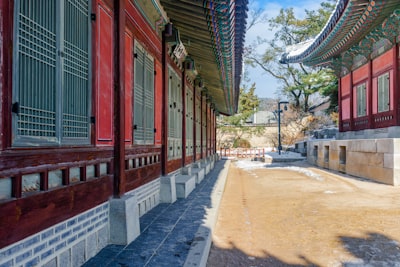
- Gyeongbokgung Palace: The largest and most iconic of the Five Grand Palaces built during the Joseon Dynasty. Witness the Changing of the Royal Guard ceremony and explore its beautiful grounds.
- Changdeokgung Palace & Huwon (Secret Garden): A UNESCO World Heritage site, renowned for its exquisite architecture harmonizing with the natural landscape. The Secret Garden tour is a must-do, but book in advance.
- Bukchon Hanok Village: A charming traditional Korean village nestled between Gyeongbokgung and Changdeokgung palaces, offering a glimpse into a 600-year-old urban environment with beautifully preserved hanok (traditional Korean houses).
- Jongmyo Shrine: Another UNESCO World Heritage site, dedicated to the ancestral tablets of the Joseon Dynasty monarchs. It's a significant site for understanding Korean Confucian traditions.
- Namsan Hanok Village: A collection of five traditional Korean houses from different social classes and periods during the Joseon Dynasty, relocated and restored to their original form.
Modern Wonders and Urban Hubs
- N Seoul Tower: Perched atop Namsan Mountain, offering panoramic views of the entire city. It's a popular spot for couples to 'lock their love' and enjoy romantic dining.
- Lotte World Tower & Seoul Sky: South Korea's tallest building and the fifth tallest in the world, featuring an incredible observation deck (Seoul Sky) with a glass floor, offering breathtaking vistas.
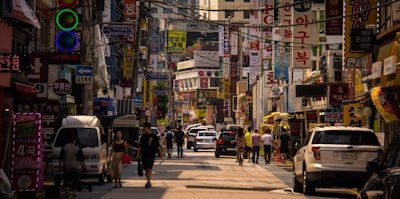
- Myeongdong: A shopper's paradise and a hub of Korean beauty trends, street food, and fashion. It comes alive at night with bustling markets and neon lights.
- Gangnam District: Famous for its upscale shopping, trendy cafes, vibrant nightlife, and the iconic "Gangnam Style" statue. Explore areas like Apgujeong and Garosu-gil for luxury boutiques and cafes.
- Dongdaemun Design Plaza (DDP): An architectural marvel designed by Zaha Hadid, featuring exhibition spaces, shops, and a beautiful LED rose garden. It's a fashion and design landmark.
- Hongdae: Known for its youthful energy, indie music scene, vibrant street art, trendy cafes, and unique fashion boutiques, largely influenced by the nearby Hongik University.
Nature and Relaxation
- Bukhansan National Park: A stunning mountainous national park within Seoul's city limits, offering numerous hiking trails, granite peaks, and temples, perfect for a day trip to escape the urban bustle.
- Cheonggyecheon Stream: An 11 km long urban stream and public recreation space that runs through downtown Seoul. It's a refreshing escape and a symbol of urban renewal.
- Han River Parks: Several parks along the Han River offer recreational activities like cycling, picnicking, boat rides, and host various festivals throughout the year.
How to Reach Seoul
Seoul is exceptionally well-connected internationally, primarily through its two major airports.
By Air
- Incheon International Airport (ICN): Located about 50 km west of Seoul, ICN is one of the world's busiest and highest-rated airports. It serves as the main international gateway to South Korea, handling flights from virtually every major city globally.
- Gimpo International Airport (GMP): Closer to central Seoul, Gimpo mainly handles domestic flights and some short-haul international flights to cities like Tokyo, Osaka, Shanghai, and Beijing.
From Airports to City Center
- AREX (Airport Railroad Express): The most convenient and fastest way to get from Incheon Airport to Seoul. The "Express Train" runs non-stop to Seoul Station (43 minutes), while the "All Stop Train" makes several stops (60 minutes).
- Limousine Buses: Comfortable and direct buses operate from both Incheon and Gimpo airports to various key districts in Seoul, including major hotels. They are a good option if you have heavy luggage.
- Subway: The Seoul Metropolitan Subway system connects directly to both airports, offering an economical way to reach your destination, though it might take longer than AREX or buses depending on transfers.
- Taxi: Taxis are readily available outside both terminals. Standard taxis are dark grey/white, while "International Taxis" (black) offer English-speaking drivers at a slightly higher fare.
Local Food Guide
Korean cuisine is a global phenomenon, and Seoul is the best place to experience its full range of flavors. Be prepared for a culinary adventure!
Must-Try Dishes
- Kimchi: The ubiquitous fermented cabbage dish, served with almost every meal. There are hundreds of varieties.
- Bibimbap: A colorful and nutritious bowl of warm white rice topped with various seasoned vegetables (namul), meat, a fried egg, and gochujang (chili paste).
- Bulgogi: Thinly sliced marinated beef or pork, typically grilled at your table. It’s sweet, savory, and incredibly tender.
- Tteokbokki: Spicy stir-fried rice cakes, a popular street food snack often served with fish cakes and gochujang sauce.
- Samgyeopsal: Thick slices of pork belly, grilled at your table and usually eaten wrapped in lettuce with garlic, kimchi, and ssamjang (spicy dipping sauce).
- Kimchi Jjigae: A hearty and spicy stew made with kimchi, tofu, pork or tuna, and various vegetables, perfect for colder weather.
- Sundubu Jjigae: A comforting hot pot stew featuring soft, uncurdled tofu, often with seafood or meat, and an egg cracked into it.
- Korean Fried Chicken (Chimaek): Crispy, often twice-fried chicken, served with various sauces (sweet, spicy, soy garlic) and typically paired with beer (maekju).
- Gyeranppang: A fluffy, slightly sweet bread with a whole egg baked inside, a popular street snack.
- Hotteok: Sweet Korean pancakes filled with brown sugar syrup, cinnamon, and nuts, often found at street stalls, especially in winter.
Where to Eat
- Gwangjang Market: One of the oldest and largest traditional markets in Seoul, famous for its street food alley. Try mung bean pancakes (bindaetteok), mayak gimbap, and bibimbap.
- Myeongdong Street Food: In the evenings, Myeongdong transforms into a vibrant street food haven with countless stalls offering everything from grilled seafood to trendy desserts.
- Insadong: Great for traditional Korean restaurants, tea houses, and cafes in a culturally rich setting.
- Hongdae & Gangnam: Abundant with trendy cafes, fusion restaurants, and international dining options catering to a younger crowd.
- Local Restaurants (Sikdang): Look for small, unassuming eateries in residential areas for authentic and affordable local dishes.
Dining Etiquette
- It's customary to pour drinks for others before yourself.
- Hold your bowl or plate to your mouth when eating soup or rice.
- Use metal chopsticks and a spoon (for rice and soup).
- Do not stick chopsticks upright in your rice.
- It's polite to offer the oldest person at the table to eat first.
Public Transport
Seoul boasts one of the most efficient, extensive, and user-friendly public transport systems in the world, making it incredibly easy to navigate the city.
Subway
The Seoul Metropolitan Subway is the backbone of the city's transport. It's clean, punctual, safe, and has extensive English signage and announcements. With over 20 lines, it connects almost every major attraction and district. Download a subway app like "Subway Korea" or "KakaoMetro" for easy navigation.
Buses
Seoul's bus network complements the subway, reaching areas the subway doesn't. Buses are color-coded: blue (main routes), green (feeder routes), red (express/intercity), and yellow (circular city routes). English information can be less prevalent than on the subway, but navigation apps help.
T-Money Card
An absolute must-have for any visitor. This rechargeable smart card can be used on subways, buses, taxis, and even in some convenience stores. It offers discounted fares and seamless transfers. Purchase and recharge at subway stations or convenience stores.
Taxis
Taxis are plentiful and relatively affordable compared to Western countries. Standard (grey/white/orange) taxis are metered. International Taxis (black) offer English-speaking drivers, though they are slightly more expensive. Kakao Taxi is a popular app for booking.
Navigation Apps
Google Maps has limited functionality in South Korea. Instead, rely on local apps like
KakaoMap or
Naver Map for accurate public transport directions, walking routes, and estimated travel times. These apps are available in English.
Travel Budget Tips
Seoul can be as budget-friendly or luxurious as you make it. Here’s how to save some won.
Accommodation
- Hostels & Guesthouses: Abundant in areas like Hongdae, Itaewon, and Jongno. Excellent for solo travelers or those on a tight budget. Expect to pay ₩20,000-₩40,000 per night.
- Hanok Stays: Experience traditional Korean houses in Bukchon or Jeonju for a unique cultural immersion. Prices vary but can be competitive with mid-range hotels.
- Mid-Range Hotels: Look for hotels outside prime tourist zones like Myeongdong for better value. Expect ₩70,000-₩150,000.
- Airbnb/Serviced Apartments: Good for longer stays or groups.
Food
- Street Food: The ultimate budget-friendly and delicious option. Fill up on tteokbokki, gimbap, and other snacks for a few thousand won.
- Local Restaurants (Sikdang): Often serve set menus or individual dishes (e.g., bibimbap, kimchi jjigae) for ₩7,000-₩15,000.
- Convenience Stores: Grab-and-go meals like gimbap, instant noodles, and sandwiches are super cheap and convenient.
- Avoid Tourist Traps: Restaurants directly in Myeongdong or Insadong might be pricier. Venture a street or two away.
Attractions
- Free Attractions: Many palaces (especially if wearing a hanbok), Bukchon Hanok Village, Cheonggyecheon Stream, Han River Parks, Namsan Park (excluding cable car/tower), and many museums (check specific exhibition fees) are free or have nominal entry fees.
- Combo Tickets: Consider purchasing combo tickets for palaces or other attractions if you plan to visit multiple sites.
- Cultural Experience Centers: Often offer free or low-cost traditional activities like making kimchi or trying on hanbok.
Transport
- T-Money Card: Essential for saving money on public transport transfers.
- Walk: Seoul is a walkable city in many districts. Take the subway to a general area and explore on foot.
- Avoid Taxis: Unless necessary or for late-night travel, stick to public transport.
Shopping
- Local Markets: Namdaemun Market and Gwangjang Market offer competitive prices for souvenirs, clothing, and household goods compared to department stores.
- Duty-Free Shops: For high-end cosmetics and luxury items, duty-free shops at the airport or in major department stores (with passport) offer tax benefits.
- Bargain: While not common in department stores, bargaining might be possible in some traditional markets.
Hotels and Accommodation
Seoul offers a vast range of accommodation options to suit every budget and travel style.
Luxury (₩200,000+)
- Gangnam: Home to high-end hotels like The Shilla Seoul, Park Hyatt Seoul, and Grand InterContinental Seoul Parnas, offering exquisite services and upscale amenities.
- Myeongdong: Features luxury hotels like Lotte Hotel Seoul and The Westin Josun Seoul, known for central location and premium services.
Mid-Range (₩70,000 - ₩200,000)
- Hongdae: Offers a vibrant atmosphere with trendy boutique hotels and comfortable chain hotels like RYSE, Autograph Collection and Amanti Hotel Seoul.
- Insadong/Jongno: Excellent for cultural immersion, with options like Fraser Central Seoul and traditional Hanok stays that offer modern comforts.
- Dongdaemun: Good value hotels with excellent transport links, such as Novotel Ambassador Seoul Dongdaemun.
Budget (₩20,000 - ₩70,000)
- Hostels: Areas like Hongdae, Itaewon, and Jongno have numerous well-regarded hostels with both dorms and private rooms, such as Kimchee Guesthouse and Big John's Place.
- Guesthouses: Often family-run, offering a more personal touch and good value, particularly in Bukchon or close to university areas.
- Motels: Many "Love Motels" (often cleaner and more modern than the name suggests) offer short-term and overnight stays at affordable prices. Look for "Hotel" signs rather than explicit "Motel" signs for standard hotel services.
Unique Stays
- Hanok Stays: Experience traditional Korean architecture and hospitality in beautifully restored hanok houses, often found in Bukchon Hanok Village. Offers a peaceful, cultural immersion.
- Temple Stays: For a truly unique experience, spend a night or two in a Buddhist temple, participating in their daily rituals and meditations (check availability and programs outside Seoul, though some options exist within metro area).
Safety Tips
Seoul is widely regarded as one of the safest major cities in the world. Violent crime is rare, and pickpocketing is not a common concern. However, it's always wise to exercise general caution.
General Safety
- Low Crime Rate: You can generally feel safe walking alone at night, even in bustling areas.
- Valuables: While rare, it's always prudent to keep an eye on your belongings in crowded places.
- Emergency Numbers: Dial 112 for police, 119 for fire and medical emergencies.
- Lost and Found: If you lose something on public transport, contact the specific transport line's lost and found. Koreans are known for returning lost items.
Health and Medical Facilities
- Hospitals: Seoul has excellent medical facilities and hospitals with English-speaking staff (e.g., Severance Hospital, Asan Medical Center).
- Pharmacies: Pharmacies (약국 - yakguk) are common. Pharmacists can often recommend over-the-counter remedies for minor ailments.
- Travel Insurance: Always recommended to cover any unforeseen medical emergencies or travel disruptions.
Cultural Sensitivity
- Respect Elders: Show respect to older individuals, for example, by bowing slightly or offering them a seat on public transport.
- Public Decorum: While Seoul is modern, public displays of affection can be frowned upon, and loud conversations are generally avoided on public transport.
- Tipping: Tipping is not customary in South Korea and may even be considered rude.
- Shoes Off: It's customary to remove your shoes when entering someone's home, many restaurants, and some guesthouses.
Scams and Tourist Traps
- These are rare in Seoul, but be cautious of street vendors who might try to overcharge slightly if they perceive you as a tourist.
- Avoid unregistered taxis; always use metered taxis or officially booked ones.
- Be wary of individuals offering unsolicited "free tours" or asking for money on the street, though such incidents are infrequent.
FAQ Section
Q: Is English widely spoken in Seoul?
A: While many young people and those working in tourist-heavy areas (hotels, major attractions, international restaurants) speak some English, it's not universally spoken. Having a translation app or learning a few basic Korean phrases (e.g., "Annyeonghaseyo" - Hello, "Gamsahamnida" - Thank you) will be very helpful. English signage is common on the subway and at major attractions.
Q: Do I need a visa to visit South Korea?
A: Visa requirements depend on your nationality. Many countries have visa-free entry agreements for short tourist stays (e.g., 90 days for US, UK, EU citizens). However, since September 2021, most visa-exempt travelers are required to obtain a K-ETA (Korea Electronic Travel Authorization) prior to arrival. Always check the latest visa policies on the South Korean Embassy website in your country before traveling.
Q: What is the local currency, and how should I handle money?
A: The local currency is the South Korean Won (₩ or KRW). Credit cards (Visa, Mastercard) are widely accepted, even for small purchases. It's advisable to carry some cash for street food vendors, smaller shops, and T-Money card top-ups. ATMs are readily available, but ensure your bank card is enabled for international withdrawals.
Q: Is Seoul expensive for tourists?
A: Seoul can be moderately expensive, comparable to major Western cities like London or New York, especially for accommodation and high-end dining. However, it's very possible to travel on a budget by utilizing public transport, eating street food, staying in guesthouses, and visiting free attractions.
Q: What's the best way to get around Seoul?
A: The subway is the most efficient and convenient way to navigate Seoul. Purchase a T-Money card immediately upon arrival. Buses and taxis are also excellent options for specific routes or late-night travel. Use local navigation apps like KakaoMap or Naver Map.
Q: Is tipping customary in Seoul?
A: No, tipping is not customary in South Korea. Service charges are usually included in higher-end restaurants or hotels, and attempting to tip may confuse or even offend service staff.
Q: What are some unique souvenirs to bring back from Seoul?
A: Consider bringing back Korean beauty products (K-Beauty), traditional crafts from Insadong (ceramics, calligraphy, hanji paper goods), K-Pop merchandise, distinctive Korean snacks (seaweed, flavored almonds), and unique fashion items from Dongdaemun or Hongdae.
Conclusion
Seoul is a city of captivating contrasts, a place where ancient traditions are celebrated alongside cutting-edge innovation. From the tranquil beauty of its palaces to the pulsating energy of its modern districts, from savory street food to Michelin-starred dining, Seoul offers an endless array of experiences waiting to be discovered. With its efficient transport, welcoming locals, and unparalleled safety, your journey through this magnificent capital promises to be an enriching and unforgettable adventure. So pack your bags, prepare your T-Money card, and get ready to immerse yourself in the vibrant heart of South Korea!