Bali Travel Guide – Best Places to Visit in Indonesia
Bali: Island of the Gods – An Ultimate Travel Guide
Introduction
Nestled in the heart of the Indonesian archipelago, Bali, often referred to as the "Island of the Gods," is a destination that captivates the senses and soothes the soul. Renowned for its vibrant culture, stunning natural landscapes, and warm, welcoming people, Bali offers an unparalleled travel experience. From sun-kissed beaches and mystical ancient temples to lush rice paddies and volcanic mountains, the island presents a diverse tapestry of attractions. Whether you seek spiritual enlightenment, thrilling adventures, serene relaxation, or vibrant nightlife, Bali has something for every traveler. This comprehensive guide aims to equip you with all the essential information needed to plan an unforgettable journey to this tropical paradise, ensuring you make the most of your Balinese adventure. Prepare to be enchanted by the unique charm and spiritual essence that defines Bali.
Best Time to Visit
Choosing the right time to visit Bali can significantly enhance your travel experience, aligning with your preferences for weather, crowd levels, and activity types. Bali experiences two main seasons: the dry season and the wet season, each offering its own advantages.
Dry Season (April to October)
This is widely considered the best time to visit Bali. The weather is predominantly sunny with low humidity, and temperatures hover around a pleasant 28-30°C (82-86°F). Skies are clear, making it ideal for beach activities, surfing, hiking, and exploring the outdoors. However, this period also coincides with peak tourist season, especially from July to August and during Easter and Christmas holidays. Expect larger crowds at popular attractions and higher prices for flights and accommodation. If you plan to travel during these months, it's advisable to book everything well in advance.
Wet Season (November to March)
The wet season is characterized by higher humidity and more frequent, though often short, tropical downpours. Temperatures remain warm, ranging from 26-30°C (79-86°F). While rain can be persistent, especially from December to February, it often comes in heavy bursts, followed by sunshine. This period is also known for lush green landscapes, fewer crowds, and lower prices, making it an excellent choice for budget travelers or those seeking a more tranquil experience. Surfing conditions are generally better on the east coast during this time. Remember that some outdoor activities like trekking might be less accessible due to muddy conditions.
Shoulder Seasons
The shoulder months – April, May, June, September, and October – offer a sweet spot. During these times, you can enjoy excellent weather similar to the dry season, but with fewer tourists and slightly lower prices compared to the peak months. The sea is calm, visibility for diving and snorkeling is great, and the island feels more relaxed. This is often recommended for those looking for the best balance of weather, crowd levels, and value.
Top Attractions
Bali boasts an incredible array of attractions, from spiritual sanctuaries to natural wonders and vibrant cultural experiences.
Temples
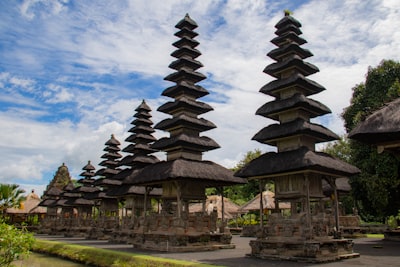
Bali is known as the "Island of a Thousand Temples."
- Uluwatu Temple: Perched on a dramatic cliff 70 meters above the Indian Ocean, this ancient temple is renowned for its breathtaking sunset views and the traditional Kecak fire dance performances held daily. Watch out for the cheeky resident monkeys!
- Tanah Lot Temple: An iconic sea temple majestically sitting on a rock formation amidst crashing waves. It's especially popular at sunset, though direct access depends on the tide.
- Besakih Temple (Mother Temple): The largest and holiest temple in Bali, situated on the slopes of Mount Agung. It's a sprawling complex of 23 separate temples, offering a deep insight into Balinese Hinduism.
- Ulun Danu Beratan Temple: A picturesque temple complex on the shores of Lake Bratan, often appearing to float on the water when the lake levels are high. Its serene setting makes for stunning photography.
- Tirta Empul Temple: Famous for its holy spring water, where Balinese Hindus go for ritual purification. Visitors can also participate in this sacred cleansing ceremony.
Beaches
Bali’s coastline offers diverse beach experiences.
- Kuta Beach: Known for its lively atmosphere, beginner-friendly surf breaks, and vibrant nightlife.
- Seminyak Beach: Upscale and trendy, offering luxurious resorts, beach clubs, and fine dining. Perfect for sunset cocktails.
- Canggu Beaches (Echo, Batu Bolong, Berawa): A hip surf town with a bohemian vibe, popular among surfers, digital nomads, and foodies.
- Nusa Islands (Nusa Penida, Nusa Lembongan, Nusa Ceningan): A short boat ride away, these islands offer spectacular cliffs, crystal-clear waters, world-class diving/snorkeling (Manta Point, Crystal Bay), and quieter, untouched beaches like Kelingking Beach.
- Sanur Beach: A calm, family-friendly beach with a lovely boardwalk, perfect for cycling and gentle swimming.
Cultural & Spiritual Hubs
Delve into Bali's rich cultural heart.
- Ubud Monkey Forest (Sacred Monkey Forest Sanctuary): A mystical forest home to hundreds of playful long-tailed macaques and ancient temples. A must-visit for nature lovers, but be mindful of your belongings.
- Tegalalang Rice Terraces: Iconic cascading rice paddies offering stunning views, especially at sunrise or sunset. You can walk through the terraces and even try the famous Bali swing.
- Goa Gajah (Elephant Cave): An archaeological site with a cave entrance carved to resemble a demonic mouth, featuring Hindu and Buddhist relics.
- Ubud Royal Palace & Saraswati Temple: Located in the heart of Ubud, the palace is home to the royal family and hosts traditional dance performances. Saraswati Temple, dedicated to the Hindu goddess of knowledge, features beautiful lotus ponds.
Adventure & Nature
For the thrill-seekers and nature enthusiasts.
- Mount Batur Sunrise Trek: An exhilarating climb up an active volcano to witness a breathtaking sunrise over the clouds, followed by breakfast cooked by volcanic steam.
- Waterfalls (Gitgit, Sekumpul, Tegenungan): Explore Bali's lush interior and discover magnificent waterfalls perfect for swimming and photography.
- Surfing: From beginner waves in Kuta to challenging breaks in Uluwatu, Bali is a surfer's paradise.
- White Water Rafting: Thrilling adventures on the Ayung or Telaga Waja rivers, navigating through stunning gorges and rainforests.
- Snorkeling & Diving: Explore vibrant coral reefs and marine life around Amed, Tulamben (USS Liberty wreck), and the Nusa Islands.
Nightlife & Shopping
Bali comes alive after dark, and shopping opportunities are endless.
- Nightlife: Seminyak and Canggu offer chic beach clubs (Potato Head, Finns, La Brisa), stylish bars, and restaurants. Kuta is known for its energetic clubs and pubs.
- Shopping: From high-end boutiques and designer stores in Seminyak to local markets in Ubud and Canggu selling handicrafts, art, clothing, and souvenirs, Bali has it all. Don't forget to haggle!
How to Reach Bali
Bali is well-connected internationally, making it relatively easy to access.
By Air
The primary gateway to Bali is
Ngurah Rai International Airport (DPS), also known as Denpasar International Airport. It's located in Tuban, approximately 13 km south of Denpasar.
- International Flights: Numerous airlines offer direct flights to Denpasar from major cities worldwide, including Singapore, Kuala Lumpur, Bangkok, Dubai, Sydney, Melbourne, and various European hubs (often with layovers).
- Domestic Flights: If you're traveling from other parts of Indonesia, there are frequent domestic flights to DPS from Jakarta, Surabaya, Yogyakarta, and other major Indonesian cities.
Upon arrival, you'll find plenty of taxi services and ride-sharing options (Grab/Gojek) to take you to your accommodation. Many hotels also offer airport transfer services, which can be convenient.
Visa Information
Indonesia has a dynamic visa policy. It's crucial to check the latest requirements for your nationality before traveling.
- Visa-on-Arrival (VoA): Many nationalities are eligible for a Visa-on-Arrival, typically valid for 30 days and extendable once for another 30 days. You can obtain this at the airport upon arrival for a fee (usually IDR 500,000, approximately USD 35).
- Visa Exemption: Citizens of certain countries (e.g., ASEAN nations) may be eligible for a visa exemption for short stays (usually up to 30 days) for tourism purposes.
- e-Visa: For some nationalities, applying for an e-Visa online before arrival might be an option, streamlining the entry process.
- Required Documents: Generally, you'll need a passport valid for at least 6 months beyond your intended stay, a return or onward ticket, and sufficient funds for your trip.
Always verify the current visa regulations with the Indonesian embassy or consulate in your country or a reputable travel advisory website before your trip.
Local Food Guide
Balinese and Indonesian cuisine is a delightful fusion of flavors, spices, and fresh ingredients. Eating in Bali is an adventure in itself, from humble street stalls to elegant fine dining.
Must-Try Dishes
- Nasi Goreng: Indonesia's national dish, fried rice typically cooked with egg, chicken, vegetables, and a sweet soy sauce (kecap manis).
- Mie Goreng: The noodle version of Nasi Goreng, equally popular and delicious.
- Babi Guling: A Balinese specialty – succulent spit-roasted suckling pig, traditionally served with rice, crackling skin, and various side dishes. A true culinary experience.
- Lawar: A traditional Balinese mixed vegetable salad, often made with finely chopped meat (pork or chicken), grated coconut, and rich spices.
- Sate Lilit: Minced seafood (fish, chicken, or pork) mixed with grated coconut, rich spices, and coconut milk, then wrapped around a lemongrass stick and grilled.
- Gado-Gado: A healthy and flavorful salad of blanched or steamed vegetables, tofu, tempeh, and hard-boiled eggs, drenched in a rich peanut sauce.
- Nasi Campur: A diverse plate of white rice served with small portions of various Balinese dishes, such as fried chicken, sate, eggs, vegetables, and sambal (chili paste).
- Bebek Betutu: Slow-cooked whole duck or chicken stuffed with aromatic spices, wrapped in banana leaves, and cooked for hours until incredibly tender.
Eating Experiences
- Warungs: Local, family-run eateries offering authentic and affordable Indonesian food. Don't miss the experience of eating at a 'Warung Nasi Campur'.
- Fine Dining: Bali's major tourist hubs (Seminyak, Ubud) boast world-class restaurants offering international cuisine, fusion dishes, and sophisticated Balinese dining experiences.
- Cooking Classes: Immerse yourself in Balinese culture by taking a cooking class, where you'll learn to prepare traditional dishes using fresh local ingredients.
- Beachfront Restaurants & Cafes: Enjoy fresh seafood BBQ at Jimbaran Bay or international fare at stylish cafes in Canggu and Seminyak.
Drinks
- Bintang: Indonesia's most popular local beer.
- Fresh Juices: An abundance of tropical fruits means delicious and refreshing juices are readily available.
- Coconut Water: Directly from the coconut, a perfect natural hydrator.
- Kopi Bali: Strong Balinese coffee, often served unfiltered with fine grounds at the bottom.
- Arak: A traditional distilled alcoholic beverage. Be cautious with homemade arak, as quality can vary.
Public Transport & Getting Around
Navigating Bali requires a bit of planning, as there isn't a comprehensive public transportation system like in many other countries.
Taxis & Ride-Sharing Apps
- Bluebird Taxis: Reputable and metered, Bluebird is generally the most reliable taxi service. Ensure the meter is used.
- Grab & Gojek: These popular ride-sharing apps (similar to Uber) offer car and scooter rides, food delivery, and other services. They are convenient, affordable, and widely used in tourist areas. Be aware that in some areas, local taxi associations might restrict their operation, though this is becoming less common.
Scooter Rental
Renting a scooter is a popular and flexible way to explore Bali, especially for solo travelers or couples.
- Cost: Typically IDR 50,000-100,000 per day (approx. USD 3-7).
- Requirements: An international driving permit (specifically for motorcycles) is technically required. Always wear a helmet.
- Caution: Bali's roads can be chaotic, traffic can be heavy, and road conditions vary. Only rent a scooter if you are an experienced and confident rider. Insurance might not cover scooter accidents without a proper license.
Private Drivers
Hiring a private car with a driver for a day or half-day is an excellent option for exploring multiple attractions, especially for families or groups.
- Cost: Varies but typically IDR 500,000-800,000 per day (approx. USD 35-55) for 8-10 hours, including fuel.
- Benefits: Convenient, comfortable, and drivers often double as knowledgeable local guides.
- Booking: Can be arranged through your hotel, guesthouse, or trusted online tour operators.
Bemos (Local Minibuses)
These traditional public minibuses operate on fixed routes but are less common for tourists due to language barriers and infrequent schedules. They are mainly used by locals and are not recommended for first-time visitors seeking reliable transport.
Travel Budget Tips
Bali can cater to all budgets, from luxurious indulgence to shoestring backpacking. Here’s how to make your money stretch further.
Accommodation
- Budget: Hostels and guesthouses offer beds for as low as IDR 100,000-200,000 (USD 7-14) per night. Look for options in Ubud, Canggu, or Kuta away from the main strips.
- Mid-Range: Comfortable hotels and private villas can be found for IDR 400,000-1,000,000 (USD 28-70) per night.
- Luxury: Resorts and high-end villas start from IDR 1,500,000 (USD 100+) per night.
- Tip: Book outside peak season for better deals. Consider staying a bit further from the immediate beachfront or main tourist streets.
Food
- Eat Local: Warungs offer delicious meals for IDR 20,000-50,000 (USD 1.5-3.5).
- Cook Your Own: If your accommodation has a kitchen, buying fresh produce from local markets can save money.
- Avoid Tourist Traps: Restaurants directly on the main tourist strips often charge higher prices. Venture a street or two back for better value.
- Street Food: Try inexpensive snacks like satay or gorengan (fried snacks) from street vendors.
Transport
- Scooter: The cheapest way to get around for independent travelers (IDR 50,000-100,000 per day).
- Ride-sharing Apps: Grab and Gojek are very affordable for short distances.
- Group Travel: If traveling in a group, hiring a private driver for full-day excursions can be cost-effective when splitting the fare.
Activities
- Free Activities: Enjoy sunsets on the beach, explore rice paddies, visit local markets, or simply relax by the pool.
- Cultural Immersion: Many temples are free or have a small entrance fee. Attend local ceremonies if you get the chance.
- Package Deals: Look for tour packages that combine multiple activities if you plan on doing several paid excursions.
Smart Spending
- Haggle: In local markets, bargaining is expected and a part of the culture. Start at half the asking price and negotiate politely.
- ATM Withdrawals: Use reputable ATMs (often inside bank branches or mini-marts) to avoid scams and ensure you're getting a fair exchange rate. Withdraw larger sums less frequently to save on transaction fees.
- Local SIM Card: Buy a local SIM card (Telkomsel, XL Axiata) for affordable data, making it easier to use maps and ride-sharing apps.
Hotels and Accommodation
Bali offers an astonishing range of accommodation, from luxurious cliff-top resorts to charming budget guesthouses. Your choice will largely depend on your budget, travel style, and preferred location.
Luxury Resorts
For those seeking opulent indulgence, Bali has a plethora of five-star resorts and private pool villas. These often include world-class spas, infinity pools, gourmet dining, and personalized services.
- Areas: Nusa Dua (known for exclusive, gated resorts), Uluwatu (dramatic cliff-top views), Seminyak (trendy and upscale), Ubud (serene jungle escapes).
- Examples: The Ritz-Carlton, Four Seasons, Mandapa by Ritz-Carlton, Mulia Resort & Villas.
Boutique Hotels & Villas
These offer a more personalized and stylish experience, often with unique architectural designs and curated aesthetics. Many come with private pools, lush gardens, and a focus on wellness or local artistry.
- Areas: Ubud (eco-friendly villas, spiritual retreats), Canggu (surf-inspired, bohemian villas), Seminyak (chic and trendy boutique stays).
- Examples: Bisma Eight (Ubud), Hotel Tugu Bali (Canggu), The Colony Hotel (Seminyak).
Mid-Range Options
A fantastic balance of comfort, amenities, and affordability. You can find well-appointed hotels, guesthouses, and homestays with swimming pools, air-conditioning, and good service at reasonable prices.
- Areas: Kuta, Legian, Sanur, central Ubud, and outer areas of Seminyak/Canggu.
- Benefits: Often includes breakfast, good Wi-Fi, and convenient locations.
Budget Stays & Hostels
Ideal for backpackers, solo travelers, or those on a tight budget. Bali has a thriving hostel scene, particularly in Canggu, Ubud, and Kuta, offering dorm beds, private rooms, and a social atmosphere. Guesthouses (often run by local families) provide affordable private rooms with basic amenities.
- Areas: Canggu, Kuta, Legian, Ubud.
- Benefits: Very affordable, opportunities to meet other travelers, basic but comfortable.
Popular Areas for Accommodation
- Kuta & Legian: Bustling, vibrant, known for nightlife, surfing, and budget-friendly options.
- Seminyak: Trendy, upscale, excellent dining, boutiques, and beach clubs.
- Canggu: Bohemian, surf-centric, popular with digital nomads, hip cafes, and relaxed vibes.
- Ubud: Cultural heart, spiritual, lush rice paddies, yoga retreats, arts and crafts.
- Sanur: Relaxed, family-friendly, calm beaches, cycling paths.
- Uluwatu: Dramatic cliffs, world-class surf, luxury resorts, stunning sunsets.
- Nusa Dua: Gated luxury resorts, calm beaches, family-oriented.
Safety Tips
Bali is generally a safe destination for tourists, but like any popular travel spot, it's wise to be aware of common precautions.
General Safety
- Petty Crime: Be mindful of pickpocketing, especially in crowded areas like markets or busy streets. Keep an eye on your belongings.
- Bag Snatching: On motorbikes, bag snatching can occur. Keep your bag securely tucked away or avoid carrying valuable bags while riding.
- Valuables: Use hotel safes for passports, large sums of cash, and other important documents. Avoid flashing expensive jewelry or electronics.
- Nighttime: Be cautious when walking alone at night, especially in less-lit areas. Take a reputable taxi or ride-share.
- Drugs: Indonesia has extremely strict drug laws, including severe penalties for possession and trafficking. Do NOT engage with drugs.
Health & Wellness
- Food and Water: Drink only bottled water. Be cautious with street food; choose vendors with high turnover and good hygiene. "Bali Belly" (traveler's diarrhea) can occur, so carry medication.
- Mosquitoes: Dengue fever is present. Use insect repellent, especially during dawn and dusk. Consider wearing long sleeves/pants in the evenings.
- Sun Protection: The tropical sun is strong. Use high SPF sunscreen, wear hats, and seek shade.
- Medical Facilities: Bali has good clinics and hospitals for minor to moderate issues. For serious emergencies, consider travel insurance with medical evacuation coverage.
- Rabies: Bali has a rabies risk. Avoid petting stray animals, especially dogs and monkeys. If bitten, seek immediate medical attention.
Road Safety
- Driving: Traffic can be chaotic. If renting a scooter, ensure you have an international driving permit and are an experienced rider. Always wear a helmet.
- Pedestrians: Sidewalks can be uneven or non-existent. Walk carefully and be aware of traffic.
Scams & Overcharging
- Taxi Scams: Ensure your taxi driver uses the meter (especially Bluebird) or agree on a fare beforehand. Use Grab/Gojek for transparent pricing.
- Money Changers: Use authorized money changers (banks, official kiosks) and always count your money carefully before leaving. Avoid suspiciously good rates or back alley operations.
- Temple Guides: At some temples, unofficial "guides" may pressure you for payment. Politely decline if you don't want one.
Respecting Local Culture
- Dress Code: When visiting temples, dress modestly. Shoulders and knees should be covered. Sarongs and sashes are often provided or can be rented/bought at temple entrances.
- Head and Feet: The head is considered sacred, the feet are not. Avoid touching people on the head. When sitting, avoid pointing your feet at people or religious objects.
- Offerings: Be mindful of "canang sari" (small woven palm-leaf offerings) on the ground. Step around them, don't step on them.
- Left Hand: The left hand is considered impure. Use your right hand when giving or receiving something.
- Politeness: Always be polite and respectful. A smile goes a long way. Learn a few basic Bahasa Indonesia phrases like "Terima kasih" (thank you) and "Permisi" (excuse me).
Frequently Asked Questions (FAQ)
Is Bali safe for solo female travelers?
Yes, Bali is generally considered very safe for solo female travelers. Exercise the usual precautions: be aware of your surroundings, avoid walking alone in poorly lit areas at night, and trust your instincts. Local women are highly respected, which adds to a sense of safety.
What currency is used in Bali?
The local currency is the Indonesian Rupiah (IDR). ATMs are widely available, especially in tourist areas. It's advisable to carry some small denominations for local markets or smaller warungs.
Do I need a visa for Bali?
It depends on your nationality. Many countries are eligible for a Visa-on-Arrival (VoA) for 30 days (extendable once), while some have visa exemptions. Always check the latest Indonesian visa policy for your country before traveling.
Is tap water safe to drink?
No, tap water in Bali is not safe to drink. Always stick to bottled water or filtered water provided by your accommodation. Use bottled water for brushing your teeth as well.
What should I wear when visiting temples?
When visiting temples, both men and women should dress modestly, with shoulders and knees covered. A sarong and sash are usually required and can often be rented or purchased at the temple entrance.
Can I use my credit card everywhere?
Credit cards are widely accepted in hotels, larger restaurants, and shops in tourist areas. However, smaller warungs, local markets, and remote areas will often require cash. It's always a good idea to carry some cash for daily expenses.
Is Wi-Fi readily available?
Yes, Wi-Fi is widely available in Bali. Most hotels, guesthouses, cafes, and restaurants offer free Wi-Fi. You can also purchase a local SIM card with data for constant connectivity.
What's the best way to get from the airport?
Upon arrival at Ngurah Rai International Airport (DPS), you can use official airport taxis (look for a taxi counter), book a Grab/Gojek ride via their app, or arrange an airport transfer through your hotel for convenience.
Conclusion
Bali is more than just a tropical destination; it's an experience that awakens the senses and nourishes the spirit. With its breathtaking landscapes, profound cultural heritage, exquisite cuisine, and the ever-present warmth of its people, the "Island of the Gods" promises an unforgettable journey. By following this guide's insights on the best time to visit, top attractions, practical travel tips, and safety advice, you are well-equipped to immerse yourself fully in the magic of Bali. Prepare to be captivated by its beauty, find peace in its spirituality, and create memories that will last a lifetime. Selamat Jalan!