Prague Travel Guide – Best Places to Visit in Czech Republic
Prague: The Golden City – A Comprehensive Travel Guide
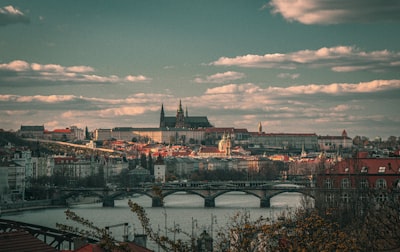
Prague, the captivating capital of the Czech Republic, is a city steeped in history, adorned with stunning architecture, and pulsating with a vibrant cultural scene. Often called "The City of a Hundred Spires," "The Golden City," or "The Heart of Europe," Prague enchants visitors with its cobblestone streets, majestic castles, medieval bridges, and atmospheric squares. From the grandeur of Prague Castle to the romantic allure of Charles Bridge and the historical charm of the Old Town Square, Prague offers a unique blend of ancient mystique and modern vibrancy, making it an unforgettable destination for any traveler.
Best Time to Visit Prague
Choosing the right time to visit Prague can significantly impact your experience, depending on your preferences for weather, crowds, and activities.
Spring (April – May)
Spring in Prague is delightful. The city awakens with blossoming trees, and the weather is generally mild and pleasant, with average temperatures ranging from 10°C to 18°C (50°F to 64°F). This period sees fewer crowds than summer, making it ideal for sightseeing and exploring the city's parks and gardens. Easter markets add a festive touch, and outdoor cafes begin to open. It’s a fantastic time for photography and enjoying the city at a relaxed pace before the peak tourist season begins.
Summer (June – August)
Summer is peak tourist season in Prague, offering warm and sunny weather, with temperatures typically between 20°C and 25°C (68°F to 77°F). The city is buzzing with activity, including numerous outdoor festivals, concerts, and events. While the atmosphere is lively and vibrant, be prepared for larger crowds at major attractions and higher prices for accommodation and flights. Booking well in advance is highly recommended if you plan to visit during these months. Enjoy long daylight hours perfect for evening strolls along the Vltava River.
Autumn (September – October)
Autumn brings cooler temperatures and a spectacular display of fall foliage, painting the city in shades of gold and red. September is often mild, resembling late summer, with temperatures around 15°C to 20°C (59°F to 68°F), while October sees a sharper drop. Crowds begin to thin out after the summer rush, making it an excellent time for a more serene visit. The crisp air is perfect for exploring the castle grounds or taking a boat trip on the Vltava. This season offers a beautiful balance of comfortable weather and fewer tourists.
Winter (November – March)
Winter transforms Prague into a magical, fairytale wonderland, especially around Christmas and New Year. Temperatures often drop below freezing, with snow adding to the city's charm. The highlight of winter is undoubtedly the Christmas markets, which are among the best in Europe, filling the air with the scent of mulled wine and gingerbread. While it's cold, with average temperatures between -2°C and 5°C (28°F to 41°F), the festive atmosphere, fewer crowds (outside of the holiday period), and lower accommodation prices can make it an appealing time for many. Pack warm layers!
Recommendation: For ideal weather and manageable crowds,
late spring (May) or early autumn (September) are often considered the best times to visit Prague.
Top Attractions
Prague is brimming with historical and cultural treasures, each telling a story of its rich past.
Prague Castle (Pražský hrad)
Perched majestically atop a hill overlooking the Vltava River, Prague Castle is the largest ancient castle complex in the world and a UNESCO World Heritage site. Dating back to the 9th century, it has served as the seat of Bohemian kings, Holy Roman Emperors, and presidents of Czechoslovakia and the Czech Republic. The complex includes St. Vitus Cathedral, St. George's Basilica, the Old Royal Palace, and Golden Lane. Plan to spend at least half a day exploring its courtyards, palaces, and gardens. St. Vitus Cathedral, a masterpiece of Gothic architecture, is a must-see, with its stunning stained-glass windows and intricate gargoyles. Golden Lane, with its colourful miniature houses, offers a glimpse into the lives of the castle's historical residents, including alchemists and goldsmiths.
Charles Bridge (Karlův most)
Connecting the Old Town and Lesser Town, Charles Bridge is arguably Prague's most iconic landmark. Commissioned by King Charles IV in 1357, this magnificent stone bridge is adorned with 30 Baroque statues of saints, creating an open-air gallery. Strolling across the bridge, particularly at sunrise or sunset, offers breathtaking panoramic views of Prague Castle, the Vltava River, and the city's skyline. Street artists, musicians, and vendors add to its vibrant atmosphere. Be prepared for crowds, especially during peak hours. Touching the statue of St. John of Nepomuk is said to bring good luck and ensure your return to Prague.
Old Town Square (Staroměstské náměstí)
The heart of Prague's historic centre, Old Town Square is a vibrant hub surrounded by architectural wonders. Here, you'll find the stunning Old Town Hall with its Astronomical Clock, the Gothic Týn Church with its towering spires, and the Baroque St. Nicholas Church. The square is a lively spot for markets, festivals, and street performers throughout the year. Every hour, crowds gather to watch the Astronomical Clock's hourly show, where figures of the Apostles emerge. It’s a perfect place to soak in the atmosphere, enjoy a Trdelník, or simply people-watch from one of the many outdoor cafes.
Jewish Quarter (Josefov)
The Jewish Quarter, or Josefov, is one of the best-preserved Jewish ghettos in Europe. This historic neighbourhood offers a poignant insight into Prague's Jewish history and culture. Key sites include several synagogues (Pinkas, Old-New, Klausen, Spanish), the Old Jewish Cemetery, and the Jewish Museum. The Old Jewish Cemetery is particularly moving, with its layers of gravestones packed closely together due to limited space. The Spanish Synagogue, with its stunning Moorish interior, is often considered the most beautiful. A visit here is a profound experience, offering a blend of history, culture, and remembrance.
Wenceslas Square (Václavské náměstí)
Less a square and more a wide boulevard, Wenceslas Square is a major commercial and cultural hub in the New Town. It has been the scene of many significant events in Czech history, including the Velvet Revolution. Dominated by the National Museum at one end and bordered by shops, hotels, and restaurants, it's a bustling area perfect for shopping, dining, and experiencing the modern pulse of Prague. At the top of the square stands the equestrian statue of St. Wenceslas, the patron saint of Bohemia.
Lesser Town (Malá Strana)
Nestled beneath Prague Castle, Lesser Town (Malá Strana) is a picturesque district characterized by Baroque palaces, charming gardens, and narrow, winding streets. It's home to the magnificent St. Nicholas Church, known for its grand dome and impressive frescoes. Explore Wallenstein Garden, a beautiful Baroque garden with elaborate statues and a grotto. Malá Strana offers a more tranquil atmosphere than the Old Town, with stunning views of the castle and river. Don't miss the charming Kampa Island, often called "Venice of Prague," with its picturesque canals and the famous John Lennon Wall.
Petřín Hill
For panoramic views of Prague, take the funicular up Petřín Hill. At the top, you'll find the Petřín Observation Tower, a smaller replica of the Eiffel Tower, offering unparalleled 360-degree vistas of the city. The hill also features a beautiful rose garden, a mirror maze that's fun for all ages, and an observatory. It’s a lovely green oasis, perfect for a leisurely stroll and escaping the urban bustle.
Dancing House (Tančící dům)
A striking example of modern architecture, the Dancing House (officially Nationale-Nederlanden building) stands out amidst Prague's historical landscape. Designed by architects Vlado Milunić and Frank Gehry, it resembles two dancers and is a fascinating contrast to the Baroque and Gothic styles prevalent elsewhere. While primarily an office building, it features a gallery and a rooftop restaurant with excellent views.
John Lennon Wall
Originally a normal wall, since the 1980s, it has been continuously filled with Lennon-inspired graffiti and lyrics from Beatles songs, alongside messages of peace, love, and political grievances. Despite constant repainting by authorities, it always returns to its colourful, protest-laden state. It’s a vibrant, ever-evolving canvas and a symbol of freedom and youth.
How to Reach Prague
Prague is well-connected to the rest of Europe and beyond, making it easily accessible by air, train, or bus.
By Air
Václav Havel Airport Prague (PRG) is the main international airport, located approximately 17 km (10 miles) west of the city centre. It serves numerous airlines from across the globe.
- Getting to the City Centre:
- Airport Express Bus: A direct bus service connects Terminal 1 (serving non-Schengen flights, but often also Schengen flights) and Terminal 2 (serving Schengen flights) with Praha hlavní nádraží (Main Railway Station). Tickets can be bought from the driver or at the Public Transport Information counters.
- Public Transport (Bus + Metro): The cheapest option. Take bus 119 to Nádraží Veleslavín metro station (Line A) or bus 100 to Zličín metro station (Line B). From there, the metro will take you to your destination. Tickets are available from vending machines at bus stops or inside the terminal.
- Shuttle Services: Several private companies offer door-to-door shuttle services.
- Taxi: Taxis are readily available, but ensure you use reputable companies like Fix Taxi or AAA Radiotaxi to avoid overcharging. Consider booking in advance or using ride-sharing apps like Bolt or Uber.
By Train
Prague is a major railway hub in Central Europe.
Praha hlavní nádraží (Main Railway Station) is the largest and most important station, centrally located and well-connected to the metro (Line C). You can reach Prague directly from many European cities, including Berlin, Vienna, Budapest, and Munich, with comfortable and efficient train services.
By Bus
Florenc Bus Station (ÚAN Florenc) is Prague's main bus terminal, serving international and domestic routes. Major European bus companies like FlixBus and RegioJet operate frequent services to and from Prague. Florenc is also conveniently located on metro lines B and C.
By Car
Driving to Prague is possible, but navigating the city centre and finding parking can be challenging and expensive. If you do drive, consider parking outside the city centre at a P+R (Park and Ride) facility and using public transport.
Local Food Guide
Czech cuisine is hearty, flavourful, and deeply comforting, often paired perfectly with a famous Czech beer.
Traditional Dishes
- Trdelník: While often mistaken for a traditional Czech dessert, it's actually more popular as a street food pastry in tourist areas. It's a sweet pastry wrapped around a stick, grilled over an open flame, and then coated in sugar and walnuts. Delicious warm, often filled with ice cream or chocolate spread.
- Guláš (Goulash): A rich, savoury meat stew (usually beef or pork) slow-cooked with onions, paprika, and other spices, typically served with bread dumplings (knedlíky). It's a staple in Czech pubs.
- Svíčková na smetaně: A truly iconic Czech dish. This consists of slow-braised beef sirloin in a creamy vegetable sauce, traditionally served with cranberries, a slice of lemon, whipped cream, and bread dumplings.
- Vepřo-knedlo-zelo: Literally "pork, dumplings, and sauerkraut." This hearty dish features roasted pork, usually belly or shoulder, served with both potato and bread dumplings and stewed sauerkraut (zelí). A must-try for meat lovers.
- Smažený sýr (Fried Cheese): A popular vegetarian option, this is a thick slice of breaded and deep-fried cheese (usually Edam or Hermelín), often served with french fries and tartar sauce. A classic pub snack.
- Knedlíky (Dumplings): A fundamental part of Czech cuisine, these vary from light, airy bread dumplings to denser potato dumplings. They are perfect for soaking up rich sauces.
- Palačinky: Czech pancakes, similar to French crêpes, typically filled with jam, fruit, or sometimes sweet cheese, often rolled up and dusted with powdered sugar.
Drinks
- Czech Beer (Pivo): The Czech Republic is famous for its beer, which is often cheaper than water. Pilsner Urquell, Staropramen, Kozel, and Budweiser Budvar are some of the most popular brands. Try a traditional "hospoda" (pub) for an authentic experience.
- Becherovka: A traditional Czech herbal liqueur, often described as having a ginger-cinnamon flavour. It's usually served as a digestif or mixed with tonic water (a "Beton").
- Slivovice: A strong plum brandy, popular in Moravia. It’s typically served neat.
- Kofola: The Czech answer to Coca-Cola, a distinctive local soft drink with a unique herbal flavour.
Where to Eat
Explore traditional pubs (hospoda) for authentic Czech dishes and cheap beer. Restaurants outside the immediate tourist zones often offer better value and more local experiences. For a quick and affordable meal, try street food like Trdelník or sausage from a vendor. Don't be afraid to venture a few blocks away from Old Town Square for better prices and quality.
Public Transport
Prague boasts an excellent, efficient, and integrated public transport system comprising the Metro, trams, and buses. It's the best way to get around the city.
System Overview
- Metro: The fastest way to travel long distances. It has three lines: A (Green), B (Yellow), and C (Red). It operates from approximately 5 AM to midnight.
- Trams: Extensive network, great for sightseeing as you can see the city go by. Trams run frequently, with some night lines operating after midnight.
- Buses: Primarily serve areas not covered by the metro or tram, and suburban routes. Night buses complement the night tram network.
Tickets and Fares
- Integrated Fare System: One ticket is valid for all modes of transport (metro, tram, bus, funicular).
- Short-term (30-minute) ticket: Sufficient for a few stops or a short bus/tram ride.
- Long-term (90-minute) ticket: Good for longer journeys, including transfers.
- 24-hour Pass: Ideal for a day of extensive sightseeing.
- 72-hour Pass: Best value for a weekend trip or several days of travel.
- Where to Buy: Tickets can be purchased from yellow vending machines at metro stations and some tram stops, at newsstands (trafika), Public Transport Information Centres, and via the PID Lítačka mobile app. Some trams and buses also have contactless payment terminals onboard.
- Validation: It is crucial to validate your ticket immediately upon first use by inserting it into the small yellow validators found at the entrance to metro stations or inside trams and buses. Unvalidated tickets are not valid, and you could face a hefty fine.
Tips for Navigating
- Google Maps/Jízdní řády (IDOS): Use Google Maps with public transport option or the local IDOS app for real-time schedules and route planning.
- Night Transport: Prague has an extensive night tram network (numbers 91-99) and night buses, which run roughly every 30 minutes from midnight until 5 AM. All night lines converge at the central Lazarská tram stop.
Travel Budget Tips
Prague can be a very affordable European capital, but costs can quickly add up if you're not careful.
Accommodation
- Book in Advance: Especially during peak season or holidays, prices can soar.
- Consider Hostels/Guesthouses: Prague has many highly-rated hostels offering private rooms as well as dorms, and charming guesthouses that are more budget-friendly than hotels.
- Stay Outside the Core: While Old Town and Lesser Town are central, areas like Vinohrady, Karlín, or Žižkov are slightly further out but offer excellent public transport links, more local vibes, and often cheaper accommodation. Apartments via Airbnb can also be a good option for longer stays or groups.
Food and Drink
- Eat Local: Avoid restaurants directly on Old Town Square or Charles Bridge; they are invariably overpriced. Wander a few streets away to find traditional Czech pubs (hospoda) or smaller local restaurants (restaurace) where you can enjoy authentic and affordable meals.
- Lunch Deals: Many restaurants offer "polední menu" (lunch menu) on weekdays, which is a set meal at a significantly reduced price.
- Street Food: Trdelník (though touristic, still relatively cheap), sausages, and other snacks are good for a quick bite.
- Supermarkets: Buy snacks, drinks, and ingredients for simple meals from supermarkets like Albert, Tesco, Billa, or Lidl.
- Beer: Enjoy the local beer, which is famously inexpensive compared to other European cities.
Attractions and Activities
- Free Walking Tours: Many companies offer "free" walking tours (tip-based) that provide an excellent introduction to the city's history and main sights.
- Prioritize Free Sights: Charles Bridge, Old Town Square, Wenceslas Square, the John Lennon Wall, and many of Prague's parks and gardens are free to explore.
- Combo Tickets/Prague Card: For major attractions like Prague Castle, consider buying combo tickets to save money. The Prague Card (CoolPass) offers free entry to many attractions and discounts, but do the math to see if it's truly cost-effective for your itinerary.
- Museum Passes: Some museums offer joint tickets for multiple sites within their network (e.g., the Jewish Museum).
Transport
- Public Transport is King: As mentioned, Prague's public transport is excellent and affordable. Avoid taxis unless absolutely necessary, and if you do use one, verify the fare or use reputable apps.
Currency and Payments
- Czech Koruna (CZK): The local currency. While some tourist establishments might accept Euros, you'll get a better rate paying in CZK.
- ATMs: Widely available. Use ATMs from reputable banks (e.g., Česká spořitelna, Komerční banka, ČSOB) and decline any dynamic currency conversion offers (choose to be charged in CZK). Avoid Euronet ATMs, which often have high fees.
- Credit Cards: Widely accepted in restaurants, shops, and hotels. It's always good to have some cash for smaller purchases or local markets.
- Exchange Offices: Be cautious; many have poor exchange rates or hidden fees. Only use reputable exchange offices (e.g., "Exchange" near Old Town Square often has good rates) or exchange small amounts.
Hotels and Accommodation
Prague offers a diverse range of accommodation options to suit every budget and preference, from luxurious five-star hotels to cozy guesthouses and lively hostels.
Areas to Stay
- Old Town (Staré Město): Perfect if you want to be in the absolute heart of the action, close to major attractions, restaurants, and nightlife. Can be more expensive and noisier.
- Lesser Town (Malá Strana): Idyllic and romantic, with beautiful Baroque architecture and charming streets, offering stunning views of Prague Castle. Quieter than Old Town, but still very central.
- New Town (Nové Město): Centered around Wenceslas Square, this area is a commercial hub with many shops, hotels, and restaurants. It's lively and well-connected by public transport.
- Vinohrady: A beautiful residential area southeast of the city centre, known for its elegant Art Nouveau buildings, lovely parks (Riegrovy Sady), and excellent cafes and restaurants. Well-connected by metro and tram, offering a more local experience.
- Karlín: An up-and-coming neighbourhood east of the city centre, offering a blend of modern architecture and industrial heritage. Popular with younger crowds, with trendy cafes, bistros, and easy metro access.
- Žižkov: Known for its vibrant nightlife, numerous pubs, and the iconic Žižkov Television Tower. A more bohemian and gritty feel, offering more budget-friendly options, but still with good tram connections.
Types of Accommodation
- Luxury Hotels: Prague boasts several world-class hotels, often housed in historic buildings, offering opulent experiences. Look for properties near Old Town Square or on the riverfront.
- Mid-Range Hotels: A wide selection of comfortable hotels with good amenities can be found throughout the city, offering excellent value for money.
- Boutique Hotels: Many unique, charming boutique hotels offer personalized service and distinctive decor, particularly in areas like Lesser Town and Vinohrady.
- Hostels: Prague is a backpacker's paradise, with a plethora of clean, modern, and often very stylish hostels, many offering private rooms alongside dorms.
- Apartments/Guesthouses: For a more independent stay, consider renting an apartment through platforms like Airbnb or booking a guesthouse, which often provide kitchen facilities and a homelier feel.
Booking Tips
- Book in Advance: Especially if you're traveling during peak season (summer, Christmas, Easter) or during major festivals.
- Read Reviews: Always check recent reviews to ensure quality and accurate descriptions.
- Location vs. Price: Decide if you prefer to be in the absolute centre with higher prices, or a short public transport ride away for better value. Prague's public transport makes staying slightly outside the core very convenient.
Safety Tips
Prague is generally a very safe city for tourists, but like any popular destination, it's wise to be aware of common scams and take precautions.
- Pickpocketing: This is the most common crime affecting tourists, especially in crowded areas like Charles Bridge, Old Town Square, Wenceslas Square, and on busy trams (especially tram 22). Keep valuables secure, carry bags in front of you, and be aware of your surroundings.
- Taxi Scams: Overcharging by taxi drivers can be an issue. Always use reputable taxi companies (e.g., AAA Radiotaxi, Fix Taxi) or ride-sharing apps like Uber or Bolt, where fares are pre-determined. Avoid hailing unmarked taxis directly on the street, especially near tourist hotspots.
- Money Exchange Scams: Be very careful when exchanging currency. Avoid individuals offering to exchange money on the street. Use reputable exchange offices (like "Exchange" near Old Town Square, known for transparent rates) or ATMs from major banks. Always check the rates and commission before exchanging.
- Restaurants/Bars: Check menus for prices before ordering, especially if you're at a place with no prices listed. Sometimes bread or water might be added to your bill without you asking.
- ATMs: Be cautious of ATM skimmers. Use ATMs inside banks if possible and cover the keypad when entering your PIN.
- Emergency Numbers: In case of emergency, dial 112 (the pan-European emergency number). For police, dial 158.
- General Awareness: While Prague is safe, it's always good to be mindful of your belongings, especially after dark or in less-trafficked areas. Avoid walking alone in poorly lit parks late at night.
- Alcohol Consumption: Enjoy the Czech beer, but drink responsibly. Excessive drinking can make you an easier target for petty crime.
- Tap Water: Tap water in Prague is safe to drink.
FAQ Section
Q: Is Prague an expensive city to visit?
A: Compared to Western European capitals, Prague is generally quite affordable, especially for accommodation, food, and public transport. However, prices in prime tourist areas can be higher. With smart budgeting, it's a very cost-effective destination.
Q: How many days do I need to visit Prague?
A: For a good overview of the main attractions and a taste of the city, 3-4 full days are ideal. This allows you to explore the Old Town, Prague Castle, Charles Bridge, and take some time to soak in the atmosphere. If you wish to visit more museums or take a day trip, consider 5-7 days.
Q: What currency is used in Prague?
A: The official currency is the Czech Koruna (CZK). While some places in tourist areas might accept Euros, it's always better to pay in CZK to get the best rates and avoid potential overcharging.
Q: Do people speak English in Prague?
A: In tourist areas, hotels, restaurants, and major attractions, English is widely spoken, especially by younger generations. However, learning a few basic Czech phrases (like "Dobrý den" - Hello, "Děkuji" - Thank you, "Prosím" - Please/You're welcome) will be appreciated.
Q: Is tap water safe to drink in Prague?
A: Yes, tap water in Prague is perfectly safe and drinkable. It is of high quality and meets all European standards.
Q: What are some free things to do in Prague?
A: Many of Prague's most famous sights can be enjoyed for free: walking across Charles Bridge, exploring Old Town Square, visiting Wenceslas Square, wandering through the John Lennon Wall, strolling through Petřín Hill (excluding the tower/funicular), and exploring the charming streets of Lesser Town. Free walking tours (tip-based) are also a great option.
Q: What is the best way to get around Prague?
A: Prague's public transport system (metro, trams, buses) is excellent, efficient, and affordable. It's the best way to navigate the city. For short distances in the historic centre, walking is often the most enjoyable way to explore.
Prague is a city that truly captures the imagination, offering a blend of old-world charm and modern dynamism. Whether you're captivated by its Gothic spires, enchanted by its medieval legends, or simply seeking a vibrant cultural experience, the Golden City promises an unforgettable journey. Pack your bags, put on your walking shoes, and prepare to fall in love with Prague!