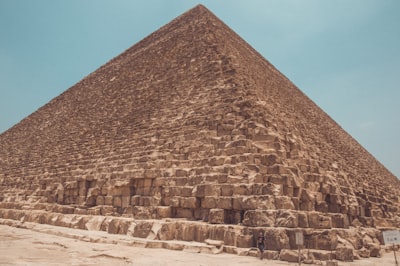
Cairo Travel Guide – Best Places to Visit in Egypt
Unveiling Cairo: A Journey Through Ancient Wonders and Modern Marvels
Welcome to Cairo, the pulsating heart of Egypt, a city where millennia of history meet the vibrant energy of a modern metropolis. As the largest city in the Arab world and Africa, Cairo is a fascinating, often overwhelming, but always unforgettable destination. It’s a place where the iconic Pyramids of Giza proudly stand sentinel over an ever-expanding urban sprawl, where bustling souks hum with ancient traditions, and the majestic Nile River flows as it has for millennia, nurturing life and history along its banks.
Cairo offers an unparalleled travel experience, a sensory overload of sights, sounds, and smells. From the awe-inspiring monuments of the pharaohs to the intricate architecture of Islamic Cairo, and the serene beauty of Coptic churches, the city is a living museum. But beyond its historical grandeur, Cairo is also a dynamic city of delicious food, friendly locals, and endless opportunities for exploration. This comprehensive guide aims to equip you with all the essential information to navigate Cairo, ensuring a trip filled with discovery, wonder, and cherished memories.
Best Time to Visit
Choosing the right time to visit Cairo can significantly enhance your experience, primarily due to the city's climate and tourist seasonality.
Autumn (October - November) & Spring (March - April)
These shoulder seasons are widely considered the ideal times to explore Cairo. The weather is pleasantly warm during the day, typically ranging from 20°C to 30°C (68°F to 86°F), making it perfect for outdoor sightseeing at sites like the Pyramids and the Citadel. Evenings are comfortably cool, inviting leisurely strolls or dinner cruises on the Nile. The skies are generally clear, and while tourist crowds are present, they are usually manageable compared to the peak winter months. This period offers a sweet spot between comfortable temperatures and reasonable accommodation prices.
Winter (December - February)
Winter brings mild, sunny days with average temperatures around 15°C to 20°C (59°F to 68°F), though nights can get chilly, sometimes dropping to 10°C (50°F) or lower. This is Cairo’s peak tourist season, attracting visitors seeking refuge from colder climates. Consequently, attractions are more crowded, and hotels and flights tend to be more expensive. While the weather is excellent for exploration, be prepared for longer queues and the need to book accommodations well in advance. Pack layers, as the temperature can fluctuate throughout the day.
Summer (May - September)
Summers in Cairo are intensely hot and dry, with daily temperatures often exceeding 35°C (95°F) and sometimes reaching 40°C (104°F) or higher. This is the low season for tourism, meaning fewer crowds and potentially lower prices for flights and hotels. If you visit during this time, prioritize indoor activities during the hottest parts of the day, stay hydrated, wear light clothing, and plan outdoor excursions for early mornings or late afternoons. Despite the heat, the city maintains its vibrant energy, and a Nile River breeze can offer some respite.
Ramadan Considerations
If your visit coincides with Ramadan (the Islamic holy month of fasting), be aware that many restaurants and shops may operate on altered hours, especially during daylight hours. While tourists are not expected to fast, it’s respectful to avoid eating, drinking, or smoking in public during fasting hours. The evenings, however, come alive with festive atmosphere, special meals (Iftar), and cultural events, offering a unique glimpse into Egyptian traditions.
Top Attractions
Cairo is a treasure trove of historical wonders and cultural landmarks. Prepare to be amazed by these must-visit sites:
The Pyramids of Giza and the Sphinx
No trip to Cairo is complete without witnessing the last remaining wonder of the ancient world. The Pyramids of Giza – Khufu (the Great Pyramid), Khafre, and Menkaure – stand majestically on the Giza Plateau, testament to the astounding engineering prowess of the ancient Egyptians. Nearby, the enigmatic Great Sphinx, with its lion's body and human head, guards these monumental tombs. You can enter one of the pyramids (for an additional fee), ride a camel or horse around the complex, and capture breathtaking panoramic views. A visit at sunset for the Sound and Light Show offers a magical perspective.
Grand Egyptian Museum (GEM) - The Great Museum of Egyptian Civilization (NMEC)
While the long-awaited Grand Egyptian Museum (GEM) near the Giza Pyramids is progressively opening (with a full opening expected soon), much of its collection has been transferred from the old Egyptian Museum in Tahrir Square. The National Museum of Egyptian Civilization (NMEC) in Fustat is also a significant new addition, housing the Royal Mummies Hall, a truly captivating display. Once fully operational, the GEM will be the largest archaeological museum in the world, dedicated to ancient Egyptian civilization. It promises to house over 100,000 artifacts, including the complete Tutankhamun collection, many items never before displayed. Check for current opening status and exhibition details before your visit.
Khan el-Khalili Bazaar
Step back in time at Khan el-Khalili, Cairo’s bustling and historic souk (market). Dating back to the 14th century, this labyrinthine market is a feast for the senses. Here, you can haggle for spices, perfumes, jewelry, traditional crafts, lanterns, textiles, and souvenirs. Beyond the shopping, it’s a vibrant cultural experience. Enjoy a mint tea or Turkish coffee at El Fishawy, Cairo's oldest coffee house, soak in the atmosphere, and watch the world go by. Remember to sharpen your bargaining skills!
Citadel of Salah al-Din and Mosque of Muhammad Ali
Perched atop Mokattam Hill, the Citadel of Salah al-Din offers panoramic views of Cairo, extending all the way to the Giza Pyramids on a clear day. This formidable medieval Islamic fortress was built by Saladin in the 12th century to protect the city from Crusaders. Within its walls lies the magnificent Mosque of Muhammad Ali, an Ottoman-style mosque reminiscent of Istanbul’s Blue Mosque. Its towering minarets and grand dome dominate Cairo’s skyline, and its opulent interior is a sight to behold.
Coptic Cairo
Explore the spiritual heart of Egypt's Christian community in Old Cairo, known as Coptic Cairo. This historic enclave is home to some of the world's oldest Christian churches and monuments. Highlights include the Hanging Church (El Muallaqa), built over the gatehouse of a Roman fortress, and the Church of Saints Sergius and Bacchus, traditionally believed to be a resting place for the Holy Family during their flight to Egypt. You’ll also find the Ben Ezra Synagogue, one of the oldest synagogues in Egypt, believed to be where baby Moses was found.
Islamic Cairo (Al-Azhar Mosque & Ibn Tulun Mosque)
Immerse yourself in the rich Islamic heritage of Cairo by exploring its historic district. Al-Azhar Mosque, founded in 970 AD, is one of the oldest universities in the world and a prominent center of Islamic learning. Its vast courtyard and intricate architecture are awe-inspiring. Another architectural masterpiece is the Ibn Tulun Mosque, dating back to the 9th century. It is Cairo's oldest mosque in its original form and the largest by land area, known for its unique spiral minaret and stunning arcades. Wandering through the narrow streets of Islamic Cairo reveals countless hidden gems, madrasas, and ancient gates.
Nile River Felucca Ride
Experience Cairo from a different perspective with a serene felucca ride on the Nile River. These traditional wooden sailboats offer a peaceful escape from the city’s hustle and bustle. Gliding along the ancient river, especially at sunset, provides breathtaking views of the city skyline and a sense of timeless tranquility. You can hire a felucca for an hour or two, or opt for a dinner cruise with entertainment for a more elaborate experience.
How to Reach
Cairo is a major international hub, easily accessible from around the globe.
By Air
Cairo International Airport (CAI) is the busiest airport in Egypt and a major gateway to Africa and the Middle East. It serves numerous international airlines with direct flights from Europe, Asia, North America, and other parts of Africa. Upon arrival, you'll find various transportation options to reach the city center, including official airport taxis (look for specific counters), ride-sharing services like Uber or Careem, and airport shuttle buses.
Visa Requirements
Most foreign nationals require a visa to enter Egypt. Many countries (including the EU, USA, Canada, UK, Australia) can obtain a visa on arrival at Cairo International Airport for a fee (usually USD 25 for a single-entry 30-day tourist visa). Alternatively, you can apply for an e-Visa online before your trip, which is often recommended for convenience and to avoid queues. Always check the latest visa requirements specific to your nationality with the Egyptian embassy or consulate in your home country before traveling, as policies can change.
Local Food Guide
Egyptian cuisine is a delicious blend of Middle Eastern, Mediterranean, and African flavors, heavily reliant on fresh vegetables, legumes, and spices. Prepare your taste buds for a delightful culinary journey!
Must-Try Dishes
- Koshary: Often considered Egypt’s national dish, Koshary is a surprising yet incredibly satisfying vegetarian mix of rice, macaroni, and lentils, topped with chickpeas, a spicy tomato sauce, garlic vinegar, and fried crispy onions. It’s hearty, cheap, and utterly delicious. Look for specialized Koshary restaurants for the best experience.
- Ful Medames: A staple breakfast dish, Ful Medames consists of slow-cooked fava beans seasoned with olive oil, cumin, and lemon juice. It's often served with bread, eggs, and fresh vegetables. You'll find it everywhere, from street carts to upscale restaurants.
- Ta’ameya (Egyptian Falafel): Unlike falafel made from chickpeas, Egyptian ta’ameya is made from mashed fava beans, giving it a distinct green interior and a lighter texture. Served in pita bread with salad and tahini, it’s a fantastic street food snack.
- Mahshi: This delightful dish features various vegetables (like zucchini, bell peppers, cabbage leaves, or vine leaves) stuffed with a mixture of rice, herbs, and sometimes minced meat. It's a comforting and flavorful home-style meal.
- Molokhia: A green, mucilaginous soup made from jute mallow leaves, often cooked with chicken or rabbit broth and served with rice or bread. Its unique texture and rich flavor make it a quintessential Egyptian dish.
- Hawawshi: A savory Egyptian meat pie, where spiced minced meat is stuffed inside a local baladi bread and baked until crispy. It's a popular street food and a fulfilling meal.
Where to Eat
Cairo offers a spectrum of dining experiences. Embrace street food from reputable vendors (look for places with high turnover and visible cooking), which offers authentic flavors at budget-friendly prices. For a more formal setting, explore restaurants in areas like Zamalek, Downtown Cairo, or Mohandessin. Don't miss trying fresh fruit juices (mango, guava, sugar cane) and traditional Egyptian desserts like Basbousa (semolina cake) or Om Ali (bread pudding).
Public Transport
Navigating Cairo's sprawling urban landscape can be an adventure in itself. Here's a guide to the city's transport options:
Cairo Metro
The Cairo Metro is the most efficient, cheapest, and easiest way for tourists to get around, especially for avoiding traffic. It has three lines covering key areas and attractions. Look for signs in English. There are dedicated women-only carriages at the front of each train, which women travelers may find more comfortable. Purchase tokens or smart cards at the station. Be aware that it can get very crowded during peak hours.
Taxis & Ride-Sharing Apps
Traditional white taxis are abundant but infamous for not using meters or overcharging tourists. Always negotiate the fare *before* getting in, or insist on the meter (which may or may not be agreed to). For convenience and transparent pricing, ride-sharing apps like Uber and Careem are highly recommended. They offer fixed fares, tracked routes, and often newer, air-conditioned cars. Ensure you have a local SIM card or reliable data connection to use them.
Buses & Microbuses
Public buses cover an extensive network but can be challenging for non-Arabic speakers due to a lack of clear route maps or English signage. Microbuses are shared mini-vans that follow set routes, picking up and dropping off passengers. While very cheap, they are often crowded, and understanding routes requires local knowledge, making them less suitable for first-time visitors.
Felucca
For a leisurely experience, a felucca ride on the Nile is a must. You can easily find felucca captains along the river banks, particularly near Garden City or Maadi. Agree on a price and duration beforehand.
Travel Budget Tips
Cairo can be enjoyed on various budgets, from luxurious stays to backpacking adventures. Here's how to make your money go further:
- Bargain Assertively: Haggling is an integral part of Egyptian culture, especially in markets like Khan el-Khalili and when dealing with taxi drivers (if not using ride-sharing apps). Always negotiate politely but firmly for souvenirs, handicrafts, and services. Aim to pay around 30-50% less than the initial asking price.
- Eat Like a Local: Street food and local eateries offer incredibly delicious and budget-friendly meals. Koshary, ful medames, and ta'ameya are not only authentic but also very cheap. Avoid tourist-trap restaurants near major attractions, which often charge inflated prices for average food.
- Utilize Public Transport: The Cairo Metro is incredibly cheap and efficient for covering long distances. For shorter rides, ride-sharing apps like Uber and Careem provide transparent and reasonable fares, often much better value than negotiating with traditional taxis.
- Choose Budget Accommodation Wisely: Downtown Cairo offers numerous budget hotels and hostels that provide good value and central access to attractions. Consider staying in a reputable hostel with good reviews for dorms or private rooms. Airbnb can also offer affordable apartment rentals.
- Bundle Attractions: If you plan to visit many museums and archaeological sites, inquire about the "Cairo Pass" or "Luxor Pass" (if traveling further south). These passes can offer significant savings on entry fees, especially if you qualify for student discounts.
- Stay Hydrated Smartly: Bottled water is essential. Buy large bottles from supermarkets rather than smaller, more expensive ones from kiosks near tourist sites. Consider bringing a reusable water bottle and refilling it if you find safe sources.
- Free Activities: Enjoy walking through historic neighborhoods, strolling along the Nile Corniche, or visiting mosques (outside of prayer times, dress appropriately) which often have no entry fee.
Hotels and Accommodation
Cairo offers a diverse range of accommodation options to suit every budget and preference, spread across various districts, each with its own character.
Luxury Hotels
For unparalleled comfort and world-class service, Cairo boasts several exquisite luxury hotels, many of them gracing the banks of the Nile River. Popular choices include the Four Seasons Hotel Cairo at Nile Plaza, The Nile Ritz-Carlton, Cairo, St. Regis Cairo, and Sofitel Cairo Nile El Gezirah. These hotels offer stunning river views, fine dining, swimming pools, and excellent amenities, providing a serene escape from the city’s bustle. They are often located in Garden City or Zamalek, offering easy access to cultural sites while being in more upscale, tranquil neighborhoods.
Mid-Range Accommodation
Mid-range hotels offer a comfortable balance of price and amenities. You’ll find numerous international hotel chains (e.g., Hilton, Marriott Courtyard, Novotel) in areas like Downtown Cairo, Mohandessin, Nasr City, and Zamalek. These typically include air-conditioned rooms, breakfast options, and reliable services. Zamalek is a particularly popular choice for its leafy streets, proximity to restaurants, and island ambiance, while Downtown Cairo puts you right in the heart of the action, close to the Egyptian Museum and Khan el-Khalili.
Budget-Friendly Options
Travelers on a tighter budget will find plenty of choices, especially in Downtown Cairo. This area is home to numerous hostels and guesthouses that offer basic but clean private rooms or dorm beds. Many of these budget accommodations are housed in older buildings with character, sometimes offering balconies with city views and friendly, helpful staff. Examples include the Downtown Hostel, Dahab Hostel, or Tahrir Square Hostel. Always check recent reviews for cleanliness and safety before booking. Staying near Tahrir Square or off Talaat Harb Street can provide excellent value and central access.
Unique Stays
Consider guesthouses directly overlooking the Giza Pyramids for a truly unforgettable experience. While often more basic, the sunrise views over the ancient wonders are priceless. Areas like Nazlet El Samman (Giza) have many such guesthouses.
Safety Tips
Cairo is generally safe for tourists, but like any large city, it requires awareness and adherence to certain precautions. Being informed will help you navigate the city confidently.
- Petty Crime: Be vigilant in crowded areas such as markets (Khan el-Khalili), metro stations, and popular tourist sites, where pickpocketing can occur. Keep your valuables secure and out of sight, and consider using a money belt.
- Scams and Hustlers: Cairo is known for its persistent touts and scammers, particularly around major attractions like the Pyramids, the Egyptian Museum, and Khan el-Khalili. Be wary of "friendly" strangers offering unsolicited tours, "free" gifts, or claiming attractions are closed. Politely but firmly decline their offers. Agree on prices for services (e.g., camel rides, horse carriage) *before* you start.
- Traffic Safety: Cairo's traffic is notoriously chaotic. Crossing streets can be an intimidating experience. Look both ways, proceed cautiously, and be aware that drivers may not always yield to pedestrians. Use designated crosswalks where available, but still exercise extreme caution.
- Women Travelers: While generally safe, solo female travelers might experience unwanted attention, ranging from stares to verbal comments. Dressing modestly (covering shoulders and knees) can help minimize this. It's advisable to avoid walking alone late at night in unfamiliar areas. In taxis, consider sitting in the back. Ride-sharing apps offer an added layer of safety.
- Health Precautions: Drink only bottled water, even for brushing teeth. Avoid ice in drinks unless you’re sure it’s made from filtered water. Be cautious with street food from vendors who don't appear hygienic or don't have a high turnover. Carry hand sanitizer. Consult your doctor about necessary vaccinations before your trip.
- Photography: Always ask for permission before photographing people, especially women. Some military installations and government buildings prohibit photography.
- Respect Local Customs: Egypt is a predominantly Muslim country. Dress modestly, especially when visiting religious sites (mosques, churches). During Ramadan, it's respectful to refrain from eating, drinking, or smoking in public during fasting hours.
- Emergency Numbers: Know local emergency numbers: Police (122), Ambulance (123). Keep your embassy's contact information handy.
FAQ Section
Q: Is Cairo safe for tourists?
A: Yes, Cairo is generally safe for tourists. The government places a high priority on tourist safety, and security measures are visible around major attractions. However, like any large city, petty crime (pickpocketing) and scams targeting tourists are common. Exercise caution, be aware of your surroundings, and follow local advice.
Q: What should I wear in Cairo?
A: Modest dress is recommended, especially for women, to show respect for local customs and avoid unwanted attention. Cover your shoulders and knees. Loose-fitting cotton or linen clothing is ideal for comfort in the warm climate. When visiting mosques, women will need to cover their hair, and both men and women should remove their shoes.
Q: Can I drink tap water in Cairo?
A: It is strongly advised not to drink tap water in Cairo. Stick to bottled water, which is widely available. Use bottled water for brushing your teeth as well. Avoid ice in drinks unless you're certain it's made from filtered water.
Q: Do I need a visa for Egypt?
A: Most foreign nationals require a visa for Egypt. Many nationalities can obtain a visa on arrival at Cairo International Airport (currently USD 25 for a single-entry 30-day tourist visa). An e-Visa option is also available online prior to travel. Always check the specific requirements for your nationality with the Egyptian embassy or consulate before your trip.
Q: Is English widely spoken in Cairo?
A: English is spoken to varying degrees in tourist areas, hotels, and by tour guides. Many vendors in Khan el-Khalili will also speak some English. However, outside these areas, particularly among the general population and in local transport, Arabic is the primary language. Learning a few basic Arabic phrases (e.g., "Shukran" for thank you, "Salam Alaikum" for hello) will be appreciated.
Q: What currency is used and can I use credit cards?
A: The local currency is the Egyptian Pound (EGP). ATMs are widely available, especially in major areas and banks. Credit cards are accepted in larger hotels, restaurants, and shops, but cash is essential for smaller purchases, street food, local transport, and bargaining in markets. It's always good to have a mix of small EGP notes for daily expenses and tips.
Q: How much should I tip in Cairo?
A: Tipping (baksheesh) is customary and expected in Egypt for a wide range of services. For restaurant meals, a 10-15% tip is appropriate if service charge isn't included. For taxi drivers, round up the fare. For hotel staff (porters, housekeepers), a small amount (EGP 10-20) is appreciated. Tour guides and drivers for full-day excursions usually receive a larger tip (e.g., EGP 50-100 per person per day). Keep small denominations handy for this purpose.
Cairo is a city that promises an unforgettable adventure, a place where ancient wonders continually surprise and inspire. From the timeless majesty of the pyramids to the vibrant chaos of its markets and the serene flow of the Nile, it offers a rich tapestry of experiences. Embrace the energy, delve into its history, savor its flavors, and let Cairo weave its magic upon you. Your journey through this captivating city will undoubtedly leave you with memories to last a lifetime.
Recent Blog
Seoul Itinerary Guide – Explore South Korea Like A Local
23-Aug-2026
Chicago Itinerary Guide – Explore USA Like A Local
18-Aug-2026
Things To Do In Nairobi – Complete Travel Guide 2026
16-Aug-2026
Brisbane Travel Guide 2026 – Complete Australia Travel Guide
15-Aug-2026
Marrakech Tourism Guide 2026 – Hotels, Food & Attractions
11-Aug-2026
Bangkok Travel Guide 2026 – Complete Thailand Travel Guide
08-Aug-2026
Nairobi Itinerary Guide – Explore Kenya Like A Local
07-Aug-2026
Things To Do In Barcelona – Complete Travel Guide 2026
04-Aug-2026
Things To Do In Sydney – Complete Travel Guide 2026
02-Aug-2026
Rio de Janeiro Itinerary Guide – Explore Brazil Like A Local
29-Jul-2026
Chicago Tourism Guide 2026 – Hotels, Food & Attractions
28-Jul-2026
Best Places To Visit In Sydney (2026 Guide)
25-Jul-2026
Best Places To Visit In Doha (2026 Guide)
21-Jul-2026
Melbourne Tourism Guide 2026 – Hotels, Food & Attractions
20-Jul-2026
Buenos Aires Tourism Guide 2026 – Hotels, Food & Attractions
17-Jul-2026Recent Destination
Doha Travel Guide – Best Places to Visit in Qatar
23-Aug-2026
Las Vegas Travel Guide – Best Places to Visit in USA
19-Aug-2026
Los Angeles Travel Guide – Best Places to Visit in USA
18-Aug-2026
Doha Travel Guide – Best Places to Visit in Qatar
16-Aug-2026
Cairo Travel Guide – Best Places to Visit in Egypt
15-Aug-2026
Kuala Lumpur Travel Guide – Best Places to Visit in Malaysia
11-Aug-2026
Toronto Travel Guide – Best Places to Visit in Canada
09-Aug-2026
Sydney Travel Guide – Best Places to Visit in Australia
08-Aug-2026
Sydney Travel Guide – Best Places to Visit in Australia
07-Aug-2026


