Vancouver Travel Guide – Best Places to Visit in Canada
Discover Vancouver: Canada's Jewel Where Mountains Meet the Sea
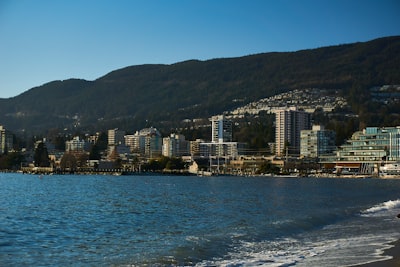
Nestled between the majestic Coast Mountains and the pristine Pacific Ocean, Vancouver is a vibrant, multicultural city consistently ranked among the world's most liveable. It's a place where urban sophistication meets breathtaking natural beauty, offering an unparalleled blend of outdoor adventure, cultural experiences, and culinary delights. From its bustling downtown core with gleaming skyscrapers to the serene trails of Stanley Park and the charming historic streets of Gastown, Vancouver truly has something for every traveler. This comprehensive guide will help you navigate your journey, ensuring an unforgettable visit to this stunning Canadian metropolis.
Best Time to Visit Vancouver
Choosing the right time to visit Vancouver significantly impacts your experience, as each season offers distinct charms and activities.
Summer (June – August)
Summer is arguably the most popular time to visit Vancouver, and for good reason. The weather is typically warm and sunny, with average temperatures ranging from 20°C to 25°C (68°F to 77°F). This is prime time for outdoor activities such as hiking, cycling the Seawall, kayaking, and enjoying the city's numerous beaches and patios. Festivals, concerts, and outdoor markets abound, creating a lively atmosphere. However, be prepared for larger crowds and higher prices for accommodation and flights during this peak season. Booking well in advance is highly recommended.
Spring (April – May) & Autumn (September – October)
These shoulder seasons offer a wonderful balance of pleasant weather, fewer crowds, and more affordable prices. Spring sees the city burst into bloom with cherry blossoms and other vibrant flora, making it a beautiful time for strolls through parks and gardens. Temperatures are mild, typically ranging from 10°C to 15°C (50°F to 59°F), though occasional rain showers are common. Autumn provides a spectacular display of fall foliage, particularly in areas like Stanley Park and Queen Elizabeth Park. Temperatures are similar to spring, but with a higher chance of crisp, sunny days mixed with more consistent rainfall later in the season. These months are ideal for exploring museums, galleries, and enjoying the culinary scene without the summer rush.
Winter (November – March)
Vancouver winters are generally mild compared to other Canadian cities, with temperatures hovering around 5°C to 10°C (41°F to 50°F). Snowfall in the city itself is rare and usually melts quickly, but expect frequent rain. Despite the grey skies, winter has its own appeal. It's the perfect season for cozy cafe hopping, exploring indoor attractions, and enjoying the festive lights around Christmas and New Year. Crucially, the nearby North Shore mountains (Grouse Mountain, Cypress Mountain, Mount Seymour) transform into world-class ski and snowboard resorts, just a short drive from downtown. This makes Vancouver a unique destination where you can ski in the morning and dine by the ocean in the evening.
Top Attractions in Vancouver
Vancouver boasts an impressive array of attractions, catering to nature lovers, culture seekers, and urban explorers alike.
Stanley Park
An urban oasis larger than New York's Central Park, Stanley Park is a must-visit. This magnificent 405-hectare (1,001-acre) natural rainforest park offers stunning views of the city, mountains, and ocean. Rent a bike or walk the famous Seawall, a 28-kilometer (17-mile) path encircling the park and extending beyond. Highlights include the collection of First Nations totem poles at Brockton Point, Prospect Point with its panoramic vistas, and the tranquil Beaver Lake. The Vancouver Aquarium, a leader in marine research and conservation, is also located within the park.
Granville Island Public Market
A vibrant hub of food, art, and culture, Granville Island is a peninsula and shopping district accessible by foot, car, or False Creek Ferry. The heart of the island is the Public Market, a sensory delight filled with fresh produce, gourmet foods, local delicacies, and artisan crafts. Beyond the market, you'll find numerous studios, theatres, restaurants, and unique shops. It's a fantastic spot for lunch, people-watching, and picking up souvenirs.
Gastown
Step back in time as you wander through the historic cobblestone streets of Gastown, Vancouver's oldest neighborhood. Known for its Victorian architecture, gas lamps, and the iconic Gastown Steam Clock, this district is now home to trendy boutiques, art galleries, high-end restaurants, and lively pubs. It's particularly charming in the evening when the gas lamps cast a warm glow.
Capilano Suspension Bridge Park
For a thrilling encounter with nature, head to North Vancouver to experience the Capilano Suspension Bridge. Suspended 70 meters (230 feet) above the Capilano River and stretching 137 meters (450 feet), it offers breathtaking views of the surrounding rainforest. The park also features the Cliffwalk, a series of cantilevered walkways jutting out from the granite cliff face, and the Treetops Adventure, a series of seven suspension bridges among the towering Douglas firs.
Grouse Mountain
Known as "The Peak of Vancouver," Grouse Mountain offers year-round adventure just 15 minutes from downtown. Take the Skyride, North America's largest aerial tramway, for spectacular panoramic views as you ascend. In summer, enjoy lumberjack shows, grizzly bear habitat, zip-lining, and hiking (including the challenging 'Grouse Grind'). In winter, it transforms into a popular ski and snowboard resort with ice skating and snowshoeing.
Vancouver Art Gallery
Located in a grand neoclassical building downtown, the Vancouver Art Gallery houses an impressive collection of over 12,000 works. It's renowned for its extensive collection by Emily Carr, a celebrated BC artist, and also features contemporary art, photography, and works by First Nations artists. The gallery hosts engaging temporary exhibitions throughout the year.
Museum of Anthropology at UBC
Situated on the University of British Columbia campus, the Museum of Anthropology (MOA) is a world-renowned museum dedicated to the arts and cultures of the world, with a special emphasis on First Nations peoples of British Columbia. Its stunning architecture, designed by Arthur Erickson, houses magnificent totem poles, carvings, and artifacts from indigenous cultures, as well as a vast collection of ethnographic objects from around the globe.
How to Reach Vancouver
Vancouver is a major transportation hub, making it easily accessible from various parts of the world.
By Air
Vancouver International Airport (YVR) is Canada's second busiest airport and a major gateway to Asia-Pacific and North America. It's located on Sea Island in Richmond, approximately 12 kilometers (7.5 miles) from downtown Vancouver. YVR is served by numerous international and domestic airlines, offering direct flights to major cities worldwide. From the airport, the Canada Line of the SkyTrain provides a convenient and efficient 25-minute direct link to downtown Vancouver.
By Road
Vancouver is well-connected by highways. The Trans-Canada Highway (Highway 1) runs through the city, linking it to the rest of Canada. From the United States, visitors can drive north on Interstate 5, which becomes Highway 99 at the Canada-U.S. border, leading directly into Vancouver. Be prepared for potential delays at the border crossings, especially during peak travel times.
By Rail
VIA Rail Canada offers scenic train journeys across Canada, with Vancouver's Pacific Central Station serving as the western terminus. Amtrak's Cascades service connects Vancouver to Seattle and Portland, offering a picturesque route along the Pacific Northwest coast.
By Bus
Numerous bus companies, including Greyhound (within Canada) and FlixBus (connecting to the USA), offer services to Vancouver. Pacific Central Station is also the main bus terminal. This can be a more economical option for travelers from nearby cities.
Local Food Guide: Savoring Vancouver's Culinary Scene
Vancouver is a foodie's paradise, renowned for its diverse culinary landscape, fresh local ingredients, and innovative chefs.
Seafood Galore
Given its coastal location, fresh seafood is a staple. Expect to find exquisite Pacific salmon (often wild-caught), halibut, cod, oysters, mussels, and Dungeness crab. Seafood restaurants range from casual fish and chips joints on Granville Island to upscale dining experiences with ocean views. Don't miss trying local specialties like wild salmon candied or smoked.
Asian Cuisine Capital
Vancouver boasts an incredible array of authentic Asian cuisine, largely due to its significant Asian population. Richmond, a neighboring city easily accessible by SkyTrain, is particularly famous for its authentic Chinese restaurants, including some of the best dim sum outside of Hong Kong. You'll also find exceptional Japanese sushi and ramen, Korean BBQ, Vietnamese pho, and Indian curries throughout the city. Robson Street, Main Street, and Commercial Drive are good starting points for diverse ethnic eats.
Farm-to-Table & West Coast Fresh
The "100-mile diet" movement originated in BC, emphasizing locally sourced ingredients. Many Vancouver restaurants champion a farm-to-table philosophy, showcasing fresh produce, organic meats, and sustainable seafood from British Columbia's bountiful farms and waters. Look for menus highlighting seasonal and regional ingredients.
Craft Beer & Coffee Culture
Vancouver has a thriving craft beer scene, with numerous microbreweries and brewpubs scattered across neighborhoods like Mount Pleasant (Brewery Creek) and East Vancouver. Take a brewery tour or simply visit a tasting room. The city also takes its coffee seriously, with independent coffee shops and artisanal roasters offering high-quality brews.
Must-Try Local Treats
- Japadog: A unique Vancouver street food phenomenon, these Japanese-inspired hot dogs come with toppings like teriyaki sauce, seaweed, and daikon.
- Nanaimo Bar: A no-bake dessert bar with a crumbly wafer base, custard filling, and chocolate ganache topping, originating from Nanaimo, BC.
- Poutine: While a Quebecois staple, Vancouver offers its own delicious versions of this dish of French fries topped with cheese curds and gravy.
- Sushi: With an abundance of fresh seafood and Japanese influence, Vancouver's sushi is consistently high quality and often more affordable than in other major cities.
Where to Eat
- Gastown: High-end dining, trendy cafes, and lively pubs.
- Yaletown: Upscale restaurants, chic patios, and a vibrant nightlife.
- Robson Street: Popular for diverse cuisines, especially Japanese and Korean, and casual dining.
- Main Street: Eclectic mix of independent eateries, farm-to-table, and ethnic restaurants.
- Commercial Drive (The Drive): Known for its Italian heritage, offering authentic pizzerias, delis, and a bohemian vibe with diverse international eateries.
Public Transport in Vancouver
Vancouver's public transport system, operated by TransLink, is efficient, extensive, and easy to use, making it an excellent way to explore the city without a car.
Compass Card
The Compass Card is your best friend for navigating TransLink services. This reloadable fare card works on SkyTrain, SeaBus, and buses. You can load Stored Value (pay-as-you-go) or purchase DayPasses, which offer unlimited travel for a 24-hour period across all zones. Cards can be purchased and reloaded at SkyTrain stations, London Drugs stores, and authorized retailers. Tap your card when entering and exiting SkyTrain/SeaBus stations, and only when entering a bus.
SkyTrain
The automated SkyTrain rapid transit system is the backbone of Vancouver's public transport. It consists of three lines:
- Expo Line: Connects downtown Vancouver to Burnaby, New Westminster, and Surrey.
- Millennium Line: Connects Vancouver to Burnaby, Port Moody, and Coquitlam.
- Canada Line: Connects downtown Vancouver to Richmond and Vancouver International Airport (YVR). This line is particularly convenient for airport transfers.
SeaBus
The SeaBus is a passenger ferry service connecting Waterfront Station in downtown Vancouver with Lonsdale Quay in North Vancouver. It offers scenic 12-minute crossings of Burrard Inlet, providing stunning views of the city skyline. It's a great way to access attractions like the Lonsdale Quay Market and the North Shore.
Buses
An extensive network of buses covers areas not serviced by SkyTrain or SeaBus. Buses are frequent and generally reliable. Route information and real-time tracking are available via the TransLink website or various transit apps.
Fares and Zones
Fares are calculated based on the number of zones you travel through, with different rates for peak (weekdays until 6:30 PM) and off-peak times. A DayPass simplifies this by allowing unlimited travel across all zones for one flat rate, making it a cost-effective option for tourists planning multiple journeys.
Travel Budget Tips for Vancouver
Vancouver can be an expensive city, but with some smart planning, you can enjoy its beauty without breaking the bank.
Accommodation
- Hostels: Look for hostels in the downtown area or near public transit for budget-friendly beds.
- Airbnb/VRBO: Renting a room or an entire apartment can be cost-effective, especially for longer stays or groups.
- Stay outside downtown: Consider hotels or Airbnb options in Richmond, Burnaby, or North Vancouver, which often offer better rates and are still well-connected by SkyTrain or SeaBus.
- Travel off-peak: Visiting during the shoulder seasons (spring/fall) or winter can lead to significant savings on accommodation.
Food
- Cook your own meals: If staying in accommodation with kitchen facilities, buying groceries from supermarkets like Safeway, Save-On-Foods, or Superstore can save a lot.
- Ethnic restaurants: Explore neighborhoods like Richmond, Main Street, or Commercial Drive for delicious and affordable international cuisine.
- Lunch specials/Happy Hour: Many restaurants offer discounted lunch menus or happy hour deals on food and drinks.
- Food trucks: Vancouver has a vibrant food truck scene, offering diverse and reasonably priced options.
- Granville Island Public Market: Great for picking up fresh produce, baked goods, and prepared foods for a picnic.
Activities
- Enjoy free attractions: Stanley Park, Queen Elizabeth Park, walking the Seawall, exploring Gastown, Kitsilano Beach, and city views are all free.
- Free walking tours: Look for free guided walking tours that operate on a tip-basis, offering insights into the city's history and culture.
- Public beaches: Spend a day at Kitsilano Beach, Spanish Banks, or Jericho Beach.
- Visit museums on discount days: Some museums offer free or discounted admission on specific evenings or days. Check their websites in advance.
- CityPASS: If you plan to visit multiple major attractions (like Vancouver Aquarium, Capilano Suspension Bridge, Science World), consider purchasing a Vancouver CityPASS for bundled savings.
Transportation
- Walk everywhere possible: Vancouver's downtown core is very walkable.
- Public transit: Utilize the TransLink system with a Compass Card DayPass for unlimited travel and cost savings compared to individual fares or taxis.
- Bike rental: Rent a bike to explore Stanley Park and other areas, which can be cheaper than taxis for short distances and a great way to see the city.
Hotels and Accommodation in Vancouver
Vancouver offers a wide range of accommodation options to suit every budget and preference, from luxurious downtown hotels to cozy guesthouses and budget-friendly hostels.
Downtown Vancouver
This is the most popular choice for first-time visitors, offering unparalleled convenience to major attractions, shopping (Robson Street), dining, and entertainment. You'll find a concentration of high-end hotels (e.g., Fairmont Pacific Rim, Rosewood Hotel Georgia), boutique hotels, and mid-range options. Expect higher prices due to the prime location.
Yaletown / Gastown
These trendy districts offer a more boutique experience. Yaletown, a former warehouse district, is known for its chic hotels, converted loft apartments, upscale restaurants, and vibrant nightlife. Gastown provides a historic charm with its Victorian architecture, unique shops, and stylish accommodations. These areas are ideal for those seeking a lively atmosphere and proximity to fine dining.
West End / Coal Harbour
Located just west of downtown, these neighborhoods offer a slightly more relaxed atmosphere while still being central. The West End is residential, close to Stanley Park and English Bay Beach, with a mix of hotels, guesthouses, and apartment rentals. Coal Harbour boasts luxury hotels and condos with stunning waterfront views, particularly popular for those wanting easy access to the Seawall and Stanley Park.
Kitsilano / Fairview
Across False Creek from downtown, Kitsilano (often called "Kits") is a vibrant, youthful neighborhood famous for its beach, independent boutiques, and casual eateries. Accommodation here might include guesthouses, vacation rentals, and a few boutique hotels. Fairview offers a more residential feel with good access to Granville Island and Broadway shopping. These areas can offer slightly better value than downtown.
Richmond
Located south of Vancouver, near YVR airport, Richmond is an excellent option for budget-conscious travelers or those needing airport proximity. It's easily connected to downtown by the Canada Line SkyTrain (about 25 minutes). Richmond is also renowned for its authentic Asian cuisine, offering fantastic dining experiences. You'll find a good selection of major hotel chains here, often at lower rates.
North Vancouver
Accessible by SeaBus or car, North Vancouver offers stunning mountain views and proximity to outdoor attractions like Grouse Mountain and Capilano Suspension Bridge. It provides a more relaxed, community-focused stay with a range of hotels and vacation rentals. It's a great base for those prioritizing nature and adventure while still having easy access to downtown.
Budget Accommodation
For backpackers and budget travelers, Vancouver has several well-regarded hostels (e.g., Samesun Vancouver, HI Vancouver Downtown/Central) offering dormitory beds and private rooms, often including amenities like kitchens and social events. Airbnb and other vacation rental platforms also provide options for various price points across different neighborhoods.
Safety Tips for Vancouver Travel
Vancouver is generally a very safe city, but like any major urban area, it's wise to be aware of your surroundings and take standard precautions.
- General Urban Safety: Be aware of petty crime, especially pickpocketing and bag snatching in crowded tourist areas, public transport, and entertainment districts. Keep valuables out of sight and secure. Don't leave belongings unattended.
- Downtown Eastside (DTES): There is a visible homeless population and issues with drug use in the Downtown Eastside neighborhood, particularly around Main and Hastings streets. While generally not a threat to tourists, it's advisable to avoid walking through this specific area alone, especially after dark, if you feel uncomfortable. Stick to the main tourist routes like Gastown and Yaletown, and you'll be fine.
- Nightlife: When enjoying Vancouver's nightlife, be mindful of your drinks and travel in groups or use reputable taxis/ride-sharing services (e.g., Uber, Lyft) for getting home.
- Outdoor Activities: If hiking in provincial parks or mountains, inform someone of your plans, stick to marked trails, carry appropriate gear, and be aware of wildlife (though encounters are rare in popular spots). Check trail conditions before you go.
- Crossing Streets: Be mindful of traffic and use designated crosswalks. Cyclists are prevalent, especially on the Seawall, so be aware of bike lanes.
- Emergency Services: In case of emergency, dial 911 for Police, Fire, or Ambulance services.
- Stay Hydrated: Especially during summer, ensure you drink enough water. Tap water in Vancouver is safe and delicious.
By keeping these tips in mind, you can safely enjoy all the incredible experiences Vancouver has to offer.
FAQ: Your Questions About Vancouver Answered
Q: Is Vancouver an expensive city to visit?
A: Yes, Vancouver is generally considered one of the most expensive cities in Canada and North America, particularly regarding accommodation and dining. However, there are many ways to budget effectively, such as utilizing public transport, enjoying free attractions, cooking some meals, and seeking out affordable dining options.
Q: How many days do I need to explore Vancouver?
A: For a good overview of the city's main attractions, 3-4 full days are recommended. This allows you to explore downtown, Stanley Park, Granville Island, Gastown, and perhaps one or two major attractions like Grouse Mountain or the Capilano Suspension Bridge. If you want to include day trips to Whistler or Victoria, plan for 5-7 days.
Q: Do I need a car to get around Vancouver?
A: For exploring downtown Vancouver and its immediate surroundings, a car is not necessary and can even be a hindrance due to traffic and expensive parking. The public transit system (SkyTrain, SeaBus, buses) is excellent. A car might be useful if you plan extensive day trips outside the city to places not easily accessible by transit, like Squamish or the Fraser Valley.
Q: What is the currency in Vancouver?
A: The currency used in Vancouver, and throughout Canada, is the Canadian Dollar (CAD). Credit cards (Visa, MasterCard, American Express) are widely accepted, and ATMs are readily available.
Q: What is the tipping etiquette in Vancouver?
A: Tipping is customary in Canada. In restaurants, a tip of 15-20% of the pre-tax bill is expected for good service. For quick service (e.g., coffee shops, take-out), tipping is optional but a small amount is appreciated. For taxis, a 10-15% tip is standard.
Q: Is tap water safe to drink in Vancouver?
A: Absolutely! Vancouver's tap water is sourced from pristine mountain reservoirs and is considered among the best and safest in the world to drink. Bring a reusable water bottle and refill it frequently.
Q: What should I pack for a trip to Vancouver?
A: Regardless of the season, layering is key due to changing weather. A waterproof jacket and comfortable walking shoes are essential. In summer, light clothing is sufficient, but always have a light jacket for evenings. In spring/fall, warmer layers are needed. In winter, waterproof outerwear and warmer clothing are a must, especially if heading to the mountains.
Vancouver is a city that truly captures the imagination, blending urban sophistication with stunning natural landscapes. Whether you're seeking adventure, cultural immersion, or culinary delights, this Pacific gem promises an unforgettable journey. Embrace its diverse offerings, soak in the breathtaking views, and allow yourself to be charmed by the unique spirit of Vancouver.