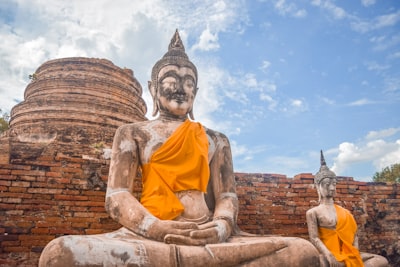
Bangkok Travel Guide – Best Places to Visit in Thailand
Bangkok: The City of Angels – A Comprehensive Travel Guide
Welcome to Bangkok, a vibrant metropolis that pulses with an electrifying energy, where ancient traditions gracefully coexist with modern marvels. Known to Thais as Krung Thep Maha Nakhon, or simply Krung Thep (City of Angels), Bangkok is a sensory feast, offering a captivating blend of ornate temples, bustling markets, towering skyscrapers, and an unparalleled street food scene. From the serene golden Buddhas to the frenetic pace of its night markets, Bangkok promises an unforgettable adventure for every traveler. This detailed guide will help you navigate the wonders of Thailand's captivating capital, ensuring your visit is as enriching and seamless as possible.
Best Time to Visit Bangkok
Choosing the right time to visit Bangkok can significantly enhance your travel experience, with each season offering a unique charm.
The Cool and Dry Season (November to February)
This is widely considered the best time to visit Bangkok. Temperatures are milder, typically ranging from 20°C to 30°C (68°F to 86°F), with lower humidity and minimal rainfall. The pleasant weather is perfect for exploring outdoor attractions, navigating the bustling markets, and enjoying boat trips along the Chao Phraya River. However, this is also peak tourist season, meaning higher prices for flights and accommodation, and more crowded attractions. Major festivals like Loy Krathong (lantern festival, usually in November) and New Year's celebrations add to the festive atmosphere.
The Hot Season (March to May)
Temperatures soar during these months, often reaching above 35°C (95°F) with high humidity. While it can be challenging for outdoor activities, this period sees fewer tourists and potentially lower prices. The biggest draw is Songkran, the Thai New Year (mid-April), which transforms the entire country into a massive water fight – a truly unique cultural experience if you're prepared to get wet and embrace the festivities.
The Rainy Season (June to October)
Also known as the monsoon season, this period brings frequent, albeit usually short, heavy downpours. Temperatures remain warm, around 25°C to 32°C (77°F to 90°F). Don't let the "rainy season" deter you completely; showers often last an hour or two in the afternoon, leaving plenty of time for sightseeing. The city's parks and landscapes are lush and green, and tourist numbers are lower, leading to better deals on hotels and flights. Indoor activities like shopping malls, museums, and cooking classes become more appealing.
Top Attractions in Bangkok
Bangkok's landscape is dotted with historical treasures and modern marvels. Here are some of the must-visit sights:
The Grand Palace & Wat Phra Kaew (Temple of the Emerald Buddha)
A true jewel of Bangkok, the Grand Palace complex is a dazzling array of traditional Thai architecture, intricate details, and shimmering gold. Once the official residence of the Kings of Thailand, it now serves as a ceremonial venue. Within its walls lies Wat Phra Kaew, home to the revered Emerald Buddha, a small but incredibly significant statue carved from a single block of jade. Visitors must dress respectfully, with shoulders and knees covered.
Wat Arun (Temple of Dawn)
Perched majestically on the west bank of the Chao Phraya River, Wat Arun is an iconic landmark recognizable by its towering central prang (Khmer-style tower) adorned with colorful ceramic tiles and porcelain. It’s particularly stunning at sunrise and sunset when its spires are bathed in golden light, making for incredible photographic opportunities. A ferry ride across the river offers the best views.
Wat Pho (Temple of the Reclining Buddha)
Just a short walk from the Grand Palace, Wat Pho is famous for its massive gold-plated reclining Buddha statue, which stretches an impressive 46 meters long and 15 meters high. The temple grounds are also home to one of Thailand's earliest public education centers and is considered the birthplace of traditional Thai massage. You can even get an authentic massage from the on-site school.
Chatuchak Weekend Market
One of the world's largest weekend markets, Chatuchak is a sprawling labyrinth of over 15,000 stalls selling everything imaginable. From clothing, accessories, and local handicrafts to antiques, plants, and pets, it's an overwhelming but exhilarating shopping experience. Be prepared to haggle and explore; wear comfortable shoes and stay hydrated. It's open on Saturdays and Sundays from early morning till evening.
Chao Phraya River and Klongs (Canals)
The Chao Phraya River is the lifeblood of Bangkok, offering a unique perspective of the city. Take a local express boat for an affordable and scenic way to hop between riverside attractions. For a deeper dive into local life, explore the city's historic "klongs" (canals) on a longtail boat tour, revealing traditional wooden houses and a glimpse of old Bangkok.
Jim Thompson House Museum
This fascinating museum offers a tranquil escape and a cultural insight into Thai architecture and art. It was the former home of Jim Thompson, an American entrepreneur who revived the Thai silk industry after World War II before mysteriously disappearing. The complex comprises several traditional Thai houses, relocated and assembled, showcasing his impressive collection of Southeast Asian art and antiques.
Skyline & Rooftop Bars
Experience the modern, glamorous side of Bangkok by visiting one of its many spectacular rooftop bars. Places like Sky Bar at Lebua (of "The Hangover Part II" fame), Vertigo and Moon Bar at Banyan Tree, or Octave Rooftop Lounge & Bar offer breathtaking panoramic views of the city skyline, especially stunning at night. Enjoy a cocktail as you watch the city lights twinkle below.
Asiatique The Riverfront
This large open-air mall and night market combines shopping, dining, and entertainment along the Chao Phraya River. It's a more organized and upscale alternative to traditional night markets, featuring boutique shops, a variety of restaurants, a Ferris wheel, and even Muay Thai and cabaret shows. It's easily accessible via a free shuttle boat from Saphan Taksin BTS station.
How to Reach Bangkok
Bangkok is a major international hub, well-connected to the rest of the world.
By Air
Most international travelers arrive at one of Bangkok's two international airports:
- Suvarnabhumi Airport (BKK): The primary international gateway, serving most major airlines. It's located about 30 km east of the city center.
- Don Mueang International Airport (DMK): Mainly serves budget airlines and domestic flights. It's located about 24 km north of the city center.
Airport Transfers to the City
- Suvarnabhumi Airport (BKK): The most efficient way to reach the city is via the Airport Rail Link (ARL), which connects to the BTS Skytrain at Phaya Thai station. Taxis are also readily available, but ensure they use the meter. Pre-booked private transfers are another convenient option.
- Don Mueang International Airport (DMK): A shuttle bus connects DMK to the BTS Skytrain station at Mo Chit and the MRT station at Chatuchak Park. Taxis and Grab (ride-hailing app) are also common.
By Train or Bus
Travelers from neighboring countries like Malaysia or Laos can reach Bangkok by train or bus. Hua Lamphong Railway Station is the main train terminal, while various bus terminals serve different regions of Thailand and international routes.
Local Food Guide
Bangkok is a paradise for food lovers, renowned globally for its incredible street food and diverse culinary scene.
Street Food Delights
Eating street food is an essential Bangkok experience. Look for vendors with long queues – a sure sign of deliciousness. Must-try dishes include:
- Pad Thai: The classic stir-fried noodle dish with shrimp or chicken, tofu, bean sprouts, and peanuts.
- Som Tum: A spicy green papaya salad, incredibly refreshing and customizable to your spice preference.
- Mango Sticky Rice (Khao Niao Mamuang): A beloved dessert featuring sweet glutinous rice, fresh mango slices, and a drizzle of coconut milk.
- Satay: Skewered and grilled meat (chicken or pork) served with a rich peanut sauce.
- Grilled Skewers (Moo Ping): Marinated pork skewers, perfect for a quick snack.
- Boat Noodles (Kway Teow Reua): Small bowls of flavorful noodle soup, traditionally sold from boats in canals.
Must-Try Thai Dishes
- Tom Yum Goong: The iconic hot and sour shrimp soup, fragrant with lemongrass, galangal, and kaffir lime leaves.
- Green Curry (Gaeng Keow Wan): A creamy and spicy curry made with green chilies, coconut milk, bamboo shoots, and various meats or vegetables.
- Massaman Curry: A rich, milder, and slightly sweet curry with influences from Persian cuisine, often made with beef or chicken and potatoes.
- Pad Krapow Moo Saap: Minced pork stir-fried with holy basil, garlic, and chilies, usually served with rice and a fried egg.
Dining Experiences
Beyond street food, Bangkok offers a spectrum of dining options:
- Food Courts: Found in major shopping malls (e.g., MBK, Terminal 21), these offer a clean, air-conditioned environment to sample a wide variety of Thai and international dishes at very reasonable prices.
- Local Restaurants: Explore neighborhood eateries for authentic dishes at local prices.
- Riverside Dining: Enjoy stunning views and delicious cuisine at restaurants along the Chao Phraya River.
- Fine Dining: Bangkok boasts numerous Michelin-starred restaurants and world-class dining establishments for a luxurious culinary experience.
- Cooking Classes: Join a cooking class to learn the secrets of Thai cuisine and recreate your favorite dishes back home.
Public Transport in Bangkok
Navigating Bangkok is made easy by its efficient and diverse public transport system, though traffic can be notorious.
BTS Skytrain (Elevated Train)
The BTS is clean, fast, and covers many of the city's major commercial, shopping, and tourist areas. It's an excellent way to avoid traffic jams. There are two lines: Sukhumvit Line and Silom Line, which intersect at Siam station. Fares depend on the distance traveled, and Rabbit Cards (stored-value cards) are available for convenience.
MRT Subway (Underground Train)
The MRT complements the BTS, connecting areas not covered by the Skytrain, including Hua Lamphong Railway Station and Chatuchak Weekend Market. Like the BTS, it's air-conditioned and efficient. A single card can often be used for both systems, or individual tokens/tickets can be purchased.
Taxis
Bangkok taxis are abundant and relatively inexpensive. Always insist the driver uses the meter. If they refuse, find another taxi. Traffic can be very heavy, especially during rush hours, so factor in extra travel time. Grab (a ride-hailing app similar to Uber) is also widely used and often more convenient as it sets the fare upfront.
Tuk-Tuks
These iconic three-wheeled open-air vehicles offer a fun and exhilarating way to travel short distances. However, they are not metered, so always negotiate the fare before getting in. Be wary of tuk-tuk drivers offering unusually cheap fares or suggesting detours to "gem shops" or "tailor shops" – these are common scams.
Chao Phraya Express Boat
For destinations along the river, the express boat is a fast, cheap, and scenic option. It stops at various piers near major attractions like the Grand Palace, Wat Arun, and Asiatique. Different flag colors denote different routes and speeds. The blue-flag tourist boat is specifically designed for sightseers.
Motorbike Taxis
For quick trips through heavy traffic, motorbike taxis are the fastest option, especially for single passengers. They are recognizable by their orange vests. Agree on the fare before riding. While efficient, they are less safe than other modes of transport.
Travel Budget Tips
Bangkok can be enjoyed on a shoestring budget or with luxurious splurges. Here's how to make your money go further:
Accommodation
- Hostels & Guesthouses: Abundant, especially around areas like Khaosan Road, offering dorm beds for as little as ฿200-400 per night.
- Budget Hotels: Many clean and comfortable budget hotels are available across the city for ฿600-1500 per night. Look for deals outside of peak season.
- Location Matters: Staying slightly outside the absolute city center (but near a BTS/MRT station) can offer better value.
Food
- Street Food: Your best friend for budget eating! Delicious, authentic meals can be had for ฿40-100 per dish.
- Local Markets & Food Courts: Offers a vast array of affordable and tasty options.
- Avoid Tourist Traps: Restaurants in very tourist-heavy areas often charge more for less authentic food.
Transport
- Public Transport: Rely heavily on the BTS, MRT, and Chao Phraya Express Boat for affordability and efficiency.
- Walk: Explore neighborhoods on foot when distances are manageable.
- Negotiate Tuk-Tuk & Taxi Fares: Always agree on a price before hopping into a tuk-tuk, and insist taxis use the meter. Use Grab for upfront pricing.
Activities
- Free Attractions: Many temples are free to enter (though donations are appreciated), or have a small fee. Enjoy parks, walking around markets, and window shopping without spending.
- Look for Combo Tickets: Some attractions offer discounted entry if you purchase tickets for multiple sites.
- Happy Hour Deals: Take advantage of happy hour promotions at bars and restaurants.
Shopping
- Haggle: At markets (like Chatuchak), bargaining is expected. Start by offering around 50-70% of the asking price and work your way up.
- Local Souvenirs: Focus on unique local crafts rather than generic tourist items.
Hotels and Accommodation
Bangkok offers an incredibly diverse range of accommodation, catering to every budget and travel style.
Backpacker & Budget Friendly
- Khaosan Road Area: The undisputed backpacker hub, filled with hostels, guesthouses, budget hotels, street food, and lively nightlife. Great for social travelers.
- Near MRT/BTS Stations: Many budget-friendly hotels are located a bit further out but provide easy access to the city via public transport.
Mid-Range Options
- Sukhumvit: A vast, bustling area with numerous mid-range hotels, serviced apartments, restaurants, and nightlife. Well-connected by BTS.
- Silom: A commercial district during the day, transforming into a vibrant nightlife area (Patpong) by night. Offers a mix of business hotels and mid-range options.
- Siam: Ideal for shoppers, with proximity to major malls. Also offers a good selection of mid-range hotels.
Luxury & High-End
- Riverside: Home to some of Bangkok's most iconic luxury hotels (e.g., Mandarin Oriental, Peninsula, Shangri-La) offering stunning river views, impeccable service, and easy boat access to historical sites.
- Siam & Wireless Road: Elegant hotels catering to business travelers and luxury tourists, with high-end shopping and dining.
- Phrom Phong / Thonglor: Trendy, upscale neighborhoods popular with expats, featuring boutique hotels, chic restaurants, and stylish bars.
Accommodation Types
- Hostels: Dorms and private rooms, great for solo travelers and meeting people.
- Guesthouses: Often family-run, offering a more personal touch and local feel.
- Boutique Hotels: Stylish, themed hotels offering unique experiences.
- International Chains: Reliable comfort and amenities from well-known brands.
- Serviced Apartments: Ideal for longer stays, offering kitchenettes and more space.
Safety Tips for Travelers
Bangkok is generally a safe city for tourists, but like any major metropolis, it pays to be aware of your surroundings and common scams.
Common Scams to Watch Out For
- Tuk-Tuk Scams: Drivers offering incredibly cheap fares (e.g., 10-20 baht) and then taking you to gem stores, tailor shops, or souvenir shops where you'll face high-pressure sales tactics. Always insist on your desired destination and agreed-upon fare.
- Gem Scams: Be very skeptical of anyone approaching you to tell you about an "amazing one-day sale" on gems. These are almost always scams leading to overpriced, low-quality stones.
- "Temple is Closed" Scam: If a friendly local tells you a temple is closed (especially in the morning), verify it yourself. They often try to divert you to shops or other scams.
- Bird Feeding Scams: At popular tourist spots, someone might put birdseed in your hand and then demand money once birds land on you.
Personal Safety
- Guard Your Belongings: Be mindful of pickpockets in crowded areas like markets, public transport, and tourist attractions. Keep valuables secure.
- Traffic: Bangkok traffic is heavy and chaotic. Always look both ways, even on one-way streets, and be extra careful when crossing roads.
- Drink Responsibly: If going out at night, drink responsibly and avoid isolated areas.
- Respect Local Customs: Dress modestly when visiting temples and important sites. Avoid public displays of affection that may be considered inappropriate.
Health and Wellness
- Stay Hydrated: Bangkok's climate can be very hot and humid. Drink plenty of bottled water.
- Food Safety: While street food is generally safe and delicious, choose vendors that are busy and appear clean. If unsure, stick to cooked food.
- Insect Repellent: Mosquitos are present, especially during the rainy season. Use repellent to avoid bites.
- Travel Insurance: Always travel with comprehensive travel insurance to cover unexpected medical emergencies, theft, or trip cancellations.
Legal Information
- Drugs: Thailand has very strict anti-drug laws with severe penalties. Do not engage with drugs.
- E-cigarettes: Vaping is illegal in Thailand. Penalties can be severe.
FAQ Section
Q: Is Bangkok safe for solo travelers?
A: Yes, Bangkok is generally very safe for solo travelers, including women. Standard precautions apply: be aware of your surroundings, avoid walking alone in isolated areas at night, and be wary of common tourist scams.
Q: What currency is used in Thailand?
A: The currency is the Thai Baht (฿ or THB). ATMs are widely available, and credit cards are accepted in most hotels, large restaurants, and shopping malls. It's good to carry some cash for street food and smaller vendors.
Q: Do I need a visa for Thailand?
A: This depends on your nationality. Many countries are granted visa-free entry for up to 30 days (or 15 days if arriving by land). Check the official Thai embassy website in your country or the Ministry of Foreign Affairs of Thailand for the most up-to-date requirements.
Q: What should I wear when visiting temples?
A: When visiting temples and the Grand Palace, you must dress respectfully. This means shoulders and knees should be covered. Scarves are often available for rent or purchase at major sites if you're not adequately dressed.
Q: Is tipping customary in Bangkok?
A: Tipping is not customary in Thailand but is appreciated for good service. For restaurants, a 10% service charge is often included; if not, rounding up the bill or leaving a small tip (฿20-฿100) is common. For taxi drivers, rounding up to the nearest 10 or 20 baht is polite.
Q: How many days are enough to see Bangkok?
A: To experience the main highlights and get a good feel for the city, a minimum of 3-4 full days is recommended. This allows time for cultural sites, markets, food experiences, and perhaps a day trip.
Q: What is the best way to get around Bangkok?
A: A combination of BTS Skytrain and MRT Subway is usually the most efficient way to navigate the city, especially during rush hour. For riverside attractions, the Chao Phraya Express Boat is excellent. Taxis (metered) and Grab are convenient for direct routes, and tuk-tuks offer a fun, short-distance experience (after negotiating the fare).
Bangkok is a city that never ceases to amaze, a metropolis where every corner reveals a new experience. Whether you're drawn to its spiritual serenity, its culinary adventures, or its bustling markets, this guide provides the essential tools to embark on your own unforgettable journey into the heart of Thailand's captivating capital. Enjoy the journey, embrace the chaos, and let the magic of Bangkok enchant you.
Recent Blog
Seoul Itinerary Guide – Explore South Korea Like A Local
23-Aug-2026
Chicago Itinerary Guide – Explore USA Like A Local
18-Aug-2026
Things To Do In Nairobi – Complete Travel Guide 2026
16-Aug-2026
Brisbane Travel Guide 2026 – Complete Australia Travel Guide
15-Aug-2026
Marrakech Tourism Guide 2026 – Hotels, Food & Attractions
11-Aug-2026
Bangkok Travel Guide 2026 – Complete Thailand Travel Guide
08-Aug-2026
Nairobi Itinerary Guide – Explore Kenya Like A Local
07-Aug-2026
Things To Do In Barcelona – Complete Travel Guide 2026
04-Aug-2026
Things To Do In Sydney – Complete Travel Guide 2026
02-Aug-2026
Rio de Janeiro Itinerary Guide – Explore Brazil Like A Local
29-Jul-2026
Chicago Tourism Guide 2026 – Hotels, Food & Attractions
28-Jul-2026
Best Places To Visit In Sydney (2026 Guide)
25-Jul-2026
Best Places To Visit In Doha (2026 Guide)
21-Jul-2026
Melbourne Tourism Guide 2026 – Hotels, Food & Attractions
20-Jul-2026
Buenos Aires Tourism Guide 2026 – Hotels, Food & Attractions
17-Jul-2026Recent Destination
Doha Travel Guide – Best Places to Visit in Qatar
23-Aug-2026
Las Vegas Travel Guide – Best Places to Visit in USA
19-Aug-2026
Los Angeles Travel Guide – Best Places to Visit in USA
18-Aug-2026
Doha Travel Guide – Best Places to Visit in Qatar
16-Aug-2026
Cairo Travel Guide – Best Places to Visit in Egypt
15-Aug-2026
Kuala Lumpur Travel Guide – Best Places to Visit in Malaysia
11-Aug-2026
Toronto Travel Guide – Best Places to Visit in Canada
09-Aug-2026
Sydney Travel Guide – Best Places to Visit in Australia
08-Aug-2026
Sydney Travel Guide – Best Places to Visit in Australia
07-Aug-2026


