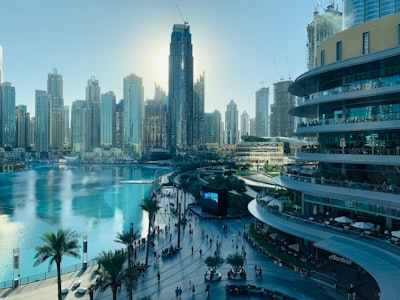
Dubai Travel Guide – Best Places to Visit in UAE
Discover Dubai: The Ultimate Travel Destination Guide
Welcome to Dubai, a city that epitomizes ambition, luxury, and innovation. Rising from the Arabian Desert, this dazzling metropolis in the United Arab Emirates has transformed from a humble fishing village into a global hub for business, tourism, and culture. With its futuristic skyline, pristine beaches, opulent shopping malls, and a vibrant culinary scene, Dubai offers an unparalleled travel experience that blends tradition with cutting-edge modernity. Whether you're seeking adventure, relaxation, cultural immersion, or simply an escape into extravagance, Dubai promises an unforgettable journey. This comprehensive guide will equip you with everything you need to plan your perfect trip to the 'City of Gold'.
Best Time to Visit
Dubai experiences a desert climate, characterized by hot summers and mild winters. Choosing the right time to visit can significantly enhance your experience.
Winter (November to March)
This is by far the most popular time to visit Dubai. The weather is pleasantly warm and sunny, with average temperatures ranging from 20°C to 30°C (68°F to 86°F). This period is ideal for outdoor activities, beach visits, desert safaris, and exploring the city's many attractions without the discomfort of extreme heat. However, it's also the peak tourist season, meaning higher prices for flights and accommodation, and larger crowds at popular sites. Booking well in advance is highly recommended.
Shoulder Seasons (April-May & September-October)
During these months, temperatures start to climb, averaging from 30°C to 40°C (86°F to 104°F). While the heat can be intense, especially in May and September, these periods offer a good balance for budget-conscious travelers. You'll find fewer crowds and better deals on hotels and flights. Many indoor attractions, air-conditioned malls, and water parks provide excellent respite from the heat, allowing you to still enjoy much of what Dubai has to offer.
Summer (June to August)
Summer in Dubai is intensely hot, with temperatures often exceeding 40°C (104°F) and high humidity. Outdoor activities become challenging during the day. However, if you can tolerate the heat, this is the off-peak season, offering the lowest prices on everything from flights to luxury hotels. Dubai is well-equipped for summer, with most activities shifting indoors – think enormous malls, indoor theme parks, and lavish hotel pools. It's a great time for shopping festivals and experiencing Dubai's indoor wonders without the crowds.
Top Attractions
Dubai boasts an impressive array of world-class attractions, catering to every interest and age group.
Burj Khalifa
The undisputed icon of Dubai, the Burj Khalifa stands as the world's tallest building, piercing the sky at an astonishing 828 meters (2,717 ft). A visit to its observation decks, "At the Top" on the 124th and 125th floors, or the premium "At the Top SKY" on the 148th floor, offers breathtaking panoramic views of the city, desert, and ocean. Don't miss the mesmerizing Dubai Fountain show, located at the base of the Burj Khalifa, which features choreographed water jets performing to music.
The Dubai Mall
More than just a shopping destination, The Dubai Mall is an entertainment marvel. It's one of the world's largest malls by total area, housing over 1,200 retail stores, a dedicated fashion avenue, an Olympic-sized ice rink, a cinema complex, and numerous dining options. Key attractions include the Dubai Aquarium & Underwater Zoo, which houses thousands of aquatic animals, and the thrilling VR Park, an indoor virtual reality theme park.
Palm Jumeirah & Atlantis, The Palm
An artificial archipelago shaped like a palm tree, Palm Jumeirah is a marvel of engineering and a symbol of Dubai's ambition. It's home to lavish hotels, private residences, and pristine beaches. At its apex lies Atlantis, The Palm, a luxurious resort famous for its Aquaventure Waterpark, The Lost Chambers Aquarium, and celebrity chef restaurants. Aquaventure is one of the largest waterparks in the Middle East and Europe, offering thrilling slides and marine animal encounters.
Dubai Marina
A man-made canal city, Dubai Marina is an impressive residential and leisure hub known for its stunning skyline featuring towering skyscrapers. Take a leisurely stroll along the Marina Walk, enjoy a Dhow cruise with dinner, or dine at one of the many waterfront restaurants. JBR (Jumeirah Beach Residence) Walk, adjacent to the Marina, offers a bustling promenade with shops, cafes, and a public beach perfect for sunbathing and water sports.
Global Village
Operating seasonally from October/November to April, Global Village is Dubai's premier multi-cultural festival park. It brings together cultures from around the world through pavilions showcasing products, food, and entertainment from different countries. It's a fantastic place for family entertainment, offering live shows, thrilling rides, and a unique shopping experience where you can find authentic goods from various nations.
Dubai Desert Safari
No trip to Dubai is complete without venturing into the mystical Arabian Desert. A desert safari typically includes exhilarating dune bashing in a 4x4 vehicle, camel riding, sandboarding, and an authentic Bedouin-style dinner camp under the stars. Here, you can enjoy traditional entertainment like belly dancing and Tanoura shows, get a henna tattoo, and marvel at the vastness of the desert landscape. Overnight safaris offer an even more immersive experience.
Al Fahidi Historical Neighbourhood (Old Dubai)
Step back in time at Al Fahidi, one of Dubai's oldest heritage sites. This beautifully preserved district, with its traditional wind-tower architecture and narrow alleyways, offers a glimpse into Dubai's pre-oil era. Explore the Dubai Museum (housed in Al Fahidi Fort), visit art galleries, cafes, and boutique shops. Don't miss taking an Abra (traditional wooden boat) across Dubai Creek to explore the bustling Gold and Spice Souks.
Museum of the Future
An architectural marvel in itself, the Museum of the Future is not just a museum but a gateway to 2071. It showcases innovative and futuristic ideologies, services, and products. Visitors are transported to a potential future, exploring themes like climate change, health, and space travel through immersive exhibitions. It's a thought-provoking experience that blends science, technology, and art.
Ain Dubai
While currently closed, Ain Dubai holds the record as the world's largest observation wheel. Located on Bluewaters Island, it offers stunning 360-degree views of the Dubai skyline, Palm Jumeirah, and the Arabian Gulf. Keep an eye on updates for its eventual reopening, as it promises another unique perspective of the city.
How to Reach
Dubai is a major international aviation hub, making it easily accessible from almost anywhere in the world.
By Air
The primary gateway is Dubai International Airport (DXB), one of the busiest airports globally. It serves as the home base for Emirates Airlines, connecting Dubai to hundreds of destinations. Most major international airlines operate direct flights to DXB. Al Maktoum International Airport (DWC), also known as Dubai World Central, is another growing airport primarily serving budget carriers and cargo. From both airports, you can easily reach the city center via metro, taxi, or pre-booked transfers.
Visa Requirements
Visa requirements vary depending on your nationality. Many nationalities can obtain a visa on arrival (free of charge for 30 or 90 days), while others need to apply for a visa in advance through the UAE embassy in their home country or via an airline sponsor (like Emirates or Flydubai) or a hotel. Always check the latest visa regulations specific to your nationality before planning your trip.
Local Food Guide
Dubai's culinary scene is a vibrant tapestry woven with traditional Emirati flavors and diverse international influences. From street food to fine dining, there's something to tantalize every palate.
Traditional Emirati Cuisine
While often overshadowed by international options, seeking out authentic Emirati dishes is a must. Key dishes include:
- Machboos: A fragrant rice dish cooked with meat (chicken, lamb, or fish) and a blend of spices, often served with a side of yogurt or salad.
- Harees: A thick, porridge-like dish made from wheat and meat (usually lamb or chicken), slow-cooked until tender. It's a staple during Ramadan.
- Thareed: A hearty stew made with vegetables and meat, layered with traditional thin bread (regag), allowing the bread to soak up the flavorful broth.
- Luqaimat: Sweet dumplings deep-fried until golden and crispy, then drizzled with date syrup (dibbs) and often sprinkled with sesame seeds. A perfect dessert.
International Delights and Street Food
Dubai is a melting pot of cultures, reflected in its food scene:
- Shawarma: A Middle Eastern staple, this delicious wrap filled with spit-roasted chicken or lamb, pickles, and garlic sauce is widely available and a must-try.
- Falafel: Deep-fried patties made from ground chickpeas and spices, often served in a pita with tahini sauce and vegetables.
- Indian and Pakistani Cuisine: With a large expat population, Dubai excels in authentic and flavorful Indian and Pakistani food, from rich curries to tandoori delights.
- Iranian Cuisine: Known for its delicious kebabs, saffron-infused rice, and stews, Iranian restaurants offer a taste of Persian culinary traditions.
Fine Dining and Brunch Culture
Dubai is synonymous with luxury, and its fine dining scene doesn't disappoint, featuring Michelin-starred restaurants and celebrity chef establishments. The city is also famous for its lavish Friday (or Saturday) brunches, which are an institution, offering extensive buffets, live cooking stations, and often free-flowing beverages.
Public Transport
Dubai boasts an efficient, modern, and affordable public transport system, making it easy to navigate the city without a car.
Dubai Metro
The Dubai Metro is the backbone of the city's public transport, known for its punctuality, cleanliness, and fully automated trains. It has two main lines, Red and Green, covering most major attractions, including the airport (DXB), Burj Khalifa/Dubai Mall, Dubai Marina, and Old Dubai areas. The metro also has separate compartments for women and children, and a Gold Class for a more luxurious experience. To use the metro (and other RTA transport), you'll need a NOL card.
NOL Card
The NOL card is a contactless smart card used to pay for all RTA (Roads and Transport Authority) public transport services. You can buy different types: Red (for tourists, rechargeable for up to 10 trips), Silver (rechargeable, better for longer stays), and Gold (for Gold Class metro travel). Purchase and recharge them at metro stations, bus stations, or supermarkets.
Buses
An extensive network of air-conditioned buses complements the metro, reaching areas not directly served by the train. They are reliable and comfortable, offering a cost-effective way to get around.
Taxis & Ride-Sharing
RTA taxis are plentiful, metered, and identifiable by their cream color, with different colored roofs indicating different operators (e.g., pink roofs for ladies-only taxis driven by women). Ride-sharing apps like Careem and Uber are also widely used, offering convenience and fixed fares.
Abras (Traditional Boats)
For a truly traditional experience, take an Abra across Dubai Creek. These small wooden boats cost a mere 1 AED and offer a charming and quick way to travel between Bur Dubai and Deira, providing scenic views of the bustling creek life.
Dubai Tram
The Dubai Tram serves the Dubai Marina, JBR, and Al Sufouh areas, connecting with the Red Line of the Metro at two stations, making it convenient for exploring these popular waterfront districts.
Travel Budget Tips
Dubai often has a reputation for being expensive, but with smart planning, you can enjoy its splendor without breaking the bank.
Accommodation
- Choose wisely: While luxury hotels are abundant, mid-range chains (e.g., Rove Hotels, Holiday Inn Express) and serviced apartments offer excellent value.
- Consider location: Staying in areas like Deira or Bur Dubai often means lower prices than Downtown or Dubai Marina, while still being well-connected by metro.
- Book in advance: Especially during peak season (winter), booking flights and hotels several months ahead can secure better rates.
Food
- Mix it up: Indulge in a fine dining experience, but balance it with meals at local eateries, food courts in malls, and budget-friendly restaurants in areas like Karama or Deira, which offer delicious and affordable international cuisine.
- Look for lunch deals: Many restaurants offer attractive business lunch menus during weekdays, which are significantly cheaper than dinner.
- Self-catering: If staying in an apartment with a kitchen, buying groceries from supermarkets can save a lot on breakfast and some meals.
Transport
- Utilize public transport: The Dubai Metro and buses are incredibly efficient and cost-effective. A NOL Silver card is a worthwhile investment.
- Walk: For shorter distances, especially along promenades like the Marina Walk or JBR Walk, walking is free and enjoyable.
Attractions & Activities
- Free attractions: Enjoy free activities like strolling through Old Dubai, relaxing on public beaches (JBR Beach, La Mer), watching the Dubai Fountain show, visiting parks, or window shopping in the malls.
- Combo tickets: Many tour operators and attractions offer combo tickets (e.g., Burj Khalifa + Dubai Aquarium) that can be cheaper than buying individual passes.
- Entertainment Apps: Look for apps like The Entertainer, which offer "buy one get one free" deals on dining, attractions, and hotels.
- Timing: Visit popular paid attractions during off-peak hours or weekdays to avoid crowds and sometimes even find slightly cheaper tickets.
Shopping
- Sales & Festivals: Dubai is famous for its shopping festivals (like the Dubai Shopping Festival in winter), offering significant discounts.
- Souks: Haggling is expected in traditional souks (Gold, Spice, Textile), so don't be afraid to negotiate prices.
Hotels and Accommodation
Dubai offers an extensive range of accommodation options, from ultra-luxury resorts to budget-friendly hotels and serviced apartments, catering to every preference and budget.
Luxury & Iconic Stays
- Burj Al Arab Jumeirah: Often touted as the world's only 7-star hotel, it's an architectural masterpiece offering unparalleled opulence and service.
- Atlantis, The Palm: A landmark resort on Palm Jumeirah, offering luxurious rooms, access to Aquaventure Waterpark, and numerous dining options.
- Address Downtown: Located directly opposite the Burj Khalifa and The Dubai Mall, offering stunning views and prime access to attractions.
- Jumeirah Beach Hotel / Madinat Jumeirah: Part of a sprawling Arabian-themed complex with canals, souks, and luxurious hotels with private beach access.
Mid-Range & Comfortable Options
- Rove Hotels: A popular chain known for its modern, quirky design, comfortable rooms, and value for money across various locations like Downtown, Marina, and City Centre.
- Novotel / Ibis / Holiday Inn Express: Well-known international chains offering reliable service, good amenities, and competitive pricing, often found in business districts or near metro stations.
- Serviced Apartments: Brands like DAMAC Maison, Fraser Suites, or local operators offer spacious apartments with kitchenettes, ideal for families or longer stays.
Budget-Friendly & Value Stays
- Hotels in Deira and Bur Dubai: Areas like Deira, Al Barsha, and Bur Dubai offer a higher concentration of budget and 3-star hotels. While older, they often provide excellent value, are close to traditional souks, and are well-connected by metro.
- Hostels: A growing number of hostels are emerging, particularly in areas like JBR and Dubai Marina, offering dormitory-style accommodation for solo travelers or backpackers.
Neighborhoods to Consider
- Downtown Dubai: Best for first-timers, close to Burj Khalifa, Dubai Mall, and Dubai Fountain. Luxurious and vibrant.
- JBR / Dubai Marina: Ideal for beach lovers, nightlife, and waterfront activities. Great for families and couples.
- Palm Jumeirah: Exclusively luxury resorts, perfect for a relaxing, upscale beach vacation.
- Deira / Bur Dubai: For cultural immersion, budget-friendly options, and proximity to souks and Dubai Creek.
- Al Barsha: Good mid-range options, close to Mall of the Emirates and easy metro access to other parts of the city.
Safety Tips
Dubai is renowned as one of the safest cities in the world, with a very low crime rate. However, it's always wise to be aware of local customs and laws to ensure a smooth and respectful visit.
General Safety
- Low Crime: Violent crime is extremely rare. Petty theft is also uncommon, but it's always good practice to keep an eye on your belongings.
- Emergency Services: Dial 999 for police, 998 for ambulance, and 997 for fire.
- Stay Hydrated: Especially during warmer months, drink plenty of water to avoid dehydration.
- Sun Protection: Use high-SPF sunscreen, wear hats, and sunglasses, and seek shade during peak sun hours (11 AM - 3 PM).
Cultural Sensitivity & Local Laws
The UAE is a Muslim country, and visitors are expected to respect local traditions and laws, even though Dubai is generally more liberal than other parts of the region.
- Dress Code: While there's no official dress code for tourists, it's advisable to dress modestly, especially when visiting religious sites (mosques) or conservative areas. Shoulders and knees should be covered. In malls and public places, smart casual is generally acceptable. Beachwear is fine on beaches and by hotel pools.
- Public Displays of Affection (PDAs): While holding hands is generally tolerated, overt displays of affection like kissing or hugging in public are considered inappropriate and can lead to legal trouble.
- Alcohol Consumption: Alcohol is available in licensed restaurants, bars, and hotels. It's illegal to drink or be under the influence of alcohol in public places. Do not buy alcohol from unlicensed vendors.
- Drugs: The UAE has a zero-tolerance policy towards drugs. Penalties for drug-related offenses are severe, including lengthy prison sentences.
- Photography: Always ask permission before photographing people, especially women. Avoid photographing government buildings or military installations.
- Ramadan: During the holy month of Ramadan, Muslims fast from dawn to dusk. While tourists are not expected to fast, it's respectful to avoid eating, drinking, or smoking in public during fasting hours. Many restaurants operate behind screens or open after sunset.
- Same-Sex Relationships: Homosexuality is illegal in the UAE. While unlikely to be enforced on tourists unless they are overtly public, discretion is advised.
- Vaping/E-cigarettes: While previously banned, vaping is now legal and e-cigarettes are widely available, but regulations still apply (e.g., no vaping indoors in public places).
FAQ Section
Q1: Is Dubai safe for solo female travelers?
A: Yes, Dubai is considered one of the safest cities in the world, including for solo female travelers. Crime rates are extremely low, and women generally feel comfortable and respected. However, it's always wise to take standard precautions as you would in any major city.
Q2: What is the local currency and should I carry cash?
A: The local currency is the UAE Dirham (AED). While credit/debit cards are widely accepted everywhere, it's good to carry some cash for smaller purchases, local souks (where haggling is common), or traditional Abra rides. ATMs are ubiquitous.
Q3: Do I need a visa to visit Dubai?
A: Visa requirements depend on your nationality. Many countries have visa-free entry or visa-on-arrival facilities. It's crucial to check the latest visa regulations for your specific nationality with the UAE embassy or consulate in your country before your trip.
Q4: What language is spoken in Dubai?
A: The official language is Arabic. However, English is very widely spoken and understood, especially in tourist areas, hotels, restaurants, and by public transport staff. You won't have trouble communicating in English.
Q5: Can I drink alcohol in Dubai?
A: Yes, alcohol is available in licensed hotels, bars, clubs, and restaurants. Tourists can purchase alcohol from designated shops if they have a non-Muslim tourist license (often obtained by showing passport and visa on arrival). It is strictly illegal to consume alcohol in public places or be intoxicated in public.
Q6: What's the best way to get around Dubai?
A: The Dubai Metro is highly efficient, affordable, and covers many major attractions. Taxis are plentiful, and ride-sharing apps (Careem, Uber) are widely used. Buses supplement the metro network. For a unique experience, use an Abra to cross Dubai Creek.
Q7: What should I wear when visiting a mosque?
A: When visiting a mosque, both men and women should dress modestly. Women must cover their heads with a scarf, and ensure their arms and legs are fully covered. Men should wear long trousers and shirts (no shorts or sleeveless tops). The Sheikh Zayed Grand Mosque in Abu Dhabi (a popular day trip) often provides abayas for women if needed.
Dubai is a city that never ceases to impress, offering an unparalleled blend of extravagant luxury, rich cultural heritage, and thrilling adventures. With this guide in hand, you are well-prepared to navigate its wonders, savor its flavors, and create memories that will last a lifetime. Enjoy your magnificent journey to Dubai!
Recent Blog
Seoul Itinerary Guide – Explore South Korea Like A Local
23-Aug-2026
Chicago Itinerary Guide – Explore USA Like A Local
18-Aug-2026
Things To Do In Nairobi – Complete Travel Guide 2026
16-Aug-2026
Brisbane Travel Guide 2026 – Complete Australia Travel Guide
15-Aug-2026
Marrakech Tourism Guide 2026 – Hotels, Food & Attractions
11-Aug-2026
Bangkok Travel Guide 2026 – Complete Thailand Travel Guide
08-Aug-2026
Nairobi Itinerary Guide – Explore Kenya Like A Local
07-Aug-2026
Things To Do In Barcelona – Complete Travel Guide 2026
04-Aug-2026
Things To Do In Sydney – Complete Travel Guide 2026
02-Aug-2026
Rio de Janeiro Itinerary Guide – Explore Brazil Like A Local
29-Jul-2026
Chicago Tourism Guide 2026 – Hotels, Food & Attractions
28-Jul-2026
Best Places To Visit In Sydney (2026 Guide)
25-Jul-2026
Best Places To Visit In Doha (2026 Guide)
21-Jul-2026
Melbourne Tourism Guide 2026 – Hotels, Food & Attractions
20-Jul-2026
Buenos Aires Tourism Guide 2026 – Hotels, Food & Attractions
17-Jul-2026Recent Destination
Doha Travel Guide – Best Places to Visit in Qatar
23-Aug-2026
Las Vegas Travel Guide – Best Places to Visit in USA
19-Aug-2026
Los Angeles Travel Guide – Best Places to Visit in USA
18-Aug-2026
Doha Travel Guide – Best Places to Visit in Qatar
16-Aug-2026
Cairo Travel Guide – Best Places to Visit in Egypt
15-Aug-2026
Kuala Lumpur Travel Guide – Best Places to Visit in Malaysia
11-Aug-2026
Toronto Travel Guide – Best Places to Visit in Canada
09-Aug-2026
Sydney Travel Guide – Best Places to Visit in Australia
08-Aug-2026
Sydney Travel Guide – Best Places to Visit in Australia
07-Aug-2026


