Budapest Travel Guide – Best Places to Visit in Hungary
Budapest: The Pearl of the Danube – Your Ultimate Travel Guide
Nestled gracefully along the majestic Danube River, Budapest, the capital of Hungary, is a city that effortlessly blends historical grandeur with a vibrant, modern pulse. Often hailed as the "Paris of the East" or the "Pearl of the Danube," Budapest captivates visitors with its stunning architecture, therapeutic thermal baths, rich cultural heritage, and legendary nightlife. From the fairytale spires of the Buda Castle district to the bustling ruin bars of Pest, every corner of this magnificent city tells a story, inviting travelers to immerse themselves in a truly unique European experience.
This comprehensive guide is designed to help you navigate Budapest's myriad charms, ensuring your trip is as memorable and seamless as possible. Whether you're a history buff, a foodie, a party-goer, or simply seeking relaxation, Budapest offers an unparalleled adventure for every type of traveler.
Best Time to Visit Budapest
Budapest offers distinct experiences throughout the year, each season presenting its own unique appeal. Your ideal time to visit will largely depend on your preferences for weather, crowd levels, and activities.
Spring (April-May)
Spring in Budapest is delightful. The weather is pleasantly mild, with temperatures ranging from 10-20°C (50-68°F), making it perfect for exploring the city on foot. Parks bloom with vibrant flowers, outdoor cafes begin to buzz, and the city shakes off its winter slumber. Crowds are moderate, and prices for flights and accommodation are generally lower than in peak summer. This is an excellent time for sightseeing and enjoying outdoor activities without the intense heat or tourist hordes. Look out for Easter markets and the Budapest Spring Festival.
Summer (June-August)
Summer is peak tourist season in Budapest. The weather is warm to hot, often reaching 25-30°C (77-86°F), with long daylight hours. The city comes alive with festivals, open-air concerts, and river cruises. Ruin bars are at their most vibrant, and the thermal baths offer a refreshing escape from the heat. However, expect larger crowds at popular attractions and higher prices for everything from flights to hotels. Booking well in advance is highly recommended if you plan to visit during these months.
Autumn (September-October)
Autumn offers a fantastic balance of pleasant weather and fewer crowds. Temperatures cool down to a comfortable 10-20°C (50-68°F), and the city's parks and avenues are adorned with beautiful autumnal foliage. This is an ideal time for cultural exploration, enjoying the last of the outdoor events, and indulging in wine festivals. The atmosphere is generally more relaxed than in summer, and you can still enjoy outdoor seating at restaurants and cafes.
Winter (November-March)
Winter in Budapest can be cold, with temperatures often dropping below freezing, and snowfall is not uncommon. However, the city transforms into a magical wonderland, especially around the Christmas season. The famous Christmas markets, ice skating rinks, and the cozy warmth of the thermal baths make winter a truly unique experience. While it's off-peak, prices are generally lower, except during the festive season. It's a great time to enjoy the city's indoor attractions, museums, and opera without the crowds. Pack warm layers!
Our Recommendation: For a balance of good weather, manageable crowds, and reasonable prices, late spring (May) or early autumn (September-October) are generally the best times to visit Budapest.
Top Attractions in Budapest
Budapest boasts an incredible array of historical, cultural, and recreational attractions. Here's a list of must-see sights that will enrich your visit:
Buda Castle District
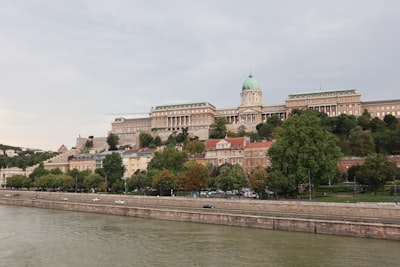
Perched atop Castle Hill on the Buda side, this historic district is a UNESCO World Heritage site offering breathtaking panoramic views of the Danube and Pest. Explore the cobblestone streets, admire the Matthias Church with its colorful tiled roof, and wander through the Fisherman's Bastion, a neo-Romanesque terrace offering unparalleled photo opportunities. The Royal Palace, housing the Hungarian National Gallery and the Budapest History Museum, is also a focal point.
Hungarian Parliament Building
An iconic symbol of Budapest, this magnificent neo-Gothic building dominates the Pest riverfront. Its intricate architecture, grand dome, and stunning interior make it one of the most beautiful parliament buildings in the world. Guided tours are available to explore its opulent chambers, the Holy Crown of Hungary, and learn about the country's political history. It's particularly stunning when illuminated at night.
Széchenyi Thermal Bath
Budapest is famous for its thermal baths, and Széchenyi is the largest and most renowned. Located in City Park, it features 18 pools, including three large outdoor pools where you can often spot locals playing chess. It's a truly invigorating and relaxing experience, regardless of the weather. Don't miss the chance to soak in the mineral-rich waters. Gellért Thermal Bath, known for its Art Nouveau architecture, is another excellent option.
Chain Bridge (Széchenyi Lánchíd)
The first permanent bridge to connect Buda and Pest, the Chain Bridge is an engineering marvel and a symbol of Budapest's unity. Guarded by stone lions, it offers picturesque views, especially at sunset. A walk across this historic bridge is a quintessential Budapest experience, connecting you directly between the Chain Bridge Funicular on the Buda side and Gresham Palace on the Pest side.
Andrássy Avenue and Hungarian State Opera House
A UNESCO World Heritage site, Andrássy Avenue is Budapest's grandest boulevard, lined with elegant Neo-Renaissance mansions, upscale boutiques, and theatres. It stretches from Erzsébet Square to Heroes' Square. The Hungarian State Opera House, a masterpiece of Neo-Renaissance architecture, stands proudly along this avenue. Even if you don't catch a performance, a guided tour of its opulent interior is highly recommended.
St. Stephen's Basilica
This impressive Roman Catholic basilica is Budapest's largest church, dedicated to Hungary's first king, St. Stephen. Its neoclassical architecture, stunning mosaics, and the mummified right hand of St. Stephen (the 'Holy Right') inside are awe-inspiring. Climb or take the elevator to the dome for a 360-degree panoramic view of the city.
Dohány Street Synagogue
The largest synagogue in Europe and the second largest in the world, the Dohány Street Synagogue is a stunning example of Moorish Revival architecture. It holds deep historical significance for Budapest's Jewish community and houses a museum, a Jewish cemetery, and the Wall of Remembrance. A visit offers profound insight into Jewish culture and history in Hungary.
Ruin Bars (e.g., Szimpla Kert)
No trip to Budapest is complete without experiencing its unique ruin bar scene. These atmospheric bars are set up in abandoned buildings and derelict spaces, creatively decorated with vintage furniture, quirky art, and graffiti. Szimpla Kert in the Jewish Quarter is the original and most famous, offering a labyrinthine space for drinks, food, and live music. They are a true testament to Budapest's innovative nightlife.
Great Market Hall (Nagy Vásárcsarnok)
A magnificent neo-Gothic building, the Great Market Hall is a bustling hub for foodies and souvenir hunters. On the ground floor, you'll find fresh produce, meats, cheeses, and spices. The first floor offers traditional Hungarian street food, cafes, and a vast selection of souvenirs, from embroidered linens to paprika. It’s a great place to soak in local life and try some authentic Hungarian snacks.
Heroes' Square (Hősök Tere) and City Park
Heroes' Square is one of Budapest's major squares, featuring the iconic Millennium Monument and statues of the Seven Chieftains of the Magyars. It stands at the entrance to City Park (Városliget), which is home to several attractions, including the Museum of Fine Arts, the Palace of Art, Vajdahunyad Castle, and the Széchenyi Thermal Bath. The park offers plenty of green space for relaxation and recreation.
How to Reach Budapest
Budapest is well-connected and easily accessible from various parts of the world.
By Air
Ferenc Liszt International Airport (BUD) is Budapest's main international airport, located about 16 kilometers (10 miles) southeast of the city center. It serves numerous airlines from across Europe, North America, and beyond.
- From the Airport to City Center:
- 100E Express Bus: This direct bus service runs frequently between the airport and Deák Ferenc tér (a central metro hub) from early morning until late night. It's affordable and efficient, requiring a special airport shuttle ticket.
- 200E Bus + Metro: A more budget-friendly option involves taking bus 200E to Kőbánya-Kispest metro station, then connecting to the M3 (blue) metro line to reach the city center.
- Taxi: Official taxis (look for Főtaxi or Bolt app) are available. Always confirm the fare or ensure the meter is used. Avoid unmarked cabs.
- MiniBUD Airport Shuttle: A shared-ride shuttle service that takes you directly to your accommodation.
By Train
Budapest is a major railway hub in Central Europe, with excellent connections to cities like Vienna, Prague, Bratislava, Berlin, and Krakow. The city has three main international railway stations:
- Keleti pályaudvar (Eastern Railway Station): The largest and most impressive, serving most international routes.
- Nyugati pályaudvar (Western Railway Station): Known for its Eiffel-designed roof, serving routes mainly to Western Hungary and some international destinations.
- Déli pályaudvar (Southern Railway Station): Primarily serves domestic routes but also some international trains.
All stations are well-connected to the city's metro system.
By Bus
The
Népliget International Bus Terminal is the primary hub for international bus services, with companies like FlixBus and RegioJet offering extensive routes throughout Europe. It's easily accessible by the M3 (blue) metro line.
By Car
Driving to Budapest is feasible from neighboring countries, with good highway connections. However, navigating city traffic and finding parking can be challenging and expensive. Consider parking at a P+R (Park and Ride) facility on the outskirts and using public transport to get into the city.
Local Food Guide: Savoring Hungarian Flavors
Hungarian cuisine is hearty, flavorful, and deeply rooted in its history and culture. Prepare your taste buds for an unforgettable culinary journey!
Must-Try Dishes
- Goulash (Gulyás): Often mistaken for a stew, authentic Hungarian Goulash is a rich and flavorful soup made with beef, carrots, potatoes, and plenty of paprika. It's a staple and a must-try.
- Fisherman's Soup (Halászlé): A fiery red, spicy fish soup, typically made with various freshwater fish (carp, catfish) and generous amounts of paprika. Regional variations exist, with some being creamier and others clearer.
- Lángos: A popular street food, Lángos is a deep-fried flatbread typically topped with sour cream, grated cheese, and garlic oil. It's crispy, savory, and incredibly satisfying.
- Chicken Paprikash (Csirke Paprikás): Tender chicken pieces cooked in a creamy, rich paprika sauce, usually served with nokedli (small dumplings). A comforting and classic Hungarian dish.
- Palacsinta: Hungarian crepes, thinner than French crepes, filled with various sweet or savory fillings like cottage cheese, jam, chocolate, or meat. Hortobágyi Palacsinta (savory, meat-filled) is a popular choice.
- Dobos Torta: A decadent layered sponge cake with chocolate buttercream, topped with a hard caramel glaze. A true Hungarian confectionery masterpiece.
- Somlói Galuska: Often called "Hungarian Trifle," this dessert consists of sponge cake, walnuts, raisins, rum, and chocolate sauce, topped with whipped cream.
Drinks
- Pálinka: A potent fruit brandy, typically made from plums, pears, apricots, or cherries. It's strong, so sip it slowly!
- Unicum: A distinctive Hungarian herbal liqueur, a bitter digestif with a secret recipe of over 40 herbs. Best enjoyed as an aperitif or digestif.
- Hungarian Wines: Hungary has a rich winemaking tradition. Don't miss the sweet Tokaji Aszú, often called the "King of Wines, Wine of Kings." Other notable regions include Eger (known for Egri Bikavér, or "Bull's Blood") and Villány.
- Fröccs: A refreshing wine spritzer, popular during warmer months. You can choose different ratios of wine to soda water (e.g., Kisfröccs – small spritzer, Nagyfröccs – large spritzer).
Dining Experiences
- Traditional Restaurants (Etterem): Seek out traditional eateries for authentic Hungarian dishes. Look for "Csárda" for a more rustic, goulash-focused experience.
- Market Halls: The Great Market Hall and Hold Street Market are excellent places to try street food and local delicacies.
- Ruin Bars: Many ruin bars like Szimpla Kert also offer simple, yet delicious, street food options.
- Fine Dining: Budapest has a growing fine dining scene, with several Michelin-starred restaurants offering modern interpretations of Hungarian cuisine.
Public Transport in Budapest
Budapest boasts an excellent, extensive, and efficient public transport system, making it easy to navigate the city without a car.
Network Components
- Metro: The city has four metro lines (M1-M4). The M1 (yellow line), built in 1896, is continental Europe's oldest underground railway and is an attraction in itself.
- Trams: Trams are a fantastic way to see the city. Tram Line 2, running along the Danube on the Pest side, offers scenic views of the Parliament, Buda Castle, and the Chain Bridge.
- Buses: A comprehensive network of buses covers areas not reached by metro or tram, including night buses.
- Trolleybuses: Electric buses that operate on overhead lines, mainly serving inner-city routes.
- HÉV Suburban Railway: Connects Budapest with surrounding towns and suburbs.
Tickets and Passes
- Single Ticket (Vonaljegy): Valid for one uninterrupted journey on a single line (or line segment for metro transfers). Must be validated.
- Block of 10 Tickets: A slightly discounted option if you plan to use single tickets frequently.
- 24-hour travel card: Unlimited travel for 24 hours.
- 72-hour travel card: Unlimited travel for 72 hours.
- 7-day travel card: Unlimited travel for 7 days.
- Budapest Card: A tourist pass that offers unlimited public transport and free or discounted entry to many attractions, museums, and baths. Assess if it provides good value for your itinerary.
- Validation: It is crucial to validate your tickets *before* starting your journey (in machines at metro entrances or on board buses/trams). Unvalidated tickets can result in hefty fines. Keep your ticket until you exit.
- Purchase Points: Tickets can be purchased from ticket machines at metro stations and major stops, customer service centers, newsstands, and via the mobile app.
Operating Hours
Most public transport lines operate from approximately 4:30 AM to 11:30 PM. Night buses cover routes during off-hours.
Travel Budget Tips for Budapest
Budapest is generally more affordable than many Western European capitals, but savvy planning can stretch your budget even further.
- Hostels: Budapest has many excellent hostels, offering both dorms and private rooms, ideal for budget travelers.
- Apartments: Airbnb or local rental sites can offer great value, especially for longer stays or groups, allowing you to cook some meals.
- Location: While central locations are convenient, consider staying in slightly less central districts like District VIII (Józsefváros) or parts of District IX (Ferencváros) for more affordable options, as public transport is efficient.
- Market Halls: The Great Market Hall is fantastic for buying fresh produce, local cheeses, and meats if you're cooking. They also offer affordable and delicious street food.
- Daily Menus (Napi Menü): Many restaurants offer a "napi menü" (daily menu) during lunch hours, typically a two or three-course meal at a significantly lower price than à la carte.
- Street Food: Lángos, kürtőskalács (chimney cake), and various market stalls offer delicious and inexpensive meals.
- Groceries: Supermarkets (Lidl, Aldi, Tesco, Spar) are abundant for snacks, drinks, and ingredients.
- Tap Water: Budapest tap water is safe to drink, saving you money on bottled water.
- Attractions & Activities:
- Free Walking Tours: A great way to get an overview of the city and learn about its history. Tip your guide.
- Free Sights: Many of Budapest's most iconic landmarks, like the Parliament exterior, Heroes' Square, Chain Bridge, and Fisherman's Bastion (exterior), can be enjoyed for free.
- Budapest Card: Evaluate if it offers good value for your specific itinerary. Sometimes, buying individual tickets for attractions is cheaper if you're not visiting many.
- Museum Free Days: Some museums offer free entry on specific days of the month (often the last Saturday or Sunday) or for EU citizens under 26. Check their websites.
- Thermal Baths: Entry fees can be significant. Consider visiting during off-peak hours for a slightly lower price.
- Travel Passes: Opt for multi-day travel cards if you plan to use public transport frequently. They offer better value than single tickets.
- Walk: Budapest is a very walkable city, especially Pest. Plan your itinerary to group nearby attractions and enjoy strolling.
- Hungarian Forint (HUF): The local currency. While some tourist establishments accept Euros, you'll generally get a better rate paying in HUF.
ATMs: Widely available. Inform your bank of your travel plans to avoid card blocking. Be wary of dynamic currency conversion (DCC) at ATMs or POS terminals; always choose to be charged in HUF.
- Credit Cards: Widely accepted in most shops, restaurants, and hotels.
- Avoid street money changers: Use reputable currency exchange offices or banks.
Hotels and Accommodation in Budapest
Budapest offers a vast range of accommodation options to suit every budget and preference, from luxurious five-star hotels to cozy boutique guesthouses and lively hostels.
Luxury Accommodation
- Four Seasons Hotel Gresham Palace: An Art Nouveau masterpiece right on the Chain Bridge, offering unparalleled luxury, impeccable service, and stunning views of the Danube and Buda Castle.
- Aria Hotel Budapest: A music-themed boutique hotel near St. Stephen's Basilica, known for its elegant design, rooftop bar, and exceptional service.
- The Ritz-Carlton, Budapest: Located in a historic building in the heart of the city, offering classic luxury and modern amenities.
Mid-Range Accommodation
- Hotel Rum Budapest: A stylish boutique hotel with a fantastic rooftop bar, close to the Great Market Hall. Known for its unique design and comfortable rooms.
- Maverick City Lodge: While it has a hostel vibe, it offers private rooms and apartments in a great location in the Jewish Quarter, blending modern design with affordability.
- Danubius Hotels: A popular Hungarian chain with several properties across the city, offering reliable quality and good locations, often including spa facilities.
- Hotel Moments Budapest: An elegant hotel on Andrássy Avenue, offering spacious rooms and excellent service at a competitive price point.
Budget Accommodation
- Hostels: Budapest is renowned for its excellent hostels.
- Maverick Hostel & Ensuites: Housed in a renovated royal mansion, offering both dorms and private rooms, known for its friendly atmosphere.
- Wombats City Hostel Budapest: A popular choice for backpackers, offering clean facilities, a lively bar, and a central location.
- Hostel One Budapest: Known for its social atmosphere and free dinners.
- Apartments (Airbnb): Renting an apartment can be a very cost-effective option, especially for groups or longer stays, providing kitchen facilities.
Best Areas to Stay
- District V (Belváros-Lipótváros): The absolute center of Pest. Ideal for first-time visitors who want to be close to major attractions (Parliament, St. Stephen's Basilica, Chain Bridge) and have easy access to public transport, shopping, and dining. It's generally more upscale.
- District VII (Erzsébetváros - Jewish Quarter): The city's bohemian and lively district, famous for its ruin bars, unique cafes, and vibrant nightlife. Great for younger travelers, those seeking entertainment, and foodies. It's still very central and well-connected.
- District VI (Terézváros): Home to Andrássy Avenue, the Opera House, and many theaters. It offers a more cultural and elegant ambiance, with beautiful architecture and upscale shopping. Good for those who appreciate art and grand boulevards.
- Buda side (Districts I, II, III): If you prefer a quieter, more residential, and historically charming experience, staying on the Buda side, particularly around the Castle District, is a wonderful choice. You'll be closer to Buda Castle, Fisherman's Bastion, and enjoy stunning views of Pest. It requires a bit more reliance on public transport to reach Pest's nightlife and many restaurants.
When booking, always check recent reviews, location (proximity to public transport), and amenities to ensure it meets your expectations.
Safety Tips for Travelers in Budapest
Budapest is generally a safe city for tourists, but like any major European capital, it's wise to be aware of common scams and take basic precautions.
General Awareness
- Pickpocketing: Be vigilant in crowded areas such as public transport (especially metro lines M1 and M3), market halls, popular tourist attractions (e.g., Váci Street, outside St. Stephen's Basilica), and ruin bars. Keep valuables secure and out of sight.
- Taxi Scams: Only use official taxis (yellow cars with a "Taxi" sign, licensed companies like Főtaxi or Bolt app). Avoid unmarked cars or those that try to overcharge. Always confirm the meter is on or agree on a price beforehand if necessary (though meters are mandatory).
- Fake Petitions: Be wary of people approaching you with petitions, especially around tourist hotspots. They often work in groups and may distract you while another picks your pocket.
- Overcharging at Bars/Restaurants: Less common now, but always check your bill carefully, especially in very touristy areas. Some places may add an automatic service charge; you don't need to tip extra if this is the case.
- Street Money Changers: Never exchange money with individuals on the street; use reputable banks or exchange offices.
Emergency Numbers
- 112: General European emergency number (police, ambulance, fire).
Nightlife Safety
- Drinks: Always keep an eye on your drink, especially in crowded bars. Don't accept drinks from strangers.
- Travel in Groups: If possible, travel in groups at night.
- Getting Home: Use reputable taxis or plan your route using public transport (night buses operate).
Money and Valuables
- ATMs: Use ATMs located inside banks or reputable stores. Be cautious of "skimming" devices.
- Don't Flash Cash: Avoid displaying large sums of money.
- Photocopies of Documents: Keep photocopies or digital copies of your passport and other important documents separate from the originals.
Health
- Travel Insurance: Always recommend having comprehensive travel insurance.
- Tap Water: Tap water in Budapest is perfectly safe to drink. Carry a reusable bottle to stay hydrated and save money.
By staying aware of your surroundings and taking sensible precautions, you can enjoy a safe and memorable trip to Budapest.
FAQ Section
Q: Is Budapest an expensive city to visit?
A: Compared to many Western European capitals, Budapest is relatively affordable. Accommodation, food, and public transport are generally cheaper, especially if you stick to local eateries and utilize budget-friendly options.
Q: Do people speak English in Budapest?
A: Yes, especially in tourist areas, hotels, restaurants, and younger generations, you'll find that many people speak English. However, learning a few basic Hungarian phrases like "hello" (szia), "thank you" (köszönöm), and "please" (kérem) will always be appreciated.
Q: What currency is used in Budapest?
A: The official currency is the Hungarian Forint (HUF). While some tourist-oriented businesses may accept Euros, it's always better to pay in HUF for better exchange rates and to avoid confusion.
Q: Is tap water safe to drink in Budapest?
A: Yes, tap water in Budapest is safe and clean to drink. You can fill up your reusable bottle to save money and reduce plastic waste.
Q: How many days are enough to explore Budapest?
A: We recommend spending at least 3 to 5 days to experience Budapest comfortably. This allows enough time to visit major attractions, enjoy the thermal baths, explore the local cuisine, and soak in the city's atmosphere without feeling rushed.
Q: Is Budapest safe for solo female travelers?
A: Generally, Budapest is considered safe for solo female travelers. Standard precautions apply: be aware of your surroundings, especially at night, use reputable taxis, and avoid walking alone in poorly lit areas. The city has a vibrant and generally safe atmosphere.
Q: What is the Budapest Card? Is it worth it?
A: The Budapest Card is a tourist pass offering unlimited public transport, free entry to certain museums and attractions, and discounts on others, as well as at some restaurants and thermal baths. Its value depends on your itinerary; if you plan to use public transport frequently and visit many included attractions, it can be cost-effective. Do the math based on your planned activities.
Q: Do I need to tip in Budapest?
A: Tipping is customary in Budapest. In restaurants, if a service charge isn't already included (check your bill), a 10-15% tip is standard for good service. For taxis, round up the fare or add a small amount.
Q: What is the best way to get around Budapest?
A: Budapest has an excellent public transport system, including metro, trams, and buses. It's often the most efficient way to get around. Walking is also highly recommended, especially in the central districts, to truly appreciate the city's beauty.
Q: Are thermal baths swimsuit-optional or gender-separated?
A: Most major thermal baths like Széchenyi and Gellért are co-ed and require swimsuits. Some smaller or historical baths might have specific days or sections that are gender-separated or where swimwear is optional, so it's best to check the specific bath's rules beforehand.
Q: What are the opening hours for most attractions?
A: Most attractions, museums, and shops typically open around 9-10 AM and close between 5-6 PM. Ruin bars and restaurants usually stay open much later. Always check the specific opening hours of places you plan to visit, as they can vary.
---
Budapest is a city of unparalleled beauty, rich history, and captivating energy. From its ancient thermal springs to its cutting-edge culinary scene and pulsating nightlife, it offers an immersive experience for every traveler. Embrace the charm of its old-world elegance, delve into its vibrant cultural tapestry, and create memories that will last a lifetime in the Pearl of the Danube.