Paris Travel Guide – Best Places to Visit in France
Paris: The City of Lights, Love, and Endless Charms
Paris, the capital of France, stands as a beacon of romance, art, fashion, and history, drawing millions of visitors each year to its elegant boulevards and iconic landmarks. Nestled along the meandering Seine River, this metropolis effortlessly blends centuries-old architecture with modern vibrancy, offering an unparalleled travel experience. From the shimmering lights of the Eiffel Tower to the artistic masterpieces within the Louvre, every corner of Paris tells a story, inviting travelers to immerse themselves in its unique ambiance. Whether you're a first-time visitor or a seasoned Parisian enthusiast, the city promises a journey filled with discovery, delight, and that indescribable 'je ne sais quoi' that makes it truly special. This comprehensive guide will equip you with all the essential information to plan your perfect Parisian adventure, ensuring you savor every moment in one of the world's most beloved destinations.
Best Time to Visit
Choosing the right time to visit Paris can significantly enhance your experience, as each season offers a distinct charm and different considerations regarding weather, crowds, and prices.
Spring (April - June)
Spring is often lauded as the ideal time to visit Paris. The weather is generally mild and pleasant, with temperatures ranging from 10°C to 20°C (50°F to 68°F). The city's parks and gardens burst into bloom, creating picturesque backdrops for strolls and picnics. You'll find fewer crowds compared to the peak summer months, especially in April and early May, allowing for a more relaxed exploration of attractions. However, hotel prices start to rise in late spring, and occasional rain showers are common, so packing layers and an umbrella is advisable. Festivals like the Nuit des Musées add cultural vibrancy.
Summer (July - August)
Summer in Paris is vibrant and bustling. Temperatures average 20°C to 25°C (68°F to 77°F), sometimes climbing higher during heatwaves. Days are long, perfect for outdoor activities, river cruises, and enjoying café terraces. However, this is peak tourist season, meaning larger crowds at all major attractions and higher accommodation prices. Many Parisians also take their annual holidays in August, so some smaller shops and restaurants might be closed. Despite the crowds, the atmosphere is festive, with events like Paris Plages (artificial beaches along the Seine) and Bastille Day celebrations. Book everything well in advance if traveling during summer.
Autumn (September - November)
Autumn offers a beautiful transition in Paris. Early autumn (September and early October) sees mild, comfortable temperatures similar to spring, ranging from 15°C to 20°C (59°F to 68°F), along with stunning fall foliage in the parks. The summer crowds begin to dissipate, making it a great time for sightseeing. Late autumn brings cooler weather, often accompanied by crisp air and beautiful golden light, though rain becomes more frequent. Prices for flights and hotels tend to be more reasonable than in summer. Events like the Nuit Blanche (all-night art festival) and the Montmartre Grape Harvest Festival add cultural flair.
Winter (December - March)
Winter in Paris, while chilly, has a magical quality, especially around the holidays. Temperatures typically hover between 0°C and 8°C (32°F to 46°F), with occasional snow. The city is adorned with festive lights and Christmas markets from late November through December, creating a truly enchanting atmosphere. This is the off-peak season, meaning fewer crowds and lower prices for flights and accommodation, particularly after the New Year. While outdoor activities are limited, it's an excellent time for museum visits, cozy café hopping, and enjoying the vibrant arts scene. Pack warm clothing, including a good coat, hat, gloves, and waterproof shoes.
Top Attractions
Paris is an open-air museum, boasting an incredible array of landmarks, cultural institutions, and charming districts.
Iconic Landmarks
- Eiffel Tower: The undisputed symbol of Paris. Ascend to its various levels for breathtaking panoramic views of the city, especially enchanting at night when it sparkles every hour.
- Louvre Museum: Home to thousands of works of art, including the Mona Lisa, Venus de Milo, and Winged Victory of Samothrace. It's vast, so plan your visit to focus on specific collections.
- Notre Dame Cathedral: While still undergoing reconstruction after the 2019 fire, its magnificent Gothic exterior remains a powerful sight from the outside. Its resilience continues to inspire.
- Arc de Triomphe: Standing majestically at the western end of the Champs-Élysées, this monumental arch offers incredible views of the twelve avenues radiating from the étoile (star) junction, including the Eiffel Tower.
- Sacré-Cœur Basilica: Perched atop Montmartre hill, this stunning white basilica provides one of the best vistas of Paris. The neighborhood of Montmartre itself is full of artistic history and charm.
World-Class Museums
- Musée d'Orsay: Housed in a former Belle Époque railway station, this museum showcases an extraordinary collection of Impressionist and Post-Impressionist masterpieces, including works by Monet, Manet, Degas, Renoir, Cézanne, and Van Gogh.
- Centre Pompidou: A striking example of high-tech architecture, this cultural complex hosts the National Museum of Modern Art, featuring a vast collection of 20th and 21st-century art. Its rooftop offers excellent views.
- Musée Rodin: Dedicated to the works of sculptor Auguste Rodin, this museum is set in a beautiful 18th-century mansion and its gardens, where you can admire iconic pieces like "The Thinker" and "The Kiss."
Charming Neighborhoods & Hidden Gems
- Le Marais: A historic district known for its medieval architecture, trendy boutiques, art galleries, and vibrant Jewish quarter. It's perfect for wandering through narrow streets and discovering hidden courtyards.
- Latin Quarter: Home to the Sorbonne University, this bohemian area is famous for its lively student atmosphere, historic bookstores (like Shakespeare and Company), jazz clubs, and charming bistros. Don't miss the Panthéon.
- Montmartre: Beyond Sacré-Cœur, explore the winding cobbled streets, artist squares (Place du Tertre), and visit the Dalí Paris museum. It offers a romantic, village-like feel.
- Saint-Germain-des-Prés: A chic and sophisticated neighborhood, once a hub for intellectuals and artists. Enjoy its famous cafés like Les Deux Magots and Café de Flore, art galleries, and upscale boutiques.
- Luxembourg Gardens (Jardin du Luxembourg): A magnificent public park ideal for relaxation, picnics, and people-watching. It features statues, fountains, and beautiful flowerbeds, and hosts events like puppet shows for children.
- Cruises on the Seine River: A delightful way to see many of Paris's major landmarks from a unique perspective. Evening cruises are particularly romantic as the city lights up.
How to Reach
Paris is exceptionally well-connected, making it accessible from virtually anywhere in the world.
By Air
Paris is served by two major international airports:
- Charles de Gaulle Airport (CDG): Located northeast of Paris, CDG is one of Europe's busiest hubs.
- To City Center: The RER B train offers a direct and efficient connection to central Paris (Châtelet-Les Halles, Gare du Nord) in about 30-45 minutes. Roissybus and Le Bus Direct provide direct bus services, and taxis are readily available.
- Orly Airport (ORY): Located south of Paris, Orly mainly serves domestic and some international flights.
- To City Center: The Orlyval light rail connects to the RER B at Antony station. Alternatively, Orlybus provides direct service to Denfert-Rochereau. Taxis are also an option.
By Train
Paris is a major railway hub with six main train stations, each serving different regions of France and Europe:
- Gare du Nord: Primary station for Eurostar services from London and high-speed TGV trains to Belgium, Germany, and the Netherlands.
- Gare de l'Est: Serves Eastern France, Germany, and Switzerland.
- Gare de Lyon: Connects to Southeastern France (Lyon, Marseille, Nice), Italy, and Switzerland.
- Gare Montparnasse: Services Western and Southwestern France (Bordeaux, Rennes).
- Gare Saint-Lazare: Primarily serves Normandy and the northwest of France.
- Gare d'Austerlitz: Connects to Southwestern France (Orléans, Limoges) and overnight trains.
Train travel within Europe is highly efficient and a popular way to reach Paris from neighboring countries.
By Bus/Car
- By Bus: International bus companies like FlixBus and Ouibus offer affordable connections to Paris from various European cities. The main bus terminal is generally Paris Gallieni.
- By Car: Driving into Paris is possible, but not recommended for tourists due to heavy traffic, limited and expensive parking, and a complex one-way system. If you do drive, ensure your hotel offers parking or research public parking garages. Many central areas of Paris are also low-emission zones, requiring a Crit'Air sticker for vehicles, so check requirements if driving a rental car.
Local Food Guide
Paris is a culinary paradise, a city where food is not just sustenance but an art form. Prepare for an unforgettable gastronomic journey.
Classic French Dishes
- Croissant & Pain au Chocolat: Start your day the Parisian way with these flaky, buttery pastries from any local *boulangerie*.
- Escargots de Bourgogne: Snails cooked in garlic-parsley butter, a quintessential French appetizer.
- Confit de Canard: Duck leg slow-cooked in its own fat until tender, with crispy skin. A rich and flavorful classic.
- Boeuf Bourguignon: A hearty beef stew braised in red wine, often with mushrooms, onions, and bacon. Perfect comfort food.
- Coq au Vin: Chicken braised with wine, mushrooms, lardons (bacon), and garlic.
- Steak Frites: A simple yet perfect dish of grilled steak served with a generous portion of crispy French fries. Often accompanied by a delicious sauce.
- Crêpes: Thin pancakes, served savory (*galettes*) with cheese, ham, or eggs, or sweet with Nutella, sugar, or fruit.
- French Cheese (Fromage): France boasts hundreds of varieties. Visit a *fromagerie* or a market to sample local cheeses like Brie, Camembert, Roquefort, and Comté.
- Soupe à l'oignon gratinée: French onion soup, topped with toasted bread and melted Gruyère cheese, then broiled until golden.
Sweet Delights
- Macarons: Delicate, colorful meringue-based confections with a creamy filling. Ladurée and Pierre Hermé are world-famous for them.
- Éclairs: Oblong pastry made with choux dough, filled with cream and topped with icing.
- Tarte Tatin: An upside-down apple tart, caramelized to perfection.
- Mille-feuille: Layers of puff pastry and pastry cream, often topped with powdered sugar or fondant.
Parisian Drinks
- Wine: France is synonymous with wine. Enjoy a glass of local French wine – red, white, or rosé – with your meals.
- Champagne: Treat yourself to a glass of France's most famous sparkling wine.
- Apéritifs: Before dinner, enjoy a traditional French *apéritif* like pastis, Kir (white wine with blackcurrant liqueur), or a simple glass of wine.
- Coffee: Parisian café culture is iconic. Enjoy an *espresso*, *café au lait*, or *chocolat chaud* (hot chocolate).
Dining Etiquette & Tips
- Boulangeries & Pâtisseries: For fresh bread, croissants, and pastries.
- Brasseries & Bistros: Offer a more casual dining experience with traditional French fare. Look for "Plat du Jour" (dish of the day) for good value.
- Cafés: Great for coffee, light meals, and people-watching.
- Markets: Visit local markets like Marché des Enfants Rouges for fresh produce, cheese, and ready-to-eat meals.
- Reservations: For popular restaurants, especially for dinner, make reservations in advance.
- Service: Service charge (*service compris*) is usually included in the bill, so tipping is not mandatory but appreciated for exceptional service (rounding up or leaving a few euros).
- Water: Ask for "une carafe d'eau" for free tap water; otherwise, bottled water will be charged.
Public Transport
Paris boasts an excellent, efficient, and extensive public transport system that makes navigating the city a breeze. It's operated by RATP.
Metro
The Paris Métro is the easiest and quickest way to get around. With 16 lines and hundreds of stations, you're never far from a stop. Trains are frequent, clean, and cover almost the entire city center. Each line is identified by a number and color, and maps are readily available. Signs clearly indicate the direction by the line's terminus station.
RER
The RER (Réseau Express Régional) is a regional express train system that complements the Metro, connecting Paris to its suburbs and outer attractions like Disneyland Paris (RER A) and Versailles (RER C), as well as both CDG and Orly airports (RER B). RER lines are lettered A, B, C, D, E. Within the city center, RER lines often share stations with the Metro.
Bus & Tram
Paris has an extensive bus network, offering a more scenic way to travel. Buses are good for shorter distances and often stop closer to specific attractions than the Metro. Tram lines predominantly serve the outer arrondissements and the suburbs, acting as feeders to the Metro and RER.
Navigo Pass & Tickets
- T+ Ticket: A single-use ticket valid for one journey on the Metro, RER (within Zone 1), bus, or tram. You can buy them individually or in a *carnet* (pack of 10) for a discount.
- Navigo Découverte: A weekly or monthly pass (Monday to Sunday, or first to last day of the month) that offers unlimited travel across all zones. This is highly recommended if you're staying for a full week and arriving early in the week. It requires a photo and costs a few euros for the card itself.
- Paris Visite Pass: A tourist pass offering unlimited travel for 1, 2, 3, or 5 consecutive days across specific zones. It also includes discounts on some attractions, but it's often more expensive than a Navigo Découverte if your trip aligns with its validity.
- Mobile Apps: Apps like Citymapper or Google Maps are invaluable for planning routes, checking real-time schedules, and identifying stops.
- Velib' Métropole: Paris offers a popular bike-sharing system for short rides, with stations located throughout the city.
Travel Budget Tips
Paris can be an expensive city, but with smart planning, you can enjoy its splendors without breaking the bank.
Accommodation Savings
- Stay Outside Central Arrondissements: Look for hotels or Airbnb rentals in neighborhoods slightly further from the absolute center, such as the 10th, 11th, 12th, 13th, 14th, 15th, or 18th (but research specific areas for safety and accessibility). They offer better value and often a more local experience, usually well-connected by Metro.
- Book in Advance: Especially during peak season or major events, booking flights and accommodation several months ahead can secure better rates.
- Consider Hostels: Paris has numerous high-quality hostels, many offering private rooms, which are excellent for solo travelers or small groups on a budget.
- Travel Off-Season: Visiting in late autumn or winter (excluding Christmas/New Year) typically means lower prices for flights and hotels.
Food & Drink Economizing
- Picnics & Markets: Grab fresh bread, cheese, charcuterie, and wine from a local *boulangerie* and *supermarché* for a delightful and inexpensive picnic by the Seine or in a park.
- Eat Like a Local: Seek out *bistros* and *brasseries* away from major tourist hubs. Look for "formule midi" or "plat du jour" (lunch specials) which offer excellent value.
- Avoid Tourist Traps: Restaurants directly outside major attractions often have inflated prices and lower quality. Wander a few blocks away for better options.
- Happy Hour (Heure Heureuse): Many bars offer discounted drinks and often appetizers during early evening hours.
- Tap Water: Always ask for "une carafe d'eau" (a jug of tap water) to avoid paying for bottled water.
Free Activities
- Walk Everywhere: Paris is a beautiful city for walking. Explore neighborhoods like Le Marais, Montmartre, or the Latin Quarter on foot.
- Parks & Gardens: Enjoy the Luxembourg Gardens, Tuileries Garden, Parc des Buttes-Chaumont, or Parc Monceau for free relaxation and people-watching.
- Window Shopping: Stroll along the Champs-Élysées, Rue du Faubourg Saint-Honoré, or through the charming *passages couverts* (covered passages) without spending a cent.
- Free Museum Days: Many public museums offer free entry on the first Sunday of each month, though they can be very crowded. Check specific museum websites.
- Street Art: Explore the vibrant street art in areas like Belleville or around Canal Saint-Martin.
Transportation Hacks
- Walk: For short distances, walking is often quicker and always more enjoyable than taking the Metro.
- Navigo Découverte: If staying for a week (Monday-Sunday), this pass is the most cost-effective for unlimited travel.
- Carnet of T+ Tickets: If you're only using public transport occasionally, a pack of 10 tickets is cheaper than buying them individually.
Hotels and Accommodation
Paris offers a vast range of accommodation options to suit every taste and budget, from opulent palaces to cozy hostels.
Luxury Hotels
For an unforgettable, indulgent experience, Paris boasts some of the world's most renowned luxury hotels.
- The Ritz Paris: An icon of Parisian luxury, located on Place Vendôme.
- Hotel Plaza Athénée: Famous for its distinctive red awnings and exceptional service, with views of the Eiffel Tower.
- Le Meurice: Overlooking the Tuileries Garden, blending historic grandeur with contemporary art.
- Shangri-La Paris: A former royal palace with stunning Eiffel Tower views, especially from its suites.
These hotels offer exquisite dining, spa services, and unparalleled personalized service, albeit at a premium price.
Mid-Range & Boutique Stays
Paris excels in charming boutique hotels that offer character, comfort, and excellent service without the ultra-luxury price tag.
- Le Marais: This historic district offers many beautifully restored hotels in historic buildings, providing a chic and central base.
- Latin Quarter: Ideal for those seeking a lively atmosphere, close to universities, bookstores, and bistros. Hotels here range from traditional to modern boutique.
- Saint-Germain-des-Prés: A sophisticated choice with elegant hotels, close to art galleries, designer shops, and famous literary cafés.
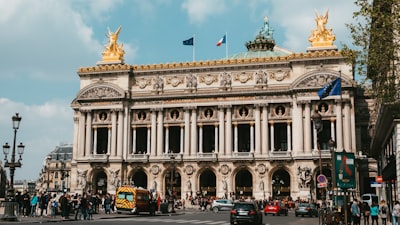
- Opéra/Grands Boulevards: Centrally located, convenient for sightseeing and shopping, with a mix of classic and modern hotels.
Look for hotels offering amenities like free Wi-Fi, breakfast options, and a concierge service to enhance your stay.
Budget-Friendly Options
Budget travelers will find plenty of choices, particularly outside the most central and exclusive neighborhoods.
- Hostels: Paris has a thriving hostel scene, with many modern, well-located options offering both dorms and private rooms. Examples include St Christopher's Inn Gare du Nord, Generator Paris, and Les Piaules.
- Budget Hotel Chains: Brands like Ibis, B&B Hotels, and Campanile offer reliable, no-frills accommodation at competitive prices, often slightly further out but well-connected by Metro.
- Airbnb/Vacation Rentals: Renting an apartment can be cost-effective for longer stays or for families/groups, often allowing for self-catering. Be sure to book from reputable hosts and understand local regulations.
- Neighborhoods for Value: Consider areas like the 10th (near Gare du Nord/Est), 11th (Bastille/Oberkampf), 12th (Gare de Lyon/Bercy), 13th (Gobelins/Chinatown), 14th (Montparnasse), 15th (Porte de Versailles), or parts of the 18th (north Montmartre) for more affordable hotels, while still being easily accessible to attractions via public transport.
Choosing Your Neighborhood
- For First-Timers: 1st, 2nd, 3rd, 4th arrondissements (Louvre, Marais, Notre Dame) are central and great for walking to major sights.
- For Romance: 6th (Saint-Germain-des-Prés), 7th (Eiffel Tower views), 18th (Montmartre).
- For Nightlife: 11th (Bastille, Oberkampf), 18th (Pigalle).
- For Families: 5th (Latin Quarter, Jardin des Plantes), 15th (residential, good transport).
- For Budget: 10th, 11th, 12th, parts of 13th, 14th, 18th.
Always check proximity to a Metro station, as good transport links are crucial for enjoying Paris regardless of your chosen district.
Safety Tips
Paris is generally a safe city for tourists, but like any major metropolis, it's wise to be aware of common issues and take precautions.
Pickpocketing & Scams
- Crowded Areas: Be extremely vigilant in crowded tourist spots (Eiffel Tower, Louvre, Notre Dame), on the Metro/RER, and at bus stops. Keep valuables (phone, wallet) in a front, zippered pocket or an anti-theft bag.
- Café Terraces: Never leave your phone or wallet on a table; snatchers can be quick. Keep bags on your lap or between your feet, never on the back of a chair.
- Gold Ring Scam: Someone "finds" a gold ring, asks if it's yours, and then tries to sell it to you or demand money. Ignore them.
- Petition Scam: Groups (often young women) will approach asking you to sign a petition, then demand money or distract you while others pickpocket you. Just walk away.
- Friendship Bracelet Scam: Someone ties a "free" bracelet on your wrist and then aggressively demands payment. Don't let them touch you.
- ATMs: Use ATMs inside banks during opening hours or in well-lit, busy areas. Be aware of your surroundings.
Emergency Numbers
- European Emergency Number: 112 (connects to police, fire, ambulance)
- Fire Brigade (Sapeurs-Pompiers): 18
- Medical Emergency (SAMU): 15
General Awareness
- Be Aware of Your Surroundings: Especially at night, walk in well-lit areas and avoid deserted streets.
- Keep Valuables Secure: Don't flaunt expensive jewelry or cameras. Carry only essential documents and a limited amount of cash.
- Copies of Documents: Keep photocopies or digital images of your passport, visa, and important reservations separate from the originals.
- Public Transport at Night: The Metro is generally safe, but be cautious in less busy stations or lines late at night. Taxis or ride-shares are safer options if you feel uncomfortable.
- Demonstrations: Paris occasionally sees public demonstrations. While generally peaceful, it's best to avoid them and follow local news if you encounter large gatherings.
- Stay Hydrated: Especially in summer, carry a water bottle. Tap water in Paris is safe to drink.
Frequently Asked Questions (FAQ)
Q: Is English widely spoken in Paris?
A: In major tourist areas, hotels, and larger shops, you'll find many people who speak English. However, learning a few basic French phrases (hello, please, thank you, excuse me) will be greatly appreciated by locals and can enhance your experience.
Q: What about tipping in restaurants?
A: In France, a service charge (*service compris*) is usually included in the bill, so tipping is not mandatory. However, if you receive exceptional service, rounding up the bill or leaving a few extra euros (e.g., 5-10% for a good meal) is a nice gesture and appreciated. For cafés, rounding up to the nearest euro is common.
Q: What's the best way to get around Paris?
A: The Paris Metro is the most efficient and popular way to travel. For longer stays, a Navigo Découverte pass is highly recommended. Walking is also excellent for exploring neighborhoods and seeing the city's beauty up close.
Q: Do I need a visa to visit Paris?
A: Visa requirements depend on your nationality. Many countries have visa-free access to the Schengen Area (which includes France) for short stays (up to 90 days). It's crucial to check the specific visa requirements for your country well in advance of your trip.
Q: What type of power plug is used in France?
A: France uses Type E power sockets, which are compatible with Type C and Type F plugs. The standard voltage is 230V at a frequency of 50Hz. You'll need an adapter if your devices use a different plug type, and a converter if your devices aren't dual-voltage.
Q: Is tap water safe to drink in Paris?
A: Yes, tap water in Paris is perfectly safe and generally good quality. You can always ask for "une carafe d'eau" (a jug of tap water) at restaurants for free.
Q: What are the best souvenirs to buy in Paris?
A: Popular souvenirs include miniature Eiffel Towers, fashion items (scarves, perfumes, designer accessories), gourmet foods (macarons, chocolates, mustards, foie gras, wine), art prints, cosmetics, and unique items from local markets.
Q: How many days do I need to see Paris?
A: While you can hit the highlights in 3-4 days, 5-7 days allows for a more relaxed pace, deeper exploration of neighborhoods, and perhaps a day trip (e.g., Versailles). For a truly immersive experience, even longer is recommended!
Paris is more than just a destination; it's an experience, a dream come true for many travelers. With this guide in hand, you are now ready to embark on your own magical journey through the enchanting streets of the City of Lights. *Bon voyage!*