Dubai Travel Guide – Best Places to Visit in UAE
Dubai Travel Guide: Your Ultimate Journey to the City of Gold
Welcome to Dubai, a city that epitomizes ambition, luxury, and innovation. Rising from the desert sands, this dynamic metropolis in the United Arab Emirates has transformed itself into a global hub for tourism, business, and entertainment. From record-breaking skyscrapers and sprawling malls to ancient souks and serene desert landscapes, Dubai offers an unparalleled blend of traditional Arabian charm and ultra-modern experiences. This comprehensive guide will equip you with everything you need to plan an unforgettable adventure in the dazzling City of Gold.
Best Time to Visit Dubai
The timing of your visit significantly impacts your Dubai experience, largely due to its desert climate.
Winter Months (October to April)
This is unequivocally the most popular and best time to visit Dubai.
- Weather: Temperatures are pleasantly mild, ranging from 20°C to 30°C (68°F to 86°F), making it perfect for outdoor activities, beach visits, and exploring the city on foot. Evenings are cool and comfortable.
- Events: This period coincides with a packed calendar of international events, festivals, and concerts, including the Dubai Shopping Festival (DSF), Dubai World Cup, and various food festivals.
- Activities: Ideal for desert safaris, dhow cruises, exploring historical neighborhoods, and enjoying theme parks.
- Crowds & Prices: Expect higher crowds and increased prices for flights and accommodation during this peak season, especially from December to February. Booking well in advance is highly recommended.
Summer Months (May to September)
While less popular, visiting in summer has its own advantages.
- Weather: Temperatures soar, often exceeding 40°C (104°F), with high humidity. Outdoor activities become challenging during midday.
- Activities: This season is perfect for indoor attractions like malls, museums, aquariums, and indoor theme parks. Many hotels and attractions offer excellent summer deals.
- Crowds & Prices: Significantly fewer tourists and lower prices for flights, hotels, and sometimes even attractions. This can be a budget-friendly option for those who don't mind the heat.
- Ramadan: If your visit coincides with Ramadan (the Islamic holy month), be aware of altered opening hours, respectful dress codes, and restrictions on eating and drinking in public during fasting hours. While still welcoming, the city's atmosphere changes. The dates of Ramadan shift annually.
Top Attractions in Dubai
Dubai is a playground of iconic landmarks and thrilling experiences.
Iconic Skyscrapers & Modern Marvels
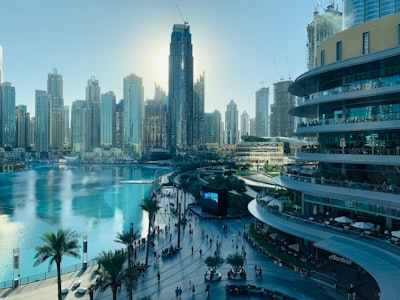
- Burj Khalifa: The world's tallest building stands at 828 meters (2,717 ft). Experience breathtaking panoramic views from "At The Top" observation decks on the 124th and 125th floors, or splurge for "At The Top SKY" on the 148th floor for an even more exclusive experience.
- The Dubai Mall: One of the world's largest shopping malls, it's more than just retail. Home to the Dubai Aquarium & Underwater Zoo, an Olympic-sized ice rink, VR Park, and direct access to the Dubai Fountain show.
- The Dubai Fountain: Located at the base of the Burj Khalifa, this spectacular choreographed fountain system performs nightly shows to music and lights. It's a must-see free attraction.
- Museum of the Future: An architectural marvel showcasing futuristic innovations and interactive exhibits focused on science, technology, and sustainability. Book tickets well in advance.
- Dubai Frame: A giant picture frame offering stunning views of old and new Dubai from its 150-meter-high sky bridge. One side frames modern Dubai, the other old Dubai.
Palm Jumeirah & Coastal Wonders
- Palm Jumeirah: An artificial archipelago shaped like a palm tree. Home to luxurious resorts, private residences, and entertainment venues.
- Atlantis, The Palm: A majestic resort offering the Aquaventure Waterpark (one of the largest in the Middle East), The Lost Chambers Aquarium, and celebrity chef restaurants.
- The Pointe: A waterfront dining and entertainment destination at the tip of Palm Jumeirah, famous for its record-breaking fountain show, Palm Fountain.
- Dubai Marina & Jumeirah Beach Residence (JBR): A vibrant district with stunning skyscrapers, a beautiful waterfront promenade, outdoor dining, and a bustling beach area (The Beach at JBR) offering water sports and relaxation.
Old Dubai & Cultural Experiences
- Al Fahidi Historical Neighbourhood (Al Bastakiya): Step back in time in this beautifully preserved heritage area with narrow lanes, wind-tower houses, art galleries, museums (Dubai Museum in Al Fahidi Fort), and traditional cafes.
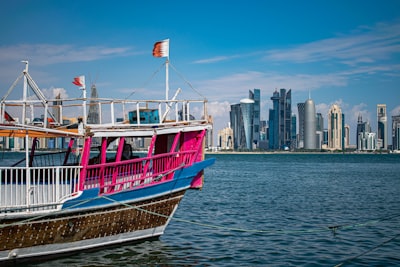
- Dubai Creek: The lifeline of old Dubai. Take an Abra (traditional wooden boat) ride across the creek for a mere 1 AED to experience the city's historical trading routes.
- The Souks: Explore the bustling traditional markets – the Gold Souk (dazzling displays of gold jewelry), Spice Souk (aromatic spices, herbs, and nuts), and Textile Souk (colorful fabrics and souvenirs).
Adventure & Entertainment
- Desert Safari: An absolute must-do. Experience dune bashing, camel riding, sandboarding, traditional BBQ dinner under the stars, henna painting, and belly dancing. Various tour operators offer different packages.
- IMG Worlds of Adventure: The world's largest indoor theme park, featuring zones based on Marvel superheroes and Cartoon Network characters.
- Motiongate Dubai & Bollywood Parks Dubai: Part of Dubai Parks and Resorts, offering Hollywood and Bollywood-themed rides and shows.
- Dubai Miracle Garden: (Seasonal - typically open October to April) A whimsical floral paradise showcasing intricate designs and structures made from millions of flowers.
- Global Village: (Seasonal - typically open October to April) A multicultural festival park offering pavilions from various countries, live shows, food stalls, and shopping.
How to Reach Dubai
Reaching Dubai is straightforward, given its status as a major international travel hub.
By Air
- Dubai International Airport (DXB): One of the world's busiest airports, serving as the hub for Emirates airline. It has excellent connections to virtually every major city globally. DXB is conveniently located close to the city center.
- Al Maktoum International Airport (DWC): Also known as Dubai World Central, this airport primarily handles cargo and some budget airlines. It's located further south of the city.
- Airlines: Major international airlines operate flights to Dubai. Booking in advance, especially during peak season, is advisable.
- Visa Requirements: Most nationalities require a visa to enter the UAE. Visa policies vary, with some countries eligible for visa-on-arrival (e.g., EU citizens, US citizens) and others needing to apply in advance. Always check the latest visa regulations specific to your nationality with the UAE embassy or consulate in your country before travel.
By Road
- Dubai is well-connected by road to other Emirates within the UAE (Abu Dhabi, Sharjah, Ajman, etc.) and neighboring countries like Oman. However, for most international tourists, flying is the primary mode of arrival.
By Sea
- Dubai is a popular port of call for cruise ships. The Port Rashid Cruise Terminal welcomes numerous international cruise liners, offering a unique way to experience the city as part of a wider regional itinerary.
Local Food Guide in Dubai
Dubai's culinary scene is a vibrant melting pot, reflecting its diverse population. While international cuisines dominate, don't miss the opportunity to savor authentic Emirati flavors.
Traditional Emirati Cuisine
- Machboos: A fragrant rice dish cooked with meat (chicken, lamb, or fish) and a blend of spices.
- Harees: A comforting dish of wheat and meat, slow-cooked to a porridge-like consistency, often served during special occasions.
- Thareed: A stew made with vegetables and meat, served over thin bread (regag).
- Luqaimat: Sweet, crispy fried dough balls drizzled with date syrup (dibbs), a popular dessert.
- Camel Meat: Available in various forms, from burgers to steaks, in specialized restaurants.
- Arabic Coffee (Gahwa): A traditional, light roast coffee flavored with cardamom, often served with dates.
International Dining Extravaganza
- Fine Dining: Dubai boasts an astonishing array of Michelin-starred and celebrity-chef restaurants, particularly in luxury hotels. From French and Italian to Japanese and modern fusion, the options are endless.
- Casual Dining: Plenty of mid-range restaurants, cafes, and food courts offer global cuisines at more accessible prices.
- Shawarma: A quintessential Middle Eastern street food. Juicy grilled meat (chicken or lamb) wrapped in pita bread with pickles, fries, and garlic sauce. A delicious and affordable snack.
- Brunch Culture: Friday (and now Saturday) brunch is a cherished institution in Dubai, ranging from lavish buffets with free-flowing drinks to family-friendly affairs.
- Food Festivals: Keep an eye out for seasonal food festivals, which offer a chance to sample diverse cuisines.
Dietary Considerations
- Halal: Given the UAE's Islamic culture, all meat served in restaurants is halal.
- Vegetarian/Vegan: Options are increasingly available, especially in international restaurants.
Public Transport in Dubai
Dubai boasts an efficient, modern, and expanding public transportation network, making it easy to navigate the city without a rental car.
NOL Card - Your Gateway to Public Transport
- The NOL card is essential for using public transport. It's a smart card used to pay for fares on the Metro, Tram, buses, and even water taxis. Purchase and top up at Metro stations, bus stations, or authorized retailers.
- Red NOL card: A disposable paper ticket suitable for short visits, can be topped up for up to 10 journeys.
- Silver/Gold NOL card: Reusable plastic cards, offering better value for frequent travelers. Gold cards provide access to Gold Class cabins on the Metro.
Dubai Metro
- Lines: Comprises two main lines – Red Line (running along Sheikh Zayed Road, connecting major attractions like Burj Khalifa, Dubai Mall, Dubai Marina, and the airport) and Green Line (serving Old Dubai and historical areas).
- Efficiency: The Metro is fully automated, air-conditioned, clean, and highly efficient.
- Hours: Operates typically from early morning until late evening, with extended hours on weekends.
Buses
- An extensive network of modern, air-conditioned buses complements the Metro, reaching areas not served by the train. All buses require a NOL card.
Taxis & Ride-Hailing
- RTA Taxis: Cream-colored taxis are plentiful, metered, and reasonably priced. You can hail them on the street, find them at taxi stands, or book through the RTA app.
- Ride-hailing Apps: Uber and Careem are widely used and convenient, offering various vehicle options.
Dubai Tram
- Connects Dubai Marina, JBR, and Al Sufouh areas, linking up with the Metro and the Palm Jumeirah Monorail.
Water Transport
- Abras: Traditional wooden boats offer a scenic and authentic way to cross Dubai Creek between Bur Dubai and Deira for just 1 AED.
- Dubai Ferry & Water Taxi: More modern options for touring the coastline or specific routes along Dubai Creek and Marina.
Palm Jumeirah Monorail
- Connects the Gateway Towers at the base of Palm Jumeirah to Atlantis, The Palm, offering scenic views of the island. It's not integrated with the NOL card system; a separate ticket is required.
Travel Budget Tips for Dubai
Dubai can be perceived as an expensive destination, but with smart planning, it's possible to enjoy the city on various budgets.
Accommodation
- Luxury: Indulge in world-class hotels like Burj Al Arab, Atlantis, or Address Hotels.
- Mid-Range: Chains like Rove Hotels, Premier Inn, Novotel, and Ibis offer comfortable stays at competitive prices. Look for hotels in Business Bay, Al Barsha, or near Metro stations.
- Budget: Hostels (e.g., in Al Karama or Bur Dubai), guesthouses in Old Dubai, and some 3-star hotels can offer more affordable options. Consider serviced apartments for longer stays or groups.
- Timing: Visiting during the summer (off-peak) can significantly reduce hotel costs.
Food
- Local Eateries: Explore cafeterias and small restaurants in areas like Karama, Bur Dubai, and Deira for delicious and authentic Middle Eastern, Indian, Pakistani, and Filipino food at budget-friendly prices. Shawarmas, falafel, and biryani are excellent affordable options.
- Supermarkets: Buy groceries from supermarkets like Carrefour, Spinneys, or Lulu and prepare some meals, especially if you have a kitchen in your accommodation.
- Lunch Deals: Many high-end restaurants offer excellent value lunch menus or business lunches compared to dinner prices.
- Avoid Tourist Traps: Restaurants in major tourist areas like Downtown Dubai or The Palm often have higher prices.
Attractions & Activities
- Free Attractions: Enjoy free activities like the Dubai Fountain show, exploring the souks, strolling along JBR Beach or Dubai Marina, visiting public parks, and window shopping in luxurious malls.
- Combo Tickets & Passes: Purchase combo tickets for multiple attractions (e.g., Burj Khalifa and Dubai Aquarium) or consider a city pass (e.g., Dubai Pass) if you plan to visit many paid attractions.
- Desert Safari: Shop around for desert safari deals. Basic packages can be quite affordable, while luxury options offer more exclusive experiences.
- Public Transport: Use the Metro and buses (with a NOL card) instead of taxis to save significantly on transport.
- Pre-book Online: Often, booking tickets for attractions online in advance can save you money and time.
Shopping
- Souks: Haggle for souvenirs, spices, and textiles in the traditional souks.
- Dubai Shopping Festival (DSF): If visiting in winter, take advantage of the extensive sales and promotions during DSF.
- VAT Refund: Tourists can claim a VAT refund on eligible purchases made in the UAE. Look for "Tax Free" signs.
Hotels and Accommodation in Dubai
Dubai offers a vast range of accommodation options to suit every taste and budget, from opulent palaces to budget-friendly hostels.
Luxury Hotels
- Burj Al Arab Jumeirah: Often called the world's only 7-star hotel, an iconic sail-shaped landmark offering unparalleled luxury.
- Atlantis, The Palm: A sprawling resort on the Palm Jumeirah, famous for its grand architecture, Aquaventure Waterpark, and high-end dining.
- Address Hotels & Resorts: Known for their prime locations (e.g., Downtown Dubai, Dubai Marina) and sophisticated, modern luxury.
- Jumeirah Beach Hotel: Offering stunning views of Burj Al Arab and a private beach.
- Waldorf Astoria Dubai Palm Jumeirah: Another top-tier option on the Palm with excellent service and facilities.
Mid-Range Hotels
- Rove Hotels: A popular and trendy chain offering stylish, well-located, and reasonably priced hotels, particularly good for younger travelers.
- Premier Inn: Reliable and comfortable hotels, often near airports or major business hubs, offering good value.
- Novotel & Ibis: International chains providing consistent quality and services at competitive rates across the city.
- TRYP by Wyndham Dubai: Located in Barsha Heights, a lively area with good connectivity.
- Hilton Garden Inn / Four Points by Sheraton: Reputable international brands with multiple locations.
Budget-Friendly Options
- Hostels: Emerging options in areas like Al Karama and Bur Dubai provide dorm beds and private rooms for backpackers and budget travelers.
- Guesthouses in Old Dubai: Quaint and traditional guesthouses in the Al Fahidi Historical Neighbourhood offer a unique cultural experience at more affordable prices.
- 3-Star Hotels: Numerous independent and chain 3-star hotels can be found throughout the city, particularly in areas like Bur Dubai, Deira, and Al Barsha.
Serviced Apartments
- Ideal for families, groups, or longer stays, serviced apartments offer more space, kitchen facilities, and often laundry services, providing a home-away-from-home feel. Brands include Fraser Suites, Jumeirah Living, and various independent operators.
Popular Areas to Stay
- Downtown Dubai: For proximity to Burj Khalifa, Dubai Mall, and The Dubai Fountain.
- Jumeirah Beach Residence (JBR) / Dubai Marina: For beach access, vibrant nightlife, dining, and promenade strolls.
- Palm Jumeirah: For luxurious resort experiences and private beach access.
- Al Barsha / Barsha Heights: Good central locations with Metro access, often offering better value.
- Bur Dubai / Deira: For a more traditional experience, closer to souks and the Creek, with many budget-friendly options.
Safety Tips for Traveling in Dubai
Dubai is renowned as one of the safest cities in the world, with extremely low crime rates. However, it's always wise to be aware of local customs and general travel safety practices.
Local Laws & Customs
- Respectful Dress: While Dubai is relatively liberal, especially in tourist areas, it's respectful to dress modestly, particularly when visiting religious sites, government buildings, or local neighborhoods. Shoulders and knees covered are a good rule of thumb. Bikinis are fine on beaches and by pools.
- Public Displays of Affection: Keep public displays of affection to a minimum. Holding hands is generally acceptable, but kissing or overly intimate behavior can be considered offensive.
- Alcohol Consumption: Alcohol is served in licensed hotels, clubs, and restaurants. It is illegal to drink or be under the influence of alcohol in public places. Do not buy alcohol from unlicensed vendors.
- Photography: Always ask permission before photographing people, especially women. Avoid photographing government buildings, airports, or sensitive areas.
- Ramadan: During the holy month of Ramadan, eating, drinking, and smoking in public during fasting hours (sunrise to sunset) is prohibited. Restaurants and cafes adapt their service, often with screens, and many offer Iftar (breaking fast) buffets.
- Drugs: The UAE has a zero-tolerance policy for drugs, with extremely severe penalties.
- Public Behavior: Swearing, rude gestures, and loud arguments are frowned upon and can lead to legal issues.
General Safety
- Sun Protection & Hydration: The sun can be intense. Always use high-SPF sunscreen, wear a hat and sunglasses, and stay well-hydrated, especially if spending time outdoors.
- Traffic Safety: Cross roads at designated crossings. While drivers are generally disciplined, always be vigilant.
- Personal Belongings: While crime is low, always keep an eye on your belongings in crowded areas.
- Women Travelers: Dubai is exceptionally safe for solo female travelers. Standard precautions apply, but harassment is rare.
Health & Medical Facilities
- Dubai boasts world-class medical facilities and hospitals. Ensure you have comprehensive travel insurance.
- Pharmacies are widely available, but it's advisable to bring any specific prescription medications with a doctor's note.
FAQ Section
Q: Is Dubai expensive?
A: Dubai *can* be expensive, especially if you opt for luxury experiences. However, it's possible to visit on a mid-range or even budget-friendly budget by choosing affordable accommodation, dining at local eateries, and utilizing public transport and free attractions.
Q: What should I wear in Dubai?
A: For general touring, comfortable, modest clothing is advisable – shoulders and knees covered for both men and women. In luxury hotels and resorts, more fashionable attire is common. When visiting religious sites, women must cover their heads. Swimwear is acceptable at beaches and pools.
Q: Is alcohol allowed in Dubai?
A: Yes, alcohol is served in licensed hotels, clubs, and restaurants. It is illegal to drink or be intoxicated in public places. Purchase of alcohol for personal consumption is allowed with a license for residents or tourists from duty-free shops.
Q: Is Dubai safe for solo female travelers?
A: Absolutely. Dubai is considered one of the safest cities in the world, with very low crime rates. Solo female travelers generally feel very comfortable and secure, even at night.
Q: Do I need a visa for Dubai?
A: Visa requirements vary by nationality. Many countries (e.g., EU, US, UK, Australia, Canada) are eligible for a visa-on-arrival or visa-free entry for a certain period. Others need to apply for a visa in advance. Always check the latest regulations specific to your nationality with the official UAE government website or your local embassy.
Q: What currency is used in Dubai?
A: The official currency is the UAE Dirham (AED), which is pegged to the US Dollar (1 USD ≈ 3.67 AED).
Q: Can I use credit cards everywhere?
A: Major credit cards (Visa, Mastercard, American Express) are widely accepted in hotels, restaurants, malls, and larger stores. However, it's wise to carry some cash for smaller purchases, souks, and traditional abra rides.
Q: What's the tipping culture in Dubai?
A: Tipping is not mandatory but appreciated. For restaurants, a 10-15% tip is customary if a service charge isn't already included. For taxis, rounding up the fare is common. For hotel staff, a small tip (10-20 AED) is appropriate for good service.
Q: What about visiting during Ramadan?
A: Visiting during Ramadan offers a unique cultural experience. While eating, drinking, and smoking in public during fasting hours are prohibited, hotels and many restaurants still serve food, often behind screens. Iftar (breaking fast) and Suhoor (pre-dawn meal) are special experiences. The city becomes very lively after sunset.
Dubai is a city of superlatives, a place where dreams are built and horizons are constantly expanded. With its dazzling attractions, rich cultural tapestry, and boundless opportunities for adventure and relaxation, it promises an unforgettable journey for every traveler. Prepare to be amazed by the innovation, luxury, and warmth of the Arabian spirit.