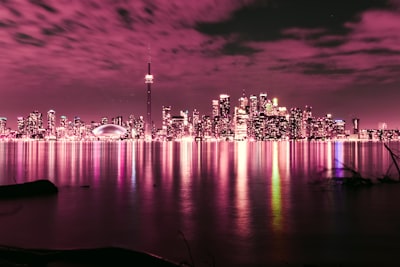
Toronto Travel Guide – Best Places to Visit in Canada
Your Ultimate Travel Guide to Toronto: Discovering Canada's Dynamic Metropolis
Welcome to Toronto, Canada's largest city and a vibrant mosaic of cultures, innovation, and natural beauty. Nestled on the northwestern shore of Lake Ontario, Toronto is a global hub offering an unparalleled urban experience. From its iconic skyline dominated by the CN Tower to its bustling markets, world-class museums, and diverse culinary scene, Toronto promises an unforgettable adventure for every type of traveler. This comprehensive guide will equip you with everything you need to plan your perfect trip to this dynamic Canadian metropolis.Best Time to Visit Toronto
Toronto experiences four distinct seasons, each offering a unique charm and set of activities. Your ideal time to visit will largely depend on your preferences for weather, crowd levels, and events.Summer (June to August)
Summer is arguably the most popular time to visit Toronto, with warm, sunny weather (average 20-27°C / 68-81°F) perfect for outdoor activities and festivals. The city comes alive with events like the Toronto Jazz Festival, Pride Toronto, Caribana, and numerous street festivals. Beaches on the Toronto Islands are bustling, patios are packed, and the city's parks are vibrant. However, this also means higher prices for accommodation and flights, and larger crowds at major attractions. Booking well in advance is highly recommended if you plan to visit during these months.Autumn (September to November)
Autumn in Toronto is breathtaking, offering crisp air, comfortable temperatures (average 10-20°C / 50-68°F), and stunning fall foliage, especially in parks and along ravines. The vibrant reds, oranges, and yellows make for spectacular scenery. September still enjoys pleasant warmth, while October brings cooler days ideal for exploring museums and galleries. Major events include the Toronto International Film Festival (TIFF) and Nuit Blanche. Crowds thin out after Labour Day, leading to potentially better deals on travel and accommodation. Late autumn can bring colder temperatures and the occasional early snowfall.Winter (December to February)
Winter in Toronto can be cold and snowy (average -5 to 0°C / 23-32°F), but it transforms the city into a festive wonderland. Holiday markets like the Toronto Christmas Market in the Distillery District, outdoor ice skating rinks (Nathan Phillips Square, Evergreen Brick Works), and cozy indoor attractions make it a charming time to visit. While some outdoor activities might be limited, it’s a great season for cultural experiences, shopping, and enjoying the city's culinary scene. Prices are generally lower, except during the peak holiday season. Pack warm layers, hats, gloves, and waterproof boots.Spring (March to May)
Spring sees Toronto gradually thaw from winter, with temperatures slowly rising (average 5-15°C / 41-59°F). Early spring can still be chilly and wet, but by May, the city blossoms. Cherry blossoms in High Park are a spectacular sight, usually blooming in late April or early May. Patios begin to open, and residents eagerly head outdoors. It's a good shoulder season to visit, offering fewer crowds than summer and more pleasant weather than winter, often with reasonable prices.Top Attractions in Toronto
Toronto boasts an impressive array of attractions, catering to all interests, from architectural marvels and world-class museums to vibrant markets and natural escapes.CN Tower
An iconic symbol of Toronto, the CN Tower stands at 553 meters (1,815 feet) and offers unparalleled panoramic views of the city, Lake Ontario, and beyond. Ascend to the LookOut Level or the higher SkyPod for breathtaking vistas. For the truly adventurous, the EdgeWalk allows you to walk hands-free on a 1.5-meter-wide ledge encircling the main pod, 356 meters (1,168 feet) above the ground. It’s an unforgettable experience for thrill-seekers.Tip: Book tickets online in advance, especially during peak season, to save time and sometimes money. Consider visiting around sunset for both daytime and nighttime views.
Ripley's Aquarium of Canada
Located at the base of the CN Tower, Ripley's Aquarium of Canada is a mesmerizing underwater journey featuring over 20,000 aquatic animals. Explore diverse exhibits like Dangerous Lagoon (with a moving sidewalk through a shark-filled tunnel), Ray Bay, and Planet Jellies. It's an educational and entertaining experience for all ages.Tip: Weekday mornings or evenings are generally less crowded. Combo tickets with the CN Tower are often available.
Royal Ontario Museum (ROM)
Canada's largest museum, the ROM showcases a vast collection of art, world culture, and natural history. Its diverse exhibits range from dinosaur skeletons and ancient Egyptian artifacts to Canadian and Indigenous art. The building itself is an architectural marvel, combining historic facades with the striking crystal-like "Michael Lee-Chin Crystal" extension designed by Daniel Libeskind.Tip: Check their website for free admission hours or special exhibit details. Plan at least 2-3 hours to explore.
Art Gallery of Ontario (AGO)
Home to an extensive collection of more than 120,000 works of art, the AGO is one of North America's largest and most distinguished art museums. It features an impressive array of Canadian art, European masterpieces, contemporary art, and a significant collection of photography. The building, redesigned by Toronto-born architect Frank Gehry, is a work of art in itself.Tip: Admission to the AGO's general collection is free for visitors aged 25 and under, and also offers free general admission on Wednesday evenings for everyone.
Distillery District
Step back in time in the historic Distillery District, a charming pedestrian-only village filled with Victorian-era industrial architecture. Once home to the Gooderham and Worts Distillery, it's now a hub for unique boutiques, art galleries, performance venues, and award-winning restaurants and cafes. It's particularly enchanting during the holiday season with its famous Christmas Market.Tip: Explore on foot, enjoy a craft beer tasting, and delve into its rich history.
St. Lawrence Market
A true culinary institution, St. Lawrence Market has been feeding Torontonians since 1803. It's comprised of three historic buildings: the South Market (main food market), the North Market (farmers' market on Saturdays, antique market on Sundays), and St. Lawrence Hall. The South Market is a must-visit for its diverse food vendors, fresh produce, meats, cheeses, and the iconic peameal bacon sandwich.Tip: Arrive hungry! The peameal bacon sandwich at Carousel Bakery is a Toronto classic. Saturday mornings are lively for the farmers' market.
Toronto Islands
A short and scenic ferry ride from downtown, the Toronto Islands offer a peaceful escape from the urban hustle. These car-free islands boast beautiful parks, sandy beaches (Centre Island Beach, Hanlan's Point Beach), picnic areas, bike rentals, and stunning views of the Toronto skyline. Centreville Amusement Park is a popular draw for families during the summer.Tip: Rent a bike or pack a picnic to make the most of your day. Hanlan's Point has a clothing-optional beach.
How to Reach Toronto
Toronto is a major North American hub, making it easily accessible by air, road, and rail.By Air
Most international visitors will arrive at Toronto Pearson International Airport (YYZ), Canada's largest and busiest airport, located about 27 km northwest of downtown.- Getting to Downtown from YYZ: The UP Express (Union Pearson Express) offers the fastest way, a 25-minute train ride directly to Union Station in downtown Toronto. Taxis, ride-sharing services (Uber, Lyft), and public transit (TTC buses connecting to subway lines) are also available.
By Train
VIA Rail Canada operates passenger train services connecting Toronto with major Canadian cities like Montreal, Ottawa, and Windsor. Amtrak offers connections to the U.S. via Niagara Falls. All trains arrive at Union Station in downtown Toronto, a central hub for public transport. GO Transit is Toronto’s regional public transit system, offering commuter rail and bus services throughout the Greater Toronto Area (GTA).By Bus
Long-distance bus services like Greyhound and Megabus connect Toronto to various cities across Canada and the U.S. The main bus terminal is located downtown, close to Union Station.By Car
Toronto is accessible via major highways, including the 401 (Macdonald-Cartier Freeway), QEW (Queen Elizabeth Way), and Don Valley Parkway (DVP). Be aware that traffic can be heavy, especially during rush hour, and parking downtown can be expensive.Local Food Guide: A Taste of Toronto
Toronto's culinary scene is as diverse as its population, offering a world of flavors. From classic Canadian comfort food to innovative fine dining and authentic ethnic cuisine, there's something to tantalize every palate.Canadian Classics and Local Specialties
- Poutine: While originating from Quebec, poutine is a beloved Canadian staple. This hearty dish of french fries, cheese curds, and gravy can be found everywhere, from fast-food chains to upscale restaurants offering gourmet versions.
- Peameal Bacon Sandwich: A true Toronto invention, this sandwich features lean, brined pork loin (peameal bacon) rolled in cornmeal, pan-fried, and served on a bun, often with mustard. The best place to try it is at the Carousel Bakery in St. Lawrence Market.
- Beavertails: A flat, oval-shaped piece of fried dough, often topped with sweet condiments like cinnamon sugar, Nutella, or fruit. A delightful treat, especially from a street vendor.
- Maple Syrup: Don't leave Canada without sampling pure maple syrup products, from candies to a drizzle on pancakes.
Diverse Culinary Neighborhoods
Toronto's multiculturalism shines brightest in its food scene. Explore these areas for authentic tastes:- Kensington Market: A bohemian and eclectic neighborhood offering a wide array of international street food, vintage shops, and organic cafes. Find everything from Jamaican patties to Mexican tacos and Tibetan momos.
- Chinatown (Spadina Ave): One of the largest Chinatowns in North America, boasting fantastic dim sum, Szechuan, Cantonese, and other regional Chinese cuisines. You'll also find Vietnamese, Thai, and other Asian restaurants.
- Little Italy (College Street): Home to classic Italian restaurants, pizzerias, gelato shops, and lively patios.
- Greektown (Danforth Avenue): Famous for its authentic Greek restaurants, souvlaki, gyros, and vibrant summer festivals.
- Little India (Gerrard Street East): A vibrant street lined with Indian restaurants, sweet shops, and clothing stores.
- Queen West & King West: These trendy districts are packed with upscale restaurants, chic cafes, and lively bars, offering modern Canadian and international fine dining.
Food Markets & Street Food
Beyond St. Lawrence Market, check out Kensington Market for its street food vendors and independent eateries. During summer, look out for food trucks across the city offering gourmet treats on the go.Craft Beer & Coffee Scene
Toronto has a thriving craft beer scene with numerous microbreweries and brewpubs. The Distillery District, Liberty Village, and Leslieville are good areas to explore. The city also takes its coffee seriously, with independent cafes and roasters abundant in neighborhoods like Queen West and Kensington Market.Public Transport in Toronto
Navigating Toronto is relatively easy thanks to its comprehensive public transportation system.TTC (Toronto Transit Commission)
The TTC is Toronto's public transit provider, operating subways, streetcars, and buses across the city.- Subway: The quickest way to travel long distances, with four main lines covering the city.
- Streetcars: Iconic to Toronto, streetcars run on tracks along major downtown streets and are great for shorter distances and scenic rides.
- Buses: Fill in the gaps where subway and streetcar lines don't reach.
Fares and Payment
- PRESTO Card: The most convenient way to pay for TTC and other regional transit (GO Transit). You can purchase a PRESTO card at subway stations, Shoppers Drug Mart stores, or online, and load it with funds. It offers discounted fares compared to single cash fares.
- Debit/Credit Cards: You can now tap your debit or credit card (Visa, Mastercard, American Express) or mobile wallet directly on PRESTO readers to pay a single adult fare.
- Cash: Exact cash fare ($3.30 CAD for adults) is accepted on buses and streetcars (no change given) and at fare gates in subway stations.
- Day Passes/Weekly Passes: If you plan extensive travel, consider a day pass (valid until 2 AM the next day) or a weekly pass.
GO Transit
For travel to surrounding cities in the Greater Toronto Area (GTA), GO Transit operates a network of commuter trains and buses. This is useful for day trips to places like Niagara Falls (via connecting bus) or other regional attractions. PRESTO cards can be used on GO Transit as well.Walking and Biking
Downtown Toronto is very walkable, with many attractions within close proximity. In warmer months, biking is a popular option, with dedicated bike lanes and bike-share programs (Bike Share Toronto) available throughout the city.Travel Budget Tips for Toronto
Toronto can be an expensive city, but with some smart planning, you can enjoy it without breaking the bank.Accommodation
- Hostels: A great budget-friendly option, particularly in the downtown core.
- Airbnb/Short-Term Rentals: Can offer good value, especially for longer stays or groups, but check locations carefully for public transport access.
- Consider Off-Peak Season: Traveling in the shoulder seasons (spring/fall) or winter generally results in lower accommodation prices.
- Stay Outside the Core: Areas slightly outside the immediate downtown, like Queen West, Leslieville, or parts of North York with subway access, can offer cheaper hotels or rentals.
Food
- Cook Your Own: If staying in an Airbnb with kitchen facilities, buy groceries from local supermarkets (Loblaws, Metro, Sobeys) or St. Lawrence Market.
- Lunch Deals: Many restaurants offer more affordable lunch specials than dinner.
- Street Food & Markets: Kensington Market and St. Lawrence Market are excellent for delicious and affordable meals.
- Ethnic Eateries: Explore neighborhoods like Chinatown, Little India, or Koreatown for authentic and budget-friendly meals.
- Pack Snacks & Water: Save money by bringing your own water bottle and snacks for exploring.
Attractions & Entertainment
- Toronto CityPASS: If you plan to visit multiple major attractions (CN Tower, Ripley's Aquarium, ROM, AGO, Casa Loma), a CityPASS can save you money.
- Free Attractions: Enjoy numerous free activities:
- Parks: High Park, Trinity Bellwoods Park, Toronto Music Garden.
- Waterfront: Stroll along the Harbourfront Centre.
- Distillery District: Free to wander.
- Art Gallery of Ontario (AGO): Free general admission on Wednesday evenings.
- Walking Tours: Look for free walking tours (tip-based) to learn about the city's history and culture.
- Festivals: Toronto hosts many free festivals throughout the year, especially in summer.
- Student/Senior Discounts: Always ask if you qualify for discounts.
Transportation
- PRESTO Card: Use a PRESTO card for discounted fares on the TTC.
- Walk Everywhere Possible: Downtown Toronto is very walkable.
- Bike Share: For shorter distances, Bike Share Toronto is an economical option.
Hotels and Accommodation in Toronto
Toronto offers a wide range of accommodation options, from luxurious five-star hotels to cozy boutique inns and budget-friendly hostels. Choosing the right neighborhood depends on your priorities and budget.Luxury (CAD $300+)
- Financial District/Yorkville: Home to upscale hotels like The Ritz-Carlton, Four Seasons, Shangri-La, and St. Regis. These areas offer top-notch service, fine dining, and proximity to high-end shopping and business centers.
- Entertainment District: Hotels such as the Bisha Hotel Toronto or the Hyatt Regency Toronto provide luxurious stays close to theaters, clubs, and major attractions like the Rogers Centre.
Mid-Range (CAD $150 - $300)
- Downtown Core: Options like the Chelsea Hotel Toronto (Canada's largest hotel), Hilton Toronto, Sheraton Centre Toronto Hotel, and Delta Hotels by Marriott Toronto are centrally located, offering comfortable stays with good amenities.
- Queen West/King West: Trendy neighborhoods with boutique hotels and stylish chains, perfect for those seeking a lively atmosphere with unique shops and restaurants.
- Waterfront/Harbourfront: Offers hotels with lake views and easy access to the Harbourfront Centre and ferry to the Toronto Islands.
Budget-Friendly (Under CAD $150)
- Hostels: Toronto has several well-regarded hostels, such as The Only Backpacker's Inn, HI Toronto, and Planet Traveler Hostel, providing dormitory beds and private rooms at competitive prices, often with social activities.
- Outer Districts with Subway Access: Consider hotels or Airbnb rentals in neighborhoods slightly outside the immediate downtown core, like areas along the Yonge-University subway line (e.g., North York Centre, Eglinton), for potentially lower rates while still maintaining good access to attractions.
- Motels: Some budget motels can be found on the outskirts of the city, requiring more reliance on public transport or a car.
- Airbnb/Guesthouses: Can be a good alternative, especially if you're looking for unique stays or self-catering options.
Tips for Booking
- Book in Advance: Especially during summer, major festivals, or conferences, hotels fill up quickly, and prices surge.
- Read Reviews: Check recent reviews to ensure cleanliness, safety, and good service.
- Consider Transportation: Factor in proximity to subway stations or key bus/streetcar lines when choosing your location.
Safety Tips for Toronto
Toronto is generally a very safe city, consistently ranked among the safest major cities in North America. However, like any large metropolis, it's wise to practice general caution and awareness.- Emergency Services: In case of emergency (police, fire, ambulance), dial 911.
- General Awareness: Be aware of your surroundings, especially when walking alone at night. Stick to well-lit and populated areas.
- Public Transportation: The TTC is generally safe, but use common sense, especially late at night. Wait for trains and buses in well-lit areas.
- Protect Valuables: Keep an eye on your belongings, particularly in crowded areas like tourist attractions, markets, or on public transport. Avoid openly displaying expensive electronics or large amounts of cash.
- ATMs: Use ATMs located inside banks or reputable establishments rather than isolated street machines.
- Scams: Be wary of common travel scams. If something feels too good to be true, it probably is.
- Crossing Streets: Pay attention to traffic signals and crosswalks. Toronto drivers can be fast-paced.
- Weather Preparedness: Depending on the season, dress appropriately. Summers can be hot and humid, while winters are cold and snowy.
- Local Laws: Be aware of Canadian laws, including those related to alcohol consumption (legal drinking age is 19 in Ontario, open alcohol containers are prohibited in public spaces). Cannabis is legal for recreational use for adults 19+, but restrictions apply regarding public consumption.
FAQ: Frequently Asked Questions About Visiting Toronto
Q: Is Toronto an expensive city to visit?
A: Toronto can be moderately expensive, especially for accommodation and dining in prime areas. However, with careful planning and utilizing budget tips (like public transport, free attractions, and local eateries), it's possible to enjoy the city on a reasonable budget.Q: Do I need a visa to visit Canada?
A: This depends on your country of citizenship. Many visitors require an Electronic Travel Authorization (eTA) if arriving by air, or a visitor visa. U.S. citizens generally only need a passport. Check the official Government of Canada website (cic.gc.ca) for specific requirements well in advance of your trip.Q: What is the local currency?
A: The local currency is the Canadian Dollar (CAD). Credit cards (Visa, Mastercard, American Express) are widely accepted, and ATMs are readily available.Q: Is tipping customary in Toronto?
A: Yes, tipping is customary and expected in Canada. In restaurants, bars, and for services like taxis or hairdressers, a tip of 15-20% is standard for good service. For quick counter service, rounding up or leaving a small amount is common.Q: How many days do I need to explore Toronto?
A: To get a good feel for Toronto and visit its major attractions, a minimum of 3-4 full days is recommended. If you plan day trips (e.g., Niagara Falls) or want to delve deeper into specific neighborhoods, 5-7 days would be ideal.Q: Is tap water safe to drink in Toronto?
A: Yes, tap water in Toronto is safe and of excellent quality. Feel free to refill your reusable water bottle.Q: What's the best way to get around Toronto?
A: The TTC (Toronto Transit Commission) offers a comprehensive system of subways, streetcars, and buses, making it the most efficient way to get around. For convenience, use a PRESTO card or tap your credit/debit card. Downtown is also very walkable.Q: What's a must-try local food?
A: You absolutely have to try a Peameal Bacon Sandwich from St. Lawrence Market. And, of course, a classic Canadian poutine! --- Toronto truly has something for everyone – whether you're a history buff, a foodie, an art enthusiast, or an outdoor adventurer. Its friendly atmosphere, diverse culture, and endless attractions promise a memorable experience. Start planning your Toronto adventure today!Recent Blog
Seoul Itinerary Guide – Explore South Korea Like A Local
23-Aug-2026
Chicago Itinerary Guide – Explore USA Like A Local
18-Aug-2026
Things To Do In Nairobi – Complete Travel Guide 2026
16-Aug-2026
Brisbane Travel Guide 2026 – Complete Australia Travel Guide
15-Aug-2026
Marrakech Tourism Guide 2026 – Hotels, Food & Attractions
11-Aug-2026
Bangkok Travel Guide 2026 – Complete Thailand Travel Guide
08-Aug-2026
Nairobi Itinerary Guide – Explore Kenya Like A Local
07-Aug-2026
Things To Do In Barcelona – Complete Travel Guide 2026
04-Aug-2026
Things To Do In Sydney – Complete Travel Guide 2026
02-Aug-2026
Rio de Janeiro Itinerary Guide – Explore Brazil Like A Local
29-Jul-2026
Chicago Tourism Guide 2026 – Hotels, Food & Attractions
28-Jul-2026
Best Places To Visit In Sydney (2026 Guide)
25-Jul-2026
Best Places To Visit In Doha (2026 Guide)
21-Jul-2026
Melbourne Tourism Guide 2026 – Hotels, Food & Attractions
20-Jul-2026
Buenos Aires Tourism Guide 2026 – Hotels, Food & Attractions
17-Jul-2026Recent Destination
Doha Travel Guide – Best Places to Visit in Qatar
23-Aug-2026
Las Vegas Travel Guide – Best Places to Visit in USA
19-Aug-2026
Los Angeles Travel Guide – Best Places to Visit in USA
18-Aug-2026
Doha Travel Guide – Best Places to Visit in Qatar
16-Aug-2026
Cairo Travel Guide – Best Places to Visit in Egypt
15-Aug-2026
Kuala Lumpur Travel Guide – Best Places to Visit in Malaysia
11-Aug-2026
Toronto Travel Guide – Best Places to Visit in Canada
09-Aug-2026
Sydney Travel Guide – Best Places to Visit in Australia
08-Aug-2026
Sydney Travel Guide – Best Places to Visit in Australia
07-Aug-2026


