Melbourne Travel Guide – Best Places to Visit in Australia
Discover Melbourne: Australia's Cultural Capital
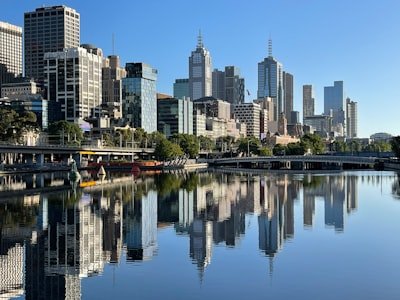
Melbourne, the vibrant capital of Victoria, consistently ranks among the world's most liveable cities, and for good reason. It’s a metropolis where art, food, fashion, and sport intertwine seamlessly, creating an atmosphere that is both sophisticated and effortlessly cool. From its iconic laneways adorned with street art and hidden cafes to world-class museums and sprawling gardens, Melbourne offers an enriching experience for every traveller. Known for its dynamic culinary scene, exceptional coffee culture, and a passionate embrace of major sporting events, this city is a melting pot of global influences, promising an unforgettable journey through its diverse precincts and charming personality. Prepare to be captivated by Melbourne's European flair, its dedication to cultural expression, and the friendly welcome of its people.
Best Time to Visit
Melbourne experiences four distinct seasons, each offering a unique charm. The best time to visit largely depends on your preferences and what you wish to experience.
Spring (September - November)
Spring is widely considered one of the best times to visit Melbourne. The weather is generally mild and pleasant, with average temperatures ranging from 11°C to 20°C. The city’s parks and gardens burst into bloom, making it a beautiful time for outdoor activities and strolls. Major events like the Melbourne Festival bring a vibrant arts scene to the city. However, spring weather can be notoriously changeable, often referred to as experiencing "four seasons in one day," so layering is key.
Summer (December - February)
Summer in Melbourne can be hot, with average temperatures between 16°C and 26°C, though heatwaves pushing temperatures into the high 30s or even 40s are not uncommon. This is peak season for tourism, especially around Christmas and New Year. The city comes alive with outdoor dining, beach trips to St Kilda, and major sporting events like the Australian Open in January and the Boxing Day Test match. If you enjoy a lively atmosphere and don't mind the heat, summer is fantastic, but be prepared for crowds and higher accommodation prices.
Autumn (March - May)
Autumn is another excellent time to visit, often paralleling spring in terms of pleasant weather. Temperatures range from 11°C to 20°C, with crisp air and beautiful foliage in the city’s parks. The Grand Prix Formula 1 is a major draw in March, and the Moomba Festival lights up the Yarra River. The weather is generally stable, making it ideal for exploring on foot and enjoying outdoor cafes without the summer heat.
Winter (June - August)
Winter is the quietest tourist season, with cooler temperatures averaging between 6°C and 14°C. While it can be chilly and rainy, Melbourne truly embraces its winter with cosy cafes, roaring fireplaces, and a packed calendar of indoor events, including comedy festivals and food and wine showcases. It's a great time to explore museums and galleries, and you might find better deals on flights and accommodation. Plus, it's the gateway to Victoria's ski fields, just a few hours' drive away.
For most travellers, the shoulder seasons of spring and autumn offer the most agreeable weather and a balance of events without the extreme heat or crowds of summer.
Top Attractions
Melbourne boasts an impressive array of attractions, catering to all interests, from art and culture to sports and nature.
Federation Square
Located in the heart of the city, Federation Square is Melbourne's cultural and civic hub. Its distinctive deconstructivist architecture houses the Australian Centre for the Moving Image (ACMI), the NGV Australia (Ian Potter Centre), and a plethora of restaurants, bars, and galleries. It's a popular meeting spot and hosts numerous free events, exhibitions, and live broadcasts throughout the year. Spend time people-watching, exploring its diverse offerings, or simply soaking in the vibrant atmosphere.
Melbourne Laneways & Arcades
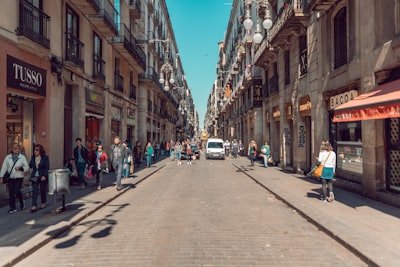
No visit to Melbourne is complete without getting lost in its famous network of laneways and historic arcades. These narrow, winding arteries are where the city's true character shines, revealing a treasure trove of hidden cafes, boutique shops, world-class street art, and quirky bars. Explore artistic masterpieces in Hosier Lane and AC/DC Lane, discover charming boutiques in Block Arcade and Royal Arcade, or find your next coffee fix in Centre Place. Each laneway tells a different story, making for endless exploration.
Queen Victoria Market
Affectionately known as "Queen Vic Market" or "Vic Market," this historic landmark is the largest open-air market in the Southern Hemisphere. Operating since 1878, it's a vibrant hub where you can find everything from fresh produce, gourmet cheeses, and deli meats to clothing, souvenirs, and handmade crafts. Immerse yourself in the bustling atmosphere, grab a delicious borek, and experience a true slice of Melbourne life. The Winter Night Market is a particularly popular event, offering global street food and entertainment.
Royal Botanic Gardens Victoria (Melbourne Gardens)
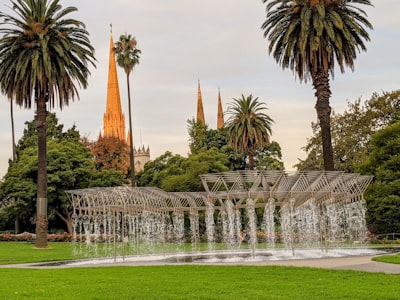
Escape the urban bustle at the Royal Botanic Gardens, a magnificent 38-hectare oasis just south of the Yarra River. Established in 1846, these world-renowned gardens are home to over 8,500 species of plants from around the globe. Enjoy a leisurely stroll through diverse landscapes, picnic by ornamental lakes, or join a guided tour to learn about its rich history and diverse flora. It’s a perfect spot for relaxation, photography, and connecting with nature.
National Gallery of Victoria (NGV)
The NGV is Australia's oldest and most visited public art gallery, comprising two magnificent buildings: NGV International on St Kilda Road and The Ian Potter Centre: NGV Australia at Federation Square. NGV International houses an extensive collection of European, Asian, Oceanic, and American art, while NGV Australia focuses on Australian art, including Indigenous and colonial works. Both offer a rich cultural experience with diverse exhibitions, many of which are free to enter.
Melbourne Cricket Ground (MCG)
For sports enthusiasts, the "G" is an iconic pilgrimage site. The MCG is not just a stadium; it's a symbol of Australian sporting culture, hosting major cricket matches (including the Boxing Day Test), Australian Rules Football (AFL) games, and other significant events. Even if there isn't a game on, a guided tour offers a fascinating glimpse into its history, behind-the-scenes areas, and the National Sports Museum located within its premises.
St Kilda Beach & Esplanade
Just a short tram ride from the city centre, St Kilda offers a quintessential Melbourne beach experience. Enjoy the wide sandy beach, stroll along the iconic St Kilda Pier to spot penguins at dusk, or explore the lively Esplanade. St Kilda is also home to Luna Park, a historic amusement park, and a fantastic array of cafes, restaurants, and bars. It's the perfect spot for a relaxed afternoon, a sunset view, or a vibrant night out.
How to Reach
Melbourne is easily accessible by air, road, and rail.
By Air
The primary international gateway is
Melbourne Airport (MEL), also known as Tullamarine Airport, located approximately 23 kilometres northwest of the city centre. It serves numerous international and domestic airlines, connecting Melbourne to major cities worldwide.
A smaller domestic airport, Avalon Airport (AVV), located further out near Geelong, serves budget airlines like Jetstar and Bonza, mainly for flights to Sydney, Gold Coast, and Adelaide.
Getting from Melbourne Airport (MEL) to the City Centre:
- SkyBus: This is the most popular and efficient option. The SkyBus Super Shuttle operates 24/7, departing every 10-20 minutes, offering a direct express service to Southern Cross Station in the CBD (approximately 25-35 minutes). From Southern Cross, connecting SkyBus hotel transfer services (free of charge) are available to various city hotels. Tickets can be purchased online, at the airport, or from the driver.
- Taxi/Rideshare: Taxis and rideshare services (Uber, DiDi, Ola) are readily available from designated ranks outside the terminals. A ride to the CBD typically costs between AUD 60-80, depending on traffic.
- Public Bus: Cheaper but slower, local bus routes connect the airport to various suburban train stations, from where you can catch a train to the city. This option is less direct and not recommended if you have heavy luggage.
- Car Rental: All major car rental companies have desks at the airport for those planning to explore beyond the city.
By Train
V/Line operates regional train services connecting Melbourne to major regional centres within Victoria. Interstate train services (operated by Journey Beyond Rail Expeditions) connect Melbourne to Sydney (Sydney to Melbourne XPT) and Adelaide (The Overland), offering a scenic travel option. All long-distance trains arrive and depart from Southern Cross Station.
By Road
Melbourne is well-connected by a network of national highways. Driving to Melbourne from other Australian cities is a popular option for those on a road trip. The Princes Highway connects Melbourne to Adelaide and Sydney (via the coast), while the Hume Freeway offers a more direct route to Sydney.
Local Food Guide
Melbourne is renowned as Australia's culinary capital, a title it passionately upholds with an unparalleled diversity of dining experiences, from world-class fine dining to humble laneway cafes and bustling multicultural eateries.
Coffee Culture
Melbourne's obsession with coffee is legendary. It's not just a beverage; it's a way of life. Expect artisanal roasts, skilled baristas, and an array of brewing methods. From tiny hole-in-the-wall cafes tucked away in laneways to grand establishments, finding a bad coffee is a challenge. Popular spots include Patricia Coffee Brewers, Brother Baba Budan, and Market Lane Coffee. Don't be afraid to ask your barista for recommendations – they're serious about their craft.
Multicultural Flavours
The city's diverse population has forged an incredible food scene.
- Lygon Street, Carlton: Known as "Little Italy," this historic street is lined with Italian restaurants, gelaterias, and patisseries, offering traditional pasta, pizza, and desserts.
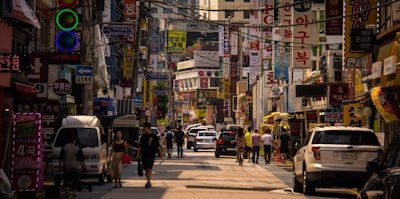
- Chinatown (Little Bourke Street): Australia's oldest Chinatown boasts an incredible selection of authentic Chinese, Vietnamese, and other Asian cuisines. Dim sum, dumplings, and late-night eats are a must-try.
- Richmond (Victoria Street): Head here for some of the best Vietnamese food outside of Vietnam, especially pho and banh mi.
- Brunswick and Fitzroy: These bohemian suburbs are hotbeds for Middle Eastern, Greek, and Turkish cuisines, as well as innovative vegetarian and vegan options.
Brunch
Brunch in Melbourne is an institution. Cafes across the city offer elaborate and delicious breakfast/lunch combinations. Expect perfectly poached eggs, smashed avocado, inventive takes on classic dishes, and vibrant smoothie bowls. Popular brunch spots often have queues, especially on weekends, but the wait is usually worth it.
Fine Dining & Unique Experiences
Melbourne is home to some of Australia's most celebrated restaurants, many holding prestigious awards. Attica, Vue de Monde, and Brae (outside the city) offer unforgettable gastronomic journeys. For a more casual yet distinct experience, explore the rooftop bars for cocktails with a view, or delve into the city's hidden bar scene.
Queen Victoria Market Eats
Beyond fresh produce, the Queen Vic Market offers a fantastic array of cheap and cheerful eats. Don't miss a hot jam doughnut from the famous American Doughnut Kitchen van, or try a borek, a Turkish pastry, from the market's deli section.
Public Transport
Melbourne boasts an extensive and efficient public transport network, making it easy to navigate the city and its surrounding suburbs.
Myki Card
The Myki card is your key to Melbourne's public transport. It's a reusable smartcard used to pay for travel on trams, trains, and buses. You can purchase a Myki card from any train station, most 7-Eleven stores, and Myki machines at major tram stops and bus interchanges. Top up your Myki with money (Myki Money) or a pass (Myki Pass). Remember to 'touch on' at the start of your journey and 'touch off' at the end (except for some tram journeys within the free tram zone).
Trams
Melbourne's iconic tram network is one of the largest in the world and is a fantastic way to see the city.
- Free Tram Zone: A major advantage for tourists is the "Free Tram Zone" that covers the entire CBD and Docklands. Within this zone, you can travel on any tram without needing a Myki card, making it incredibly convenient for sightseeing. Look for the "Free Tram Zone" signs at tram stops.
- City Circle Tram: A free, hop-on, hop-off tram that travels in a loop around the CBD, passing by many major attractions. It's perfect for a quick overview of the city, complete with audio commentary.
Trains
Melbourne's train network connects the CBD (primarily via Flinders Street Station and Southern Cross Station) to suburban areas. It's useful for reaching attractions further out, such as St Kilda (via Balaclava or Windsor stations, then a tram) or destinations in the inner north.
Buses
Buses complement the tram and train networks, covering areas not serviced by rail. They are particularly useful for reaching specific suburban destinations or for connecting services.
Journey Planner
For planning your journeys, download the PTV (Public Transport Victoria) app or use their website. It provides real-time updates, timetables, and journey planning tools. Google Maps also integrates PTV data, offering reliable directions.
Travel Budget Tips
Melbourne can be an expensive city, but with smart planning, you can enjoy its many offerings without breaking the bank.
- Accommodation: Book accommodation in advance, especially during peak seasons or major events. Consider staying in hostels, budget hotels, or Airbnbs outside the immediate CBD but still within easy reach of public transport (e.g., St Kilda, Fitzroy, Brunswick) for potentially lower rates.
- Markets: Utilise Queen Victoria Market for fresh, affordable produce to prepare your own meals if staying in self-catering accommodation.
- BYO Restaurants: Look for "BYO" (Bring Your Own) restaurants, particularly in multicultural precincts, where you can bring your own alcoholic beverages for a small corkage fee, saving significantly on drink costs.
- Lunch Deals: Many restaurants offer cheaper lunch specials than dinner.
- Street Food: Embrace the diverse and often affordable street food scene, especially in Chinatown, Richmond, or at the Queen Vic Market.
- Free Activities: Melbourne offers a wealth of free attractions:
- Explore the laneways and street art.
- Ride the Free Tram Zone and City Circle Tram.
- Stroll through the Royal Botanic Gardens.
- Visit the National Gallery of Victoria (NGV) for free exhibitions.
- Enjoy free events and festivals, especially at Federation Square.
- Public Transport: Utilise the Myki card and take advantage of the Free Tram Zone. Consider a Myki Pass if you plan extensive travel over several days, which might offer better value than daily top-ups.
- Walking: Melbourne is a very walkable city, especially the CBD. Lace up your shoes and explore on foot to save on transport costs and discover hidden gems.
- Water: Tap water in Melbourne is safe to drink. Carry a reusable water bottle to refill and avoid buying bottled water.
Hotels and Accommodation
Melbourne offers a diverse range of accommodation options to suit every budget and travel style, from luxurious five-star hotels to boutique stays, serviced apartments, and budget-friendly hostels.
CBD (Central Business District)
Staying in the CBD puts you at the heart of the action, with easy access to major attractions, shopping, dining, and public transport. You'll find a high concentration of premium hotels like The Langham, Grand Hyatt, and Crown Towers, alongside reputable mid-range options and serviced apartments. It's ideal for first-time visitors who want convenience.
Southbank
Located just across the Yarra River from the CBD, Southbank is known for its upscale hotels, Crown Casino entertainment complex, arts precinct, and riverside dining. It offers stunning city views and a vibrant atmosphere, popular with business travellers and those seeking a more luxurious experience.
St Kilda
For a coastal vibe and a more relaxed atmosphere, St Kilda is an excellent choice. It’s popular with backpackers, young travellers, and those looking for a lively nightlife scene. You’ll find a mix of boutique hotels, guesthouses, and hostels, all within easy reach of the beach, Luna Park, and the Esplanade. It's well-connected to the CBD by tram.
Fitzroy & Collingwood
These inner-north suburbs are Melbourne's bohemian heartlands, known for their trendy cafes, independent boutiques, vibrant street art, and thriving music scene. Accommodation here leans towards boutique hotels, stylish Airbnbs, and guesthouses. It's perfect for travellers seeking a more local, artistic, and foodie experience.
Carlton & Brunswick
Home to the University of Melbourne, Carlton has a European feel, particularly along Lygon Street ("Little Italy"). Brunswick offers a similar creative energy to Fitzroy but with a slightly grittier edge and a strong multicultural presence. Both areas offer a mix of guesthouses, apartments, and some budget hotel options, providing a good base for exploring cultural sites and diverse dining.
Considerations when booking:
- Location: Decide whether you prefer to be in the bustling city centre or a more laid-back suburban neighbourhood.
- Proximity to Public Transport: Ensure your chosen accommodation is close to a tram stop or train station for easy navigation.
- Budget: Prices can vary significantly. Book well in advance, especially if travelling during peak season or major events like the Australian Open or Formula 1 Grand Prix.
Safety Tips
Melbourne is generally a very safe city, but like any major urban centre, it's wise to be aware of your surroundings and take standard precautions.
- General Awareness: Be mindful of your belongings, especially in crowded areas like markets, public transport, and popular tourist spots. Pickpocketing can occur.
- Night-time Safety: While the CBD and popular areas are well-lit and usually busy at night, it's always safer to travel in groups or use reputable taxis/rideshares after dark. Avoid walking alone in poorly lit or deserted areas.
- Public Transport: Melbourne's public transport is generally safe. However, avoid travelling on deserted train carriages late at night. If you feel unsafe, move to a carriage with more people or closer to the driver.
- Sun Protection: Australia has high UV levels, even on cloudy days. Always wear sunscreen (SPF 30+ or higher), a hat, and sunglasses, particularly if spending extended time outdoors. Seek shade during the hottest parts of the day (10 am - 4 pm).
- Water Safety: If swimming at beaches, always swim between the red and yellow flags, which indicate areas patrolled by lifeguards. Be aware of rip currents.
- Emergency Services: In case of an emergency (police, fire, ambulance), dial 000 from any phone.
- Alcohol Consumption: Drink responsibly. Over-intoxication can make you vulnerable and may lead to legal issues.
- Traffic: Remember that Australians drive on the left-hand side of the road. Pedestrians should always look right, then left, then right again before crossing. Be particularly cautious when crossing tram lines.
- Wildlife: While unlikely in the city centre, if you venture into national parks or rural areas, be aware of snakes and spiders. Never approach or try to handle wildlife.
By exercising common sense and following these tips, you can enjoy a safe and worry-free trip to Melbourne.
FAQ Section
1. Is Melbourne an expensive city to visit?
Melbourne is generally considered an expensive city, especially for accommodation and dining, comparable to other major global cities like London or New York. However, with careful planning and by utilising budget-friendly options such as hostels, self-catering, BYO restaurants, and free attractions (like the NGV, Botanic Gardens, and free tram zone), it's possible to manage costs. Transport is relatively affordable with the Myki card, and many cultural experiences are free or low-cost.
2. How many days should I spend in Melbourne?
To experience the main highlights of Melbourne and truly soak in its atmosphere, a minimum of 3 to 5 full days is recommended. This allows you enough time to explore the CBD, its laneways, major attractions, and visit a couple of key suburbs like St Kilda or Fitzroy. If you plan to include day trips to regional attractions like the Great Ocean Road or the Yarra Valley, extend your stay to 7 days or more.
3. What's the best way to get around Melbourne?
Melbourne boasts an excellent public transport system, primarily using trams, trains, and buses, all accessible with a Myki card. The tram network, in particular, is iconic and efficient, with a free tram zone covering the entire CBD, making it ideal for central sightseeing. For exploring further afield, trains are convenient. Walking is also highly recommended within the CBD and inner suburbs to discover hidden gems.
4. Do I need a visa to visit Australia?
Yes, all non-Australian citizens require a valid visa to enter Australia. The type of visa you need depends on your country of passport and the purpose and length of your visit. Many tourists can apply for an Electronic Travel Authority (ETA) or an eVisitor visa online, which are generally granted quickly. It's crucial to apply for your visa well in advance of your travel dates.
5. What are some unique experiences in Melbourne?
Melbourne excels in unique experiences. Don't miss exploring the city's hidden laneways to discover world-class street art and secret cafes. Catch an AFL (Australian Rules Football) game at the MCG for a truly local sporting spectacle. Take a self-guided coffee tour to sample the city's legendary coffee culture. Visit the penguins at St Kilda Pier at dusk. Explore the eclectic shops and vibrant nightlife of Fitzroy and Collingwood, or embark on a day trip to the stunning Great Ocean Road.
6. What should I pack for a trip to Melbourne?
Due to Melbourne's famously changeable weather ("four seasons in one day"), layering is key. Pack versatile clothing that can be layered, including a light jacket or cardigan, even in summer. A waterproof jacket or umbrella is advisable year-round. Comfortable walking shoes are essential for exploring. Depending on the season, pack lighter clothes for summer and warmer layers, a coat, and a scarf for winter. Don't forget sunscreen, a hat, and sunglasses due to high UV levels.
7. Is Melbourne family-friendly?
Absolutely! Melbourne offers a plethora of family-friendly attractions and activities. Kids will love Luna Park, Melbourne Zoo, SEA LIFE Melbourne Aquarium, and Scienceworks museum. The Royal Botanic Gardens provide ample space for running around, and a ride on the City Circle Tram is an easy way to see the city. Many cafes and restaurants are welcoming to families, and public transport is convenient for navigating with children.
Enjoy your unforgettable journey to Melbourne, a city that truly has something for everyone!