

How To Improve Indoor Air Quality With HVAC Systems
Introduction: Breathing Easier – Your HVAC System and Indoor Air Quality
Howdy folks, it's your friendly neighborhood contractor here, and today we're gonna talk about something super important that often gets overlooked: the very air you breathe inside your own home. You spend a ton of time in there, right? Sleeping, eating, relaxing with the family. But have you ever stopped to think about what's actually floating around in that air?
I've been in this business for decades, seen countless homes, and one thing I can tell you for sure is that indoor air quality, or IAQ as we call it in the trade, is a big deal. It's not just about comfort; it's about your health, your family's well-being, and even the longevity of your home itself. And guess what? Your HVAC system – that furnace and AC unit working hard in your attic or basement – is the unsung hero, or sometimes the silent culprit, when it comes to the air you're inhaling day in and day out.
You might think, "My house feels fine!" But the truth is, the air inside your home can be two to five times more polluted than the air outside. That's a staggering thought, isn't it? Dust, pollen, pet dander, mold spores, chemicals from cleaning products, even tiny viruses and bacteria – they're all potential residents in your indoor air. The good news? Your HVAC system, when properly managed and enhanced, is your best defense. We're gonna dig deep today into how to turn your HVAC from just a temperature regulator into a true air purification powerhouse. Let's get to it!
Why This Problem Matters: It's More Than Just a Little Dust
Alright, let's get real for a second. Why should you care so much about the air inside your house? Because it directly impacts your life in ways you might not even realize. I've had homeowners call me up, frustrated, saying things like, "My kids are always sick," or "I wake up with a stuffy nose every single morning," or "Why is there always so much dust, no matter how much I clean?"
These aren't just minor annoyances; they're often red flags pointing to poor indoor air quality. When you're constantly breathing in pollutants, your body is working overtime to fight them off. Think about it:
- Your Health: We're talking about everything from seasonal allergies acting up year-round, persistent coughs, sneezing, irritated eyes, and headaches, to more serious, long-term issues like asthma attacks, bronchitis, and even respiratory infections. For kids and the elderly, or anyone with a compromised immune system, it's an even bigger concern. I once worked with a family whose youngest child was constantly on nebulizers for asthma. After we addressed their HVAC system's air quality issues, the frequency of his attacks dropped dramatically. It was truly rewarding to see that kind of impact.
- Your Comfort: Nobody wants to live in a dusty, stuffy, or smelly house. Poor IAQ can lead to lingering odors from cooking, pets, or even chemicals. It can make your home feel less fresh, less inviting. It's tough to relax when you're constantly aware of a musty smell or a layer of dust on every surface.
- Your Home's Integrity: Believe it or not, bad air quality can also affect your house itself. High humidity, often linked to poor ventilation, can lead to mold and mildew growth, which can damage walls, insulation, and even structural elements. Dust accumulation can clog up sensitive electronics and lead to more wear and tear on your HVAC system, shortening its lifespan and driving up repair costs.
So, this isn't some abstract problem. It's a real, tangible issue that affects your family's health, your comfort, and your wallet. That's why taking control of your indoor air quality with your HVAC system is one of the smartest investments you can make for your home.
Common Homeowner Problems: "Why Does My House Feel So..."
As a contractor, I hear a lot of the same frustrations from folks. These are the kinds of calls that often lead me down the path of checking their indoor air quality.
- "My house is always dusty, no matter how much I clean!" This is probably the number one complaint. You spend your Saturday scrubbing and dusting, and by Tuesday, it looks like you haven't touched a thing. It's frustrating, and often a clear sign that your HVAC isn't filtering particles effectively.
- "Someone in my family is always sniffly or sneezing." This is especially common in homes with pets or if someone suffers from seasonal allergies. When the outdoor allergens get pulled in, or pet dander circulates endlessly, it can feel like allergy season never ends.
- "There's a weird, stale, or musty smell I can't get rid of." Lingering cooking odors, pet smells, or that distinct musty scent often points to poor ventilation or a hidden mold issue somewhere in the system. I've walked into homes where the musty smell was so strong, you could practically taste it.
- "I keep getting headaches or feel sluggish when I'm home." Sometimes, this can be due to elevated levels of volatile organic compounds (VOCs) from paints, new furniture, or cleaning products that aren't being properly vented. It's a subtle but persistent problem.
- "My energy bills are through the roof, and I'm still not comfortable." While not a direct air quality issue, a struggling HVAC system that isn't properly filtering or ventilating can work harder than it needs to, leading to higher energy consumption and inconsistent temperatures.
These are all real-world scenarios that I've encountered countless times, and they're usually solvable with the right approach to your HVAC system.
Main Causes of Poor Indoor Air Quality
So, what exactly is making your indoor air less than ideal? It's usually a combination of factors, but here are the main culprits I typically find:
- Insufficient Filtration: This is a big one. Many homes use basic, cheap filters that only catch large dust bunnies. They let a ton of smaller, more harmful particles – pollen, pet dander, mold spores, even bacteria – pass right through, circulating them back into your home.
- Dust and Particulates: Everyday living generates dust. Skin flakes, fabric fibers, tracked-in dirt. If your system isn't capturing it, it's just floating around, settling on surfaces, and getting kicked back up.
- Allergens: Pollen from outside, pet dander (even if you don't have pets, it can travel!), dust mites, and cockroach allergens are common triggers for allergies and asthma.
- Volatile Organic Compounds (VOCs): These are gases emitted from certain solids or liquids. Think about that "new car smell" or the scent of fresh paint. They come from paints, varnishes, cleaning supplies, air fresheners, furniture, carpets, and even some building materials. They can cause short-term irritation and long-term health problems.
- Mold and Mildew: High humidity levels, especially in damp basements, crawl spaces, or within neglected HVAC ducts, can create a perfect breeding ground for mold. Mold spores are a huge respiratory irritant.
- Pet Dander: If you have furry friends, you know dander is a constant battle. It's tiny skin flakes that can trigger severe allergic reactions.
- Poor Ventilation: Modern homes are built to be airtight for energy efficiency. That's great for insulation, but not so great for air exchange. Without proper ventilation, stale, polluted air just gets trapped inside.
- Combustion Byproducts: Furnaces, water heaters, gas stoves, and fireplaces can all produce carbon monoxide, nitrogen dioxide, and other combustion gases. Proper venting is critical here, but leaks can be deadly.
Understanding these causes is the first step in tackling the problem head-on. It's like being a detective for your home's air!
Warning Signs Your Indoor Air Quality Might Be Suffering
Okay, so how do you know if your home's air quality is actually bad? Besides the homeowner problems I mentioned earlier, here are some specific warning signs I tell people to look out for:
- Persistent Respiratory Issues: If you or your family members are constantly experiencing sneezing, coughing, runny noses, itchy eyes, dry throats, or worsening asthma symptoms, especially when inside the home, that's a major red flag.
- Unexplained Headaches or Fatigue: Feeling unusually tired, sluggish, or getting frequent headaches only when you're at home could indicate a buildup of pollutants like VOCs or even carbon monoxide (which is why CO detectors are non-negotiable, folks!).
- Lingering Odors: A stale, musty, chemical, or smoky smell that just won't go away, even after cleaning, often means you have an underlying air quality issue. Sometimes it's a mold problem, other times it's a lack of fresh air exchange.
- Excessive Dust Buildup: If you're dusting weekly and seeing a fresh layer appear within days, your HVAC system isn't filtering effectively, or you have a major source of particles.
- Visible Mold or Mildew: Seeing black, green, or white patches on walls, ceilings, baseboards, or around vents is a definitive sign of mold growth, which releases spores into the air.
- Static Electricity: While not always an air quality issue, excessive static in your home can sometimes point to very low humidity, which can dry out respiratory passages and make people more susceptible to airborne irritants.
- Condensation on Windows: Too much condensation means high indoor humidity, which is an open invitation for mold and dust mites.
Don't ignore these signs. They're your home trying to tell you something important. Take them seriously.
Step-By-Step Solutions to Improve Your Indoor Air Quality with HVAC Systems
Alright, now for the practical stuff! Here's how we tackle these problems, step-by-step, using your HVAC system as your primary tool. This isn't just about throwing money at the problem; it's about smart, targeted improvements.
1. Upgrade Your Air Filters (And Change Them Regularly!)
This is the simplest, most cost-effective step, but it's amazing how many people neglect it. Your air filter is your HVAC system's first line of defense against airborne particles.
- Understand MERV Ratings: MERV stands for Minimum Efficiency Reporting Value. It tells you how well a filter captures particles.
- MERV 1-4: Basic filters, catch large dust, fibers. Not great for IAQ.
- MERV 5-8: Good for residential, captures pollen, dust mites, mold spores. A decent upgrade.
- MERV 9-12: Excellent for most homes, captures fine dust, pet dander, lead dust, auto emissions, some bacteria. This is often the sweet spot for a good balance of filtration and airflow.
- MERV 13-16: Hospital-grade filtration, captures bacteria, viruses, smoke. Can restrict airflow in older systems, so check with a pro first.
- My Recommendation: For most homes, a MERV 8-11 filter is a great starting point. It offers significantly better filtration than cheap filters without overly straining your HVAC system. Always check your system's manual or ask a pro what MERV rating it can handle without affecting performance.
- Change Frequency: This is critical. I tell my clients:
- Every 1-3 months for standard homes.
- Every month if you have pets, allergies, or multiple occupants.
- More frequently during heavy usage seasons (peak AC or heating).
A dirty filter chokes your system, reduces efficiency, and stops filtering effectively. It's like trying to breathe through a clogged nose!
2. Professional Duct Cleaning and Sealing
Your ducts are the lungs of your home. If they're full of dust, debris, pet hair, or even mold, every time your HVAC system kicks on, it's blowing that stuff right into your living space.
- When to Clean: I generally recommend duct cleaning every 3-5 years, or if you:
- Notice excessive dust or odors.
- Have recently completed a major renovation.
- Have pets that shed a lot.
- Suspect mold growth in the ducts (a musty smell when the AC/furnace runs).
- Moved into a new home and don't know the history.
- Duct Sealing: This is often overlooked but just as important. Leaky ducts can suck in unconditioned, dirty air from attics, crawl spaces, or basements, distributing it into your home. Sealing these leaks with mastic or specialized tape (not duct tape, ironically!) improves air quality and boosts efficiency significantly. I've seen homes where sealing ducts alone cut utility bills by 10-20% and noticeably reduced dust.
3. Manage Humidity Levels with Humidifiers or Dehumidifiers
Humidity is a silent killer for IAQ. Too high, and you get mold, mildew, and dust mites. Too low, and you get dry skin, static, and increased susceptibility to viruses.
- The Sweet Spot: Aim for 30-50% relative humidity.
- Whole-House Dehumidifiers: If you live in a humid climate or have a damp basement, a whole-house dehumidifier integrated into your HVAC system is a game-changer. It pulls excess moisture from the air before it circulates.
- Whole-House Humidifiers: In dry climates, or during winter when heating dries out the air, a whole-house humidifier adds moisture back. This can alleviate dry skin, scratchy throats, and even protect wood furniture.
4. Install UV Germicidal Lights (UVGI)
These aren't for every home, but they're highly effective for specific problems. UV lights are installed inside your HVAC system, usually near the coil or in the ductwork.
- How They Work: They emit germicidal UV-C light that destroys the DNA of airborne microorganisms like mold spores, bacteria, and viruses as they pass through your system.
- Best For: Homes with recurring mold issues in the HVAC coil, severe allergies, or those concerned about airborne pathogens. I've seen them work wonders in homes where people were constantly battling respiratory infections.
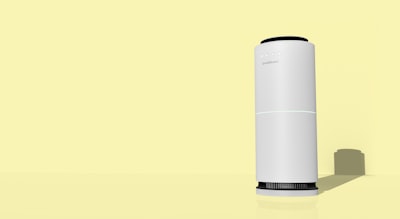
5. Consider a Whole-House Air Purifier or Air Cleaner
Beyond filters, these systems are designed for advanced particle removal.
- Types:
- Media Filters (High-MERV): Already covered, but worth noting as a powerful passive purifier.
- Electronic Air Cleaners (EACs): Use electrostatic charges to attract and trap particles. Can be very effective but require regular cleaning of collector plates.
- HEPA Filtration Systems: True HEPA filters capture 99.97% of particles 0.3 microns and larger. These offer superior filtration but can create significant airflow resistance, so they often require a dedicated bypass system or a powerful blower.
- My Advice: If you have severe allergies, asthma, or specific chemical sensitivities, a whole-house air purifier can make a dramatic difference. It's a bigger investment, but the health benefits can be priceless.
6. Enhance Ventilation with Energy Recovery Ventilators (ERVs) or Heat Recovery Ventilators (HRVs)
Remember how modern homes are airtight? ERVs and HRVs solve that problem without wasting energy.
- How They Work: They continuously exhaust stale indoor air and bring in fresh outdoor air. The magic is they transfer heat and/or humidity between the incoming and outgoing airstreams. This means in winter, the outgoing warm air preheats the incoming cold air. In summer, the outgoing cool air precools the incoming warm air, saving you a bundle on energy.
- Benefits: They dilute indoor pollutants, bring in fresh oxygen, and help balance humidity, all while maintaining energy efficiency. This is particularly important for homes with a lot of VOC sources or those that feel "stuffy."
7. Get Annual Professional HVAC Tune-Ups
This isn't directly an air quality solution, but it supports all of them. A well-maintained HVAC system runs more efficiently, processes air better, and ensures all your filtration and purification components are working correctly.
- What a Tune-Up Does: Checks refrigerant levels, cleans coils, inspects electrical components, lubricates moving parts, and identifies potential issues before they become major problems. A clean coil means better airflow and less chance for mold growth.
- My Experience: I can't tell you how many times I've gone into a system for a "problem" and found it was just neglected maintenance. A simple tune-up could have prevented a costly repair and kept the air much cleaner.
Professional Contractor Advice: What I Tell My Own Family
Listen up, because this is the stuff I've learned over decades in the field, the kind of insight you won't always find in a manual.
- Don't Cheap Out on Filters: I know those cheap fiberglass filters are tempting, but they're basically glorified screens. Invest in a good quality pleated filter (MERV 8-11) and change it like clockwork. It's the simplest, most effective thing you can do for your IAQ and your HVAC system's health.
- System Sizing Matters: If your HVAC system is too big, it'll short-cycle – meaning it turns on and off too frequently. This doesn't allow enough time for proper filtration or dehumidification. Too small, and it runs constantly, never quite catching up. A properly sized system is crucial for optimal air quality and efficiency. Always get a professional load calculation.
- Consider the Whole Home: Air quality isn't just about your furnace. Think about exhaust fans in bathrooms and kitchens. Use them! They pull out moisture and cooking fumes before they can spread. Make sure your dryer vent is clean and properly sealed to the outside.
- Don't Be Afraid to Ask Questions: When a contractor comes to your house, ask them specifically about air quality solutions. A good professional will be able to explain the options and recommend what's best for your specific home and family needs, not just push the most expensive option.
- Think Long-Term Value: Some of these solutions, like an ERV or a whole-house air purifier, are investments. But consider the long-term benefits: fewer doctor visits, better sleep, a more comfortable home, and a system that lasts longer. It often pays for itself in health and energy savings.
- Source Control is Key: While your HVAC cleans the air, try to reduce pollutants at the source. Use low-VOC paints and cleaning products. Open windows when cleaning or cooking if outdoor air quality permits. Vacuum with a HEPA filter vacuum. These small habits make a big difference.
Best Materials Or Equipment for Superior Indoor Air Quality
When it comes to upgrading, here are some of the stars of the show that I recommend:
- High-MERV Pleated Filters (MERV 8-13): Brands like Filtrete, Honeywell, or Trane offer excellent options. Look for synthetic media for better particle capture and moisture resistance.
- Whole-Home Air Purifiers:
- Trane CleanEffects: An electrostatic air cleaner that's incredibly effective at capturing tiny particles.
- Lennox Healthy Climate: Offers a range of products, including high-efficiency media filters and pure air systems.
- Carrier Infinity Air Purifier: Integrates seamlessly with Carrier systems and is highly rated for its effectiveness.
- UV Germicidal Lights:
- Fresh-Aire UV: A leading brand known for its quality and effectiveness in coil and duct sterilization.
- REME HALO: A popular option that not only uses UV but also creates hydro-peroxides to actively clean the air throughout your home.
- Whole-Home Humidifiers/Dehumidifiers:
- Aprilaire: A highly respected name in humidity control, offering both humidifiers and dehumidifiers that integrate with your HVAC.
- Honeywell Home: Another reliable brand with a good range of whole-home humidity solutions.
- Energy Recovery Ventilators (ERVs) / Heat Recovery Ventilators (HRVs):
- Venmar AVS: A top-tier manufacturer of ventilation systems.
- Fantech: Offers robust and reliable ERV/HRV units for various home sizes.
- Smart Thermostats with IAQ Features:
- Ecobee: Many models offer built-in air quality sensors and can integrate with whole-home accessories.
- Nest: While not as focused on direct IAQ control, they can manage humidity accessories and provide data.
Remember, the "best" equipment depends on your specific needs, budget, and existing HVAC system. Always consult with a professional to ensure compatibility and proper installation.
Benefits of Improving Your Indoor Air Quality
So, after all this talk, what's the payoff? Why go through the effort? The benefits are huge, both for your family and your home.
- Better Health and Well-being: This is the big one. Reduced allergy symptoms, fewer asthma attacks, less sickness, better sleep, and just generally feeling more energetic and clear-headed. Imagine not waking up with a stuffy nose or scratchy throat every morning!
- Increased Comfort: Your home will simply feel fresher and cleaner. Less dust, fewer odors, and more balanced humidity levels make for a much more pleasant living environment.
- Extended HVAC System Lifespan: A system that's not constantly clogged with dust and debris runs more efficiently and experiences less wear and tear. This means fewer breakdowns and a longer life for your expensive equipment.
- Lower Energy Bills: Clean filters and coils allow your system to operate at peak efficiency. Properly sealed ducts prevent conditioned air from escaping and dirty air from entering. All this translates to less wasted energy and lower utility costs.
- Protection for Your Home: Reduced humidity means less risk of mold and mildew damage to your home's structure, furniture, and belongings.
- Peace of Mind: Knowing you've taken proactive steps to create a healthier, safer environment for your loved ones is invaluable.
Common Mistakes Homeowners Make When Trying to Improve IAQ
I've seen it all, and sometimes good intentions lead to costly errors. Here are the mistakes I see most often:
- Ignoring Filter Changes: Seriously, this is number one. A dirty filter is worse than no filter because it restricts airflow and makes your system work harder, wasting energy and doing nothing for air quality.
- Using Too High a MERV Filter: While a MERV 16 filter sounds amazing, if your HVAC system isn't designed for it, you'll choke your airflow. This can lead to reduced efficiency, increased energy bills, and even damage to your blower motor. Always check your system's specifications or consult a professional.
- DIY Duct Cleaning: Renting a powerful vacuum and sticking it down your vents might seem like a good idea, but without specialized equipment and training, you're more likely to stir up dust and mold, push it further into the system, or even damage the ductwork.
- Relying Solely on Portable Purifiers: While good for a single room, a portable unit won't address whole-house air quality issues or problems originating in your HVAC system. They're a band-aid, not a solution.
- Neglecting Humidity: Focusing only on particles and forgetting about humidity is a huge oversight. Humidity control is foundational for preventing mold, mildew, and dust mites.
- Ignoring Professional Advice: Sometimes homeowners get overwhelmed or try to cut corners. A professional contractor can assess your specific situation, identify root causes, and recommend the most effective, compatible solutions for your home. Don't be afraid to lean on their expertise.
- Not Addressing Sources: No matter how good your HVAC system is, if you're constantly bringing in pollutants (e.g., strong chemical cleaners, smoking indoors, excessive dust from renovations without containment), you're fighting an uphill battle.
Maintenance Checklist for Optimal Indoor Air Quality
Alright, here's your actionable checklist to keep that indoor air fresh and clean:
- Monthly (or more often with pets/allergies):
- Check and change your HVAC air filter (aim for MERV 8-11).
- Visually inspect return air vents for dust buildup.
- Every 3-6 Months:
- Clean or replace humidifier/dehumidifier filters/pads.
- If you have an electronic air cleaner, clean the collector plates.
- Vacuum around outdoor condenser unit to remove debris.
- Annually:
- Schedule a professional HVAC tune-up and inspection.
- Have your ducts inspected for leaks and potential mold growth.
- Check and clean bathroom and kitchen exhaust fans.
- Test your carbon monoxide detectors and smoke alarms.
- Every 3-5 Years:
- Consider professional duct cleaning, especially if you have significant dust or a musty odor.
- Have ductwork sealed professionally.
Safety Tips for Working with Your HVAC and Improving Air Quality
Safety first, always! We're dealing with electricity, moving parts, and sometimes chemicals. Here are my top safety warnings:
- Turn Off Power: ALWAYS turn off the power to your HVAC system at the thermostat and the breaker before performing any maintenance, even just changing a filter if it's tricky to access. You don't want the unit kicking on unexpectedly.
- Carbon Monoxide Detectors: Install them on every level of your home, especially near sleeping areas. Carbon monoxide is odorless and colorless, making it incredibly dangerous. Test them monthly.
- Wear Protective Gear: When changing filters or cleaning around dusty areas, wear gloves and a dust mask to avoid inhaling particles or irritating your skin.
- Mind the Chemicals: If using any cleaning solutions near your HVAC system (e.g., cleaning humidifier pans), ensure they are HVAC-safe and follow manufacturer instructions. Never mix chemicals.
- Leave Refrigerant to the Pros: Refrigerant lines and components are under high pressure and contain chemicals that require specialized handling. Never try to mess with these yourself.
- Clear the Area: Make sure there's clear space around your indoor and outdoor HVAC units for proper airflow and safe access for maintenance.
- Call a Professional for Gas Leaks: If you ever smell natural gas near your furnace or water heater, evacuate immediately and call your gas company and then 911. This is an emergency.
Cost-Saving Tips for Improving Indoor Air Quality
Improving your IAQ doesn't have to break the bank. Here's how you can be smart with your money:
- Consistent Filter Changes: This is the cheapest and most effective cost-saving measure. A clean filter ensures your system runs efficiently, using less energy, and prevents costly repairs down the road due to strain.
- Regular Maintenance: An annual tune-up prevents small issues from becoming expensive breakdowns. It keeps your system running optimally, extending its life, and maintaining efficiency. Think of it like an oil change for your car.
- Duct Sealing Before Replacement: If you have leaky ducts, sealing them can often provide significant improvements in air quality and efficiency for a fraction of the cost of replacing your entire HVAC system. Get an energy audit to identify where the biggest leaks are.
- Smart Thermostat Installation: Many smart thermostats can help manage humidity accessories and optimize run times, saving energy. Some even have IAQ monitoring features.
- DIY Source Control: Reducing pollutants at their source (e.g., using natural cleaners, proper ventilation during cooking, vacuuming regularly with a HEPA vacuum) lessens the burden on your HVAC system, meaning you might not need the most expensive purification add-ons.
- Energy Audits: A professional energy audit can pinpoint where your home is losing energy and where air quality might be suffering due to drafts or poor ventilation. This targeted approach helps you spend your money where it will have the most impact.
- Tax Credits and Rebates: Some energy-efficient HVAC upgrades, especially those that improve ventilation or integrate with smart home systems, might qualify for federal tax credits or local utility rebates. Always check what's available in your area before making a purchase.
When To Call Professionals for Your Indoor Air Quality Needs
While a lot of maintenance is DIY-friendly, there are definitely times when you need to pick up the phone and call in the experts. Don'