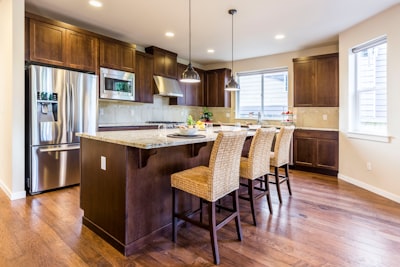


How Much Does Kitchen Remodeling Cost
Introduction
Alright, folks, let's talk kitchens. Specifically, let's talk about that big question that keeps many of you up at night: "How much does kitchen remodeling really cost?" It’s a question I hear practically every single day, and for good reason. Your kitchen isn't just a place to cook; it’s the heart of your home, where memories are made, meals are shared, and sometimes, where the kids do their homework. Dreaming of a shiny new space, a more functional layout, or just an updated look is exciting. But then reality sets in, and the dollar signs start flashing. You’ve probably scrolled through countless Pinterest boards, watched a dozen home improvement shows, and now you’re wondering if your dream kitchen is even within reach. Well, pull up a chair. As a contractor who's been doing this for decades, I’m here to give you the straight scoop, no fancy jargon, just real talk about what goes into your kitchen remodeling budget. We're going to break down the costs, talk about what causes them, and give you some expert advice on how to navigate this whole process without losing your mind or breaking the bank.
Why This Problem Matters
Understanding the cost of a kitchen remodel isn't just about crunching numbers; it’s about making smart decisions for your biggest investment – your home. If you go into this blind, you're setting yourself up for a world of stress, frustration, and potentially a half-finished kitchen. This isn't just a cosmetic upgrade; it's a significant investment that affects your daily life, your home's value, and your overall peace of mind. A poorly planned or overpriced renovation can lead to financial strain, emotional exhaustion, and a kitchen that you don't even love. I've seen homeowners get stuck with shoddy work because they went for the cheapest bid, or they blew their budget on materials and couldn't afford proper installation. This isn't just about money; it’s about creating a functional, beautiful space that you and your family will enjoy for years to come. Getting the cost right means setting realistic expectations, ensuring quality workmanship, and ultimately, loving your new kitchen without any buyer's remorse.
Common Homeowner Problems
When it comes to kitchen remodels, homeowners often run into the same roadblocks. Believe me, I’ve seen it all. One of the biggest issues is budget creep. You start with a number in mind, and then suddenly, every little "extra" adds up, and before you know it, you're way over what you planned. It’s like going to the grocery store for milk and walking out with a full cart. Another common problem is unexpected surprises. We open up a wall, and boom – rotten wood, old wiring, or a plumbing nightmare. Suddenly, a simple cabinet replacement turns into a structural repair. Then there's the decision fatigue. Do you want quartz or granite? Shaker or slab cabinets? Stainless steel or black stainless appliances? The sheer number of choices can be overwhelming, leading to delays and second-guessing. And let’s not forget the frustration of dealing with a contractor who doesn't communicate, shows up late, or disappears for days. These problems aren't just annoying; they can turn your dream remodel into a living nightmare, leaving you with an unfinished kitchen, a drained bank account, and a whole lot of regret. I've had clients practically in tears because their previous contractor left them high and dry. It's tough, and it's why I always emphasize clear planning and communication.
Main Causes Behind Kitchen Remodeling Costs
So, what actually drives the cost of a kitchen remodel? It's not just one thing, but a combination of factors that can swing your budget wildly. Let's break down the big ones:
- Scope of Work: This is the biggest factor. Are you just painting cabinets and replacing a faucet (a minor refresh)? Or are you tearing out walls, moving plumbing and electrical, and installing all new everything (a major overhaul)? A simple cosmetic update will naturally cost far less than a complete gut job. Changing the layout, especially moving water lines or gas lines, adds significant cost due because it involves more specialized labor and permits.
- Material Choices: This is where your taste and budget really collide.
- Cabinets: Stock cabinets are the cheapest, semi-custom are mid-range, and custom cabinets are the most expensive. The material matters too – laminate versus solid wood can be a huge difference.
- Countertops: Laminate is budget-friendly, solid surface (like Corian) is mid-range, and natural stone (granite, quartz, marble) or butcher block can be premium.
- Appliances: Basic models are affordable, while high-end, professional-grade appliances with all the bells and whistles can quickly add thousands to your bill.
- Flooring: Vinyl or laminate are budget options, while tile, hardwood, or engineered wood come at a higher price point.
- Labor Costs: This is a big chunk of any remodeling budget. Skilled tradespeople – plumbers, electricians, carpenters, tile setters – are worth every penny, but their expertise comes at a price. Labor rates vary by region and by the complexity of the job. Moving walls, running new electrical lines, or intricate tile work will require more skilled labor hours.
- Permits and Inspections: Don't skip these! Most significant kitchen remodels that involve plumbing, electrical, or structural changes require permits from your local municipality. These costs are usually a few hundred dollars, but avoiding them can lead to hefty fines, rework, and even safety hazards down the line. Plus, if you ever sell your home, unpermitted work can cause major headaches.
- Demolition and Waste Removal: Tearing out the old kitchen isn't free. There’s labor involved, and then you have to pay to haul away all that old cabinetry, drywall, and debris.
- Unexpected Issues: This is the wildcard. Rotten subfloor under the old linoleum, outdated wiring that isn't up to code, or a leaky pipe behind a wall. These "surprises" can add days or even weeks to a project and hundreds or thousands of dollars to the budget. I always tell my clients to budget an extra 10-15% for contingencies. It's almost guaranteed something will pop up.
Warning Signs Your Kitchen Remodel Might Cost More Than Expected
You gotta be sharp when you're getting bids and planning your kitchen remodel. There are some clear warning signs that your project might be headed for a financial disaster, or that the contractor you're talking to isn't on the up-and-up:
- Unrealistically Low Bids: If one bid comes in significantly lower than all the others, alarm bells should be ringing. It usually means they've either missed something crucial, plan to cut corners, or will hit you with "extras" once the work starts. There's a reason for every cost; quality work isn't cheap, and cheap work is rarely quality.
- Vague Contracts: A good contract spells out everything – scope of work, materials, timeline, payment schedule, and what happens if there are changes. If a contractor gives you a one-page estimate with minimal details, that's a red flag. You need specifics in writing.
- No Mention of Permits: Any reputable contractor will discuss necessary permits. If they brush it off or suggest doing the work "under the radar," walk away. It's a huge risk for you, both legally and for your home's safety.
- Pressure to Sign Immediately: High-pressure sales tactics are a bad sign. A good contractor will give you time to review the proposal, ask questions, and make an informed decision.
- Demanding Full Payment Upfront: Never, ever pay for the entire project before work begins. A typical payment schedule involves an upfront deposit (usually 10-30%), progress payments, and a final payment upon completion and your satisfaction.
- Lack of References or Portfolio: If they can't show you examples of their work or provide references from satisfied clients, that's a major concern. Any professional contractor will be proud to show off their previous projects.
- Poor Communication: If a contractor is hard to reach, slow to respond, or vague with their answers during the bidding process, imagine how much worse it will be once the project is underway. Communication is key to a smooth remodel.
Step By Step Solutions for Managing Your Kitchen Remodel Cost
Okay, so how do you actually tackle this beast of a project without going broke? It all comes down to a methodical, step-by-step approach. This isn't just about spending money; it's about investing it wisely.
- Define Your Vision & Needs (and Wants): Before you even think about costs, figure out what you truly need and what would be nice to have. Do you need more storage? A bigger island? Better lighting? Make a list, prioritize it. This clarity will guide all your decisions and help prevent scope creep later.
- Set a Realistic Budget (and Stick to It!): This is the absolute foundation. Research average kitchen remodeling costs in your area for different levels of renovation (basic, mid-range, high-end). Decide what you can comfortably afford, and then add that 10-15% contingency fund for the inevitable surprises. Be honest with yourself about your financial limits.
- Research and Plan Your Design: Start collecting ideas – photos, layouts, material preferences. Consider working with a kitchen designer. They can help optimize your space and often get trade discounts on materials. A solid design plan helps contractors give you accurate bids.
- Get Multiple Bids from Reputable Contractors: Don't just get one bid. Get at least three, preferably from contractors recommended by people you trust. Make sure they're all bidding on the exact same scope of work and materials so you can compare apples to apples.
- Review Bids and Contracts Thoroughly: Don't just look at the bottom line. Scrutinize what's included and what's not. Ask questions. Understand the payment schedule, the timeline, warranty information, and how change orders will be handled. A good contract protects both you and the contractor.
- Select Materials Wisely: This is where you balance aesthetics, durability, and cost. If you have a tight budget, maybe you opt for laminate countertops instead of quartz, or repaint existing cabinets instead of buying new ones. Don't compromise on quality for key components like appliances if you can help it, as those can be a pain to replace later.
- Manage the Project (or Let Your Contractor Do It): Once work begins, stay engaged. Communicate regularly with your contractor. Address issues promptly. If you're doing a partial DIY, make sure your tasks are completed on time so you don't hold up the pros.
- Final Walkthrough and Punch List: Before making your final payment, do a thorough walkthrough of the finished kitchen. Note any imperfections or items that aren't quite right. This is your "punch list." Your contractor should address these items to your satisfaction before you hand over that last check.
Professional Contractor Advice for Kitchen Remodeling
Listen up, because this is where my years in the field really come into play. As a contractor, I've seen homeowners make fantastic decisions and some truly regrettable ones. Here’s my no-nonsense advice:
- Communication is King: Seriously, this is probably the most important thing. Establish clear lines of communication with your contractor from day one. Don't be afraid to ask questions. If something isn't clear, speak up. A good contractor will appreciate your engagement. I always tell my clients, "No surprises, good or bad."
- Trust Your Gut (But Verify): If something feels off with a contractor – maybe they're rushing you, or their answers are vague – trust that feeling. But also, do your homework. Check their license, insurance, and references. Look at online reviews, but take them with a grain of salt and look for patterns.
- Don't Be Afraid to Negotiate (Within Reason): There's usually a little wiggle room in bids, especially if you're flexible on timing or certain materials. However, don't try to squeeze every last penny out of your contractor. Remember, they need to make a living, and you want them to be motivated to do excellent work.
- Understand the Value of a Good Design: Even if it's an extra cost, a professional kitchen designer can save you money in the long run by avoiding costly mistakes, optimizing your layout, and helping you choose cohesive materials. They often have access to trade discounts too.
- Be Prepared for Disruption: A kitchen remodel means your kitchen will be out of commission for a while. Set up a temporary cooking station, mentally prepare for dust, and understand that things might not always go exactly to schedule. Patience is a virtue during this process.
- Prioritize Needs Over Wants: When the budget gets tight, always prioritize structural integrity, functional layout, and durable core materials (good cabinets, solid appliances) over fancy backsplashes or designer fixtures. You can always upgrade the aesthetics later.
- Don't DIY Beyond Your Skill Set: While some DIY can save money, know your limits. Attempting complex electrical, plumbing, or structural work without proper experience and permits is dangerous and can lead to costly repairs down the road. I've had to fix more "DIY disasters" than I care to count.
Best Materials Or Equipment to Consider for Your Kitchen Remodel
The materials you pick are a huge part of your budget and the overall look and feel of your new kitchen. Here's a rundown of options, from budget-friendly to high-end, and what I recommend based on various situations:
Cabinets:
- Budget-Friendly: Stock cabinets from big box stores. They come in standard sizes and limited finishes. Great for a quick refresh or rental properties. Cost-saving tip: consider refacing existing cabinet boxes and just replacing doors/drawer fronts.
- Mid-Range: Semi-custom cabinets. These offer more sizes, door styles, and finishes than stock cabinets. They fit better and look more integrated. This is often the sweet spot for many homeowners balancing cost and customization.
- High-End: Custom cabinets. Built specifically for your kitchen, offering unlimited design flexibility, unique finishes, and specialized storage solutions. This is where you get truly bespoke quality and maximize every inch of space. Expect significantly higher costs.
- Contractor Tip: Don't overlook the hardware! Good quality hinges and drawer slides make a huge difference in the feel and longevity of your cabinets, even if you go with mid-range boxes. Soft-close mechanisms are a must for most clients these days.
Countertops:
- Budget-Friendly: Laminate. Comes in a vast array of colors and patterns, including convincing stone look-alikes. Very affordable and relatively easy to install. Downside: not heat resistant, can scratch, and not usually repairable.
- Mid-Range: Solid Surface (e.g., Corian) or Butcher Block. Solid surface is seamless, non-porous, and repairable. Butcher block offers a warm, natural look but requires regular oiling. Both offer good value and aesthetics.
- High-End: Quartz, Granite, Marble.
- Quartz: Engineered stone, non-porous, highly durable, consistent patterns, wide color range. My most recommended option for busy kitchens.
- Granite: Natural stone, unique patterns, durable, heat resistant. Requires sealing periodically.
- Marble: Luxuriously beautiful, but porous, prone to etching and staining. More for homeowners who love the aesthetic and are willing to maintain it.
- Contractor Tip: Always get samples and see them in your kitchen's lighting. A countertop can look totally different in the showroom.
Appliances:
- Budget-Friendly: Basic models from reputable brands (e.g., Whirlpool, Frigidaire). Focus on essential functions.
- Mid-Range: Features like convection ovens, ice makers, better BTU range tops. Good balance of features and cost.
- High-End: Professional-grade ranges, built-in refrigerators, smart features, designer brands. These can easily add $10,000+ to your budget.
- Contractor Tip: Check appliance dimensions carefully, especially if you're keeping existing cabinetry. Measure twice, order once!
Flooring:
- Budget-Friendly: Vinyl Plank or Laminate. Durable, water-resistant, and come in many styles. Easy to clean.
- Mid-Range: Porcelain Tile. Extremely durable, water-resistant, huge variety of sizes and patterns. Installation can be labor-intensive.
- High-End: Hardwood or Engineered Wood. Classic, beautiful, adds warmth and value. Can be susceptible to water damage if not properly sealed and maintained.
- Contractor Tip: Consider slip resistance, especially in a kitchen where spills are common.
Benefits of a Well-Planned Kitchen Remodel
So, after all that talk about costs and complications, why even bother? Because the benefits of a well-executed kitchen remodel are huge, and they go way beyond just looking pretty. You’re not just spending money; you’re investing in your home and your quality of life.
- Increased Home Value: A renovated kitchen is one of the best ways to boost your property's resale value. Buyers often prioritize the kitchen and bathrooms, so a fresh, modern space can significantly improve your home's appeal and asking price. We're talking a great return on investment here.
- Improved Functionality and Layout: Is your current kitchen a cramped, inefficient mess? A remodel can fix those pain points, creating a more logical workflow, better storage solutions, and a space that genuinely works for how you live and cook. No more bumping elbows or searching endlessly for that mixing bowl.
- Enhanced Aesthetics and Style: Say goodbye to dated countertops and dingy cabinets! A new kitchen brings a fresh, modern look that reflects your personal style. It brightens the whole house and makes it a more enjoyable place to be.
- Better Energy Efficiency: New appliances are far more energy-efficient than older models, which can lead to noticeable savings on your utility bills. Upgraded lighting, including LED options, also contributes to lower energy consumption.
- Increased Safety: Outdated wiring, leaky plumbing, or uneven flooring can be safety hazards. A remodel allows you to address these issues, bringing your kitchen up to current codes and making it a safer environment for your family.
- Greater Enjoyment and Comfort: At the end of the day, having a kitchen you love to be in makes a huge difference. It becomes a more inviting space for entertaining, family gatherings, or just enjoying your morning coffee. This intangible benefit is often the most rewarding.
Common Mistakes Homeowners Make (And How to Avoid Them)
I’ve seen plenty of homeowners stumble through their kitchen remodels, and usually, it's due to a few common pitfalls. Learning from these can save you a world of hurt:
- Not Having a Clear Plan: Winging it is a recipe for disaster. You need a detailed design, a material list, and a clear scope of work before anyone swings a hammer. Changes mid-project are expensive and cause delays. Spend time on planning!
- Ignoring the Budget Contingency: I said it before, I’ll say it again: always budget an extra 10-15% for unexpected issues. If you don't use it, great! If you do, you're prepared. Ignoring this is the fastest way to budget overruns and major stress.
- Hiring the Cheapest Bid: I know it's tempting to save a buck, but the lowest bid often comes with hidden costs, poor quality work, or an unreliable contractor. Value experience, reputation, and a clear contract over just the price tag.
- Over-Customizing for Resale: While you want a kitchen you love, going too niche with your design choices can hurt resale value. Most buyers prefer timeless, broadly appealing styles. Think about future buyers if you plan to sell within 5-10 years.
- Forgetting About Permits: Skipping permits might seem like a shortcut, but it's a huge legal and safety risk. Unpermitted work can lead to fines, insurance issues, and difficulty selling your home. Always ensure your contractor pulls the necessary permits.
- Not Communicating Enough: Don't assume your contractor knows what you're thinking. Ask questions, voice concerns, and stay involved. Regular check-ins prevent misunderstandings and keep the project on track.
- Compromising on Functionality for Aesthetics: A beautiful kitchen that doesn't work for your lifestyle is a waste of money. Prioritize a functional layout, good lighting, and smart storage over purely decorative elements.
- Trying to DIY Too Much: While some tasks can be DIY, complex plumbing, electrical, or structural work should be left to licensed professionals. Mistakes can be dangerous and far more expensive to fix than hiring a pro in the first place.
Maintenance Checklist for Your New Kitchen
Once your beautiful new kitchen is all done, you want to keep it looking fantastic for years. A little regular maintenance goes a long way. Here’s a quick checklist:
- Clean Regularly: Wipe down countertops, cabinet fronts, and appliances daily or weekly to prevent buildup.
- Address Spills Immediately: Especially on porous surfaces like natural stone or wood. Don't let anything sit and stain.
- Check for Leaks: Periodically inspect under sinks and around appliances for any signs of moisture. Small leaks can become big problems fast.
- Test Appliances: Run your dishwasher and dispose of regularly. Clean filters in range hoods and dishwashers.
- Inspect Grout and Caulk: Look for cracks or deterioration. Re-caulk around sinks and backsplashes as needed to prevent water intrusion.
- Maintain Wood Surfaces: If you have hardwood floors or butcher block, follow the manufacturer's recommendations for cleaning and oiling.
- Cabinet Care: Avoid abrasive cleaners on cabinet finishes. Tighten any loose hardware as needed.
- Review Warranties: Keep all your product and contractor warranties in a safe place. Know what's covered and for how long.
Safety Tips During Your Kitchen Remodel
A kitchen remodel is essentially a construction zone in your home. Safety needs to be paramount for everyone involved, especially if you're living in the house during the renovation. Here are some critical safety tips:
- Clear the Work Area: Keep children and pets away from the construction zone. Close off the area as much as possible.
- Wear Proper PPE: If you're doing any DIY or even just observing, wear sturdy shoes, eye protection, and gloves.
- Disconnect Utilities: Before any demolition or work on plumbing/electrical, ensure the power and water supply to the kitchen are turned off. A professional contractor will always do this.
- Ventilation: When cutting, sanding, or painting, ensure good ventilation to disperse dust and fumes.
- Fire Safety: Keep a fire extinguisher handy. Know where your main electrical panel and water shut-off valves are.
- Clear Pathways: Keep hallways and entryways clear of debris and tools to prevent trips and falls.
- Secure Loose Items: Remove anything fragile or valuable from the kitchen and surrounding areas to prevent damage.
- Communicate Hazards: If you're working with a contractor, make sure everyone is aware of potential hazards like exposed wires, sharp objects, or uneven surfaces.
Cost Saving Tips for Your Kitchen Remodel
Nobody wants to spend more than they have to, right? Here are some smart ways to trim down those kitchen remodeling costs without sacrificing too much quality:
- Keep Your Layout: This is probably the biggest money-saver. If you can avoid moving plumbing, gas lines, or major electrical, you'll save thousands on labor and permit costs. Stick to the existing "footprint."
- Reface or Paint Existing Cabinets: If your cabinet boxes are structurally sound, consider refacing them with new doors and drawer fronts, or simply giving them a fresh coat of paint. This can save you 50% or more compared to new custom cabinets.
- Mix High and Low: Splurge on one or two "wow" items (like a fantastic countertop or a professional-grade range) and save on others (like a more affordable backsplash or standard sink).
- DIY Small, Manageable Tasks: If you're handy, consider doing demolition yourself (carefully!), painting, or even installing your own backsplash. Just know your limits and don't take on critical structural or utility work.
- Shop for Deals and Sales: Keep an eye out for appliance sales, clearance items, or discontinued flooring. You can often find great quality materials at a discount if you're patient and flexible.
- Opt for Open Shelving: Instead of all upper cabinets, incorporate some open shelving. It's cheaper than cabinetry and can open up the space.
- Smart Lighting Choices: Instead of expensive recessed lighting everywhere, strategically place task lighting and use more affordable decorative fixtures. LED bulbs are a must for energy savings.
- Simple Backsplash: A classic subway tile is often more affordable than intricate patterns or expensive natural stone options, and it looks timeless.
- Salvage and Re-purpose: Can you save your old sink and just get it re-enameled? Can you find unique light fixtures at an architectural salvage store? Get creative!
When To Call Professionals for Your Kitchen Remodel
Look, I get it. The urge to save money by doing it yourself is strong. But there are definitely times when trying to DIY can cost you more in the long run, or worse, put you in danger. Here’s when you absolutely, positively need to pick up the phone and call a licensed pro:
- Any Structural Changes: Taking down a wall, adding an archway, or changing the load-bearing elements of your home? That's structural, and it requires an engineer's assessment and professional execution. Do NOT mess with this yourself.
- Plumbing Modifications: Moving your sink, dishwasher, or refrigerator requires rerouting water lines and drains. Unless you're a licensed plumber, leave this to the experts. Water damage from a botched DIY plumbing job can be catastrophic.
- Electrical Work Beyond Fixture Swaps: Adding new outlets, moving existing ones, changing wiring, or installing new circuits needs a licensed electrician. Incorrect electrical work is a fire hazard and can void your home insurance.
- Gas Line Relocations: If you're moving a gas range, a licensed gas fitter is non-negotiable. This is a matter of life and death, folks.
- Complex Design and Layout Challenges: If your kitchen has an awkward layout or you're struggling to maximize space, a professional kitchen designer or an experienced contractor can offer solutions you might never consider.
- Time Constraints: If you need the project done by a certain date and don't have unlimited free time, a professional team can complete the work much more efficiently.
- Lack of Proper Tools or Skills: Don't buy expensive tools for a one-off job. And don't attempt tasks you're not confident in. The cost of renting specialized tools or fixing mistakes often outweighs the savings of DIY.
- Permit Requirements: If your project requires permits (and most significant kitchen remodels do), a professional contractor will know the local codes and how to navigate the permitting and inspection process seamlessly.
Frequently Asked Questions About Kitchen Remodeling Costs
Q: What is the average cost of a kitchen remodel?
A: The average cost of a kitchen remodel can vary wildly depending on your location, the size of your kitchen, and the scope of work. Generally, you can expect to pay anywhere from $15,000 for a minor remodel to $45,000 for a mid-range remodel, and upwards of $80,000 to $100,000+ for a high-end, custom renovation. These numbers are just averages; a small cosmetic refresh could be less, and a complete luxury overhaul could be much more. It's crucial to get local estimates.
Q: How can I save money on my kitchen remodel?
A: The biggest savings come from keeping your existing layout to avoid moving plumbing and electrical. Other tips include refacing or painting existing cabinets, mixing affordable materials with a few splurges, doing some of the demolition or painting yourself (if you're capable), and shopping for appliance sales. Prioritize functionality and durable core elements over purely decorative high-end finishes.