Buenos Aires Top Attractions 2026 – Complete Argentina Travel Guide
Buenos Aires: Your Ultimate Guide to Top Attractions & Navigating the City of Tango
Welcome to Buenos Aires, the dazzling capital of Argentina, often dubbed the "Paris of South America." This vibrant metropolis pulses with an intoxicating blend of European grandeur and Latin American passion. From the seductive rhythms of tango echoing through cobbled streets to the aroma of sizzling *asado* filling the air, Buenos Aires offers an unforgettable journey for every traveler. Its diverse neighborhoods each boast a unique personality, inviting exploration, discovery, and immersion into a rich cultural tapestry.
Whether you're drawn to its historic plazas, world-class museums, bustling markets, or sophisticated nightlife, Buenos Aires promises an adventure at every turn. This comprehensive guide will take you through the city's unmissable top attractions, provide practical advice on getting around, keeping connected, and ensuring your trip is as smooth and enjoyable as possible. Get ready to fall in love with Buenos Aires, a city that dances to its own captivating beat.
### Unmissable Top Attractions in Buenos Aires
Buenos Aires is a city that rewards those who wander. From opulent cemeteries to colorful street art, here are the must-see sights that define its unique character.
#### La Boca & Caminito: A Canvas of Color
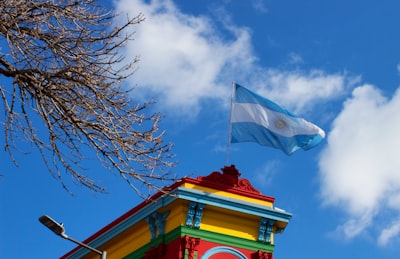
Step into a living postcard in La Boca, one of Buenos Aires' most iconic and visually striking neighborhoods. Famous for Caminito, a pedestrian street museum, La Boca is a riot of brightly painted corrugated iron houses, reflecting the area's rich immigrant history, particularly from Genoa, Italy. The vibrant hues are said to have come from leftover paints used on ships in the nearby port. Here, tango dancers perform in the streets, artists display their work, and artisans sell souvenirs.
While Caminito is wonderfully atmospheric, it's important to stick to the well-trodden tourist areas during daylight hours, as some surrounding parts of La Boca can be less safe. Soak in the colors, grab a traditional *choripán* (sausage sandwich), and feel the energy of this unique barrio.
#### Recoleta Cemetery: A City of the Dead
Far from morbid, Recoleta Cemetery is an architectural marvel and one of the most stunning necropolises in the world. It’s a city within a city, with elaborate mausoleums resembling miniature temples, chapels, and grand houses. This isn't just a burial ground; it's a testament to Argentina's aristocratic past, where the most prominent families, presidents, and historical figures found their final resting places.
The most famous resident is undoubtedly Eva Perón (Evita), whose tomb attracts countless visitors daily. Spend a few hours here, wandering its tree-lined paths, admiring the intricate sculptures, and reading the stories of those interred. Guided tours are highly recommended to uncover the fascinating histories and legends behind the grand tombs.
#### San Telmo Market: Antiques, Tango, and Bohemian Vibes
On Sundays, San Telmo transforms into a sprawling, vibrant fair, a tradition that dates back to 1870. The San Telmo Market (Feria de San Telmo) is an absolute must-visit. Calle Defensa becomes a pedestrian paradise, lined with hundreds of stalls selling antiques, curiosities, leather goods, artwork, and unique souvenirs. Beyond the shopping, the market is a cultural spectacle. Street performers entertain the crowds, tango dancers mesmerize onlookers in Plaza Dorrego, and live music fills the air.
Even outside of Sunday, San Telmo's cobblestone streets, colonial architecture, and bohemian cafes retain their charm. Explore the antique shops, enjoy a coffee, and soak in the old-world atmosphere of one of Buenos Aires' oldest neighborhoods.
#### Palermo: Parks, Design, and Nightlife
Palermo is Buenos Aires' largest neighborhood and one of its most diverse. It's broadly divided into sub-barrios, each with its own character:
- Palermo Soho: Known for its charming boutiques, designer shops, trendy cafes, lively bars, and street art. It's a fantastic place for an afternoon stroll, shopping, and experiencing Buenos Aires' modern pulse.
- Palermo Hollywood: Home to media production companies, excellent restaurants, and a bustling nightlife scene. Ideal for dinner and drinks.
- Palermo Chico (Barrio Parque): An affluent residential area with grand mansions and tree-lined streets, offering a glimpse into Buenos Aires' high society.
- Palermo Parks (Bosques de Palermo): A vast green oasis featuring the beautiful Rosedal (Rose Garden), the Japanese Garden, and the Galileo Galilei Planetarium. Perfect for cycling, picnics, or a leisurely walk.
Palermo offers something for everyone, from peaceful parks to buzzing nightlife and cutting-edge fashion.
#### Teatro Colón: Architectural Grandeur
Considered one of the world's top opera houses for its acoustics and architectural beauty, the Teatro Colón is a masterpiece of late 19th-century design. Its grand façade, opulent interiors, and seven-tiered auditorium are breathtaking. Even if you can't catch a performance, a guided tour is highly recommended to explore its lavish halls, intricate mosaics, and impressive stage. It's a testament to Buenos Aires' rich cultural heritage and a truly awe-inspiring experience.
#### Puerto Madero: Modernity on the River
Puerto Madero represents the modern face of Buenos Aires. Once a derelict port, it has been transformed into a sleek, upscale neighborhood with renovated red-brick warehouses housing chic restaurants, luxury apartments, and corporate offices. The area is traversed by canals and features the iconic Puente de la Mujer (Woman's Bridge), a rotating pedestrian bridge designed by Santiago Calatrava.
Take a stroll along the waterfront, enjoy a meal with views of the old docks, or visit the Sarmiento and Uruguay frigates, now museum ships. It's a stark contrast to the old-world charm of San Telmo or La Boca and offers a glimpse into contemporary Buenos Aires.
#### El Ateneo Grand Splendid: A Bookstore Like No Other
Housed within the stunning former Teatro Grand Splendid, El Ateneo is consistently ranked among the most beautiful bookstores in the world. What was once an opulent theater, complete with frescoes, ornate carvings, and plush red velvet, has been meticulously preserved and transformed into a temple for bibliophiles. The stage now serves as a cafe, where you can enjoy a coffee amidst shelves filled with books. Even if you don't buy anything, simply soaking in the atmosphere of this architectural gem is an unforgettable experience.
#### Floralis Genérica: The Giant Metal Flower
Located in Plaza de las Naciones Unidas, Floralis Genérica is a striking metallic sculpture of a flower, designed by Argentine architect Eduardo Catalano. What makes it truly special is its dynamic nature: the giant petals open in the morning and close at sunset, mimicking a real flower. This impressive piece of kinetic art is a symbol of all the flowers in the world and offers fantastic photo opportunities, especially as it transforms throughout the day.
#### Plaza de Mayo & Casa Rosada: The Heart of Argentine History
Plaza de Mayo is the political and historical epicenter of Buenos Aires, witnessing centuries of protests, celebrations, and pivotal moments in Argentine history. Dominating the plaza is the iconic Casa Rosada (Pink House), the executive mansion and office of the President of Argentina. It's famous for Eva Perón's speeches from its balcony.
Surrounding the plaza are other significant landmarks, including the Metropolitan Cathedral (where Pope Francis once served as archbishop), the Cabildo (the former colonial town hall), and the Pirámide de Mayo (May Pyramid), the oldest national monument in Buenos Aires. Witnessing the changing of the guard at the Cabildo or simply observing the city's pulse here is a powerful experience.
#### Obelisco de Buenos Aires: Iconic Landmark
Standing tall in the Plaza de la República, at the intersection of Corrientes and 9 de Julio avenues, is the Obelisco de Buenos Aires. This towering monument, erected in 1936, commemorates the fourth centenary of the first foundation of Buenos Aires. While you can't go inside, it's an undeniable symbol of the city, frequently serving as a backdrop for protests, celebrations, and cultural events. It's a must-see for its sheer scale and historical significance.
#### MALBA: Latin American Art Museum of Buenos Aires
For art lovers, the MALBA (Museo de Arte Latinoamericano de Buenos Aires) is an essential stop. This modern museum houses a fantastic collection of Latin American art from the early 20th century to the present day, featuring works by renowned artists like Frida Kahlo, Diego Rivera, Tarsila do Amaral, and Antonio Berni. The museum's contemporary architecture itself is a work of art, and it often hosts engaging temporary exhibitions, film screenings, and cultural events.
### Practicalities for Your Buenos Aires Adventure
Navigating a new city can be daunting, but with these practical tips, you'll be exploring Buenos Aires like a seasoned traveler in no time.
#### Best SIM Card in Argentina for Tourists
Staying connected is crucial for navigation, translation, and sharing your adventures. Argentina offers several good options for mobile connectivity.
- Major Providers: The main mobile operators are Claro, Personal (Telecom), and Movistar. All offer good coverage in Buenos Aires and most major cities.
- Tuenti: A popular budget-friendly MVNO (Mobile Virtual Network Operator) that uses Movistar's network. It's known for cheaper data plans.
Where to Buy:
- Official Stores: The best place to buy a SIM card is at an official store for Claro, Personal, or Movistar. Staff can help activate it, and you'll get clear pricing. Bring your passport.
- Kiosks (Quioscos): Many small kiosks sell SIM cards, but activation might be trickier, and you'll likely need to buy credit separately.
- Airports: SIM cards might be available at Ezeiza (EZE), but prices can be inflated, and options limited. It's generally better to wait until you're in the city.
Activation Process:
For prepaid SIM cards, you typically need to register it with your passport. This process can sometimes be done immediately in-store or by dialing a specific number and following voice prompts (usually in Spanish). It's always best to have the store assistant help you if possible.
eSIM Options:
For newer phones,
eSIMs are a convenient alternative, allowing you to activate a local data plan without a physical SIM card. Providers like Airalo, Holafly, and Nomad offer regional or country-specific eSIMs for Argentina. This allows you to have data immediately upon arrival, though prices might be slightly higher than a local physical SIM. Check compatibility with your device before you travel.
Tips:
- Unlock Your Phone: Ensure your phone is unlocked before arriving in Argentina to use a local SIM.
- Data Packages: Focus on data packages, as Wi-Fi is widely available in cafes and hotels.
- WhatsApp: WhatsApp is widely used in Argentina for messaging and calls, making communication easy.
#### Public Transport in Buenos Aires
Buenos Aires boasts an extensive and affordable public transport system, making it easy to get around.
- SUBE Card (Sistema Único de Boleto Electrónico): This is absolutely essential. You cannot pay cash on buses or subways.
- Where to Get It: Purchase a SUBE card at Subte stations, post offices (Correo Argentino), and many kiosks. Look for the blue SUBE sign. It costs a small, one-time fee (around ARS 900-1500, subject to change).
- How to Load It: You can load money onto your SUBE card at Subte stations, kiosks, or via online apps like "Carga SUBE" (requires an Argentine bank account, so less practical for tourists initially).
- How to Use It: Simply tap your card on the reader when entering a Subte station or boarding a bus. The fare is automatically deducted. Tap again when exiting the Subte to ensure correct fare calculation if you transfer.
- Subte (Subway/Metro): The fastest way to cover longer distances, especially across the city center. Buenos Aires has six lines (A, B, C, D, E, H), each color-coded. Trains run frequently, typically from early morning until late evening (around 5:30 AM to 11 PM/midnight, check specific line schedules).
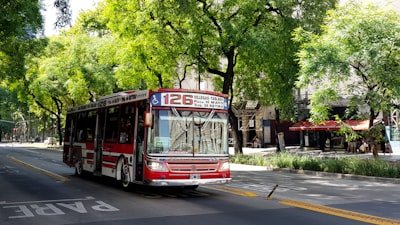
- Colectivos (Buses): An extensive network of over 150 bus lines covers virtually every corner of the city, running 24/7 (though less frequently at night). Buses can be slower due to traffic but offer a great way to see the city as you travel. Use Google Maps or the "Cómo Llego" app (official Buenos Aires transport app) to plan routes. When boarding, tell the driver your destination street or neighborhood, and they'll select the correct fare zone for you to tap your SUBE card.
- Trains: Primarily for commuting to surrounding suburbs, but can be useful for day trips (e.g., to Tigre). You'll also use your SUBE card for trains.
Tips:
- Rush Hour: Avoid the Subte and major bus lines during morning (7-9 AM) and evening (5-7 PM) rush hours if you prefer a less crowded experience.
- Hold On Tight: Buses can be fast and make sudden stops.
- Validate: Always tap your SUBE card correctly to avoid fines.
#### Car Rental / Bike Rental Options in Buenos Aires
Consider these options depending on your travel style and itinerary.
- When it Makes Sense: Renting a car in Buenos Aires city itself is generally *not* recommended. Traffic is heavy, parking is difficult and expensive, and public transport is excellent. However, a car rental can be beneficial if you plan extensive day trips outside the city (e.g., to the Pampas, beyond La Plata, or for a road trip through Argentina).
- Major Companies: International chains like Hertz, Avis, and Europcar operate in Buenos Aires, usually with offices at the airports and in the city center.
- Requirements: You'll need a valid driver's license from your home country (an International Driving Permit is highly recommended), a credit card, and usually be over 21 (sometimes 25) years old.
- Traffic & Parking: Expect aggressive driving, motorcycles weaving through traffic, and limited street parking. Many areas have restricted parking zones. Garages (estacionamientos) are available but can be pricey.
- EcoBici (Free System): Buenos Aires offers a fantastic free bike-sharing program called EcoBici. You'll need to download their app and register with a valid ID (passport). Once registered, you can pick up and drop off bikes at numerous stations across the city. It's an excellent way to explore parks and bike-friendly neighborhoods like Palermo.
- Private Rentals: Several shops offer daily or hourly bike rentals, especially in areas popular with tourists. This might be a better option if you want a bike for a full day without worrying about docking stations, or for a more specialized bike (e.g., mountain bike for specific trails).
- Bike Lanes: Buenos Aires has been expanding its network of bike lanes (ciclovías), making cycling safer and more enjoyable, especially in Palermo and along certain avenues.
- Safety: Always wear a helmet (often not provided with EcoBici but available from private rentals), stay aware of traffic, and lock your bike securely if leaving it unattended.
#### Airport to City Transport Guide
Getting from the airport to your accommodation is often the first logistical challenge. Buenos Aires has two main airports: Ezeiza for international flights and Aeroparque for domestic flights.
- Ezeiza (EZE) - Ministro Pistarini International Airport (International Flights): Located about 30-45 km southwest of the city center.
- Taxi / Remis (Private Car Service): This is the most convenient option, especially after a long flight.
- Official Airport Taxis: Look for the official "Taxi Ezeiza" counter inside the terminal. You prepay a fixed fare, which is safer and prevents overcharging. Expect to pay around ARS 20,000-30,000 (prices fluctuate, check upon arrival).
- Remis (Private Car): Similar to a taxi but often a slightly nicer car. You can also book these at official counters.
- Ride-sharing Apps (Uber/DiDi/Cabify): While technically operating, they are in a legal grey area. Drivers might ask you to sit in the front seat, and pick-up spots can be less straightforward. Fares can be cheaper than official taxis.
- Manuel Tienda León Bus: A comfortable and reliable shuttle bus service that runs between Ezeiza and their terminal in Puerto Madero (Terminal Madero). From there, you can take a taxi to your final destination, or they offer optional taxi/remis transfers directly to your hotel for an extra fee. Tickets can be purchased online or at their counter at the airport.
- Public Bus (Line 8 - *Budget Tip!*): This is the cheapest option but also the slowest and least convenient, especially with luggage. Bus Line 8 runs from Ezeiza to the city center (Plaza de Mayo/Congreso). You *must* have a SUBE card with sufficient credit to use it. The journey can take 1.5 to 2 hours or more, depending on traffic and stops. Look for the stop outside the terminal.
- Private Transfer: Pre-booking a private transfer through your hotel or a reputable service offers peace of mind. The driver will meet you upon arrival.
- Aeroparque Jorge Newbery (AEP) - Domestic Airport: Located much closer to the city center, in Palermo.
- Taxi / Remis: Readily available. Again, use official taxi stands inside the terminal or a reputable remis service. Fares to downtown areas like Recoleta or Palermo are much lower than from Ezeiza.
- Public Buses (Colectivos): Many bus lines serve Aeroparque, connecting it to various parts of the city. Use your SUBE card. This is a very viable and cheap option given its proximity.
- Ride-sharing Apps: More reliably available and used from Aeroparque compared to Ezeiza.
#### Budget Transport Tips
Exploring Buenos Aires doesn't have to break the bank. Here's how to keep your transport costs down:
1.
Walk, Walk, Walk: Buenos Aires is a highly walkable city, especially within neighborhoods. Many of the top attractions are concentrated in specific areas or are just a short walk from each other. Walking is not only free but also the best way to discover hidden gems and soak in the city's atmosphere.
2.
Master the SUBE Card: As mentioned, the SUBE card is your best friend. It offers significantly cheaper fares for Subte, buses, and trains compared to any other mode of transport. Always keep it loaded with sufficient credit.
3.
Utilize EcoBici: For exploring parks (like those in Palermo) or covering short distances in bike-friendly areas, the free EcoBici bike-sharing program is unbeatable. It's a fun, healthy, and zero-cost way to get around.
4.
Public Transport from Airports: For arrivals at Ezeiza, take the Line 8 public bus if you're truly on a tight budget and don't mind a long journey with luggage. For Aeroparque, public buses are a convenient and very cheap option to most parts of the city.
5.
Plan Routes with Apps: Use Google Maps or the "Cómo Llego" app to plan your public transport routes. It will show you the fastest and most efficient bus/Subte combinations, helping you avoid unnecessary detours and wasted time.
6.
Consider Ride-Sharing for Specific Needs: While Uber/DiDi/Cabify can be cheaper than official taxis, exercise caution, especially late at night. They can be good for splitting costs in a group or when public transport isn't convenient. Always verify the driver and vehicle.
7.
Avoid Tourist Traps: Don't accept rides from unofficial drivers touting at airports or bus terminals. Always go to official taxi/remis stands or book through reputable apps.
### Essential Tips for Visiting Buenos Aires
To make your trip even smoother, keep these general tips in mind:
- Best Time to Visit: Spring (September-November) and Autumn (March-May) offer pleasant temperatures, fewer crowds, and beautiful foliage, making them ideal. Summer (December-February) can be hot and humid, while winter (June-August) is mild but can be chilly.
- Safety: Buenos Aires is generally safe, but like any large city, pickpocketing and petty theft can occur, especially in crowded tourist areas (San Telmo, La Boca) and on public transport. Be aware of your surroundings, keep valuables secure, and avoid walking alone at night in unfamiliar areas. Be cautious with your phone on the street, as snatch-and-grab thefts are common.
- Currency and Tipping: The local currency is the Argentine Peso (ARS). Credit cards are widely accepted in larger establishments, but many smaller shops and cafes prefer cash, sometimes offering a discount for cash payments. Due to currency fluctuations and the "blue dollar" market (informal exchange rate), exchanging money at official rates can be disadvantageous. Many tourists bring US dollars and exchange them at unofficial *cuevas* (exchange houses) for a better rate, or use Western Union to send money to themselves. Tipping is customary for good service: 10% in restaurants, a small amount for taxi drivers (rounding up), and bellhops/housekeeping.
- Language: Spanish is the official language. While many people in tourist areas speak some English, knowing a few basic Spanish phrases will greatly enhance your experience.
- Food and Drink: Buenos Aires is a culinary paradise.
- Asado: Don't leave without trying an authentic Argentine barbecue.
- Empanadas: Savory pastries with various fillings.
- Dulce de Leche: A sweet caramel spread found in almost every dessert.
- Medialunas: Argentine croissants, perfect with coffee.
- Wine: Argentina is famous for its Malbec and other varietals.
- Mate: The national infusion, a social ritual.
- Late Dining: Porteños (people from Buenos Aires) eat dinner very late, often not before 9 PM or 10 PM.
- Tango Shows: Experience the passion of tango with a dinner and show. Many venues offer various price points, from elaborate productions to intimate local *milongas* (tango dance halls).
### Frequently Asked Questions (FAQ)
Q: Is Buenos Aires safe for tourists?
A: Buenos Aires is generally safe for tourists, but like any large city, it has areas where petty crime (pickpocketing, bag snatching) is common, especially in crowded markets or on public transport. Exercise common sense: be aware of your surroundings, avoid flashing valuables, and don't walk alone at night in unfamiliar areas. Stick to well-lit, populated streets.
Q: How many days do I need in Buenos Aires?
A: To cover the main attractions comfortably and soak in the city's atmosphere,
5 to 7 days is ideal. This allows you to explore different neighborhoods, visit museums, enjoy tango, and experience the local cuisine without rushing. If you plan day trips (e.g., to Tigre or Colonia del Sacramento), add extra days.
Q: What is the best way to pay in Buenos Aires?
A: A combination of cash (Argentine Pesos) and credit cards is best. Due to historical currency fluctuations and the "blue dollar" market, many tourists find it advantageous to bring USD and exchange it for pesos at a better unofficial rate, or use services like Western Union for more pesos per dollar than official exchange houses. Credit cards are accepted in most larger businesses, but cash can sometimes secure a discount.
Q: Do I need to speak Spanish to visit Buenos Aires?
A: While it's helpful to know some basic Spanish phrases, many people in tourist areas (hotels, major attractions, high-end restaurants) speak some English. However, knowing a few key phrases will enrich your interactions with locals and make navigating smaller shops, cafes, or public transport easier.
Q: What are some typical foods to try in Buenos Aires?
A: You absolutely must try an
asado (Argentine barbecue), featuring various cuts of beef. Also popular are
empanadas (savory pastries),
choripán (grilled sausage in a bun),
milanesa (breaded cutlets), and
dulce de leche (a sweet caramel used in countless desserts). Don't forget to sample Argentine wine, especially Malbec.
Q: How do I get around Buenos Aires cheaply?
A: The cheapest way to get around Buenos Aires is by using the public transport system (Subte, colectivos, trains) with a
SUBE card. Walking is also free and excellent for exploring neighborhoods. For shorter distances in specific areas, the free
EcoBici bike-sharing program is a great option. Avoid taxis for long distances if you're on a budget.
Buenos Aires is more than just a destination; it's an experience. With its captivating blend of history, culture, and undeniable charm, you're sure to leave with a heart full of tango rhythms and a camera roll full of unforgettable memories. Pack your bags, brush up on your "hola," and prepare for an incredible adventure in the alluring capital of Argentina!