Bangkok Best Travel Destination 2026 – Complete Thailand Travel Guide
Bangkok: Your Ultimate Guide to Thailand's Vibrant Capital
Welcome to Bangkok, a city that pulsates with an electrifying energy, where ancient traditions blend seamlessly with modern marvels. Thailand's captivating capital is a sensory overload in the best possible way – a place where the aroma of street food fills the air, gilded temples stand majestically amidst towering skyscrapers, and bustling markets offer an endless array of treasures. If you're seeking an unforgettable travel destination that promises adventure, culture, delicious cuisine, and vibrant nightlife, Bangkok is undoubtedly calling your name.
This comprehensive guide is designed to be your indispensable companion, helping you navigate the chaotic charm of Bangkok like a seasoned traveler. From the moment you land to your explorations of hidden alleys and grand boulevards, we'll equip you with practical advice, insider tips, and everything you need to make your Bangkok adventure truly spectacular. Get ready to immerse yourself in the heart of Thailand!
Why Bangkok Should Be Your Next Destination
Bangkok isn't just a stopover; it's a destination in itself, offering a multitude of experiences that cater to every type of traveler. Its unique blend of spiritual tranquility and urban dynamism creates an atmosphere unlike any other city in Southeast Asia.
A Kaleidoscope of Culture and Spirituality
At the core of Bangkok's identity lies its rich cultural heritage, deeply rooted in Buddhism and the Thai monarchy. The city is adorned with magnificent temples, each telling a story of artistry, faith, and history.
- The Grand Palace & Wat Phra Kaew (Temple of the Emerald Buddha): A sprawling complex of opulent buildings that served as the official residence of the Kings of Thailand. Wat Phra Kaew, housing the revered Emerald Buddha, is a spiritual focal point and a breathtaking display of traditional Thai architecture. Remember to dress modestly (shoulders and knees covered) when visiting.
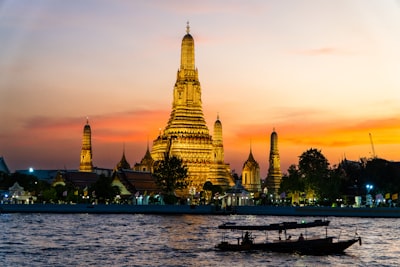
- Wat Arun (Temple of Dawn): Located on the west bank of the Chao Phraya River, this iconic temple, adorned with intricate ceramic and porcelain mosaics, sparkles majestically, especially at sunrise or sunset. Its central prang (tower) is a stunning example of Khmer-style architecture.
- Wat Pho (Temple of the Reclining Buddha): Home to the colossal 46-meter-long Reclining Buddha, Wat Pho is not only one of Bangkok's oldest and largest temples but also considered the birthplace of traditional Thai massage. Take time to explore its beautiful grounds and courtyards.
These sacred sites offer a profound glimpse into Thai culture and spirituality, providing moments of serene reflection amidst the city's hustle.
A Food Lover's Paradise
Bangkok's culinary scene is legendary, a gastronomic adventure that ranges from humble street stalls to Michelin-starred restaurants. The city is truly a paradise for foodies.
- Street Food Culture: The backbone of Bangkok's dining experience, street food is ubiquitous, affordable, and incredibly delicious. Wander through any neighborhood and you'll find vendors grilling satay, stirring fragrant curries, frying up crispy spring rolls, and dishing out bowls of tantalizing noodle soup. Don't miss Pad Thai, Mango Sticky Rice, Tom Yum Goong (spicy shrimp soup), and various curries.
- Market Delights: Night markets like Jodd Fairs or the famous Or Tor Kor Market offer an explosion of flavors and aromas, allowing you to sample a wide variety of local dishes in one go.
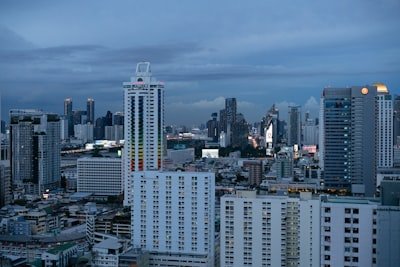
- Fine Dining and Rooftop Restaurants: For those seeking a more upscale experience, Bangkok boasts an impressive array of world-class restaurants, many offering innovative takes on Thai cuisine or international fare. Rooftop restaurants provide not just exquisite food but also unparalleled panoramic views of the city skyline.
- Cooking Classes: Immerse yourself deeper into Thai culinary traditions by taking a cooking class, where you can learn to prepare your favorite dishes from scratch.
Unforgettable Nightlife
As the sun sets, Bangkok transforms into a glittering playground. The city's nightlife is as diverse as its daytime offerings, catering to every mood and preference.
- Rooftop Bars: Experience the glamour of Bangkok from above at one of its many spectacular rooftop bars. Iconic spots like Sky Bar at Lebua (famous from "The Hangover Part II") or Octave Rooftop Bar offer breathtaking views and sophisticated cocktails.
- Khao San Road: The legendary backpacker hub, Khao San Road is a vibrant, chaotic street brimming with street vendors, lively bars, music, and an undeniable party atmosphere that lasts until the early hours.
- Night Markets: Beyond food, night markets like Asiatique The Riverfront combine shopping, dining, and entertainment, creating a lively evening out for all ages.
- Live Music Venues and Clubs: From jazz clubs to booming EDM venues, Bangkok's music scene is diverse and thriving, offering plenty of options for dancing the night away.
Shopping Extravaganza
Whether you're hunting for designer brands, unique local crafts, or quirky souvenirs, Bangkok is a shopper's dream.
- Chatuchak Weekend Market: One of the world's largest weekend markets, Chatuchak is a sprawling maze of over 15,000 stalls selling everything imaginable – clothing, accessories, antiques, handicrafts, pets, plants, and an incredible variety of food. It's an experience in itself.
- Modern Malls: Bangkok's luxurious, air-conditioned shopping malls like Siam Paragon, MBK Center, CentralWorld, and the magnificent ICONSIAM offer international brands, cinemas, food courts, and entertainment complexes.
- Local Markets and Boutiques: Explore smaller markets like Pak Klong Talad (Flower Market) or discover independent boutiques in areas like Ari for unique finds.
Wellness and Relaxation
Amidst the urban bustle, Bangkok also offers ample opportunities for relaxation and rejuvenation.
- Thai Massage: Indulge in a traditional Thai massage, a therapeutic experience combining acupressure, Indian ayurvedic principles, and assisted yoga postures. You'll find everything from budget-friendly street-side massage parlors to luxurious spa retreats.
- Spas and Wellness Centers: Many high-end hotels and dedicated wellness centers offer comprehensive spa treatments, including herbal compresses, aromatherapy, and beauty services.
- Lumpini Park: Escape the concrete jungle at Lumpini Park, Bangkok's green lung, where you can jog, cycle, practice tai chi, or simply relax by the lake and watch monitor lizards basking in the sun.
Navigating Bangkok: Essential Practical Information
Getting around a sprawling metropolis like Bangkok can seem daunting, but with the right information, you'll be zipping between attractions like a local. Connectivity, both physical and digital, is key to a smooth trip.
Best SIM Card in Thailand for Tourists
Staying connected in Bangkok is incredibly easy and affordable. Having local data allows you to use navigation apps, translate, stay in touch, and share your adventures instantly.
- Major Providers: Thailand has three main mobile network operators:
- AIS (Advanced Info Service): Widely considered to have the best coverage and fastest speeds, especially outside major cities.
- TrueMove H: A strong competitor with good coverage and often competitive tourist packages.
- dtac: Also offers good service, particularly in urban areas.
- Tourist SIM Card Packages: All three providers offer dedicated "Tourist SIM" packages tailored for visitors. These typically include:
- A certain amount of high-speed data (e.g., 8GB, 15GB, unlimited data at reduced speed after cap).
- Free Wi-Fi access at public hotspots.
- Validity periods usually range from 8 to 30 days, perfect for most tourist stays.
- Airports: The most convenient place to buy a SIM card upon arrival. You'll find booths for AIS, TrueMove H, and dtac right after customs at Suvarnabhumi (BKK) and Don Mueang (DMK) airports. Staff will help you choose a plan and set it up.
- Convenience Stores: 7-Eleven and FamilyMart stores sell basic SIM cards, but you might need to top up or activate specific tourist packages yourself.
- Official Stores: If you're staying longer or need more specific plans, visit an official store of AIS, TrueMove H, or dtac in major shopping malls (e.g., MBK, Siam Paragon).
- Activation Process: You will need your passport for registration, as required by Thai law. The staff at airport booths will handle the entire process for you.
- eSIM Options: For travelers with compatible phones (newer iPhone, Google Pixel, Samsung Galaxy models), eSIMs are becoming increasingly popular. You can purchase these online before your trip from providers like Airalo, Nomad, or Holafly. This allows you to have data as soon as you land without swapping physical SIMs. While convenient, check specific plans for local call capabilities if needed.
- Cost Estimates: An 8-day tourist SIM with generous data typically costs around 299-499 THB (approx. $8-14 USD). Longer validity or higher data plans will be slightly more.
- Keep your old SIM card somewhere safe.
- Check if your phone is unlocked before you travel.
- Download offline maps (e.g., Google Maps) beforehand, but having live data is invaluable for real-time traffic and public transport updates.
Public Transport in Bangkok
Bangkok's public transport system is extensive and continually improving, offering efficient ways to navigate the city, often bypassing notorious traffic jams.
BTS Skytrain
The BTS Skytrain is Bangkok's elevated rail system, known for its cleanliness, efficiency, and air-conditioned comfort. It's ideal for reaching many shopping malls, hotels, and entertainment areas.
- Lines: Comprises two main lines: the Sukhumvit Line (light green) and the Silom Line (dark green), which intersect at Siam station, a major interchange.
- Ticketing: You can buy single-journey tickets from vending machines (which accept coins and some newer ones accept notes) or at ticket counters. For convenience, consider a Rabbit Card, a reloadable smart card perfect for multiple journeys, saving you time at ticket queues.
- Pros: Fast, avoids traffic, offers great views, easy to understand.
- Cons: Doesn't cover all parts of the city, can get crowded during peak hours.
MRT Subway
The MRT is Bangkok's underground metro system, offering similar benefits to the BTS. It connects to the BTS at several stations (e.g., Sukhumvit/Asok, Silom/Sala Daeng, Chatuchak Park/Mo Chit) and provides access to areas like Chinatown (Wat Mangkon station), Hua Lamphong train station, and the Chatuchak Weekend Market.
- Lines: Currently has two operational lines useful for tourists: the Blue Line and the Purple Line. The Blue Line forms a loop around the city's inner core.
- Ticketing: Similar to BTS, single-journey tokens are available, or you can purchase an MRT Plus card for easier travel.
- Pros: Also fast, efficient, air-conditioned, and crucial for reaching areas not covered by BTS.
- Cons: Fewer lines than BTS, though expanding.
Chao Phraya Express Boat
For riverside attractions, the Chao Phraya Express Boat is both a practical mode of transport and a scenic experience. It cruises along the Chao Phraya River, connecting iconic sites like Wat Arun, Wat Pho, the Grand Palace, and Asiatique.
- Boat Types: Different flags indicate different routes and stopping patterns (e.g., Orange Flag is popular for tourists, stopping at most major piers; Blue Flag is the dedicated Tourist Boat with onboard commentary and fewer stops).
- Ticketing: Pay onboard to a collector who comes around, or at the pier ticket booth. Tourist Boats often have a fixed day pass option.
- Pros: Avoids road traffic, offers unique perspectives of the city, very affordable.
- Cons: Can be crowded, especially during rush hour; limited to riverside locations.
Buses
Bangkok has an extensive bus network, making it the cheapest way to travel. However, it can be confusing for tourists due to the sheer number of routes, lack of English signage, and traffic.
- Types: Ranges from old, non-air-conditioned red buses (very cheap, a few baht) to modern, air-conditioned blue or white buses (slightly more expensive, 10-25 THB).
- How to Use: Google Maps is invaluable for identifying bus routes and stops. You pay a conductor onboard.
- Pros: Extremely cheap, covers virtually every part of the city.
- Cons: Slow due to traffic, confusing routes, limited English information.
Tuk-Tuks
These iconic three-wheeled open-air vehicles offer a quintessential Bangkok experience. They're fun, breezy, and can weave through traffic.
- Key Tip: Always negotiate the fare *before* you get in. There are no meters. A good starting point for negotiation is often half the initial quoted price.
- Beware of Scams: Be wary of tuk-tuk drivers offering unusually cheap fares or claiming attractions are closed, often trying to take you to gem shops or tailor shops where they earn commission. Stick to direct routes to your desired destination.
- Pros: Iconic experience, good for short distances, can be exhilarating.
- Cons: Can be overpriced if you don't negotiate, exposed to exhaust fumes, some drivers try to scam tourists.
Taxis
Metered taxis are plentiful and generally comfortable, especially for longer distances or when traveling with luggage.
- Key Tip: Always insist the driver uses the meter ("cap meter mai?"). If a driver refuses, find another. Metered fares are almost always cheaper than negotiated flat rates.
- Ride-Hailing Apps: Grab and Bolt are extremely popular and often recommended for tourists. They offer upfront pricing, cashless payment options, and GPS tracking, eliminating the need for negotiation or worrying about meters.
- Pros: Air-conditioned, comfortable, convenient, good for groups or luggage.
- Cons: Can get stuck in heavy traffic, some drivers may refuse meters or try to overcharge.
Motorbike Taxis
For short distances or when you need to get somewhere quickly through traffic, motorbike taxis (drivers wearing colored vests) are an option.
- Key Tip: Agree on the fare beforehand.
- Safety: While quick, they can be risky, especially for unfamiliar tourists. Helmets are usually provided for the passenger, but not always.
- Pros: Very fast for short distances, especially in traffic.
- Cons: Higher risk of accidents, less comfortable, not suitable for luggage.
Car Rental / Bike Rental Options in Bangkok
While rental cars and motorbikes are available, their suitability for navigating Bangkok depends heavily on your experience and travel plans.
Car Rental
- When it Makes Sense: Renting a car is generally not recommended for getting around within central Bangkok due to heavy traffic, complex one-way systems, and challenging parking. It makes more sense if you plan extensive day trips outside the city (e.g., to Ayutthaya, Kanchanaburi) or if you are traveling with a family and a lot of luggage.
- Requirements: You will need an International Driving Permit (IDP) along with your home country's driving license. Most rental companies require drivers to be at least 21 or 23 years old.
- Companies: Major international rental companies like Avis, Hertz, Budget, and Sixt operate in Bangkok, along with local providers. Booking in advance, especially during peak season, is advisable.
- Traffic and Parking: Be prepared for significant traffic delays. Parking can be found in shopping malls and dedicated parking structures, but it can be expensive or limited in certain areas.
- Insurance: Always opt for comprehensive insurance coverage.
Bike Rental (Motorbike/Scooter)
- General Recommendation: Renting a motorbike or scooter is generally not recommended for tourists within Bangkok city center. The traffic is incredibly dense, fast-paced, and often chaotic. Accidents involving tourists on motorbikes are common.
- When it Might Be Considered: If you are an experienced rider and are staying in a quieter, more suburban area of Bangkok, or planning to ride on less congested roads for specific local exploration. However, even then, extreme caution is advised.
- Requirements: You must have an International Driving Permit (IDP) that specifically includes a motorbike endorsement. Riding without the proper license and endorsement is illegal and can lead to fines and invalidate your travel insurance in case of an accident.
- Safety: Helmets are legally required for both driver and passenger. Always wear one.
- Rental Process: Many guesthouses or smaller rental shops offer motorbikes. Expect to pay a deposit and leave a copy of your passport (never the original). Inspect the bike thoroughly for existing damage and take photos before renting.
- Cost: Rental typically ranges from 200-500 THB per day, depending on the bike size and rental duration.
- Insurance: Most rental shops offer only basic third-party insurance, if any. Ensure your travel insurance covers motorbike accidents, and carefully read its terms and conditions regarding license requirements.
Bicycle Rental
- Limited Use in City Center: Similar to motorbikes, cycling in central Bangkok can be challenging due to heavy traffic and lack of dedicated cycling lanes.
- Best Use Cases: Bicycles are great for exploring specific areas like Lumpini Park, Bang Krachao (Bangkok's "Green Lung"), or for short distances in quieter neighborhoods.
- Availability: Some hotels offer complimentary bicycles, or you can find rental shops near parks or popular cycling routes.
Airport to City Transport Guide
Bangkok is served by two major international airports: Suvarnabhumi Airport (BKK) and Don Mueang Airport (DMK). Knowing your arrival airport is crucial for planning your transfer to the city.
Suvarnabhumi Airport (BKK)
BKK is Bangkok's primary international gateway, located about 30 km east of the city center.
- City Line: The most convenient and economical option. It runs from Suvarnabhumi Station directly into the city, connecting to the BTS Skytrain at Phaya Thai station and the MRT subway at Makkasan station (via a short walk to Phetchaburi MRT). Takes approximately 25-30 minutes to Phaya Thai. Cost: 15-45 THB depending on distance. Operates from 6 AM to midnight.
- Express Line (Currently merged with City Line or not in operation as a separate express): Historically, there was an express option, but most services now run as the City Line, stopping at all stations.
- Public Taxi Stand: Head to the official Public Taxi stand on Level 1 (one floor below arrivals). Take a queue number from the machine, which will direct you to a specific bay. Insist the driver uses the meter. The fare to central Bangkok typically ranges from 250-400 THB, plus a 50 THB airport surcharge and expressway tolls (approx. 75 THB total for tolls).
- Ride-Hailing Apps (Grab/Bolt): Book through the app upon arrival. They have designated pick-up points (often on Level 2 or Level 4 for Grab). The price is fixed upfront, which can be reassuring. Cost is comparable to a metered taxi with tolls and surcharge, sometimes slightly higher.
- Airport Limousine/Private Transfer: Several companies offer pre-booked private cars or luxury limousines. More expensive but offers comfort and direct transfer to your hotel.
- Public Bus: Cheapest option but slowest and most complex. Only recommended if you are on a very tight budget and know your route well. Air-conditioned routes like 551 (to Victory Monument) or 552 (to On Nut BTS) are available.
Don Mueang Airport (DMK)
DMK primarily serves low-cost carriers and domestic flights, located about 24 km north of the city center.
- Airport Limousine Bus (A-Bus): The most popular and convenient option. Air-conditioned buses run directly to various city hubs:
- A1 Bus: To BTS Mo Chit station and MRT Chatuchak Park (approx. 30 minutes, 30 THB).
- A2 Bus: To BTS Victory Monument (approx. 45 minutes, 30 THB).
- A3 Bus: To Lumphini Park, passing through Pratunam and Ratchadamri (approx. 1 hour, 50 THB).
- A4 Bus: To Khao San Road and Sanam Luang (approx. 1 hour, 50 THB).
- Public Taxi Stand: Located outside the arrivals hall. Queue for a taxi, and similar to BKK, insist on the meter. Fare to central Bangkok typically 200-350 THB, plus 50 THB airport surcharge and expressway tolls.
- Ride-Hailing Apps (Grab/Bolt): Readily available. Book from the app for fixed pricing and designated pick-up points.
- Train: A local train runs from Don Mueang station (a short walk from the airport terminals) to Hua Lamphong train station. It's the cheapest but slowest option, taking over an hour and often crowded. Not recommended with luggage.
Budget Transport Tips
Traveling in Bangkok doesn't have to break the bank. Here's how to keep your transport costs down:
1.
Utilize BTS and MRT: For efficiency and cost-effectiveness, prioritize the Skytrain and Subway for most of your inner-city travel. They are air-conditioned, avoid traffic, and relatively affordable. Consider purchasing a Rabbit Card (BTS) or MRT Plus card if you plan on frequent use.
2.
Embrace the Chao Phraya Express Boat: For sights along the river, this is the most scenic and budget-friendly option. An orange-flag boat ride is incredibly cheap and offers fantastic views.
3.
Local Buses (with caution): If you're adventurous and patient, local, non-air-conditioned buses are incredibly cheap (a few baht). Use Google Maps to figure out routes, but be prepared for a slower journey and limited English.
4.
Walk When Possible: Bangkok is a huge city, but many districts (e.g., within Rattanakosin for temples, or around Siam for malls) are walkable. Wear comfortable shoes and stay hydrated.
5.
Use Grab/Bolt for Taxis: If you prefer taxis, using ride-hailing apps like Grab or Bolt often provides more transparent and fair pricing than hailing a street taxi, especially during peak hours or when drivers might try to overcharge tourists. Compare prices between GrabCar and GrabTaxi options.
6.
Avoid Peak Hour Taxis/Tuk-Tuks: During rush hours (roughly 7-9 AM and 4-7 PM), traffic can be excruciating. Taking a metered taxi or tuk-tuk during these times will be costly (as the meter runs even when stuck) and time-consuming. Opt for BTS/MRT instead.
7.
Negotiate Tuk-Tuk Fares Wisely: If you want the tuk-tuk experience, always negotiate. Aim for a price that feels reasonable to you, perhaps slightly higher than a metered taxi but less than the driver's initial offer. If they don't budge, try another.
8.
Combine Transport Modes: Often, the best way to reach a destination is a combination – for example, BTS to a station, then a short walk, or a short Grab ride from the station to your final spot.
Top Attractions and Experiences in Bangkok
Beyond the initial cultural immersion, Bangkok offers an endless list of things to see and do.
Cultural Landmarks
- Grand Palace & Wat Phra Kaew: The most significant and visually stunning complex, demanding a good half-day to explore.
- Wat Arun (Temple of Dawn): Best viewed from across the river, especially at sunset, or ascend its central prang for views.
- Wat Pho (Reclining Buddha): Marvel at the golden giant and explore the temple grounds.
- Erawan Shrine: A bustling Hindu shrine in the heart of the city, where devotees offer prayers, incense, and floral garlands, often accompanied by traditional Thai dancers.
- Jim Thompson House: A fascinating museum showcasing the traditional Thai house of an American entrepreneur who revived the Thai silk industry and mysteriously disappeared.
Markets Galore
- Chatuchak Weekend Market: An absolute must-do for any first-time visitor, but be prepared for crowds and heat. Go early.
- Jodd Fairs (Night Market): A popular modern night market offering trendy food stalls, fashion, and live music, replacing the old Rot Fai Market.
- Damnoen Saduak Floating Market (Day Trip): A classic tourist experience, although very busy. Hire a longtail boat to weave through vendors selling goods from their boats.
- Maeklong Railway Market (Day Trip): Witness the unique sight of vendors packing up their stalls in seconds as a train passes directly through the market, then setting them up again just as quickly. Often combined with a floating market trip.
Modern Marvels and Entertainment
- ICONSIAM: A magnificent luxury mall on the Chao Phraya River, featuring high-end brands, a stunning indoor floating market, a vast food court, and an impressive evening fountain show.
- SEA LIFE Bangkok Ocean World: Located under Siam Paragon, one of Southeast Asia's largest aquariums.
- Mahanakhon SkyWalk: Ascend Thailand's highest observation deck, featuring a thrilling glass tray at 314 meters (1,030 ft) with panoramic city views.
- Muay Thai Fights: Catch a live Muay Thai (Thai boxing) match at Lumpinee Boxing Stadium or Rajadamnern Boxing Stadium for an electrifying cultural and sporting experience.
- Chao Phraya Dinner Cruise: Enjoy a luxurious dinner while cruising along the river, admiring illuminated temples and landmarks.
Relaxation and Retreats
- Lumpini Park: A peaceful oasis for a walk, jog, or simply people-watching.
- Thai Massage & Spas: Indulge in traditional Thai massage or a full spa day at one of the city's many reputable establishments.
- Rooftop Bars: Wind down your day with a cocktail and stunning city views.
Best Time to Visit Bangkok
Bangkok experiences a tropical monsoon climate with three distinct seasons:
- Cool and Dry Season (November to February): This is generally considered the best time to visit, with pleasant temperatures (around 20-30°C/68-86°F) and low humidity. Ideal for sightseeing, but also peak tourist season, meaning higher prices and larger crowds.
- Hot Season (March to May): Temperatures soar, often reaching over 35°C (95°F) with high humidity. Less crowded than the cool season, but intense heat can make daytime exploration challenging. Songkran (Thai New Year) in mid-April brings widespread water festivities but also extreme heat.
- Rainy Season (June to October): Characterized by frequent, heavy, but usually short-lived downpours, often in the late afternoon. Temperatures are still warm. While rain can disrupt plans, it also brings lush greenery, fewer tourists, and can lead to lower prices. The downpours often clear quickly, leaving cooler air.
Recommendation: For most visitors, the cool and dry season (November-February) offers the most comfortable conditions. If you don't mind the heat, the hot season can be rewarding with fewer crowds, and the rainy season provides a unique, greener perspective if you're prepared for showers.
Where to Stay in Bangkok
Bangkok offers a vast array of accommodation options, from luxury resorts to budget hostels, each neighborhood offering a different vibe and proximity to attractions.
- Sukhumvit: One of the most popular areas for tourists, known for its excellent transport links (BTS Skytrain runs along Sukhumvit Road), vibrant nightlife, diverse dining options, and shopping malls. Good for first-timers, business travelers, and those who enjoy a lively atmosphere.
- Siam: The heart of Bangkok's shopping district, home to mega-malls like Siam Paragon, CentralWorld, and MBK. Excellent BTS connectivity. Ideal for shoppers, families, and those who want to be in the absolute center of action.
- Riverside (Chao Phraya River): Offers luxurious hotels with stunning river views, providing a more tranquil and romantic experience. Close to historical sites like the Grand Palace and Wat Arun, easily accessible via the Chao Phraya Express Boat. Perfect for those seeking luxury, culture, and scenic beauty.
- Silom: Bangkok's financial district, which transforms into a bustling nightlife hub after dark. Good transport links (BTS and MRT). Offers a mix of business hotels, upscale dining, and vibrant gay nightlife.
- Old City (Rattanakosin): Where most of Bangkok's historical and cultural gems (Grand Palace, Wat Pho, Wat Arun) are located. Features charming boutique hotels and guesthouses. Less connected by BTS/MRT, so rely on taxis, tuk-tuks, or river boats. Ideal for culture enthusiasts and those who prefer a more traditional ambiance.
- Khao San Road Area: The legendary backpacker haven, known for its lively party scene, budget accommodations, street food, and souvenir stalls. Great for backpackers, young travelers, and those looking for a vibrant, social atmosphere on a budget.
Essential Travel Tips for Bangkok
To ensure a smooth and enjoyable trip, keep these practical tips in mind:
- Visa Requirements: Check Thailand's visa requirements for your nationality well in advance of your trip. Many nationalities can enter visa-free for 30 days.
- Currency: The local currency is the Thai Baht (THB). ATMs are widely available, and credit cards are accepted in major hotels, restaurants, and malls, but cash is essential for street food, markets, and smaller shops.
- Language: The official language is Thai. English is widely spoken in tourist areas, hotels, and major attractions. Learning a few basic Thai phrases (e.g., "Sawasdee krap/ka" for hello, "Khop Khun krap/ka" for thank you) will go a long way.
- Respect the Monarchy: It is deeply revered; never criticize or show disrespect.
- Head and Feet: The head is considered the most sacred part of the body, and the feet the lowest. Never touch someone's head or point your feet at anyone or a Buddha image.
- Dress Code for Temples: Always dress modestly when visiting temples – cover your shoulders, chest, and knees. Remove your shoes before entering temple buildings.
- Wai: The traditional Thai greeting (a prayer-like gesture) is highly respected.
- Safety: Bangkok is generally safe for tourists. However, be aware of petty crime (pickpocketing in crowded areas), traffic, and common scams (e.g., the "gem scam" where touts try to convince you to buy overpriced jewelry). Always use common sense, especially at night.
- Food Hygiene: Be cautious with street food, but don't be afraid to try it. Look for stalls with high turnover and locals eating there.
- Hydration: Drink plenty of bottled water (tap water is not safe to drink).
- Sun Protection: The sun is strong; wear sunscreen, a hat, and sunglasses.
- Mosquito Repellent: Especially important during the rainy season.
- Connectivity: Free Wi-Fi is common in hotels, cafes, and malls. A local SIM card (as detailed above) is highly recommended for constant connectivity.
- What to Pack: Light, breathable clothing (cotton, linen) is best due to the tropical climate. Comfortable walking shoes are a must. Don't forget a universal adapter, a portable charger, and possibly a light rain jacket if visiting during the rainy season.
Frequently Asked Questions (FAQ)
Is Bangkok safe for tourists?
Yes, Bangkok is generally very safe for tourists. Violent crime against tourists is rare. However, like any major city, petty crime such as pickpocketing can occur in crowded areas like markets or on public transport. Be mindful of your belongings, especially at night. Also, be aware of common scams, particularly involving tuk-tuk drivers trying to take you to shops you don't want to visit. Always use common sense and stay vigilant.
What's the best way to get around Bangkok?
The best way to get around Bangkok is often a combination of methods. The
BTS Skytrain and
MRT Subway are excellent for fast, air-conditioned travel, avoiding traffic. For riverside attractions, the
Chao Phraya Express Boat is both scenic and efficient.
Grab and
Bolt (ride-hailing apps) are highly recommended for taxis as they offer upfront pricing and GPS tracking. For short distances or the unique experience, take a
tuk-tuk but always negotiate the fare beforehand.
How many days do I need in Bangkok?
To experience the highlights of Bangkok without feeling rushed,
3 to 5 full days is generally recommended for a first-time visitor. This allows you to explore the main temples, markets, enjoy the food scene, experience the nightlife, and potentially take a day trip to places like Ayutthaya or the floating markets. You could easily spend a week or more exploring deeper if you have the time.
What should I wear when visiting temples?
When visiting temples in Bangkok, it's essential to dress modestly out of respect. Both men and women should
cover their shoulders, chest, and knees. This means no tank tops, spaghetti straps, short shorts, or mini-skirts. Some temples may also require you to remove your shoes before entering certain buildings. It's a good idea to carry a light scarf or sarong to cover up if you're wearing something revealing.
Is tap water safe to drink in Bangkok?
No,
tap water is generally not safe to drink in Bangkok. Always drink bottled water, which is readily available and inexpensive. Most hotels provide complimentary bottled water daily, and you can buy it from any convenience store.
Can I use credit cards everywhere?
Credit cards are widely accepted in major hotels, large shopping malls, upscale restaurants, and supermarkets. However, for street food, local markets, smaller shops, tuk-tuks, taxis (unless using Grab/Bolt), and many small eateries,
cash (Thai Baht) is essential. It's always wise to carry a good amount of small denominations (20, 50, 100 baht notes).
Do people speak English in Bangkok?
In major tourist areas, hotels, larger restaurants, and shopping malls, you will generally find staff who speak a decent level of English. However, outside of these areas, or with street vendors and taxi drivers, English proficiency can be limited. Learning a few basic Thai phrases will be appreciated, and using translation apps on your phone can be very helpful.
What are some common scams to watch out for?
Be aware of the "gem scam" (where touts tell you a major attraction is closed and try to take you to a gem shop), tuk-tuk drivers overcharging or taking you to tailor/jewelry shops for commission, and fake police scams. Always insist on metered taxis or use ride-hailing apps, ignore touts, and if something sounds too good to be true, it probably is. Also, be careful with your belongings in crowded areas to avoid pickpocketing.
Conclusion
Bangkok is more than just a city; it's an experience that awakens all your senses. From the awe-inspiring grandeur of its ancient temples to the tantalizing aromas of its legendary street food, the pulsating rhythm of its nightlife, and the endless buzz of its markets, Thailand's capital offers an adventure like no other.
With this detailed guide, you're now equipped with the knowledge to navigate its vibrant streets, connect seamlessly, travel efficiently on any budget, and immerse yourself in its rich culture. So pack your bags, prepare for an unforgettable journey, and get ready to discover why Bangkok truly is one of the world's best travel destinations. Your Bangkok adventure awaits!