Vancouver Food Guide 2026 – Complete Canada Travel Guide
Vancouver: A Gastronomic Odyssey Through the Pacific Northwest
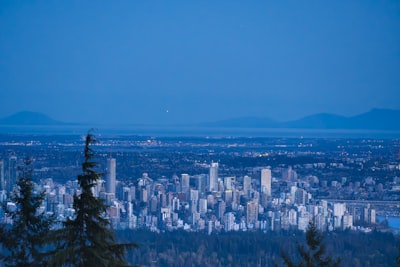
Nestled between majestic mountains and the sparkling Pacific Ocean, Vancouver, British Columbia, is much more than just a city of breathtaking vistas. It's a vibrant mosaic of cultures, a hub of innovation, and, perhaps most notably, a world-class culinary destination. From the freshest seafood plucked from local waters to an astounding array of authentic international cuisines, and a burgeoning farm-to-table movement, Vancouver offers an unforgettable journey for the taste buds. Imagine starting your day with artisanal coffee and a freshly baked pastry, moving to a vibrant dim sum feast for lunch, and capping off the evening with exquisite West Coast seafood, all while surrounded by stunning natural beauty. This article is your ultimate guide to unlocking Vancouver's culinary secrets, spiced with practical advice on navigating the city, staying connected, and making the most of your adventure. Get ready to embark on a delicious exploration of a city that truly eats with its heart.
Vancouver's Culinary Canvas: A World on Your Plate
Vancouver's food scene is a testament to its diverse population and its unique geographical position. Blessed with access to the Pacific Ocean, fertile Fraser Valley farmlands, and a rich tapestry of immigrant communities, the city has cultivated a dynamic and ever-evolving culinary landscape. Here, you'll find everything from Michelin-starred fine dining establishments to bustling food trucks, quaint cafes, and lively public markets. The emphasis is often on fresh, local, and seasonal ingredients, reflecting a deep appreciation for the region's natural bounty. With a strong Asian influence, particularly from China, Japan, Korea, and Vietnam, Vancouver proudly boasts some of the most authentic and innovative Asian cuisine outside of Asia itself. Beyond that, a strong commitment to sustainability and health-conscious eating permeates many local establishments, ensuring there's something for every palate and dietary preference.
Must-Try Food Experiences in Vancouver
To truly understand Vancouver's culinary soul, you must dive into its signature offerings. Here’s a guide to the unmissable food experiences that define this city.
Fresh Seafood Galore
Given its prime coastal location, it’s no surprise that seafood reigns supreme in Vancouver. The city is a paradise for anyone who loves the ocean’s bounty, offering an incredible variety of fresh, sustainably sourced fish and shellfish.
- Pacific Salmon: Whether grilled, smoked, baked, or served as sashimi, Pacific salmon is a true Vancouver icon. You'll find it on menus everywhere, from casual eateries to upscale dining. Look for wild-caught varieties, especially Sockeye, Coho, and Chinook, for the best flavour. Many restaurants pride themselves on serving salmon caught fresh from local waters.
- Spot Prawns: If you visit between May and June, you are in for a rare treat: BC spot prawns. These sweet, succulent crustaceans are highly prized and only available for a short season. Locals eagerly await their arrival, often buying them live directly from fishermen at Steveston Harbour or enjoying them expertly prepared in top restaurants.
- Oysters: British Columbia is renowned for its oyster farms, producing a diverse range of oysters with unique flavour profiles, from briny and metallic to sweet and creamy. Enjoy them raw on the half-shell with mignonette, or try them grilled or fried. Many Vancouver restaurants feature an impressive oyster selection, often with daily specials.
- Sushi: Vancouver’s sushi scene is legendary, often rivaling that of Japan itself. Thanks to the abundance of fresh, high-quality seafood and a large Japanese-Canadian community, you'll find an incredible range of sushi options. From traditional nigiri and sashimi to innovative rolls, the city offers everything from budget-friendly takeout spots to exquisite omakase experiences. Popular spots are scattered across the city, particularly in downtown and Kitsilano.
- Fish & Chips: A classic comfort food, Vancouver’s take on fish and chips often features perfectly battered and fried Pacific cod or halibut, served with crispy fries and tangy tartar sauce. It’s the perfect casual meal, especially after a stroll along the waterfront.
*Where to try:* Granville Island Public Market for fresh catches and casual eats, Miku for Aburi (flame-seared) sushi, Blue Water Cafe for high-end seafood, Fanny Bay Oyster Bar & Shellfish Market for oysters.
Asian Fusion Wonderland
Vancouver's rich multicultural tapestry, particularly its significant Asian population, has created one of the most vibrant and authentic Asian food scenes outside of Asia. The city excels not just in one cuisine but in a remarkable array of regional dishes.
- Dim Sum: A quintessential Vancouver experience, particularly in the city of Richmond (just south of Vancouver), which boasts a vast number of authentic Cantonese restaurants. Gather with friends and family to enjoy a seemingly endless parade of delectable small plates, from steaming har gow (shrimp dumplings) and siu mai (pork and shrimp dumplings) to baked char siu bao (BBQ pork buns) and delicate rice noodle rolls. It's a culinary ritual not to be missed.
- Ramen: Vancouverites are serious about their ramen, and the city offers a diverse range of styles, from rich tonkotsu to lighter shio and spicy tantan. Many renowned Japanese ramen chains have established outposts here, alongside independent local gems. Robson Street, in particular, is a ramen hotspot.
- Bubble Tea: A beloved beverage, bubble tea (also known as boba) shops are ubiquitous in Vancouver. You'll find a vast selection of tea bases, milk options, fruit flavours, and toppings, with new creations constantly emerging. It’s a refreshing and fun treat.
- Korean BBQ: Experience the interactive fun of grilling your own marinated meats at the table, surrounded by an array of banchan (side dishes). Vancouver's Korean BBQ restaurants offer a fantastic social dining experience with delicious food.
- Vietnamese Pho: Comforting and aromatic, a steaming bowl of pho is a popular choice, especially on a chilly Vancouver day. The city has numerous excellent Vietnamese restaurants serving up this iconic noodle soup with tender beef or chicken, fresh herbs, and a flavourful broth.
*Where to try:* Dinesty Dumpling House or Kirin for Dim Sum, Marutama Ra-men or Kintaro Ramen for ramen, various independent bubble tea shops on Robson Street and throughout Richmond.
Farm-to-Table & West Coast Cuisine
Vancouver has embraced the farm-to-table philosophy, with many chefs showcasing the incredible bounty of British Columbia's farms and waters. West Coast cuisine is characterized by its emphasis on fresh, seasonal, and often organic ingredients, presented with a modern, innovative flair.
- Seasonal Delights: Expect menus to change frequently, reflecting what's freshest from local growers. This could mean spring asparagus, summer berries, autumn squash, or winter root vegetables, all incorporated into inventive dishes.
- Modern Canadian Dishes: Chefs here often reinterpret classic Canadian ingredients and dishes through a contemporary lens, creating unique flavour combinations and elevated dining experiences.
- Brunch Culture: Vancouverites love their brunch. Weekends see cafes and restaurants buzzing with patrons enjoying everything from classic eggs benedict and fluffy pancakes to more adventurous, globally inspired brunch plates. The city's many charming neighbourhoods offer fantastic brunch spots.
*Where to try:* Fable Kitchen for a true farm-to-table experience, Hawksworth Restaurant for fine dining West Coast cuisine, Jam Cafe for a classic hearty brunch.
Global Flavors and Street Eats
Beyond its prominent seafood and Asian influences, Vancouver is a melting pot of global cuisines. The city's street food scene is also vibrant, offering quick and delicious bites.
- Food Trucks: Keep an eye out for Vancouver's diverse food truck scene, especially around downtown office buildings, Robson Square, and various festivals. From gourmet grilled cheese and artisan pizzas to ethnic fusion tacos and Asian-inspired bowls, food trucks offer a fantastic way to sample diverse flavours on the go. The annual Vancouver Food Truck Festival is a highlight.
- International Eateries: Explore neighbourhoods like Commercial Drive for Italian and East Van for an eclectic mix, or the Punjabi Market for authentic Indian cuisine. You’ll find high-quality Mexican, Mediterranean, Middle Eastern, and African restaurants throughout the city, reflecting its cosmopolitan nature.
*Where to try:* Visit the Vancouver Street Food Festival (when active), explore the vibrant dining scene along Commercial Drive, or venture to Punjabi Market for an authentic taste of India.
Sweet Treats and Coffee Culture
Vancouver has a thriving coffee culture and an impressive array of bakeries and dessert spots to satisfy any sweet tooth.
- Artisan Bakeries: From French-inspired patisseries to innovative donut shops, Vancouver’s bakeries offer tempting delights. Think flaky croissants, decadent cakes, sourdough breads, and creative donut flavours.
- Coffee Shops: The city takes its coffee seriously, with numerous independent roasters and cozy cafes providing excellent brews. It's a great place to relax, people-watch, or catch up on work.
- Ice Cream: Even in cooler weather, a scoop of artisan ice cream is a treat. Local creameries pride themselves on unique flavours made with high-quality, often local, ingredients.
*Where to try:* Cartems Donuts or Honey’s Doughnuts (Deep Cove) for unique donut creations, Small Victory Bakery or Purebread for artisanal baked goods, Earnest Ice Cream for inventive ice cream flavours.
Top Food Neighborhoods to Explore
Vancouver’s culinary scene is spread across distinct neighborhoods, each offering its own unique flavour and atmosphere.
Gastown: Historic Charm & Culinary Innovation
With its cobblestone streets, Victorian architecture, and iconic Steam Clock, Gastown is not just a visual treat but also a major culinary hot spot. It’s where history meets modernity, and this is reflected in its dining scene. You’ll find upscale restaurants offering innovative West Coast cuisine, trendy cocktail bars crafting bespoke drinks, and stylish cafes perfect for a morning coffee. Gastown is excellent for an elegant dinner out or a sophisticated evening of drinks.
Granville Island: A Foodie's Paradise
More than just an island, Granville Island is a vibrant peninsula accessible by ferry or bridge, famous for its bustling Public Market. This market is a true sensory experience, overflowing with fresh produce, artisanal cheeses, baked goods, gourmet meats, and an incredible array of ready-to-eat food stalls. Beyond the market, Granville Island hosts breweries, distilleries, and waterfront restaurants with stunning views. It's an ideal spot for a leisurely lunch, grazing on diverse foods, and picking up local culinary souvenirs.
Yaletown: Upscale Eats & Vibrant Patios
Once an industrial warehouse district, Yaletown has transformed into a chic, upscale neighbourhood characterized by converted brick buildings, trendy boutiques, and a lively restaurant scene. Known for its vibrant patios, Yaletown is a fantastic place for people-watching and enjoying modern, often fusion, cuisine. Waterfront dining options offer beautiful views of False Creek, making it a popular choice for dinner and drinks, especially on a warm evening.
Kitsilano: Healthy & Hip Eateries
Affectionately known as "Kits," this laid-back, beach-side neighbourhood embodies a healthy, active Vancouver lifestyle. Its food scene reflects this, with an abundance of organic cafes, juice bars, vegetarian and vegan-friendly restaurants, and casual eateries. Kitsilano is particularly renowned for its excellent brunch spots and cozy cafes, perfect for a relaxed meal before or after hitting the beach. You’ll also find some high-quality sushi and global cuisine here.
Richmond: The Ultimate Asian Food Mecca
Just a short SkyTrain ride south of Vancouver, the city of Richmond is arguably the most authentic Asian culinary destination in North America. With a predominantly Asian population, Richmond offers an unparalleled selection of Chinese (especially Cantonese), Taiwanese, Vietnamese, Korean, and Japanese restaurants. It’s the go-to place for exquisite dim sum, regional Chinese specialties, bustling night markets in the summer, and a truly immersive Asian food experience. Don't miss the famous "Dumpling Trail" for an epic culinary adventure.
Main Street: Eclectic Mix & Local Gems
Stretching from the Olympic Village area down to the Fraser River, Main Street offers a more eclectic and indie vibe compared to the polished downtown areas. This neighbourhood is a treasure trove of independent shops, vintage boutiques, and a diverse range of restaurants. You’ll find everything from cozy brunch spots and artisanal coffee shops to craft breweries, inventive international cuisine, and some of Vancouver's best ethnic eateries. It's a great area to explore for a taste of local, unpretentious, and often very creative food.
Practicalities for Your Vancouver Food Adventure
Navigating a new city can be daunting, but with the right information, your Vancouver culinary journey will be seamless and stress-free. Here's what you need to know about staying connected and getting around.
Best SIM Card in Canada for Tourists
Staying connected is crucial for navigation, finding restaurant reviews, and sharing your amazing food photos. Canada's mobile market is dominated by three major carriers: Rogers, Bell, and Telus. These "Big Three" offer the most extensive coverage, especially outside urban areas, but their plans can be on the pricier side.
- Major Carriers (The "Big Three"):
- Rogers: Offers a range of prepaid and postpaid plans. Good coverage.
- Bell: Similar to Rogers, with strong network coverage across Canada.
- Telus: Known for its extensive network, often sharing infrastructure with Bell.
- *Where to buy:* You can find stores for these carriers in major shopping malls, downtown Vancouver, and at Vancouver International Airport (YVR). Bring your passport and a credit card.
- Mid-Tier Carriers (MVNOs/Flanker Brands): These carriers operate on the Big Three's networks but often offer more affordable plans, sometimes with slightly less priority during peak network congestion.
- Fido (Rogers subsidiary): Popular for good value, often includes international texting.
- Koodo (Telus subsidiary): Known for flexible plans and good customer service.
- Virgin Plus (Bell subsidiary): Offers competitive plans with various perks.
- Freedom Mobile: Operates its own network primarily in urban centers like Vancouver, Toronto, and Calgary. Can be very cost-effective if you stay within its coverage area. Check coverage maps carefully if you plan to travel outside major cities.
- Public Mobile (Telus subsidiary): Online-only provider with very competitive prepaid plans. No physical stores, but SIM cards can be bought at partner retailers (e.g., London Drugs).
- Chatr (Rogers subsidiary): Focuses on budget-friendly, unlimited talk & text plans with data options.
- eSIM Options: For newer phones that support eSIM (electronic SIM), this is often the most convenient option for tourists. You can purchase and activate an eSIM plan online before you even arrive, avoiding the need for a physical SIM card.
- Airalo, Holafly, Nomad, GigSky: These global eSIM providers offer various data packages for Canada. They are great for data-only needs, but some also offer calling/texting options. Check their websites for current plans and compatibility with your device.
- Recommendations for Tourists:
- Short Trip (1-2 weeks), Data-focused: An eSIM from Airalo or Holafly is usually the easiest. Otherwise, a prepaid plan from Fido, Koodo, or Virgin Plus for a balance of cost and coverage.
- Longer Trip (3+ weeks) or extensive travel outside cities: Consider a prepaid plan from one of the Big Three (Rogers, Bell, Telus) for maximum coverage reliability, or a mid-tier like Fido/Koodo if staying mostly in cities.
- Budget-conscious, staying in Vancouver only: Freedom Mobile might offer the best value, but verify their coverage in your specific areas of interest. Public Mobile is also a strong contender if you're comfortable with online-only support.
- Where to Buy a Physical SIM Card:
- Vancouver International Airport (YVR): Bell, Telus, and Rogers often have kiosks or stores in the arrivals area, though prices might be slightly higher.
- Carrier Stores: Visit any Rogers, Bell, Telus, Fido, Koodo, or Virgin Plus store in downtown Vancouver or major shopping malls.
- Supermarkets/Electronics Stores: Retailers like 7-Eleven, London Drugs, Walmart, and Best Buy often sell SIM cards and top-up vouchers for various carriers.
- What to bring: Your unlocked phone, passport (for identification), and a credit card.
Public Transport in Vancouver
Vancouver boasts an excellent, efficient, and well-integrated public transportation system operated by TransLink. It consists of the SkyTrain (a fully automated light rapid transit system), SeaBus (passenger ferry), and an extensive bus network.
- The Compass Card: This is your best friend for using public transport. It's a reusable, reloadable smart card that makes traveling easy and often cheaper than single-use tickets.
- Where to buy: You can purchase a Compass Card at all SkyTrain stations (from vending machines), SeaBus terminals, London Drugs stores, and select other retailers.
- How it works: Load stored value (money) onto your card or purchase a DayPass. Tap your Compass Card when entering AND exiting a SkyTrain station or SeaBus terminal. For buses, tap only when entering. Failure to tap out on SkyTrain/SeaBus will result in a maximum 3-zone fare charge.
- Fares: Vancouver's system uses a zone-based fare structure for SkyTrain and SeaBus (1, 2, or 3 zones, depending on distance and time of day). Bus fares are always a 1-zone fare, regardless of distance.
- Single-Use Ticket: Available from vending machines, valid for 90 minutes. Slightly more expensive than using a Compass Card.
- DayPass: Offers unlimited travel on all TransLink services for one day across all zones. Excellent value if you plan to use public transport extensively. Purchase from Compass Card vending machines or some retailers.
- Stored Value: Load money onto your Compass Card. Fares are cheaper than single-use tickets.
- SkyTrain: The backbone of Vancouver's transit.
- Expo Line: Connects downtown Vancouver to Burnaby, New Westminster, and Surrey.
- Millennium Line: Connects Vancouver (via Broadway-City Hall station on the Canada Line) to Burnaby, Port Moody, and Coquitlam.
- Canada Line: Connects downtown Vancouver (Waterfront, Vancouver City Centre, Yaletown-Roundhouse stations) to Richmond and Vancouver International Airport (YVR). This is the fastest way to/from the airport.
- SeaBus: A scenic 12-minute passenger ferry connecting Waterfront Station (downtown Vancouver) to Lonsdale Quay (North Vancouver). It offers fantastic views of the city skyline.
- Buses: Extensive network covering all areas not served by SkyTrain or SeaBus. Many bus routes are frequent.
- Accessibility: TransLink is highly accessible, with elevators and ramps at SkyTrain stations and low-floor buses.
- Tips: Download the official TransLink app or use Google Maps for real-time bus tracking and route planning. Travel during off-peak hours (after 6:30 PM on weekdays and all day weekends/holidays) means all SkyTrain/SeaBus travel is charged at a 1-zone fare, regardless of zones crossed.
Car Rental / Bike Rental Options in Vancouver
While Vancouver's public transit is excellent for getting around the city center, sometimes a car or bike offers more flexibility for specific types of exploration.
Car Rental
- When it's useful: A car rental is generally not recommended for exploring downtown Vancouver due to heavy traffic, expensive parking, and excellent public transit. However, it becomes invaluable if you plan to:
- Take day trips outside the city (e.g., Whistler, Victoria, Fraser Valley wineries, Sea-to-Sky Gondola).
- Explore Richmond's vast array of Asian restaurants, especially those in strip malls that are less accessible by transit.
- Carry significant luggage or shopping.
- Major Companies: All major international car rental companies have a presence in Vancouver, including Hertz, Avis, Enterprise, Budget, National, Alamo, and Thrifty.
- Requirements: You'll typically need a valid driver's license (an International Driving Permit is recommended for non-English licenses), a major credit card in the driver's name, and be at least 21-25 years old (age requirements vary by company, and surcharges may apply for younger drivers).
- Pickup Locations: You can rent cars directly at Vancouver International Airport (YVR) or from various downtown locations.
- Parking: Be aware that parking in downtown Vancouver can be very expensive (hourly and daily rates) and challenging to find, especially during peak hours. Many hotels charge for parking.
Bike Rental
- Vancouver as a Bike City: Vancouver is incredibly bike-friendly, boasting an extensive network of dedicated bike lanes, greenways, and scenic paths like the famous Seawall. Cycling is an excellent way to see the city, especially its parks and waterfronts.
- Mobi by Shaw Go (Bike Share): Vancouver's public bike-share program is a convenient option for short rides.
- How it works: Download the Mobi app, purchase a pass (30-minute pass, Day Pass, or longer-term options), locate a bike at a docking station, unlock it, and return it to any available dock.
- Coverage: Primarily concentrated in the downtown core, West End, Kitsilano, and around False Creek.
- Independent Rental Shops: Numerous shops throughout the city offer various bike types for hourly, daily, or weekly rentals, including:
- Regular City Bikes: Perfect for cruising the Seawall or exploring Stanley Park.
- Electric Bikes: Great for those who want a bit of assistance, especially on inclines or for longer distances.
- Mountain Bikes: If you plan to hit the trails on the North Shore.
- Where to find them: Look around Gastown, the West End (near Stanley Park), and Kitsilano.
- Stanley Park Seawall: A magnificent 9 km (5.5 miles) loop around Stanley Park, offering stunning views of the city, mountains, and ocean. It's mostly flat and entirely separate from vehicle traffic.
- False Creek Seawall: Connects Granville Island, Yaletown, and Olympic Village, offering great urban views and access to many attractions.
Airport to City Transport Guide (Vancouver International Airport - YVR)
Vancouver International Airport (YVR) is conveniently located just south of downtown Vancouver, making city access quick and easy.
SkyTrain Canada Line
- Most Recommended Option: The Canada Line is the fastest, most economical, and most efficient way to get from YVR to downtown Vancouver.
- Location: The YVR-Airport SkyTrain station is directly accessible from both the International and Domestic terminals. Follow the signs upon arrival.
- Journey Time: Approximately 25-30 minutes to Waterfront Station (the final stop downtown).
- Cost: The standard SkyTrain fare applies, plus a $5 "YVR AddFare" for trips originating from the airport. This is automatically applied when you tap your Compass Card or purchase a single-use ticket from the airport station. If you have a DayPass, the AddFare is still applied.
- Downtown Stops: Key stations include Yaletown-Roundhouse, Vancouver City Centre (for Robson Street, Gastown, entertainment district), and Waterfront Station (for Gastown, Canada Place, SeaBus to North Vancouver, West Coast Express commuter train).
Taxi/Ride-Sharing
- Taxis: Readily available outside both domestic and international arrivals. Vancouver operates a zone-based taxi fare system from YVR to various areas of the city, which means a flat rate within zones, eliminating surge pricing. Confirm the zone and approximate fare with the driver or consult the airport signs.
- Ride-Sharing (Uber/Lyft): Both Uber and Lyft operate in Vancouver.
- Pickup Zones: Follow the signs for "Ride-Share Pick-up" at YVR. There are designated areas for these services at both terminals.
- Cost: Generally comparable to taxis, though prices can surge during peak demand. Use the app to get an estimated fare before you book.
- Convenience: Good for travelers with lots of luggage, groups, or those staying outside a direct SkyTrain route.
- Journey Time: Varies greatly with traffic, typically 25-45 minutes to downtown.
Shuttle Services
- Hotel Shuttles: Check if your hotel offers a complimentary shuttle service from YVR.
- Private Shuttles/Limousines: Several companies offer pre-booked private transfer services, providing a more luxurious and personalized option.
Car Rental at YVR
- Location: All major car rental agencies have counters and vehicle pickup points at YVR, typically on the ground floor of the parkade directly across from the terminal building.
- Convenience: Ideal if you plan to immediately drive out of Vancouver or have significant luggage and plan to use a car extensively during your trip.
Budget Transport Tips
Exploring Vancouver’s culinary delights doesn’t have to break the bank, especially when it comes to getting around.
1.
Embrace the Compass Card DayPass: If you plan on doing a lot of sightseeing and eating across different neighborhoods in one day, the DayPass is an excellent investment. For about $11 CAD, you get unlimited travel on SkyTrain, SeaBus, and buses across all zones.
2.
Walk, Walk, Walk: Vancouver is an incredibly walkable city, especially downtown, Gastown, Yaletown, and the West End. Many attractions, restaurants, and shops are within easy strolling distance of each other. Not only is it free, but it's also a fantastic way to soak in the city's atmosphere and discover hidden gems.
3.
Utilize Mobi Bikes: For short to medium distances, especially along the seawall or between adjacent neighborhoods, a Mobi bike pass can be a very cost-effective and enjoyable way to get around. A 24-hour pass for unlimited 30-minute rides is quite affordable.
4.
Consider Off-Peak SkyTrain/SeaBus Travel: Remember that after 6:30 PM on weekdays and all day on weekends and holidays, all SkyTrain and SeaBus travel is charged at the cheapest 1-zone fare. If your schedule is flexible, plan longer journeys during these times to save a few dollars.
5.
Avoid Taxis/Ride-Shares for Short Distances: For quick hops across town, especially during peak traffic, taxis and ride-shares can quickly become expensive. Save them for late nights or when carrying heavy items.
6.
Pack Comfortable Shoes: This might sound obvious, but for a city as walkable and scenic as Vancouver, comfortable footwear is essential for maximizing your budget transport strategy (walking!).
7.
Check for Free Ferry/Shuttle Services: While less common for general transport, some specific attractions or areas might offer free shuttle services. For instance, the small False Creek Ferries are great for crossing False Creek and exploring different areas, but they do have a fee, albeit small.
Frequently Asked Questions (FAQ)
Q: Is Vancouver an expensive city for food?
A: Vancouver can be expensive, especially for fine dining and popular restaurants in prime locations. However, its diverse culinary scene also offers fantastic value at mid-range restaurants, casual eateries, food trucks, and especially in areas like Richmond for authentic Asian cuisine. Groceries and public market finds can also be budget-friendly.
Q: Do I need reservations for restaurants?
A: For popular restaurants, especially for dinner on weekends, reservations are highly recommended, even essential. For more casual spots or lunch, you might be able to walk in, but it's always a good idea to check their website or call ahead, particularly if you have a specific restaurant in mind.
Q: What's the tipping etiquette in Canada?
A: Tipping is customary in Canada for service industries. For restaurant servers, bartenders, and food delivery drivers, a tip of 15-20% of the pre-tax bill is standard, with 18% being a good average for good service. For quick counter service (e.g., coffee shops, fast casual), tipping is optional but a small amount (e.g., $1-2 or rounding up) is appreciated.
Q: Is tap water safe to drink in Vancouver?
A: Yes, Vancouver's tap water is sourced from pristine mountain reservoirs and is perfectly safe and delicious to drink. Bring a reusable water bottle to refill and stay hydrated.
Q: What's the best time of year to visit Vancouver for foodies?
A: Vancouver offers culinary delights year-round, but specific seasons have their perks.
- Spring (April-June): Spot prawn season (May-June), fresh berries, and asparagus. Pleasant weather for walking and patio dining.
- Summer (July-August): Warmest weather, perfect for patio dining, food trucks, farmers' markets, and the Richmond Night Market.
- Fall (September-November): Salmon runs, harvest season for local produce, and cozy indoor dining. Less crowded.
- Winter (December-March): Cozy dining, often a focus on comfort food and seasonal ingredients. Look out for "Dine Out Vancouver Festival" in late January/early February, where many restaurants offer special set menus at reduced prices.
Q: Are there vegetarian/vegan options easily available?
A: Absolutely! Vancouver is known for its health-conscious and inclusive food scene. Vegetarian and vegan options are widely available at almost all restaurants, from dedicated plant-based eateries to mainstream restaurants with extensive meat-free menus. Many cafes also offer a variety of dairy-free milk alternatives.
Q: How safe is Vancouver for tourists?
A: Vancouver is generally a very safe city for tourists. However, like any major urban center, it's wise to be aware of your surroundings, especially at night. The Downtown Eastside (DTES) area, just east of Gastown, has visible social challenges, and it's generally advised for tourists to avoid lingering there. Otherwise, standard precautions like not leaving valuables unattended and being aware of pickpockets in crowded areas are sufficient.
Savoring Vancouver: A Journey for All Senses
Vancouver is truly a city that delights all the senses. From the breathtaking natural landscapes that frame its urban core to the incredible tapestry of flavors that define its culinary scene, every moment spent here is an opportunity for discovery. This food guide has aimed to equip you with the knowledge to navigate this gastronomic paradise, ensuring you savor every bite of fresh Pacific salmon, every slurp of authentic ramen, and every vibrant dish found in its diverse neighborhoods. Beyond the plates, the practical advice on SIM cards, public transport, rentals, and airport transfers ensures your journey is smooth, allowing you to focus on the joy of exploration. So pack your appetite, your walking shoes, and your sense of adventure. Vancouver awaits, ready to offer you an unforgettable blend of culinary excellence and practical ease. Dive in, explore, and let the flavors of the Pacific Northwest tell their delicious story.