Amsterdam Travel Guide 2026 – Complete Netherlands Travel Guide
Unveiling Amsterdam: Your Ultimate Travel Guide to the Venice of the North
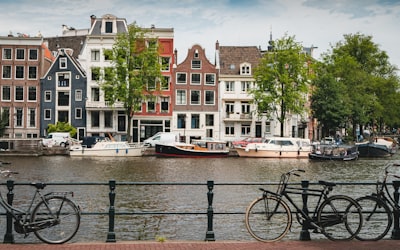
Welcome to Amsterdam, a city of captivating canals, iconic gabled houses, world-class museums, and a unique, liberal spirit. Often dubbed the "Venice of the North," this Dutch capital effortlessly blends its rich history with a modern, cosmopolitan vibe, making it one of Europe's most beloved destinations. From leisurely canal cruises to exploring masterpieces by Dutch Masters, from indulging in delicious stroopwafels to cycling through picturesque streets, Amsterdam offers an unparalleled travel experience for every type of adventurer.
This comprehensive travel guide is designed to equip you with all the practical knowledge and insider tips you'll need to navigate Amsterdam like a local. We'll delve into everything from getting around and staying connected to discovering hidden gems and savoring authentic Dutch flavors. Get ready to embark on an unforgettable journey through the charming labyrinthine streets and waterways of Amsterdam!
Why Amsterdam Should Be Your Next European Destination
Amsterdam isn't just a collection of pretty postcards; it's a living, breathing city that offers a diverse tapestry of experiences. Its UNESCO-listed canal belt whispers tales of a glorious past, while its cutting-edge design and culinary scenes firmly plant it in the present. Art lovers will find themselves in paradise with institutions like the Rijksmuseum and Van Gogh Museum, history buffs will be moved by the Anne Frank House, and those seeking vibrant nightlife or quirky charm will discover it in abundance. Beyond the stereotypes, Amsterdam is a city of incredible warmth, welcoming people, and an infectious laid-back atmosphere that encourages exploration and discovery at your own pace.
Planning Your Amsterdam Adventure: Essential Pre-Trip Information
A little planning goes a long way in ensuring a smooth and enjoyable trip. Here's what you need to consider before you pack your bags.
Best Time to Visit Amsterdam
Amsterdam charms year-round, but each season offers a distinct experience:
- Spring (April-May): Arguably the most picturesque time. The city awakens with vibrant tulips, especially visible in the nearby Keukenhof Gardens (open mid-March to mid-May). Temperatures are mild, and crowds are manageable before peak summer.
- Summer (June-August): Warmest weather, perfect for canal cruises, outdoor festivals, and enjoying Vondelpark. However, it's also the busiest and most expensive season, with longer queues at attractions.
- Autumn (September-October): The foliage turns golden, offering beautiful scenery. Temperatures are cooler, and the summer crowds begin to thin, making it a pleasant time for sightseeing.
- Winter (November-March): Cozy and atmospheric, especially around Christmas and New Year with festive markets and the Amsterdam Light Festival (December-January). It's colder, but fewer tourists mean a more intimate experience. Hotels are also generally cheaper.
Visa Requirements & Entry Formalities
The Netherlands is part of the Schengen Area.
- EU/EEA/Swiss Citizens: Can enter with a valid ID card or passport and stay indefinitely.
- Non-EU Citizens: Depending on your nationality, you may need a Schengen visa. Check the official Dutch government website or your country's Ministry of Foreign Affairs for the most up-to-date requirements. Generally, your passport should be valid for at least three months beyond your intended departure date from the Schengen Area.
Currency & Basic Budgeting Tips
The official currency is the
Euro (€). Credit and debit cards are widely accepted, but it's always good to have some cash for smaller purchases or markets. Amsterdam can be an expensive city, particularly for accommodation. Budget roughly €100-€200+ per person per day for mid-range travel, including accommodation, food, activities, and transport. You can certainly travel on a tighter budget with hostels and self-catering, or splurge significantly more.
Language & Basic Phrases
The official language is
Dutch, but almost everyone in Amsterdam speaks excellent English, especially in tourist-facing businesses. Learning a few basic Dutch phrases is always appreciated:
- Good morning: *Goedemorgen*
- Thank you: *Dank u wel* (formal) / *Bedankt* (informal)
Getting to Amsterdam: Airport to City Transport Guide
Your journey to the heart of Amsterdam will most likely begin at Amsterdam Airport Schiphol (AMS), one of Europe's busiest and best-connected airports. Fortunately, getting from Schiphol to the city center is incredibly efficient and straightforward.
Amsterdam Airport Schiphol (AMS): Your Gateway
Schiphol is located just 9 kilometers (5.6 miles) southwest of Amsterdam, offering excellent connectivity to the city. The airport itself is a hub of amenities, including shops, restaurants, and clear signage to guide you to ground transport.
Train: The Most Efficient Way
The train is overwhelmingly the most popular and efficient method to reach Amsterdam Centraal Station (the main station in the city center).
- Location: Schiphol Plaza, the main arrival hall, has direct access to the train station platforms below. Just follow the "Train" signs.
- Journey Time: Approximately 15-20 minutes to Amsterdam Centraal.
- Frequency: Trains run 24/7, with multiple departures per hour during the day and hourly at night.
- Cost: A single ticket typically costs around €5-€6.
- Yellow Ticket Machines: Located throughout Schiphol Plaza and at the train station. They accept card payments (credit/debit with PIN) and some accept coins (no banknotes). Ensure you select "English" for easier navigation.
- NS App: The official Dutch Railways (NS) app allows you to buy e-tickets, which you can simply scan on your phone.
- OV-chipkaart: If you plan on using public transport extensively, an anonymous OV-chipkaart can be purchased at the airport and loaded with balance for your train journey.
- Contactless Payment: You can also simply tap your debit/credit card (Visa, Mastercard, Maestro) directly at the NS gates to check in and out. This is often the easiest option for tourists.
- Important: Always check in and check out with your ticket or card at the gates/posts at the start and end of your journey, even if the gates are open. Failure to do so can result in fines.
Bus: A Cost-Effective Alternative
While slower than the train, the bus can be a good option if your accommodation is not near Amsterdam Centraal or if you prefer a direct route to specific areas like Museumplein or Leidseplein.
- Amsterdam Airport Express (Bus 397): This red bus (operated by Connexxion) is a popular choice.
- Location: Catch it from bus platform B17 at Schiphol Plaza.
- Journey Time: Around 30-40 minutes, depending on traffic and your stop.
- Stops: Serves major areas like Museumplein, Leidseplein, and Olympic Stadium.
- Cost: A single ticket is around €6.50. You can buy tickets from the driver (card only), at the airport's information desk, or online. Multi-day tickets (Amsterdam Travel Ticket) often include this bus.
- Night Bus N97: Operates between 1:00 AM and 5:00 AM, following a similar route to the 397.
Taxi/Ride-Sharing: Convenience at a Price
For ultimate convenience, especially with lots of luggage or late-night arrivals, taxis are available.
- Official Taxis: Look for the official taxi stand directly outside Schiphol Plaza. Registered taxis have a blue license plate. Expect to pay €45-€60 for a ride to the city center. Always agree on a price or ensure the meter is running.
- Ride-Sharing (Uber/Bolt): Both Uber and Bolt operate in Amsterdam. You can book via their apps. Pick-up points are usually designated near the arrival hall. Prices can fluctuate based on demand.
- Avoid Scams: Never accept rides from unofficial touts inside the terminal. Only use the official taxi stand or pre-booked services.
Hotel Shuttles (If Applicable)
Some hotels, especially those catering to business travelers or located slightly outside the immediate city center, offer private shuttle services. Check with your accommodation if this is an option.
Navigating Amsterdam: Public Transport, Bikes & More
Amsterdam is a remarkably accessible city, offering a variety of efficient and enjoyable ways to get around. While walking is often the best way to soak in the atmosphere, public transport and cycling are essential for covering longer distances.
Public Transport in Amsterdam
Amsterdam's public transport network is operated by GVB and includes trams, buses, metro, and ferries. It's clean, punctual, and reliable.
- OV-chipkaart: This is the universal public transport chip card for the Netherlands.
- Anonymous OV-chipkaart: Ideal for tourists. You can buy one for €7.50 (non-refundable) at GVB ticket machines, GVB Service & Tickets shops (e.g., at Amsterdam Centraal), or some supermarkets. Load it with credit (€€) and check in/out for each journey. The minimum balance required to check in for a tram/bus/metro journey is €4.
- Personalized OV-chipkaart: Not usually worth it for short-term visitors as it requires registration and a Dutch bank account.
- GVB Day/Multi-Day Tickets: The most convenient option for tourists. These paper tickets offer unlimited travel on all GVB trams, buses, metros, and ferries (not NS trains) for a set period (e.g., 24 hours, 48 hours, up to 7 days). Prices vary from around €9 for a 1-day ticket to €41 for a 7-day ticket. Purchase them at GVB Service & Tickets shops or ticket machines.
- I Amsterdam City Card: If you plan on visiting many museums and attractions, this card includes public transport (GVB only) for the duration of the card (24, 48, 72, 96, or 120 hours), as well as free entry to many museums and a canal cruise. Evaluate if the cost savings make it worthwhile for your itinerary.
- Contactless Payment: Like with NS trains, you can tap your debit/credit card (Visa, Mastercard, Maestro) at the GVB gates/posts to check in and out. This often simplifies payment for tourists.
- How to Use: Always *check in* by tapping your ticket/card at a reader when entering a tram, bus, or metro station, and *check out* when exiting. Failing to check out can result in the maximum fare being charged.
- Trams: The most common way to get around the city center. They connect major sights and neighborhoods.
- Buses: Useful for areas not covered by trams or metro, and for night services.
- Metro: Efficient for longer distances, connecting the city center to outer districts.
- Ferries: Free GVB ferries depart from behind Amsterdam Centraal Station, taking you across the IJ river to Amsterdam-Noord. They offer great views and access to emerging neighborhoods.
Car Rental Options in Amsterdam
General Advice: Driving in Amsterdam's city center is generally NOT recommended for tourists.
- Parking: Extremely expensive (€5-€8 per hour in the center, or €50-€80+ per day) and difficult to find. Many streets are pedestrian-only or have limited access.
- Traffic: Can be heavy, and navigating narrow streets with many cyclists and trams can be challenging.
When a Car Might Be Useful: If your itinerary includes extensive day trips outside of Amsterdam (e.g., to the Dutch countryside, other cities like The Hague or Utrecht, or even Belgium/Germany), renting a car could be beneficial.
- Major Rental Companies: All major international car rental companies (Hertz, Avis, Europcar, Sixt, Budget, Enterprise) have offices at Schiphol Airport and a few locations within the city.
- Pick-up Location: Picking up a car directly at Schiphol Airport upon arrival is usually the most convenient option if you're planning day trips before or after your Amsterdam stay.
Bike Rental Options in Amsterdam
Embrace the local culture! Cycling is an integral part of Amsterdam life and an incredible way to experience the city.
- Rental Shops: Numerous rental shops are scattered throughout the city. Popular choices include:
- MacBike: Several locations, including near Centraal Station and Vondelpark.
- Black Bikes: Known for their black bikes that blend in with local bikes, making you feel less like a tourist. Many locations.
- OV-fiets: If you have an OV-chipkaart (and a Dutch bank account or credit card linked), you can rent these blue bikes from train stations for a low daily rate, ideal for day trips outside Amsterdam.
- Costs: Typically range from €10-€18 per day, with discounts for multi-day rentals. Helmets are usually extra (and rarely used by locals).
- Awareness: Be extremely aware of your surroundings. Amsterdam's bike lanes can be chaotic and fast-paced.
- Hand Signals: Use hand signals for turning.
- Don't Stop in Bike Lanes: Pull over if you need to stop.
- Watch for Trams: Tram tracks can be dangerous for bike tires. Cross them at an angle.
- Lock Your Bike: Always use two locks (provided by rental companies) and try to lock it to a fixed object. Bike theft is common.
- Pedestrians: Be mindful of pedestrians, especially those who might not be used to sharing space with bikes.
Walking: The Best Way to Explore
For many parts of the city center, especially the canal rings and specific neighborhoods like the Jordaan or De Pijp, walking is undoubtedly the best way to explore. You'll stumble upon hidden courtyards, charming boutiques, and picturesque bridges that you might miss otherwise. Wear comfortable shoes!
Budget Transport Tips
- Walk, walk, walk! Many central attractions are within easy walking distance of each other.
- GVB Multi-Day Tickets: If you anticipate using public transport more than 2-3 times a day, a multi-day GVB ticket will almost always be cheaper than buying single tickets.
- Rent a Bike: For covering moderate distances, cycling is often cheaper and more enjoyable than taking multiple tram/bus rides, especially for a full day of exploration.
- Avoid Taxis/Ride-Shares: Use them only for airport transfers or emergencies. For short rides, they are expensive.
- Free Ferries: Don't forget the free GVB ferries from behind Centraal Station to Amsterdam-Noord – a fun way to get a view of the IJ river!
Staying Connected: Best SIM Card in Netherlands for Tourists
Staying connected is crucial for navigation, looking up information, and sharing your travel experiences. While Wi-Fi is widely available, a local SIM card or eSIM offers reliable internet access on the go.
Why Get a Local SIM?
- Consistent Connectivity: Access maps, translation apps, and communication channels without relying on spotty public Wi-Fi.
- Cost Savings: Avoid expensive international roaming charges from your home provider.
- Local Number: Useful for booking restaurants or tours, though most will communicate via email.
Major Providers in Netherlands
The main mobile network operators in the Netherlands are:
- KPN: Widely considered to have the best coverage, especially outside major cities.
- Odido (formerly T-Mobile Netherlands): Excellent coverage and good data speeds.
- Vodafone: Strong network, popular choice.
All three offer excellent 4G/5G coverage in Amsterdam and throughout the country.
Prepaid SIM Cards for Tourists
Prepaid SIM cards are readily available and straightforward to purchase.
- Schiphol Airport: KPN, Vodafone, and LycaMobile have kiosks or vending machines. While convenient, prices can be slightly higher.
- Telecom Shops: Visit official stores for KPN, Odido, or Vodafone in the city center. Staff can help set up your SIM.
- Supermarkets/Drugstores: Large supermarkets like Albert Heijn, Jumbo, and drugstores like Kruidvat or Etos often sell SIM cards from smaller providers (MVNOs) like Lebara, LycaMobile, and Hollands Nieuwe. These are often cheaper for data-heavy plans.
- Corner Shops/Newsagents: Many small shops also stock prepaid SIMs.
- What to Ask For: Ask for a "prepaid SIM card" or "prepaid data bundle." Ensure your phone is unlocked before buying.
- Data Plans: Plans typically offer a set amount of data (e.g., 5GB, 10GB, unlimited), calls, and texts for a certain validity period (e.g., 30 days). Costs range from €10-€30, depending on the data allowance.
- Registration: In the Netherlands, you generally do not need to register a prepaid SIM card with your ID, unlike some other European countries. You just insert it and top up.
Popular Tourist-Friendly Prepaid Options:
- Lebara: Often recommended for tourists due to competitive rates for international calls and good data packages. Available at many supermarkets and newsagents.
- LycaMobile: Another budget-friendly option, good for data and international calls.
- KPN/Vodafone/Odido Prepaid: Their direct prepaid options might be slightly more expensive but offer direct access to their robust networks.
eSIM Options
For modern smartphones, eSIMs offer ultimate convenience, as you don't need a physical SIM card.
- How it Works: You purchase an eSIM plan online, receive a QR code via email, scan it with your phone, and activate the plan.
- Airalo, Holafly, Nomad, Gigsky: These are popular global eSIM providers that offer plans specifically for the Netherlands or Europe.
- Local Providers: KPN, Odido, and Vodafone also offer eSIMs for their prepaid plans, though activation might be more complex for tourists without a local address or bank account.
- Advantages: Instant activation (often before you even land), no need to swap physical SIMs, can keep your home SIM active for calls/texts.
- Disadvantages: Requires an eSIM-compatible phone, can sometimes be slightly more expensive than physical prepaid SIMs.
Free Wi-Fi Alternatives
- Hotels & Hostels: Almost all accommodations offer free Wi-Fi.
- Cafes & Restaurants: Many establishments provide free Wi-Fi for customers. Look for signs or ask staff.
- Public Hotspots: Limited public Wi-Fi hotspots are available in some areas, but connectivity can be unreliable and less secure.
For peace of mind and constant access, a dedicated SIM card (physical or eSIM) is highly recommended for your Amsterdam trip.
Accommodation in Amsterdam: Where to Stay
Amsterdam offers a diverse range of accommodations, from budget hostels to luxurious boutique hotels. Choosing the right neighborhood can significantly enhance your experience.
Popular Neighborhoods & Their Vibe
- Centrum (City Center): Bustling, iconic, and home to most major attractions (Dam Square, Red Light District, Centraal Station). Ideal for first-time visitors who want to be in the thick of the action. Can be noisy and more expensive.
- Jordaan: Picturesque, bohemian, and full of charm with narrow streets, canals, and hidden courtyards. Great for those seeking a more local, relaxed vibe with independent boutiques and brown cafes. Close to Anne Frank House.
- De Pijp: South of the city center, known for its vibrant, multicultural atmosphere, trendy cafes, restaurants, and the famous Albert Cuyp Market. A lively choice, slightly more affordable than the center.
- Oud-Zuid (Old South): Elegant, upscale, and home to the Museumplein (Rijksmuseum, Van Gogh Museum, Stedelijk Museum). Perfect for art lovers and those seeking a quieter, more refined experience with beautiful architecture and luxury shopping.
- Oud-West: Trendy and lively, just west of the city center, offering a mix of authentic local life and new hotspots. Home to Foodhallen, a popular indoor food market. Good tram connections.
- Grachtengordel (Canal Belt): Encompasses several areas, including the famous 'Nine Streets' (De Negen Straatjes). Staying here means waking up to stunning canal views, charming boutiques, and excellent dining. Often expensive but quintessential Amsterdam.
- Westerpark: A green oasis with a large park, cultural venues, and a creative vibe. Great for those seeking a balance of nature and urban exploration, with good transport links.
- Amsterdam-Noord: Across the IJ river (free ferry access from Centraal Station), this area is rapidly developing with a cool, industrial-chic vibe, unique restaurants, and panoramic views from A'DAM Lookout. More affordable and provides a different perspective of the city.
Types of Accommodation
- Hotels: Range from budget-friendly chains to luxurious 5-star establishments and unique boutique hotels in canal houses.
- Hostels: Amsterdam has many excellent hostels, offering both dorms and private rooms, ideal for budget travelers and solo adventurers.
- Apartments/Airbnb: Offers a more local experience and often better value for families or longer stays, but be aware of strict regulations on short-term rentals in Amsterdam. Always ensure your host is compliant.
- Houseboats: For a truly unique Amsterdam experience, consider staying on a houseboat, often available through Airbnb or specialized rental sites.
Top Things to Do & See in Amsterdam: A Curated Itinerary
Amsterdam's wealth of attractions caters to every interest. Here's a selection of must-visit sights and experiences:
Iconic Museums & Cultural Gems
- Rijksmuseum: The national museum of the Netherlands, housing masterpieces by Dutch Masters like Rembrandt's "The Night Watch" and Vermeer's "The Milkmaid." Allow at least 2-3 hours.
- Van Gogh Museum: Dedicated to the works of Vincent van Gogh, featuring his most famous paintings and drawings. Book tickets well in advance to avoid long queues.
- Anne Frank House: A poignant and essential visit. Step into the secret annex where Anne Frank and her family hid during WWII. Tickets *must* be booked online, usually weeks or even months in advance. Limited availability.
- Stedelijk Museum: Amsterdam's modern and contemporary art and design museum, located next to the Rijksmuseum.
- Rembrandt House Museum: Explore the beautifully restored former home and studio of the famous painter Rembrandt van Rijn.
- The National Maritime Museum (Het Scheepvaartmuseum): Housed in a magnificent former naval storehouse, it tells the story of Dutch seafaring history with interactive exhibits and a replica East Indiaman ship.
Exploring Amsterdam's Canals
- Canal Cruise: An absolute must-do. See the city from a different perspective, gliding past historic bridges and gabled houses. Many operators offer daytime and evening cruises.
- Walking Tours: Join a guided walking tour (free tip-based or paid) to learn about the history and architecture of the canal belt.
- Houseboat Museum: Visit a preserved houseboat to understand what life is like on Amsterdam's waterways.
Charming Neighborhoods & Markets
- Jordaan District: Get lost in its narrow streets, discover hidden courtyards (hofjes), browse independent boutiques, and enjoy a coffee at a traditional "brown cafe."
- De Negen Straatjes (The Nine Streets): A cluster of picturesque streets connecting the main canals, famous for unique boutiques, vintage shops, cafes, and restaurants. Perfect for a leisurely stroll and some shopping.
- Albert Cuyp Market: One of Europe's largest outdoor markets, located in the De Pijp district. Sample stroopwafels, try herring, and browse everything from clothes to fresh produce.
- Bloemenmarkt (Flower Market): The world's only floating flower market. While more tourist-oriented now, it's still a colorful sight. Buy tulip bulbs (check customs regulations for your home country!).
Parks & Green Spaces
- Vondelpark: Amsterdam's largest and most famous park. Perfect for a picnic, a walk, cycling, or enjoying free open-air performances in summer.
- Amsterdamse Bos (Amsterdam Forest): A vast urban park south of the city, offering swimming, paddle boating, cycling, and even goat farms.
Unique Amsterdam Experiences
- Coffee Shops: Understand that "coffee shops" in Amsterdam sell cannabis products, not just coffee. Research the etiquette, choose a reputable one, and consume responsibly within legal limits. It's not permitted to smoke in public spaces.
- Red Light District (De Wallen): A historic part of the city. While famous for its windows, it also boasts beautiful architecture, historic churches, and charming cafes. Observe respectfully; photography of the windows is strictly forbidden.
- Heineken Experience: An interactive, self-guided tour through the former Heineken brewery, ending with beer tasting. Fun and informative, even for non-beer drinkers.
- A'DAM Lookout: Head across the IJ river (free ferry from Centraal) for panoramic views of Amsterdam. For the thrill-seekers, "Over The Edge" is Europe's highest swing.
Day Trips from Amsterdam
Extend your Dutch adventure with easy day trips:
- Zaanse Schans: A picturesque open-air museum village with windmills, traditional wooden houses, clog workshops, and cheese factories. Easily accessible by train or bus.
- Keukenhof Gardens: (Spring only, mid-March to mid-May) Witness millions of tulips in bloom at one of the world's largest flower gardens.
- Utrecht: A charming university city with a vibrant canal system and a stunning Dom Tower.
- Haarlem: A beautiful historic city with a relaxed vibe, great shopping, and the Frans Hals Museum.
Savoring Amsterdam: A Culinary Journey
Amsterdam's culinary scene is a delightful mix of traditional Dutch comfort food, international influences (especially Indonesian), and innovative modern cuisine.
Must-Try Dutch Delicacies
- Stroopwafels: Thin waffles with a caramel syrup filling. Best enjoyed warm from a market stall.
- Frites (Fries): Often served in a paper cone with a variety of sauces, including the classic *patatje oorlog* (peanut sauce, mayo, onions) or *joppiesaus*.
- Bitterballen: Crispy, deep-fried meat-based meatballs, often served with mustard – perfect with a beer.
- Haring (Herring): Raw herring, typically served with chopped onions and pickles. Try it "broodje haring" (in a bun) or straight from a street vendor.
- Poffertjes: Small, fluffy pancakes dusted with powdered sugar and butter. A sweet treat!
- Oliebollen: Deep-fried dough balls, usually eaten around New Year's Eve, often with powdered sugar.
Dining Experiences
- Indonesian Rijsttafel: A legacy of colonial ties, this "rice table" offers a feast of small Indonesian dishes. A unique and highly recommended experience.
- Brown Cafes (Bruin Cafés): Traditional Dutch pubs, often dark and cozy, serving local beers and pub grub.
- Food Markets: Albert Cuyp Market (De Pijp) and Foodhallen (Oud-West) offer a fantastic range of international and local street food.
- Michelin-starred Restaurants: Amsterdam boasts an impressive number of high-end dining establishments for those looking to splurge.
Drinking in Amsterdam
- Dutch Beer: Beyond Heineken and Amstel, explore the growing craft beer scene. Many microbreweries and specialty beer bars offer a wide selection.
- Jenever: The juniper-flavored national spirit of the Netherlands, akin to gin. Try a *jonge* (young) or *oude* (old) jenever.
Amsterdam Nightlife: From Cozy Pubs to Vibrant Clubs
As the sun sets, Amsterdam transforms into a buzzing hub of activity, offering something for every taste in nightlife.
- Brown Cafes: Perfect for a relaxed evening. These traditional pubs are warm, inviting, and steeped in history, offering a cozy atmosphere for conversations over a beer or jenever.
- Live Music Venues: Paradiso and Melkweg, both housed in former churches, are iconic venues hosting international bands and DJs. Smaller bars often feature local talent.
- Clubs & Bars: For those seeking a livelier scene, head to squares like Leidseplein and Rembrandtplein, which are packed with bars, pubs, and clubs catering to all musical tastes. Amsterdam-Noord also has emerging venues.
- Cocktail Bars: The city boasts numerous sophisticated cocktail bars, perfect for a chic evening out.
Safety & Etiquette in Amsterdam
Amsterdam is generally a safe city, but like any popular tourist destination, it's wise to be aware of your surroundings and local customs.
General Safety Tips
- Pickpocketing: Be vigilant in crowded areas, on public transport, and in tourist hotspots. Keep valuables secure.
- Bike Theft: If you rent a bike, always use the provided locks (often two) and secure it to a fixed object.
- Canals: Be mindful, especially at night or after consuming alcohol, as there are no railings along many canal edges.
- Emergency Number: Dial 112 for police, fire, or ambulance.
Navigating Coffee Shops & Red Light District
- Coffee Shops: Consumption of cannabis is "tolerated" but not fully legal. It is illegal to buy drugs from street dealers. Public consumption of cannabis is not allowed. Be respectful, don't overdo it, and never drive under the influence.
- Red Light District (De Wallen): It's a historic and cultural area, not just a place for sex tourism. Be respectful of the privacy of sex workers; taking photos of the windows or the women is strictly forbidden and can lead to confrontation.
Bike Lane Awareness
- Watch Out for Cyclists: Amsterdam is a cyclist's city. Always be aware of bike lanes and look both ways before crossing. Cyclists have right of way in most instances and can be fast and unforgiving if you step into their path.
- Don't Walk in Bike Lanes: Avoid walking in designated bike lanes.
Drug Policy Nuances
- Soft Drugs: The "tolerance" policy for soft drugs (cannabis) means you can legally buy and consume small amounts within licensed coffee shops. Public consumption outside coffee shops is technically illegal and can lead to fines.
- Hard Drugs: Possession or use of hard drugs is illegal and carries severe penalties.
Practical Tips for a Smooth Trip
- Book in Advance: Especially for popular attractions like the Anne Frank House, Van Gogh Museum, and Rijksmuseum, booking tickets online weeks (or months for Anne Frank) in advance is crucial to secure entry and avoid queues.
- Comfortable Shoes: You'll be doing a lot of walking and potentially cycling.
- Weather Preparedness: Amsterdam weather can be unpredictable. Pack layers and bring a waterproof jacket or umbrella, even in summer.
- Learn Basic Dutch Phrases: While English is widely spoken, a few polite Dutch words go a long way.
- Tipping Etiquette: Tipping is not mandatory in the Netherlands as service charges are usually included. However, it's common to round up a bill or leave a few Euros (5-10%) for excellent service in restaurants or cafes.
- Stay Hydrated: Carry a reusable water bottle. Amsterdam's tap water is excellent and safe to drink.
FAQ: Your Amsterdam Travel Questions Answered
Q: Is Amsterdam expensive?
A: Amsterdam can be expensive, especially for accommodation and dining in tourist areas. However, there are ways to budget, such as staying in hostels, eating street food, utilizing public transport passes, and enjoying free attractions like parks and ferry rides.
Q: How many days do I need in Amsterdam?
A: A minimum of 3-4 full days is recommended to experience the main attractions, explore different neighborhoods, and enjoy the city's atmosphere at a comfortable pace. If you plan day trips, add an extra day or two.
Q: Do people speak English in Amsterdam?
A: Yes, almost everyone in Amsterdam, especially those working in tourism, hospitality, and retail, speaks excellent English. You'll have no trouble communicating.
Q: Is Amsterdam safe for tourists?
A: Amsterdam is generally very safe. The main concerns are petty crime like pickpocketing (especially in crowded areas) and bike theft. Exercise common sense, be aware of your surroundings, and secure your belongings.
Q: What's the best way to get around Amsterdam?
A: For short distances, walking is ideal. For longer distances, cycling like a local is a fantastic experience, or use Amsterdam's efficient public transport (trams, buses, metro). The train is best for airport transfers and day trips.
Q: Can I drink tap water in Amsterdam?
A: Absolutely! Amsterdam's tap water is of excellent quality and perfectly safe to drink. Carry a reusable bottle to refill.
Q: What should I avoid doing in Amsterdam?
A: Avoid walking in bike lanes, taking photos of sex workers in the Red Light District, buying drugs from street dealers, and publicly consuming cannabis. Also, don't litter or behave disrespectfully.
Q: Are coffee shops legal in Amsterdam?
A: The sale and consumption of small amounts of cannabis in licensed "coffee shops" is tolerated under Dutch law, but it's not fully legal. Public consumption outside of these establishments is prohibited.
Conclusion: Your Amsterdam Adventure Awaits!
Amsterdam is a city that captures the heart with its unique blend of history, culture, and contemporary charm. From its iconic canals and world-class museums to its vibrant markets and progressive spirit, every corner offers a new discovery. Armed with this detailed travel guide, you're now well-prepared to navigate its charming streets, immerse yourself in its rich offerings, and create memories that will last a lifetime. So, pack your bags, embrace the spirit of adventure, and get ready to fall in love with the enchanting capital of the Netherlands. Your Amsterdam adventure awaits!