Lima Top Attractions 2026 – Complete Peru Travel Guide
Discover Lima: A Culinary and Cultural Marvel on the Pacific Coast
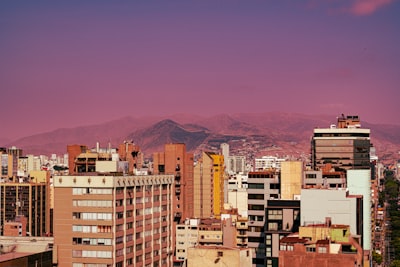
Nestled on Peru's arid Pacific coast, Lima stands as a sprawling metropolis, a captivating blend of ancient history, vibrant modernity, and an unparalleled culinary scene. Often dubbed the "Gastronomic Capital of South America," Lima offers far more than just delectable dishes; it's a city pulsating with colonial charm, pre-Columbian mysteries, bohemian enclaves, and breathtaking ocean vistas. For the discerning traveler, Lima is not merely a stopover en route to Machu Picchu but a destination in itself, promising a rich tapestry of experiences that engage all senses.
From its UNESCO-listed Historic Centre echoing tales of Spanish viceroys to the cliffside parks of Miraflores where paragliders soar, and the artsy streets of Barranco buzzing with creativity, Lima invites exploration. This comprehensive travel guide will navigate you through Lima's top attractions, delve into its world-renowned gastronomy, and provide essential practical tips on everything from getting around to staying connected, ensuring your visit to the 'City of Kings' is nothing short of unforgettable. Prepare to be enchanted by a city where history breathes alongside innovation, and every corner holds a new discovery.
Top Attractions in Lima: Unveiling the City of Kings
Lima's diverse neighborhoods each offer unique experiences, from historical grandeur to modern leisure and bohemian charm.
Historic Centre of Lima: A UNESCO World Heritage Site
Step back in time as you explore Lima's Historic Centre, the heart of the Spanish colonial empire in South America. Its meticulously preserved architecture, grand plazas, and ornate churches earned it UNESCO World Heritage status.
- Plaza Mayor (Plaza de Armas): The foundational square of Lima, this bustling plaza is surrounded by some of the city's most significant buildings. Dominating one side is the Government Palace (Palacio de Gobierno), the official residence and office of the President of Peru, known for its daily changing of the guard ceremony. Opposite, the majestic Cathedral of Lima houses the alleged remains of Francisco Pizarro, the conquistador who founded Lima. Flanking the square are the elegant Archbishop's Palace with its intricate wooden balconies and the Municipal Palace, reflecting grand colonial architecture.
- San Francisco Monastery and Catacombs: A visit to this 17th-century baroque complex is a must. The monastery boasts a stunning library with thousands of antique texts, beautiful cloisters, and an impressive collection of religious art. However, its most famous (and chilling) feature lies beneath: extensive catacombs serving as the burial ground for an estimated 25,000 bodies during the colonial era. Walking through these underground tunnels, lined with skulls and bones arranged in macabre patterns, is a uniquely eerie experience.
- Jirón de la Unión: This vibrant pedestrian street extends from the Plaza Mayor, bustling with shops, cafes, and historic buildings. It's a fantastic place to soak in the local atmosphere, observe street performers, and perhaps grab a souvenir. Many significant colonial structures line this thoroughfare, reflecting Lima's past grandeur.
- Palace of Torre Tagle: While not always open to the public, this exquisite baroque mansion (now home to the Peruvian Ministry of Foreign Affairs) is a prime example of colonial residential architecture. Its intricate carved wooden balconies are among the most celebrated in Lima, making it worth a view from the outside.
Miraflores: Modernity and Ocean Views
Miraflores is Lima's most affluent and tourist-friendly district, renowned for its beautiful parks, upscale shopping, and stunning cliffside ocean views.
- Parque Kennedy (Cat Park): The vibrant heart of Miraflores, this park is famous for its numerous feline residents, well-fed and cared for by locals. It's a lively spot with an artisan market selling Peruvian crafts, street artists, and food vendors offering *anticuchos* (grilled beef heart skewers) and *picarones* (pumpkin fritters).
- Larcomar: Uniquely carved into the cliffs overlooking the Pacific Ocean, Larcomar is an upscale shopping center that blends seamlessly with its natural surroundings. It offers a wide array of international and local brands, diverse dining options with spectacular ocean views, cinemas, and entertainment venues. It's an ideal spot for a leisurely stroll, a meal, or simply to watch the sunset over the Pacific.
- El Malecón: This beautiful stretch of cliffside parks and promenades runs for several kilometers along the coast of Miraflores, offering breathtaking panoramic views of the ocean. Parque del Amor (Park of Love) features a mosaic wall and a large statue of embracing lovers, inspired by Gaudi's Park Güell in Barcelona, making it a popular romantic spot. Nearby, Parque Raimondi is the launching point for paragliders, providing an exhilarating spectacle as colorful chutes glide gracefully above the cliffs. The Malecón is perfect for walking, jogging, or biking, with dedicated paths stretching from Miraflores to Barranco.
- Huaca Pucllana: A fascinating pre-Incan adobe pyramid, Huaca Pucllana stands remarkably preserved amidst the modern urban sprawl of Miraflores. Built by the Lima culture between 200 and 700 AD, it served as a ceremonial and administrative center. Guided tours provide insights into the ancient civilization's rituals, architecture, and daily life, offering a stark contrast to the surrounding contemporary city.
Barranco: The Bohemian Heart
Adjacent to Miraflores, Barranco is Lima's most bohemian and romantic district, known for its colorful colonial mansions, thriving art scene, and lively nightlife.
- Bridge of Sighs (Puente de los Suspiros): This iconic wooden bridge is the symbolic heart of Barranco. Legend has it that if you can cross the bridge while holding your breath and making a wish, your wish will come true. It’s surrounded by charming colonial houses and leads down to the Bajada de Baños.
- Bajada de Baños: A picturesque path leading from the Bridge of Sighs down to the Pacific Ocean, once used by fishermen. Today, it's dotted with restaurants, bars, and galleries, providing a vibrant link to the district's artistic soul.
- Art Galleries and Street Art: Barranco is a haven for artists. Its streets are adorned with vibrant murals and graffiti, and numerous art galleries showcase local and international talent. Spend an afternoon wandering through its charming streets, discovering hidden gems around every corner.
- Peñas: For an authentic taste of Peruvian culture, visit a *Peña* in Barranco. These traditional venues offer live criolla music (Peruvian coastal music) and folkloric dances, often accompanied by delicious local food and drinks. It's a lively and immersive experience.
Pachacamac: Ancient Coastal Sanctuary
Located about 30 kilometers south of Lima, Pachacamac is one of Peru's most important pre-Incan archaeological sites, well worth a half-day trip. This vast ceremonial complex dates back to 200 AD and was a major pilgrimage site for various pre-Incan cultures, and later the Incas themselves. You can explore pyramids, temples dedicated to the "Earthquake God" Pachacamac, and well-preserved structures overlooking the Lurín River Valley and the Pacific Ocean.
Museo Larco: Pre-Columbian Treasures
Housed in an 18th-century colonial mansion built atop a pre-Columbian pyramid, the Museo Larco boasts one of the world's most impressive collections of pre-Columbian art. Its stunning exhibits span 5,000 years of Peruvian history, featuring exquisite gold and silver artifacts, textiles, and ceramics from various cultures like the Moche, Nazca, and Inca. The museum is particularly famous for its collection of Moche erotic pottery, offering a candid glimpse into ancient Peruvian beliefs about fertility and sexuality. The beautiful gardens and excellent restaurant (with fantastic views) add to the experience.
Magic Water Circuit (Circuito Mágico del Agua): A Nocturnal Spectacle
Located in Parque de la Reserva, the Magic Water Circuit is a truly unique and enchanting attraction, especially enjoyable after dusk. Recognized by Guinness World Records as the largest fountain complex in the world, it features 13 distinct interactive fountains that combine water, light, music, and laser effects to create mesmerizing shows. The highlight is the "Magic Fountain," where water jets dance and project stunning images and stories onto a massive screen of water, synchronized to Peruvian music. It's a fantastic family-friendly evening activity.
Chorrillos: History and Coastal Charm
South of Barranco, Chorrillos offers a glimpse into Lima's historical past and local coastal life.
- Morro Solar: This hill offers panoramic views of Lima's sprawling cityscape and the Pacific Ocean. It's also a significant historical site, featuring a monument to the Unknown Soldier and the Cristo del Pacífico statue (a replica of Rio's Christ the Redeemer), commemorating Peru's fallen heroes from the War of the Pacific.
- Fisherman's Wharf: Head down to the local fishing port to witness daily life as fishermen bring in their catch. You can often buy fresh seafood directly from the boats or enjoy a meal at one of the rustic seafood restaurants nearby.
A Culinary Journey in Lima: The Gastronomic Capital
Lima's reputation as the "Gastronomic Capital of South America" is well-deserved. Peruvian cuisine is a vibrant fusion of indigenous traditions with Spanish, African, Chinese, and Japanese influences, resulting in an explosion of flavors, textures, and aromas.
- Ceviche: The quintessential Peruvian dish. Fresh raw fish marinated in lime juice, ají (Peruvian chili), red onions, and cilantro, often served with sweet potato and corn.
- Lomo Saltado: A savory stir-fry of beef, onions, tomatoes, and French fries, cooked in a wok with soy sauce and vinegar, usually served with rice. A delicious testament to Chinese-Peruvian fusion (Chifa cuisine).
- Aji de Gallina: Shredded chicken in a creamy, mild yellow chili sauce made with walnuts, cheese, and milk, typically served with rice, potatoes, and olives.
- Causa Rellena: A cold dish made of mashed yellow potatoes seasoned with lime and ají amarillo, layered with various fillings like tuna, chicken, or seafood salad.
- Pisco Sour: Peru's national cocktail, a potent and refreshing blend of Pisco (grape brandy), lime juice, simple syrup, egg white, and Angostura bitters.
- Dining Experiences: Lima caters to all tastes and budgets.
- Fine Dining: Home to several of the world's top-ranked restaurants, including Central (Virgilio Martínez), Maido (Mitsuharu Tsumura for Nikkei cuisine), and Astrid y Gastón (Gastón Acurio), Lima offers unparalleled haute cuisine. Reservations are essential, often months in advance.
- Local Markets: Explore bustling markets like Mercado de Surquillo N°1 (near Miraflores) to see the incredible array of fresh produce, seafood, and exotic fruits. Many stalls offer delicious, inexpensive local meals.
- Street Food: From *anticuchos* to *picarones* and *empanadas*, street food offers an authentic and budget-friendly culinary adventure. Look for busy stalls with long lines of locals for the best and freshest options.
- Cooking Classes: Many schools and restaurants offer hands-on cooking classes where you can learn to prepare traditional Peruvian dishes and master the art of the Pisco Sour.
Practical Travel Guide for Lima
Navigating a new city can be daunting, but with these practical tips, your Lima adventure will be smooth and enjoyable.
Best SIM Card in Peru for Tourists
Staying connected is crucial for navigation, communication, and emergencies. Peru has a competitive mobile market, offering good options for tourists.
- Main Providers: The primary mobile operators in Peru are Claro, Movistar, Entel, and Bitel.
- Recommendations for Tourists:
- Claro and Entel are generally recommended for tourists due to their good coverage, reliable 4G LTE speeds, and straightforward tourist packages. Claro often has slightly better coverage outside major cities if you plan longer trips.
- Movistar is the largest provider but can sometimes be more expensive for equivalent tourist packages.
- Bitel is a budget-friendly option, good for basic use, but its coverage might be less extensive in remote areas.
- Jorge Chávez International Airport (LIM): You can find kiosks for Claro, Movistar, and Entel right after you exit customs in the arrivals hall. While convenient, prices might be slightly higher here, and the queues can be long.
- Official Stores in the City: For better deals and more personalized service, visit official stores in popular tourist districts like Miraflores or San Isidro. You'll find plenty of Claro, Movistar, and Entel branches.
- Supermarkets/Department Stores: Some larger supermarkets (e.g., Wong, Metro) or department stores (e.g., Ripley, Saga Falabella) may have small counters for SIM card sales, though activation might be slower.
- What You Need: You will need your passport to purchase and activate a SIM card. The process is usually quick.
- Data Packages: Most providers offer various prepaid packages (known as "prepago") that include a certain amount of data, calls (local and sometimes international), and text messages, valid for 7, 15, or 30 days. For around 30-50 soles, you can typically get a package with 5-10GB of data, which is usually sufficient for a week or two of travel. Look for packages that specifically mention "datos ilimitados" for certain apps like WhatsApp, Facebook, Instagram, etc.
Public Transport in Lima
Lima's public transport system can be chaotic but is an authentic part of city life and a budget-friendly way to get around.
- Metropolitano (BRT - Bus Rapid Transit): This is Lima's most efficient and comfortable public transport option. The Metropolitano runs on dedicated bus lanes, bypassing much of Lima's notorious traffic. It connects the Historic Centre with Miraflores, Barranco, and other districts.
- How to Use: You need to purchase a Metropolitano card (Tarjeta del Metropolitano) at any station, which costs around S/4.50, and then top it up with credit. Fares are around S/3.20 per ride.
- Advantages: Fast, air-conditioned, fixed routes and stops, safer than other bus options. Highly recommended for tourists traveling between key areas.
- Combis/Micros (Buses): These are the ubiquitous, privately operated minibusses and larger buses that crisscross Lima. They are the cheapest form of transport but can be challenging for tourists.
- How They Work: Routes are indicated on the windshield, but stops are not always clearly marked. You usually flag them down, and drivers or their assistants ("cobradors") will shout out destinations. Fares are paid in cash to the cobrador (usually S/1.50 - S/3.00 depending on distance).
- Challenges: Can be crowded, routes are complex and not always intuitive for non-locals, and some drivers can be reckless. Not ideal for those with large luggage.
- Recommendation: Use with caution and only if you're comfortable with a bit of an adventure or have a local guide.
- Taxis / Ride-hailing Apps:
- Taxis: Unofficial street taxis are common but lack meters. If hailing one, always negotiate the fare *before* getting in. Confirm the destination clearly. For safety, it's generally better to use official taxis (e.g., from hotels or designated taxi stands) or ride-hailing apps.
- Ride-hailing Apps: Uber, InDriver, and Cabify are widely used and highly recommended for tourists. They offer fixed prices, cashless payments, GPS tracking, and a record of your trip, significantly enhancing safety and convenience. InDriver allows you to propose your fare, which drivers can accept or counter-offer.
Car Rental / Bike Rental Options in Lima
Depending on your travel style, these options offer varying degrees of flexibility.
- Providers: Major international car rental companies like Hertz, Avis, Europcar, Budget, and local providers operate in Lima, with offices at the airport and in key districts.
- Pros: Offers ultimate flexibility for day trips outside Lima (e.g., to Pachacamac, Paracas, or Lunahuaná) or if you plan an extended road trip across Peru.
- Cons: Driving in Lima is notoriously challenging due to heavy traffic, aggressive drivers, lack of clear signage, and difficult parking. Rental cars are generally not recommended for getting around within Lima itself. Insurance is essential. An international driving permit is advisable in addition to your home country license.
- Popularity: Bike rental is a fantastic option in specific areas, especially for exploring the coastal parks (El Malecón) of Miraflores and Barranco.
- Where to Find: Numerous small shops along El Malecón in Miraflores and in Barranco offer hourly or daily bike rentals. Many hotels and hostels also offer them to guests.
- Cost: Generally inexpensive, ranging from S/10-S/20 per hour.
- Safety: Stick to dedicated bike paths (ciclovías), which are extensive along the coast. Be aware of pedestrians and other cyclists. Helmets are usually provided and recommended.
Airport to City Transport Guide (Jorge Chávez International Airport - LIM)
Getting from LIM to your accommodation in Miraflores, San Isidro, or the Historic Centre requires a bit of planning.
- Official Airport Taxis (Taxi Green / Taxi Directo): These are the safest and most reliable options directly from the airport. You'll find their counters in the arrivals hall. They offer fixed, pre-paid rates to different districts (e.g., S/60-S/80 to Miraflores/San Isidro). It's more expensive than other options but provides peace of mind, especially if arriving late at night or with significant luggage.
- Ride-hailing Apps (Uber, InDriver, Cabify): This is often the best balance of cost and convenience. After exiting the terminal, walk a short distance to the official designated pick-up points (usually clearly marked with signs for "App Transport" or "Movilidad por App"). Fares to Miraflores/San Isidro typically range from S/40-S/60, depending on traffic and demand.
- Airport Express Lima Bus: This dedicated bus service provides comfortable, direct transport from the airport to key stops in Miraflores and San Isidro. Buses are modern, air-conditioned, and offer luggage storage.
- Frequency: Every 30-60 minutes, from early morning to late evening.
- Cost: Around S/25 per person.
- Recommendation: A great mid-range option for solo travelers or couples without excessive luggage. Check their website for current schedules and stops.
- Private Shuttle: Many hotels and tour operators offer pre-arranged private airport transfers. While often the most expensive option, it offers door-to-door service and the utmost convenience, particularly for families or groups.
- Public Bus (Combis/Micros): While technically possible, it is not recommended for tourists. It involves navigating multiple bus changes, dealing with luggage on crowded buses, and is generally too complex and potentially unsafe for first-time visitors.
Budget Transport Tips
Saving money on transport in Lima is entirely possible with a few smart choices.
- Embrace the Metropolitano: For travel between the Historic Centre, Miraflores, and Barranco, the Metropolitano is your best friend. It’s fast, cheap, and avoids traffic. Always carry your Metropolitano card topped up.
- Walk When Possible: Miraflores and Barranco are highly walkable districts. Enjoy strolling along El Malecón, through Parque Kennedy, or across Barranco’s charming streets. Walking is free, healthy, and allows you to discover hidden gems.
- Compare Ride-hailing Apps: If using apps like Uber, InDriver, or Cabify, quickly check prices on all of them before requesting a ride. Fares can vary, and one might offer a better deal at a particular time or for a specific route.
- Negotiate Street Taxi Fares (with caution): If you must take a street taxi, always negotiate the fare *before* you get in. Ask locals or your hotel for a rough idea of what a fair price should be to your destination. However, for safety and convenience, ride-hailing apps are generally preferred.
- Consider Bike Rental: For exploring Miraflores and Barranco's coastal areas, renting a bike is a fun, active, and cost-effective way to cover ground and enjoy the views without paying for multiple taxi rides.
Accommodation in Lima: Where to Stay
Lima offers a wide range of accommodation options to suit every budget and preference.
- Miraflores: The most popular choice for tourists, offering a wide array of hotels, hostels, and Airbnb rentals. It's safe, well-connected, and boasts many dining and entertainment options, plus easy access to the ocean.
- Barranco: Ideal for those seeking a more bohemian, artistic, and vibrant atmosphere. It has boutique hotels, charming guesthouses, and a lively nightlife scene.
- San Isidro: An upscale, quieter residential and business district. It offers luxury hotels, fine dining, and beautiful parks, making it a good option for business travelers or those seeking tranquility.
- Historic Centre: Great for history buffs who want to be immersed in colonial architecture and close to major historical sites. Accommodation here can be more budget-friendly, but exercise more caution, especially at night.
Safety Tips for Tourists in Lima
Lima is generally safe for tourists, especially in popular districts like Miraflores and Barranco, but like any large city, it requires awareness.
- Be Aware of Your Surroundings: Always be vigilant, especially in crowded areas, markets, and public transport.
- Protect Valuables: Keep an eye on your belongings. Avoid flaunting expensive jewelry or electronics. Use a money belt for passports and large sums of cash.
- Nighttime Safety: Avoid walking alone at night, especially in less-trafficked areas. Use ride-hailing apps or reputable taxis.
- Official Taxis/Apps: Prioritize official airport taxis or ride-hailing apps for safety and fair pricing.
- Street Food Caution: While delicious, exercise caution with street food. Opt for stalls that are busy and have visible hygiene practices.
- "No dar papaya": A common Peruvian saying meaning "don't give papaya" or "don't make yourself an easy target." This encapsulates the general advice to avoid situations that make you vulnerable to petty crime.
Best Time to Visit Lima
Lima's weather is unique due to its coastal desert location.
- Summer (December to April): This is the best time to visit if you prefer sunshine and warmer temperatures. The famous "garúa" (coastal fog) lifts, revealing blue skies. Temperatures average 25-30°C (77-86°F). This is also peak tourist season.
- Winter (May to November): Characterized by cooler temperatures, persistent coastal fog, and overcast skies (the "panza de burro" or "donkey's belly"). While not ideal for sunbathing, it's still a good time for sightseeing as temperatures are mild (15-20°C / 59-68°F), and there's less rain. It's also less crowded.
Frequently Asked Questions (FAQ) about Lima
- Is Lima safe for tourists?
Yes, Lima is generally safe for tourists, especially in well-known areas like Miraflores, Barranco, and San Isidro. Petty crime (pickpocketing, bag snatching) can occur, so always be vigilant, secure your valuables, and use reputable transport. Avoid walking alone at night in less-trafficked areas.
- How many days do I need in Lima?
To experience Lima's highlights, including its historical sites, culinary scene, and vibrant neighborhoods,
3 to 4 full days is recommended. This allows for exploration, a cooking class, and perhaps a day trip to Pachacamac. If you're using it as a gateway to other parts of Peru, 1-2 days can cover major attractions.
- What currency is used in Peru?
The official currency of Peru is the
Peruvian Sol (S/.). US Dollars are also widely accepted in tourist areas and larger establishments, but it's always good to have soles for smaller purchases, local markets, and public transport.
- Do I need a visa for Peru?
Citizens of many countries, including the USA, Canada, UK, Australia, New Zealand, and most Western European nations, do not require a visa for tourist stays of up to 90 or 183 days. Always check the latest visa requirements for your nationality before traveling.
- Is English widely spoken?
In major tourist areas, hotels, high-end restaurants, and tour agencies, you'll find English speakers. However, outside these areas, Spanish is predominantly spoken. Learning a few basic Spanish phrases will greatly enhance your experience.
- What should I pack for Lima?
Regardless of the season, pack layers as temperatures can fluctuate. In summer, light clothing, sunscreen, and a hat are essential. In winter (May-November), bring a light jacket or sweater as it can be damp and cool. Comfortable walking shoes are a must.
- Can I drink tap water in Lima?
It is generally
not recommended to drink tap water in Lima. Stick to bottled water for drinking and brushing teeth to avoid potential stomach issues.
Conclusion: Your Unforgettable Lima Adventure Awaits
Lima is a city that consistently surprises and delights. Far from being just a transit point, it's a dynamic hub where pre-Columbian history intertwines with colonial grandeur and contemporary urban life. Its status as a global culinary capital alone is reason enough to visit, promising an gastronomic journey unlike any other. But beyond the plate, Lima offers a wealth of cultural experiences, from the solemn beauty of its catacombs to the vibrant street art of Barranco and the stunning vistas of the Pacific coast.
With this detailed guide to its top attractions and essential practical advice, you are now well-equipped to navigate the 'City of Kings' with confidence. Immerse yourself in its flavors, explore its history, embrace its modern charm, and let Lima reveal its many wonders. Your unforgettable Peruvian adventure begins here.