San Francisco Food Guide 2026 – Complete USA Travel Guide
Savoring San Francisco: An Epicurean Journey Through the Golden City's Culinary Delights
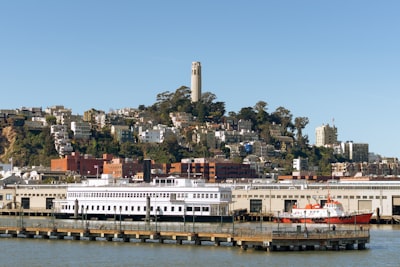
San Francisco, the enchanting city by the bay, is a feast for the senses long before you even take your first bite. From its iconic fog rolling over the Golden Gate Bridge to the historic cable cars climbing impossibly steep streets, the city exudes a charm that's uniquely its own. But for the discerning traveler, San Francisco isn't just a postcard-perfect destination; it's a world-class culinary playground, a melting pot where innovation meets tradition, and global flavors intertwine to create an unforgettable gastronomic adventure.
This isn't merely a place to eat; it's a place to *experience* food. San Francisco has long been at the forefront of the farm-to-table movement, celebrating fresh, local ingredients from the fertile valleys of California. It's home to a staggering number of Michelin-starred restaurants, yet equally famous for its humble, delicious street food. From the tangy embrace of a sourdough bread bowl filled with clam chowder to the spicy, satisfying kick of a Mission-style burrito, every corner holds a promise of delicious discovery.
Prepare to embark on an epicurean journey that transcends mere dining. This comprehensive guide will not only navigate you through San Francisco's most iconic dishes and vibrant food neighborhoods but also equip you with all the practical travel information you need – from transport to connectivity – to make your culinary exploration seamless and utterly delightful.
A Taste of San Francisco: Iconic Eats You Can't Miss
San Francisco’s culinary identity is as diverse as its population. To truly understand its food scene, you must dive into the dishes that have become synonymous with the city.
The Sourdough Sanctuary
You can't talk about San Francisco food without mentioning sourdough bread. This tangy, chewy delight is practically a city emblem, thanks to the unique wild yeasts present in the Bay Area’s air. The most famous purveyor is
Boudin Bakery, which has been perfecting its sourdough since 1849. A visit to their flagship store at Fisherman's Wharf is almost mandatory, not just for the freshly baked bread but also for their legendary
clam chowder served in a sourdough bread bowl. The combination of creamy, savory chowder and the tangy, edible bowl is a quintessential San Francisco experience that is both comforting and incredibly satisfying. While Boudin is the most recognized, many local bakeries throughout the city offer their own incredible sourdough creations, from loaves to sandwiches.
Mission Burritos: A Culinary Revolution
In the vibrant Mission District, a culinary legend was born: the Mission-style burrito. Unlike its smaller, more traditional Mexican counterparts, this behemoth is a complete meal wrapped in a giant flour tortilla, packed with rice, beans, meat (carne asada, carnitas, pollo asado), salsa, guacamole, sour cream, and sometimes even cheese and potatoes. It’s a study in portability and flavor explosion. Icons like
La Taqueria (often praised for its rice-free burritos) and
El Farolito consistently draw long lines for their mouthwatering creations. Exploring the Mission’s taquerias is a pilgrimage for any food lover, a chance to witness the evolution of a simple dish into an art form.
Seafood Spectacle at Fisherman's Wharf
While Fisherman's Wharf can be a bustling tourist hub, its connection to the sea means fantastic seafood is never far away. The undisputed king here is the
Dungeness crab. During crab season (typically November through June), you'll find stalls steaming and cracking fresh crab right before your eyes. Don't miss the chance to try
cioppino, a hearty Italian-American fish stew born in San Francisco. This flavorful broth, brimming with various seafood like crab, clams, mussels, shrimp, and fish, is perfect for dipping chunks of crusty sourdough. While some spots can be touristy, look for places like
Scoma's for a more upscale experience or one of the many casual crab stands for a no-frills, delicious meal.
Dim Sum Delights in Chinatown
San Francisco’s Chinatown, the oldest in North America, is a sensory overload of vibrant colors, intricate architecture, and, most importantly, incredible food. One of its greatest treasures is
dim sum. These delicate, bite-sized portions of dumplings, buns, rolls, and other savory and sweet treats are typically served from carts pushed around the dining room, allowing you to pick and choose as they pass by. It’s a communal, lively experience, best enjoyed with friends or family on a weekend morning. Must-tries include *har gow* (shrimp dumplings), *siu mai* (pork and shrimp dumplings), *char siu bao* (barbecue pork buns), and *lo mai gai* (sticky rice in lotus leaf). Popular spots include
House of Nanking (though not traditional cart service, it's legendary),
Good Mong Kok Bakery for takeout, and
Dim Sum Gogo for a classic experience.
California Cuisine & Farm-to-Table Philosophy
San Francisco is a birthplace and perpetual innovator of
California Cuisine, a philosophy emphasizing fresh, seasonal, locally sourced ingredients prepared simply to highlight their natural flavors. This movement champions sustainability and often incorporates diverse cultural influences. While there's no single "dish" that defines it, you'll find this ethos permeating menus across the city, from high-end Michelin-starred establishments to casual cafes. Look for dishes that feature seasonal produce, artisanal cheeses, and fresh seafood, often prepared with a lighter touch than traditional European or American fare. The Ferry Building Marketplace is a perfect example of this philosophy in action.
Sweet Treats & Coffee Culture
No culinary tour is complete without indulging a sweet tooth and embracing the city's robust coffee culture.
Ghirardelli Square, once the site of the Ghirardelli Chocolate Company, is now a historic landmark offering decadent sundaes, chocolates, and coffee. For a more artisanal sweet treat, head to
Tartine Bakery in the Mission, renowned for its exquisite bread, pastries, and delectable tarts. And when it comes to coffee, San Francisco is a pioneer. From the established
Blue Bottle Coffee and
Four Barrel Coffee to countless independent roasters, the city takes its coffee seriously. Spend an afternoon hopping between cafes, savoring expertly brewed pour-overs and creamy lattes.
Exploring San Francisco's Diverse Food Neighborhoods
San Francisco is a city of distinct neighborhoods, each with its own character and, more importantly, its own unique culinary landscape. Wandering through these areas is an essential part of the food adventure.
Mission District
The Mission is arguably San Francisco's most dynamic food neighborhood. Beyond its famous burritos, it's a haven for authentic Mexican and Latin American cuisine, with pupuserias, Salvadoran restaurants, and various taquerias lining Valencia and Mission Streets. But the Mission's culinary scene doesn't stop there; it's also a hotbed for trendy cafes, artisanal ice cream shops, innovative restaurants pushing the boundaries of California cuisine, and a vibrant nightlife scene with craft cocktail bars. Explore Clarion Alley for street art between meals.
North Beach (Little Italy)
Steeped in history and Italian heritage, North Beach is San Francisco's "Little Italy." Here, you'll find classic Italian-American restaurants serving generous portions of pasta, pizza, and hearty meat dishes. Historic cafes like
Caffè Trieste (America's first espresso coffeehouse) and
Stella Pastry & Café offer delightful pastries, cannoli, and strong coffee, perfect for people-watching. Don't miss a stop at City Lights Bookstore, an iconic literary landmark.
Chinatown
As mentioned, Chinatown is a must-visit for dim sum, but its culinary offerings extend far beyond. Explore narrow alleyways for traditional bakeries selling mooncakes and egg tarts, herbal tea shops, noodle houses, and restaurants specializing in regional Chinese cuisines. It’s a place where tradition thrives, and every meal is an immersive cultural experience.
Japantown
One of only three remaining Japantowns in the U.S., San Francisco's Japantown offers an authentic taste of Japan. The Japan Center is a hub for Japanese restaurants, from ramen shops and sushi bars to izakayas and takoyaki stands. You can also find shops selling Japanese snacks, groceries, and beautiful pottery. Seek out
Maki Sushi for classic rolls or
Izakaya Hachi for small plates and sake.
Fisherman's Wharf & Pier 39
While heavily tourist-oriented, Fisherman's Wharf still holds its own for fresh seafood. Beyond the aforementioned Dungeness crab and cioppino, you can find clam chowder, fish and chips, and fresh oysters. It’s best to research specific restaurants or follow local recommendations to avoid overly priced, mediocre options. Pier 39, while bustling with attractions, also has several dining choices with views of the bay and Alcatraz.
The Castro
Known for its vibrant LGBTQ+ community, The Castro offers a diverse range of dining options, from casual cafes and bakeries to upscale restaurants. It's a fantastic neighborhood for brunch, people-watching, and enjoying a lively atmosphere with a strong sense of community. You'll find everything from American comfort food to international fare here.
Financial District & SoMa (South of Market)
These areas cater to the bustling business crowd during the week, offering a plethora of upscale dining options, modern American restaurants, and quick-lunch spots. Many of the city's Michelin-starred restaurants are located in these districts. Weekends can be quieter, but you might find some hidden gems offering unique brunch or dinner experiences.
Haight-Ashbury
Famous as the birthplace of the counterculture movement, Haight-Ashbury maintains its bohemian vibe with an eclectic mix of cafes, vegetarian and vegan-friendly restaurants, and unique eateries. It’s a great place to find healthy, organic, and globally inspired dishes in a laid-back setting.
Beyond the Plate: San Francisco Food Experiences
Eating is just one part of the culinary journey. San Francisco offers numerous ways to engage with its food culture more deeply.
Ferry Building Marketplace
More than just a place to grab a meal, the
Ferry Building Marketplace is a gastronomic institution. Located along the Embarcadero, this historic terminal houses an array of artisan food vendors, local farmers, specialty shops, and acclaimed restaurants. You can sample everything from oysters and gourmet cheeses to artisanal chocolates, fresh baked goods, and internationally inspired street food. It’s a fantastic place to spend a few hours, tasting your way through California’s finest.
Food Tours
Consider taking a specialized food tour to uncover hidden culinary gems and gain insights into the city's history and culture. Many companies offer tours focusing on specific neighborhoods like Chinatown, the Mission District, or North Beach, allowing you to sample local specialties and learn from knowledgeable guides. It's an excellent way to cover a lot of ground and taste many things in a short amount of time.
Cooking Classes
For those who want to bring a piece of San Francisco's culinary magic home, consider a cooking class. Many culinary schools and individual chefs offer classes focused on California cuisine, specific ethnic foods found in the city, or even sourdough bread making. It's a unique, hands-on experience that deepens your understanding and appreciation of the local food scene.
Farmers Markets
Embrace the farm-to-table ethos by visiting one of San Francisco's vibrant farmers markets. The
Ferry Plaza Farmers Market (Tuesdays, Thursdays, Saturdays) is one of the most famous, offering an incredible selection of fresh produce, artisanal goods, and prepared foods directly from local farmers and purveyors. It’s a fantastic way to meet the people behind your food and experience the pulse of the local food scene.
Practical Travel Guide for Your San Francisco Food Adventure
Navigating a new city can be daunting, but with these practical tips, your San Francisco food adventure will be smooth and stress-free.
Best SIM Card in USA for Tourists
Staying connected is crucial for navigation, restaurant reservations, and sharing your amazing food photos. For tourists visiting the USA, there are several excellent options:
- eSIMs (Digital SIM Cards): These are increasingly popular and convenient. If your phone supports eSIM technology (most newer smartphones do), you can purchase a data plan online before you even arrive and activate it instantly.
- Pros: No physical SIM swap, easy to switch plans, keep your home number for calls/texts.
- Cons: Requires an eSIM-compatible phone, may not include calls/texts (data-only plans are common).
- Airalo: Offers various regional and country-specific data plans with flexible durations.
- Holafly: Known for unlimited data plans, often a good choice for heavy users.
- AloSIM, Nomad: Other reliable options.
- Physical Prepaid SIM Cards: If your phone doesn't support eSIMs or you prefer a physical card, you can purchase prepaid SIMs from major carriers.
- T-Mobile: Often has good deals for tourists, particularly "Connect" plans. Look for kiosks at airports or T-Mobile stores in the city. Good coverage in urban areas.
- AT&T: Another major carrier with excellent coverage, but sometimes slightly more expensive. Also available at stores and airport kiosks.
- Verizon: Excellent coverage, especially outside major cities, but their prepaid plans can be pricier and sometimes require a specific type of phone to work on their network (CDMA vs. GSM).
- MVNOs (Mobile Virtual Network Operators): These use the networks of major carriers but often offer cheaper plans.
- Mint Mobile: Uses T-Mobile's network, often has great value for bulk data purchases (e.g., 3-month plans). Best bought online before arrival.
- Visible: Uses Verizon's network, offers unlimited data, talk, and text at a fixed price.
- Tips: Ensure your phone is *unlocked* before purchasing a new SIM. Compare data allowances, call/text options, and validity periods. For short trips (under 2 weeks) with moderate data needs, an eSIM is often the easiest. For longer stays or heavy usage, a physical prepaid from T-Mobile or an MVNO like Mint (if ordered in advance) can be more cost-effective.
Public Transport in San Francisco
San Francisco's public transportation system is extensive and generally efficient, making it the preferred way to get around for many visitors, especially given the challenging parking and traffic.
- Muni (San Francisco Municipal Railway): This is the backbone of city transport, encompassing:
- Buses: Cover almost every neighborhood.
- Streetcars (Light Rail): Designated lines (L, M, N, K, T, J) often run in tunnels downtown and then above ground. The F-Market & Wharves historic streetcar line is particularly popular with tourists, running along Market Street and the Embarcadero to Fisherman's Wharf.
- Cable Cars: Iconic, historic, and a must-try experience. They are great for sightseeing but not the most practical for daily commuting due to slower speeds and frequent queues.
- BART (Bay Area Rapid Transit): This regional train system connects San Francisco to the East Bay (Oakland, Berkeley) and extends south to San Francisco International Airport (SFO). It's crucial for airport transfers and inter-city travel.
- Caltrain: A commuter rail line connecting San Francisco to Silicon Valley and San Jose to the south. Useful if you plan a day trip to areas like Palo Alto or Stanford University.
- Clipper Card: The most convenient way to pay. It’s a reusable, reloadable card accepted on all major Bay Area transit systems (Muni, BART, Caltrain, Golden Gate Ferry, etc.). You can load cash value or passes onto it. Physical cards can be purchased at Muni Metro stations, Walgreens, and other retailers. There's also a Clipper app for iPhones and Android phones, allowing you to use your phone as a digital Clipper card.
- MuniMobile App: Allows you to buy Muni passes and tickets directly on your smartphone.
- Cash: Accepted on Muni buses and streetcars (exact change required). Not accepted on BART.
- Tips: Use Google Maps or Apple Maps public transit option to plan your routes. For extensive daily travel, consider a 1-day, 3-day, or 7-day Muni Visitor Passport on your Clipper Card or MuniMobile app, which covers unlimited rides on Muni, including cable cars.
Car Rental / Bike Rental Options in San Francisco
While public transport is excellent, there are situations where a car or bike might be beneficial.
- Pros: Absolute flexibility for day trips outside the city (e.g., Napa Valley, Sonoma, Muir Woods, Highway 1 coastal drive, Big Sur). Convenient for carrying luggage if you're traveling onwards.
- Cons: Driving in San Francisco can be challenging (steep hills, one-way streets, heavy traffic). Parking is notoriously difficult and expensive, especially overnight at hotels. Break-ins are a concern if valuables are left in cars.
- Companies: All major rental companies operate at SFO and OAK airports and have downtown locations (Hertz, Avis, Enterprise, Budget, Sixt, etc.).
- Tips: Only rent a car if you plan to leave the city. Book well in advance, especially during peak season. Get familiar with parking rules (curb colors, street cleaning). Consider rental car insurance. Never leave anything visible in your car.
- Pros: Excellent for exploring flatter areas like Golden Gate Park, the Presidio, or along the Embarcadero. Great for crossing the Golden Gate Bridge to Sausalito. Eco-friendly and offers unique perspectives.
- Cons: San Francisco is very hilly, making cycling strenuous for casual riders outside specific areas. Traffic can be intense. Weather can be unpredictable.
- Bay Wheels (Lyft Bike Share): Dockless and docked electric bikes and classic pedal bikes available throughout the city. Convenient for short, spontaneous rides. Use the Lyft app to locate and unlock.
- Local Bike Shops: Many shops near Fisherman's Wharf and Golden Gate Park offer daily or multi-day rentals, including electric bikes (highly recommended for hills!) and helmets.
- Tips: Always wear a helmet. Plan your routes carefully, favoring bike lanes and flatter paths. Electric bikes are a game-changer for SF's hills. Lock your bike securely when parked.
Airport to City Transport Guide
Getting from the airport to your accommodation efficiently is key to starting your culinary adventure.
- From SFO (San Francisco International Airport):
- BART: The easiest and most cost-effective option. BART directly connects the International Terminal (via the AirTrain) to downtown San Francisco stations (e.g., Powell St, Civic Center, Embarcadero). The journey takes approximately 30 minutes to downtown. Purchase a Clipper Card or single-ride ticket at the station.
- Ride-shares (Uber/Lyft): Convenient if you have a lot of luggage or prefer direct door-to-door service. Follow airport signs to designated ride-share pick-up zones. More expensive than BART, especially during peak hours.
- Taxis: Available at designated taxi stands outside terminals. Similar cost to ride-shares, potentially more for traffic.
- Shuttles (e.g., Supershuttle, Go Lorries): Shared-ride vans that drop off multiple passengers at various locations. Can be cheaper than a taxi/ride-share but significantly slower as they make multiple stops. Pre-booking often required.
- From OAK (Oakland International Airport):
- BART: Take the "AirBART" shuttle bus from the airport terminal to the Coliseum BART station (operates every 10 minutes). From Coliseum, take a BART train directly to San Francisco. Total travel time is typically 45-60 minutes.
- Ride-shares/Taxis: Similar availability and cost considerations as from SFO, but potentially a longer and more expensive ride depending on traffic crossing the Bay Bridge.
Budget Transport Tips
San Francisco can be an expensive city, but smart transport choices can help your budget.
- Walk! Many neighborhoods, especially in the downtown core, are very walkable. Embrace walking to discover hidden gems, appreciate the architecture, and burn off some of those delicious calories. Use maps to estimate distances and elevation.
- Utilize Muni Passes: If you plan on using public transit frequently (and you should!), a 1-day, 3-day, or 7-day Muni Visitor Passport (loaded onto a Clipper Card or via MuniMobile) can save you a significant amount compared to buying individual rides.
- BART for Airport Transfers: It's almost always the cheapest and often fastest way to get to/from SFO or OAK airports.
- Avoid Cable Cars for Commuting: While iconic, cable car rides are expensive ($8 per ride without a pass) and often involve long queues. Enjoy them for the experience, but rely on buses, streetcars, and the metro for efficient daily transport.
- Consider Bay Wheels for Short Distances: If you're on a budget and the terrain is flat, Bay Wheels can be a cost-effective way to cover short to medium distances, especially in areas like Golden Gate Park or along the waterfront.
- Limit Ride-shares/Taxis: Save Uber/Lyft/taxis for emergencies, late-night travel, or when carrying heavy luggage. The costs add up quickly.
San Francisco Foodie FAQ
Got more questions about dining in the Golden City? Here are some frequently asked questions:
What's the best time to visit San Francisco for food?
San Francisco's culinary scene is vibrant year-round. However, the period from
late spring to early fall (May-October) offers the most pleasant weather for walking and outdoor dining. This also coincides with peak harvest for many California fruits and vegetables, meaning farmers markets are overflowing, and restaurants feature incredibly fresh, seasonal menus. Dungeness crab season typically runs from November to June, so if crab is a priority, keep those months in mind.
Is San Francisco expensive for food?
Yes, San Francisco is generally considered one of the most expensive cities in the United States, and dining reflects that. A casual meal might cost $15-25 per person, while a mid-range restaurant can easily be $40-70+ per person before drinks and tip. High-end and Michelin-starred establishments will be significantly more. However, there are still plenty of budget-friendly options like Mission burritos, dim sum, and food trucks.
Do I need reservations for restaurants?
For popular restaurants, especially for dinner or weekend brunch,
yes, reservations are highly recommended, sometimes even essential weeks in advance. Many restaurants use online platforms like OpenTable or Resy. For casual eateries, walk-ins are usually fine, but be prepared for potential waits during peak hours.
Are there good vegetarian/vegan options?
Absolutely! San Francisco is incredibly progressive and health-conscious, making it a fantastic city for vegetarians and vegans. Most restaurants will have clearly marked vegetarian options, and many are happy to accommodate vegan dietary needs. Neighborhoods like the Mission District and Haight-Ashbury are particularly abundant in plant-based eateries.
What's the tipping etiquette in San Francisco?
Tipping is customary in the U.S. and expected in San Francisco.
- Restaurants: 15-20% of the total bill for good service. 20% is increasingly standard.
- Bars: $1-2 per drink, or 15-20% of the total bill.
- Taxi/Ride-share drivers: 15-20%.
- Coffee shops: Often a tip jar is present; tipping $1 or rounding up is common for good service.
Can I drink tap water in San Francisco?
Yes, San Francisco's tap water is sourced from the Hetch Hetchy Reservoir in Yosemite National Park and is considered excellent and safe to drink. Bring a reusable water bottle to stay hydrated and save money.
Is it safe to walk around San Francisco at night?
Like any major city, safety varies by neighborhood. Generally, popular tourist areas (Fisherman's Wharf, Union Square, North Beach, parts of the Mission) are safe at night, especially when there are people around. However, it's always wise to be aware of your surroundings, avoid walking alone in poorly lit or deserted areas, and use ride-shares or taxis if you feel uncomfortable. Some areas, particularly parts of the Tenderloin and SoMa, can be less safe after dark.
Conclusion: Your San Francisco Culinary Story Awaits
San Francisco is more than just a city; it's a living, breathing culinary tapestry woven with diverse cultures, innovative spirits, and an unwavering commitment to fresh, local ingredients. From the iconic sourdough that cradles a hearty clam chowder to the mighty Mission burrito that fuels urban explorers, every dish tells a story, and every neighborhood offers a unique chapter in its gastronomic narrative.
Armed with this comprehensive guide, you're not just a tourist visiting San Francisco; you're an adventurer embarking on an epicurean quest. So, pack your appetite, your walking shoes, and your sense of wonder. Dive into the vibrant markets, savor the flavors of its diverse neighborhoods, and let the Golden City awaken your taste buds. Your unforgettable San Francisco food story begins now!