Bangkok Top Attractions 2026 – Complete Thailand Travel Guide
The Ultimate Guide to Bangkok: Top Attractions, Practical Transport & Essential Travel Tips
Welcome to Bangkok, a city that pulsates with an energy unlike any other! Thailand's vibrant capital is a captivating blend of ancient traditions and modern marvels, where gleaming skyscrapers cast shadows over ornate temples, bustling street markets thrive alongside luxurious shopping malls, and the aroma of sizzling street food fills the air. It's a city of contrasts, a sensory overload in the best possible way, promising an unforgettable adventure for every traveler.
From spiritual sanctuaries to electrifying nightlife, serene parks to chaotic markets, Bangkok offers an endless array of experiences. Whether you're a history buff, a culinary explorer, a dedicated shopper, or simply seeking cultural immersion, the 'City of Angels' has something truly special in store for you. This comprehensive guide will take you through Bangkok's must-see attractions, equip you with practical transport knowledge, help you stay connected, and provide essential tips to make your trip smooth and memorable. Get ready to dive into the heart of Southeast Asia's most dynamic metropolis!
Bangkok's Must-See Top Attractions
Bangkok is a treasure trove of sights, sounds, and experiences. To truly grasp its essence, you must explore its iconic landmarks and hidden gems.
The Grand Palace & Wat Phra Kaew (Temple of the Emerald Buddha)
No visit to Bangkok is complete without stepping into the awe-inspiring grounds of The Grand Palace. For 150 years, it served as the official residence of the Kings of Siam (and later Thailand). Within its sprawling complex lies Wat Phra Kaew, home to the revered Emerald Buddha, a small yet highly significant jadeite statue. The architecture is breathtaking, adorned with intricate details, dazzling gold, and vibrant mosaics that tell stories of ancient mythology and royal history. Prepare to be mesmerized by the sheer scale and beauty.
Practical Tips:
- Dress Code: Strict. Shoulders and knees must be covered. No sleeveless tops, shorts, or ripped jeans. Sarongs are available for rent at the entrance if you're unprepared.
- Hours: Typically 8:30 AM - 3:30 PM daily.
- Admission: Approximately 500 Baht (includes access to Vimanmek Mansion and Abhisek Dusit Throne Hall, though these may have varying accessibility).
- Getting There: Best reached by Chao Phraya Express Boat to Tha Chang Pier, or by taxi/Grab.
Wat Arun (Temple of Dawn)
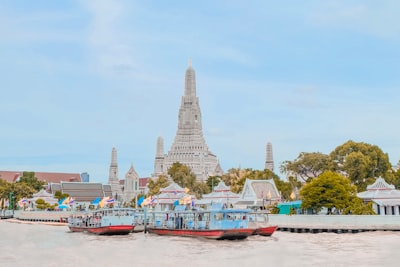
One of Bangkok's most iconic landmarks, Wat Arun Ratchawararam Ratchawararam Woramahawihan, commonly known as Wat Arun, stands majestically on the west bank of the Chao Phraya River. Its distinctive prang (tower) is encrusted with colorful porcelain and seashells, shimmering beautifully, especially at sunrise or sunset. You can climb a portion of the central prang for panoramic views of the river and city skyline.
Practical Tips:
- Best Time to Visit: Early morning for sunrise views, or late afternoon to see it illuminated against the twilight sky.
- Getting There: Take the Chao Phraya Express Boat to Tha Tien Pier, then a short ferry across the river.
- Dress Code: Respectful attire (shoulders and knees covered) is required for entry into temple buildings.
Wat Pho (Temple of the Reclining Buddha)
Just a short walk from the Grand Palace, Wat Pho is another spiritual giant. It houses the magnificent 46-meter-long Reclining Buddha, adorned with gold leaf, whose feet are intricately inlaid with mother-of-pearl depicting 108 auspicious characteristics of the Buddha. Wat Pho is also renowned as the birthplace of traditional Thai massage, and you can even get one at the temple's massage school.
Practical Tips:
- Admission: Approximately 200 Baht.
- Hours: Typically 8:00 AM - 6:30 PM daily.
- Experience: Don't miss the chance to experience a traditional Thai massage here.
Chatuchak Weekend Market
Prepare for an assault on your senses at Chatuchak Weekend Market, one of the world's largest markets. Spanning 27 sections, it's a labyrinthine wonderland where you can find virtually anything: clothing, accessories, handicrafts, art, antiques, ceramics, food, plants, and even pets. It's a vibrant, sometimes overwhelming, but utterly essential Bangkok experience.
Practical Tips:
- Hours: Primarily open on Saturdays and Sundays from 9:00 AM - 6:00 PM (some sections open Friday evening).
- Getting There: BTS Skytrain to Mo Chit Station or MRT Subway to Chatuchak Park Station.
- Strategy: Wear comfortable shoes, stay hydrated, and be prepared to haggle! Grab a map at the entrance and identify sections you want to explore.
Damnoen Saduak Floating Market / Amphawa Floating Market
Step back in time at one of Bangkok's traditional floating markets.
- Damnoen Saduak is the most famous and tourist-oriented, known for its vibrant atmosphere and colorful boats selling fruits, vegetables, and local delicacies. It's a fantastic photo opportunity.
- Amphawa Floating Market offers a more local and authentic experience, particularly popular with Thais. It comes alive in the late afternoon and evening on weekends, with a focus on seafood and traditional Thai snacks.
Practical Tips:
- Getting There: Both markets are outside Bangkok, requiring a minivan, bus, or tour package. Damnoen Saduak is generally visited in the morning, while Amphawa is an afternoon/evening affair.
- Experience: Take a longtail boat ride through the canals to truly soak in the atmosphere.
Jim Thompson House Museum
Discover the fascinating story of Jim Thompson, an American entrepreneur who revived the Thai silk industry after World War II and mysteriously disappeared in Malaysia in 1967. His traditional Thai house, meticulously reconstructed from six antique wooden houses, is now a museum showcasing his impressive collection of Southeast Asian art and antiques. It's a peaceful oasis amidst the urban chaos.
Practical Tips:
- Location: Easily accessible via BTS Skytrain to National Stadium Station.
- Tours: Entry is by guided tour only, which are offered frequently in multiple languages.
Lumpini Park
Escape the urban jungle at Lumpini Park, Bangkok's green lung. This sprawling public park offers a serene environment for walking, jogging, cycling, and relaxation. You might even spot monitor lizards basking by the lake. It's a great spot for people-watching, especially in the early mornings when locals practice tai chi or aerobics.
Practical Tips:
- Activities: Rent a paddle boat on the lake, join an outdoor aerobics class, or simply enjoy a picnic.
- Hours: 4:30 AM - 9:00 PM daily.
Asiatique The Riverfront
A modern take on a night market, Asiatique combines shopping, dining, and entertainment along the Chao Phraya River. Housed in former warehouses, it offers a wide range of boutiques, restaurants (Thai and international), a Ferris wheel, and various shows (Muay Thai, cabaret). It's a pleasant place to spend an evening, offering a more curated experience than traditional markets.
Practical Tips:
- Getting There: Take the BTS Skytrain to Saphan Taksin Station, then a free shuttle boat from the pier.
Khao San Road
Once a simple rice market, Khao San Road transformed into the legendary backpacker hub of Southeast Asia. It's a vibrant, sometimes chaotic, street famed for its budget guesthouses, street food stalls, souvenir shops, massage parlors, and lively bars. While it caters heavily to tourists, it's an undeniable part of Bangkok's appeal, especially for those seeking a lively nightlife and social atmosphere.
Practical Tips:
- Experience: Try some exotic street food (fried insects, anyone?), get a cheap foot massage, and soak in the buzzing atmosphere.
- Getting There: No direct BTS/MRT. Best reached by taxi/Grab or Chao Phraya Express Boat to Phra Arthit Pier, followed by a short walk.
Chinatown (Yaowarat Road)
Bangkok's Chinatown, centered around Yaowarat Road, is a dazzling explosion of red and gold. By day, it's a bustling hub for gold shops, traditional medicine clinics, and markets. By night, it transforms into an epicurean paradise, with street food vendors serving up an incredible array of Thai-Chinese delicacies. The sheer volume and variety of food options here are astounding.
Practical Tips:
- Best Time to Visit: Evening for the ultimate street food experience.
- Must-Try: Dim sum, seafood, oyster omelets, bird's nest soup, durian sticky rice.
- Getting There: MRT Subway to Wat Mangkon Station puts you right in the heart of it.
Rooftop Bars (e.g., Sky Bar at Lebua, Vertigo at Banyan Tree)
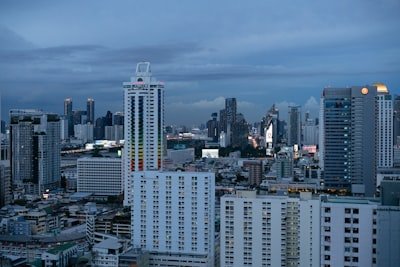
For breathtaking panoramic views of Bangkok's glittering skyline, head to one of its many luxurious rooftop bars. The Sky Bar at Lebua (made famous by "The Hangover Part II") and Vertigo at Banyan Tree are among the most renowned. Enjoy a sophisticated cocktail as you watch the city lights twinkle below – a truly magical experience.
Practical Tips:
- Dress Code: Smart casual is usually required (no shorts, flip-flops, or sleeveless shirts for men).
- Prices: Expect significantly higher prices for drinks compared to street-level bars.
Shopping Malls (Siam Paragon, MBK Center, CentralWorld)
Experience the modern face of Bangkok at its sprawling, air-conditioned shopping malls.
- Siam Paragon is an upscale paradise offering high-end fashion, luxury brands, a gourmet food court, and even an aquarium.
- MBK Center is a more budget-friendly option, famous for electronics, mobile phones, clothing, and souvenirs. It's a great place to bargain.
- CentralWorld is one of the largest shopping complexes in the world, with a vast array of international and local brands, restaurants, and entertainment.
Practical Tips:
- Location: Most major malls are clustered around the Siam BTS Skytrain interchange.
- Food: Don't underestimate the excellent food courts found in almost every mall – they offer delicious and affordable local and international cuisine.
Street Food Tours / Cooking Classes
To truly immerse yourself in Thai culture, indulge in its world-famous cuisine. A street food tour with a local guide will introduce you to hidden culinary gems and popular dishes you might otherwise miss. Alternatively, a Thai cooking class offers a hands-on experience, teaching you to prepare classic dishes like Pad Thai, Tom Yum Goong, and Green Curry.
Practical Tips:
- Booking: Many reputable tour operators and cooking schools offer these experiences.
- Dietary Needs: Inform your guide/instructor of any allergies or dietary restrictions beforehand.
Muay Thai Boxing
Witness the national sport of Thailand, Muay Thai (Thai Boxing), in person for an electrifying cultural experience. Matches are held regularly at stadiums like Lumpinee Boxing Stadium and Rajadamnern Boxing Stadium. It's an intense and respectful martial art that showcases incredible athleticism and tradition.
Practical Tips:
- Tickets: Can be purchased at the stadium or through tour operators. Prices vary based on seating.
- Atmosphere: Arrive early to soak in the pre-fight atmosphere and witness the traditional Wai Kru Ram Muay ritual.
Navigating Bangkok: A Practical Guide
Getting around Bangkok can seem daunting at first, but with a little planning, its diverse transport network becomes easy to master.
Best SIM Card in Thailand for Tourists
Staying connected is crucial for navigation, communication, and sharing your travel experiences. Thailand offers excellent and affordable SIM card options for tourists.
- AIS (Advanced Info Service): Widely considered the leading network, offering the best coverage, especially outside major cities. Their "Tourist SIM" packages are very popular.
- TrueMove H: A strong competitor with good coverage and competitive tourist plans.
- DTAC: Another reliable provider, particularly good in Bangkok and popular tourist areas.
- Types of Plans (Tourist SIMs):
- Most tourist SIMs offer a combination of data (often unlimited at a throttled speed after a high-speed allowance), a small amount of local call credit, and sometimes international call credit.
- Validity periods typically range from 8, 15, or 30 days.
- Prices vary from around 200-800 Baht, depending on data allowance and validity.
- Airports (BKK & DMK): The most convenient place. Upon arrival, you'll find counters for AIS, TrueMove H, and DTAC in the arrivals hall. Staff can help you choose a plan, register, and install the SIM. This is highly recommended for ease.
- Convenience Stores (7-Eleven, FamilyMart): You can buy basic SIM cards here, but activation can be more complex as you might need to register it yourself online or at an official store.
- Official Provider Stores: Located in major shopping malls. Staff will assist with registration and activation, offering a wider range of plans.
- Activation Process & Required Documents:
- To purchase and activate a SIM card in Thailand, you *must* present your passport. This is a legal requirement for registration.
- The staff at airport counters or official stores will handle the registration and activation for you. It usually takes just a few minutes.
- Duration of Stay: Pick a plan that matches your trip length.
- Data Needs: Estimate how much data you'll use for maps, social media, messaging, etc. Unlimited data plans (with initial high-speed allowance) are common.
- Compare Deals: Briefly check the current promotions from the three major providers at the airport. They are often very similar.
- Hotspotting: If you need to share internet with other devices, ensure the plan allows for hotspotting.
Public Transport in Bangkok
Bangkok boasts an efficient, albeit sometimes complex, public transport system.
- BTS Skytrain: The elevated electric train system is fast, clean, and air-conditioned, covering major commercial and tourist areas. It's excellent for avoiding traffic.
- Routes: Two main lines – Sukhumvit Line and Silom Line – with interchanges at Siam station.
- How to Use: Buy single-journey tickets from vending machines (coins or small notes) or use a Rabbit Card (a stored-value card for convenience, reloadable).
- MRT Subway: Bangkok's underground metro system complements the BTS, reaching areas like Chinatown (Wat Mangkon station) and the Chatuchak Weekend Market.
- How to Use: Similar to BTS, single-journey tokens are available, or use an MRT Plus Card (stored-value). MRT and BTS cards are not interchangeable.
- Chao Phraya Express Boat: A fantastic way to see riverside attractions (Grand Palace, Wat Arun, Wat Pho, Asiatique) while avoiding traffic and enjoying the breeze.
- Routes: Different flag colors (blue, orange, yellow, local) denote different stopping patterns and fares. The orange flag boat is generally sufficient for tourists.
- How to Use: Pay onboard to a conductor or purchase a ticket at the pier.
- Bus (BMTA): The cheapest mode of transport, with an extensive network. However, it can be confusing for tourists due to the lack of English signage and frequent stops.
- Types: Air-conditioned (blue/cream buses, red/cream buses) and non-air-conditioned (red/white, cream/red). Air-con buses are more comfortable and slightly more expensive.
- How to Use: Pay the conductor onboard. Use Google Maps with public transport option to navigate.
- Tuk-Tuks: Iconic three-wheeled auto-rickshaws. A fun, exhilarating, but often overpriced experience.
- Negotiate: Always agree on a fare *before* getting in. Don't be afraid to haggle; start at 50% of their initial offer.
- Safety: Be wary of drivers offering suspiciously cheap "sightseeing tours" as they often involve stops at gem shops or tailor stores.
- Motorbike Taxis: Identifiable by their orange vests, these are the fastest way to weave through traffic for short distances.
- Safety: Best for single riders, agree on the fare beforehand, and helmets are usually provided for the passenger (though not always sturdy). Not recommended during peak traffic for inexperienced riders.
- Taxis (Metered): Abundant and generally affordable.
- Insist on Meter: Always ask the driver to use the meter ("chai meter" in Thai). If they refuse, find another taxi.
- Ride-Hailing Apps (Grab): Highly recommended. Grab (Southeast Asia's Uber equivalent) offers transparent pricing, cash or card payment, and easy booking via an app. It's often more reliable than hailing a street taxi.
Car Rental / Bike Rental Options in Bangkok
- Pros: Freedom to explore beyond the city at your own pace.
- Cons: Driving in Bangkok is challenging due to heavy traffic, complex road rules, and aggressive drivers. Parking can be difficult and expensive. For city travel, public transport is vastly superior.
- Where to Rent: International companies like Hertz, Avis, Budget, and Thrifty have counters at airports and in major city hotels. Local companies also exist.
- Requirements: You'll need an international driving permit (IDP) in conjunction with your national driver's license. Minimum age is usually 21-23. Credit card for deposit.
- Recommendation: Only consider car rental if you plan extensive trips outside Bangkok. For within the city, it's generally not advisable.
- Bike Rental (Scooter/Motorbike):
- Availability: Numerous shops around popular tourist areas (e.g., Khao San Road) offer scooter rentals.
- Risks: Bangkok's traffic is extremely dense and chaotic. Motorbike accidents are common.
- Requirements: You'll typically need to leave your passport as collateral (not recommended, try to leave a copy or cash deposit instead) and have a valid motorbike license from your home country, along with an IDP (International Driving Permit) endorsed for motorcycles. Many rental places may not strictly check, but insurance will be void if you don't have the correct license.
- Safety: Always wear a helmet (it's legally required for both rider and passenger). Drive defensively.
- Recommendation: Only for very experienced motorcycle riders comfortable with intense urban traffic. For most tourists, it's a high-risk option within Bangkok. Better for exploring quieter islands or rural areas.
Airport to City Transport Guide
Bangkok has two main international airports: Suvarnabhumi (BKK) and Don Mueang (DMK).
- From Suvarnabhumi Airport (BKK):
- Airport Rail Link (ARL): The fastest and cheapest option.
- City Line: Operates from 6 AM to midnight, stopping at several stations before terminating at Phaya Thai station (BTS interchange). Travel time: ~30 minutes. Cost: 15-45 Baht.
- Express Line (no longer operating as a separate non-stop service): All trains now run as City Line, making all stops.
- Metered Taxis: Available from the official taxi stand on Level 1. Follow the "Public Taxi" signs. Take a ticket from the machine, which assigns you a driver and stand number.
- Cost: Meter fare (~250-400 Baht depending on destination and traffic) + 50 Baht airport surcharge + expressway tolls (if used, ~75 Baht). Total: ~350-550 Baht.
- Travel Time: 30-60+ minutes, highly dependent on traffic.
- Airport Buses: Public buses (BMTA) connect BKK to various parts of the city, including Khao San Road. Cheaper but slower.
- Private Transfers/Grab: Can be pre-booked or hailed via the Grab app. Convenient but generally more expensive than taxis.
- From Don Mueang Airport (DMK):
- Airport Buses (A1, A2, A3, A4): These dedicated airport buses provide direct connections to key city areas.
- A1: To Mo Chit BTS Station and MRT Chatuchak Park.
- A3: To Lumpini Park and Ratchadamri.
- Travel Time: 30-60+ minutes depending on traffic.
- SRT Red Line (Train): A commuter train service connecting DMK to Bang Sue Grand Station (a major transport hub with MRT connections). From Bang Sue, you can connect to the MRT subway to reach other parts of the city.
- Cost: Around 30-40 Baht to Bang Sue.
- Travel Time: ~15-20 minutes to Bang Sue.
- Metered Taxis: Available outside the arrivals hall. Similar pricing structure to BKK (meter + 50 Baht airport surcharge + tolls).
- Cost: ~200-400 Baht + tolls.
- Travel Time: 30-60+ minutes.
- Private Transfers/Grab: Also an option here.
Budget Transport Tips
Getting around Bangkok doesn't have to break the bank.
- Embrace Public Transport: The BTS Skytrain, MRT Subway, and Chao Phraya Express Boats are your best friends for affordable and efficient travel. Learn their routes and leverage their networks.
- Utilize Ride-Hailing Apps (Grab): For taxis, always use Grab. It provides upfront pricing, often cheaper than haggling with street taxis, and ensures you won't be taken on a longer route. Use the "JustGrab" option for the cheapest car, or "GrabBike" for quick, short distances (if comfortable).
- Walk When Possible: Many attractions are within walking distance of each other or public transport stations. Not only is it free, but it also allows you to discover hidden gems.
- Negotiate Tuk-Tuk Fares Wisely: If you *must* take a tuk-tuk for the experience, negotiate hard. Don't take the first price offered. It's often cheaper for short distances than long ones.
- Consider the Bus (with caution): While the cheapest, buses are complex. If you're adventurous and have time, they offer an authentic local experience at very low fares (often under 15 Baht). Use an app like Google Maps to help with routes.
- Avoid Peak Hours: If you can, avoid travel by road (taxi, tuk-tuk) during morning (7-9 AM) and evening (4-7 PM) rush hours, when traffic is at its worst and fares might be higher due to longer travel times.
Essential Bangkok Travel Tips
- Best Time to Visit: The cool and dry season (November to February) offers pleasant temperatures and lower humidity. March to May is hot, and June to October is the rainy season.
- Dress Code for Temples: Always dress respectfully. Shoulders and knees must be covered. Avoid sleeveless tops, shorts, mini-skirts, and revealing clothing. Some temples may provide sarongs for rent or loan.
- Basic Thai Phrases: Learning a few phrases like "Sawasdee krap/ka" (hello male/female), "Khob khun krap/ka" (thank you male/female), and "Tao Rai krap/ka?" (how much?) will go a long way.
- Safety Tips: Bangkok is generally safe, but be aware of common tourist scams (e.g., fake gem shops, overly friendly strangers offering unsolicited advice). Keep an eye on your belongings, especially in crowded areas. Use reputable taxis/Grab.
- Food Hygiene: Embrace street food, but choose stalls that are busy (high turnover means fresh food) and look clean.
- Bargaining: Haggling is expected in markets (like Chatuchak) but not in department stores or restaurants. Bargain politely and with a smile.
- Money and Tipping: The currency is the Thai Baht (THB). ATMs are widely available. Tipping isn't mandatory but appreciated for good service in restaurants and hotels. For taxis, round up the fare.
Bangkok FAQs (Frequently Asked Questions)
Q: Is Bangkok safe for tourists?
A: Yes, Bangkok is generally very safe for tourists. However, like any major city, it's wise to be aware of your surroundings, especially at night, and guard against petty theft and common tourist scams.
Q: What's the best way to get around Bangkok?
A: A combination of BTS Skytrain, MRT Subway, and Chao Phraya Express Boat is usually the most efficient and enjoyable. For door-to-door convenience, use the Grab app for taxis.
Q: Do I need a visa for Thailand?
A: This depends on your nationality. Many countries are granted a visa exemption for stays of 30 days or less upon arrival. Always check the latest visa requirements for your country with the Royal Thai Embassy or Consulate before traveling.
Q: What currency is used in Bangkok?
A: The official currency is the Thai Baht (THB).
Q: What are some must-try foods in Bangkok?
A: Pad Thai, Tom Yum Goong (spicy shrimp soup), Green Curry, Mango Sticky Rice, Massaman Curry, Som Tum (papaya salad), and various street food skewers and fried snacks. Don't be afraid to experiment!
Q: How many days do I need in Bangkok?
A: To experience the major highlights and soak in the atmosphere, a minimum of 3-4 full days is recommended. This allows for exploring temples, markets, enjoying food, and experiencing the nightlife without feeling rushed.
Q: Is tipping customary in Bangkok?
A: Tipping is not strictly customary in the same way it is in some Western countries, but it is increasingly appreciated. For good service in restaurants, rounding up the bill or leaving 5-10% is polite. Taxi drivers usually appreciate rounded-up fares.
Q: What should I wear when visiting temples?
A: Always dress modestly and respectfully. This means covering your shoulders and knees. Avoid sleeveless tops, shorts, short skirts, and revealing clothing. It's also customary to remove your shoes before entering temple buildings.
Embark on Your Bangkok Adventure!
Bangkok is a city that never sleeps, constantly reinventing itself while holding fast to its rich cultural heritage. From the glittering spires of ancient temples to the vibrant chaos of its street markets, the calm serenity of its parks to the dazzling heights of its rooftop bars, Bangkok promises a kaleidoscope of experiences. It's a place where every corner turned reveals a new surprise, a new scent, a new sound. Armed with this guide, you're ready to navigate its charming complexities, immerse yourself in its unique culture, and create memories that will last a lifetime. So pack your bags, prepare your senses, and get ready to be captivated by the magic of Bangkok – an unforgettable journey awaits!