Melbourne Visa Guide 2026 – Complete Australia Travel Guide
Embarking on Your Melbourne Adventure: A Comprehensive Visa and Travel Guide
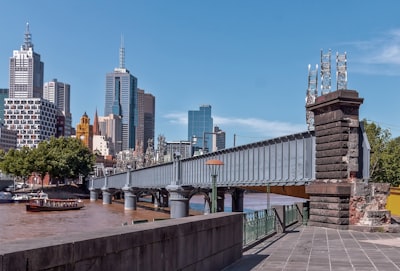
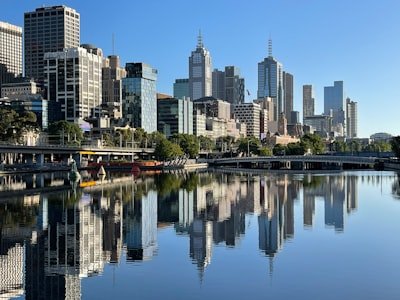
Melbourne, consistently ranked among the world's most liveable cities, is a captivating blend of cultural sophistication, sporting passion, and culinary excellence. From its iconic laneways adorned with vibrant street art and hidden cafes to its grand Victorian architecture and sprawling gardens, Melbourne offers an unparalleled urban experience. But before you can immerse yourself in its unique charm, understanding the essentials of Australian visas and navigating the practicalities of travel is paramount. This comprehensive guide will walk you through everything you need to know, from securing your entry visa to mastering the city's transport and staying connected, ensuring your Melbourne adventure begins smoothly and enjoyably.
Welcome to Melbourne: Australia's Cultural Capital
Nestled on the southeastern coast of Australia, Melbourne is more than just a city; it's a lifestyle. It’s a place where world-class dining coexists with bustling markets, where art galleries and museums stand alongside world-renowned sporting arenas. Its distinct precincts, each with its own character, invite endless exploration. Whether you're a foodie, an art enthusiast, a sports fanatic, or simply looking for an enriching urban escape, Melbourne promises an unforgettable journey. Prepare to be enchanted by its dynamic energy and laid-back sophistication.
Navigating Australian Visas: Your First Step to Melbourne
The thought of obtaining a visa can sometimes feel daunting, but Australia has a streamlined system, especially for tourists from eligible countries. Understanding which visa subclass applies to you and how to apply correctly is the critical first step in planning your trip to Melbourne.
Understanding Australia's Visa System
Australia operates a universal visa system, meaning almost everyone, regardless of their nationality, requires a valid visa to enter the country. There is no provision for visa-free entry, except for New Zealand citizens who can apply for a visa on arrival under the Trans-Tasman Travel Arrangement. For most other visitors, a pre-arranged visa is essential. The type of visa you need will depend on your nationality, the purpose of your visit, and the length of your intended stay. For tourism purposes, the most common visas are the Electronic Travel Authority (ETA), the eVisitor visa, and the Visitor Visa (subclass 600).
The Most Common Visas for Tourists
Let's delve into the primary visa options available for those looking to explore Melbourne and the wider Australia.
- ETA (Electronic Travel Authority - Subclass 601)
The ETA is an electronically stored authority for travel to Australia, linked to your passport. It's designed for short-term tourist or business visitor stays, typically up to three months per visit within a 12-month period.
- Who is eligible? Citizens of specific countries are eligible, including the United States, Canada, Japan, Singapore, South Korea, and various European nations. It's crucial to check the official Australian Department of Home Affairs website for the most current list of eligible nationalities.
- How to apply? Applications for an ETA are typically made online through the Australian ETA app, available on both iOS and Android devices. The process is usually quick and straightforward, with most applications processed instantly or within a few days. You will need a valid passport and a credit card for the application fee.
- Allows multiple entries to Australia for up to 12 months from the date of grant.
- Each stay must not exceed three months.
- Cannot be used for work, though limited business visitor activities (like attending conferences) are permitted.
- You must be outside Australia when you apply and when the visa is granted.
The eVisitor visa is another popular option for short-term stays, specifically for passport holders from eligible European countries. Like the ETA, it's an electronic visa for tourism or business visitor purposes, allowing stays of up to three months.
- Who is eligible? Citizens of all 27 European Union member states, as well as several other European countries such as Iceland, Liechtenstein, Monaco, Norway, San Marino, Switzerland, and Vatican City, are eligible. Again, confirm eligibility on the official government website.
- How to apply? The eVisitor visa is applied for online through the Department of Home Affairs website. It is generally free of charge, making it a very attractive option for eligible travellers. Processing times can vary but are often quick, ranging from immediate grant to a few days.
- Allows multiple entries for up to 12 months from the date of grant.
- Each stay must not exceed three months.
- No work permitted; limited business activities are allowed.
- You must be outside Australia when you apply and when the visa is granted.
- Visitor Visa (Subclass 600)
If you are not eligible for an ETA or eVisitor visa, or if you intend to stay longer than three months, the Visitor Visa (subclass 600) is your alternative. This visa category covers a broader range of purposes and nationalities.
- Who needs this? This is for citizens of countries not eligible for ETA or eVisitor, or for those who wish to stay in Australia for more than three months (up to 12 months, depending on the grant).
- Streams: The Visitor Visa has several streams:
- Tourist Stream: For people visiting Australia for a holiday, recreation or to visit family and friends.
- Sponsored Family Stream: For people visiting family in Australia who are willing to sponsor them.
- Business Visitor Stream: For business people travelling to Australia for short business trips.
- How to apply? Applications are made online via the ImmiAccount portal on the Department of Home Affairs website. This process is more detailed than for ETAs or eVisitors and requires more supporting documentation. There is an application fee.
- Can be granted for single or multiple entries, and for periods ranging from three, six, or up to twelve months.
- Processing times can be longer, from several days to several weeks, depending on the stream and the volume of applications.
- You must genuinely intend to visit Australia temporarily and comply with all visa conditions.
General Visa Requirements and Tips
Regardless of the visa type you apply for, some general requirements and best practices apply:
- Valid Passport: Ensure your passport is valid for at least six months beyond your intended stay in Australia.
- Good Health and Character: You must meet Australia's health and character requirements. This may involve medical examinations or police checks for longer stays or certain nationalities.
- Proof of Funds: Be prepared to demonstrate you have sufficient funds to support yourself during your stay without working.
- Intention to Return: You must satisfy the Australian authorities that you genuinely intend to visit temporarily and will depart Australia before your visa expires.
- Apply in Advance: While some visas are processed quickly, always apply well in advance of your planned travel dates to avoid unnecessary stress or delays.
- Check Official Sources: Visa regulations can change. Always refer to the official Australian Department of Home Affairs website (homeaffairs.gov.au) for the most accurate and up-to-date information regarding eligibility, application processes, fees, and conditions.
Planning Your Trip: Essentials for Melbourne Tourists
With your visa in hand (or on its way!), it's time to fine-tune the practical aspects of your Melbourne adventure.
Best Time to Visit Melbourne
Melbourne experiences four distinct seasons, each offering a different flavour.
- Spring (September - November): Pleasant temperatures, blooming gardens, and the excitement of the Spring Racing Carnival. Can be unpredictable with "four seasons in one day."
- Summer (December - February): Warm to hot, ideal for beach trips to St Kilda, outdoor dining, and major sporting events like the Australian Open. Humidity can be high.
- Autumn (March - May): Often considered the best time, with mild, sunny days and stunning foliage in the city's parks. Perfect for exploring on foot.
- Winter (June - August): Cooler, sometimes wet, but still vibrant with cozy cafes, theatre seasons, and proximity to ski fields for day trips.
Currency and Budgeting
Australia's currency is the Australian Dollar (AUD). Credit and debit cards are widely accepted, with contactless payment (tap-and-go) being the norm. ATMs are plentiful. While Melbourne can be perceived as an expensive city, strategic budgeting can make it accessible. A mid-range daily budget for accommodation, food, and activities might range from AUD 100-200, but it can vary significantly based on your travel style.
Language and Etiquette
English is the official language. Australians are generally friendly and informal. A casual "G'day" (good day) is a common greeting. Tipping is not mandatory but appreciated for exceptional service in restaurants or taxis.
Staying Connected: Best SIM Card in Australia for Tourists
Staying connected is crucial for navigation, communication, and sharing your travel experiences. Australia has a competitive telecommunications market with excellent coverage in urban areas.
The three main network providers are
Telstra, Optus, and Vodafone.
- Telstra: Generally offers the widest coverage, especially in regional and remote areas, but tends to be slightly more expensive. Ideal if you plan to venture outside major cities.
- Optus: Provides strong coverage in metropolitan areas and popular tourist routes, often striking a good balance between price and performance.
- Vodafone: Offers competitive pricing and good coverage in major cities and their surrounding suburbs. It might be less robust in very remote areas compared to Telstra.
Prepaid vs. Postpaid:
For tourists,
prepaid SIM cards are the most practical option. They don't require a long-term contract, offer various data packages, and are easy to top up.
Where to Buy:
You can purchase prepaid SIM cards at:
- Melbourne Tullamarine Airport (MEL): Kiosks and stores (e.g., Vodafone, Optus) are available in the arrivals hall. This is convenient but sometimes slightly pricier.
- Supermarkets: Major supermarkets like Woolworths and Coles sell SIM cards for all providers at competitive prices.
- Provider Stores: Dedicated stores for Telstra, Optus, and Vodafone are found throughout Melbourne's CBD and shopping centres, where staff can help with activation.
- Convenience Stores: 7-Eleven stores also stock SIM cards.
Plans and Data Considerations:
Most tourist-friendly prepaid plans include:
- Unlimited national calls and texts.
- A set amount of data (e.g., 20GB, 40GB, 60GB for 28-30 days).
- Some plans include international calls to selected countries.
Consider how much data you'll need. If you're relying on maps, social media, and video calls, opt for a higher data allowance.
eSIM Options:
Many newer smartphones support eSIM technology, allowing you to activate a plan digitally without a physical SIM card. Providers like Airalo, Holafly, or even some local Australian providers offer eSIMs for tourists. This can be convenient as you can set it up before you arrive.
Recommendation: For most tourists staying within Melbourne and day-trip distances, Optus or Vodafone will offer excellent value and coverage. If extensive regional travel is planned, Telstra is generally superior. Compare current deals upon arrival or research online beforehand.
Getting Around Melbourne: A Guide to Public Transport
Melbourne boasts an extensive and efficient public transport network, making it incredibly easy to navigate the city and its surrounding suburbs without a car.
Myki Card: Your Key to Melbourne's Network
The
Myki card is Melbourne's reloadable smartcard that allows you to travel on trains, trams, and buses. It's essential for anyone using public transport outside the Free Tram Zone.
- What it is: A durable, plastic card that stores your travel credit (Myki Money) or a pass (Myki Pass).
- Major train stations: Customer service desks.
- 7-Eleven stores: Widespread throughout the city.
- Myki machines: Located at train stations and some tram stops.
- Online: Via the PTV (Public Transport Victoria) website (though it takes time to deliver).
- How to use: "Touch on" by tapping your Myki card on a reader when entering a train station or boarding a tram/bus. "Touch off" when exiting a train station or when getting off a tram/bus (unless it's within the Free Tram Zone). Incorrect touching on/off can lead to incorrect fare deductions.
- Top-up: You can add Myki Money at the same places you buy cards, as well as online, or via the PTV app.
Melbourne's Extensive Network
- Trams: Melbourne has the largest tram network in the world. Trams are iconic and a fantastic way to see the city.
- Free Tram Zone: A significant benefit for tourists! Travel is FREE within a designated zone that covers most of the CBD, Queen Victoria Market, and Docklands. Look for signs at tram stops. You do NOT need to touch on/off with your Myki within this zone.
- Trains: A comprehensive train network connects the CBD to outer suburbs and regional towns (V/Line). Flinders Street Station is the busiest and most recognizable hub.
- Buses: Buses fill the gaps where trams and trains don't operate, providing essential links to suburbs and specific attractions.
- Regional V/Line services: For day trips outside Melbourne (e.g., Geelong, Ballarat, Bendigo), V/Line trains and coaches are available. Myki cards can be used for shorter V/Line journeys within metropolitan zones.
Navigating the System
- Apps: The official PTV app (Public Transport Victoria) is invaluable for real-time travel information, journey planning, and service updates. Google Maps also integrates PTV data, offering excellent directions.
- Peak hours: Public transport can be very busy during weekday peak hours (approx. 7 AM-9 AM and 4:30 PM-6:30 PM).
Freedom on Wheels: Car Rental / Bike Rental Options in Melbourne
While Melbourne's public transport is excellent for city exploration, sometimes you might want the flexibility of your own wheels, especially for regional day trips.
Car Rental
Renting a car is ideal for exploring destinations outside Melbourne's urban core, such as the Great Ocean Road, the Yarra Valley, or the Mornington Peninsula.
- Major companies: All the global rental giants operate in Melbourne, including Hertz, Avis, Europcar, Budget, Thrifty, and Enterprise. You'll find offices at Melbourne Airport and various city locations.
- Driving License: You'll need a valid, full driver's license. If your license is not in English, you must also carry an International Driving Permit (IDP) or an official English translation.
- Minimum Age: Most companies require drivers to be at least 21, and some may charge a surcharge for drivers under 25.
- Credit Card: A major credit card in the driver's name is usually required for a security deposit.
- Insurance: Rental agreements typically include basic insurance, but often with a high excess. Consider purchasing additional insurance directly from the rental company or from a third-party provider for greater peace of mind.
- Left-hand side: Vehicles drive on the left-hand side of the road.
- Hook Turns: In specific intersections in Melbourne's CBD, you'll encounter "hook turns" for right turns. Pay close attention to signage and road markings.
- Road Rules: Familiarize yourself with Australian road rules, especially speed limits and rules around roundabouts.
- Parking: Parking in Melbourne CBD can be expensive and limited. Look for parking garages or utilize park-and-ride options in outer suburbs when traveling into the city.
Bike Rental
Melbourne is a bike-friendly city with many dedicated bike lanes and scenic paths.
- Private rental shops: Several independent bike shops around the city offer daily or weekly rentals. These are a good option for quality bikes and equipment (helmets are mandatory by law).
- Cycling routes: Explore the Capital City Trail, the scenic coastal path to St Kilda, or simply weave through the city's parks.
- Safety tips: Always wear a helmet, adhere to road rules, use hand signals, and be aware of pedestrians and other traffic. Many paths are shared with pedestrians, so ride considerately.
Arriving in Melbourne: Airport to City Transport Guide
Melbourne is primarily served by two airports: Melbourne Tullamarine Airport (MEL) and Avalon Airport (AVV). Most international flights arrive at MEL.
Melbourne Tullamarine Airport (MEL)
Located approximately 23 kilometres northwest of the city centre, MEL is Australia's second-busiest airport.
- Route: The most popular and direct option. SkyBus operates 24/7, providing express shuttle services between MEL and Southern Cross Station in the CBD.
- Cost: Approximately AUD 22-25 for a one-way adult ticket. Return tickets offer a small saving. Family tickets are also available.
- Frequency: Buses depart every 10-15 minutes (more frequently during peak times), ensuring minimal waiting.
- Advantages: Fast, comfortable, reliable, and includes free Wi-Fi. SkyBus also offers connecting shuttle services from Southern Cross Station to various hotels in the CBD and Docklands (check their website for details).
- Public Bus and Train (PTV):
- Route: This is the cheapest but most indirect option. Take Route 901 bus from the airport to Broadmeadows Station, then a train into the city (Flinders Street or Southern Cross Station).
- Cost: A standard Myki fare applies (approx. AUD 5.00 for a 2-hour fare in Zone 1+2).
- Advantages: Budget-friendly if you already have a Myki card or plan to buy one.
- Disadvantages: Involves a transfer, longer travel time (60-90 minutes), and less convenient with luggage.
- Cost: A taxi to the CBD typically costs between AUD 60-75, depending on traffic and time of day. Rideshare services like Uber, Ola, and DiDi are slightly cheaper, usually AUD 50-65.
- Convenience: Door-to-door service, ideal for groups or those with heavy luggage.
- Where to find: Taxi ranks are located outside the terminals. Rideshare pick-up zones are clearly signposted.
- Private Shuttle Services:
- Various companies offer pre-booked private transfers or shared ride services. These can be a good option for groups or those seeking a more personalized service. Prices vary.
Avalon Airport (AVV)
Located further out, approximately 50 kilometres southwest of Melbourne's CBD, Avalon primarily handles budget domestic flights (e.g., Jetstar).
- SkyBus Avalon: Similar to the MEL service, SkyBus operates between Avalon Airport and Southern Cross Station. Travel time is around 50-60 minutes, and tickets are comparable in price to the MEL SkyBus.
- Taxi/Rideshare: A taxi or rideshare from Avalon to Melbourne CBD will be significantly more expensive due to the greater distance, typically AUD 100+.
Smart Savings: Budget Transport Tips for Melbourne
Exploring Melbourne doesn't have to break the bank, especially when it comes to transport. Here are some savvy tips for budget-conscious travellers:
- Utilize the Free Tram Zone: This is your number one budget hack! Plan your sightseeing around the Free Tram Zone. Many major attractions, like Federation Square, Queen Victoria Market, and numerous laneways, fall within this area. Walkable distances between stops are also great for soaking in the city.
- Walk, Walk, Walk: Melbourne's CBD is very walkable. Embrace walking to discover hidden gems, street art, and unique shops that you might miss on public transport. It’s free, healthy, and offers a more intimate experience of the city.
- Myki Pass vs. Myki Money: If you're staying for several days and plan extensive public transport use outside the Free Tram Zone, consider a Myki Pass. These offer unlimited travel for 7 days or more (e.g., a 7-day pass is cheaper per day than buying daily tickets). For shorter stays or infrequent use, Myki Money (pay-as-you-go) is better.
- Bike Rental for Short Distances: If you're comfortable cycling, renting a bike for a day can be a cost-effective way to cover more ground than walking without relying on frequent tram/train rides. Look for daily rates from local rental shops.
- Off-Peak Travel: While not always about cost, travelling during off-peak hours can save you time and provide a more comfortable experience, reducing stress and potentially allowing you to explore more efficiently.
- Consider a Multi-Day SkyBus Return: If you fly into and out of Melbourne Tullamarine (MEL), purchasing a return SkyBus ticket upfront is slightly cheaper than two one-way tickets. Look for online discounts as well.
- Public Transport for Attractions: For attractions further afield, like the Royal Botanic Gardens (just outside the Free Tram Zone) or St Kilda Beach, use your Myki. It's significantly cheaper than taxis or rideshares.
Exploring Melbourne: Must-See Attractions
While this is a visa and transport guide, no Melbourne article is complete without a brief mention of its captivating attractions. Be sure to explore the vibrant street art and hidden cafes in its famous
laneways and arcades, immerse yourself in history and culture at
Federation Square, bargain hunt at the iconic
Queen Victoria Market, unwind amidst nature at the
Royal Botanic Gardens, and soak up the sun at lively
St Kilda Beach.
Frequently Asked Questions (FAQ) About Melbourne Travel & Visas
Here are answers to some common questions visitors have about travelling to Melbourne and navigating Australian visas.
- How long can I stay in Australia on a tourist visa?
Typically, ETA and eVisitor visas allow stays of up to three months per visit within a 12-month period. Visitor Visa (Subclass 600) grants can vary from three, six, or up to twelve months. Always check the specific conditions on your visa grant notice.
- Can I extend my tourist visa?
It is possible to apply for an extension of your tourist visa from within Australia, but success is not guaranteed and depends on your circumstances and reasons. You must apply *before* your current visa expires. It's often easier to return home and apply for a new visa.
- Do I need travel insurance for Australia?
While not a mandatory visa requirement, comprehensive travel insurance is *highly recommended*. Healthcare in Australia can be very expensive for non-residents. Insurance should cover medical emergencies, trip cancellations, lost luggage, and other unforeseen events.
- What's the best way to pay in Melbourne?
Credit and debit cards are widely accepted, with contactless payment being standard. It's advisable to carry some Australian Dollars (AUD) cash for smaller purchases or markets, but most transactions can be card-based.
- Is Melbourne safe for tourists?
Yes, Melbourne is generally a very safe city for tourists. Like any major urban centre, it's wise to be aware of your surroundings, especially at night, and take standard precautions against petty theft. Emergency services can be reached by dialling 000.
- What's the power plug type in Australia?
Australia uses Type I power sockets, which have two flat pins in a V-shape, and often a third earthing pin. The standard voltage is 230V, and the frequency is 50Hz. You'll need a travel adapter and potentially a voltage converter if your devices aren't dual voltage.
- Can I work on a tourist visa?
No, absolutely not. Tourist visas (ETA, eVisitor, Visitor Visa subclass 600) explicitly prohibit working in Australia. This includes paid and unpaid work. Engaging in work activities while on a tourist visa is a serious breach of visa conditions and can lead to visa cancellation and removal from Australia.
Your Melbourne Dream Awaits!
Melbourne is a city that promises discovery at every turn – a vibrant tapestry woven with rich history, cutting-edge culture, and an undeniable passion for life. By meticulously preparing your visa application, understanding your transport options, and staying connected, you’re not just planning a trip; you’re setting the stage for an extraordinary Australian adventure. From the moment you land to your final farewell, Melbourne is ready to captivate your senses and create memories that will last a lifetime. Get ready to explore, indulge, and fall in love with Australia's cultural heartbeat!